REVIEW · HERAKLION
Heraklion: History & Culture Walking Tour with Food Tasting
Book on GetYourGuide →Operated by TRAVELCRETE TOURS · Bookable on GetYourGuide
Heraklion tastes better than you expect. This 2-hour walking tour blends city-center monuments with Crete-style food tastings, so you learn as you eat. It also threads big-name stories through the streets, from Hercules to El Greco and Nikos Kazantzakis, with stops in off-the-beaten alleys.
I especially like how the guide uses the walk to explain the Mediterranean diet in a practical way. You’ll sample local products that actually match the theme—olive oil, snacks, coffee or tea, plus wine and raki—so it doesn’t stay theoretical. And I really enjoy that the pacing leaves room for questions and small moments, not just a rushed stamp-collecting tour.
One caution: this tour is not recommended if you have limited mobility or mobility impairments, and it’s also not suitable for pregnant women. It’s a walking-focused experience, so plan on being on your feet for the full route.
In This Review
- Key things to know before you go
- Why Heraklion’s history and food belong on the same route
- Meeting at Capsis Astoria and getting your bearings in Eleftherias Square
- Venetian buildings, churches, and fountains: what you’ll actually see
- Hercules to El Greco: the stories that make Heraklion stick
- The Mediterranean diet on a walk: olive oil, snacks, and the meaning behind them
- Coffee, wine, and raki tastings: pacing and what to plan for
- Shops for spices, herbs, and local sweets: edible souvenirs you’ll use
- Price and value for a 2-hour Heraklion tour
- Who this tour fits best (and who should pass)
- Should you book this Heraklion history and food walking tour?
- FAQ
- How long is the Heraklion history and culture walking tour?
- What time does the tour start?
- Where is the meeting point?
- Is the tour guided in English?
- What food and drinks are included in the tastings?
- What should I bring for the walk?
- Is the tour suitable for people with limited mobility or mobility impairments?
- Is free cancellation available?
Key things to know before you go
- Meet in Eleftherias Square by Capsis Astoria near the Archaeological Museum, with a clear check-in setup
- Tastings include olive oil, snacks, coffee or tea, wine, and raki (so come hungry in a sensible way)
- You’ll see major Heraklion monuments plus churches, fountains, and Venetian-era buildings
- The stories connect Hercules, El Greco, and Nikos Kazantzakis to what you see on the ground
- Off-the-beaten-path lanes are part of the plan, not just the main streets
- Guides such as Eri and Katerina get praised for pacing, energy, and making the experience feel personal
Why Heraklion’s history and food belong on the same route
Heraklion can feel like a stopover city—until you slow down and connect what’s in front of you with why it matters. This tour does that by mixing walking history with food tastings, so the sights don’t just blur together. You’re learning a place, not memorizing a lecture.
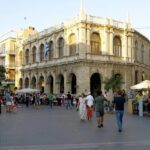
I like the way the route is built around the historical city center and recognizable architecture—especially those Venetian monumental buildings. Then the guide turns the corners into smaller lanes and side areas, which is where you start getting that sense of lived-in Crete. It’s also a smart move for timing: in two hours, you can’t cover everything, but you can cover the ideas.
The other big win is that the food isn’t random. You’ll taste local products and drink options while the guide explains the Mediterranean diet and what it looks like on Crete. The result is that you leave with a clearer picture of how people actually eat here—olive oil, herbs, simple snacks, and alcohol as part of social life rather than something separate.
You can also read our reviews of more walking tours in Heraklion


Meeting at Capsis Astoria and getting your bearings in Eleftherias Square
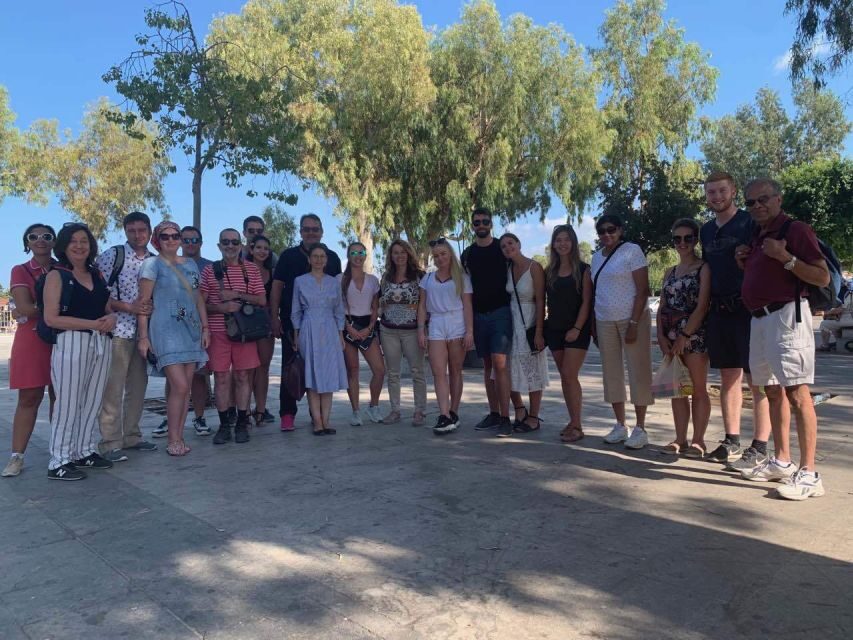
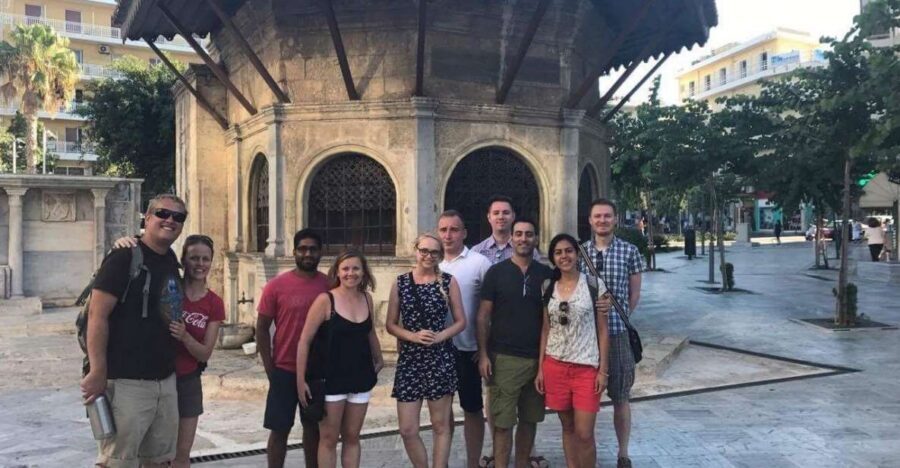
Your day starts at the Capsis Astoria Heraklion area, with the meeting point at Eleftherias Square in front of the hotel, near the Archaeological Museum. The check-in is handled by a local operator at the meeting spot, and you’ll see the WeGuide.gr meeting point logo.
This matters more than it sounds. Meeting in a central landmark square makes it easier to arrive on time, especially when you’re also figuring out parking, buses, and the flow of streets. The tour start time is 11:30am, so I’d aim to be there a bit early and take a quick look around first.
If you’re the type who likes clean logistics, here’s a heads-up from real-world experience: one start-time mix-up has happened where a group expected 11:30 but another tour had already departed earlier. The fix was straightforward—someone contacted the helpline, a guide was assigned, and the tour still turned out excellent. So if your timing feels uncertain, ask early rather than late.
Venetian buildings, churches, and fountains: what you’ll actually see
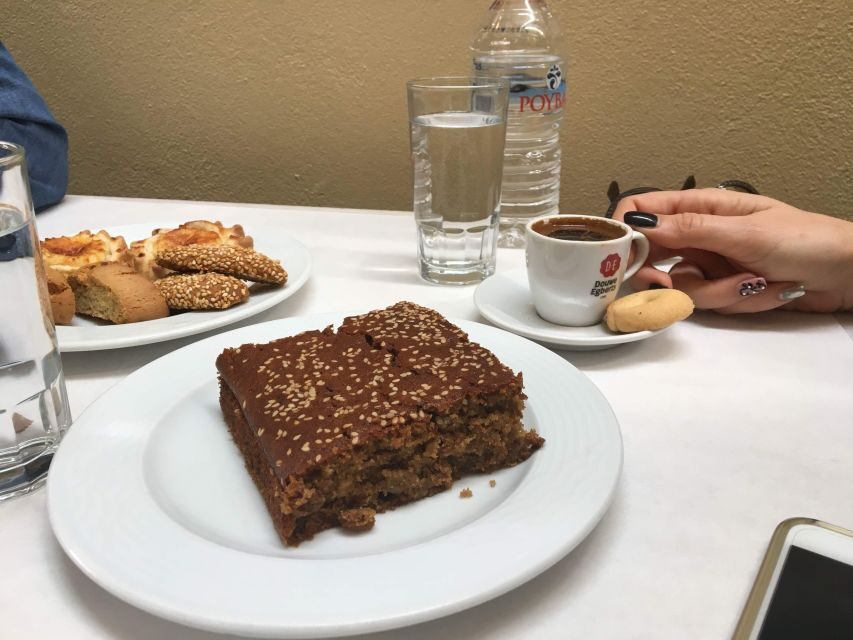
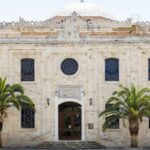
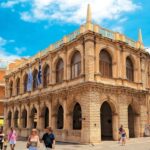
This is a walking tour of the historical core, focused on Heraklion’s major monuments and the religious and civic landmarks that shape the city’s character. The tour also explicitly includes legendary churches, fountains, and monuments, so it’s not only big-picture architecture. You’ll get close enough to notice details and then hear the story behind them.
What I like here is the blend of famous and less-famous sights. You’re not just standing in front of one highlight and waiting for the next photo op. The guide also takes you through off-the-beaten-path areas, which helps you understand how old city life fits around newer layers of Heraklion.
The “old meets new” angle isn’t just marketing language. You’ll be walking through a city that has layers from different eras and that still feels active today. That’s where the monuments stop being dusty artifacts and start feeling like part of a living place.
Hercules to El Greco: the stories that make Heraklion stick
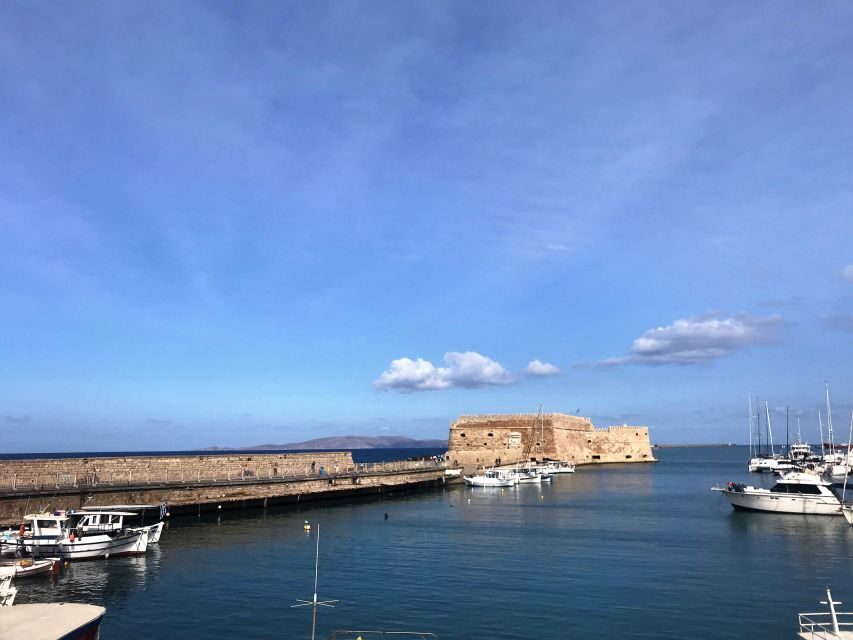
Heraklion’s strongest trick is that it connects myth and art to real street-level geography. The tour includes the story that the 7th labor of Hercules was performed here, and it also ties the city to the birth of El Greco and Nikos Kazantzakis.
Those names do a lot of work in your head after the walk. When you hear how Hercules fits into local storytelling, it shifts you from tourist mode to curiosity mode. When you connect El Greco and Kazantzakis to Crete, you start understanding why the island produces such intense artists and writers. It’s less about trivia and more about identity.
The guide also covers Heraklion’s turbulent past and explains how the city has carried its conflicts forward into the present. Even without getting lost in dates, you come away with a sense of why the city looks the way it does—and why people still care about it.
The Mediterranean diet on a walk: olive oil, snacks, and the meaning behind them
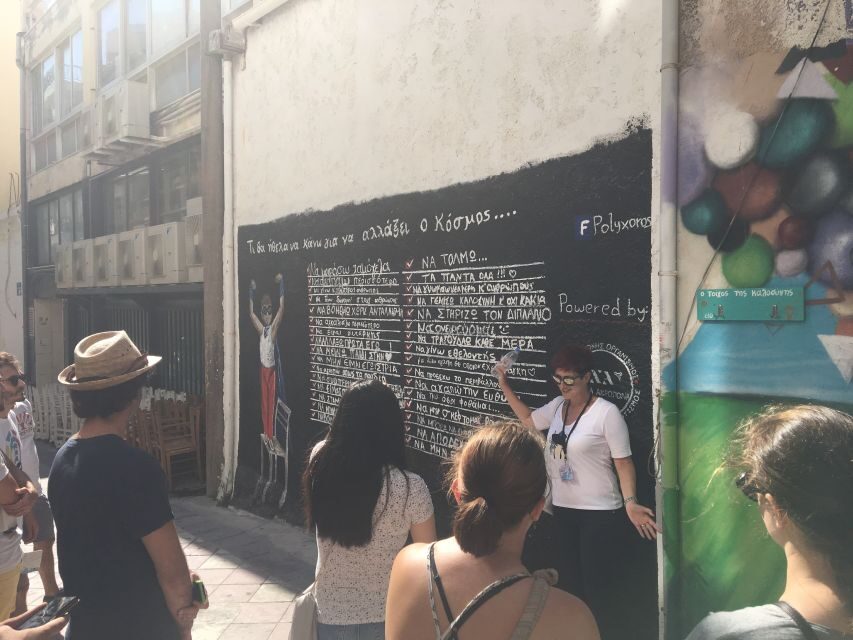
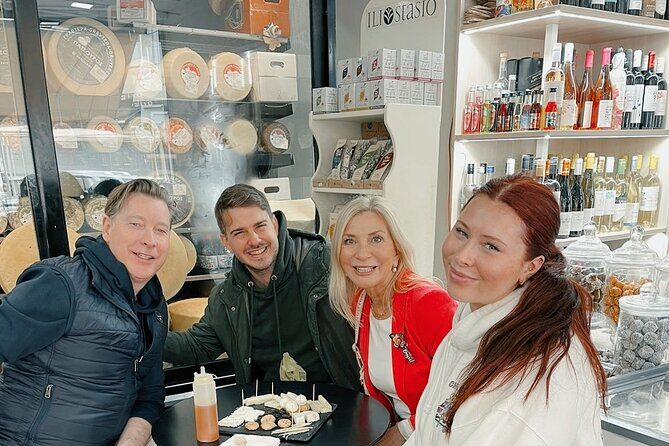
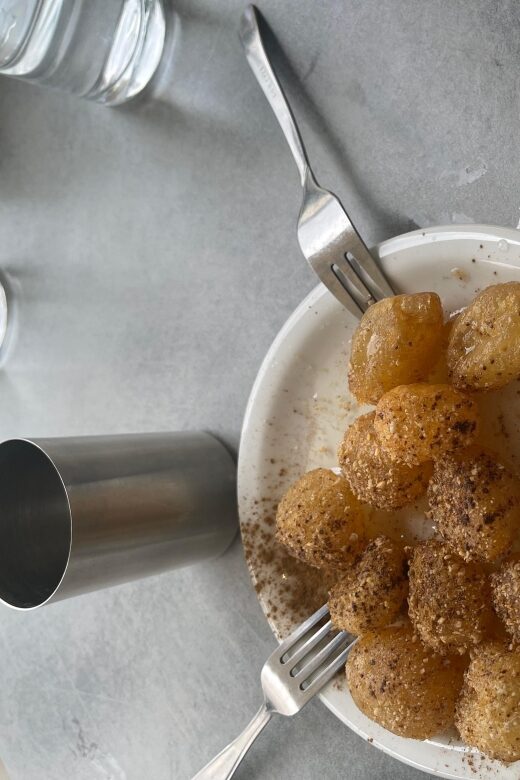
If you’ve ever read about the Mediterranean diet and thought, sure, but what does it look like in one afternoon, this tour answers that. You’ll taste olive oil and other local products, and you’ll snack along the way in the context of what the guide is teaching.
The Mediterranean diet theme is the backbone here. It’s not just a label. You’re seeing the ingredients and habits that show up in daily meals: olive oil, herbs, local snacks, and flavors that lean into simplicity. This is exactly the kind of learning that sticks, because your body gets the lesson while your brain follows the story.
Portion sizes are designed for a walking tour, not a food festival. Think finger-food style tastings and small stops, enough to experience variety without needing a nap in the middle of the route. If you’re sensitive to alcohol, you should also pace yourself with the guide’s help, since wine and raki are included.
You can also read our reviews of more food & drink experiences in Heraklion




Coffee, wine, and raki tastings: pacing and what to plan for
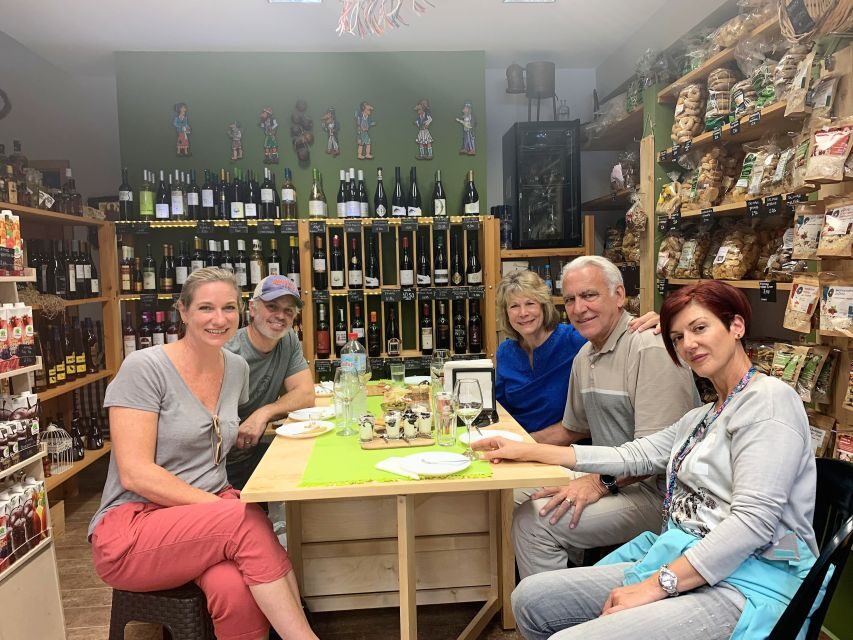
The tour includes tastings that go beyond coffee and dessert. Expect wine and raki in addition to coffee or tea and snacks. That combination is very Crete: social, flavorful, and part of how people slow down and talk.
The key is how it’s paced. A well-run food-and-walk tour prevents the two parts from competing with each other. Here, the tastings appear alongside sightseeing, so you’re not stuck in one long stretch of food stops, and you’re not spending the entire time sightseeing without a payoff.
I also appreciate that the guide energy gets called out in multiple experiences—Eri and Katerina come up with praise for being upbeat and keeping the tour feeling light even when the topics are serious. One of the stand-out points from real-world experiences is that the guide can tailor the experience and keep it well paced, even when the group includes a young child. That doesn’t mean it’s a nursery tour, but it does suggest the guide can adapt without losing the thread.
Practical note: wear comfortable shoes and plan for sun. You’ll be walking through the city center, and you’ll likely want sunscreen and a hat even in cooler months.
Shops for spices, herbs, and local sweets: edible souvenirs you’ll use
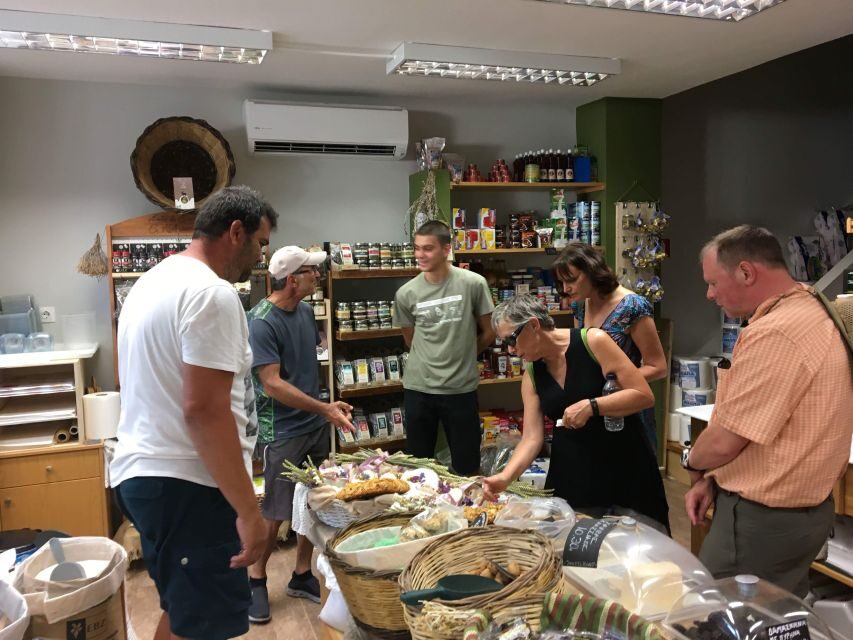
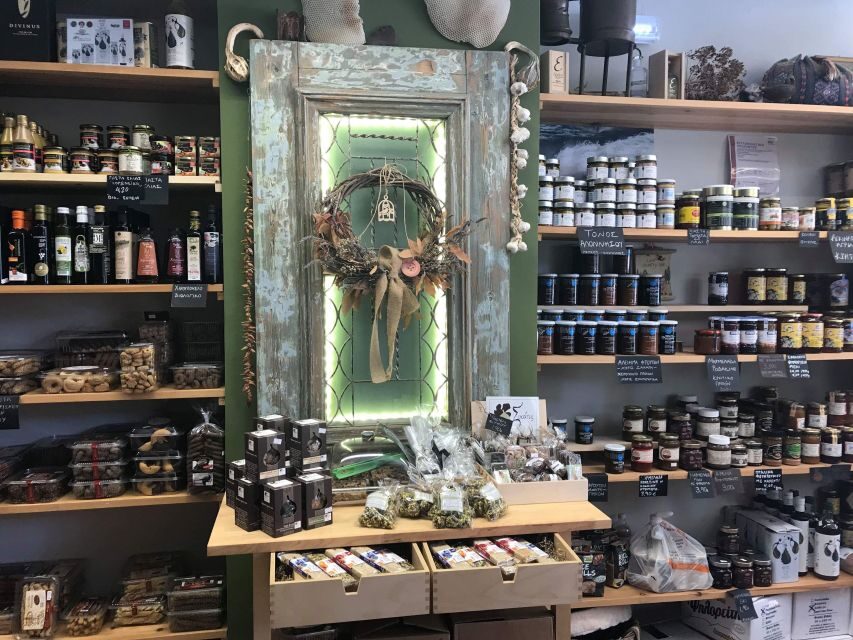
A big part of the appeal here is that the tastings connect to where the flavors come from. You’ll stop at local places focused on products and specialties, and you’ll hear from friendly shop owners along the way. In one experience, the stops included a spices shop and a local products shop, with owners described as especially welcoming.
From a value perspective, this is one of the best parts of any food tour: you get guided tasting first, then you know what to buy without guessing. If you pick up herbs, spices, or local sweets after tasting them, you’re buying with context, not just impulse.
The tour also leans into herbs and botanicals and includes local treats and snack-style items. Some experiences mention a Cretan lunchbox-style selection of products. Even if you don’t buy anything, it’s still useful—because you’ll know what to look for later when you’re shopping on your own.
Price and value for a 2-hour Heraklion tour
There’s no point trying to judge value without the actual price in front of you. But you can judge value by what’s included and how much time you’re spending.
For a 2-hour walk, the inclusions are substantial: guided monuments and sightseeing, plus multiple tastings (olive oil, snacks, coffee or tea, wine, and raki). That means you’re getting both a guided cultural experience and a food experience without needing extra plans or additional reservations.
You’re also paying for something you can’t DIY easily: a guide who ties the flavors to the city’s stories. Heraklion has plenty to see, but without context you might just get buildings and streets. With the tour theme, you’re converting what you see into something you remember.
Who this tour fits best (and who should pass)
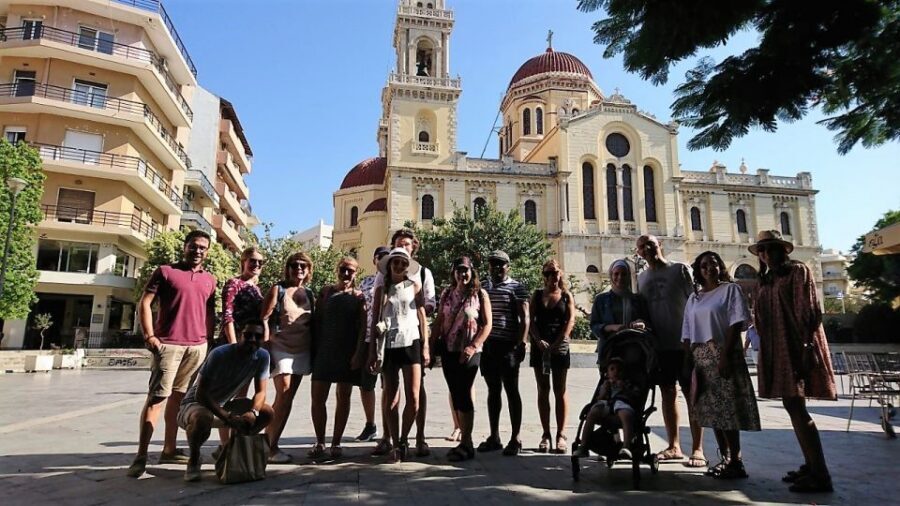
This is a good fit if you want a short, guided way to understand Heraklion. It works well for first-timers who want the highlights and the stories, and it’s especially appealing if you like food tours that teach you rather than just feed you.
It’s also a sensible choice for solo travelers because the format is designed for walking and tasting rather than group games. In one case, the guide was accommodating with a 2-year-old in a small group, which suggests the tour can be flexible. If you’re traveling with kids, still keep expectations realistic: this is not a stroller-friendly plan, and it includes adult drinks.
Who should pass: anyone with mobility impairments or limited mobility, and anyone who is pregnant. The tour is not recommended for those situations, which makes sense for a continuous walking route in a historic city center.
Should you book this Heraklion history and food walking tour?
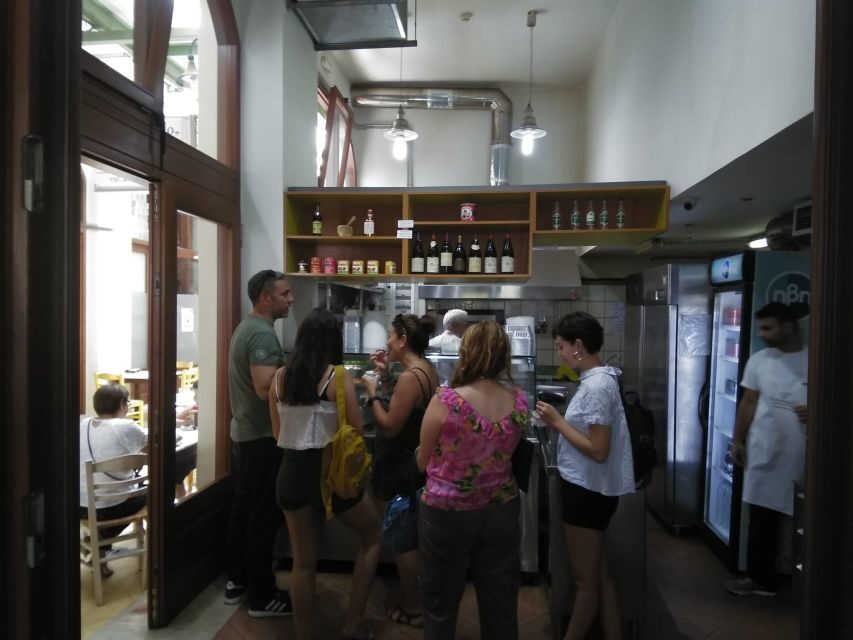
Book it if you want Heraklion in a single afternoon with the flavors turned on. You’ll get a guided walk through the historical center, major monuments, churches, and fountains, plus tastings that match the Mediterranean diet theme. If you’re the kind of traveler who enjoys a good guide and likes learning through real-life samples, this is a strong match.
Skip it if walking is hard for you, or if alcohol tastings don’t fit your preferences. And if timing details feel confusing, be proactive about confirming start time before you arrive—small logistics issues can happen, but they’re easier to fix early than at the last minute.
FAQ
How long is the Heraklion history and culture walking tour?
The tour lasts 2 hours.
What time does the tour start?
The tour starts at 11:30am.
Where is the meeting point?
Meet at Eleftherias Square, in front of Capsis Astoria Hotel, near the Archaeological Museum.
Is the tour guided in English?
Yes, the tour includes a live English tour guide.
What food and drinks are included in the tastings?
You can expect tastings including olive oil, local snacks, coffee or tea, wine, and raki.
What should I bring for the walk?
Bring comfortable shoes, a sun hat, and sunscreen.
Is the tour suitable for people with limited mobility or mobility impairments?
No. The tour is not recommended for people with limited mobility and it is not suitable for people with mobility impairments.
Is free cancellation available?
Yes. You can cancel up to 24 hours in advance for a full refund.