REVIEW · HERAKLION
Archaeological Museum of Heraklion: Guided Walking Tour
Book on GetYourGuide →Operated by Travel Crete - WeGuide travelers · Bookable on GetYourGuide
Five thousand years, one museum. This guided walk through the Heraklion Archaeological Museum is a fast way to make sense of Minoan Crete, and the building itself is part of the show: a modernist structure with Bauhaus credentials inside a space designed with materials and colors that echo Minoan wall painting.
I also love how the tour turns the museum’s size into a story you can follow, not just a collection of rooms. If you want to connect what you see to how people lived—work, religion, travel, arts—this is one of the better ways to do it in a short window. One consideration: it’s only about 90 minutes in the galleries, so you’ll cover the highlights rather than every last label and object.
In past sessions, guides like Akrivi and Akviti have been praised for clear, up-to-date storytelling and a lively sense of humor. Expect a small-group pace, starting right at the museum entrance (look for the WeGuide sign).
In This Review
- Key takeaways before you go
- Heraklion Museum in 90 minutes: what this guided walk covers
- Getting there and meeting up at the museum entrance
- A modern antiseismic building with Minoan echoes
- The timeline route: Neolithic to Roman, without losing the plot
- Minoan culture highlights: what to pay attention to
- Why the guide matters: small group pacing that actually helps
- Comfort, shoes, bags, and camera time inside the galleries
- Price and value: what $147 buys you
- Who should book this tour (and who might skip it)
- Should you book this Archaeological Museum of Heraklion guided walking tour?
- FAQ
- How long is the guided tour?
- Where do I meet the guide?
- Is the tour in English?
- What’s included in the price?
- Is the museum tour wheelchair accessible?
- What should I bring with me?
- What items are not allowed?
Key takeaways before you go
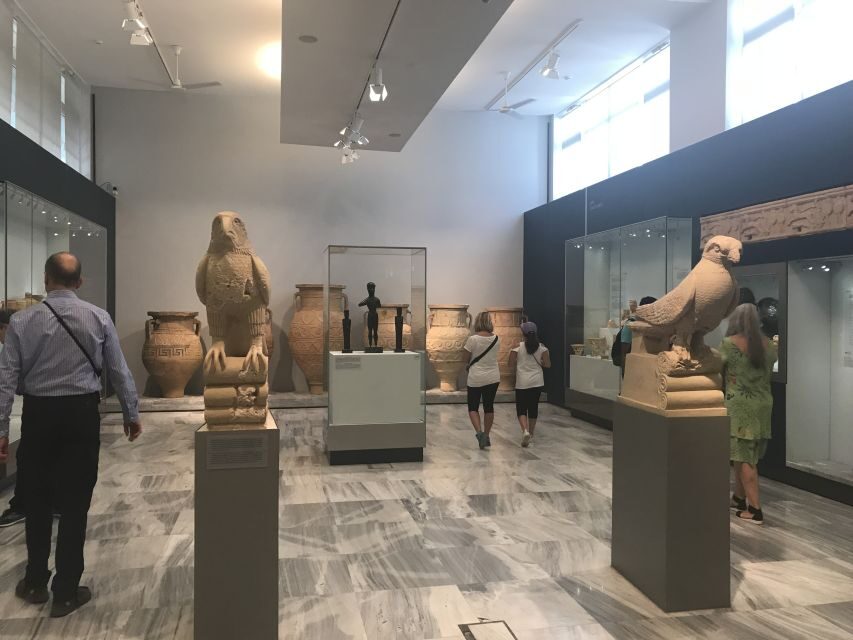
- Bauhaus-commended museum building built in the late 1930s, designed to be antiseismic and visually linked to Minoan aesthetics
- A licensed, English-speaking guide helps you turn 27 galleries into one coherent timeline
- Small group up to 10 people, so you’re not lost in a crowd
- 5,000 years in 90 minutes, from Neolithic through the Roman era
- Entry ticket included (€12 adult), plus you skip the ticket line
- Know the practical stuff: bring ID, comfortable shoes, and plan around Heraklion parking
Heraklion Museum in 90 minutes: what this guided walk covers
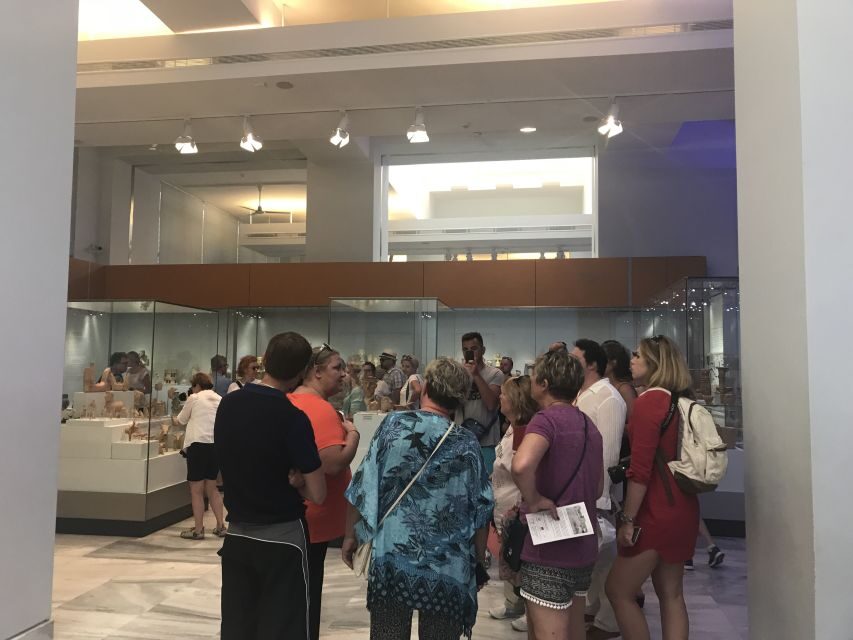
This tour is basically a guided shortcut through one of Europe’s most important Minoan-focused collections. You’re spending roughly 1.5 hours inside the museum, and your guide’s job is to help you see patterns across time—how Cretans changed, what stayed familiar, and where Minoan culture fits in.
The big promise here is 5,000 years of history, not just the Minoans. The timeline you’ll encounter runs from the Neolithic period through to the Roman era. That matters because it stops Minoan Crete from feeling like an isolated island of cool pottery and fresco colors. Instead, you understand it as part of a longer human story on Crete, with different influences and evolving daily life.
You should also think of this as a route-planning service for a large museum. The building has 27 galleries, so going solo can turn into a lot of walking and not enough context. With a guide, you spend your time on the parts that are easiest to remember later and easiest to connect back to Minoan life.
You can also read our reviews of more walking tours in Heraklion



Getting there and meeting up at the museum entrance
The meeting point is at the entrance of the Archaeological Museum of Heraklion. Look for the WeGuide sign so you can find your group quickly. You’re also not being picked up from your hotel, so you’ll want to plan your own way in and out.
If you’re driving: parking is a real-world annoyance in Heraklion. The practical advice that keeps coming up is to get dropped off if you can. Even if you do park, the walk to the museum is still extra time you might not want on a hot day.
If you’re staying central, walking can be the easiest option. Either way, do yourself a favor: arrive a few minutes early, get oriented at the entrance, and then let the guide handle the rest. Museums are the kind of place where being late can quietly waste your tour time.
A modern antiseismic building with Minoan echoes
One of the most interesting parts of this experience isn’t an artifact at all—it’s the museum structure. The museum building was constructed between 1937 and 1940 by architect Patroklos Karantinos. It sits on a site that previously held the Roman Catholic monastery of Saint Francis, which was destroyed by an earthquake in 1856.
Today, the building is described as an antiseismic structure and an example of modernist architecture. It even received a Bauhaus commendation. That mix—Greek island archaeology living inside a 20th-century design—feels oddly perfect. The museum doesn’t just store history; it frames it.
Look around for the way the building uses materials and colors. Veined polychrome marbles and construction choices are meant to recall Minoan wall paintings that imitate marble revetment. In plain terms: you’re walking through a building that tries to speak Minoan before you even reach the galleries.
With two stories and audio-visual displays, it’s also built for more than reading labels. If you like to absorb history with your eyes first, this place gives you that option.
The timeline route: Neolithic to Roman, without losing the plot
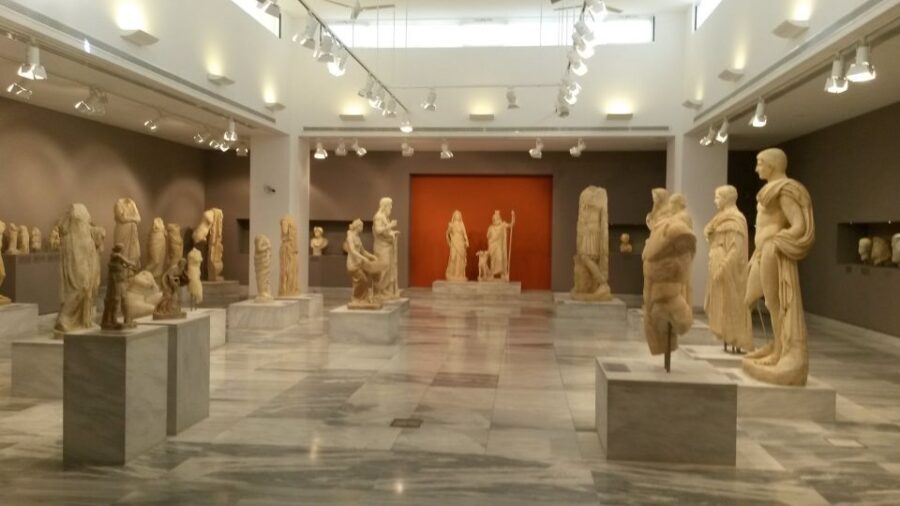
Your guide’s walkthrough is built to carry you across time. You’re not just looking at one era. You’re moving through a long arc, roughly from the Neolithic into the Roman era, with Minoan culture taking center stage.
Here’s what I think you’ll value most: the tour is designed to connect everyday life to the artifacts. The museum coverage includes how Cretans used to live, their occupation, religion, architecture, travel, and arts. That’s important because Minoan history can feel abstract if you only see finished objects. With a guide, you get help translating what the objects might have meant in daily routines and belief systems.
The museum is huge by necessity, because it holds material from many periods. A guided route helps you avoid the classic museum problem: you walk in with curiosity, then end up bouncing from room to room without a storyline. This tour aims to keep you on track.
And yes, 90 minutes means you won’t see every corner. But you will come away with a clearer sense of where Minoans fit in, and why their art and culture mattered beyond the Bronze Age.
Minoan culture highlights: what to pay attention to
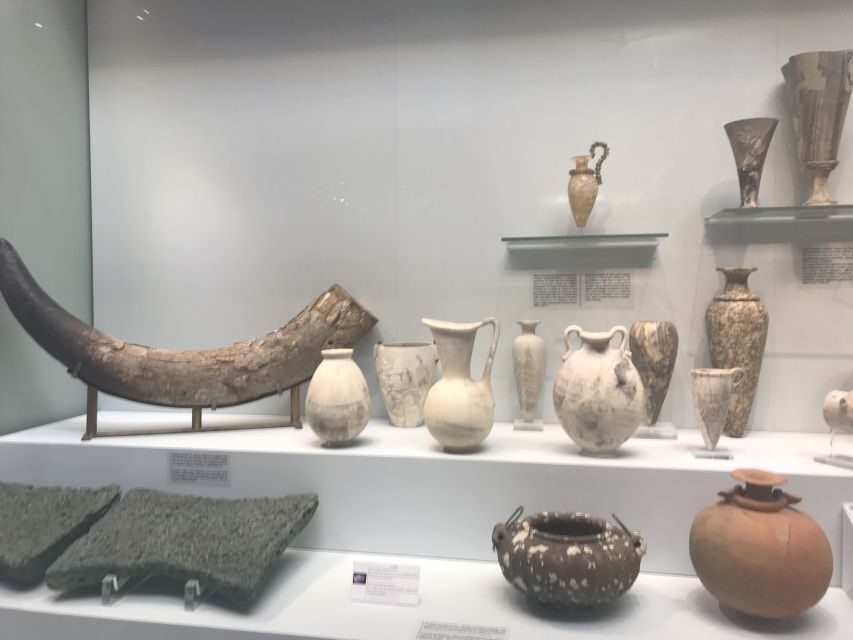
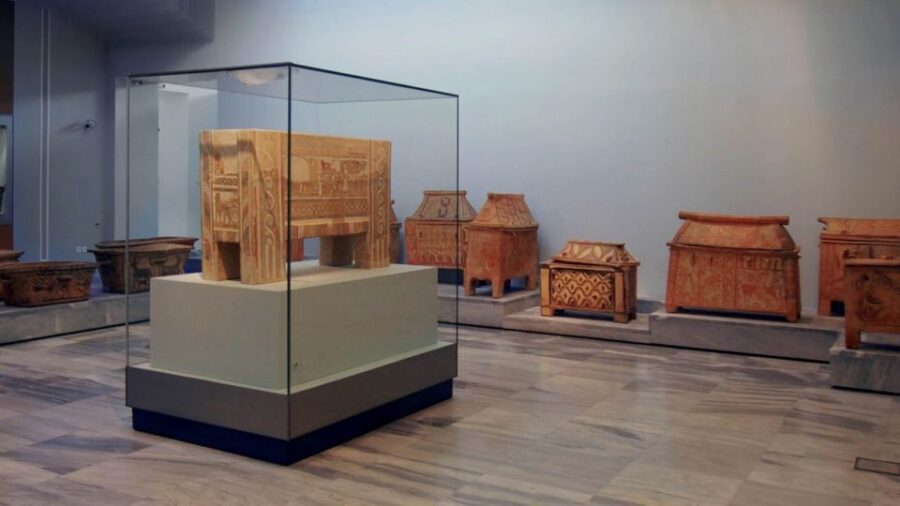
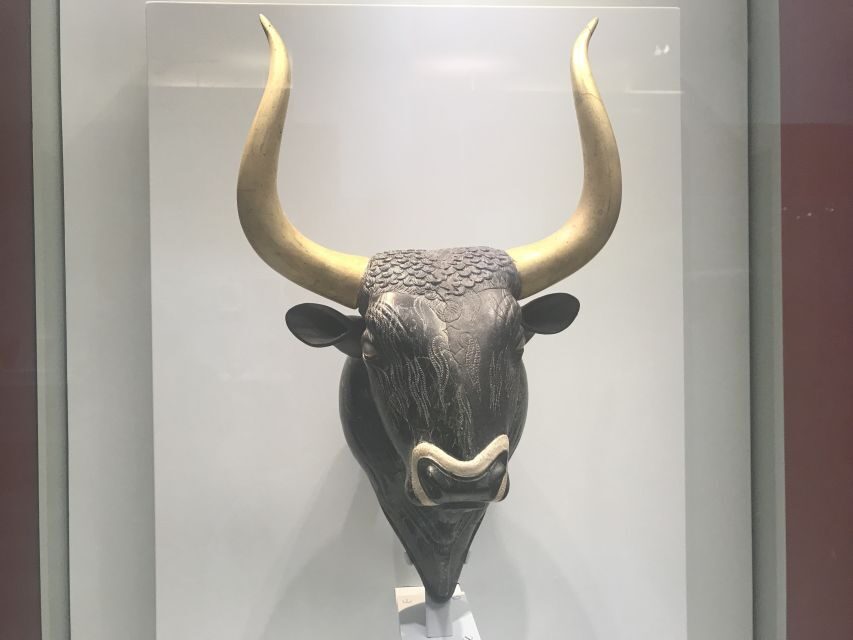
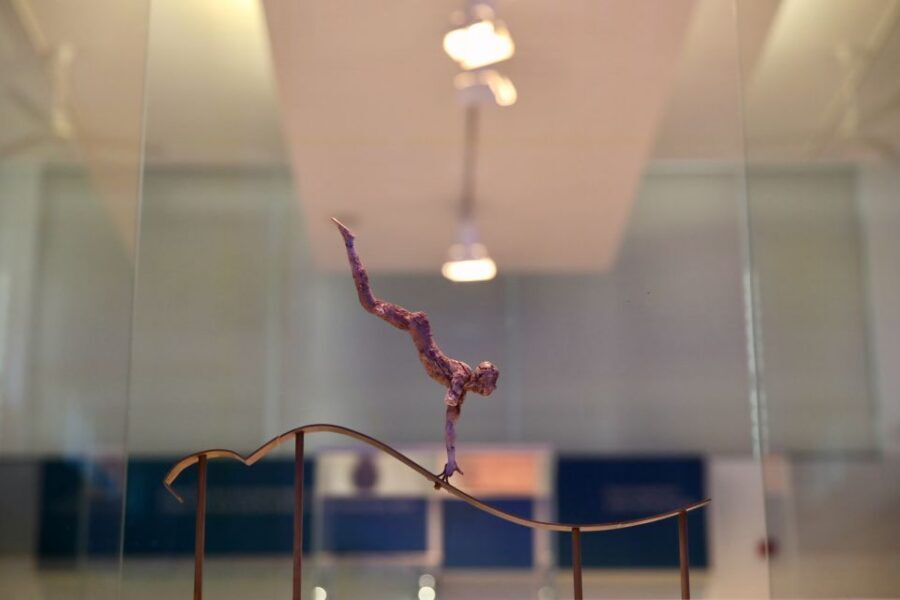
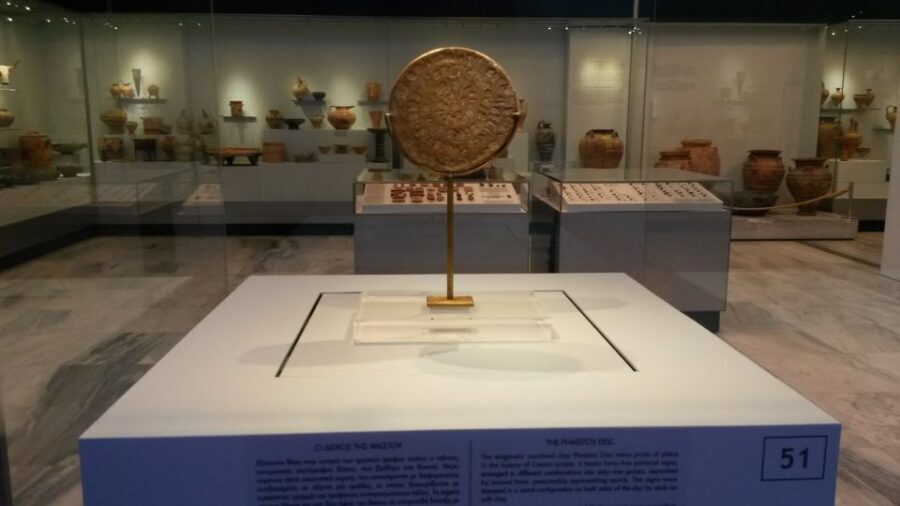
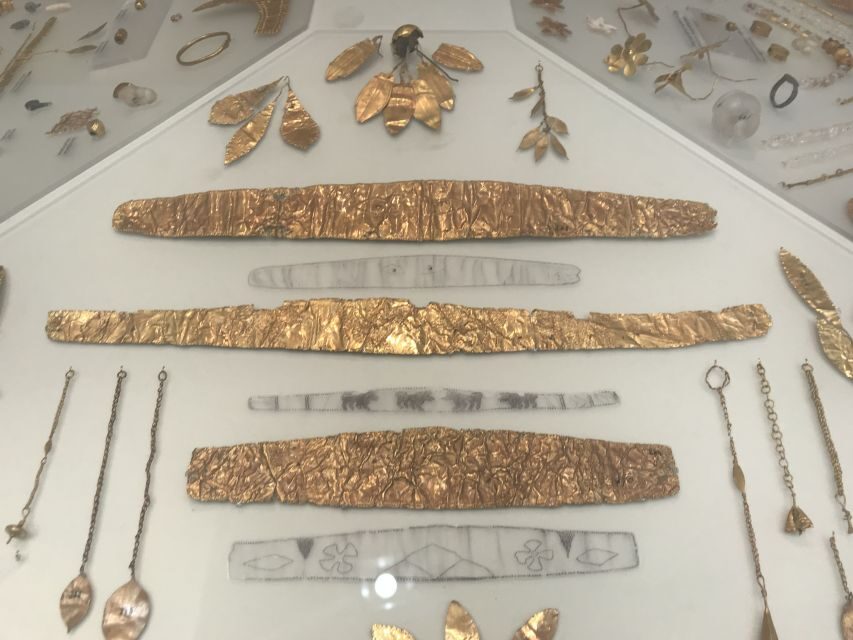
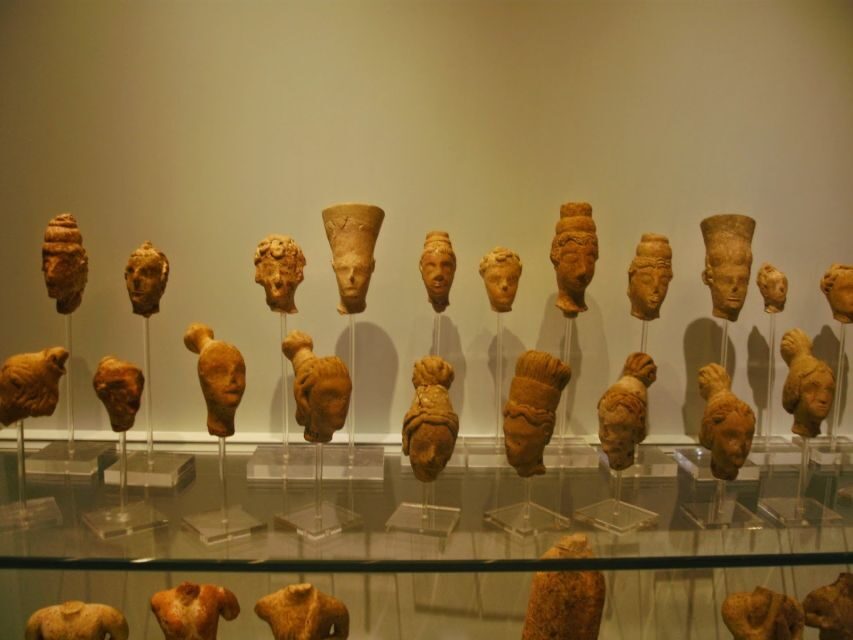
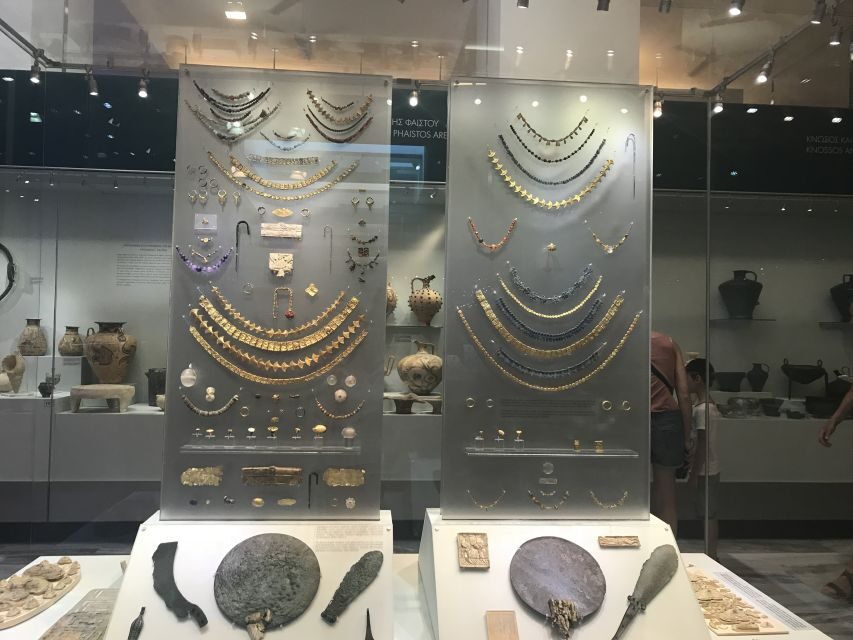
The star focus here is clearly Minoan Crete. The tour description calls the collection one of the most important worldwide for Minoan culture, and it notes that it includes unique examples of Minoan art, with many pieces that are genuine masterpieces.
Because you’re on a clock, your best strategy is to tune your attention to themes your guide highlights. Instead of treating each room like a separate puzzle, you’ll want to notice how the displays answer the same questions across time:
- What did people do for work?
- How did belief and religion show up in objects and spaces?
- What does architecture tell you about power, community, and identity?
- How do you see travel and contact implied through style and materials?
- How do the arts communicate ideas, status, and taste?
Even without memorizing every label, you can still leave with something useful: a mental map of what Minoans built, painted, carried, and valued. That’s where a good guide makes the museum feel smaller—in a helpful way.
If you’re also visiting Knossos (common in Crete itineraries), there’s a timing trick that helps. One smart approach is to do Knossos earlier in the day—before the heat—and then use the museum tour later to connect what you saw in the ruins to what you see in curated objects. It can make the whole Minoan story feel more coherent.
You can also read our reviews of more guided tours in Heraklion



Why the guide matters: small group pacing that actually helps
This is a small-group tour limited to 10 participants, and that number changes the vibe. In a bigger crowd, you often spend half the time trying to find your guide. Here, you’re more likely to hear clearly, ask a question without feeling rushed, and follow the route without getting separated.
The tour includes a licensed tour guide and runs in English. Based on past feedback, guides have brought both solid historical updates and a friendly tone. People have specifically praised the way guides connect the Minoan civilization story and keep it current with better context—not just old myths.
There’s also a practical benefit: the tour skips the ticket line. That means less waiting around and more time inside where your brain can actually focus.
If you’re a history person, this tour will help you organize facts. If you’re not, it still works because the guide translates what you see into plain human stories: how people lived, what they believed, and how art reflected their world.
Comfort, shoes, bags, and camera time inside the galleries
This museum walk is about 90 minutes, so comfortable shoes matter. The galleries are indoors, but you still move through a lot of space in a short amount of time.
Bring your passport or ID card. If you qualify for reduced entry, the entry ticket is listed as €6 reduced, and the reduced rate depends on eligibility—so bring the right ID.
For photos, the instruction is simple: bring your camera. (It doesn’t say you can’t take pictures, but it also doesn’t give extra camera rules—so follow any museum signage you see once you’re inside.)
Luggage rules are also worth noting. Pets are not allowed, and you shouldn’t bring luggage or large bags. The good news is the museum has a cloakroom, plus a cafeteria and a museum shop. If you’re traveling with only a daypack, you’ll be fine.
Wheelchair accessibility is also listed, so the experience is set up with mobility needs in mind.
Price and value: what $147 buys you
At $147 per person, you’re not just paying for a museum ticket. You’re paying for:
- a licensed English guide
- a small-group format (up to 10 people)
- entry ticket included (listed as €12 adult)
- skip-the-ticket-line convenience
- the focused 1.5-hour route across key galleries
Let’s translate that into value. If you went alone, you’d pay for the museum ticket anyway, and you’d still have to figure out where to start, what’s most important, and how to connect periods into one story. Here, part of what you’re buying is time saved and confusion reduced.
You can think of it as paying for a “museum translator” plus a curated path. If your schedule is tight, that can be worth more than the raw ticket cost. If you have all day and love wandering, you might feel like you’re paying extra for direction. But if you want the Minoan story organized quickly, this price-to-time ratio makes sense.
One more detail: the tour company is Travel Crete under WeGuide. That’s useful mainly because it signals you’re booking a structured experience, not an informal meet-and-chat.
Who should book this tour (and who might skip it)
Book this if you:
- want a clear Minoan story without spending hours planning your route
- like museums but don’t want to lose context while walking room to room
- prefer English guided explanations and a small group (up to 10)
- are short on time and want to cover Neolithic through Roman in about 90 minutes
Consider skipping if you:
- have plenty of time and love self-paced wandering and reading every label
- want a super deep technical breakdown of individual objects (this is a short guided walk, not a full-day study)
- expect a specific kind of transit help, because hotel transfer is not included
Should you book this Archaeological Museum of Heraklion guided walking tour?
My take: if you’re in Heraklion with limited time and you want the museum to make sense fast, yes, book it. The big wins are the combination of the Bauhaus-commended building and the way a guide helps you build a timeline across Minoan Crete and beyond.
If you’re the type who wants to move slowly, sit with lots of labels, and revisit galleries, you might get more from self-guided time. But even then, this tour can work as a strong first pass—so you know what to return to on your own later.
If you’re aiming for one museum highlight that sets up everything else you’ll see in Crete, this is a smart choice.
FAQ
How long is the guided tour?
The tour lasts about 90 minutes (listed as 1.5 hours).
Where do I meet the guide?
Meet at the entrance of the Archaeological Museum of Heraklion. Look for the Meeting Point sign with WeGuide.
Is the tour in English?
Yes. The tour is offered in English.
What’s included in the price?
You get a licensed tour guide, a small-group English guided tour, and the museum entry ticket (adult entry listed as €12). It also says you skip the ticket line.
Is the museum tour wheelchair accessible?
Yes, it is listed as wheelchair accessible.
What should I bring with me?
Bring your passport or ID card, comfortable shoes, and a camera. If you qualify for reduced tickets, your ID helps.
What items are not allowed?
Pets are not allowed, and you should not bring luggage or large bags.
If you’d like, tell me your travel dates and whether you’re also visiting Knossos the same day, and I’ll suggest a simple timing plan that works with the museum tour length.