REVIEW · HERAKLION
Crete: Palace of Knossos E-Ticket and Audio Guide
Book on GetYourGuide →Operated by Clio Muse Tours · Bookable on GetYourGuide
Knossos is a big site.
That’s exactly why I like this setup: you get a pre-booked e-ticket and an audio guide on your smartphone, so you can walk the ruins at your own pace without guessing what you’re looking at.
Two things I really like. First, the skip-the-line benefit is real value at Knossos, where queues can balloon in busy periods. Second, the audio tour makes specific features easier to understand, from the story of everyday life in Minoan Crete to the rooms and fresco themes you’ll pass on the route.
One consideration: the audio experience depends on your phone setup and on what’s open on the day. Directions can be less intuitive when sections are closed for maintenance or heat, so plan for a little “figure it out” time and bring headphones and a charged device.
In This Review
- Quick take: what stands out most
- Why Knossos Palace Still Hits Hard (Even Without a Live Guide)
- Price and Logistics: Is $34 Good Value?
- Getting In: The Pre-booked E-Ticket Advantage at Knossos
- How the Phone Audio Guide Actually Works on Site
- Walking the Palace Route: From South Propylaeum to Queen’s Megaron
- The South Propylaeum fresco stories
- West Magazines and the idea of palace bureaucracy
- South Entrance Corridor and the Prince of the Lilies
- Framed views of Mount Juktas
- Queen’s Megaron: blue dolphins and bathroom details
- Optional Add-ons: Heraklion City Audio and Phaistos Palace Context
- Timing That Works: How Long You’ll Actually Need
- What to Bring (and Why It Changes Your Day)
- Who This Audio Ticket Is Best For
- Should You Book This Knossos Palace E-Ticket With Audio?
- FAQ
- Do I need a smartphone to use the audio guide?
- Which languages are available for the audio guide?
- How long is the visit?
- Is the ticket refundable?
- Can I add the Heraklion Archaeological Museum and extra audio for other places?
- What do I need to bring besides the ticket?
- Who qualifies for free or reduced admission?
- Is this activity suitable for wheelchair users?
Quick take: what stands out most
- Skip-the-line e-ticket for smoother entry when Knossos is crowded
- Phone audio guide that narrates rooms and fresco scenes as you walk
- Site map support to help you follow the route without a live guide
- Key stops covered, like the South Propylaeum, West Magazines, and Queen’s Megaron
- Excellent practical details on Minoan life, fashion, and even bathing spaces
- Device-dependent experience, with strict smartphone compatibility and needed storage
Why Knossos Palace Still Hits Hard (Even Without a Live Guide)
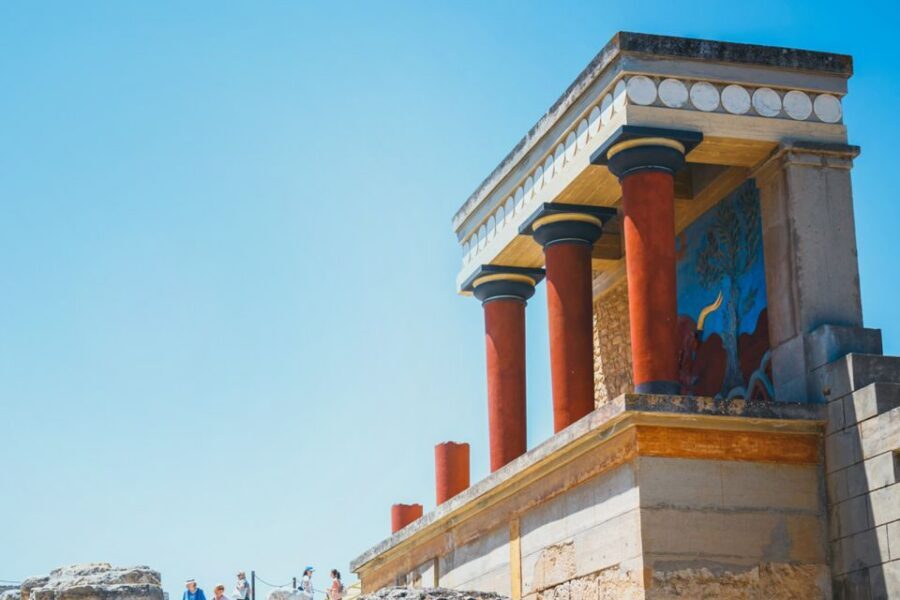
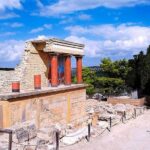
Knossos is Crete’s most famous Minoan palace, located just south of Heraklion. The ruins are spread out, and the site mixes real remains with reconstructed sections, so it can feel confusing if you don’t have context.
What makes this audio-first approach work is that it doesn’t just name places. It explains why those places matter, linking the palace rooms to how Minoans likely lived and organized daily life.
And the setting adds drama. As you work your way around the palace walls, you get framed views of Mount Juktas, which makes the “capital city” feeling more than just a label.
You can also read our reviews of more tours and experiences in Heraklion



Price and Logistics: Is $34 Good Value?
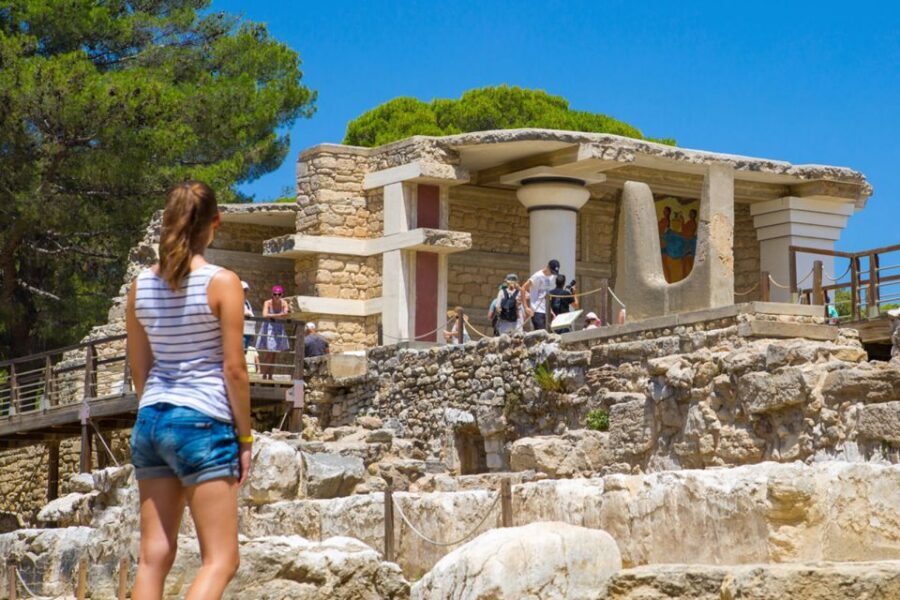
At $34 per person for a 1–5 hour visit, the value comes from what you’re actually buying: entry plus a downloadable audio experience. You’re not paying for a live guide, so you should evaluate whether you’ll use the audio and follow the route.
If you’ve ever stood in a long queue at a major archaeological site, you already know why pre-booking matters. This ticket is designed to give you a smoother entry experience, which can be the difference between enjoying Knossos and spending your whole time in line.
I also like that the duration is flexible. You can treat it as a short highlight visit (around an hour) or a slower walk (two hours or more) depending on your interest and how much time you spend replaying parts of the audio.
Getting In: The Pre-booked E-Ticket Advantage at Knossos

This experience uses an e-ticket, delivered to you by email along with ticket and audio instructions. The meeting point can vary by option, so be ready to check the exact instructions you receive.
A key point: you’re arriving without needing to wait at the ticket counter for the entry itself. That’s the core benefit here, especially during peak hours when the site gets packed.
For EU citizens aged 0–25, free admission applies, but you’ll still need to wait in line to show your ID or passport. Seniors 65+ in Greece or other EU states also get 50% reduced admission, but again the reduced-price purchase happens on the day and involves waiting in line. So pre-booking is mainly about skipping the biggest entry bottleneck for standard tickets.
How the Phone Audio Guide Actually Works on Site
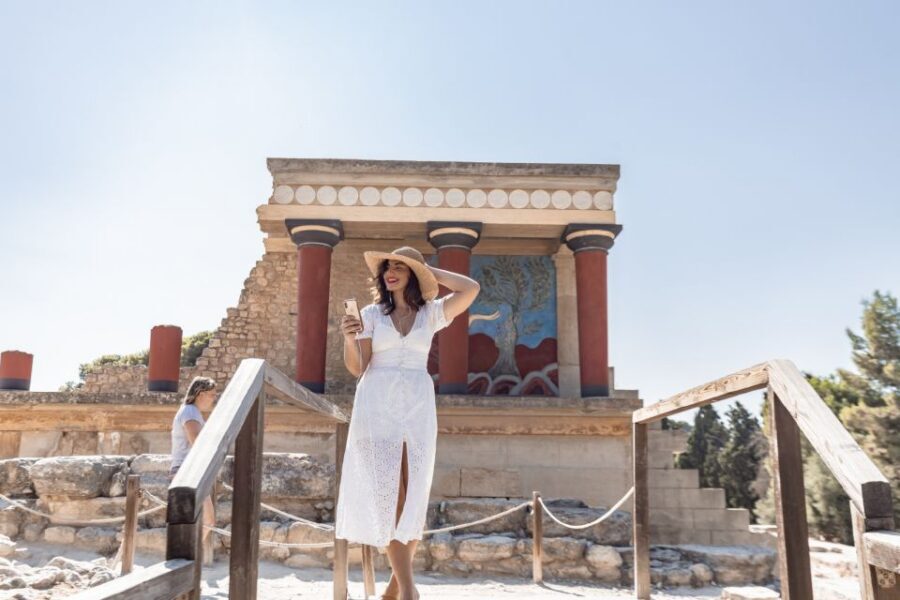
The audio guide is downloadable on your phone, and it’s available in English, German, French, Spanish, and Italian. You’ll need headphones, a smartphone compatible with Android 5.0+ or iOS requirements listed by the provider, and enough storage space (100–150 MB).
I’d treat this like you would any “downloadable offline” experience: do it before you arrive. Get the activation link from your email and confirm the audio plays before you walk into the palace area.
What you’ll hear is structured storytelling tied to the route. That’s why this works best when you keep walking from stop to stop rather than stopping randomly to hunt for the next segment.
That said, there’s a real-world snag to plan for. Some people find it hard to sync the audio with what they’re seeing, especially if markers and directions aren’t perfectly aligned to the path you take. And if maintenance work or closures are happening, a few stops in the audio may not match what you can access. The fix is simple: don’t feel guilty about skipping ahead, turning down the audio at confusing sections, or using the on-site map to regroup.
Walking the Palace Route: From South Propylaeum to Queen’s Megaron
Knossos can feel like a maze of corridors, courtyards, and partial reconstructions. The audio route helps because it anchors you to specific architectural areas and to the themes of Minoan culture.
You can also read our reviews of more guided tours in Heraklion


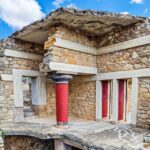
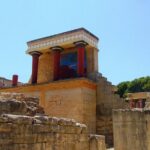

The South Propylaeum fresco stories
One of the first major narrative points is the South Propylaeum, where you’ll hear about cupbearers and procession frescoes. The goal here isn’t just art appreciation. It’s understanding how ceremonial life may have looked and what those repeated visual motifs probably meant.
You’ll also get more human details as the audio moves through themes like daily life and aesthetics. The story includes Minoan fashion topics like hairstyles and beauty practices, plus the kind of products people may have used to touch up their looks.
West Magazines and the idea of palace bureaucracy
Next up is the West Magazines, which are tied to storage and the palace’s organized systems. This is where the audio shifts from scenes and stories into how the palace may have run: early forms of Linear writing, administration, and the economic logic behind palace life.
You also hear about Minoan economy and trade networks, which helps you connect Knossos to the wider world rather than treating it like an isolated ruin.
Practical note: storage areas can be less visually dramatic than frescoed corridors, but the audio approach makes them meaningful. It turns “where things were kept” into “how power and planning worked.”
South Entrance Corridor and the Prince of the Lilies
In the South Entrance Corridor, the audio points you to the “Prince of the Lilies” (noted as a copy in this experience). It’s a good moment to slow down, because it gives you a clear focal point for the palace’s sculptural tradition and symbolism.
If you’re the type who likes to look longer than the average stop time, this is a solid place to do it. The audio context makes the figure feel less random and more like part of a larger cultural language.
Framed views of Mount Juktas
The palace walls create a natural “window” toward Mount Juktas, and the audio uses that view as a teaching tool. You’re not just sightseeing; you’re being prompted to see why this location mattered.
This is one of those moments where even people who think they don’t like history end up standing still for an extra minute.
Queen’s Megaron: blue dolphins and bathroom details
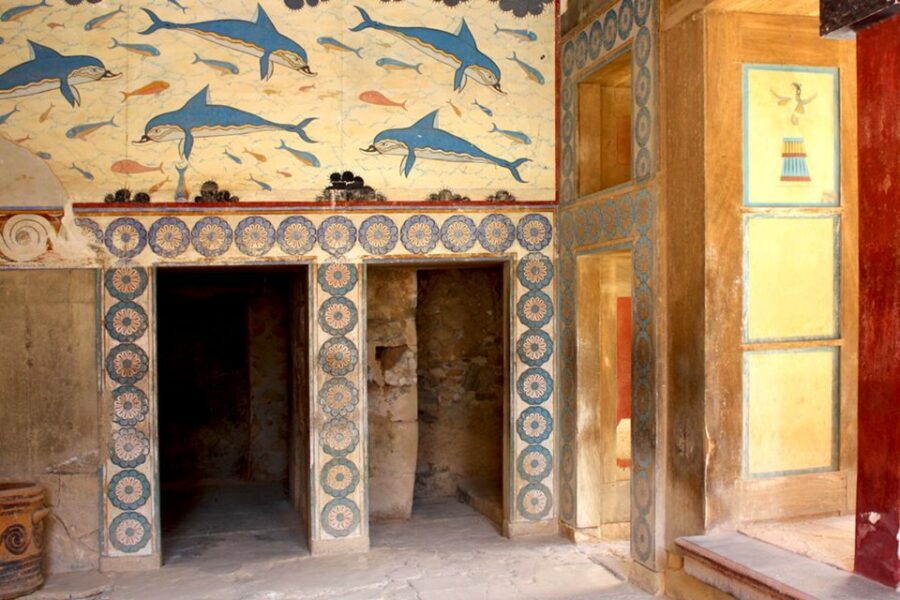
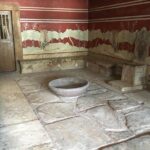
The tour culminates in the Queen’s Megaron, where you’ll hear about famous blue dolphins fresco imagery. The audio also highlights something many people don’t expect: bathing and practical room details, including a bathroom and a toilet room.
This is a great example of why an audio guide can outperform a quick walkthrough. Instead of only focusing on what’s visually striking, it brings you back to daily needs: hygiene, water, and household routines.
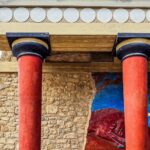
And remember: Knossos includes both ruins and reconstructed sections. You may notice areas recreated with different materials (some people pick up on this instantly). If you want to keep your expectations straight, just think of reconstructions as a way to show possibilities, not a perfect time capsule.
Optional Add-ons: Heraklion City Audio and Phaistos Palace Context
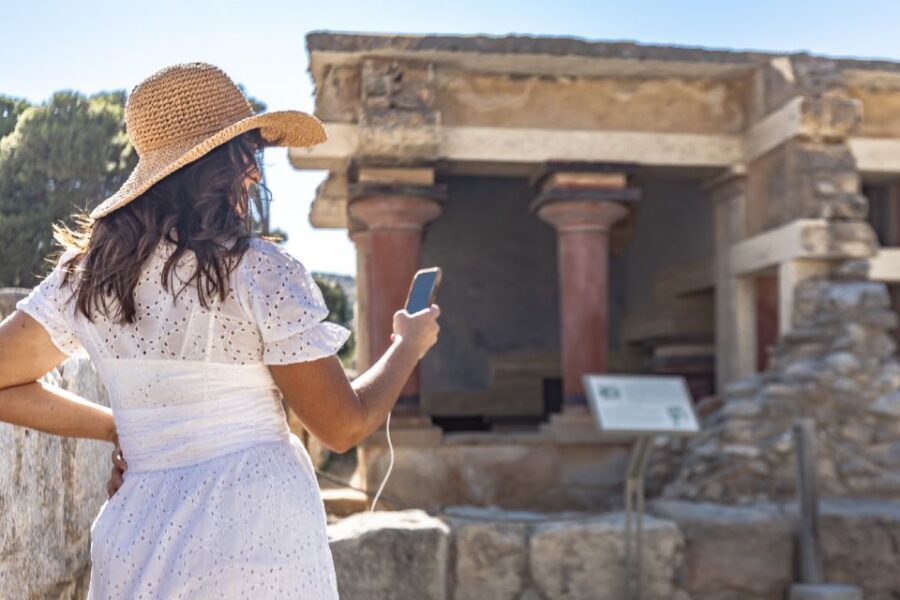
This experience can include additional audio options beyond Knossos itself. If you select them, you’ll get an audio guide for Heraklion City and audio to Phaistos Palace, plus an optional entry to the Heraklion Archaeological Museum.
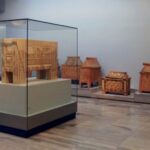
The museum add-on can be a strong follow-up, especially if you want more artifacts to anchor what you saw at Knossos. The palace ruins give you the setting; the museum often gives you the object-level evidence.
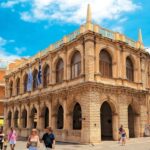
The extra city audio is useful if you’re spending time in Heraklion anyway. It can help you connect the dots between the modern port city and the places you’re learning about from the Minoan world.
And Phaistos Palace audio adds variety. Knossos is the headline, but hearing another palace context can prevent Knossos from feeling like a one-off story.
Timing That Works: How Long You’ll Actually Need
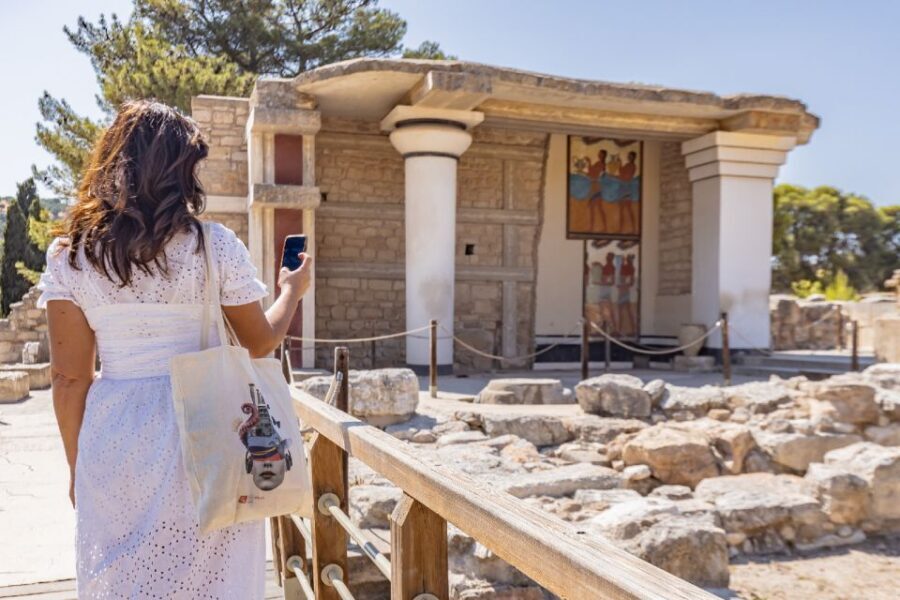
The duration is listed as 1–5 hours, depending on availability and your pace. In practice, that range matters because Knossos rewards both slow looking and straightforward “see the highlights” planning.
If you want a faster visit, aim for about an hour to an hour and a half, and focus on the big narrative stops: South Propylaeum, West Magazines, the South Entrance area, and Queen’s Megaron.
If you like repeating segments or pausing to read, plan for two hours or more. Some people end up needing more time because they’re trying to match audio instructions with what they can access.
Heat is also a factor. Knossos can feel sun-heavy and shade-light, so I’d rather you go early or late than try to brute-force it at the hottest point of the day. If parts are closed off due to heat or maintenance, the audio route might not flow perfectly, and a little extra time helps you adapt.
What to Bring (and Why It Changes Your Day)
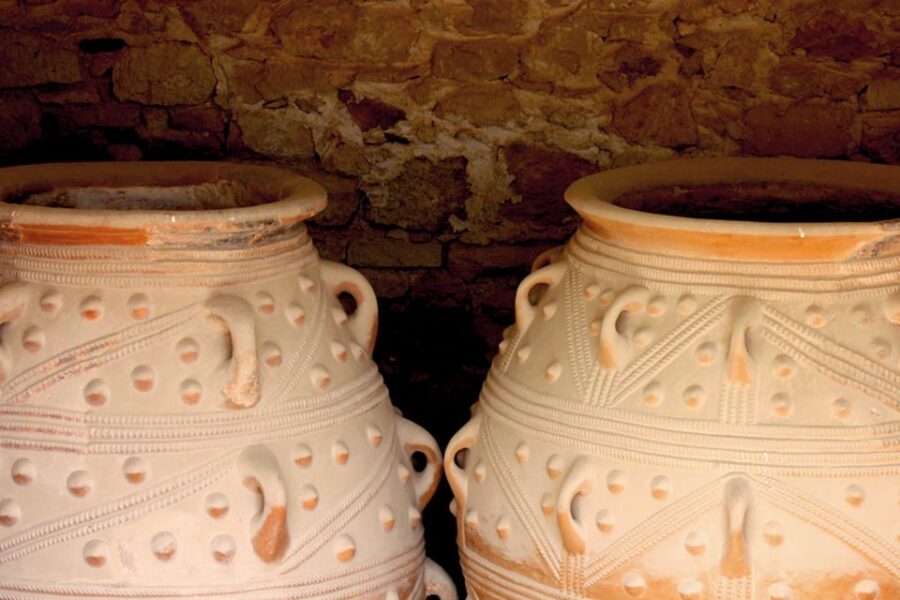
You’ll get the most out of this if you show up prepared. Bring:
- Passport or ID card (especially important for free or reduced admission rules)
- Comfortable shoes (you’ll be walking on uneven ground)
- Sunglasses and a sun hat
- Headphones (required)
- A charged smartphone with enough storage (100–150 MB)
Not allowed: pets and baby strollers. And wheelchair users should know this isn’t suitable for that accessibility need.
One small but important mindset shift: treat your smartphone like part of your ticket. If your battery is low or your storage is full, you’ll feel it immediately.
Who This Audio Ticket Is Best For
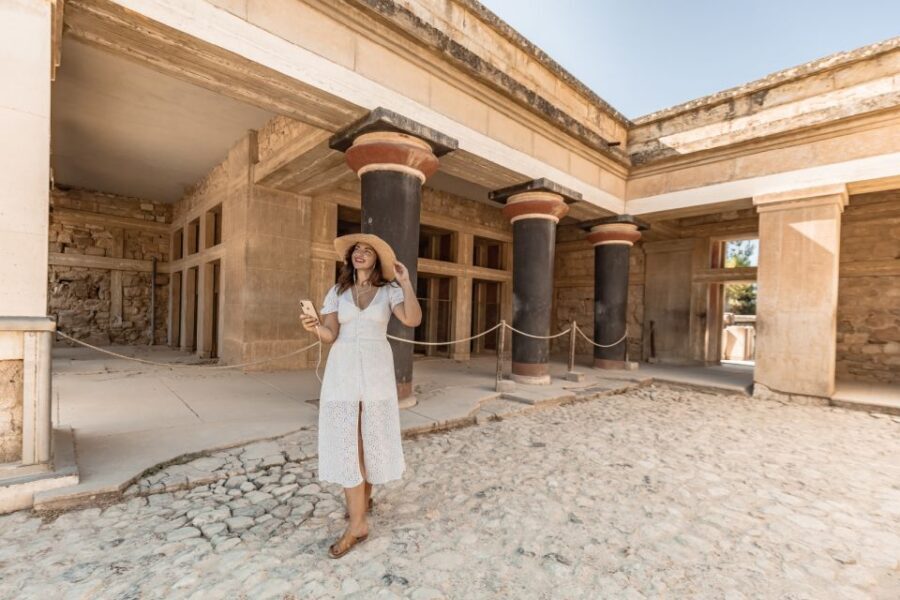
This works best if you like self-paced travel and want to control the tempo. You’ll probably enjoy it if:
- You don’t want to wait for a live guide group schedule
- You like learning as you walk, and you’re happy to replay sections if needed
- You want a clear route without turning Knossos into a navigation problem
It’s also a good match if you’re visiting with kids old enough to manage the phone experience, since the narration can help keep attention focused on the major themes.
If you hate phone-based tours or you know your device often struggles with downloads, consider that this experience is fundamentally tied to the audio app on your phone.
Should You Book This Knossos Palace E-Ticket With Audio?
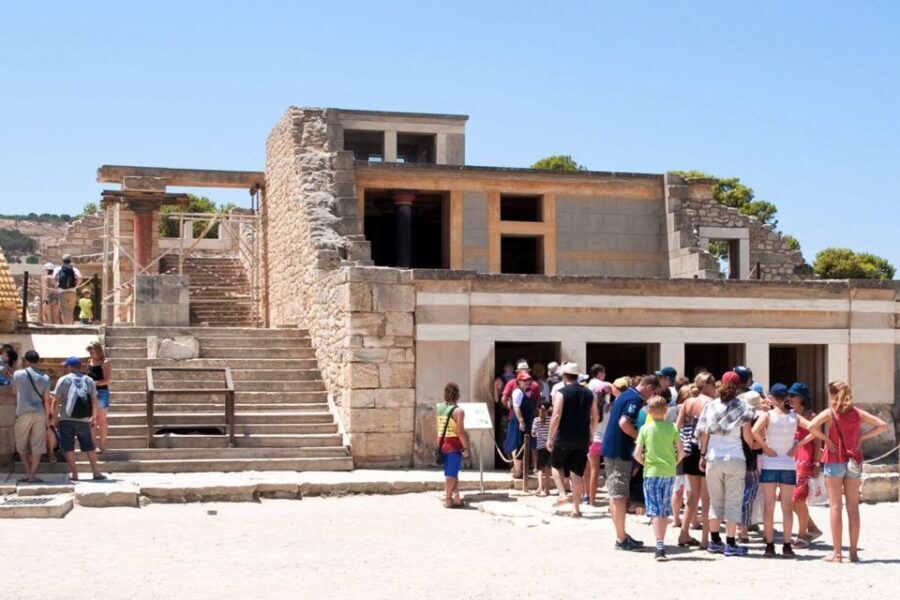
I think you should book it if your top priority is a smooth entry plus meaningful context while you walk. The combination of a pre-booked e-ticket and a structured phone guide is a practical way to handle a large, confusing site without paying for a live guide.
Skip booking only if you already know you won’t use the audio. In that case, the value drops, because the core benefit is exactly that phone narration mapped to the palace’s key areas.
My final advice is simple: arrive ready to use the audio. Download and test it before you enter, bring headphones, and give yourself time to adjust if some sections are closed. Do that, and Knossos becomes far more than stone walls and guesses.
FAQ
Do I need a smartphone to use the audio guide?
Yes. The audio guide is delivered for download on your smartphone, and a compatible Android or iOS device is required.
Which languages are available for the audio guide?
The audio guide is available in English, German, French, Spanish, and Italian.
How long is the visit?
The visit is flexible, listed as 1 to 5 hours. Starting times depend on availability.
Is the ticket refundable?
No. This activity is non-refundable.
Can I add the Heraklion Archaeological Museum and extra audio for other places?
Yes, the Heraklion Archaeological Museum entry is optional, and there are optional audio guides for Heraklion City and Phaistos Palace.
What do I need to bring besides the ticket?
Bring passport or ID card, comfortable shoes, sunglasses, a sun hat, headphones, and a charged smartphone.
Who qualifies for free or reduced admission?
EU citizens aged 0–25 can get free admission but must show ID and wait in line. From April 1 to October 31, seniors over 65 from Greece or other EU states can get 50% reduced admission by purchasing on the day with a line. Children up to age 5 from non-EU countries can have free admission with passport verification.
Is this activity suitable for wheelchair users?
No. It is not suitable for wheelchair users.