REVIEW · CRETE
Rethymno: Old Town Walking Tour with Meal
Book on GetYourGuide →Operated by Eco Events · Bookable on GetYourGuide
Some tours just feed you. This one also teaches you how to taste. In Rethymno’s Old Town, you’ll walk the narrow lanes and stop for real food moments, from a Cretan café breakfast to a handmade phyllo atelier. I love how the tour links bites to daily life, and I like the way you get flavor education (honey, olive oil, raki) alongside street wandering. One thing to keep in mind: you’ll eat a lot in just 4 hours, so a light appetite works best.
The highlights are practical and very specific: you’ll sample a Cretan breakfast with Greek coffee or fresh juice plus a sfakianopita cheese pie with handmade jam, then you’ll learn the basics of phyllo dough from a long-time master, Yorgos Hatziparaschos. Guides like Vincent, Maria, and Michael are repeatedly praised for making the history feel relevant to what you see in the Old Town today, and for keeping the tone friendly and conversational. A possible drawback is weather: it’s an outdoor walking experience, so heat and sun can matter, even though guides tend to manage the pace well.
If you want a tour that feels like getting local food advice while still covering culture and architecture, this hits the sweet spot. You’ll leave knowing where the good flavors come from—and you’ll know what to look for when you shop later in town. If you prefer fast, checklist sightseeing, you might find the slower eating pace not to your taste.
In This Review
- Key things you’ll remember from this Rethymno tour
- Why Rethymno’s Old Town food walk feels different
- The route starts at Gerakari 4, so you can meet up fast
- Breakfast at a kafeneio: coffee or juice plus sfakianopita and jam
- The honey, olive oil, and raki tasting lesson you’ll actually use
- A street-food interlude that keeps the walking real
- Phyllo by hand at Yorgos Hatziparaschos’ workshop
- Lunch in an Ottoman-style inner garden under lemon trees
- How the guide shapes the whole experience
- Price and value: does $205 for 4 hours make sense?
- Who should book this tour (and who might not)
- Should you book the Rethymno Old Town walking tour with meal?
- FAQ
- Where does the walking tour start?
- How long is the tour?
- What food and drinks are included?
- Is there a vegetarian meal option?
- Do I need hotel pickup or drop-off?
- What language is the guide available in?
- Is the tasting part included?
- What’s included besides food?
- What’s the cancellation policy?
Key things you’ll remember from this Rethymno tour
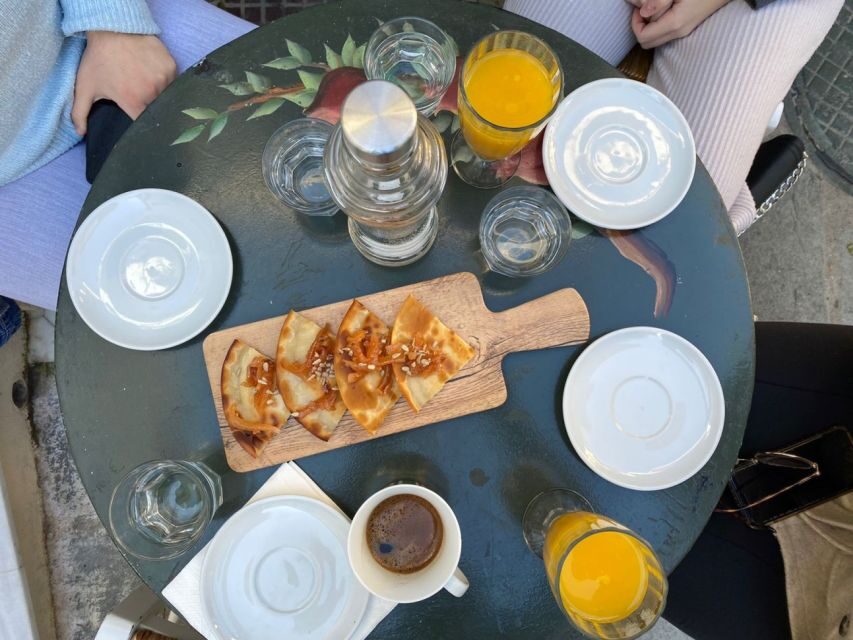
- Breakfast at a Greek-style kafeneio: Greek coffee or fresh juice plus sfakianopita with handmade jam
- Honey, olive oil, and raki tasting with quality comparisons: learn what separates the good stuff
- Phyllo making at a Venetian-era mansion: Yorgos Hatziparaschos has been making dough by hand for over 63 years
- Garden lunch under lemon trees: Ottoman-style inner garden setting with a modern touch
- Multiple snack stops: street food and local bakery items, not just one big meal
Why Rethymno’s Old Town food walk feels different
Rethymno’s Old Town is full of small streets and mixed architectural styles, but it can also be easy to wander in circles if you don’t know what to look for. This tour solves that problem by using food as your guide. You’re moving through the neighborhood in a planned way, and each stop gives you something tangible—flavor first, then context.
I also like that it’s not just eating for eating’s sake. The experience is built around tasting (including honey, olive oil, and raki) and a real craft moment with phyllo dough. That mix helps you remember the place, not just the dishes.
And yes, you’ll likely walk away feeling full. But in the best way: you’re not paying for a couple bites and a history lecture.
You can also read our reviews of more walking tours in Crete


The route starts at Gerakari 4, so you can meet up fast
Your tour begins at Gerakari 4 in central Rethymno. That matters because it means you’re not waiting on hotel pickup, and you can show up on foot and be ready to start without extra hassle.
From there, the schedule is built around frequent food moments rather than long gaps. The timing is fairly tight—about 40 minutes for the first café stop, then additional street and bakery stops before lunch. For a 4-hour tour, it’s a solid pace: enough walking to feel like you’re in the Old Town, not so much that you’re racing.
If you’re trying to plan your first day in Rethymno, this is a strong choice. It helps you learn how the town actually works—where people eat, what they drink, and what looks genuinely local.
Breakfast at a kafeneio: coffee or juice plus sfakianopita and jam
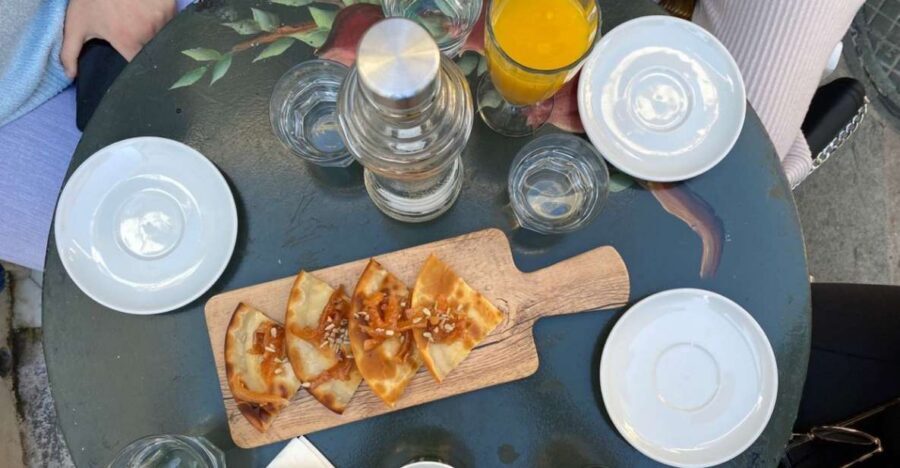
The first stop is a Greek-style kafeneio café for about 40 minutes. You’ll get a true Cretan-style start: either a Greek coffee or a fresh juice, plus a handmade sfakianopita cheese pie. The pie comes coated with a layer of handmade jam, which is one of those combinations you don’t forget.
This matters because a lot of food tours start with the easy stuff—bread, cheese, maybe something sweet—and call it done. Here, breakfast sets the tone. It gives you a baseline flavor experience early, so later tastings and dishes have something to “attach to” in your memory.
During breakfast, your guide talks through local traditions and customs, and how they connect to Cretan gastronomy. You’ll also get an introduction to how to recognize quality in ingredients you’ll see everywhere.
If you’re the type who normally wants a big breakfast at home, plan for a lighter start elsewhere. This tour gives you a full start right away, and lunch later is substantial.
The honey, olive oil, and raki tasting lesson you’ll actually use
After breakfast, the tour shifts into hands-on tasting. You’ll learn how to taste honey, olive oil, and raki like a local Cretan, including a tasting experience that distinguishes between high and low quality.
Even if you’ve tried these products before, this part is valuable because it turns vague “tastes good” opinions into something more specific. You learn the idea of quality comparison—how different versions behave in your mouth and nose—so future purchases make more sense.
Also, this is one of the most praised segments in the guide reviews for a reason: it’s not theoretical. You get to taste and compare, and then your guide ties it back to everyday Cretan life. That kind of food education sticks.
Practical tip: if you don’t drink alcohol, tell your guide up front so they can guide you through the tasting portion appropriately. The tour data confirms dietary options for meals; it doesn’t spell out tasting modifications, so communication matters.
A street-food interlude that keeps the walking real
Next up are short, focused stops: a local bar for street food (about 40 minutes), then a local bakery for snacks (about 20 minutes). These moments are where the tour feels most like being guided through normal local eating habits, not just visiting “attractions.”
This segment is also a good break from long narration. You get small portions, then you move on. That’s ideal for a 4-hour tour, because it keeps energy up and prevents the day from turning into one long sit-down.
If your goal is to learn what’s worth buying later in the Old Town, these snack stops help. You’ll see what locals reach for between meals—and you’ll get your guide’s sense of what’s genuinely good versus what’s set up mainly for passing tourists.





Phyllo by hand at Yorgos Hatziparaschos’ workshop
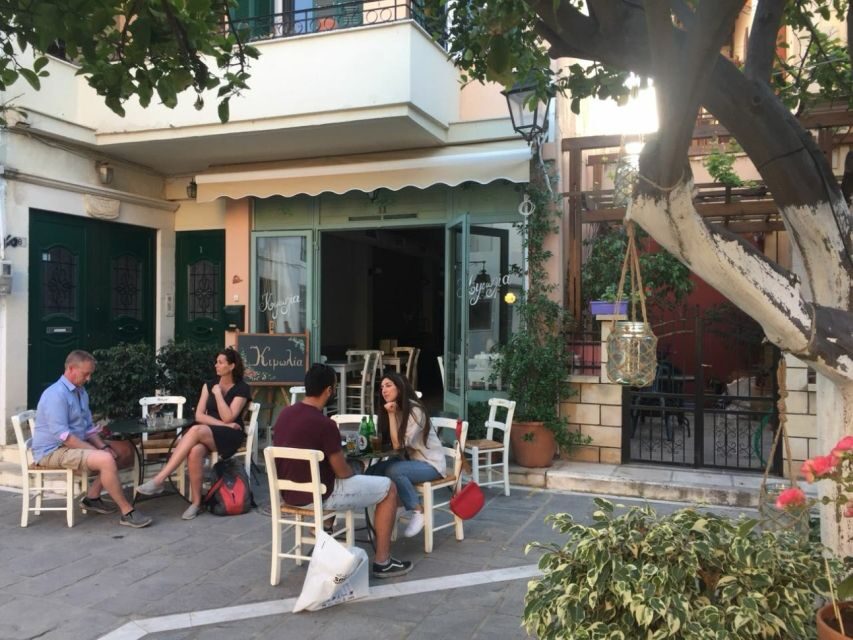
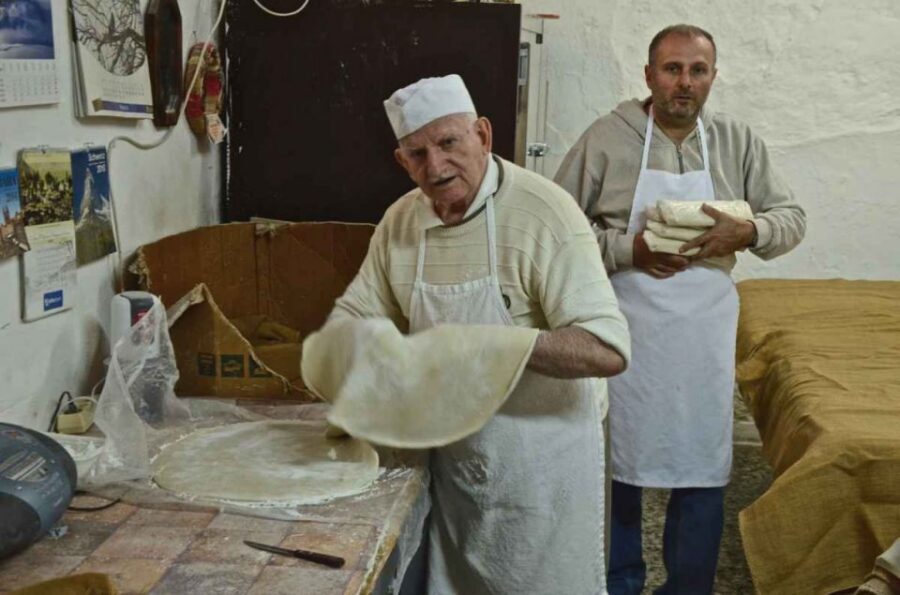
One of the signature moments is the phyllo demonstration. You’ll head to a 17th-century Venetian mansion house connected to Yorgos Hatziparaschos, who has been making phyllo dough by hand for over 63 years.
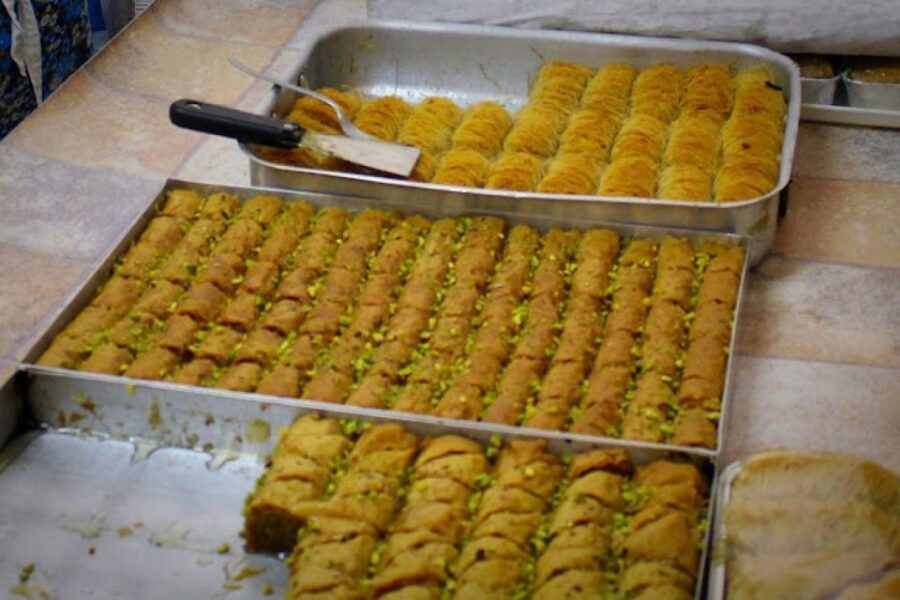
Watch how simple ingredients—flour, water, and salt—turn into paper-thin dough used in Greek desserts like baklava. This is the kind of craft that sounds basic until you see the technique. The handwork is the point: you’re learning how something humble becomes incredibly delicate.
And the tour doesn’t just toss “phyllo demo” at you. You’ll also have the chance to taste hand-made phyllo pastries made from a master chef, which makes the demo feel connected to real eating, not just watching a process.
I love this stop because it gives you context for what you’re likely to order later. If you’re coming to Crete with baklava on your list, this makes the pastry feel less like a dessert you buy off a shelf and more like a product of skill.
Lunch in an Ottoman-style inner garden under lemon trees
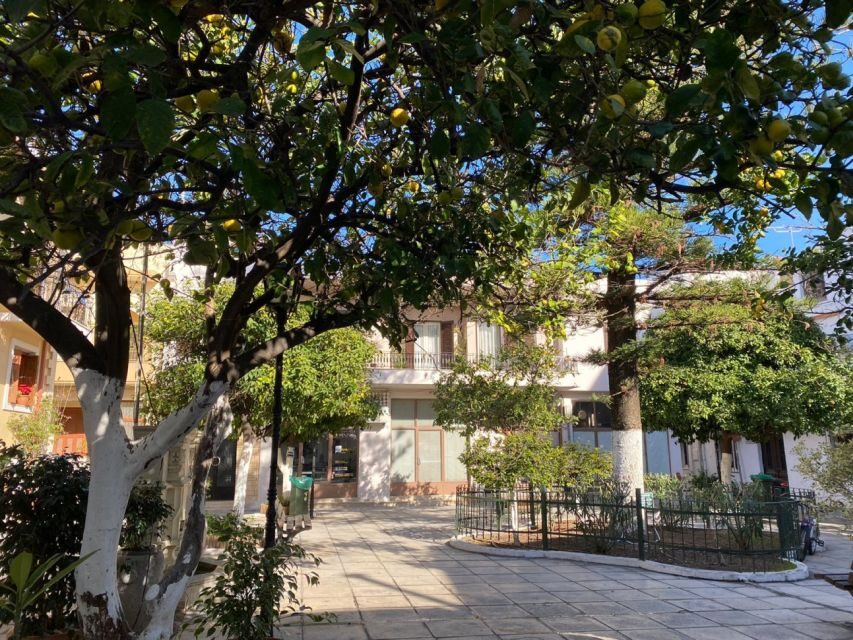
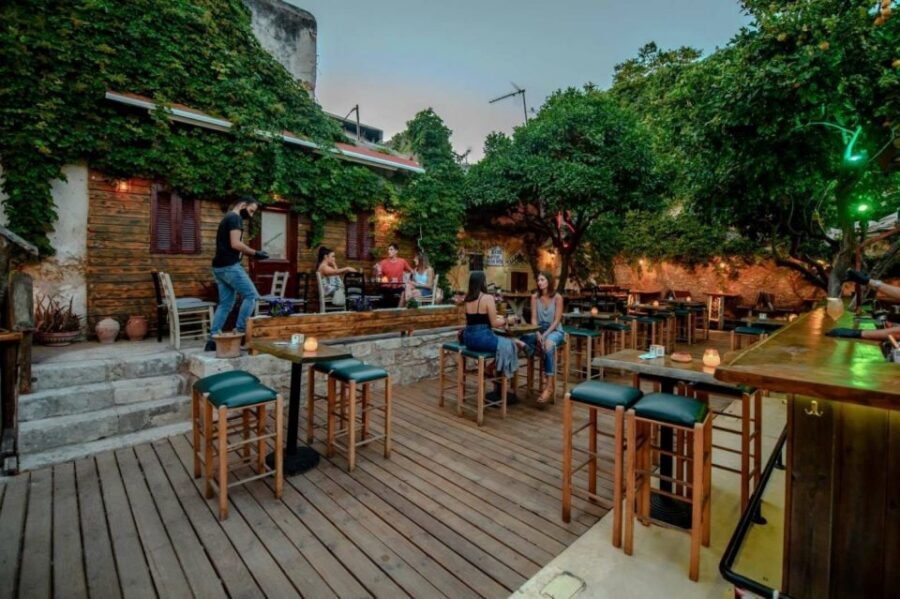
The tour’s final eating moment is lunch in a restaurant set inside an Ottoman-style inner garden. Expect a garden meal under lemon trees, which is both photogenic and comforting—cool shade, a slower rhythm, and the feeling that you’ve landed somewhere locals return to.
Lunch lasts about 1.5 hours, so it’s the part where you can actually sit and breathe. The dishes are served in a modern way, but they’re described as traditional Cretan food made with fresh local ingredients. If you want a tour where the meal is a real event, this is it.
Your guide also connects the past to modern Cretan life here—so the architectural mix of the Old Town (Venetian houses, Ottoman influences, and more) stops being “background” and starts feeling like a story you can taste and walk through.
Vegetarian diners are accommodated with a vegetarian option for the full meal. If you eat restrictions beyond vegetarian, the tour data doesn’t spell out details, so I’d message the operator in advance to confirm what your guide can swap.
How the guide shapes the whole experience
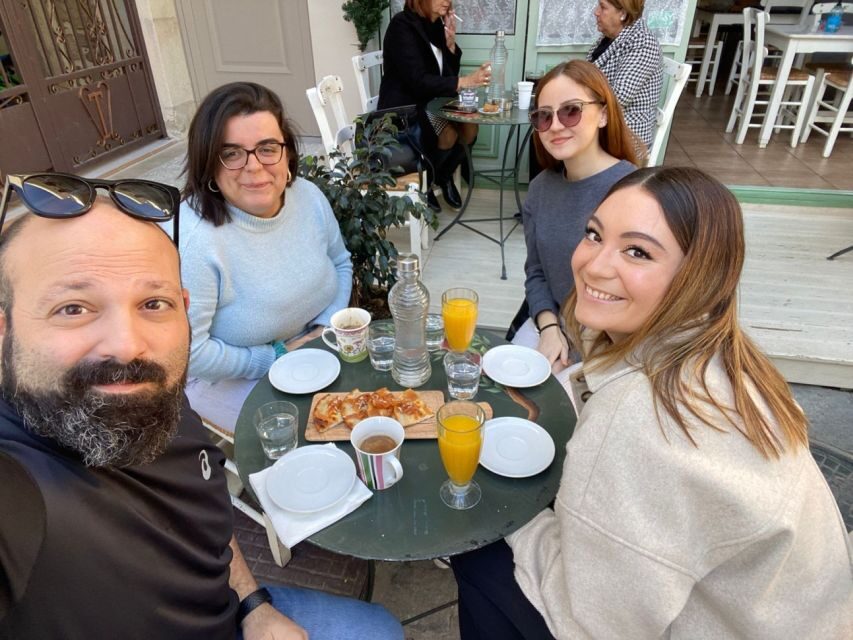
The guide isn’t just a narrator here; the guiding style is part of the product. Reviews highlight guides like Vincent, Maria, and Michael for being friendly, engaging, and able to answer questions beyond the basic script. Many also mention the guide learning names and keeping the group feeling comfortable.
That matters because Old Town walking tours can be hit-or-miss on personality. A good guide turns a line of stops into a single story. Here, the story keeps linking food to the town: occupation periods influencing architecture, current life in the neighborhood, and why certain flavors show up where they do.
The pace also shows up in reviews. This tour isn’t framed as a rapid-fire food sprint. It’s closer to a relaxed stroll with time to taste, ask questions, and enjoy the setting—one reason it works well for people who want value without being rushed.
Price and value: does $205 for 4 hours make sense?
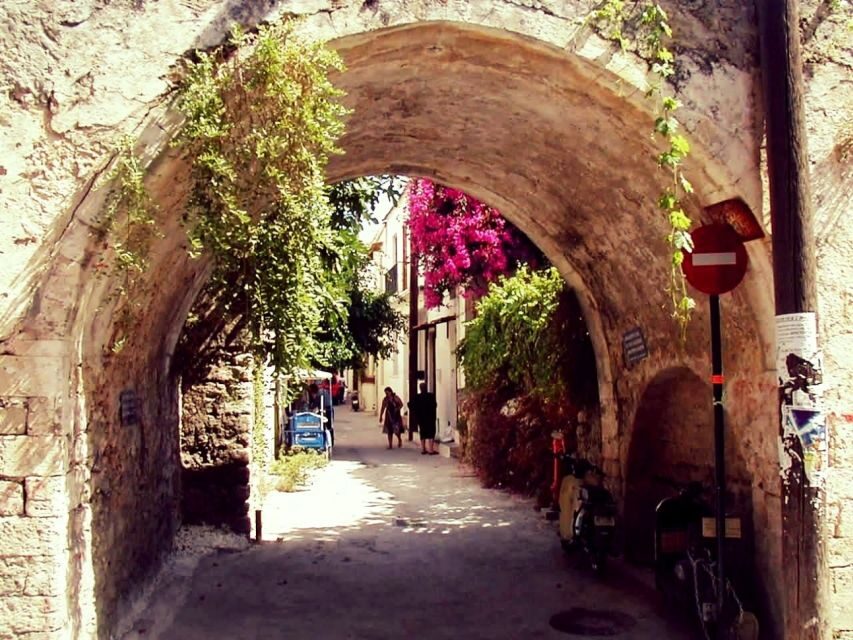
At $205 per person for about 4 hours, this is not a budget snack walk. But it also isn’t just “a couple tastings and a walk.” You’re paying for a guided Old Town route plus multiple food stops, a craft demonstration, and a full meal.
Here’s what that cost is buying you in practical terms:
- A guided walking experience through Rethymno’s Old Town
- Breakfast with coffee or juice plus a handmade pie and jam
- Street food and local bakery snacks
- A guided tasting of honey, olive oil, and raki, including quality comparisons
- A phyllo making demonstration at a long-time master workshop
- A substantial lunch in a garden setting under lemon trees
When you add all of that up, the value comes from coverage. Instead of piecing together meals, tastings, and a craft workshop yourself (with no guide context), you get one organized arc that teaches you what to look for next.
If you love food, craft, and learning why things taste the way they do, the price reads as fair. If you’re mainly after a light stroll with a snack and a short history talk, it might feel like too much food and too much structure.
Who should book this tour (and who might not)
This tour is a great fit if you:
- Want to eat your way through Old Town rather than just sightsee
- Enjoy hands-on tasting and want help judging ingredient quality
- Like food culture discussions (not just a list of dishes)
- Appreciate craft demonstrations and want to connect them to what you’ll eat later
It may be less ideal if you:
- Don’t want alcohol tastings (you can still join, but you should communicate needs)
- Prefer very fast walking tours and minimal sitting
- Have a sensitive stomach or struggle with tasting multiple rich foods in one day
One more practical note: because the stops are food-heavy, this works best early in your trip. After this, you’ll have a better sense of what “good” tastes like—so it’s easier to shop and order confidently for the rest of your stay.
Should you book the Rethymno Old Town walking tour with meal?
I’d book it if you want a day that feels like a mix of Old Town orientation and real eating. The guide-led tastings and the phyllo craft stop are the two standout reasons to choose this format over a general sightseeing walk.
If you’re on the fence, use this quick test: do you like learning through tasting? If yes, this will pay off. If you only want a quick bite and a few photos, you’ll probably feel the meal portion is too much.
Given the strong feedback around guides like Vincent, Maria, and Michael, plus the repeated praise for the food and the lemon-tree garden lunch, it’s one of those tours where the structure really supports the experience.
FAQ
Where does the walking tour start?
The tour starts at Gerakari 4 in Rethymno.
How long is the tour?
The duration is 4 hours.
What food and drinks are included?
You’ll have coffee or juice, traditional snacks, and a full lunch or dinner as part of the experience.
Is there a vegetarian meal option?
Yes. There is a vegetarian and non-vegetarian option for the full meal.
Do I need hotel pickup or drop-off?
No. The tour does not include hotel pickup and drop-off.
What language is the guide available in?
Guides are available in English or French-speaking, and the listed tour languages also include Spanish.
Is the tasting part included?
Yes. The experience includes a tasting focused on honey, olive oil, and raki, including a comparison of higher and lower quality.
What’s included besides food?
You’ll get a walking tour with an English/French-speaking guide and a phyllo handmade atelier experience.
What’s the cancellation policy?
You can cancel up to 24 hours in advance for a full refund.