REVIEW · CRETE
Rethymno Walking & Gastronomy Tour
Book on Viator →Operated by ECO EVENTS · Bookable on Viator
Rethymno tastes like a story. I love the sfakianopita breakfast with thyme honey, and I love that the raki-and-wine meze part of the tour turns a few tastings into a meal you actually feel good about later. It’s a smart mix of food, old-town history, and hands-on craft, paced for a small group.
One thing to keep in mind: if you’re hunting for nonstop tiny bites every step of the way, the walking segments can feel a bit more like focused samples than an endless parade of food, then the big payoff hits at lunch.
In This Review
- Key highlights you’ll care about
- Entering the Old Town: what makes this food walk work
- Breakfast in a Rethymno kafeneio: coffee, juice, and thyme-honey sfakianopita
- Bricks Beers & Tales: learning the taste of olive oil, tsikoudia, and honey
- The Venetian philo workshop: kantaifi and baklava dough, for real
- A Venetian-era tavern meze lunch with wine and raki
- How long it takes, how to pace yourself, and what to wear
- Price and value: what $107.63 buys you (and what it doesn’t)
- Who should book (and who might want a different style)
- Should you book the Rethymno Walking & Gastronomy Tour?
- FAQ
- How long is the Rethymno Walking & Gastronomy Tour?
- How big is the group?
- What language is the guide?
- What does the tour include for food and drinks?
- Is a vegetarian option available?
- What tastings do you stop for during the walk?
- What happens at the philo workshop?
- Is Fortezza entrance included?
- Does the tour start and end at the same place?
- What is the cancellation window?
Key highlights you’ll care about
- Small group size (max 8) keeps the pace relaxed and questions flowing.
- A real breakfast in a quiet kafeneio starts things gently, with coffee/juice and a cheese pie.
- Olive oil, tsikoudia, and honey tastings teach you what to notice beyond just taste.
- Philo workshop in a Venetian-era mansion shows how kantaifi and baklava dough gets made the traditional way.
- A Venetian/Ottoman-era tavern meze lunch pairs multiple dishes with wine and raki.
- You can go private if you want the route and pace to be all yours.
Entering the Old Town: what makes this food walk work
This is the kind of tour that helps you understand Crete without turning the island into a checklist. You’ll walk through Rethymno’s old lanes with a local guide, then keep returning to the same theme: Cretan food isn’t just what you eat. It’s how people welcome you, how they preserve recipes, and how they connect ingredients to daily life.
What really makes it click is the small group size (8 max). You get time to ask questions, and stops don’t feel like a timed handoff. You also get enough structure to keep your appetite safe: it’s not just one sweet stop and then you’re on your own. You start with breakfast, add tastings mid-walk, watch a real philo process, and then finish with a meal-style meze spread.
There’s also a nice upgrade path. If you’d rather not share the route, you can go for a fully private tour. That matters if you’re traveling with kids, have dietary needs beyond the vegetarian option, or just prefer a slower, more personal pace.
If you’re the type who likes to taste and learn, this tour is built for you. If you’re the type who only wants long museum stops and zero food involved, you’ll probably feel underfed.
You can also read our reviews of more walking tours in Crete
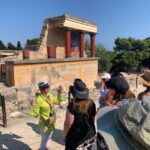
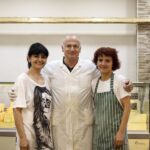
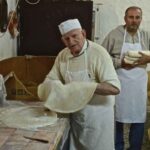
Breakfast in a Rethymno kafeneio: coffee, juice, and thyme-honey sfakianopita
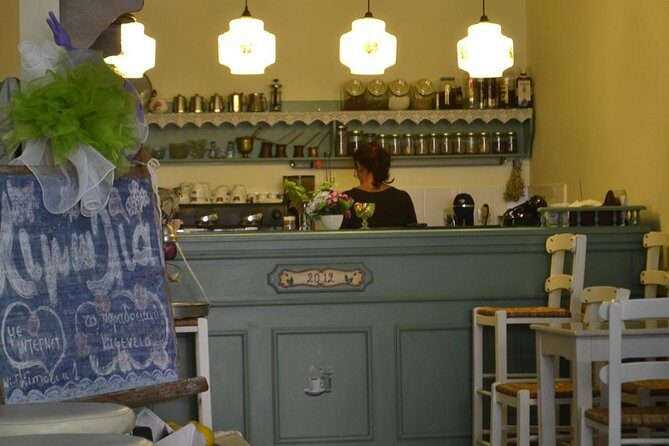
Your day begins inside the old town at a traditional kafeneio tucked into a special spot. The mood is calm, and that’s intentional. You’re not rushed into the next stop like a theme park line. Instead, you get a local-style breakfast and a quick orientation to Cretan food culture.
The breakfast setup is simple and very Cretan:
- Greek coffee or juice
- handmade cheese pie (sfakianopita)
- topped with organic thyme honey
I like this start because it grounds you in what Cretans mean by comfort food. Cheese pie sounds straightforward until you add the thyme honey. That combo gives you a quick lesson in how sweet, herbal notes and savory dairy show up again and again in the region’s cooking habits.
You’ll also get context early on—traditions, customs, and how gastronomy connects to daily life. That matters later, too. When you reach the more technical philo stop, the “why” behind the craft lands easier because you already understand that food here is tied to hospitality and patience.
Practical tip: plan to arrive hungry. Even if you think you’re not a breakfast person, you’ll end up grateful you didn’t skip it.
Bricks Beers & Tales: learning the taste of olive oil, tsikoudia, and honey
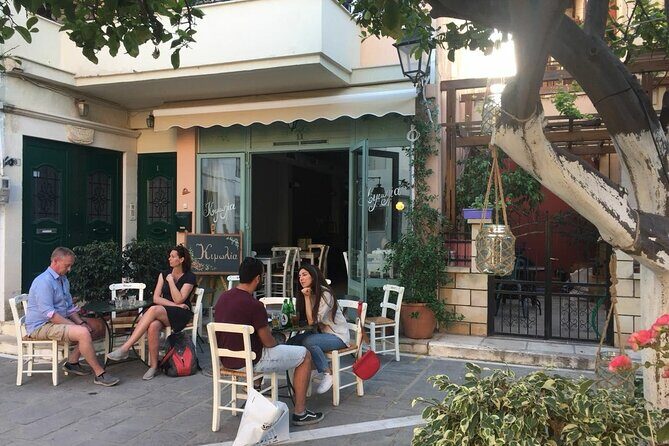
After breakfast, the tour pivots to the flavors that make Crete famous: olive oil, honey, and tsikoudia (Cretan spirits). At Bricks Beers & Tales, you’ll sample local products, including olive oil, tsikoudia, and honey.
This stop is short, but it’s not empty. The value comes from learning a few ways to judge what you’re tasting. You’ll get help recognizing authentic olive oil and honey beyond just “good or bad.” That skill pays off after the tour, when you’re shopping or choosing a place to eat on your own.
One detail I appreciate: the tour doesn’t treat alcohol as the only star. Tsikoudia is included, but it’s part of a wider tasting set. The idea is to connect flavors—how honey sweetness works alongside the herbal/green notes you get in olive oil, and how tsikoudia fits into the hospitality rhythm of the day.
If you don’t drink, you might still enjoy the olive oil and honey focus. The tour is built around tastings that can still make sense for non-drinkers, though you should expect the alcohol to be part of the overall experience since it’s explicitly included.
The Venetian philo workshop: kantaifi and baklava dough, for real
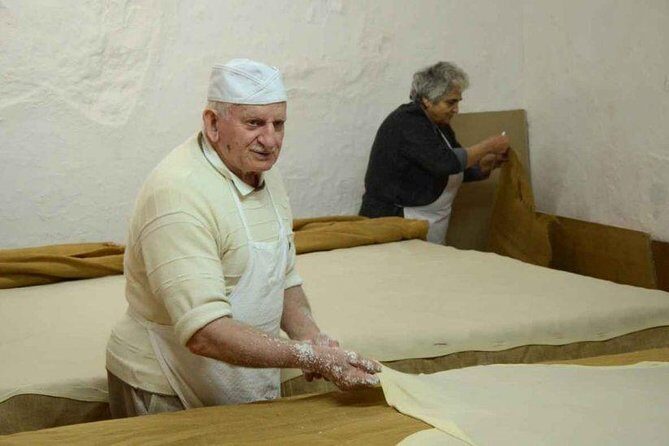
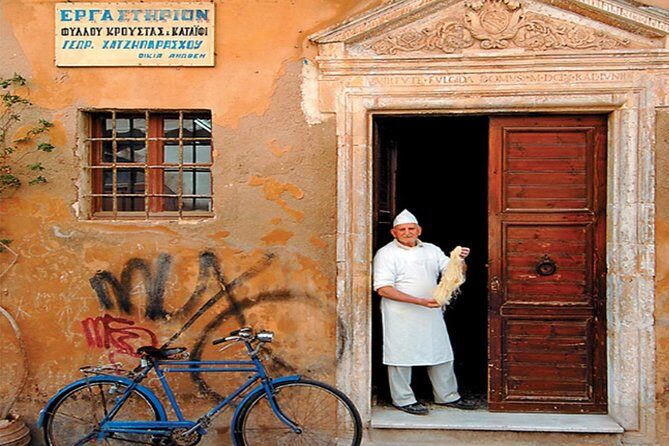
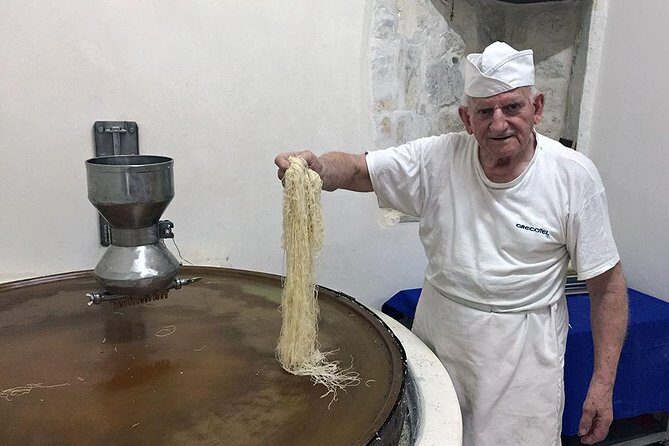
One of the most memorable parts of this tour is the philo workshop stop in Rethymno’s old town. You’ll be in a Venetian mansion from the 17th century, where Giorgos Chatziparaschos runs a traditional philo atelier. The workshop is described as the oldest of its kind for making kantaifi and baklava philo, with 65 years of production history.
Here’s the big takeaway: you’ll see how a dessert that looks delicate is actually built on work, timing, and technical control. The ingredients sound basic—flour, water, salt—but the proportions matter, and those ratios took years of testing. That’s a useful reminder for you as a visitor: Crete’s food reputation isn’t based on gimmicks. It’s based on repeatable craft.
In the workshop, you may get lucky and watch the master working. A mixture drops into a special machine in the back room. Butter aromas fill the space, and you can see the process leading to hundreds of thin, baked strings of kadaifi (kantaifi). Then you’ll learn how cinnamon and chopped walnuts come into the flavor balance.
Even if you’re not a sweets person, this stop is worth your time. It connects food to place: Venetian-era architecture in the old town, Ottoman-era influences in the region’s cuisine, and then a very local technique carried forward with care.
Tip: if you have a sweet tooth, save room for what comes later. This stop helps explain why baklava and kadaifi taste so “specific” in good places.
A Venetian-era tavern meze lunch with wine and raki
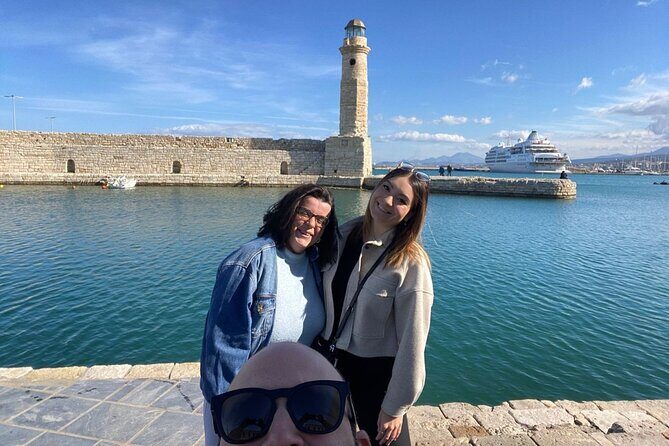
The final stretch is where the tour earns its keep: a meze-based lunch (or dinner) in a tavern setting tied to older layers of Rethymno. The building is Venetian-era and was later occupied by the Ottomans, so the place itself feels like part of the lesson.
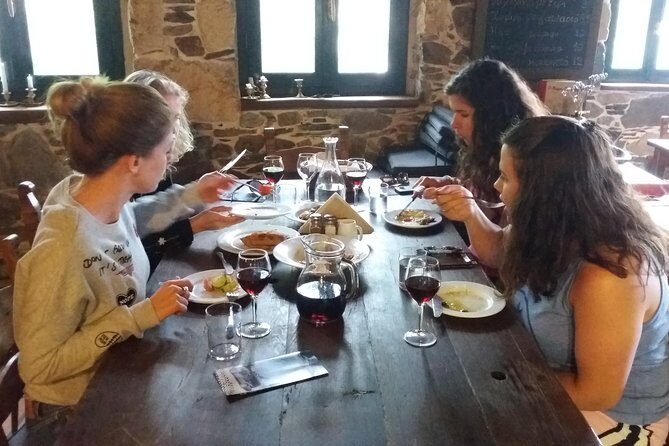
The food is described as Cretan mezedes—small dishes with Ottoman influence that show up again and again in this region’s dining culture. And you don’t just get one course. You get a spread that adds up to a hearty meal.
What you’ll see on the menu includes:
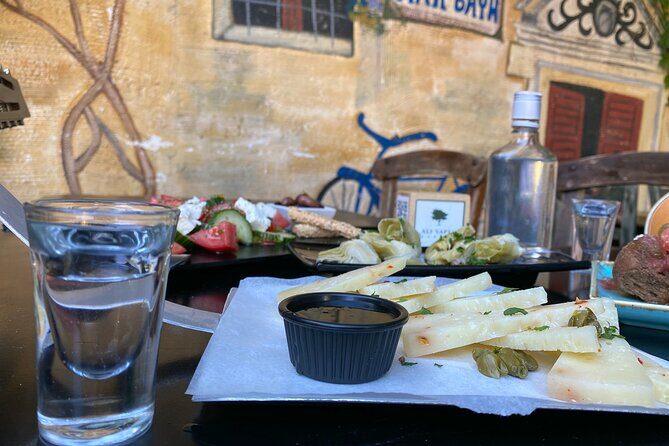
- Salad with tomato, cucumber, artichoke, and bread crouton
- White, red, and rosé wine
- Black beans with smoked trout
- Goat cheese graviera
- Organic sausage sheet with raki
Yes, the menu includes both wine and raki, and you’ll get it as part of the meal flow. That’s why this tour works even if you’re the type who usually avoids food tours. You’re not leaving hungry and you’re not paying for scraps.
The atmosphere matters too. The tavern is described as small and friendly, and you’re also told city history as you eat. I like tours that don’t treat history like a lecture. Here, it’s folded into the dining experience, which makes it easier to remember later.
Optional add-on: if you want to visit the fortress of Fortezza after the tour, your guide can help with the entrance. The entrance ticket itself isn’t included, but the guidance can save time.





How long it takes, how to pace yourself, and what to wear
This walk is about 3 to 4 hours. That’s a good length for people who want a full experience without turning the whole day into a sit-and-wait marathon.
Because it includes multiple tasting stops plus a meal, you’ll feel the time in two ways:
1) your feet (old-town lanes)
2) your appetite
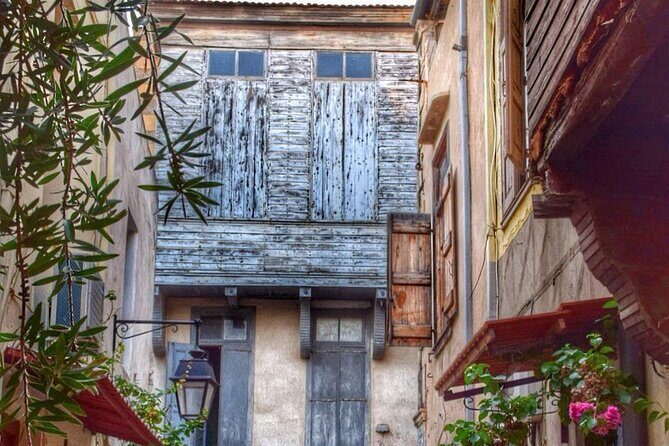
So wear decent walking shoes. The old town is scenic, but your body will notice the uneven surfaces. Also bring a light layer if it’s warm—old-town shade can be cool, and you’ll be moving in and out of doorways.
Expect frequent eating moments, but not every stop is a full plate. Some are tastings with short time windows. Then lunch gives you the real “okay, now I get why we walked” payoff.
Also, since raki is included, pace your drinking. Even if you’re excited, give yourself breaks between tastings and between heavier bites. The goal is enjoying the flavors, not just checking off alcohol.
If weather shifts, the tour operator requires good weather. In plain terms: plan your schedule with flexibility, and expect an adjusted day if conditions aren’t great.
Price and value: what $107.63 buys you (and what it doesn’t)
At $107.63 per person, this tour isn’t a “cheap snack” activity. You’re paying for a guided, structured food crawl that includes:
- a local English (or French) speaking guide
- small-group format (max 8)
- coffee/tea and traditional snacks at the start
- multiple tastings (olive oil, tsikoudia, honey)
- entrance included for the philo workshop stop
- a full meze-style lunch or dinner with wine and raki
- vegetarian option for the meal
That’s key for value. A lot of food tours charge a similar amount but only give you bite-sized samples and a cup of coffee. Here, the lunch portion is described as plentiful enough to count as a real meal, and it’s paired with wine and raki.
What’s not included is also straightforward:
- pickup may cost extra if you’re outside the Rethymno district
- Fortezza entrance is not included
If you’re already planning to eat well in Rethymno, this tour can make sense because it bundles the guided experience with a meal you’d otherwise have to plan around. You’re also buying the “local context” piece—how to understand olive oil and honey, and how the philo craft works—so it’s not only food.
Who should book (and who might want a different style)
You’ll probably love this tour if:
- you want a first-timer-friendly food intro to Rethymno
- you care about how Cretan cuisine connects to history and daily life
- you like the idea of learning while eating, not after the fact
- you want a small group instead of a big bus crowd
It’s a solid choice for couples, solo visitors who like conversation, and families who can handle a few hours of walking and eating.
You might think twice if:
- you expect nonstop large bites at each step
- you’re sensitive to alcohol being part of the meal flow (raki and wine are included)
- you’re looking for a purely history-focused tour with minimal food
One more note on guides: the experience quality seems strongly tied to the guide’s personality and ability to tell stories with food. Names that come up again and again include Nora, Kostas, Michael, Dina, Hara, Maria, Vincent, and Milo. That variety is a good sign: you’re not stuck with one generic approach.
Should you book the Rethymno Walking & Gastronomy Tour?
If you’re in Rethymno and you want a smart, food-centered way to understand the old town, I’d book it. This tour does the hard part for you: it strings together breakfast, tastings, a real philo craft stop, and a proper meze meal with wine and raki—without dragging the day out.
Go in with the right expectations: it’s a walking food experience with several sample moments, then a big meal payoff. Bring comfortable shoes, show up hungry, and plan to linger a little after if Fortezza interests you.
FAQ
How long is the Rethymno Walking & Gastronomy Tour?
It runs about 3 to 4 hours.
How big is the group?
The tour has a maximum of 8 travelers.
What language is the guide?
It’s offered with a local English or French speaking guide.
What does the tour include for food and drinks?
You’ll get coffee and/or tea with traditional snacks, lots of raki, and wine. The tour also includes a full lunch or dinner (with a vegetarian option).
Is a vegetarian option available?
Yes, a vegetarian option is included for the lunch or dinner.
What tastings do you stop for during the walk?
You’ll taste local products including olive oil, tsikoudia, and honey.
What happens at the philo workshop?
You’ll visit a traditional philo atelier where philo is made for sweets like kadaifi and baklava, and you may be able to watch the master working.
Is Fortezza entrance included?
No, the Fortezza entrance ticket is not included. The guide can help with the entrance after the tour if you want to go.
Does the tour start and end at the same place?
Yes. It starts at the Church of the Four Martyrs (Gerakari 6, Rethymno) and ends back at the meeting point.
What is the cancellation window?
You can cancel up to 24 hours in advance for a full refund.