Cooking at Chrysoula’s home feels like family. You’ll love the hands-on approach to Cretan favorites like dakos and mousaka, plus the local ingredients and warm, personal hospitality. The one thing to consider is that it is a working kitchen setup, so you should expect to get involved and to plan around the good-weather requirement.
This 3.5-hour class runs at 10:00 am and caps at 12 people, so the experience stays personal. It’s offered in English, and you’ll get a mobile ticket and confirmation at booking.
In This Review
- Key things that make this Cretan home cooking class worth your time
- Chrysoula’s Traditional Home Cooking: What It Really Feels Like
- Where You’ll Start Near Arkadi (and Why Location Matters)
- The 3.5-Hour Flow: From Dakos to Dessert
- Welcome and getting settled
- Starter: Dakos
- Main courses: Mousaka and stuffed vegetables
- Dessert: homemade ice cream
- Eating what you made
- Chrysoula and Dee: The Teaching Style Behind the Smiles
- What You’ll Get Out of It: Recipes, Portion Value, and Skill
- Food That Feels Local: Why the Ingredients Matter
- Who Should Book This (and Who Might Skip It)
- Should You Book Chrysoula’s Cretan Home Cooking?
- FAQ
- FAQ
- What is the duration of Chrysoula’s Traditional Cretan Home Cooking?
- How much does the tour cost per person?
- What time does the class start?
- Where does the class take place?
- How many people are in the group?
- Is the class offered in English?
- What dishes are included?
- Can the class accommodate dietary needs?
- Do I get recipes to take home?
- Is the experience dependent on weather?
- Can I cancel and get a full refund?
Key things that make this Cretan home cooking class worth your time
- Small group (max 12) means real interaction, not just watching.
- A real Cretan menu with dakos, mousaka, stuffed vegetables, and homemade ice cream.
- Hands-on cooking with clear direction as you prep and assemble dishes.
- Local ingredients from the property and nearby sources, when available.
- Dietary accommodations are possible when you share needs in advance.
- Recipes after the class, so you can reproduce the dishes at home.
Chrysoula’s Traditional Home Cooking: What It Really Feels Like
Cretan food is not just what you eat here. It is how you eat it, with other people, in someone’s home, at a relaxed pace that still moves. This class is built around that idea: you come to cook, then you sit down and eat what you made, as the story of the day keeps unfolding.
I like that the experience is practical. You are not being lectured to. You are doing the work—chopping, assembling, shaping, and learning the flow from starter to dessert. Several past groups also describe Chrysoula creating a family-style atmosphere right away, with lots of joking and easy laughter. It is the kind of energy that makes a cooking class feel less like an activity and more like a warm afternoon with people you just met.
You also get a sense that you’re not pulling ingredients from a supermarket shelf and calling it traditional. The cooking is tied to where the food comes from. Some groups specifically mention using ingredients sourced locally, including items grown nearby or from family farms (olive oil, herbs, vegetables, bread, cheese). That matters because it changes the flavor you taste—and it gives you clues you can use later when you cook at home.
The one possible drawback is simple: this is hands-on home cooking. If you prefer a mostly observational tour, this might feel like too much kitchen time. If you do like to participate, this is where the value really shows.
You can also read our reviews of more cooking classes in Crete
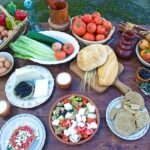
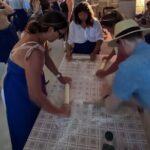
Where You’ll Start Near Arkadi (and Why Location Matters)
The class starts at 10:00 am near Arkadi, Greece (the meeting point is listed with a plus-code style location). That timing is useful. You get your Cretan cooking day in early, then you have the rest of the afternoon free for the beach, a museum, or an easy stroll.
It’s also listed as near public transportation, which helps a lot if you are not driving. Even with that, you’ll want to treat the meeting point like it matters—show up with a little time buffer so you can settle in before cooking begins.
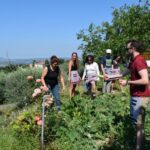
Because this is a home setup, the yard or garden setting can be part of the charm. People describe arriving to a lush garden or backyard and views toward nearby olive groves. That kind of setting is not just pretty. It sets the mood for a slower, more social experience than a commercial cooking school.
The 3.5-Hour Flow: From Dakos to Dessert
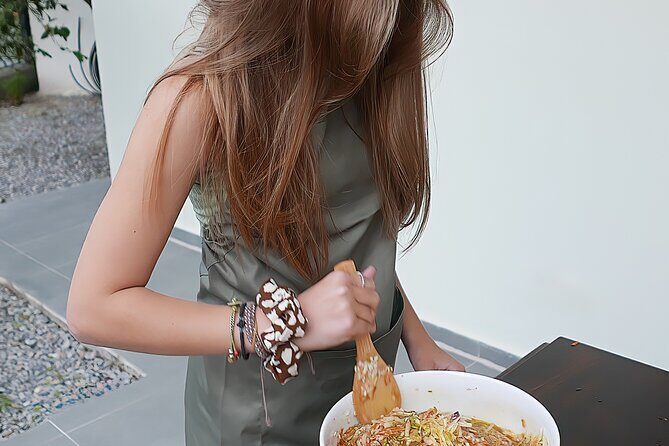
You should plan for about 3 hours 30 minutes from start to finish, ending back where you meet. The schedule is compact on purpose. It gives you enough time to cook multiple courses without dragging the day into late afternoon.
Welcome and getting settled
Most of the energy starts immediately. Groups describe hugs, teasing, and the feeling that you’ve been folded into a lively household. You’ll typically start by meeting Chrysoula and the helper who works alongside her (in past groups, Dee is named as a key person in the kitchen flow).
If you are thinking about what to wear, go with comfortable clothes you don’t mind getting stained. This is not a museum workshop. It is kitchen work.
Starter: Dakos
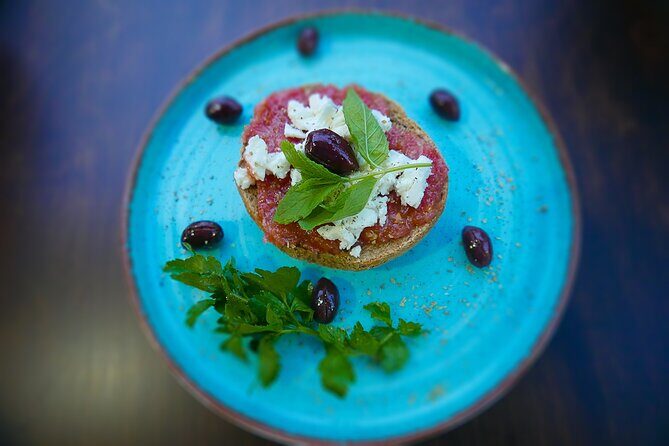
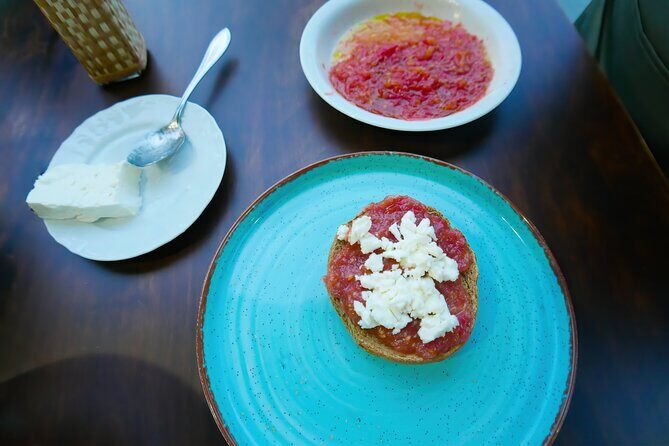
The sample starter is dakos. You’ll be working on the kind of dish that depends on good ingredients and sharp assembly—bread and toppings that should taste fresh and bold. Even if you’ve had dakos before, making it in a Cretan home is a different experience than ordering it in a restaurant.





Main courses: Mousaka and stuffed vegetables
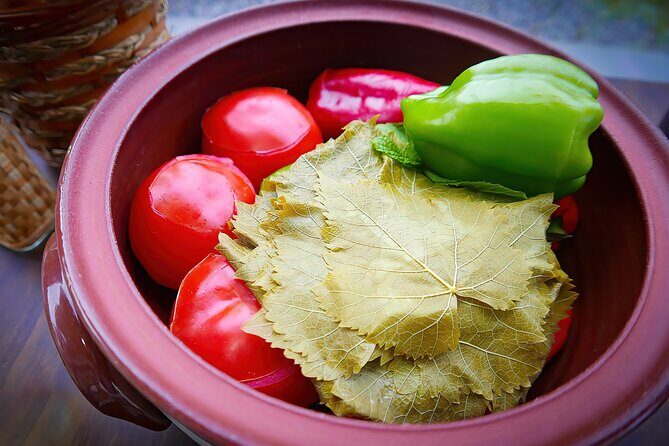
Your sample menu includes mousaka and stuffed vegetables. This is the core of the lesson: hearty, classic Greek cooking where technique matters as much as flavor.
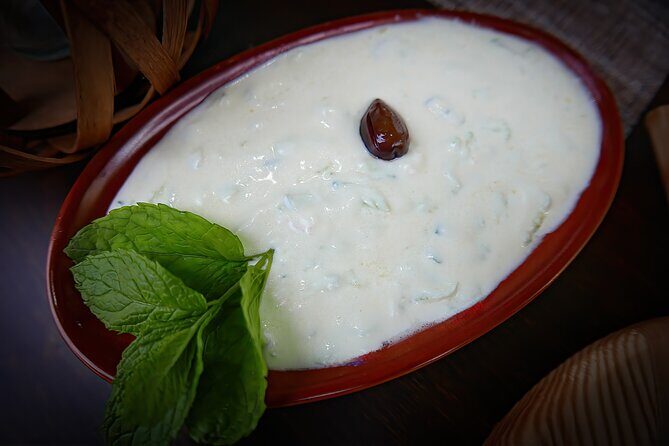
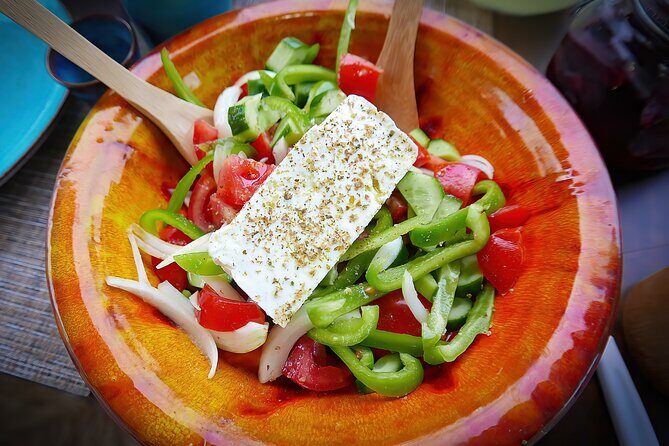
The mousaka especially benefits from being taught step by step. You’ll learn how the dish comes together, and you’ll see the logic behind the layers rather than just copying a written recipe. Groups also mention extra mains appearing on some days, including dishes like stuffed grape leaves and squash blossoms, along with sauces and sides such as tzatziki and fresh salad. If your day includes these, you’ll get an even broader look at Cretan home-style cooking.
Dessert: homemade ice cream
The sample dessert is home made ice cream. Dessert is not an afterthought here. It’s part of the full-course meal, and it’s tied into the teaching moment—how to set it up, taste as you go, and enjoy it as a finish to the meal.
Some groups describe making a multi-course dinner and following it with dessert, including a traditional Greek pastry dessert on certain days. So while your exact menu depends on the day, the structure stays the same: starter, mains, then a sweet ending.
Eating what you made
This is where the class turns into a true value deal. You don’t just cook for a photo. You eat together, family-style. People describe coming away very well fed, with the food tasting better because you helped make it.
Some groups also mention enjoying raki during the experience. The best way to treat that detail: expect that local spirits might be part of the fun at some classes, but don’t count on it as a guaranteed feature unless it’s made clear for your date.
Chrysoula and Dee: The Teaching Style Behind the Smiles
Chrysoula’s approach is equal parts cook, teacher, and host. A standout theme across accounts is her humor and warmth, and how quickly she helps people feel relaxed. If you’ve ever been worried about language barriers in a cooking class, you’ll likely feel better here because the teaching is practical and hands-on.
One more key detail: you are not stuck doing one tiny task all morning. In past classes, people describe being responsible for multiple parts of the prep. You get clear direction so you know you’re doing it right, not just copying a motion. That makes it easier to recreate the dishes later.
You’ll also likely get small teaching moments beyond recipes. One group mentions being introduced to Greek measuring and Greek water. Those extras are not required for the cooking, but they are part of the fun. They also help you understand how Cretans think about ingredients and proportions.
And if you have dietary needs, you should feel encouraged to ask. One review describes a vegetarian in the group, and the class making a separate dish without meat. That’s a good sign you can communicate needs and get a workable solution.
What You’ll Get Out of It: Recipes, Portion Value, and Skill
At $113.84 per person, you’re paying for more than ingredients. You’re paying for time, instruction, and hospitality. The best way to judge value is what happens after the class.
Many groups mention that recipes are sent after the experience. That transforms the class from a one-time meal into something you can repeat at home. If you’ve ever left a cooking class wishing you had a proper guide, this is the kind of finish that makes the effort pay off.
You’re also getting skill, not just taste. When you cook mousaka and stuffed vegetables with guidance, you learn the practical sequence: prep first, build carefully, and focus on texture and assembly. That kind of “how it comes together” knowledge is what restaurant cooking usually hides.
Portion value is another piece. People describe a lot of food across the courses, so plan to eat lightly before you go—or just accept that lunch will wait. The class ends with you full, which is part of what makes the price feel fair.
Food That Feels Local: Why the Ingredients Matter
Traditional Cretan home cooking depends on ingredients that taste like they belong to the island. Past groups describe ingredients coming from the property or nearby family sources, including olive oil, herbs, vegetables, bread, and cheese.
That matters for two reasons:
- Taste transfer. The flavor you experience has a reason. When olive oil and herbs are local, you can often tell. You can also shop smarter at home.
- Better technique clues. If you understand what ingredients are driving the dish, you stop treating recipes like rigid instructions and start treating them like systems.
Even if you don’t know Cretan cooking well, you’ll likely leave with a better sense of what makes the dishes feel right—especially in classics like dakos and mousaka.
Who Should Book This (and Who Might Skip It)
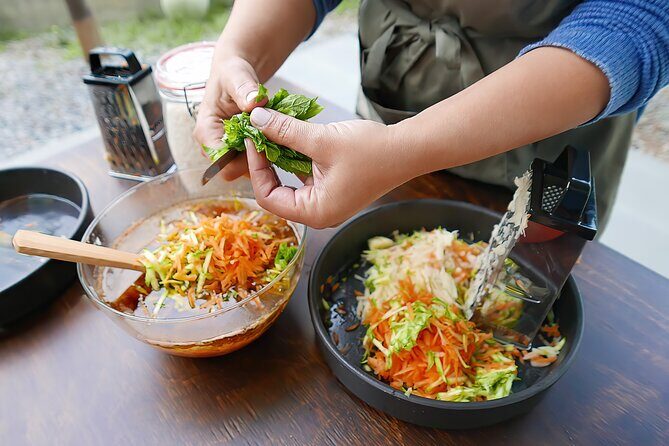
This experience is a great match if you want:
- a hands-on cooking lesson in a real home setting
- a small group where you can actually talk and laugh
- a classic Cretan meal with multiple courses
- recipes sent afterward so you can cook again at home
It may be less ideal if:
- you prefer a sightseeing-focused day over cooking work
- you don’t want to get involved in prep and hands-on tasks
- you are traveling at a time when weather may be unreliable (the experience requires good weather)
One last practical note: the group size limit of 12 usually makes it feel friendly. But if you absolutely dislike group dynamics, choose your comfort level with that social energy.
Should You Book Chrysoula’s Cretan Home Cooking?
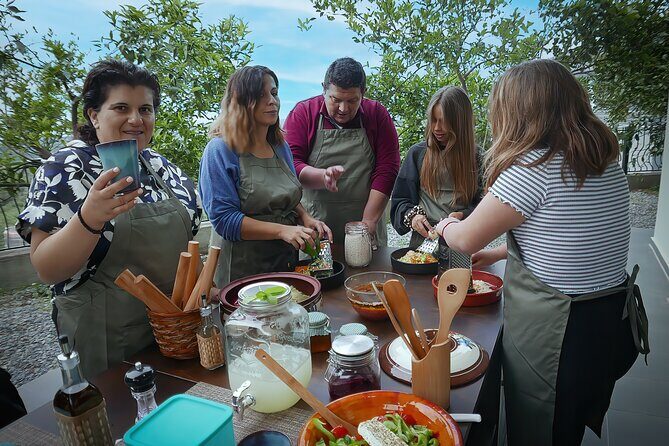
If you’re the type of traveler who likes learning by doing, I’d book it. The combination of a classic Cretan menu (dakos, mousaka, stuffed vegetables, homemade ice cream), small group size, and a family-style host makes it a strong value. Add in the fact that recipes are sent afterward, and you get an experience that keeps paying off after your trip.
I’d hesitate only if you want a mostly passive tour, or if you know you’ll struggle with a weather-dependent plan. Otherwise, this is exactly the kind of local cooking day that turns into real memories.
FAQ
FAQ
What is the duration of Chrysoula’s Traditional Cretan Home Cooking?
It lasts about 3 hours 30 minutes.
How much does the tour cost per person?
The price is $113.84 per person.
What time does the class start?
The start time is 10:00 am.
Where does the class take place?
It takes place in Crete, Greece, with the meeting point listed near Arkadi, Greece.
How many people are in the group?
The class has a maximum of 12 travelers.
Is the class offered in English?
Yes, it is offered in English.
What dishes are included?
The sample menu includes dakos, mousaka, stuffed vegetables, and home made ice cream. Some classes may also include other Cretan dishes such as stuffed grape leaves, squash blossoms, tzatziki, fresh salad, and Greek pastry dessert.
Can the class accommodate dietary needs?
Dietary issues can be accommodated, including a vegetarian option described in past experiences.
Do I get recipes to take home?
Yes. Recipes are sent after the class.
Is the experience dependent on weather?
Yes, it requires good weather. If it’s canceled due to poor weather, you’ll be offered another date or a full refund.
Can I cancel and get a full refund?
Yes. You can cancel up to 24 hours in advance for a full refund, and cancellations within 24 hours are not refunded.