REVIEW · CRETE
Kleanthi Olive Farm: Guided Tour with Local Delicacies Tasting
Book on Viator →Operated by Kleanthi · Bookable on Viator
An olive mill tour with snack stops.
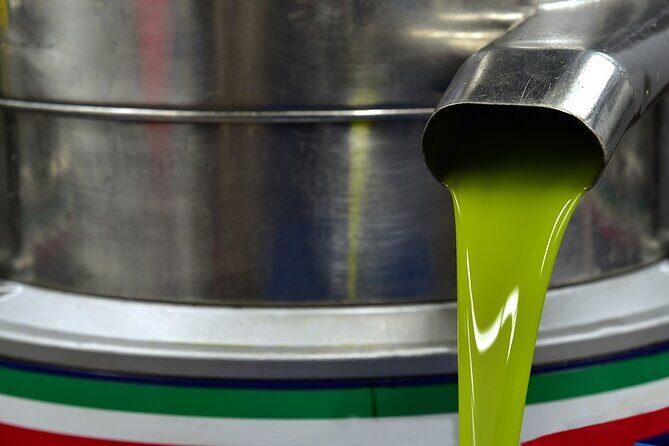
At Kleanthi Family Olive Farm in Skalani, you get a short guided loop through olive groves and the olive mill, then a serious tasting of their extra virgin olive oils alongside Cretan favorites—often led by guides such as George or Mary. I love that the tour stays practical and hands-on, from tree-to-oil to what makes each oil taste the way it does. I also love the food pairing at the end, with spreads that can include bread, cheeses, fruit, honey, herbs, and more, so the oils make sense on your palate.
One thing to keep in mind: if you go off-season, the production line may not run, so the visit can feel calmer and more history-and-tastings focused than hands-on milling.
In This Review
- Key highlights worth circling
- Kleanthi Olive Farm: what you’re actually buying for $25.34
- From Skalani to the grove: how the tour starts
- The grove walk: tree-to-bottle explained in plain terms
- The olive mill and the machine demos: when it’s running
- The tasting spread: olive oil meets Cretan comfort food
- The onsite store: buying oil without the hard sell
- English guidance, small-group pacing, and question time
- Price and value: is it worth $25.34?
- Who should book this tour (and who might prefer something else)
- Practical tips before you go
- Should you book Kleanthi Olive Farm?
- FAQ
- How long is the Kleanthi Olive Farm guided tour?
- What does the tour cost?
- Is the tour offered in English?
- Where is the meeting point?
- Is there a limit on group size?
- Is a mobile ticket provided?
- Are service animals allowed?
- What happens if the weather is bad?
- Is free cancellation available?
Key highlights worth circling
- Tree walk that connects grove care to the oil you taste
- Mill visit plus machine demos (when production is running)
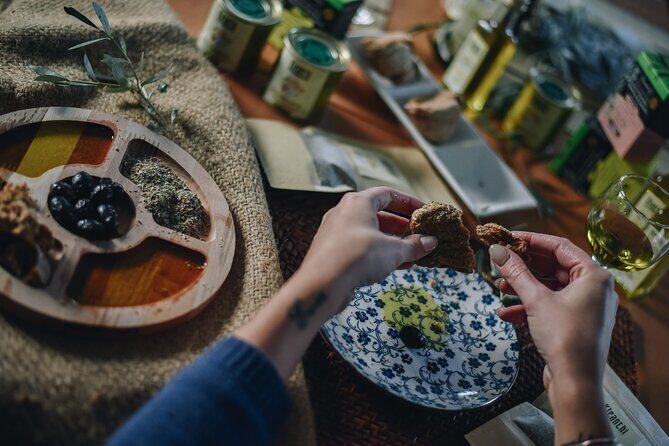
- Oil tastings paired with Cretan comfort foods like bread, cheese, and fruit
- Friendly, English-speaking guides and a relaxed no-hard-sell vibe
- Small-group feel with a maximum of 40 people
- Onsite shop so you can buy bottles to take home right after tasting
Kleanthi Olive Farm: what you’re actually buying for $25.34
For $25.34 per person, Kleanthi Olive Farm is selling something simple: a guided, edible education about olive oil in Crete. The time block is about 1 hour 15 minutes, which is short enough to fit into a day without ruining your schedule, but long enough to cover the full arc from trees to the finished oil. You’re not just seeing olives. You’re learning how the farm turns handpicked fruit into the bottle you’ll taste.
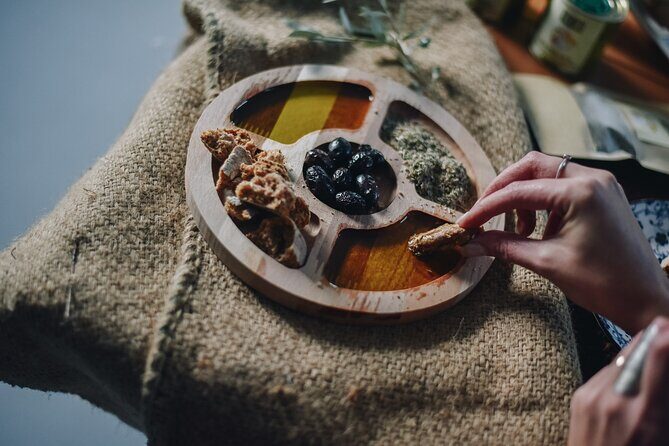
Value-wise, the big reason this works is that the experience includes a tasting and local pairings, not a tiny sip and a pat on the back. Many people come away talking about how good the olive oil tastes when it’s matched with salty cheese, bread, fruit, and sweet touches like honey and syrup-type flavors. That matters because olive oil is hard to judge in isolation. It’s all about contrast.
Also, the group size cap of 40 travelers (and you’ll generally feel that as a manageable group) helps the guide keep the pace human. You’ll hear explanations, ask questions, and still have time to enjoy the food instead of rushing through it.
You can also read our reviews of more food & drink experiences in Crete
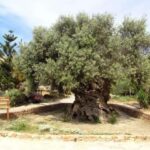

From Skalani to the grove: how the tour starts
The meeting point is Kleanthi Olive Farm, Skalani 715 00, Greece, and the tour ends back at the same spot. That simple start-stop layout is helpful when you’re trying to plan transport, especially if you’re using public transit nearby or you’re on a road trip around Crete.
Right away, you’re welcomed at the farm. People note basic hospitality like water on arrival, which sounds small, but it sets the tone: this doesn’t feel like a rushed, conveyor-belt stop. Your first phase is the walk through the olive groves, where the guide points out how the trees are cared for and how that work supports the end product.
You’ll likely notice two things as you walk:
- The pace feels built for questions, not just viewing.
- The grove section is meant to give you context before the mill and tasting, so the later explanations land better.
The walk is described as an easy stroll, so you’re not signing up for a hike. Still, olive groves can mean uneven ground and lots of time spent standing. Comfortable walking shoes are a smart move.
The grove walk: tree-to-bottle explained in plain terms
This is the part where the farm earns your attention. Olive oil production can sound technical, but the tour’s structure helps you connect the dots: why the trees matter, why harvesting choices matter, and why the final oil tastes the way it does.
In reviews, people highlight the guides’ energy and the way they answer questions during the walk—names that pop up include George, Mary, Yannis, Theodora, and Yanina. That’s a good sign for you if you care about clarity. You’re not stuck with one long lecture; you’re learning while walking, looking, and asking.
What I like about this approach for you is that you get a better tasting experience later. When you understand what’s happening in the grove, the tasting room becomes less random. You start noticing differences in fruitiness, bitterness, and spice-like notes—because you know what to look for.
The olive mill and the machine demos: when it’s running
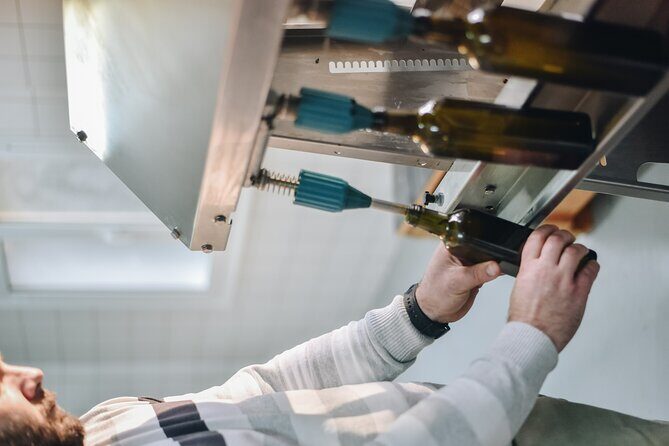
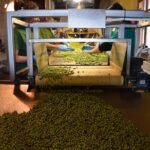
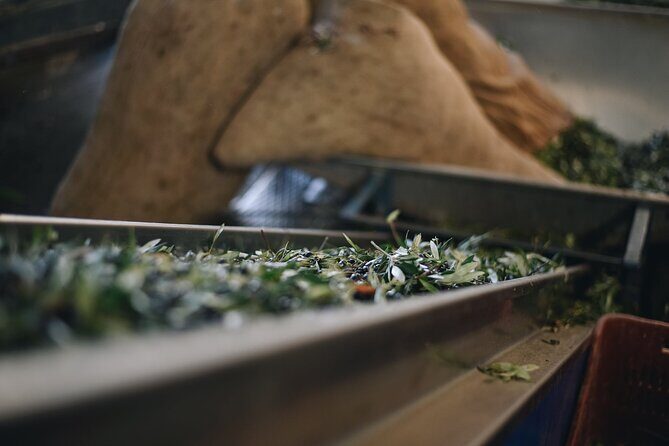
After the grove section, the tour shifts to the olive mill process. Reviews mention explanations of the equipment, demos of machines, and the overall workflow that turns olives into olive oil.
Here’s the honest consideration you should plan around: outside harvest months, the production line may not be in operation. One response from the farm team explains that the experience becomes more focused on the history of olive cultivation, the groves, and tastings when the mill isn’t actively running. During harvest time, the mill is in full activity, and visitors can see the process live.
So if seeing machines run is your main goal, timing becomes important. If you’re there more for olive oil education and tasting (and you can enjoy the grove + food even if the line is quiet), it can still be a worthwhile visit.
Either way, you’ll walk away with a clearer sense of the effort behind the bottle—not just the romance of olive trees.
The tasting spread: olive oil meets Cretan comfort food
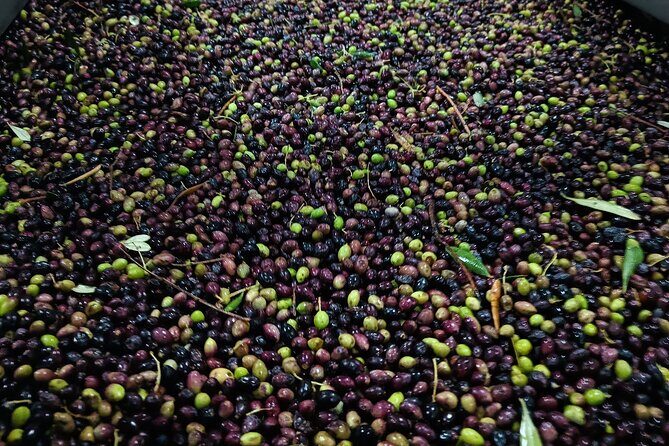
This is the centerpiece. The tasting is where the tour stops being educational and turns into something you’ll remember long after you leave the farm.
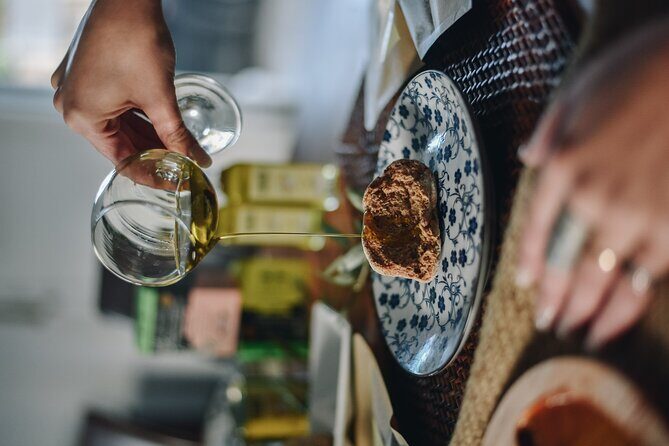
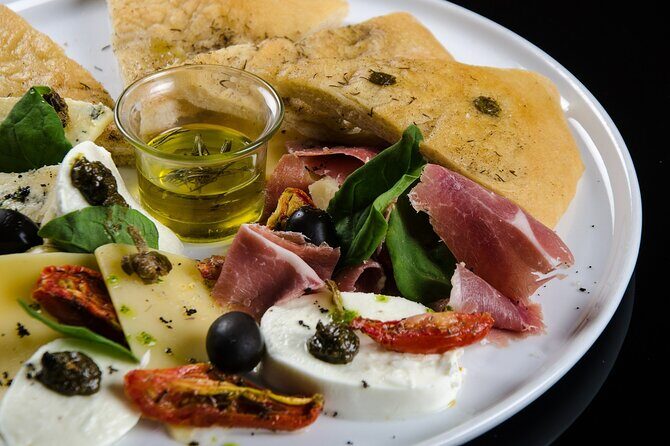
You can expect their olive oils to be sampled alongside a range of local delicacies. The descriptions and reviews mention combinations like:
- bread
- cheese
- tomatoes
- fruit
- honey and herbs
- olives
- yogurt
- figs or grapes in syrup
- smoked meat
- honeyed or syrup-like elements that change how the oil tastes
That pairing is key. Olive oil doesn’t behave the same way with sweet, salty, or tangy foods. When you taste it with cheese and bread, you get one set of impressions. With fruit and honey-ish flavors, you get another. The result is that you stop thinking of olive oil as one product and start tasting it as a spectrum.
People also mention guidance during tasting—trying different variations and learning ways to enjoy olive oil. That matters because it turns your purchase into something practical. You’ll have ideas for how to use it at home, not just a bottle sitting on a shelf.
You can also read our reviews of more guided tours in Crete
The onsite store: buying oil without the hard sell
After the tasting, you can visit the onsite shop and purchase bottles of Kleanthi olive oil. This is where many olive tours either get awkward or they don’t. The difference here, based on the tone in reviews, is that it doesn’t turn into a pushy sales pitch.
One review specifically points out that there’s no hard sell, just product available if you want it. That’s exactly what you want after you’ve tasted. You can buy confidently—or skip it—without feeling like you owe anyone an opinion.
If you do buy, the tasting experience makes that purchase more meaningful. You know what you liked and why, because you tasted the oil paired with foods, not just straight from a sample cup.
English guidance, small-group pacing, and question time
The tour is offered in English, and the farm has a maximum group size of 40 people. In practice, that usually means you get a guide who can keep your attention and still answer questions without the whole group freezing in silence.
The reviews repeatedly mention friendly staff and guides who can explain the process well. Names come up often: George, Mary, Yannis, Theodora, and Yanina. If you’re picky about language and clarity, English-led guidance is a big plus.
Also, the experience is described as walking through olive trees followed by equipment and tasting at the end. That structure avoids the worst kind of museum tour—lots of standing still with no payoff.
Price and value: is it worth $25.34?
For you, the real question is whether the timing and included tasting add up. At $25.34 for about 1 hour 15 minutes, you’re paying for:
- a guided grove walk
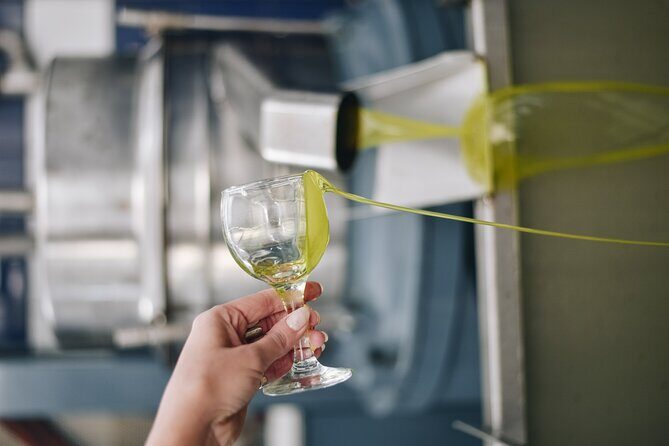
- an explanation and look at the milling process
- multiple tastings of olive oil
- pairing foods drawn from Cretan tradition
- the option to buy bottles onsite
If you’re comparing it to other short food experiences, this one has a tangible win: the tasting is the education. You get to compare, ask questions, and leave with bottles if you want.
The only time it can feel like less value is the off-season situation. If the mill isn’t operating, you may not see the full live production element. The guide still explains the process and you still get tastings, but the hands-on factor drops.
If you can go during harvest season, you’ll likely feel the visit hits on all cylinders. If you’re going off-season, go in expecting a calmer farm story plus strong food pairing, not constant machine action.
Who should book this tour (and who might prefer something else)
This tour fits well if you:
- love olive oil and want to learn how it’s made in a real family setting
- want a short day activity with food included
- like hands-on explanations more than pure sightseeing
- appreciate tasting foods paired with what you’re learning
It may feel less exciting if your top goal is industrial production views every minute. Off-season visits can be quieter because the line may not be running. But if you’re happy with groves + milling explanations + tasting, you’re still in the right place.
Families also seem to do well here. One review notes that kids loved the experience, likely because the tasting and the walk make it easier to keep attention.
Practical tips before you go
A few things will make your visit smoother:
- Plan for good weather. The experience requires good weather, and if it’s canceled due to poor weather you’ll be offered another date or a full refund.
- Time it if you want the mill running. If you care about seeing production live, harvest season is the best match since the mill is in full activity then.
- Come hungry-ish. The tasting includes enough local food items that you’ll feel satisfied afterward.
- Ask questions during the grove walk. That’s where explanations connect to what you later taste.
- Bring your taste notes to the shop. If you decide to buy, you’ll remember which oils you liked most.
Should you book Kleanthi Olive Farm?
I’d book it if you want a compact, family-run olive experience that ends with real food and real tastings—plus a shop where you can buy the bottles you actually enjoyed. The strong signal here is the combination of high recommendation, excellent oil flavor, and a tasting spread that pairs olive oil with Cretan staples instead of leaving you with only a quick sip.
The one decision-point is timing. If you’re aiming for live milling action, try to go when harvest is happening. If you’re there off-season, go in expecting a gentler, more story-and-tasting-focused visit. Either way, you should leave with a better idea of how to choose and use olive oil back home.
FAQ
How long is the Kleanthi Olive Farm guided tour?
It’s approximately 1 hour 15 minutes.
What does the tour cost?
The price is $25.34 per person.
Is the tour offered in English?
Yes, it’s offered in English.
Where is the meeting point?
You meet at Kleanthi Olive Farm, Skalani 715 00, Greece, and the tour ends back there.
Is there a limit on group size?
Yes. The activity has a maximum of 40 travelers.
Is a mobile ticket provided?
Yes, the tour uses a mobile ticket.
Are service animals allowed?
Yes, service animals are allowed.
What happens if the weather is bad?
The experience requires good weather. If it’s canceled due to poor weather, you’ll be offered a different date or a full refund.
Is free cancellation available?
Yes. You can cancel for a full refund up to 24 hours before the experience starts. If you cancel less than 24 hours before, the amount paid is not refunded.