REVIEW · CRETE
Crete: Quad Safari, Olive Mill with Tasting & Ghost Village
Book on GetYourGuide →Operated by Quad Safari Peninsula · Bookable on GetYourGuide
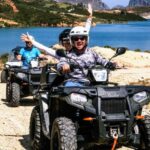
Quads, cliffs, and a ghost village in one run. This half-day Crete safari mixes off-road driving with big Agia Pelagia views, then adds real village history you can walk through. You’ll also stop at a working olive mill for tasting and a guided look at how olive oil is made.
I like that you get a free driving lesson before the ride, so you’re not figuring things out at speed. And I especially like the way the route threads together ghost village Achlada and the lively cultural stop in Fodele, with practical sightseeing time built in.
The one thing to consider is that this is an active quad day: you’ll be in a helmet and moving over uneven tracks, and it’s not for everyone who wants a relaxed, car-only outing. You’ll also need a valid driver’s license and to fit the quad limits.
In This Review
- Key things that make this tour worth your time
- Why this Crete quad safari feels like more than a thrill ride
- Meeting at Peninsula Resort and Spa, then getting your quad skills ready
- Agia Pelagia cliff views: safety briefing and the first off-road push
- Olive mill stop: how Crete turns olives into a daily ritual
- Achlada ghost village walk: history you can actually feel
- The ride between mountains to Fodele: the pace shifts to culture
- Fodele, El Greco, and the museum option you can actually use
- Timing, returning for lunch, and what the 3.5 hours really means
- Price value: what $93 per group up to 2 really covers
- What to bring, and who should choose this day on Crete
- Comfort tips that can make the difference
- Guides and group energy: expect humor, clarity, and real local stories
- Should you book this quad safari with Achlada and Fodele?
- FAQ
- Is quad safari driving included, or do I just ride?
- What do I need to bring?
- Is there an olive oil tasting on this tour?
- How long is the tour?
- How many people can be on each quad?
- What happens at Achlada?
- Where does the tour start and end?
Key things that make this tour worth your time
- Practice-first quad instruction with a short theory lesson and hands-on guidance
- Agia Pelagia viewpoints from higher ground with plenty of photo stops
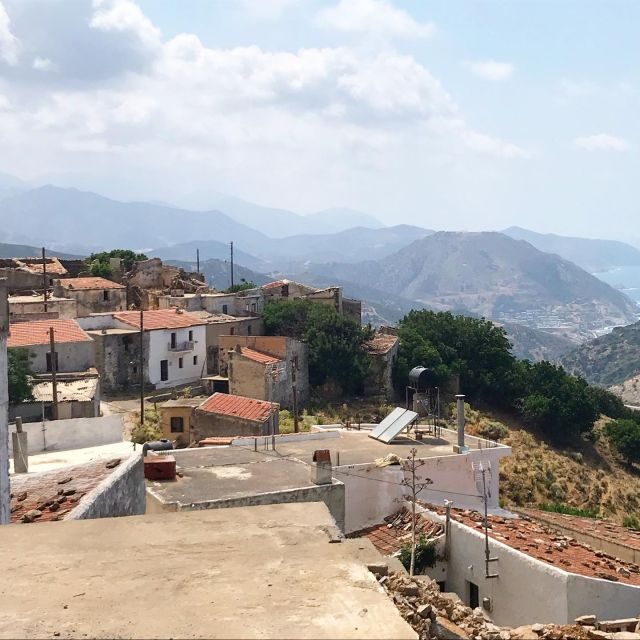
- Achlada ghost village walk in a place you can’t reach any other way
- Olive mill tour with free tasting plus honey and different olive oil types
- Fodele break for oranges and culture including free time for shopping, churches, and a museum visit
Why this Crete quad safari feels like more than a thrill ride
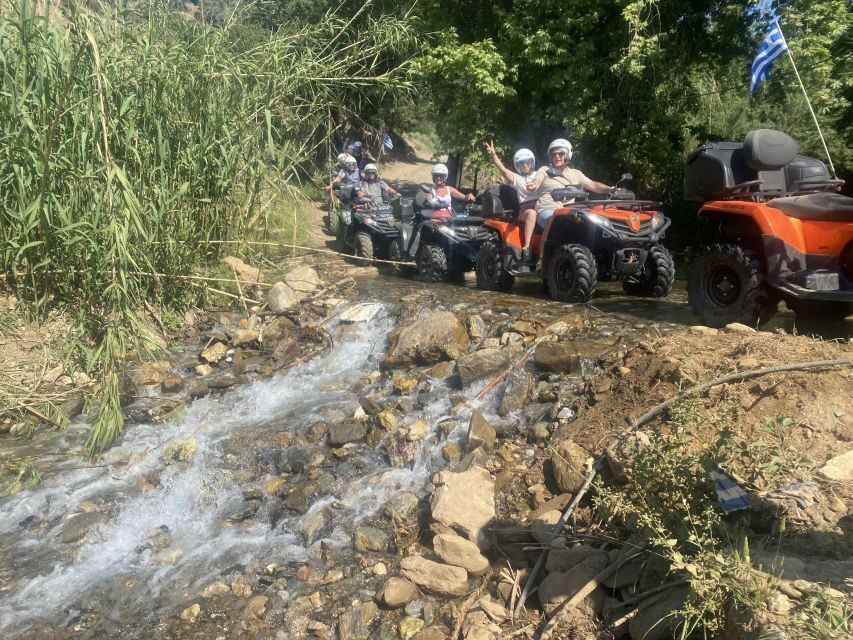
This tour works because it blends three moods in one loop. First, it’s the pure quad experience: helmet on, follow the guide, and take in coastal cliffs and mountain roads you won’t find on a typical bus route. Second, it’s about Crete’s food culture, with a real olive mill stop and tasting that’s tied to how people worked the land. Third, it shifts gears into history and atmosphere at Achlada, an abandoned village that’s quiet in a way modern towns never are.
I also like how the day is paced. You get structured moments with the guide, but you’re not stuck in one place. Instead, the route moves from sea views to inland heights, then finishes with a village visit where you can slow down and browse. For a half day, it’s a lot of variety without feeling rushed.
You can also read our reviews of more food & drink experiences in Crete

Meeting at Peninsula Resort and Spa, then getting your quad skills ready
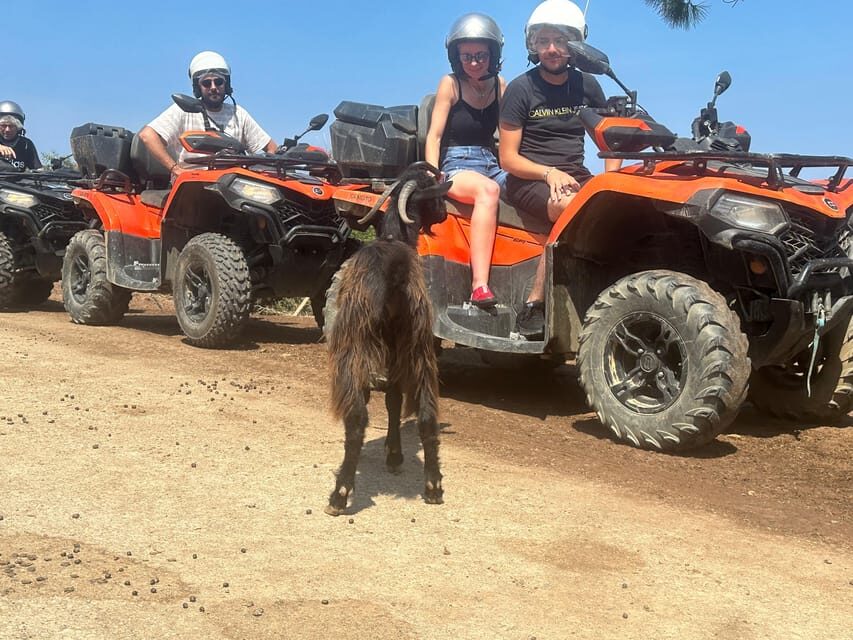
You start at the Peninsula Resort and Spa, on the official parking area. Arrive about 30 minutes early so you can check in calmly and meet your guide before helmets and bikes go out. The guide name listed is Stan, and he leads with a clear, friendly style that keeps the ride organized.
Before you head out, there’s a short theoretical intro and a practical driving lesson. That matters more than people expect. Even if you’ve driven a quad before, you’ll want to learn how this specific group does spacing, turns, and stops so the ride stays smooth and safe.
You’ll also get helmets, and the tour includes insurance and fuel. That reduces the mental overhead, because you’re not juggling extra tasks once you’re at the pickup point.
Quick reality check: this tour is priced per quad (and each quad can carry up to 2 people). So your total cost depends on whether you book solo or share a bike with a partner/friend.
Agia Pelagia cliff views: safety briefing and the first off-road push
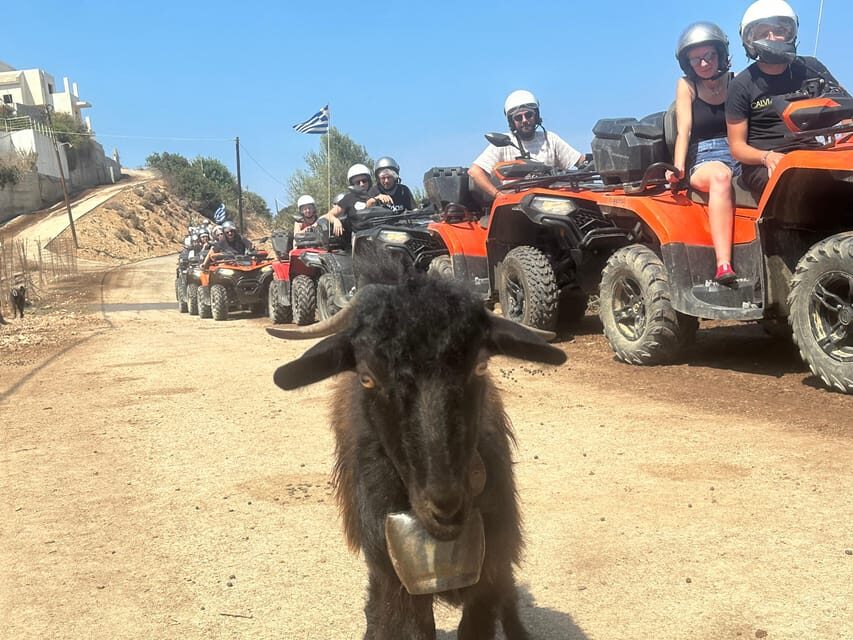
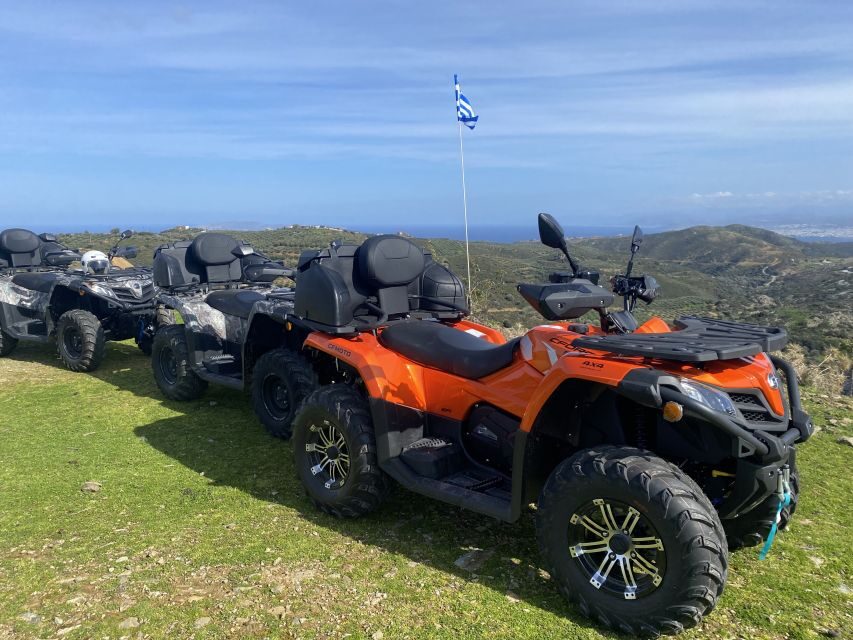
After a safety briefing, the quad adventure starts with a scenic run out from the area. You’ll follow an off-road cliff path along the sea and into higher ground. The goal isn’t just speed. It’s views, and it’s getting away from traffic for stretches of quieter road and trail.
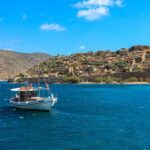
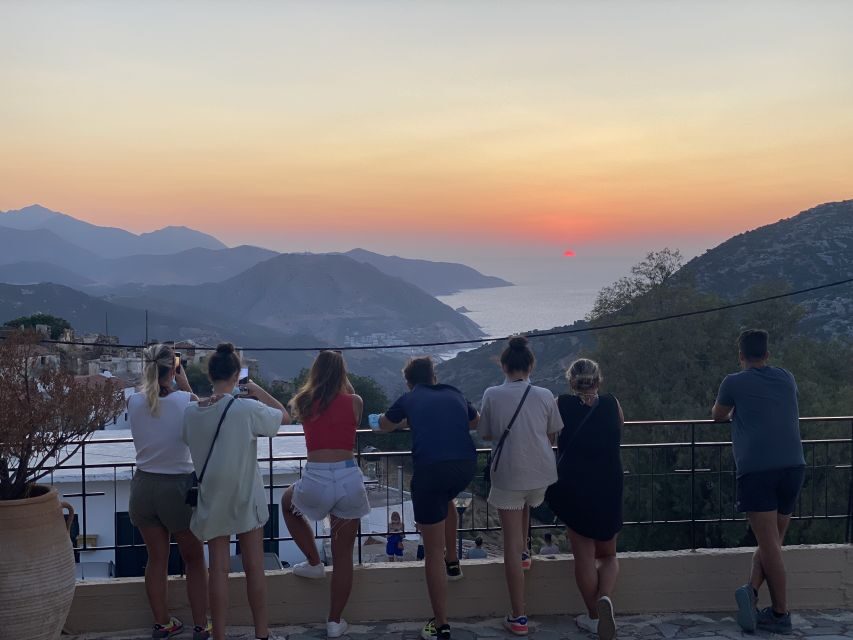
One of the best things here is that you reach viewpoints where you’re looking down over Agia Pelagia from the highest point. That kind of elevation is what turns a normal coastal town into a panorama. I’d plan on slowing down for photos, because the best angles tend to show up when the guide pauses for a safe stop.
The drawback is also simple: quad riding is physical. Even when the ride is well managed, you’re on a machine that vibrates, and uneven ground means your body works a bit. If you’re sensitive to motion or you don’t like scrambling a little with your posture, bring your comfort first mindset.
Olive mill stop: how Crete turns olives into a daily ritual
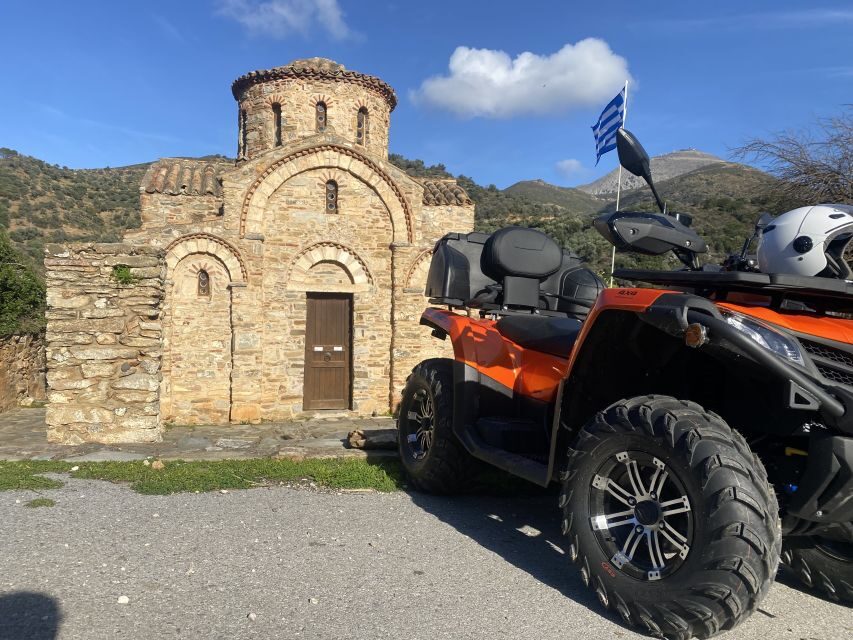
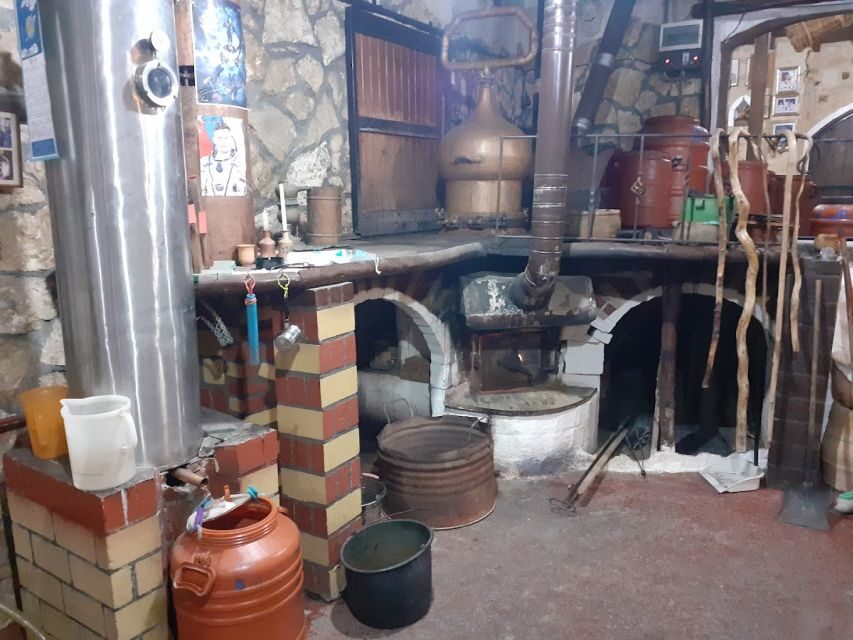
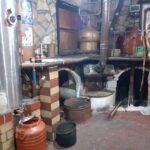
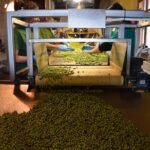
One stop drives home why Crete is more than beaches and ruins: olive oil. You visit a local olive mill and get a guided tour of the fabrication process. The explanation connects traditional methods to modern production, including history reaching back to ancient Minioan times.
What I like about this stop is that it’s not just a quick photo-op. You get a guided look at how the mill works, and then you get to taste what comes out of it. That pairing is key. Once you understand the process, the tasting makes more sense, and it’s easier to recognize differences between oils.
In your tasting, you can try local olive oil plus different types of it, and you also get honey tasting. You can think of this as a mini food education. Even if you only buy a small bottle at the end, you’ll know what you’re choosing.
Time note: this part is built as an early anchor before the tour moves into the ghost village segment, so you’re not exhausted and hungry yet. Still, this is not a meal, and food isn’t included later in the day beyond the orange juice described in Fodele.
Achlada ghost village walk: history you can actually feel
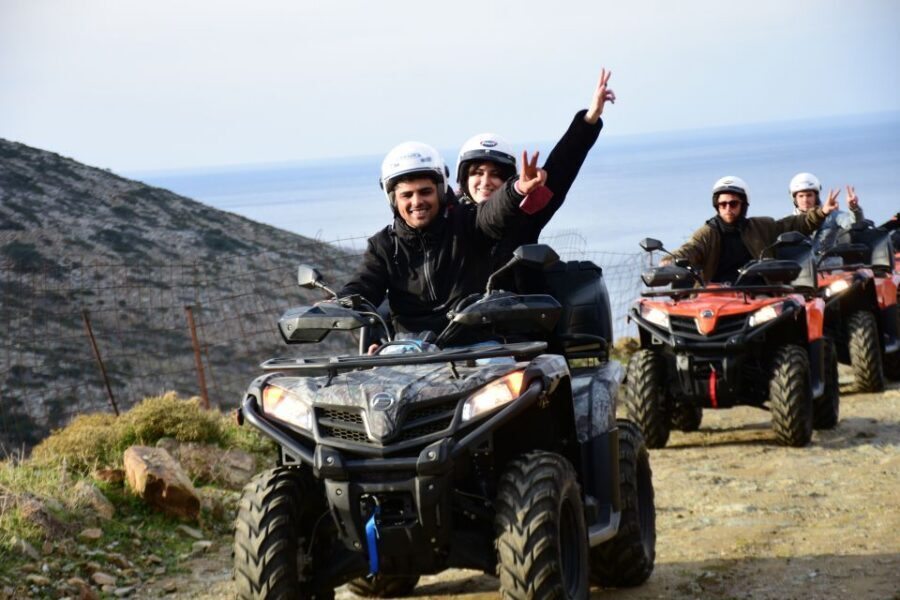
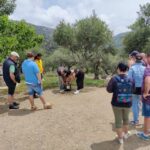
The highlight for a lot of people is Achlada. The tour includes a visit to the ghost village, which is described as abruptly abandoned. After the view from higher ground over the area, you’ll walk through the abandoned settlement.
What makes Achlada special is access. This village walk is not accessible any other way, which means your route isn’t just “drive past and move on.” You actually go in, see the structures in person, and hear the background of how life worked here in the traditional Cretan way.
The moment that stands out in the experience description is that you share a special personal moment with the last inhabitants. I’d treat that as a guided, reflective pause rather than a typical tour-script stop. It’s the kind of thing that changes how you look at the ruins: not as random crumbling buildings, but as a human place that emptied out.
Practical consideration: bring your photo patience. Ghost villages reward slow looking. Also, wear footwear that handles uneven walking. The tour includes a walk, and abandoned villages aren’t built for smooth mobility.
You can also read our reviews of more tours and experiences in Crete
The ride between mountains to Fodele: the pace shifts to culture
After Achlada, the quad route continues through mountainous areas. You’ll pass between mountains, moving back toward a more populated cultural stop. This is where the ride becomes less about dramatic cliff edges and more about the feeling of Crete’s inland terrain—open air, mountain roads, and constant scenery changes.
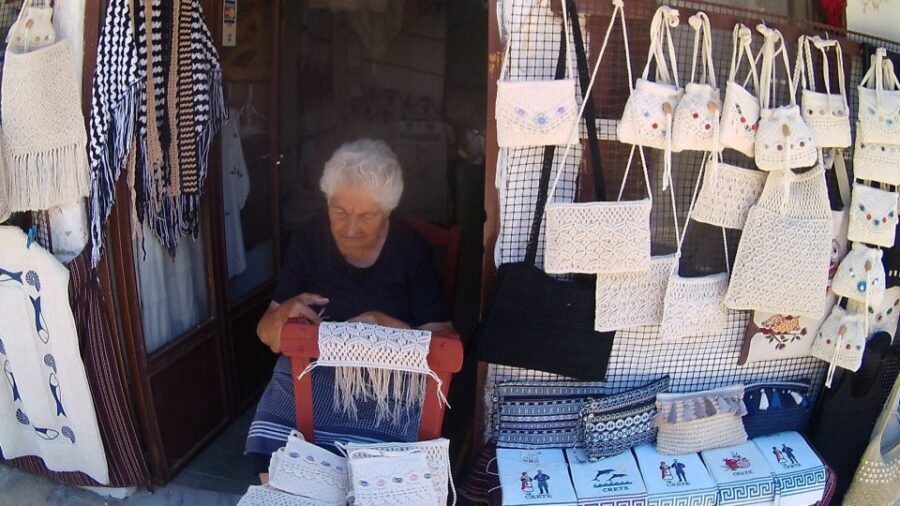
Then you reach Fodele, often called the village of the oranges and known as the birthplace of El Greco. Even if you’re not a hardcore art history person, the setting helps. Oranges are part of the identity here, so you sense the place before you even see the juice.
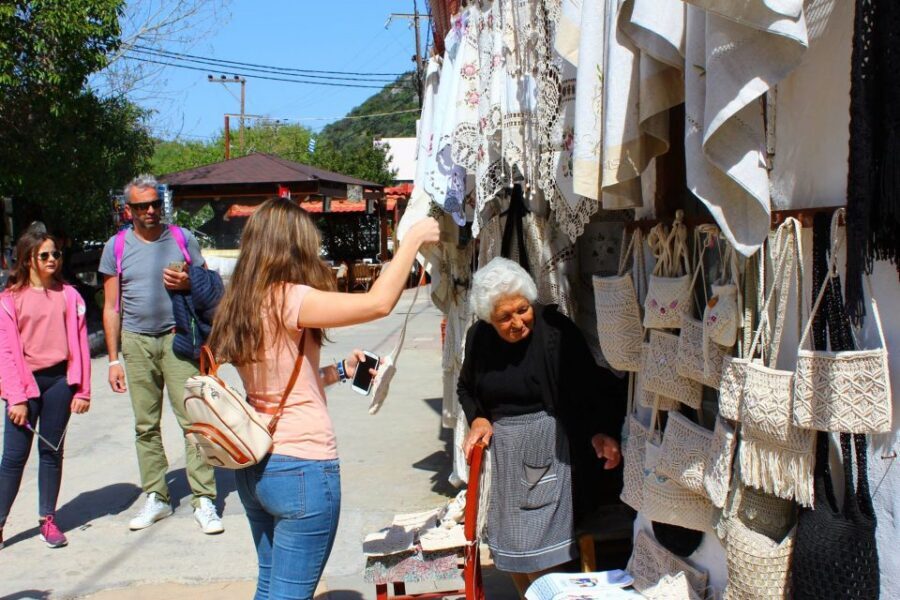
Fodele is also one of those stops where you get real free time. You can shop, visit an orthodox church, and you may visit the museum. The itinerary calls out free time and shopping, which is a nice break after the more intense quad segments.
And yes, there’s freshly squeezed orange juice made from the local orange trees. That’s not a small detail. It’s a reset for your legs and your head, especially if you’re a little travel-worn from the driving.
Fodele, El Greco, and the museum option you can actually use
Fodele isn’t only for shopping and photos. It’s also where you can connect the dots between place and person. El Greco’s birthplace is part of why this village is on the radar, and you’ll have time to visit the museum or churches depending on what you prefer.
You might also pass the El Greco Museum area along the way, which can be useful if you want quick visual reference even if you don’t spend all your time inside.
If you like the hands-on side of travel—seeing how people live now while still touching the past—this stop is a good balance. Quad safaris can become purely adrenaline. Fodele keeps it rooted in daily culture.
A practical note: shopping time is included, but food and drinks (beyond the mentioned orange juice) aren’t. If you’re the type who wants a real lunch after, plan to eat at your hotel or nearby right when you get back.
Timing, returning for lunch, and what the 3.5 hours really means
The tour runs about 3.5 hours, and it ends back at the meeting point at the Peninsula Resort and Spa, with a return time listed as 1:00 p.m., just in time for lunch. That timing is a big reason to pick this experience.
In plain terms: it fits into a half-day window without stealing your whole day. You can do it in the morning and still have a full afternoon for beaches, a second village, or the kind of slow walking you don’t get on a quad.
Just don’t schedule anything tight right after pickup. Quad days have a little natural variability depending on the group, the terrain, and any weather changes.
Price value: what $93 per group up to 2 really covers
This is priced at $93 per group up to 2 (and the tour data also notes the price is per quad). That can sound simple until you map it to what you get.
You’re paying for:
- Helmets, plus guided quad instruction (theory + practice)
- A multilingual tour guide
- Insurance, plus tax and fuel
- The olive mill tour and free tasting (olive oil, honey)
- Transport of the day’s route coverage through fuel-included safari segments
What’s not included is food and drinks, so the tasting and the orange juice are the food moments you can count on. If you’re comparing to other half-day tours where you still need to buy add-on tickets or take your own transportation, the all-in nature here helps the math.
Also, the group setup matters. Because each quad carries up to 2 people, you can split cost with a partner. If you’re traveling solo, you’ll want to check whether you’d be assigned a quad as the only rider versus sharing, since the cost is per quad.
What to bring, and who should choose this day on Crete
Bring a driver’s license if you’re the one driving. Comfortable clothes matter more than style. You’ll be on a quad in helmets, moving over uneven surfaces, and you’ll be outside for the full activity.
You should also think about body fit and comfort:
- Drivers need to be 18+
- The quad allows up to 2 people
- There’s a weight limit per quad listed as 210 kg / 462 lb
- The tour is not suitable for pregnant women
- It’s not suitable for children under 3
- People over 264 lbs (120 kg) aren’t suitable
Also note the rule: no alcohol and drugs. It’s the kind of clear safety policy that makes sense for off-road riding.
If you’re the type of traveler who likes:
- active days,
- guided context for history,
- and eating culture stops you can smell and taste,
then this fits nicely. If you want a calm day with no motion and no off-road time, you may feel better choosing a standard village tour instead.
Comfort tips that can make the difference
A few small things can make the day smoother.
- Wear shoes with grip for walking in places like the ghost village. Even a short walk can be uneven.
- Expect helmet time. If you’re prone to ear discomfort, keep that in mind when packing.
- Plan for photos. The experience descriptions and guide feedback you’ll likely hear focus on the guides being very friendly and taking care of the flow, and some riders mention getting photos taken during the tour. Don’t be shy about asking when the group stops.
Weather is another wildcard on Crete. One rider shared that in rainy conditions, ponchos were available and the route was adjusted to avoid steeper areas. You can’t count on that every day, but it’s smart to bring a light rain layer and be ready for the guide to adapt.
Guides and group energy: expect humor, clarity, and real local stories
This tour’s quality often comes down to the guide. Stan is named as the guide, and other guides from the team also get praise, including Vangelis. What’s consistent in the feedback style you’ll see is that guides combine clear instructions with warmth, and they keep the vibe fun without sacrificing safety.
The quad part is exciting, but what you’ll remember is the narration. The best examples are:
- the olive mill process explanation that makes tasting meaningful,
- and the Achlada walk, where the history feels personal rather than like a lecture.
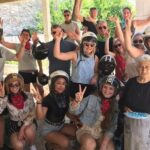
That combination is why people rate this tour so high overall. You’re not just doing an activity; you’re collecting stories that fit the places you ride through.
Should you book this quad safari with Achlada and Fodele?
Yes, if you want an active half day that still has culture and food built in. This tour is a strong value when you consider that quad instruction, helmets, insurance, fuel, and olive tasting are all included, and the itinerary includes major viewpoint stops plus a real village walk.
Book it if you:
- have a driver’s license and feel comfortable riding,
- want Agia Pelagia views from higher ground,
- care about olive oil and want to taste it with context,
- and like history that you can walk through, not just read about.
Skip it if you:
- want a gentle day with no off-road riding,
- are sensitive to motion or uneven walking,
- or you’re outside the listed suitability limits for age, pregnancy, or weight.
If you’re staying near Agia Pelagia and you want one memorable morning that combines scenery, hands-on culture, and a ghost village walk, this is a very practical way to spend your time.
FAQ
Is quad safari driving included, or do I just ride?
You get both a short theoretical introduction and a practical driving lesson before the adventure begins. Helmets are included too.
What do I need to bring?
Bring your driver’s license and comfortable clothes.
Is there an olive oil tasting on this tour?
Yes. You’ll visit a local olive mill and enjoy a free tasting of local olive oil and different types of local honey.
How long is the tour?
The activity lasts about 3.5 hours. Starting times vary by availability.
How many people can be on each quad?
Each quad can carry a maximum of 2 people.
What happens at Achlada?
You visit the abandoned ghost village of Achlada, learn about its background and traditional Cretan way of life, and take a walk there that is not accessible by any other means.
Where does the tour start and end?
It starts at the official parking of Peninsula Resort and Spa, and it ends back at the same meeting point.