REVIEW · CRETE
Heraklion Archaeological Museum Ticket & Audio Guide
Book on GetYourGuide →Operated by Clio Muse Tours · Bookable on GetYourGuide
Minoan history, minus the stress. This pre-booked ticket plus an offline smartphone audio guide turns the Heraklion Archaeological Museum into a paced, story-driven visit that you control. You get the big museum moments like the Phaistos Disk and Minoan fresco scenes, with enough guidance to feel oriented without forcing you into a group rhythm. One thing to watch: the audio experience can feel slightly out of sync if parts of the museum are closed or if the app jumps ahead.
I really like that your ticket arrives by email, so you can focus on walking into the museum instead of figuring out ticket desks on the spot. I also like the way the audio tour is designed for repeat use: you download once, then you can replay it anytime—before, during, or after your visit.
The main consideration is planning with the museum’s real-world flow. The audio is great, but there can be occasional navigation confusion, and some parts of the building may be closed, which can make the next stop less obvious while you’re on the ground.
In This Review
- Key takeaways
- Why the Heraklion Archaeological Museum hits hard for Minoan fans
- Pre-booked e-ticket: your low-stress entry system
- What’s the cost, and what are you really paying for?
- Clio Muse audio guide: how to use it like a local
- The repeat-use advantage
- A realistic heads-up
- What you’ll see: Phaistos Disk, bull-leaping, and the museum’s big storyline
- Why the narration style matters
- Timing plan: how long you really need at Heraklion’s museum
- A smart sequencing tip if you’re doing Knossos too
- Navigation and room closures: staying oriented when the building changes
- Practical value: what’s included, what isn’t, and what to bring
- Price discounts and who should have a lower fare
- Who this is best for (and who might want a different style)
- Should you book the Heraklion Archaeological Museum ticket with audio guide?
- FAQ
- How do I get the ticket for the Heraklion Archaeological Museum?
- Do I need an internet connection for the audio guide?
- What do I need to bring with me to use the audio guide?
- Is there a live guide included?
- How long should I plan to spend in the museum?
- What languages are available for the audio guide?
- Is the museum wheelchair accessible?
- Are pets allowed inside?
Key takeaways
- Email delivery means you can arrive ready and get in with less friction
- Offline audio + maps help you move room to room at your own pace
- The tour highlights major Minoan works such as the Phaistos Disk and bull-leaping fresco imagery
- Plan for time, not just speed: about 1.5 hours for the audio highlights, longer if you want the whole museum
- Bring headphones and a charged phone, since those aren’t included
- If areas are closed, expect a little mismatch with the recorded sequence
Why the Heraklion Archaeological Museum hits hard for Minoan fans
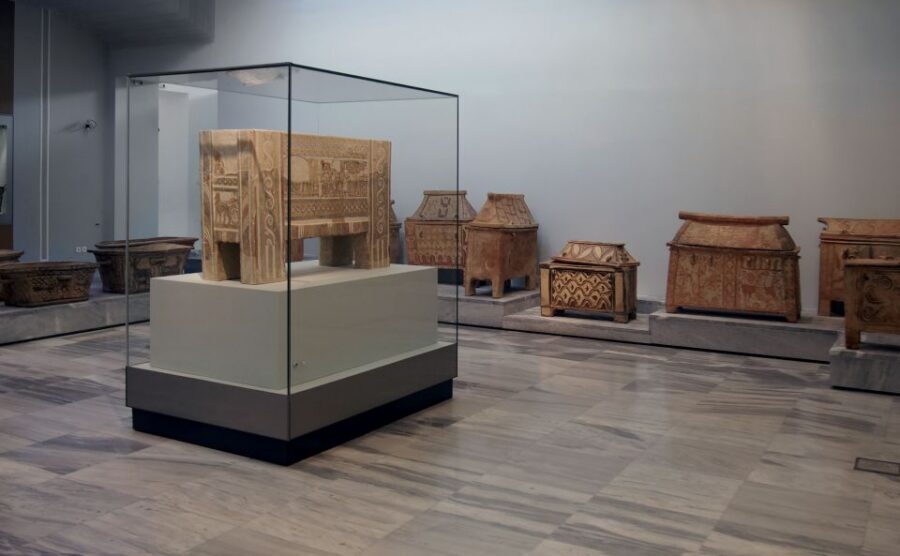
The Heraklion Archaeological Museum isn’t just a collection of pretty objects. It’s one of the key places in Greece to understand how long Cretan culture evolved—covering a stretch of about 5,500 years, from Neolithic times through Roman periods.
That huge timeline is exactly why the audio guide works so well. You’re not only seeing artifacts; you’re hearing how the museum connects them across eras. If you’ve been to Knossos already (or plan to go afterward), this museum gives you the “why” behind the visuals you remember seeing.
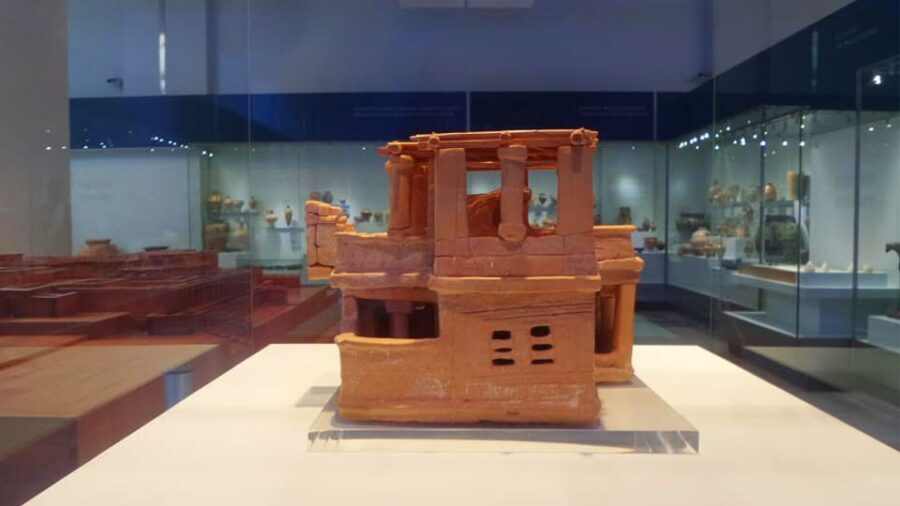
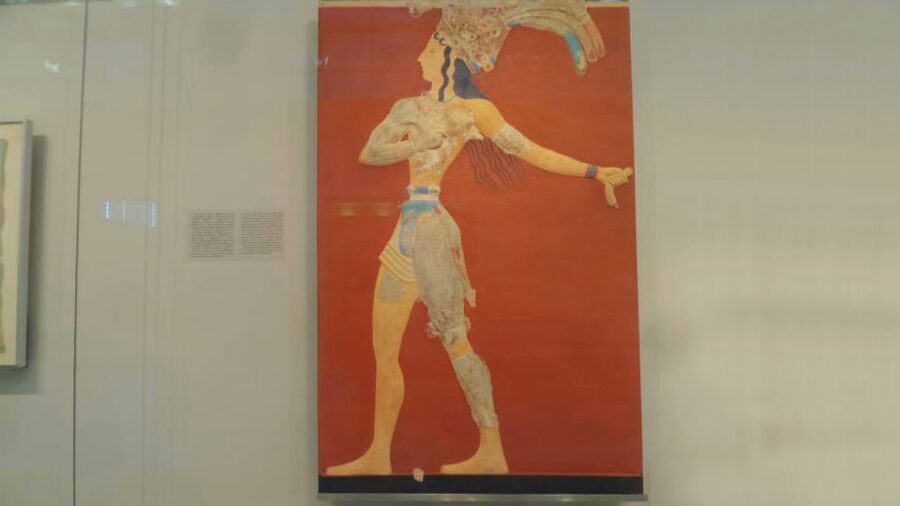
And yes, the Minoan art really does make people stop mid-sentence. You’ll run into famous pieces, but the bigger win is how the display method helps you connect dates, materials, and everyday life—not only kings and palaces.
You can also read our reviews of more tours and experiences in Crete


Pre-booked e-ticket: your low-stress entry system
This experience is built around a simple idea: regular entry ticket, pre-booked so you don’t waste time sorting out admission when you’re already in Heraklion.
You’ll receive your ticket by email. In practice, that means you can plan around your arrival time rather than planning around a ticket counter. The visit is designed for flexibility too: duration is listed as 1 to 4 hours, so you can choose a lighter pass-through or a longer museum afternoon.
What’s the cost, and what are you really paying for?
The price is $33 per person. The value isn’t only the admission—it’s the package:
- entry to the museum
- a self-guided audio tour on your smartphone
- offline content, including text, narration, and maps
So if you’re the type of visitor who reads some signs but wants the history explained in plain language, this is the right kind of add-on. If you already love roaming without any guidance and you’d normally read everything on-site, you might find the museum works fine on its own. But for most people, the audio guide helps you get more meaning from the same rooms.
Clio Muse audio guide: how to use it like a local

The audio guide is the heart of this experience. It’s delivered through an app called Clio Muse, and it’s available in multiple languages: English, German, French, Spanish, and Italian.
Here’s how to make it work smoothly:
- Download the app and the audio content before you arrive.
- Bring headphones and keep your phone charged.
- Use the audio as a “floor-by-floor narrator,” not as a race.
The guide is built for self-pacing. You can pause, listen again, and keep moving when you’re ready. That matters because the museum is big, and you’ll want time to look properly—especially at fresco imagery and small objects where details only show up when you slow down.
The repeat-use advantage
One underrated benefit: the audio tour can be used again at other times. So if you leave the museum and immediately think, I want to remember what that was about, you can replay the relevant segment later. It’s also helpful if you’re traveling with someone who wants to compare impressions afterward.
You can also read our reviews of more guided tours in Crete




A realistic heads-up
Even with a great setup, the app can occasionally skip ahead or you may feel a little uncertain about what section is next—especially if parts of the museum are temporarily closed. My advice is simple: rely on posted signage in the museum, and treat the audio as guidance rather than a GPS that never misbehaves.
What you’ll see: Phaistos Disk, bull-leaping, and the museum’s big storyline
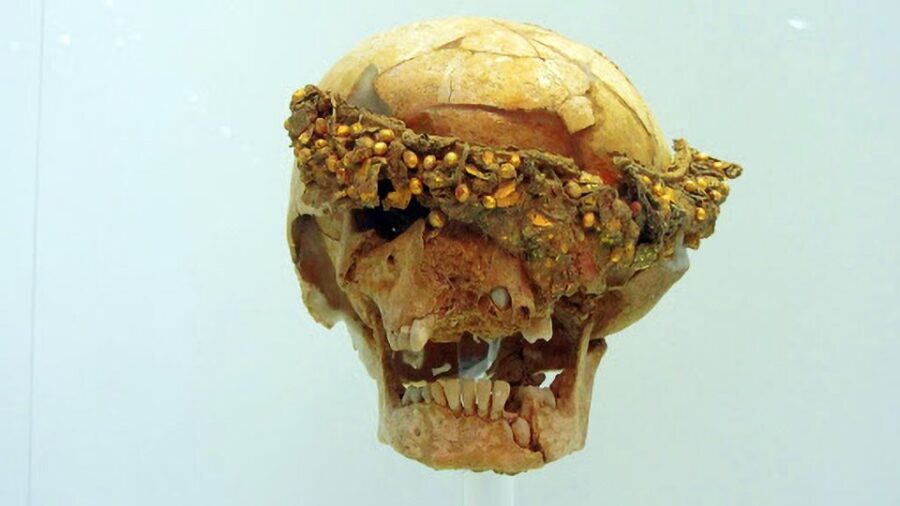
The museum’s “big picture” is chronological. The audio tour is designed to cover representative artifacts across Cretan prehistory and history, moving through major periods up to Roman times.
When it comes to headline moments, keep your eyes open for:
- Phaistos Disk: one of the museum’s signature pieces, and the kind of artifact that makes people lean in because it’s so distinctive
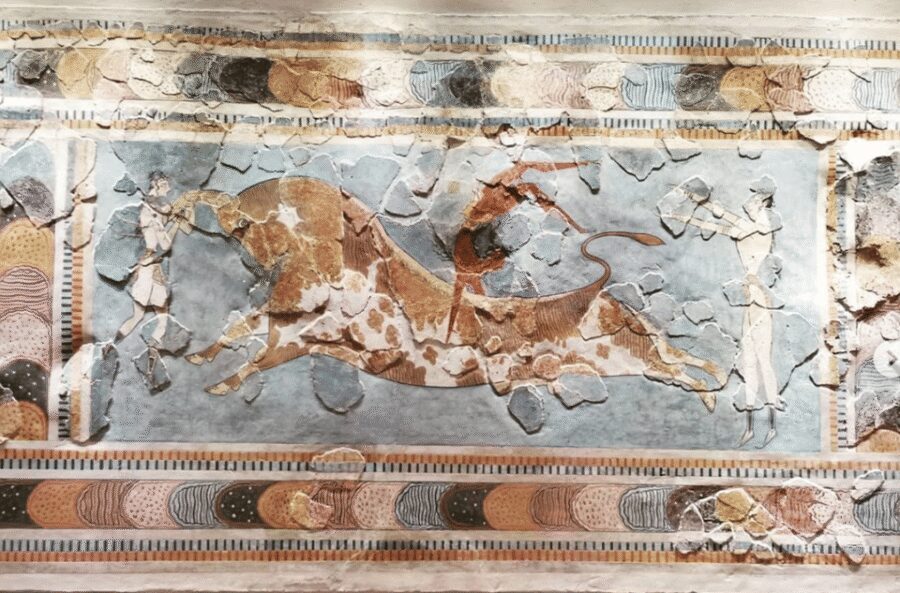
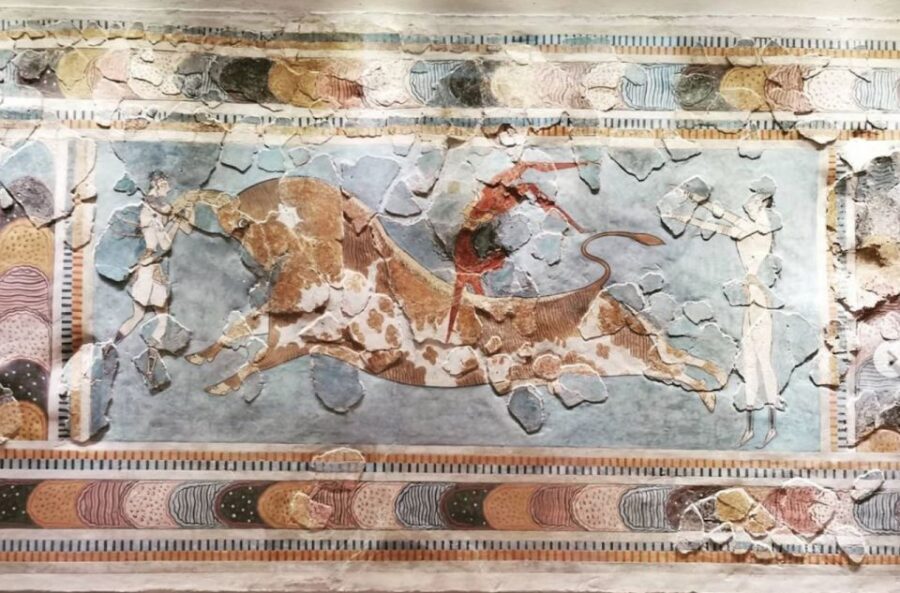
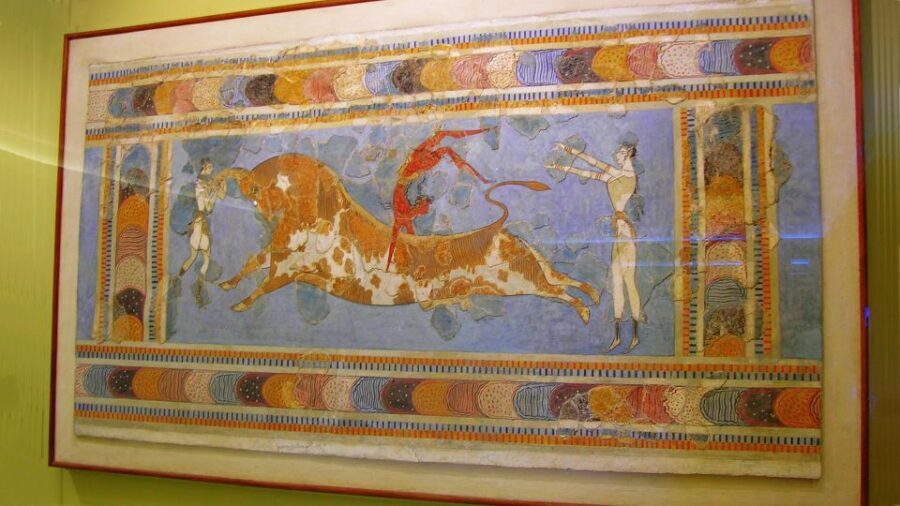
- Minoan fresco highlights, including bull-leaping imagery: scenes like this are why many visitors come to Crete in the first place
But don’t treat these as the only targets. The real payoff is that the guide helps you notice what’s important across rooms. You’ll get story-driven context that a quick read of labels often misses—how objects were used, what the designs suggest, and what makes certain discoveries historically significant.
Why the narration style matters
The audio guide doesn’t just recite facts. It uses storytelling and short, research-informed segments to turn the museum into something easier to hold in your head. That’s useful if you’re trying to connect Minoan culture with what you’ll see later at other sites around the island.
And if you’re the type who likes to compare perspectives—art, daily life, religion, trade—this museum setup gives you a better base than trying to wing it.
Timing plan: how long you really need at Heraklion’s museum
The visit duration is flexible—1 to 4 hours—but the timing that works best depends on what you want.
- If you mainly want the audio-led highlights, plan around about 1.5 hours. That’s enough time to hit the key pieces the guide emphasizes.
- If you want to cover more of the museum at an unhurried pace, I’d budget closer to 2 to 2.5 hours.
This is where people often get stuck. Too many visitors set a short time window and end up rushing through rooms that actually reward slow looking. Even if the audio keeps you moving, the museum itself still demands your eyes.
A smart sequencing tip if you’re doing Knossos too
If Knossos is on your itinerary, this museum is often the cleaner first stop for understanding context. You’ll walk into the next site with better background—so the buildings and ruins connect to artifacts you already learned about.
Navigation and room closures: staying oriented when the building changes
Museums aren’t static. Some rooms can be closed, and occasionally the audio route doesn’t perfectly match what you can access on that day. That’s not a deal-breaker, but it does change how you should approach the visit.
My approach:
- Keep your phone out and ready for the next segment title.
- If you notice a hallway or floor is blocked, don’t panic. Follow the posted routes and let the audio guide you back to what’s available.
- Use your own judgment to stay on track, especially at the ends of galleries where the next stop might not be obvious.
You might also notice that the museum’s layout can feel different depending on which sections are open. On some visits, people have found that certain recorded portions don’t match the order perfectly, so build in margin rather than trying to hit a strict minute-by-minute script.
Practical value: what’s included, what isn’t, and what to bring
Included in this experience:
- Regular entry ticket
- Self-guided audio tour for your smartphone (Android and iOS)
- Offline content (text, narration, and maps)
- Free time to explore
Not included:
- Live guide
- Smartphone or headphones
- Food and drinks
- Transportation
So come prepared. Specifically, bring:
- Headphones
- A charged smartphone
Also note the rules:
- No pets
- No smoking
Price discounts and who should have a lower fare
The museum has age-based admission rules that can significantly affect value.
From April 1 to October 31:
- EU citizens aged 0–25 get free admission but must wait in line to show an ID card or passport
- Non-EU citizens aged 6–25 get 50% reduced admission with a passport
- Senior citizens over 65 from Greece or other EU countries get 50% reduced admission (you’ll need proof)
Children up to age 5 from non-EU countries also get free admission with a passport.
If any of these apply to you, it can be worth checking your eligibility before you buy. The $33 price may be great—or it may be overkill if you qualify for reduced or free entry.
Who this is best for (and who might want a different style)

This setup fits best if you want:
- independent exploring without the cost of a live guide
- a guided structure that keeps you from wandering endlessly
- something you can pause and replay at your own pace
It’s also a good choice if you’re traveling in a small group or as a solo visitor who learns by listening. The offline audio and maps help you get oriented without constantly checking your phone signal.
It’s less ideal if:
- you hate using apps during museum time
- you expect a live human to answer questions or adapt on the fly
- you’re only planning a short stop and won’t use the audio much
That said, even a short visit can benefit because the guide helps you pick out the pieces that matter most.
Should you book the Heraklion Archaeological Museum ticket with audio guide?
Book it if you want a smooth, self-paced museum visit where the storytelling does the heavy lifting. The email ticket plus offline Clio Muse audio is a strong combination for people who don’t want to guess what to pay attention to. The museum’s range—from Neolithic to Roman—can feel huge, and the guide helps you convert that scale into something you can remember.
Skip or reconsider if you already have a museum plan that doesn’t need narration, or if you’re the kind of visitor who reads every label and doesn’t use phone-based guides. Also, if you’re traveling on a tight schedule, don’t assume you can do the whole museum in under an hour—plan your time with your pace in mind.
If you’d like the best chance of a satisfying visit, I’d treat this as your default museum strategy: arrive ready with headphones, download ahead, give yourself at least 2 hours, and let the audio highlight the museum’s story while you enjoy the objects at full attention.
FAQ
How do I get the ticket for the Heraklion Archaeological Museum?
You receive the admission ticket by email after booking, as a pre-booked e-ticket.
Do I need an internet connection for the audio guide?
No. The audio guide includes offline content, including text, narration, and maps.
What do I need to bring with me to use the audio guide?
Bring headphones and a charged smartphone.
Is there a live guide included?
No. This is a self-guided experience with a smartphone audio tour.
How long should I plan to spend in the museum?
The experience lists 1 to 4 hours. Many people use the audio highlights for about 1.5 hours, but you may want 2 to 2.5 hours if you want more of the museum.
What languages are available for the audio guide?
The audio guide is available in English, German, French, Spanish, and Italian.
Is the museum wheelchair accessible?
Yes, the activity is listed as wheelchair accessible.
Are pets allowed inside?
No, pets are not allowed. Smoking is also not allowed.