REVIEW · CRETE
Crete: Full-Day Cretan Wines, Olive Oil, Raki and Food Tour
Book on GetYourGuide →Operated by Cretan Vioma · Bookable on GetYourGuide
Crete tastes better than you expect. This full-day Cretan food and drink tour strings together the island’s big three: olive oil and raki, plus wine country stops that date back to ancient farming traditions. I really like the hands-on way the day teaches you what makes local products taste the way they do, and I love the small-group feel with guides such as George (Yorgos) and Antonis who keep things warm and easy.
The one catch: it’s a full, structured day with multiple tastings. If you don’t handle alcohol well, or you’re hoping for a slower pace, you’ll want to go in with a plan to pace yourself (water helps, a lot).
In This Review
- Key highlights at a glance
- A full day that feels like Crete’s backstory, not a checklist
- Pickup and the van ride: start time matters on an 8-hour day
- Skalani stop: brunch and local snacks to set you up
- Olive grove and olive mill: the freshest oil lesson you’ll take home
- Vineyard and winery time: tasting five wines with a clear story
- Raki distillery and the ancient press: why Cretan spirits feel different
- Lunch in a local tavern: the food that ties it together
- Thrapsano pottery workshop: wheel-throwing as the creative finale
- Price and value: what $141 really buys on Crete
- What it’s like with real people (and why small groups help)
- Who should book this tour—and who should skip it
- Should you book Cretan Vioma’s wine, olive oil, raki, and pottery day?
- FAQ
- How long is the tour?
- Where does the tour start and do you get pickup from accommodations?
- What’s included in the price?
- How many people are in the group?
- Is the pottery stop included?
- What languages are the guides?
- Are dietary restrictions possible?
- Do I get wine and raki tastings?
- What’s the cancellation policy?
Key highlights at a glance
- Olive grove + olive mill tasting: See how the oil is made, then taste fresh oil where it matters
- A family winery with a focused wine lineup: Tour the vines and taste multiple wines in one go
- Raki at the rakokazano: Learn the spirit-making process, including a stop at a distillery with an ancient press
- Traditional lunch in the villages: Eat real Cretan staples between tastings
- Pottery workshop in a pottery village: Try wheel-throwing as the day’s creative finale (not on Sundays)
A full day that feels like Crete’s backstory, not a checklist
This tour is built around Crete’s most famous exports: wine grapes, olive oil, and raki. The idea isn’t just to sample. It’s to understand how these products connect to land, family traditions, and daily life in the countryside. You’ll spend your time in places where agriculture isn’t a hobby—it’s work, identity, and history all at once.
What makes the pacing work is that the stops follow each other logically. You start with the olive side of the story, then move to vineyards and wine, then shift into raki production, and finish with lunch and pottery. By the time you hit the final village, it all clicks: food, drink, craft, and scenery are part of the same rural rhythm.
And yes, it’s “taste-heavy.” That’s the point. You’ll leave with stronger opinions about what you like, and you’ll know what you’re actually comparing when you shop later.
You can also read our reviews of more food & drink experiences in Crete

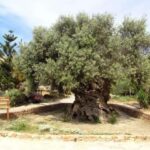

Pickup and the van ride: start time matters on an 8-hour day
The tour runs about 8 hours, with pickup and return to your accommodation. You’ll hop into a van and head out toward the countryside, with short travel legs between stops. One of the underrated benefits of this setup is that it reduces decision fatigue. You don’t have to rent a car, pick drivers, or worry about getting lost on rural roads.
The small-group size is also a big deal here. This is limited to 8 participants, so it doesn’t feel like you’re lined up with dozens of other people waiting to taste the next pour. In the small-group format, you can actually ask questions, and the guides can steer the day to the mood of your group.
Skalani stop: brunch and local snacks to set you up
One of the early stops is Skalani, where you’ll have brunch plus local snacks. This matters because the rest of the day includes multiple tastings, and many of them happen back-to-back. Eating before the wine and raki keeps the day fun instead of fuzzy.
Skalani also gives you a more grounded start than jumping straight into a vineyard gate. It’s a chance to see how food fits into the rural day, not just as a one-time meal. Think of it as your reset button before the tasting arc begins.
Olive grove and olive mill: the freshest oil lesson you’ll take home
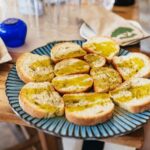
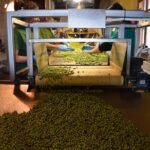
Next comes the olive side in a way that goes beyond a quick look. You’ll tour an olive grove and an olive mill, and after the milling stop you’ll have a chance to taste fresh olive oil.
This is one of the best parts of the day for people who like to understand what they’re eating. Fresh olive oil isn’t just flavor—it’s timing, process, and quality standards. Seeing the workflow makes your tasting smarter. You’ll start noticing what “fresh” means on your tongue, and you’ll get better at spotting the difference between oils that taste bland versus those with more bite and fruit character.
Practical tip: you’ll likely be tasting oils and other foods without a lot of fancy pairing. That’s normal. Use the olive oil tasting as your baseline, then you can appreciate how the other producers build their style around similar care.
Vineyard and winery time: tasting five wines with a clear story
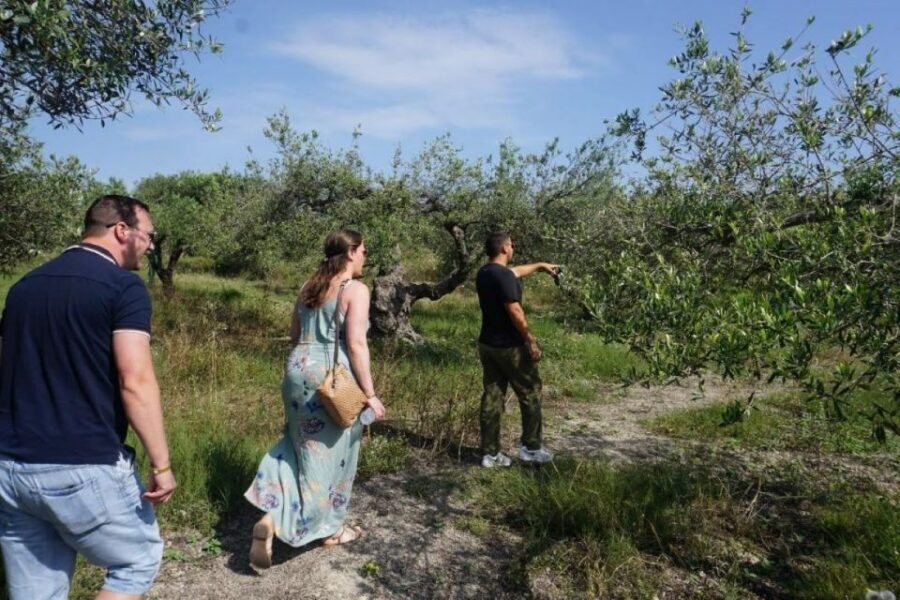
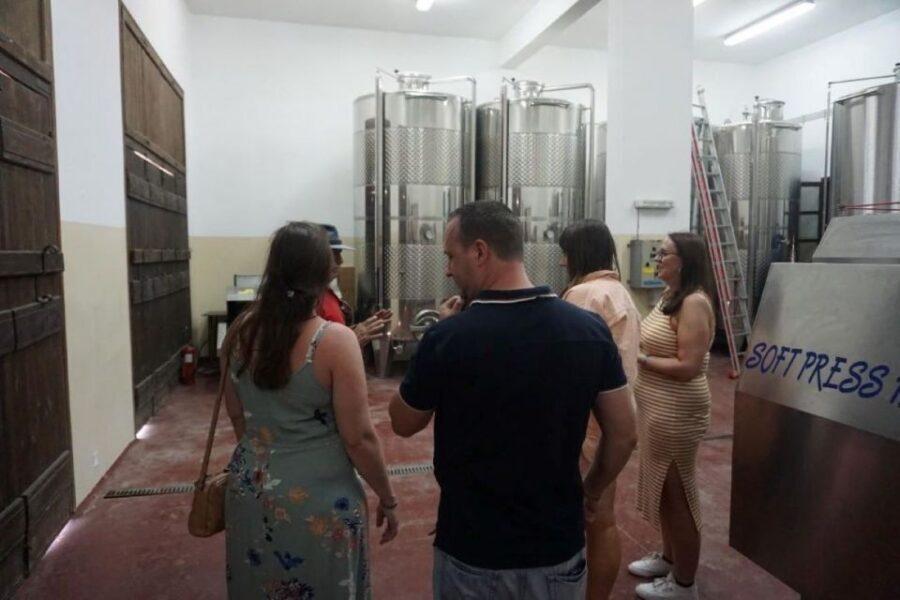
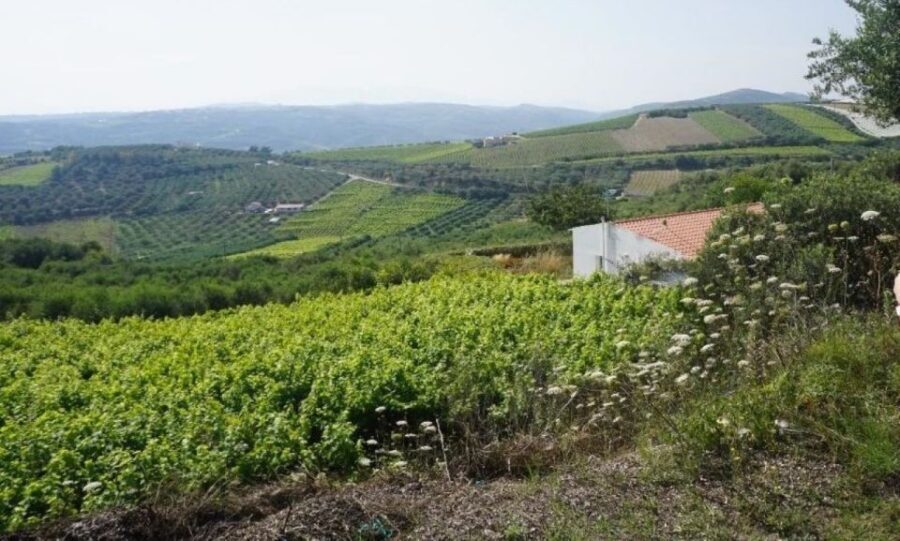
After the olive stops, you’ll go to a family-owned winery where organic methods are used for cultivating. You get a guided tour around the property and scenic views on the way, which gives context for why the vines grow the way they do.
The winery tasting is a highlight: you’ll taste 5 wines. That’s enough variety to find your favorites without dragging the tasting out forever. It also helps you learn your own preferences fast—some wines will click immediately, and others you’ll understand after the guide explains what you’re seeing in the glass.
This is also where the day’s value shows up. The price isn’t just for a sample cup. It’s for the guided winery time and the structured tasting, so you don’t feel like you’re wandering around a producer with no context.
You can also read our reviews of more tours and experiences in Crete



Raki distillery and the ancient press: why Cretan spirits feel different
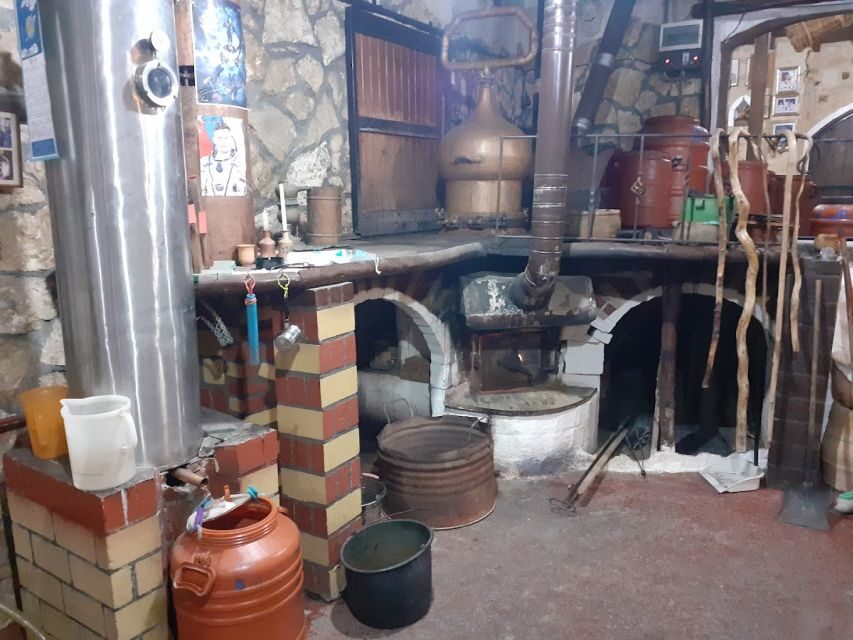
Then you’ll shift to raki. Raki is the spirit most tied to Cretan hospitality, and this tour treats it like more than a party shot. You visit a unique distillery that includes an ancient wine press. The goal is to connect the spirit to older wine-making traditions and the rural grain-and-vine culture of the island.
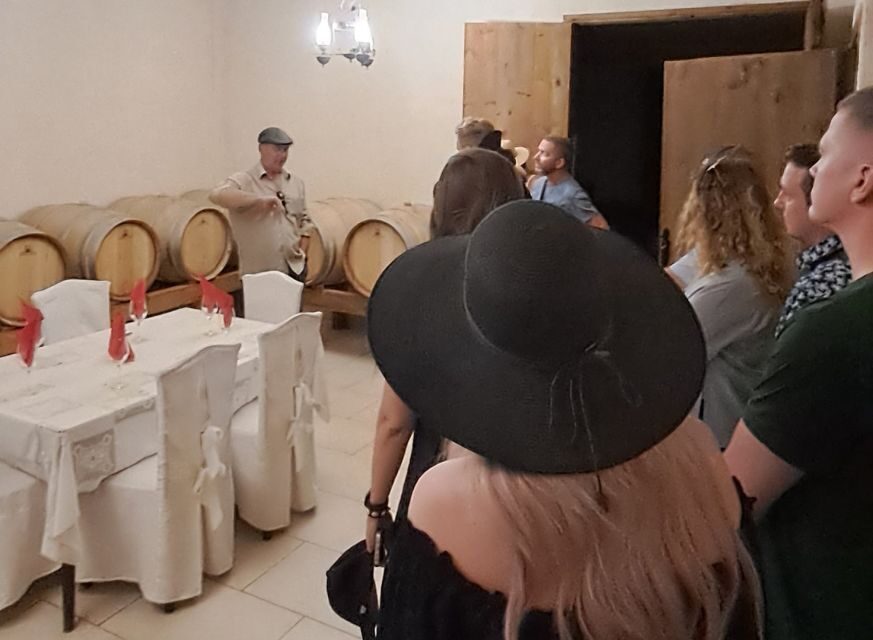
You’ll also have wine and raki tasting in the rakokazano, with a guided visit to the production site. In the feedback people leave about this day, the raki stop often lands as a favorite, and it’s easy to see why. You learn how it’s made, you taste it in context, and you get that true rural “we’re glad you came” feeling.
One thing to plan for: raki can be strong. Even people who don’t love it usually find they can at least appreciate it after the story and tasting. If you’re sensitive to alcohol, go slow, sip water, and don’t treat every pour like it’s mandatory.
Lunch in a local tavern: the food that ties it together
At lunchtime, you’ll eat at a local tavern in a traditional village setting. Lunch is included, and it’s more than a snack. Expect a proper meal designed for people who work hard in the fields and need real fuel.
This is a good moment to slow down. You’ve already tasted olive oil, wines, and raki-related stops. Now the food gives you a neutral reference point—salt, bread, vegetables, and classic Cretan flavors help reset your palate so you can enjoy the last activities without your taste buds feeling overwhelmed.
Dietary needs: you can contact the operator at least 48 hours in advance for allergies, vegetarians, and other meal requests. If you have specific needs, don’t wait until the day of.
Thrapsano pottery workshop: wheel-throwing as the creative finale
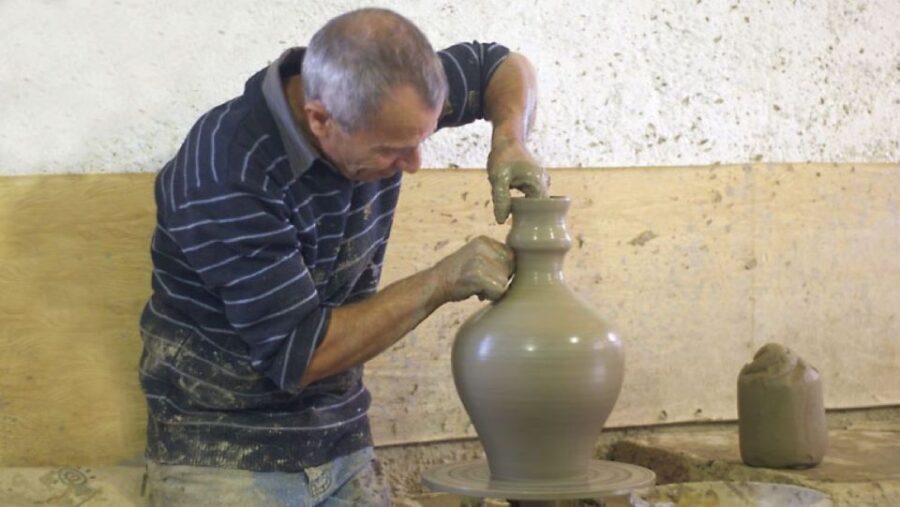
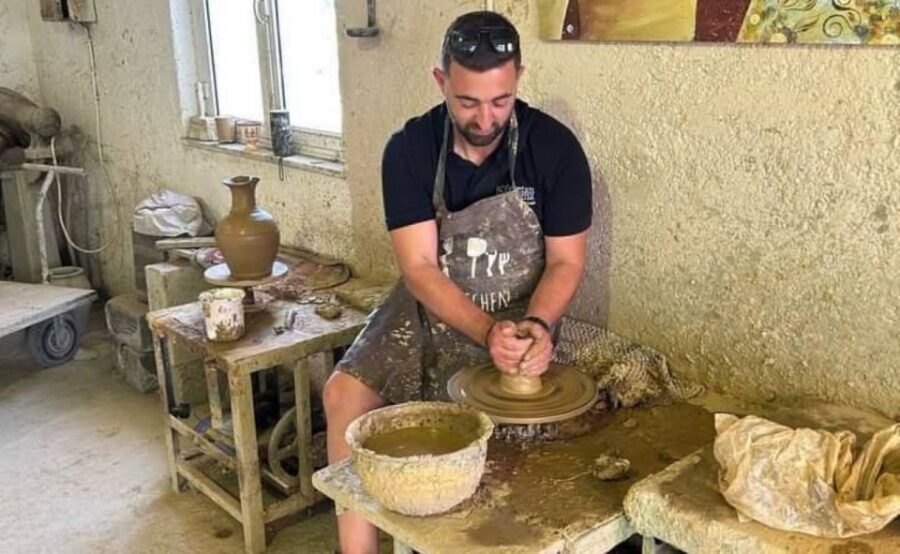
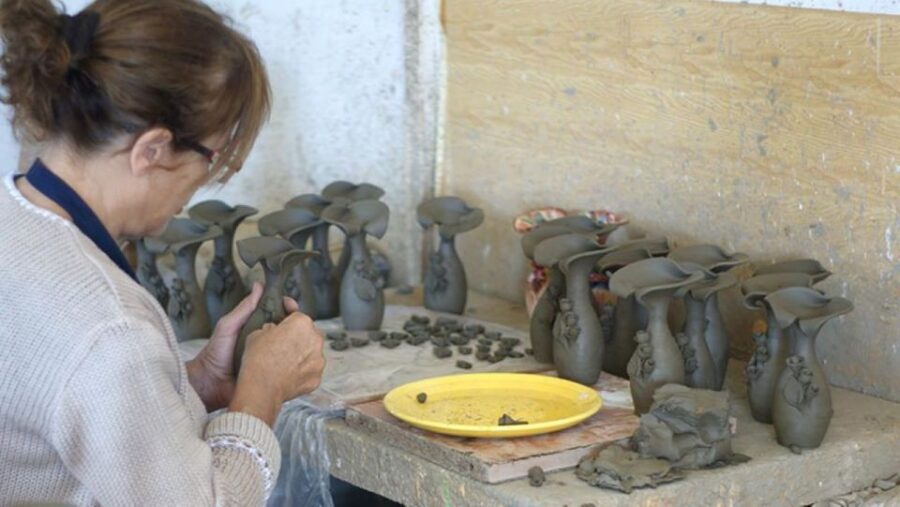
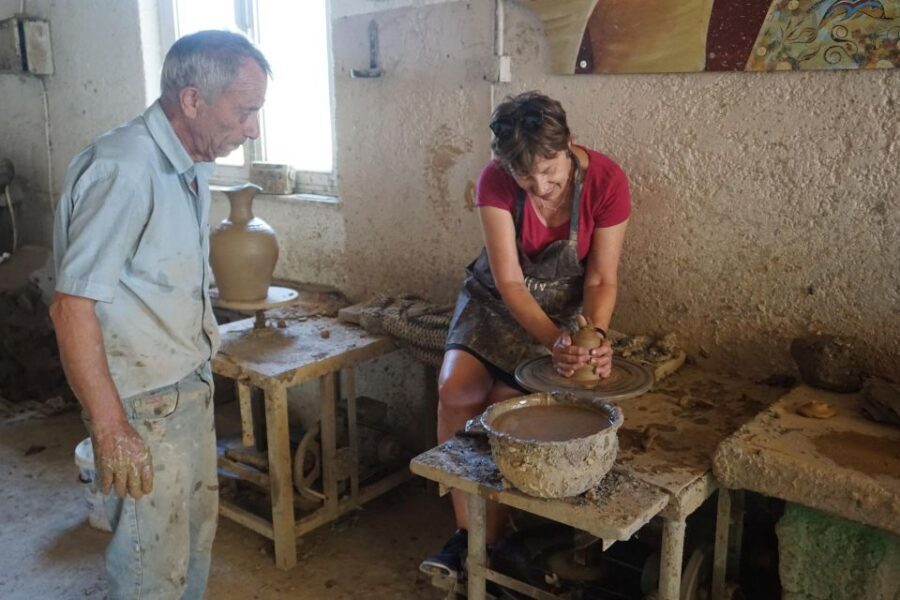
The final activity is pottery in Thrapsano, a village known for its pottery. You’ll visit a pottery studio and get a guided tour plus a workshop where you can try making something yourself.
This stop is where the day stops being only about food and drink and turns into craft. Wheel-throwing is hands-on in a way tasting never is, and it changes the way you remember the places you visited. You’re not just consuming products—you’re participating in how people make objects by hand and by tradition.
Important note: the pottery lab is not available on Sundays, so depending on the day you go, this may affect how that final stop plays out.
Price and value: what $141 really buys on Crete

At $141 per person for an about-8-hour outing, you’re paying for more than samples. You’re getting:
- Transportation with pickup and return from your accommodation
- Guided tours at multiple producers (olive mill, winery, distillery)
- Tastings: olive oil plus five wines, and raki tastings tied to the distillery stop
- Lunch included
- The optional pottery workshop experience
If you try to recreate this independently—car, driver, producer appointments, and guided tastings—the total adds up fast. The tour bundles the work. It’s also hard to replace the “local access” part: family-run places that welcome a small group tend not to market the same way big tourist circuits do.
Small practical money tip: bring a bit of cash if you plan to buy products. In at least one case, card payment systems were down at some stops after a storm, and cash saved the day.
What it’s like with real people (and why small groups help)
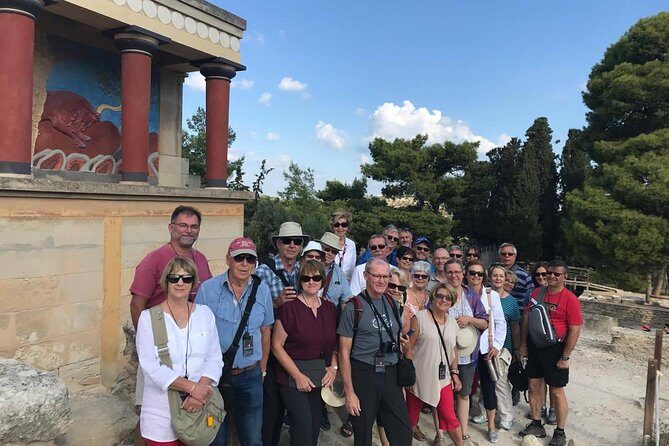
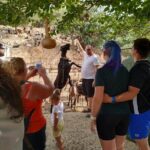
This is one of those tours where the guide relationships matter. In the most positive accounts, guides such as George (Yorgos), Antonis, and Anthony are described as fun, attentive, and connected to the places you visit. That connection shows up in the vibe: hosts welcome the group, portions feel generous, and you don’t get treated like a quick stop on a factory line.
The small size also helps you meet the people around you. Since the group is limited to 8, you’re more likely to talk during lunch or share thoughts about which wine you liked and why. That social time is part of what makes the day feel like a story rather than a sequence.
Who should book this tour—and who should skip it
Best fit:
- You want a rural, family-producer day focused on olive oil, wine, and raki
- You like structured tastings where someone explains what you’re tasting
- You’re happy with an active day that moves through several countryside stops
Consider skipping (or at least think twice) if:
- You don’t handle alcohol well and don’t want multiple raki and wine tastings
- You want a slow, flexible schedule with fewer stops
If you’re the type who likes to learn how products connect to place—without turning it into a lecture—this is a great match.
Should you book Cretan Vioma’s wine, olive oil, raki, and pottery day?
I’d book it if your idea of a great Crete day includes both tastings and craft. The olive mill and fresh oil tasting give you real food knowledge, the wine stop is structured with five wines, and the raki distillery adds a distinct Cretan flavor of history. Then pottery turns the day into something you can hold in your memory, not just in your stomach.
If you’re going on a Sunday, check whether the pottery lab is available in your specific departure, since it’s not offered that day.
For the right traveler, this tour hits a rare balance: authentic producers, enough structure to avoid wasting time, and a schedule that still feels fun.
FAQ
How long is the tour?
It runs for about 8 hours.
Where does the tour start and do you get pickup from accommodations?
Pickup and return are included, with pickup arranged from your place of accommodation.
What’s included in the price?
Transport, pickup and return, experienced guides, olive grove and olive mill tour, winery guided tour and tasting, raki distillery guided tour, wine and raki tastings, lunch, and a tour of the pottery studio (optional).
How many people are in the group?
This is a small group limited to 8 participants.
Is the pottery stop included?
It’s optional, and you can also expect the pottery workshop as part of the pottery studio visit. The pottery lab is not available on Sundays.
What languages are the guides?
The live guide speaks English and Greek.
Are dietary restrictions possible?
You can contact the local operator at least 48 hours in advance with dietary needs such as allergies or vegetarian requests.
Do I get wine and raki tastings?
Yes. The tour includes wine and raki tasting, including tasting connected to the rakokazano and guided visits at the olive and distillery stops.
What’s the cancellation policy?
Free cancellation is available up to 24 hours in advance for a full refund.