REVIEW · CRETE
From Chania/Rethymno: Samariá Gorge Guided Hike with Pickup
Book on GetYourGuide →Operated by Allcretetours · Bookable on GetYourGuide
Your legs will feel this hike.
This full-day Samariá Gorge outing starts with an early pickup from the Chania/Rethymno area and turns into one of Europe’s most dramatic walks. You’ll drop into the canyon through the famous wooden entrance, pass the cliff-walled “Iron Gates,” and finish with time to swim in the Libyan Sea at Agia Roumeli.
I love how the tour handles the big moving parts for you. Transportation, a real hiking guide, and set end-of-gorge logistics mean you’re not juggling buses, ticket counters, and timing on your own. I also like the payoff at the end: you get real downtime in Agia Roumeli, not just a quick stop.
One thing to consider: it’s a tough, rocky, steep descent, and the day runs long. Plan on a physically demanding hike and bring proper footwear, because this is not a casual stroll.
In This Review
- Key things I’d circle before you go
- The real reason Samariá Gorge lives up to the hype
- Pickup, bus ride, and the Omalos start that matters
- Entering the gorge: what the first steep sections actually feel like
- The Iron Gates and the Kri-Kri moments
- Water, bathrooms, and why you still need to plan snacks
- Agia Roumeli: lunch, swimming, and the reset you earned
- The ferry to Sougia and getting back to Chania/Rethymno
- Price and logistics: is it good value at around $37?
- How fit and age really affect your comfort level
- What to bring so the day stays enjoyable
- Should you book this Samariá Gorge guided hike?
- FAQ
- How long is the Samariá Gorge hike and the full tour?
- What’s included in the $37 price?
- What extra costs should I expect for the Samariá Gorge day?
- Is there a swim after the gorge hike?
- Where do I get picked up and dropped off?
- What should I bring for the hike?
- Is the guide in English and do we hike at our own pace?
Key things I’d circle before you go
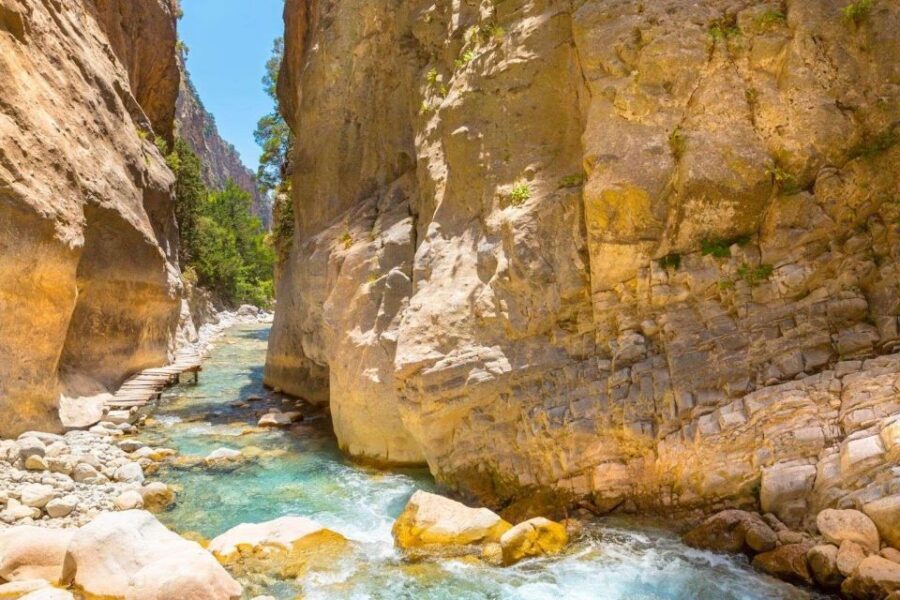
- Europe’s longest gorge with the iconic Iron Gates passage and towering cliffs
- Early start + organized transport from many hotels and pickup points in Chania/Rethymno
- Time to swim and reset in Agia Roumeli before the ferry ride
- You hike at your own pace, with the guide coordinating group points at the start and end
- Water points and bathrooms along the trail, plus natural spring fountains
- Hard terrain that rewards good shoes, especially during the steep first stretches
The real reason Samariá Gorge lives up to the hype
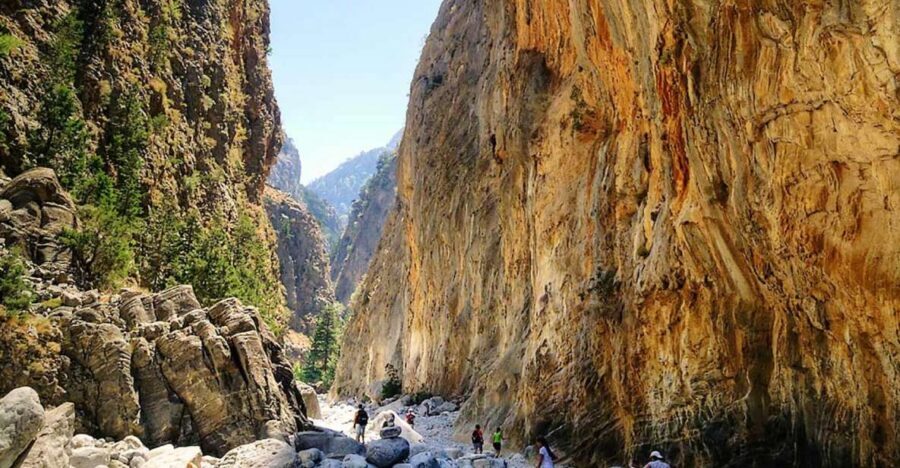
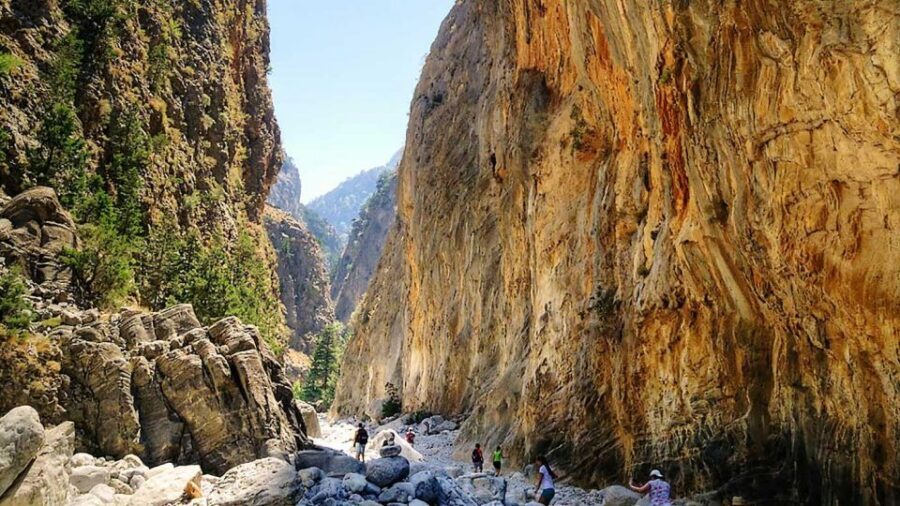
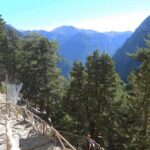
Samariá Gorge is one of those rare places where the scenery isn’t just pretty, it’s intense. The canyon walls squeeze in as you walk, and the trail forces you to pay attention to footing, not just photos. When you pass the narrow Iron Gates section, you’re looking up at cliffs that rise nearly 300 meters high, and it feels bigger than it sounds.
What makes this hike work as a tour is that you get the right balance: guided logistics, but freedom on the trail. You’re not stuck in a slow conga line the whole time, and the day is paced around actually finishing the walk and reaching the seaside village when you’re supposed to.
This is also a great place for wildlife spotting if you’re the observant type. Keep an eye out for the Kri-Kri (the Cretan wild goat), which is unique to this region. You’ll also notice aromatic herbs and Cretan plant life along the route, especially if you pause at calmer spots and look beyond the stone under your feet.
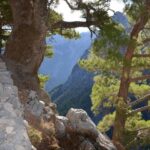
Finally, the gorge is famous for a reason that’s not just its length. The trail’s mix of ancient forests, rugged rock formations, and narrow passages means the hike changes feel several times—open, then tight; easy-ish, then step-downs; shaded, then sun.
You can also read our reviews of more guided tours in Crete
Pickup, bus ride, and the Omalos start that matters
Your day begins with a pickup from your hotel or the closest possible point. Pickup options cover a long list across Chania and the Rethymno area, so the tour is built around convenience on that front. If you’re staying slightly off the main strips, this is one reason group tours can feel easier than DIY.
Then comes the long drive: about 110 minutes by air-conditioned coach toward the White Mountains area near Omalos. Expect a mountain road ride that can feel twisty, so if motion sickness is your thing, plan for it. A simple reminder: you’ll be starting early, and the bus ride is part of the day’s rhythm—no one wants you rushing around before the hike starts.
At Omalos, you’ll reach a breakfast stop area. Some people grab food at a nearby traditional taverna, and you can also use this moment to refuel and prep. The walk is long enough that skipping breakfast is a bad trade: you’ll regret it once the descent gets steep and your legs start demanding more energy.
From there, you’re taken to the wooden staircase marking the entrance. It’s a practical detail, not a gimmick: once you’re at the official start, you’re in hike mode.
Entering the gorge: what the first steep sections actually feel like
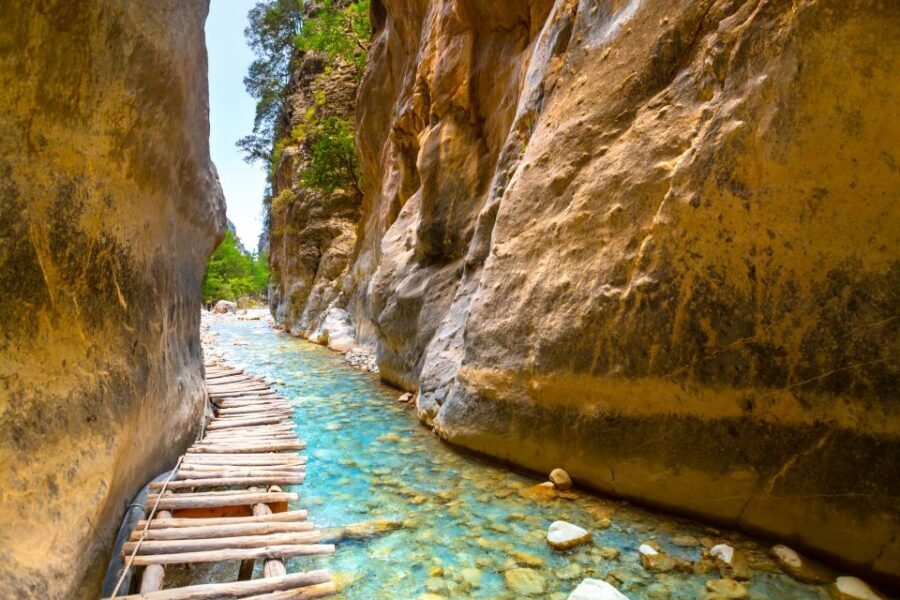
The Samariá Gorge walk is about 16 kilometers end to end. That sounds straightforward until you realize you’ll be stepping down through rocky, uneven terrain. The early part is often the most punishing: steep downhill stretches and lots of step-like descents where your calves and knees work overtime.
This is where proper shoes really pay off. Reviews and real-world experience align: basic trainers can slip and can’t handle the uneven, sometimes slick stones. You want hiking shoes with grip, and it helps to wear socks you don’t mind getting gritty.
You’ll also cross some streams using rocks. It’s not usually dramatic, but it adds another “slow down and place your foot” element to the hike. The upside is that you’re not wandering without guidance: the trail is kept in good condition, and it’s generally easy to follow once you’re moving.
Pacing is your secret weapon. You’ll see people go fast at the beginning, partly because the start is exciting and partly because everyone is fresh. I recommend you ignore the urge to race. Start controlled, save your energy, and let your pace open up as the morning heat becomes less of a shock.
The Iron Gates and the Kri-Kri moments
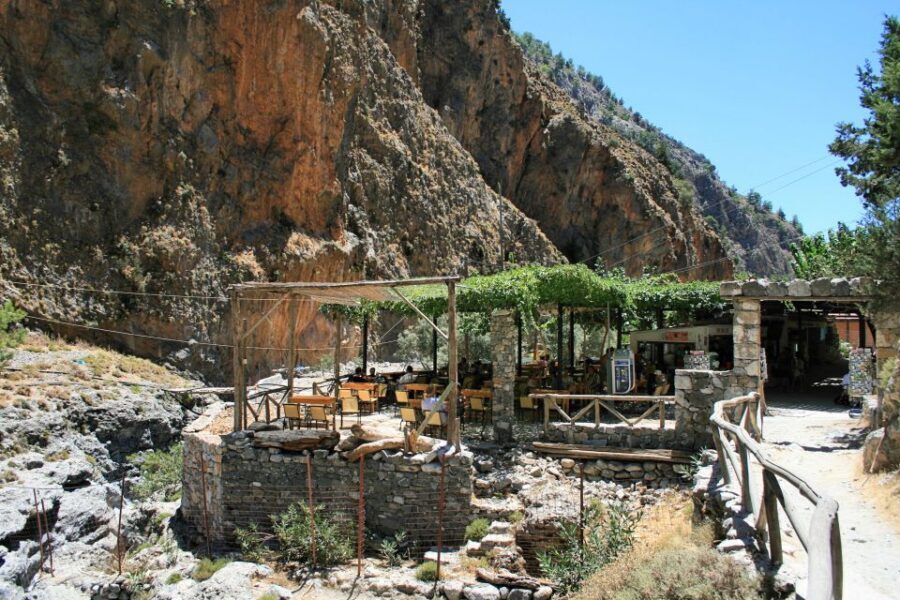
The best-known highlight is the Iron Gates passage. It’s narrow, cliff-walled, and memorable because the canyon walls feel extremely close. As you move through, you’ll likely slow down. Not because you’re required to, but because the environment forces it.
This section is also a great time to look for wildlife. The Kri-Kri is elusive, so you can’t count on a guaranteed sighting, but keep your eyes scanning the slopes and rocky edges. If you do spot one, it’s the kind of moment you remember more than another scenic viewpoint.
Another detail worth paying attention to is the variety of plants and small changes in scenery. You’ll pass through areas with rare Cretan flora and aromatic herbs. If you stop for a quick breath—water first, of course—it feels like you’re hiking through a living system, not just a postcard canyon.
Also, don’t expect the trail to be perfectly uniform. It’s rocky and uneven throughout, and you’ll handle changes in footing constantly. That’s why guides focus on timing and safe movement—especially during the steeper stretches.
Water, bathrooms, and why you still need to plan snacks
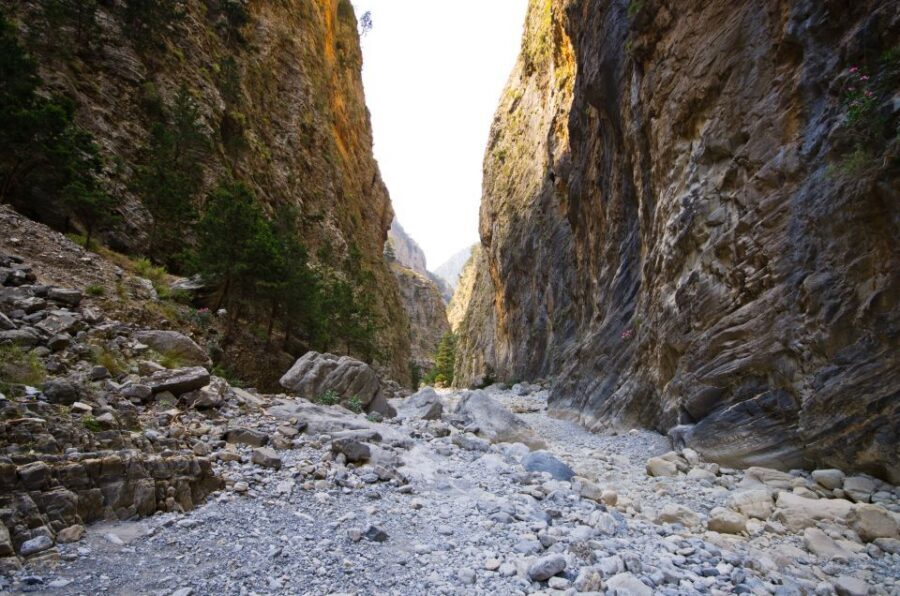
One of the nicer surprises on Samariá Gorge is how often you can find water points. You’ll encounter natural spring fountains, and there are bathrooms along the way. That reduces stress, especially if you’re the type who worries about running out.
Still, don’t show up with only one bottle and hope for the best. The day is long, and once the sun warms up, you’ll drink more than you think. Bring water, and bring sunscreen and a hat because the trail is not all shaded.
Food is another piece people underestimate. This tour keeps you moving through the day, and even though there can be basic food options at stops, it’s smart to bring snacks you actually like. Think energy bars, nuts, or anything you can eat without needing a full meal.
If you want the best chance of protecting your knees for the descent, consider hiking poles. Some groups have rented poles from the tour operation for around €3 per pole, and they can make a real difference on step-down sections. Even if you don’t rent them, good technique helps: short steps, toes angled where you want your next step, and a steady rhythm.
You can also read our reviews of more hiking tours in Crete
Agia Roumeli: lunch, swimming, and the reset you earned
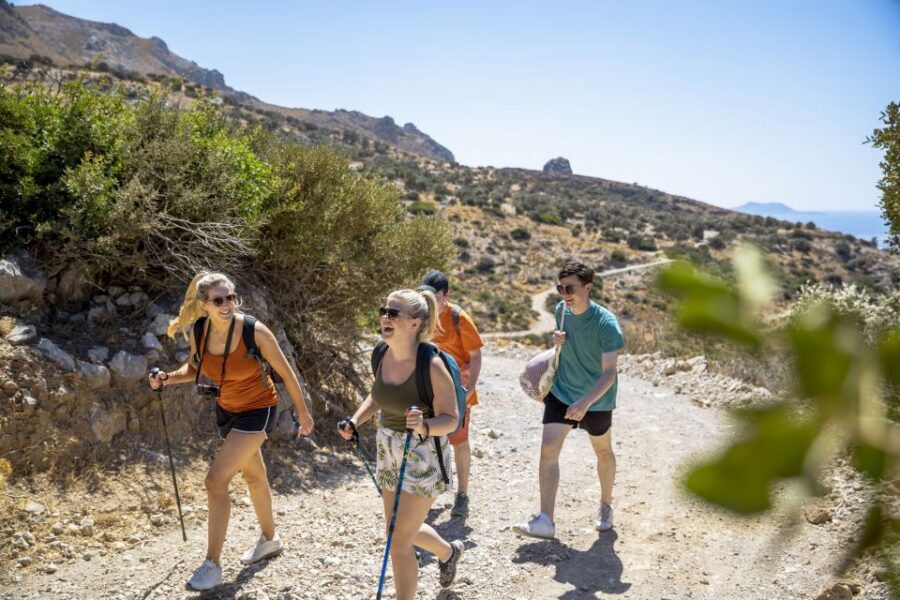
After the hike, you reach Agia Roumeli, a seaside village where the vibe shifts from rugged canyon work to coastal recovery. You’ll have time to relax, eat, and cool down. Lunch is typically available at traditional beachfront taverna options, and there’s enough time to make it feel like a break rather than a rushed checkpoint.
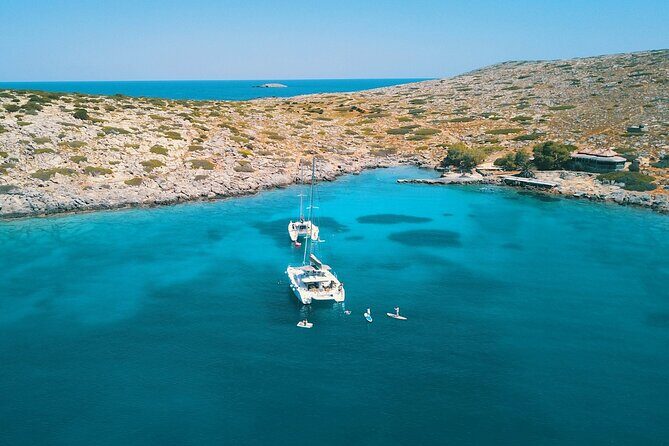
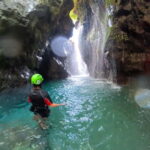
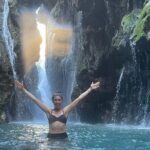
The highlight here is the swim. The waters are crystal-clear, and the dip in the Libyan Sea helps your body process a long day of downhill walking. The heat on the stone doesn’t disappear instantly, but swimming changes the temperature in your whole system.
One practical tip: if you’re sensitive to hot sand or small stones, consider bringing water shoes or something light you can wear on the beach. Hot ground can make lying down or walking around more uncomfortable than you expect.
You can also wander a bit and enjoy the village atmosphere, but don’t linger so long that you lose track of your schedule. The tour has a ferry portion coming up, and timing matters for getting you back where you need to go.
The ferry to Sougia and getting back to Chania/Rethymno
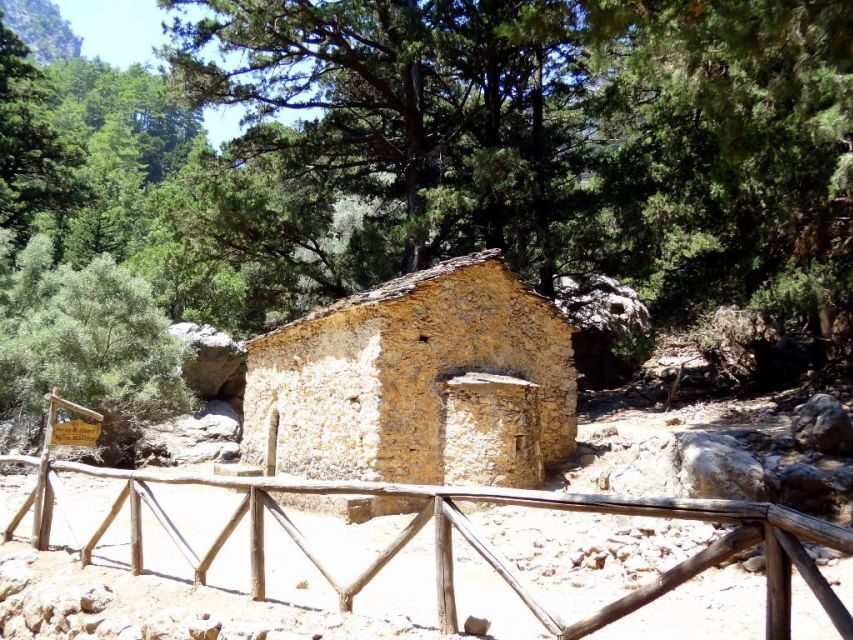
After your time in Agia Roumeli, the tour includes a ferry ride to Sougia. That ferry ticket is not included in the base price, and the cost is listed as €14. Plan for that extra expense and, based on common practical experiences, it’s smart to have cash available for the ferry portion.
Then it’s back by bus for another long stretch—about 110 minutes. Mountain roads are part of the deal on the Crete side, so sit back, hydrate, and let your legs cool down.
This is also where motion sickness can matter again. The roads can be windy and twisty, so if you had symptoms on the outbound ride, expect similar conditions on the way back.
By the time you get dropped off, it’s clearly a full-day outing. People often describe it as a long day from pickup to drop-off, so treat it like a commitment day. The upside is that you get a complete gorge experience, not a short taste.
Price and logistics: is it good value at around $37?
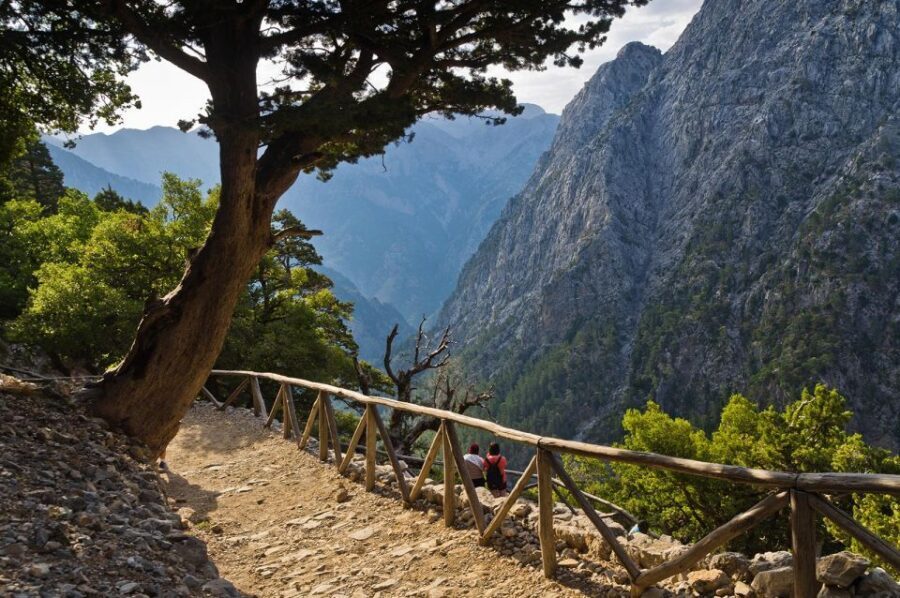
The base price is listed at $37 per person, and it includes round-trip air-conditioned bus transportation, the hike itself, an English live guide, and free WiFi onboard the bus. For Samariá Gorge, that’s part of the value: you avoid the headache of coordinating the drive, entrance timing, and ferry connection on your own.
But you should budget the add-ons:
- Entrance fee to the national park: €10
- Boat (ferry) tickets: €14
So your true day cost is closer to $37 plus about €24 in additional fees. If you’re used to budgeting for independent travel, this still often works out well because the tour bundles the logistics and gives you a guide for safety and pacing.
I also think you’re paying for more than movement. You’re paying for a plan. The tour structure takes the stress away from figuring out where to be and when, and it helps you finish the hike without your schedule collapsing.
How fit and age really affect your comfort level
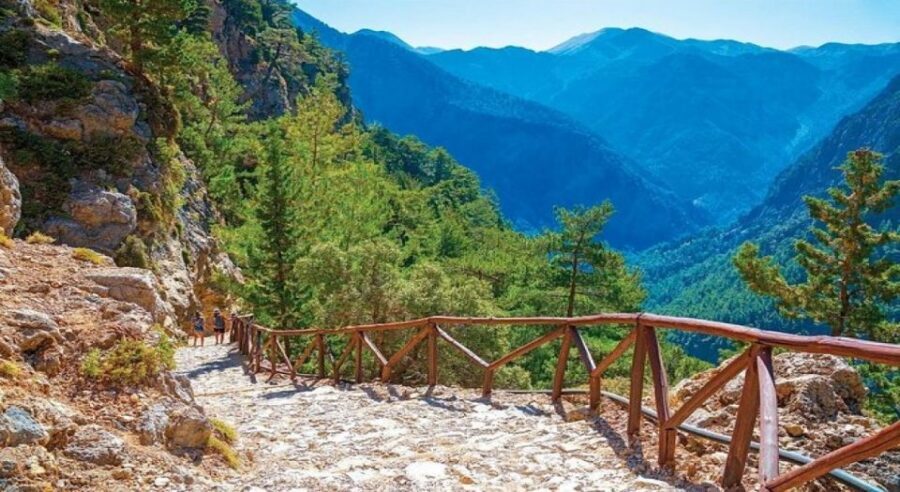
Samariá Gorge is not a gentle “nature walk.” It’s a demanding hike with rocky terrain, uneven steps, and a long downhill effort. You should be ready for soreness—people commonly mention stiff legs for a couple days after.
This tour also isn’t for everyone. It’s listed as not suitable for:
- children under 6
- people with heart problems
- people with diabetes
- wheelchair users
- pregnant women
- people with high blood pressure
If you’re within that acceptable range, you still need to judge your hiking readiness realistically. The first steep part can be more than you expected, and the gorge terrain requires attention to footing. You don’t need to be a trail athlete, but you should be comfortable walking several hours on uneven ground.
If you’re a first-time hiker, you’ll likely appreciate the guide at the start and end, plus the fact that you can hike at your own pace while staying in the tour’s flow.
What to bring so the day stays enjoyable
This is the list that keeps you comfortable and reduces the chance of finishing miserable:
- Hiking shoes with grip
- Water (and a second bottle if you’re unsure how much you’ll drink)
- Sunscreen
- Hat and sunglasses
- Sun-proof clothing you don’t mind getting dusty
- A small snack stash
If you’re the type who gets cold in early starts, bring a light layer. Some people have noted the hike can start chilly and misty before the sun hits and temperatures rise.
If you can, consider renting hiking poles. They can be especially helpful during the steep downhill stair-like areas, and you can store them once the terrain changes.
Should you book this Samariá Gorge guided hike?
Book it if you want a straightforward way to do one of Crete’s most famous hikes without turning your day into a transportation puzzle. The guide support, organized pickup/drop-off, and the end-of-day swim and ferry make it feel complete.
Skip it if you’re looking for an easy stroll, you have mobility or medical limits from the listed unsuitability, or you don’t want a long day on rocky terrain. This is a serious hike, and comfort depends mostly on shoes and pacing.
If you can handle downhill walking and you’re excited by canyon scenery, this is the kind of day that becomes one of your trip anchors.
FAQ
How long is the Samariá Gorge hike and the full tour?
The hike is about 16 kilometers, and the tour is a full-day experience. You’ll be transported to the start via coach, then hike and finish at Agia Roumeli before a ferry ride and the bus back.
What’s included in the $37 price?
The price includes round-trip transportation by air-conditioned bus, the hike, an English live guide, and free WiFi onboard the bus.
What extra costs should I expect for the Samariá Gorge day?
Entrance fees to the park are listed at €10, and boat (ferry) tickets are listed at €14. These are not included in the base price.
Is there a swim after the gorge hike?
Yes. You’ll reach Agia Roumeli with time for lunch and swimming in the Libyan Sea before the ferry ride.
Where do I get picked up and dropped off?
Pickup and drop-off are available from your hotel or the closest point. The tour lists many pickup and drop-off options across Chania and Rethymno.
What should I bring for the hike?
Bring a hat, water, sunscreen, hiking shoes, and sunglasses. The terrain is rocky and uneven, so proper footwear matters.
Is the guide in English and do we hike at our own pace?
The guide is English-speaking. The tour is set up so you can hike while coordinating with the group, and the guide is present at key points like the start and end of the gorge hike.