REVIEW · CHANIA
CHANIA WALKING FOOD TOURS – 3 HOUR WALKING TOUR
Book on GetYourGuide →Operated by The Hellenic Odyssey Chania · Bookable on GetYourGuide
Three hours in Chania can taste like a week. This walking food tour turns Chania into a living classroom, with a local guide explaining what Cretan hospitality looks like at the table, and why everyday food habits matter. You’ll stroll through market lanes and backstreets, then eat your way through classic bites, from bougatsa to cheese tastings, with commentary running the whole time.
What I like most is the format: 8 stops and 15+ tastings means you’re not just nibbling once or twice. And you get an actual lunch at a traditional Cretan restaurant, not a token snack and a rushed exit. It’s also the kind of tour where you leave with practical ideas for where to eat next, not just a sugar high.
One thing to consider: if you’re not a sweets person, plan for it. The tour leans into Cretan pastries and desserts, and one past guest even noted there were too many sweets for their taste.
In This Review
- Key highlights you should know before you book
- Starting in Old Chania Market: where the tour begins
- Stella’s local hosting style and how it changes the whole vibe
- The tasting rhythm: 15+ samples across eight stops
- Getting your bearings with produce and market traders
- Bougatsa and Greek coffee: the classic Cretan breakfast-to-snack bridge
- The bakery stop: cakes, biscuits, and how locals actually browse
- Loukoumades: dessert as a taste test, not a finale
- Cheese tasting: the savory counterweight you’ll appreciate later
- Lunch at a traditional Cretan eatery: when the tour earns its keep
- Backstreets, old traditional stores, and the culture behind the food
- Price and value: is $117 for 3 hours fair?
- Who this Chania walking food tour suits best
- Should you book Chania Walking Food Tours (3 hours)?
- FAQ
- How long is the Chania walking food tour?
- Where does the tour meet?
- What is the price per person?
- Is the tour guided or self-guided?
- How many stops and tastings are included?
- Is lunch included?
- What kinds of foods are sampled?
- Does the tour include information about diet or culture?
- What are the cancellation terms and payment options?
Key highlights you should know before you book
- 8 stops with 15+ tastings that keep the pace moving and the variety high
- Greek coffee and bougatsa early enough to set your appetite in the right direction
- Bakery browsing to understand how Cretan cakes and biscuits fit local life
- Cheese tasting as a separate moment, not just a random sample
- Traditional restaurant lunch included as part of the food story
- Backstreets + old stores that help explain the town beyond the main lanes
Starting in Old Chania Market: where the tour begins
Your tour meets at the Statue di Sofoklis Venizelos in Old Chania Market/Central Market Square. That’s a smart place to start, because it gets you grounded fast. Chania’s food culture is inseparable from the markets and small shops, so beginning in the central hub helps you understand what you’re seeing later on the quieter streets.
From the first minutes, the focus is on walking and listening. You’re not standing around waiting for a “performance.” You move from place to place with guided commentary throughout, which matters because it turns the tasting stops into a story you can remember.
And since the full experience is 3 hours, you’ll want to treat it like a real outing, not a short snack break. Wear shoes you’re comfortable in for steady walking on town streets, including narrow lanes and market-adjacent sidewalks.
You can also read our reviews of more walking tours in Chania
Stella’s local hosting style and how it changes the whole vibe
The provider is The Hellenic Odyssey Chania, and the guide name that keeps showing up in the experience is Stella. One strongly positive pattern from guest feedback: she makes it easy to feel included, and keeps the group moving while still giving everyone time to taste and ask questions.
That hosting style is a big deal on a food tour. When the guide is organized, you get fewer awkward pauses and more actual eating. When the guide is attentive, you also get better context for what you’re tasting. Here, you’ll hear explanations tied to Cretan daily life—how people eat, what’s local and seasonal, and how Mediterranean-style habits are connected to health and balance.
If you prefer your food travel to be conversational rather than scripted, this is that kind of tour. The tone is practical: you’ll learn what the food means and where you might want to return after the walk.
The tasting rhythm: 15+ samples across eight stops
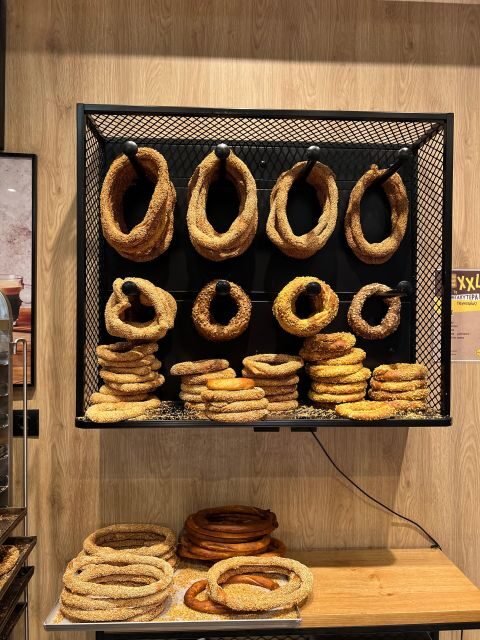
This is a “variety-first” tour. The structure is eight stops, with at least 15 tastings. In real terms, that means you’re getting a sequence of flavors and textures, not one big meal spread out over the day.
The tour’s description emphasizes Cretan produce, traditional stores, and local eating habits. That shows up in the sampling choices too. You can expect a mix that includes:
- savory items tied to everyday Cretan eating
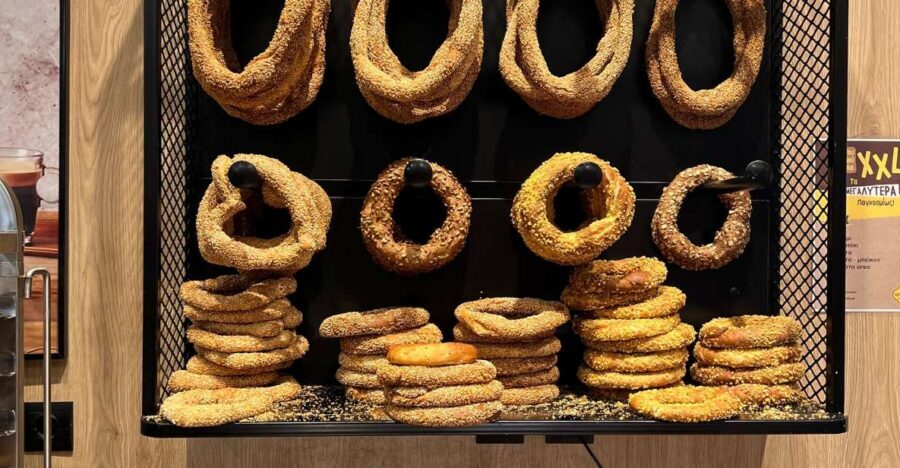
- bakery sweets (including bougatsa and other cakes/biscuits)
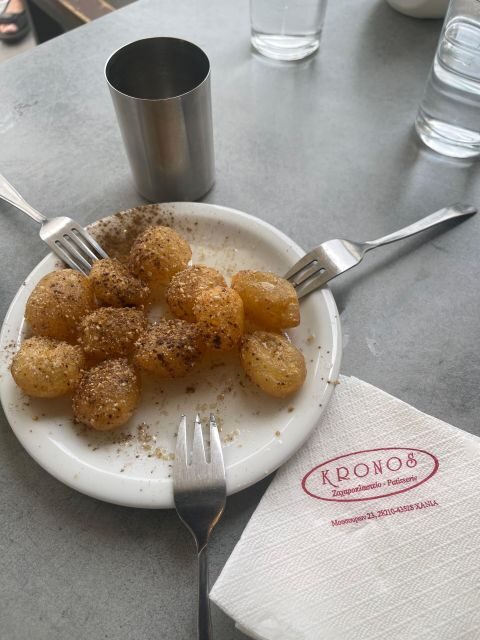
- dessert favorites like loukoumades
- a dedicated cheese tasting
- Greek coffee to slow the pace for a classic local moment
The value here is consistency. You’re paying for guided access to multiple food moments, and each tasting is meant to connect back to the wider theme: Cretan hospitality, Mediterranean diet ideas, and how locals shop and snack.
A quick reality check: at least 15 tastings in 3 hours is a lot of food volume. If you normally eat light, you’ll still probably want to treat the rest of your day casually after. If you’re a big eater, you’ll feel right at home.
Getting your bearings with produce and market traders
Chania’s produce culture is one of the reasons this walk works so well. The tour includes time to view regional and seasonal produce and to learn from passionate traders who share their knowledge. Even if you’ve used markets as a photo stop before, this is different: the emphasis is on why certain items matter locally and how you can recognize quality.
This portion is valuable for two reasons:
- You learn what to look for when you’re shopping on your own later.
- Produce becomes more than scenery; it becomes part of the tasting logic.
Also, starting this early helps you understand the rest of the tour. When you later see sweets and cheese, you’ll understand them as part of a broader eating pattern, not random “must-try” items.
Bougatsa and Greek coffee: the classic Cretan breakfast-to-snack bridge
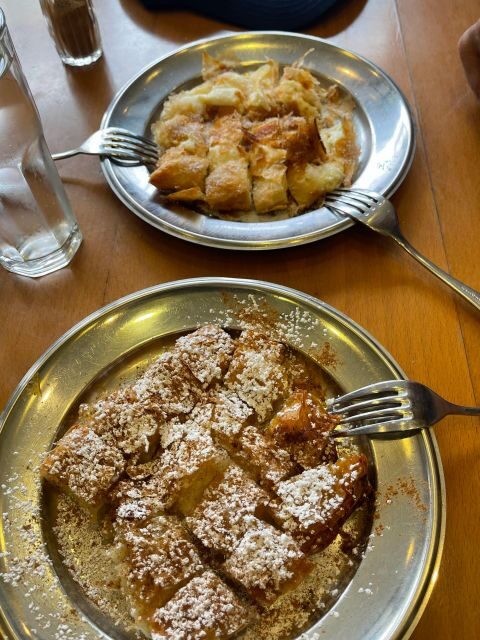
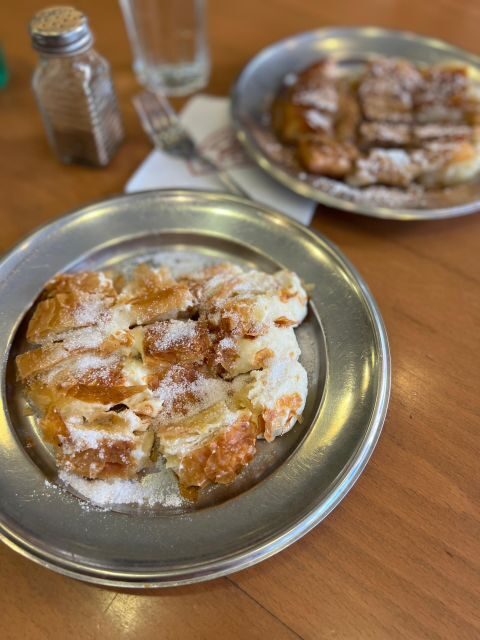
One of the named highlights is Greek coffee and the famous Cretan bougatsa. This matters because bougatsa isn’t just a dessert or a pastry—it’s a recognizable food signature of the region. When a tour includes it (and doesn’t treat it as a one-bite afterthought), it’s usually a sign the guide is aiming to teach the food culture, not just collect checkmarks.
The Greek coffee moment is also useful. It gives you a pause in the walking, and it’s an easy way to feel the local rhythm. Coffee in Greece is rarely rushed, and this tour uses that idea to slow you down without stopping the overall flow.
If you’re trying to decide what to do in Chania early in your trip, this is exactly the kind of stop that helps. You’ll taste something iconic, then pick up context that makes it easier to choose where to eat the next time you’re hungry.
You can also read our reviews of more food & drink experiences in Chania


The bakery stop: cakes, biscuits, and how locals actually browse
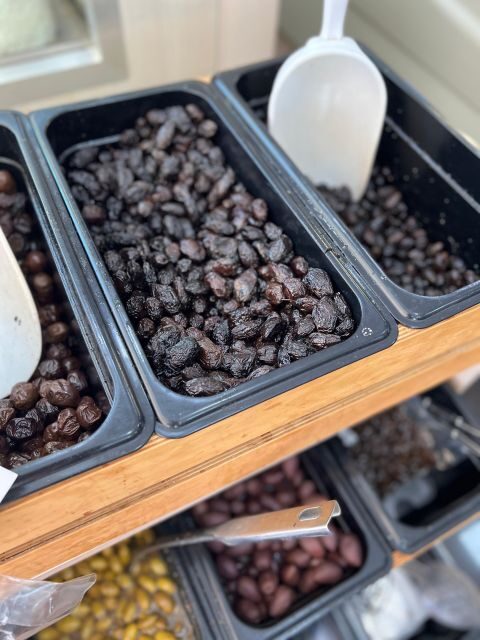
The tour includes a bakery moment where you’ll learn about the different cakes and biscuits on display as you browse the local bakery. That detail sounds small until you realize what it does for your trip.
Most visitors see a dessert counter and move on. Here, you get guidance on what you’re looking at, which makes you more confident ordering later. You also get to connect sweetness to culture—what people choose for snacking, sharing, and everyday treats.
One word of advice: if you don’t want to be overwhelmed, pace yourself. You’re in a tasting environment, but you can still control how quickly you eat. Slow down between stops, and you’ll enjoy the variety more.
And yes, this is one area where sweets add up. If you’re sensitive to sugar, be strategic about bite sizes and don’t feel pressured to finish everything in one go.
Loukoumades: dessert as a taste test, not a finale
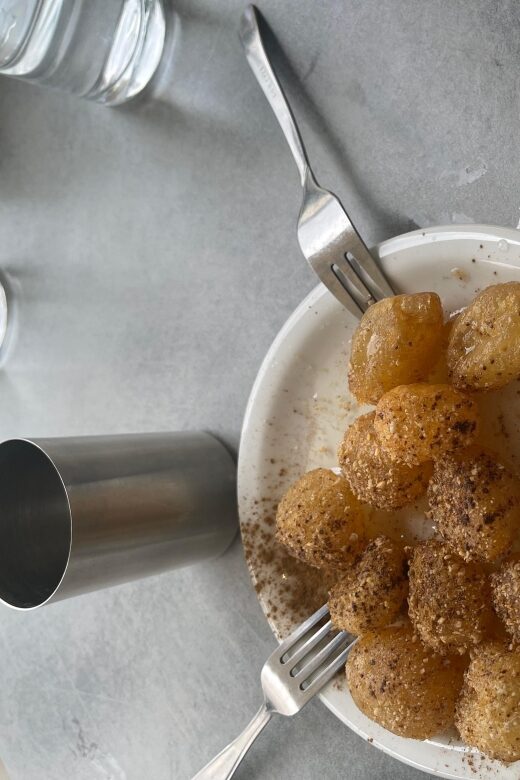
Loukoumades are included on the tour. On a guided walking food experience, desserts work best when they’re positioned as a learning moment. Here, loukoumades fit that pattern because they let you compare textures and sweetness levels across the tour rather than ending on something that overwhelms you.
Think of this as a mid-to-late “comfort” stop that keeps energy up while still offering variety. If you love classic Greek sweets, you’ll feel like you’re getting the real deal. If you’re not as into desserts, it’s still useful because it’s part of the broader Cretan palate the guide is building for you.
Cheese tasting: the savory counterweight you’ll appreciate later
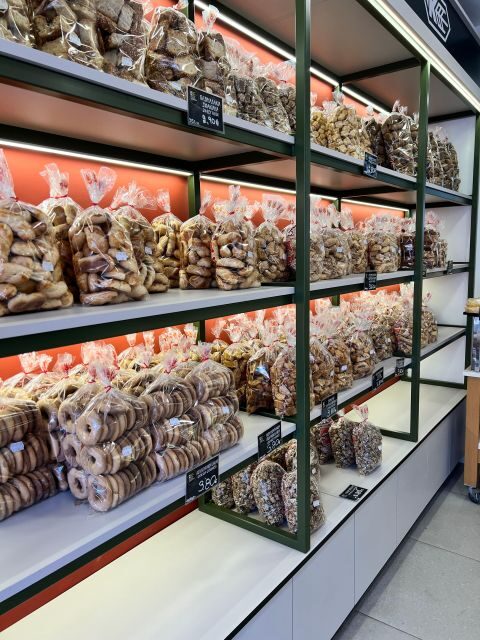
A strong point in the tour is the dedicated cheese tasting. Many food tours mix cheese into one small bite or pair it with something else, but having a separate cheese moment helps the flavor land properly.
This stop also connects to the Mediterranean diet theme mentioned as part of the experience. Even if you don’t get a medical lesson, it’s the kind of tasting that reminds you food in Crete often balances bread, dairy, produce, and simple flavors rather than relying solely on processed snacks.
Practical takeaway: if you tend to crave savory food after sweets, this is likely the moment that saves you. It gives your palate a reset before lunch and keeps you from feeling stuck in sugar mode.
Lunch at a traditional Cretan eatery: when the tour earns its keep
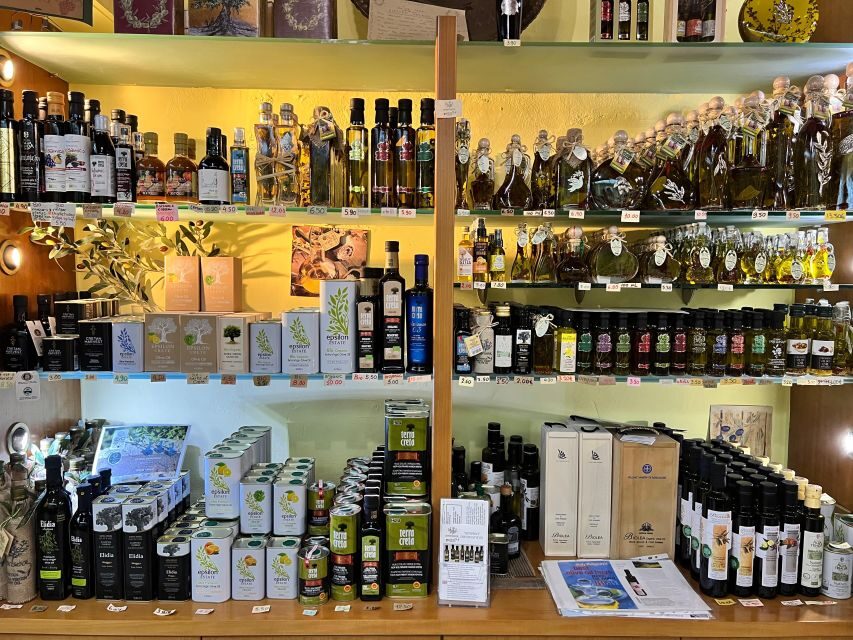
Lunch is included at a traditional Cretan restaurant. This is where the value really shows, because a proper lunch means you’re not just paying for samples. You’re also paying for an authentic sit-down food experience that fits the tour’s theme.
The description calls it a light lunch, which helps set expectations. You’ll still feel satisfied, but you won’t be so full that the walking part ends in a food coma. That balance matters when a tour totals 3 hours and includes multiple tastings.
Also, lunch in a traditional eatery gives you something you can’t replicate easily on your own without local help. You learn how these places operate, what the meal experience feels like, and how locals treat eating as part of daily life—not just a tourist event.
If you do this tour early in your stay, the lunch alone can become a reference point for what you consider worth repeating.
Backstreets, old traditional stores, and the culture behind the food
The tour doesn’t stay on the main tourist lanes. It includes walking through backstreets and little-known pockets that only locals seem to know about, plus visits to old traditional stores to learn about Cretan culture and heritage.
This part is important because food is never just food here. It’s tied to:
- how people shop
- how merchants talk about quality and seasonality
- how eating habits reflect local life
- how hospitality shows up in daily routines
So even when you’re full from tastings, you’re still learning something useful. This is the section that helps you understand why certain flavors and products show up repeatedly in Cretan cuisine, and why it’s so different from the Greek islands you might have seen elsewhere.
Price and value: is $117 for 3 hours fair?
At $117 per person for a 3-hour guided walking food tour, the price will feel “premium” at first glance. The question is whether you’re getting enough to justify it—and in this case, you do get several solid anchors:
- eight stops
- at least 15 tastings
- Greek coffee included
- bougatsa and other named Cretan favorites
- a cheese tasting
- an included lunch at a traditional restaurant
- guided commentary throughout (so it’s not self-guided wandering)
For many visitors, the hardest part of food travel is not eating—it’s deciding what to eat and where to go without wasting time. A guided tour like this compresses that decision-making into one afternoon and gives you context for future meals.
The best value is for people who:
- want to hit multiple classic foods in one go
- like learning while they eat
- plan to eat out several times during their trip and want direction
If you’re a total DIY foodie who already knows exactly which bakery to hit and which taverna to book, you might feel the price is too high for what you would do anyway. But if you want a guided shortcut through Chania’s food culture, it’s easier to see where your money goes.
Who this Chania walking food tour suits best
This tour fits best if you want a structured, guided taste of Cretan life without planning a complex route yourself. It’s a strong match for:
- couples who want an easy shared activity with variety
- solo travelers who like meeting people and staying engaged
- food-first visitors who want to compare sweets, cheese, and produce in a single walk
- anyone visiting Chania early and wanting restaurant ideas for the rest of the trip
It’s less ideal if:
- you dislike sweets and want to avoid pastry-heavy stops
- you’re looking for a very light experience (this is multiple tastings plus lunch)
Should you book Chania Walking Food Tours (3 hours)?
I’d book it if you want a guided introduction to Cretan food and culture that leaves you with both memories and practical ideas for eating afterward. The combination of 15+ tastings and an included traditional lunch makes it feel like a full experience rather than a snack tour. And the guide, Stella, comes through clearly in the feedback patterns: great energy, lots of info, and making sure everyone is included.
I’d pass or think twice if you know you struggle with dessert-heavy schedules. This tour does include sweets as a major part of the tasting plan, including bougatsa and loukoumades.
If you’re deciding today, it’s also worth noting that you can reserve now and pay later, and you can cancel up to 24 hours in advance for a full refund—use that flexibility to match the tour to your ideal day in Chania.
FAQ
How long is the Chania walking food tour?
The tour lasts 3 hours.
Where does the tour meet?
It meets at the Statue di Sofoklis Venizelos in Old Chania Market/Central Market Square, Chania.
What is the price per person?
The price is $117 per person.
Is the tour guided or self-guided?
It is a live guided walking tour with an English-speaking guide.
How many stops and tastings are included?
The tour includes 8 stops with at least 15 tastings.
Is lunch included?
Yes. Lunch at a traditional Cretan restaurant is included.
What kinds of foods are sampled?
You can expect Cretan specialties such as bougatsa, loukoumades, and Greek coffee, along with a cheese tasting and items from local bakery displays.
Does the tour include information about diet or culture?
Yes. You’ll learn about the Mediterranean diet, plus the Cretan way of life and eating habits.
What are the cancellation terms and payment options?
You can cancel up to 24 hours in advance for a full refund, and you can reserve now and pay later.