REVIEW · CHANIA
Wine, Dine & Divine: A Cretan Odyssey in Chania.
Book on Viator →Operated by SKY & THALASSA · Bookable on Viator
Chania offers plenty of sights. This one connects faith, olives, and wine into a tight, easy day out.
You’ll start at Odigitria Gonia Monastery, a peaceful stop with Byzantine frescoes and a guide who shares stories about its relics and long past. Later, Anoskeli Winery and Olive Mill turns that olive theme into a real taste lesson, with a guided tour and a tasting that pairs wines with the oils made on site.
One thing to plan for: lunch at Frosini’s Garden isn’t included, so you’ll want to budget extra time and money depending on what you order. Also, the tour runs best with good weather.
In This Review
- Quick hits before you go
- A private Chania day built around olive oil and wine
- Odigitria Gonia Monastery: Byzantine frescoes and quiet power
- Vouves Olive Tree Museum: meeting a living monument
- Anoskeli Winery and Olive Mill: where tasting makes sense
- Frosini’s Garden: a wood-fired taverna stop (lunch not included)
- Price and logistics: what $512 per group really buys
- Pace, weather, and who this tour suits
- A day that feels guided, not rushed
- Should you book this Wine, Dine & Divine day?
- FAQ
- How long is the tour?
- How many people are on the tour?
- Is pickup available in Chania?
- Is lunch included?
- What does the tour include for admissions and tastings?
- What language is the tour offered in?
- What happens if the weather is bad?
- FAQ
- How fast will I get confirmation after booking?
Quick hits before you go
- Private group up to 3 makes the day feel personal and flexible
- Odigitria Gonia Monastery includes admission and a focused 45-minute visit
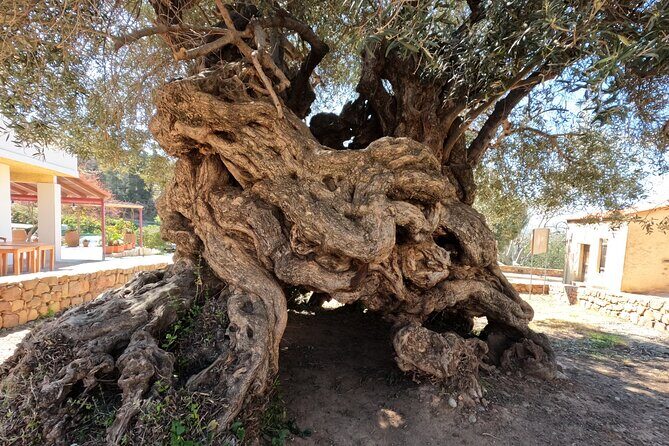
- Vouves ancient olive tree is a short, memorable stretch under a canopy over 3,000 years old
- Anoskeli Winery and Olive Mill includes a guided production walk plus tasting
- Frosini’s Garden is a classic wood-fired taverna stop, but lunch costs extra
- Michial (from recent feedback) gets named for being warm, helpful, and flexible
A private Chania day built around olive oil and wine
This tour is built for people who want a lot of “real Crete” without needing a car or a complicated route. You get picked up at your hotel entrance, then ride in an air-conditioned vehicle with WiFi on board. It’s designed as a private tour, so only your group participates, and it caps at up to 3 people. That matters because the pacing can be more relaxed, and the guide can tailor answers as you go.
The timing is also practical. Expect 6 to 8 hours total, with travel time already included. The stops themselves are short and focused—45 minutes here, 30 minutes there—so you’ll see more than one highlight without burning your whole day.
Value-wise, admissions are handled for the main cultural and food stops. You’re not paying extra at the door for the monastery or the ancient olive tree site. And at the winery/olive mill, the tour and tasting are included as well, so that’s one less “where’s the cost?” moment later.
You can also read our reviews of more wine tours in Chania
Odigitria Gonia Monastery: Byzantine frescoes and quiet power
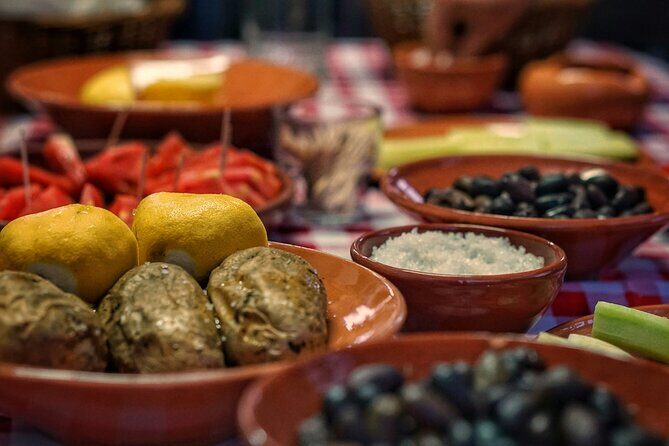
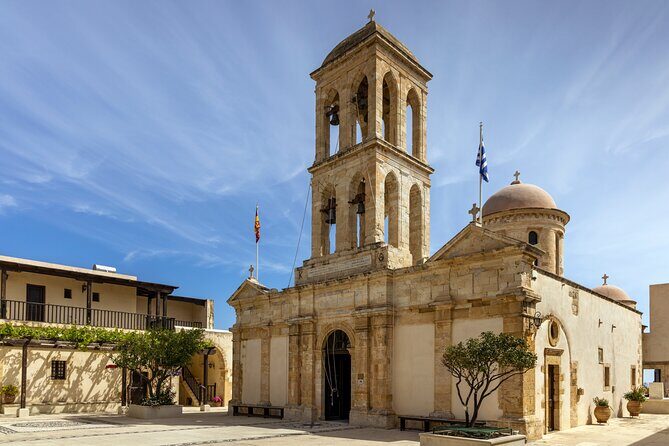
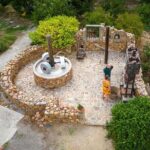
Your first stop is the Monastery of Gonia, and it sets the tone. This is described as a 9th-century site, with Byzantine frescoes and sacred relics. If you like places where the setting feels still and the stories feel rooted, this is the part that gives the whole day meaning.
You’ll have about 45 minutes here, plus admission is included. That’s enough time to get oriented, look closely at the frescoes, and absorb what the guide explains without rushing.
What I like about starting here is the way it frames everything else. When you move from monastery to olive groves to a winery, you start to see how deeply olives and wine are woven into Cretan life—spiritual life in one place, food and farming in others.
Practical tips:
- Give yourself a little patience at the beginning. Monasteries reward calm attention more than speed.
- Bring a camera-ready mindset. Frescoes and interior details are easy to miss if you treat it like a quick photo stop.
- Since the visit is included and time is set, you can just follow the guide’s flow instead of trying to coordinate tickets and navigation.
Vouves Olive Tree Museum: meeting a living monument
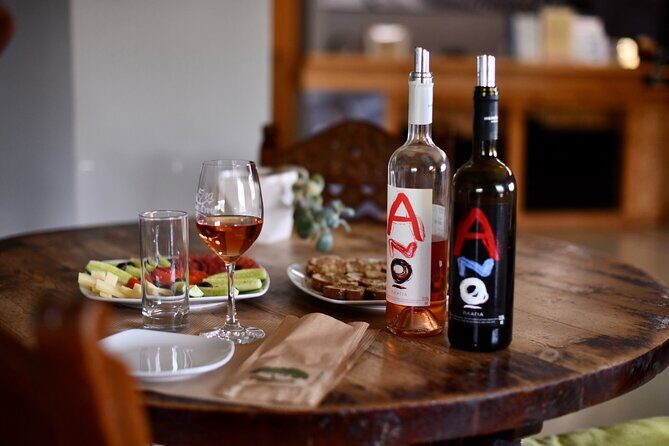
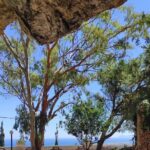
Next comes the village of Vouves and its famous ancient olive tree. The highlight here is the age: the tree’s branches have been standing for over 3,000 years. That number is almost too big to feel real—until you’re there and can see how the tree dominates the space.
You’ll spend about 30 minutes at the Olive Tree Museum. The visit focuses on a walk beneath the broad canopy and an explanation of why this olive tree matters culturally. In Cretan tradition, it’s tied to longevity, fertility, and prosperity. Even if you know nothing about olive history, the guide’s context makes it land.
This is also a good stop for photos, shade breaks, and people who want something “hands-on” but not exhausting. You’re not asked to hike. You just get to linger in a place that feels timeless.
A small consideration: 30 minutes is quick. If you’re the type who likes long, slow wandering, plan to focus your energy—pick a few angles, then spend the rest time soaking in the calm.
Anoskeli Winery and Olive Mill: where tasting makes sense
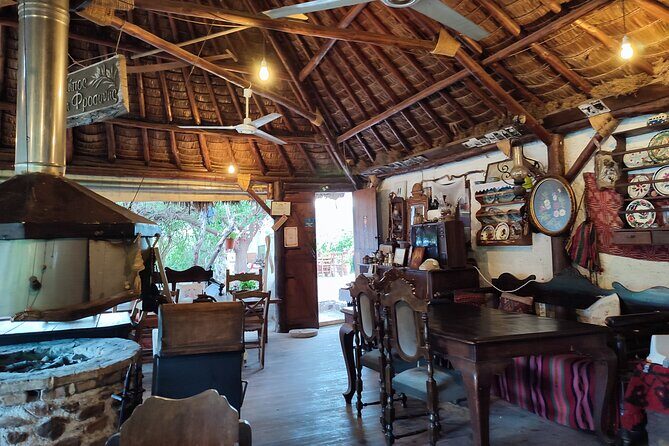
Then the day shifts from trees to production. At Anoskeli Winery and Olive Mill, you’re not just dropping by for a drink. You get a guided look at how the operation works—starting with production facilities and an explanation of the artistry behind the olive oil.
You’ll have about 1 hour 30 minutes here, and admission is included. That longer window is the difference between a casual stop and something that actually teaches you what you’re tasting.
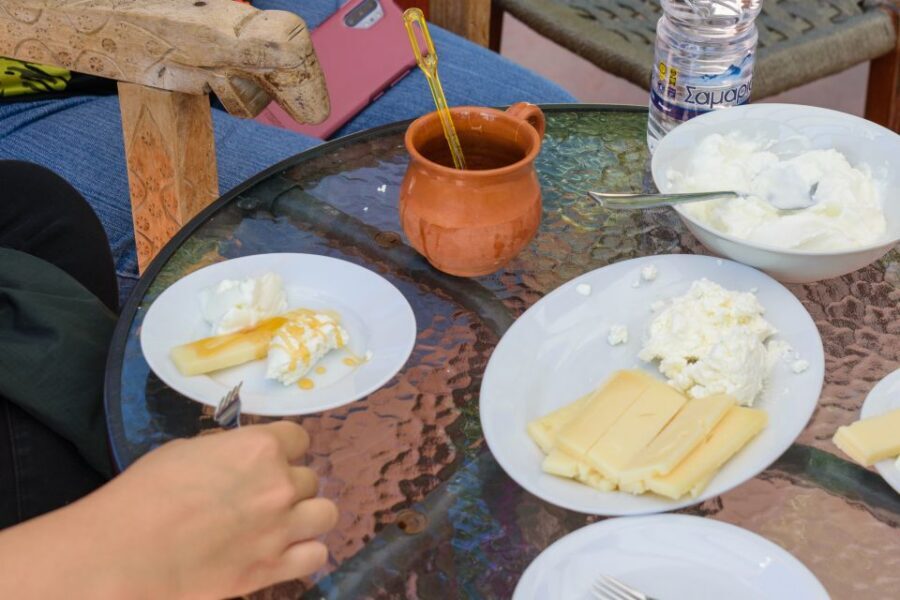
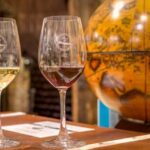
The tasting is described as bespoke, which usually means you’ll be offered a selection designed to connect flavors rather than just dumping a standard flight. You’ll sample premium wines made from indigenous grape varieties, and you’ll also taste extra virgin olive oils produced on site.
I like this pairing because it removes the mystery. People often think wine and olive oil are separate hobbies. Here, they’re treated like two parts of one local food system: grapes for wine, olives for oil, all tied to the same land and traditions.
If you’re food-motivated, this is the stop that can change how you shop later. You’ll likely come away with clearer ideas about what you want in a bottle or a bottle of oil—more than you would after a quick tasting at a busy tourist counter.
Frosini’s Garden: a wood-fired taverna stop (lunch not included)
The final cultural-food beat is Frosini’s Garden. This is where the day turns into comfort food, served at a traditional Cretan taverna using wood fire cooking.
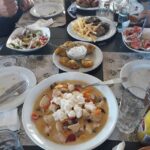
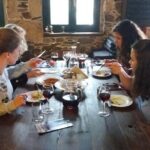
You’ll have about 2 hours at this stop. What’s described is the kind of slow, patient cooking that makes you understand why people plan meals around it. Expect dishes like tender lamp roasted on a spit, vegetable stew simmered in clay pots, and freshly baked bread drizzled with local olive oil.
One key detail: admission is not included for this stop, meaning lunch isn’t part of the package. So you’ll need to budget for what you order. The good news is you’ll have time—two hours is enough to eat without feeling like you’re on a timer.
How to make this worth it:
- Decide early whether you want a full meal or a lighter order. The wood-fired items can be hearty.
- Ask for recommendations if the menu feels hard to read. This is exactly where local guidance helps.
- If you’re sensitive to timing, remember you’ve already had tastings at the winery. Pace your ordering so you don’t feel overfull before the ride back.
Price and logistics: what $512 per group really buys
The price is $512.02 per group, for up to 3 people. That pricing makes the biggest difference compared to per-person tours: splitting the group cost can bring the day into a more reasonable range.
What’s included matters here:
- Private transportation in an air-conditioned vehicle
- WiFi on board
- Admission fees for the Monastery of Gonia and the ancient olive tree museum
- Winery/olive mill tour and tasting (including a variety of platters)
- The option of a complimentary baby seat on request
What’s not included:
- Lunch at Frosini’s Garden
So you’re paying for a day where several “extra” costs are handled upfront. If you tried to recreate this yourself, you’d quickly find that transport plus multiple paid entrances plus a winery tasting can add up fast, and coordinating it all with limited time is its own headache.
The other logistics that help the value: travel time is already included, and you get pickup from the hotel entrance where the driver holds a sign with the company name. That removes a common stress point—finding the right car, at the right time, in a busy area.
Pace, weather, and who this tour suits
This is a structured day, not a wander-at-your-own-pace free-for-all. With fixed stop durations (45 minutes, 30 minutes, 1.5 hours, then 2 hours), it’s built for momentum. If you’re the type who likes to stare at details for long stretches, you might feel the time limits at the monastery and olive tree.
Weather is another practical factor. The tour needs good weather. If conditions aren’t right, it may be canceled with an option to move to a different date or get a full refund.
Who it’s perfect for:
- First-time visitors to Chania who want a condensed “Cretan themes” day
- People who love olive oil and wine and want tasting connected to place
- Couples or small groups who prefer a private day with a guide, not a large bus
Who should think twice:
- Anyone who refuses tasting and wants only one type of stop. This day is balanced, not single-topic.
- Folks who want lunch fully included. You’ll have to pay at Frosini’s Garden.
Good news for many visitors: most travelers can participate, and the tour allows service animals. If you need a baby seat, you can request one.
A day that feels guided, not rushed

One of the strongest signals from recent feedback is the guide experience. The name Michial came up in reviews as wonderful, with flexibility that made the day feel smooth. That’s exactly what you want on a private itinerary: not just facts, but a guide who can adjust if your group moves slower, asks extra questions, or needs a quick reset.
Since the stops are varied—monastery to olive grove site to winery to taverna—the guide’s role is to tie it together. You’ll get more out of the day if you ask questions as you go, especially at the winery, where the production context can turn a tasting from a fun activity into a real understanding of what you’re drinking.
Should you book this Wine, Dine & Divine day?
I’d book it if you want an efficient, high-yield Cretan day where admissions and tastings are included, and where the route tells a clear story: spirituality, ancient agriculture, then food and wine you can taste.
Skip it or rethink it if lunch must be included in the package price, or if you dislike tours with set stop durations. Also, keep an eye on the weather—this one depends on it.
If your goal is a small-group day that’s equal parts peaceful and delicious, this is a strong pick.
FAQ
How long is the tour?
The experience runs about 6 to 8 hours total, including travel time.
How many people are on the tour?
It’s a private tour/activity, and your group only participates. The group size is up to 3 people.
Is pickup available in Chania?
Yes. Pickup is offered at the hotel entrance, and the driver holds a sign with the company name.
Is lunch included?
No. Lunch at Frosini’s Garden is not included.
What does the tour include for admissions and tastings?
Admission fees are included for the Monastery of Gonia and the ancient olive tree/museum. The winery/olive mill tour and tasting are also included.
What language is the tour offered in?
The tour is offered in English.
What happens if the weather is bad?
This experience requires good weather. If it’s canceled due to poor weather, you’ll be offered a different date or a full refund.
FAQ
How fast will I get confirmation after booking?
You’ll receive confirmation within 48 hours of booking, subject to availability.