REVIEW · CHANIA
From Chania: Samaria Gorge with Professional Hiking Guide
Book on GetYourGuide →Operated by TourMaster · Bookable on GetYourGuide
This is a long day with a big payoff. You’ll hike Samaria Gorge with a pro guide, then earn your swim at Agia Roumeli.
I like how the logistics are handled for you, especially the smooth coach ride and the coordinated pacing. I also like that you’re not just walking through scenery—you’re moving through a real protected area of Samaria National Park.
One drawback to clock up front: it’s mostly downhill, rocky, and demanding on knees, and the total day runs about 14 hours.
In This Review
- Key things that make this trip work
- Samaria Gorge From Chania: Why This Is More Than a Walk
- Price and Logistics: What You Pay Now vs. Later
- Coach Time to Omalos: The Early-Start Reality
- Entering the Gorge: Iron Gates, Cliff Walls, and Kri-Kri Moments
- How the Hike Actually Feels: Downhill Stamina and Footing Skills
- Halfway Safety Net and Trail Facilities You Should Know
- Agia Roumeli: The Swim Stop That Makes the Suffering Worth It
- Sougia Boat Ride: A Scenic Coast Reset Before the Return
- What to Pack for Samaria: Simple Gear That Prevents Bad Decisions
- Who This Tour Suits (and Who Should Skip It)
- Should You Book This Samaria Gorge Guided Hike?
- FAQ
- How long is the hike inside Samaria Gorge?
- What time commitment should I plan for from Chania?
- Are the gorge entrance fee and boat fare included in the price?
- Where does the trip end, and how do I get back to Chania?
- Do I need specific shoes?
- Can I swim at the end of the hike?
- Is the schedule fixed if weather is bad?
Key things that make this trip work
- Professional guidance means clear instructions, group coordination, and safety awareness along the way
- Purpose-built transport from many Chania pickup points saves you from sorting vans, transfers, and timing
- The gorge is the main event: dramatic cliffs, narrow sections like the Iron Gates, and chances to spot the rare Kri-Kri goat
- Agia Roumeli rewards your legs with free time, swimming in the Libyan Sea, and optional lunch at local taverna spots
- A scenic boat return along the southern coastline adds a breather before the final coach ride
- Food-and-fuel reality: bring snacks and expect the cash costs for entrance and boat fare
Samaria Gorge From Chania: Why This Is More Than a Walk
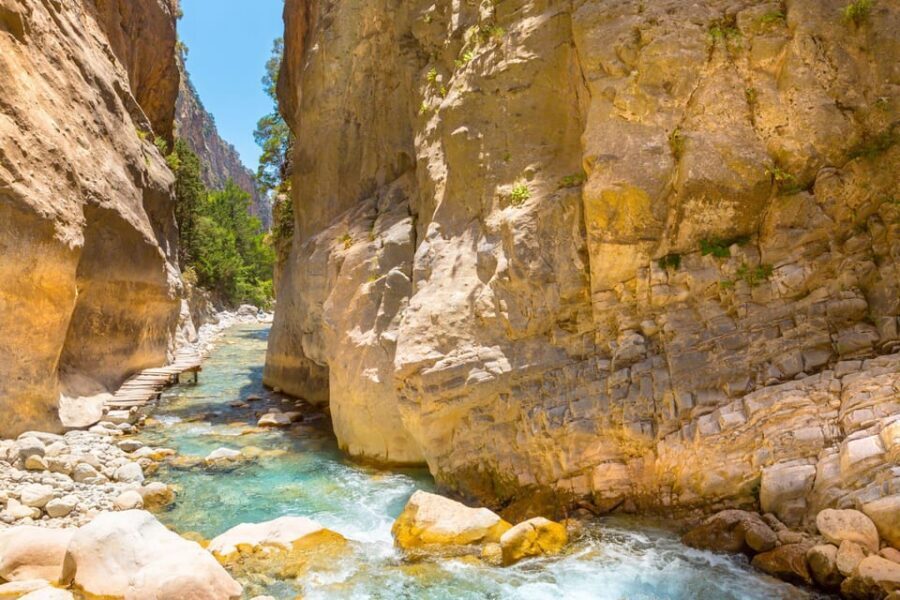
Samaria Gorge is one of those places that feels bigger than the map, mostly because the route is steep, stony, and dramatic from the first long descent. This guided version matters because it turns a complicated logistics puzzle into one organized day: coach to the start area, guide-led hike through the gorge, then sea time and a boat ride back partway along the coast.
I like that the trip is set up as an experience, not a test of self-sufficiency. You’re hiking the gorge on your feet, but you’re also getting the structure that lets you focus on the view, the footing, and the timing of water breaks and exits.
You can also read our reviews of more guided tours in Chania
Price and Logistics: What You Pay Now vs. Later
The advertised price is about $37 per person, and that covers the big-ticket “getting there and managing it” parts: pickup/drop-off from selected Chania locations, an air-conditioned coach, a professional hiking guide, and full liability insurance.
Two costs are paid locally in cash on the day:
- Entrance fee to the gorge: €10 per adult (and €5 per child)
- Boat fare: €14 per adult (and €7 per child)
Lunch and drinks are not included, and honestly, you’ll want your energy for the hike, so plan to spend a little on food at Agia Roumeli if you didn’t pack enough.
Value check: for Samaria, the main value of joining a tour is that you’re not trying to coordinate the bus timing plus the ferry timing plus the shoe-and-water reality on your own. You pay for the smooth chain of handoffs—start, trail, swim, boat, return.
Coach Time to Omalos: The Early-Start Reality
Pickup happens from a wide net of places around Chania, so you’re less likely to have to fight for a meeting point. Then the coach heads to the White Mountains region, with about 1.5 hours of drive time.
Once you reach the Omalos area, you get a short breakfast stop (about 30 minutes) before the main descent begins. Here’s the part people forget: in the morning the air can be cold even in shoulder season. Bring a light jacket—some hikers have described starts around 6°C in October—and you’ll be thankful once you start moving but before you’re warmed up.
Also note this is a long day. Even if you’re not slow, you’re doing a 5–7 hour hike plus transfers. Build your schedule around it, not on top of it.
Entering the Gorge: Iron Gates, Cliff Walls, and Kri-Kri Moments
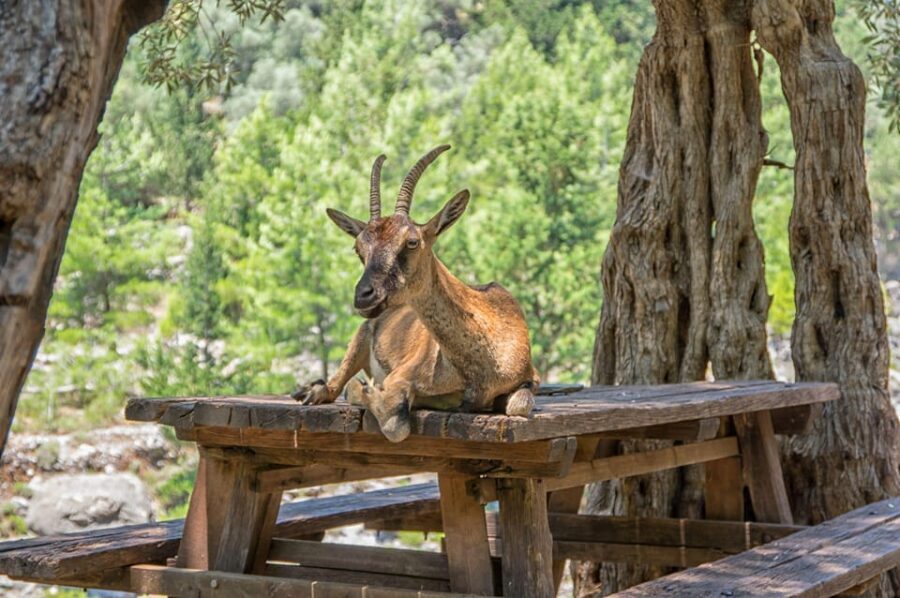
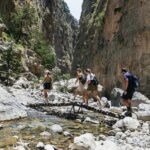
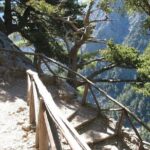
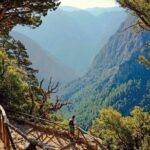
The heart of the day is the 16 km descent (about 5–7 hours hiking time), mostly downhill. The terrain is rocky and uneven, so “downhill” doesn’t mean “easy.” Your legs will feel it, especially your knees and ankles.
On the route, you’ll pass through:
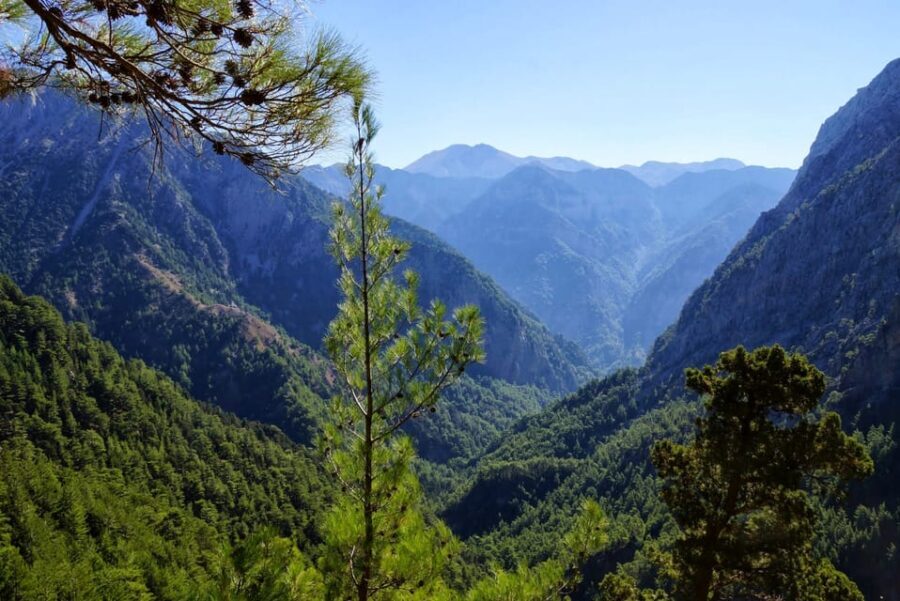
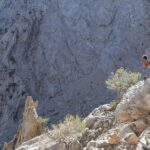
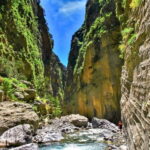
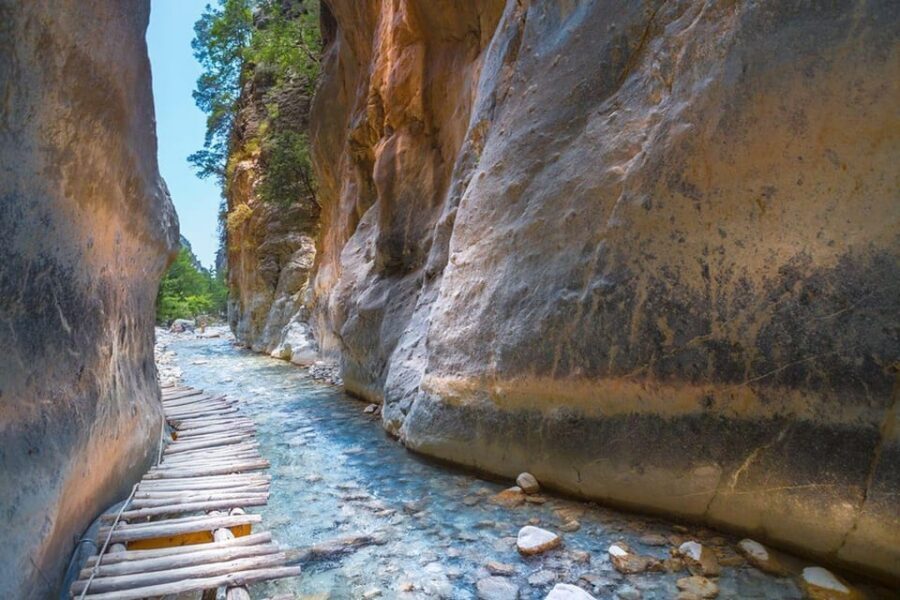
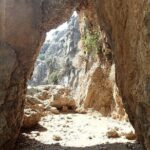
- Tall cliff walls and dramatic narrow sections like the Iron Gates
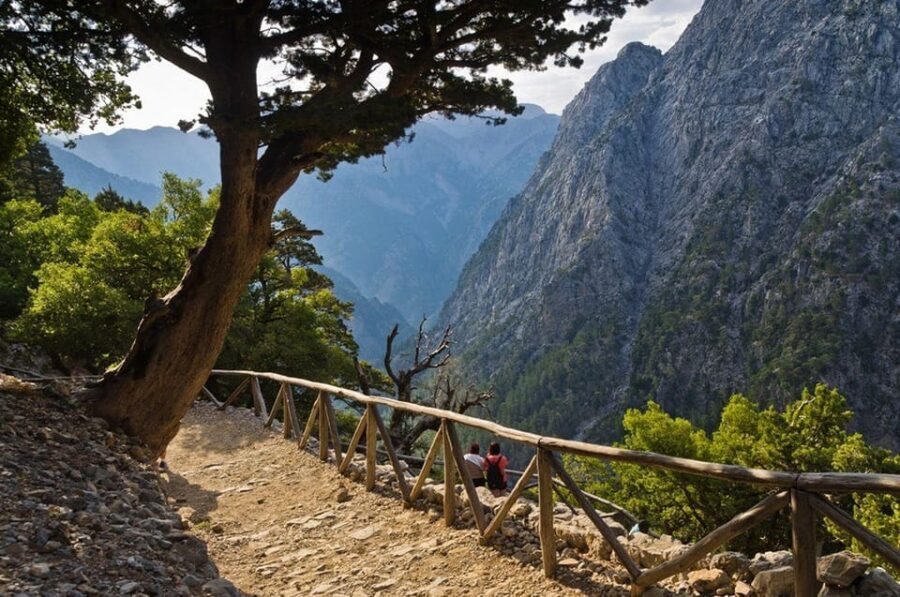
- Shaded stretches through pine forest
- Spring water stops where you can refill
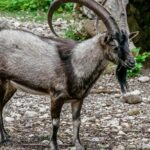
- The possibility of seeing Kri-Kri, the rare Cretan wild goat, in the protected landscape
The tour’s biggest win here is the guide factor. A professional guide helps keep you safer on uneven ground, keeps you on track for the boat timing, and gives context so you’re not just walking through a canyon—you’re walking through a living national park.
One more important rule set: inside the gorge you’re expected to keep noise down (radios and singing are prohibited), avoid littering, and follow the smoking restrictions (only at rest points). This is part of how the trail stays respectful and workable during high season.
How the Hike Actually Feels: Downhill Stamina and Footing Skills
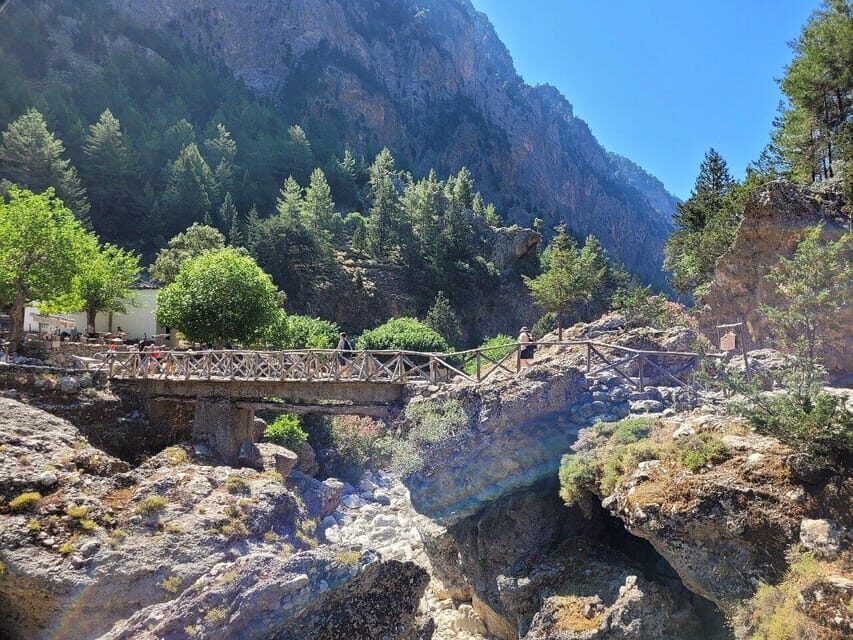
I’d describe Samaria’s difficulty as technical-downhill rather than “only distance.” You’re walking a lot of uneven stone and sliding surfaces. Even fit hikers often find that the later sections are where the stress shows up first in toes, ankles, and knees.
A few practical points that make a difference:
- Wear good hiking shoes with grip. This is mandatory for a reason.
- Expect parts to be slippery, so plant your foot deliberately rather than rushing through.
- Consider trekking poles if you have them. Some people have mentioned poles being available to rent on site. Poles can take pressure off your legs and help with balance.
Pacing is also built into the experience. The guide stays behind slower hikers, which helps you avoid the classic problem: getting separated and panicking. You also get a chance to take breaks at natural water points, but don’t treat the breaks like a full reset. You’re still working all day.
You can also read our reviews of more hiking tours in Chania
Halfway Safety Net and Trail Facilities You Should Know
The gorge is wild, but it’s not unmanaged. There’s a halfway village area with an emergency phone, a pharmacy, and two mules for injured hikers. That’s a big comfort detail because it tells you help isn’t just theoretical.
You’ll also find toilets at key locations:
- At the entrance
- At the end-of-trail / village area
- In Agia Roumeli after you finish the hike
Water is a recurring theme. You’re advised to bring at least 1.5 liters of water and you can refill at springs/refill points along the route. Still, I strongly suggest you carry more than you think you’ll need and sip consistently.
Agia Roumeli: The Swim Stop That Makes the Suffering Worth It
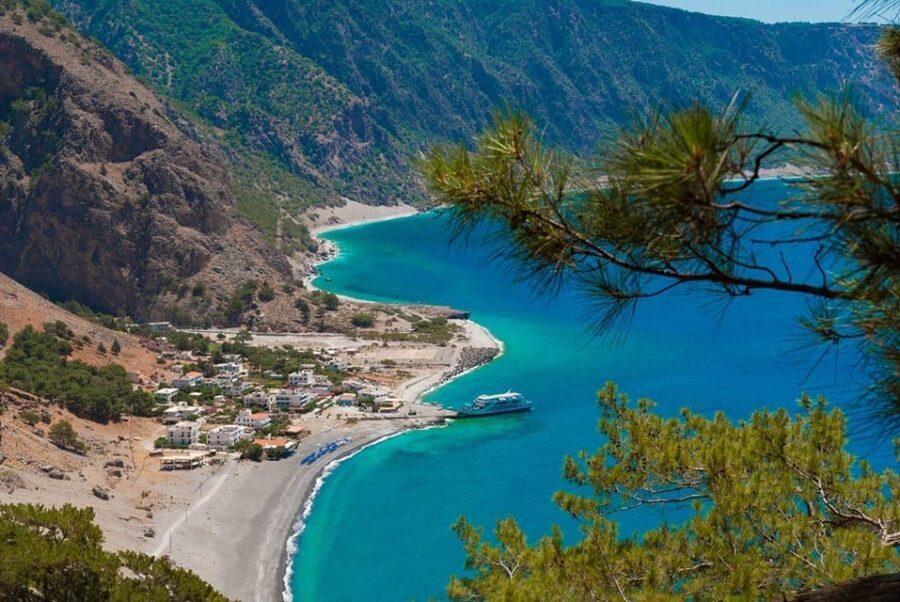
When you reach Agia Roumeli, the vibe changes fast. This is where the tour shifts from “work” to “reward.” You’ll get a long window of free time (about 2.5 hours) to relax and take advantage of the sea.
What you can do here:
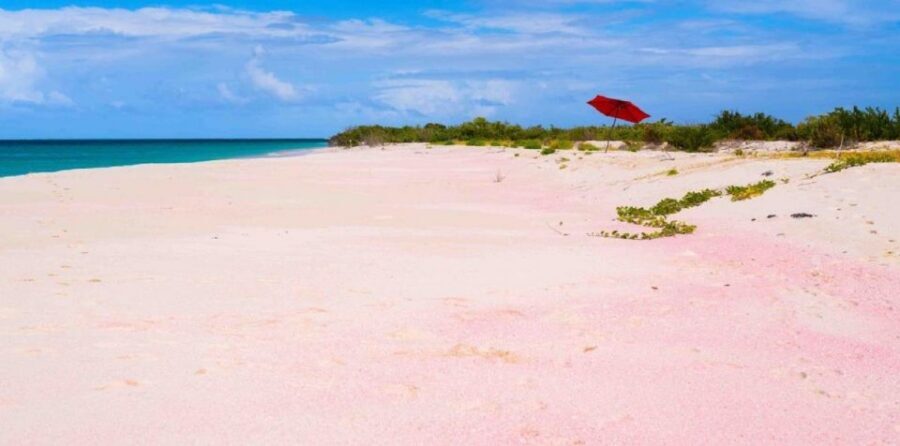
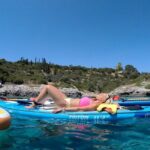
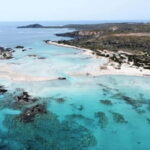
- Swim in the Libyan Sea (crystal-clear water is the idea)
- Have lunch at a local taverna if you want it
- Simply recover—this is a legs-first trip, so you’ll feel it
This is also a smart time to manage the little logistics that matter: rinse off sand, change into dry clothes, and decide whether you need extra food before the later boat and coach rides.
One note: even though you’re done with the gorge, you’re still not done with the day. You’ll likely feel the earlier downhill in your body as you wait for the boat connection.
Sougia Boat Ride: A Scenic Coast Reset Before the Return
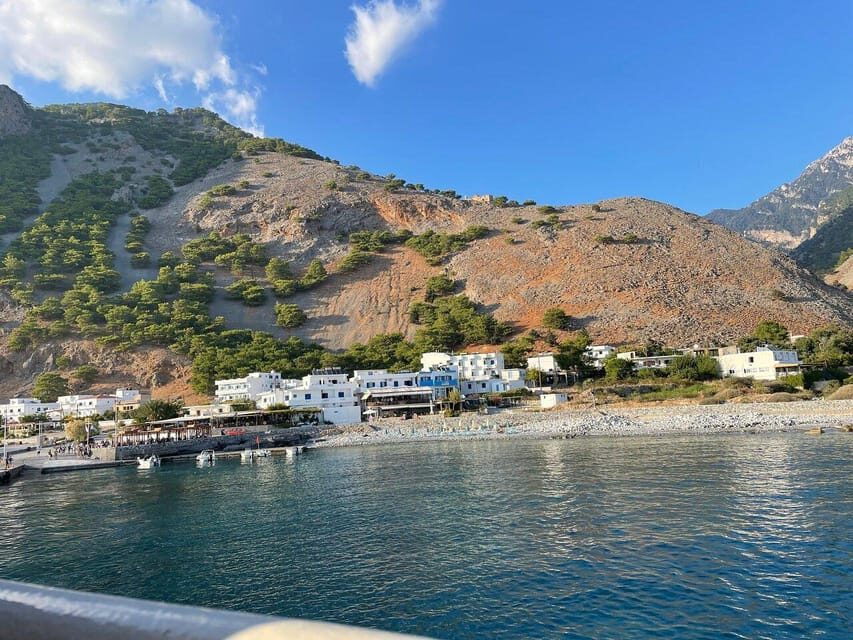
After Agia Roumeli, you’ll take a scenic boat ride along Crete’s southern coastline to Sougia. The point of this part isn’t just pretty views. It’s also physical recovery. If hiking has turned your calves into stiff springs, the boat gives you a chance to sit, breathe, and let your body cool down.
Once you arrive in Sougia, the coach is waiting to transfer you back to Chania. Expect about 1.5 hours of coach time (plus additional transfer time depending on the route back to your specific drop-off).
Weather matters too: for safety reasons, the itinerary and boat schedule may change depending on conditions. This is worth keeping in mind because it can affect your exact timing back.
What to Pack for Samaria: Simple Gear That Prevents Bad Decisions
If you do one thing right, do your footwear. The tour lists hiking shoes as mandatory, and that’s not marketing language. Rocky downhill + warm sun + uneven footing is a rough combo for low-grip shoes.
Bring:
- Hiking shoes (the real deal)
- Sun hat and sunscreen
- Reusable water bottle (refill at springs)
- At least 1.5 liters of water to start
- Light snacks (you’ll want quick fuel during breaks)
- Swimsuit and towel for Agia Roumeli
- Light jacket for early morning cool air
Also bring your ID/passport. Entrance and ticketing are cash-based locally, so having everything ready helps avoid stress at the last second.
Who This Tour Suits (and Who Should Skip It)
This is an adventurous hike. It’s mostly downhill, rocky, and uneven, so it isn’t the right fit if your knees or mobility are a concern.
The tour is not recommended if you have:
- Knee, heart, or pulmonary issues
- Vertigo
- Pregnancy
- Mobility impairments or wheelchair use
- Altitude sickness concerns
- People over 80 years
It also makes the most sense for hikers who are comfortable walking for hours on uneven stone and can handle a long day with early pickup.
If you like nature with structure—someone keeping you safe, fed, and on schedule—this kind of guided Samaria is a great match. If you prefer casual walking, this will feel like work.
Should You Book This Samaria Gorge Guided Hike?
I’d book it if you want:
- A guided, low-stress logistics setup from Chania
- The full Samaria experience: gorge descent, refill opportunities, and that sea finish
- A day planned so you can enjoy the hike without worrying about the return connection
I wouldn’t book it if:
- You need a gentle workout or a mostly flat hike
- You have knee issues or you’re not confident on rocky downhill
- You want a half-day plan. This is closer to a full-day mission, around 14 hours door-to-door.
If you’re physically up for it, you’ll likely come away feeling like you did something real in Crete—not just saw it.
FAQ
How long is the hike inside Samaria Gorge?
The hike portion lasts about 5–7 hours, covering roughly 16 km of mostly downhill terrain.
What time commitment should I plan for from Chania?
Plan for about 14 hours total including transfers, with an early pickup and a late return.
Are the gorge entrance fee and boat fare included in the price?
No. You pay them locally in cash: the gorge entrance fee and the boat fare to Sougia.
Where does the trip end, and how do I get back to Chania?
After the boat ride to Sougia, the coach transfers you back to Chania with drop-off at selected locations.
Do I need specific shoes?
Yes. Comfortable hiking shoes are mandatory, and the route is rocky and uneven.
Can I swim at the end of the hike?
Yes. At Agia Roumeli you get free time to relax and swim in the Libyan Sea.
Is the schedule fixed if weather is bad?
Not always. For safety reasons, the itinerary and boat schedule may be adjusted depending on weather conditions.