REVIEW · CHANIA
Chania Area: Food Tasting Tour with Winery Visit & Swim Stop
Book on GetYourGuide →Operated by Allcretetours · Bookable on GetYourGuide
Old olive trees taste better with lunch. This Chania-area day trip links major Cretan food makers with a real stop at the Vouves Ancient Olive Tree and hands-on explanations around honey and cheese. The result is a tour that feels like learning how Crete feeds itself, not just chasing photos.
I especially like how the tastings are built around everyday ingredients: olive oil, bread, tomatoes, cheese, olives, honey. I also like the mix of “learn” stops and recovery time, including a scheduled beach window at Nopigia. One thing to keep in mind: the long day can run hot, and the winery stop may feel more like a working production visit than a slow, boutique cellar experience.
In This Review
- Key highlights you should not miss
- Getting Started in Chania: pick-up timing and how the day flows
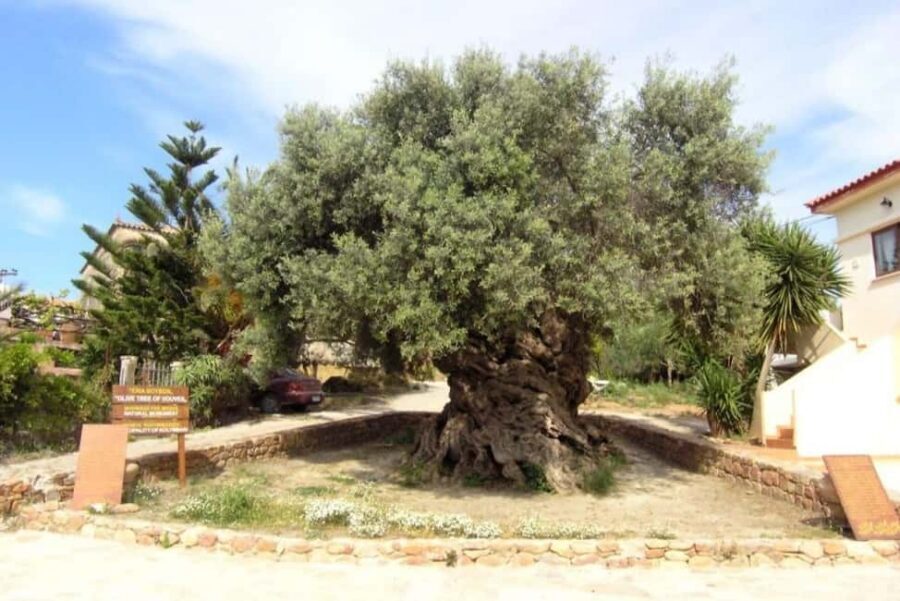
- Vouves Ancient Olive Tree: 3,000 to 5,000 years in the same shade
- Perivolakia Village: bakery, honey, and cheese in real-world context
- The wood-oven bakery stop (and why rusks matter)
- Honey and olive grove lessons: Cretan production, not bottled theory
- The cheese factory visit: what to expect if it’s production time
- The tasting plate: the point of all these stops
- Pnevmatikakis Winery in Kissamos: family-run wine lessons and pairings
- Nopigia Beach (14:00–16:00): your swim reset after tastings
- Transport, comfort, and the heat factor you can’t ignore
- Value check: what you’re really buying with this day trip
- Who this tour is best for (and who should think twice)
- What to bring: simple list for a smooth Cretan day
- Should you book this Chania tasting tour?
- FAQ
- FAQ
- How long is the tour?
- Where do I get picked up, and when?
- What’s the swim stop, and how much time do we have?
- Are sunbeds included at Nopigia Beach?
- Is the tour guide available in English?
- Can I cancel for a full refund?
Key highlights you should not miss
- Vouves Ancient Olive Tree: a natural monument, estimated 3,000–5,000 years old, still producing today
- Wood-oven bakery + traditional savouries: rusks and breads explained and tasted
- Honey + olive grove stop: watch the olive trees up close and learn honey-making practices
- Traditional cheese factory visit: see how cheese is made, with a tasting focus
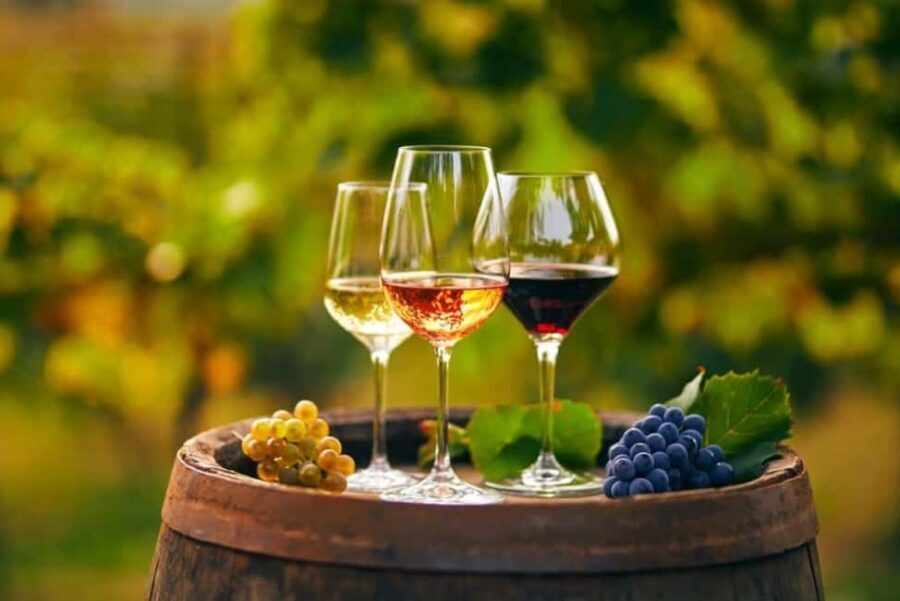
- Family-run winery in Kissamos (Pnevmatikakis): wine-making lessons plus wine tasting with local pairings
- Nopigia Beach free time (14:00–16:00): a real swim break after all the food
Getting Started in Chania: pick-up timing and how the day flows
This tour runs about 7 hours end to end. Pick-up typically happens between 08:00 and 09:20, then you’ll spend the morning moving from one food and culture stop to the next without having to drive yourself.
The pacing is classic for this style of day trip: short visits with a clear focus, followed by a longer breather at the beach. If you’re sensitive to heat, plan for a sun-and-sweat day in Crete, even with the air-conditioned coach.
On the people side, the tour is led in English, and at least one guide name you may see mentioned in groups is Linda. The vibe tends to be friendly and explanatory, not rushed.
You can also read our reviews of more food & drink experiences in Chania
Vouves Ancient Olive Tree: 3,000 to 5,000 years in the same shade
The morning starts at Vouves, at the Ancient Olive Tree. You’ll arrive around 09:45, with time on-site before moving on later in the morning.
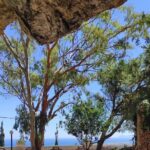
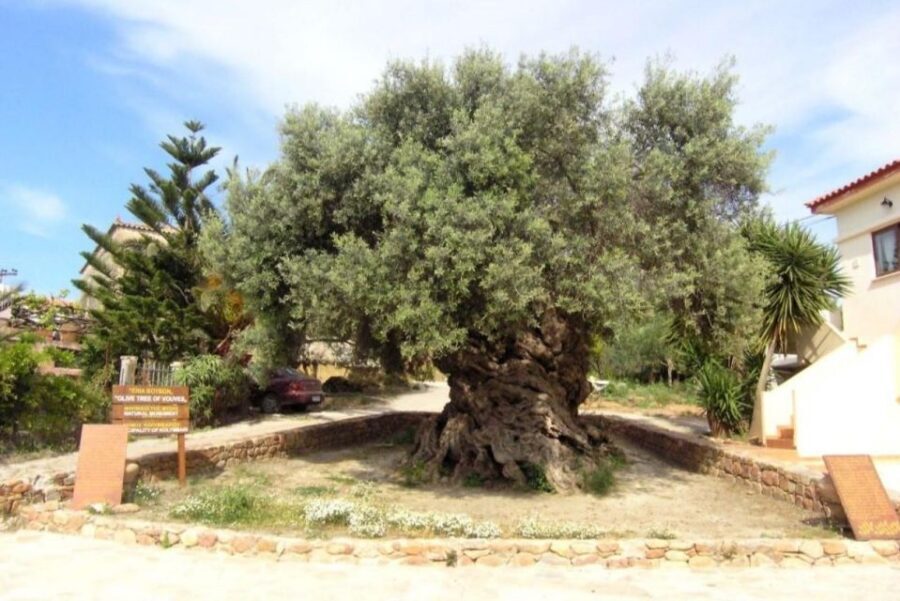
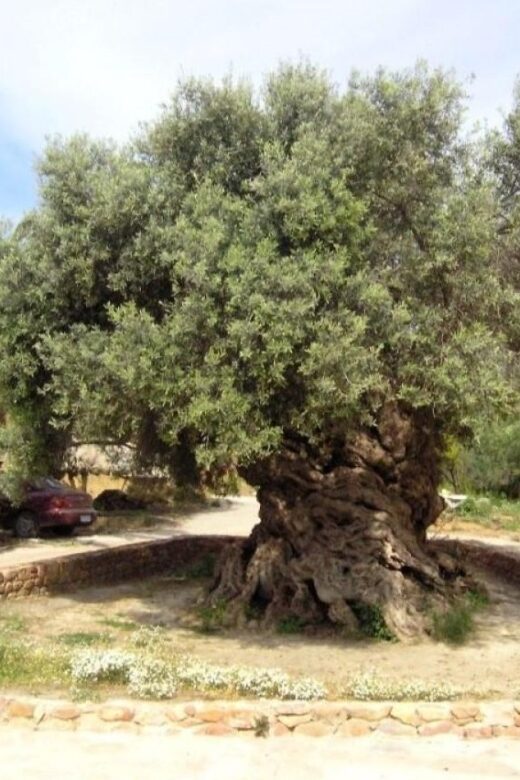
Here’s what makes this stop more than a roadside photo: it’s described as the oldest recorded olive tree in the world, and scientists can’t be 100% certain, but the estimate is between 3,000 and 5,000 years old. The tree is still alive and fructifying today.
You’ll also learn the tree’s story in a practical way. It’s said to have grown from a wild olive base and then become domesticated through the Tsounati variety. The trunk is measured in a way that feels almost unreal—about 12.5 meters in circumference and 4.6 meters in diameter—with time carving it into a shape you can’t miss.
Why I like this stop for a food tour: it explains the ingredient’s timescale. Olive oil in Crete isn’t a trendy product—it’s a backbone crop that feeds daily life.
Perivolakia Village: bakery, honey, and cheese in real-world context
After Vouves, you head to Perivolakia Village (around 10:45). This block runs until about 12:30, and it’s where the tour becomes a story about Cretan routines.
The wood-oven bakery stop (and why rusks matter)
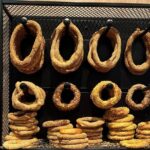
You’ll stop at a traditional bakery with a wood oven. Expect a look at how Cretan savouries are made, including rusks and bread. The key value here isn’t just eating something warm—it’s learning why these foods fit Crete’s rhythm and pantry logic.
If you’ve ever wondered how island food stays tasty for longer than a day, this is the answer you’re getting. Rusks are built for storage and steady eating, and the tour connects that to the local way of living.
Honey and olive grove lessons: Cretan production, not bottled theory
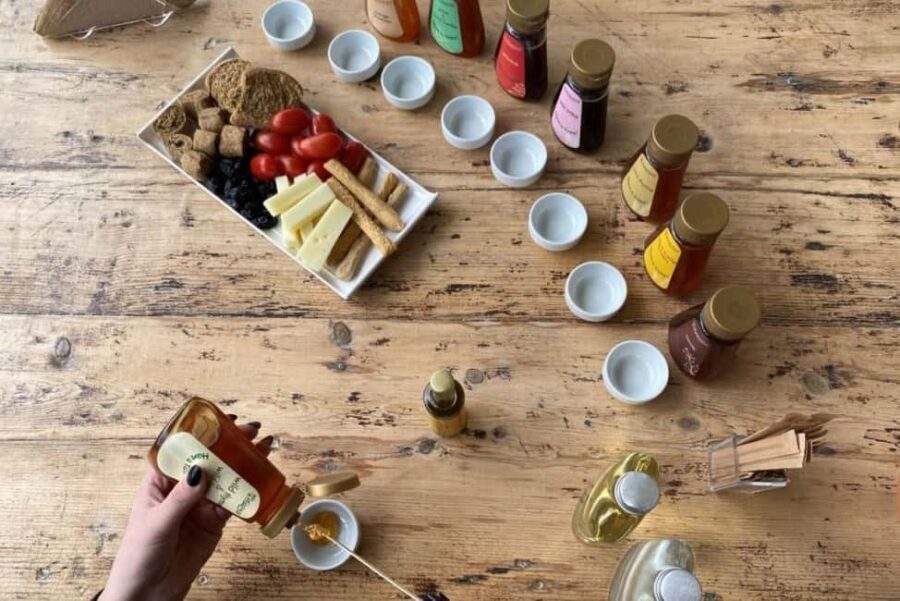
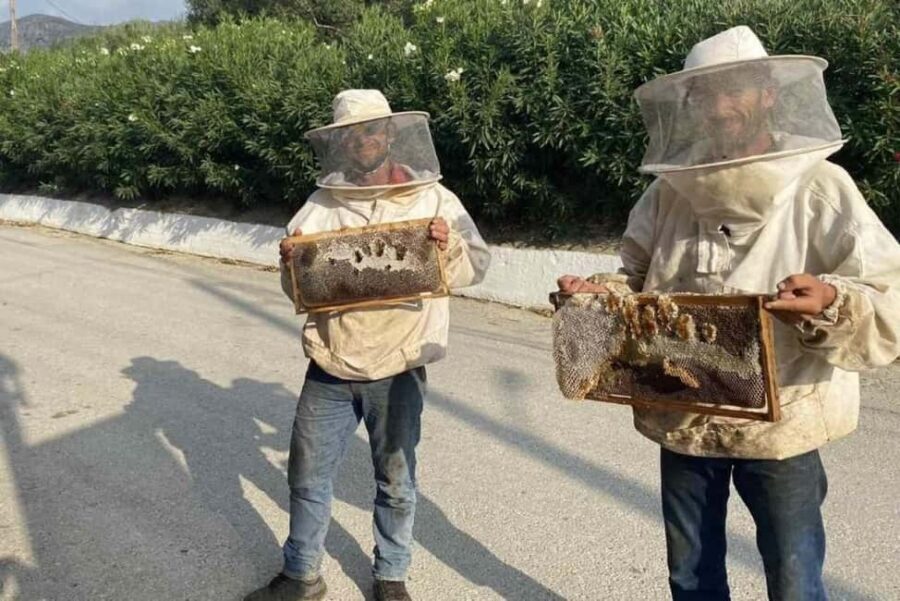
You’ll also spend time in an olive grove, where you learn about the process tied to Cretan honey. The approach is explanatory: you examine the trees and get the story of how honey-making fits into local agriculture and knowledge passed down.
You’ll taste honey as part of the package, and this part tends to be a standout. When tours get it right, this is where you feel the difference between learning and just sampling.
You can also read our reviews of more tours and experiences in Chania
The cheese factory visit: what to expect if it’s production time
Next up is a visit to a traditional multi-awarded cheese factory. If the day lands outside the exact cheese-making window, you’ll still likely enter for the viewing/talking portion. If it is the cheese-making period, the guide explains the procedure first, then you move into the tasting experience afterward.
Either way, you’ll get that crucial link between process and flavor—what changes when the timing is right, and why cheese in Crete is so tied to place.
The tasting plate: the point of all these stops
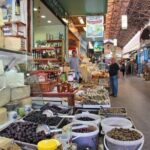
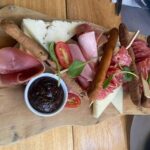
As the day builds, you’ll reach the tasting segment where you sample a traditional plate anchored by olive oil, tomatoes, olives, cheese, honey, and more. This is the payoff: all the morning ingredients get assembled into something you can actually taste as a meal.
If you like eating with purpose—rather than grazing without context—this plate is where the tour makes sense.
Pnevmatikakis Winery in Kissamos: family-run wine lessons and pairings
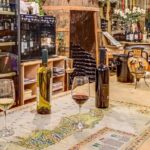
Around 12:45, you arrive at Pnevmatikakis Winery in Kissamos. You’ll learn about wine making there and then move into wine tasting.
The winery is described as family run and deeply involved in Cretan wine making over many years. That matters because you’re not just touring equipment—you’re hearing how families keep traditions going.
You’ll taste many varieties from the winery collection, and you’ll also have local delicacies paired with the wines. One practical note: because the winery is open for families, kids may get a special platter and drinks made for them.
Balanced expectation check: this portion can vary in feel. Some people are disappointed when a winery visit feels more like an active production site than a slow, specialty tasting experience. If you’re the type who cares a lot about cellar-room storytelling, you may find this stop less romantic than you hoped.
But if you want a straightforward wine lesson plus tastings alongside local foods, it’s still a useful Cretan taste marker.
Nopigia Beach (14:00–16:00): your swim reset after tastings
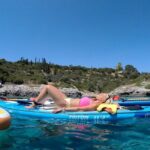
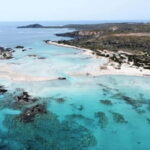
After the winery, you’ll go to Nopigia Beach for free time from 14:00 to 16:00. This is your scheduled chance to cool off and reset your appetite before the return drive.
Bring swimwear and a towel. Sun hat and sunscreen are also worth it—Crete in the middle of the day does not negotiate.
One detail to plan around: sunbeds aren’t included, so you may want cash or card ready if you want one. The core point is the swim break, not the lounge setup.
Transport, comfort, and the heat factor you can’t ignore
You ride in an air-conditioned luxury bus with full liability insurance. That’s a good baseline for a day with multiple stops, especially if you’re not renting a car.
Still, expect a bit of movement on the roads. One common complaint with this kind of route is that the ride can feel bumpy, and the A/C may not feel perfect the whole time. If you run cold easily, bring a light layer for the bus. If you run hot, bring extra water habits even if the day includes some on-site refreshment.
This is also a long-ish day for people who prefer more breathing room between stops. You’ll cover a lot, but each location is time-boxed.
Value check: what you’re really buying with this day trip
This tour bundles a few things that add up fast if you try to DIY:
- Guiding in English through several food-focused producers
- A superior tasting package tied to olive oil, bread/rusks, honey, cheese, and more
- Transportation with hotel pick-up/drop-off, so you can drink during tastings without a driver problem
- A structured plan that includes the swim stop at Nopigia Beach
That’s why it tends to work well for first-time visitors in the Chania area. You get Cretan flavors plus production stories in one day. And because the stops are local businesses (bakery, olive grove setting, cheese factory, family winery), you get the feeling of everyday work behind the food.
If you’re the kind of traveler who prefers ultra-small craft experiences and zero factory vibe, you might want to weigh the winery part more carefully. The food and the olive tree stops are the strongest “why this tour” anchors.
Who this tour is best for (and who should think twice)
This tour suits you if you want:
- A food-centered day that connects ingredients to how they’re made
- Tastings that include olive oil, bread/rusks, honey, cheese, and other local pairings
- A break built in, with swimming time at Nopigia Beach
It’s less ideal if:
- You want a long, slow winery experience with lots of quiet “cellar mood”
- You hate bumpy roads or very hot midday schedules
- You’re looking for only one kind of food focus (this day spreads across olive, honey, cheese, and wine)
What to bring: simple list for a smooth Cretan day
Use the tour’s own guidance and add common sense:
- Sunglasses, sun hat
- Swimwear and towel for Nopigia Beach
- Sunscreen and camera
- Comfortable shoes for short walks on uneven ground and village stops
Also keep your phone charged. You’ll likely want photos at the olive tree and during the beach reset.
Should you book this Chania tasting tour?
I’d book it if you want an efficient sampler of Cretan food culture with real production stops, plus a swim break built into the schedule. The Ancient Olive Tree stop is a strong anchor, and the bakery + honey + cheese sequence is the heart of the day.
I’d pause if your main goal is a boutique, cellar-only winery mood. In that case, the winery visit may feel more production-focused than you want.
FAQ
FAQ
How long is the tour?
The experience runs for about 7 hours total.
Where do I get picked up, and when?
Pick-up is from your hotel or a location close to your hotel. You’ll receive the voucher with your pick-up time and pick-up point one day before the tour via email.
What’s the swim stop, and how much time do we have?
You’ll have free time at Nopigia Beach from about 14:00 to 16:00. Bring swimwear and a towel.
Are sunbeds included at Nopigia Beach?
No. Sunbeds aren’t included.
Is the tour guide available in English?
Yes. The live tour guide speaks English.
Can I cancel for a full refund?
You can cancel up to 24 hours in advance for a full refund.