REVIEW · CHANIA
Chania Sourdough Bread Class – Olive Oil Tasting
Book on GetYourGuide →Operated by Chania Cooking Class · Bookable on GetYourGuide
Dough, fire, and olive oil in one afternoon. This Chania class blends sourdough baking with a hands-on olive grove lesson and an olive oil tasting, guided by Nikos and Alex. You’re not just watching from the sidelines; you shape your own loaf and bake it.
I love two things most: the hands-on sourdough process and the extra-virgin olive oil tasting with herbs that ties the bread to Cretan food culture. Even in a small class, it stays playful and focused on technique, not boredom.
One consideration: transportation to the class area isn’t included, and it’s about 10–15 minutes from central Chania in Nerokourou. If you’re staying farther out, plan ahead for a taxi or ask about the transfer option.
In This Review
- Quick take: what makes this Chania class special
- First taste in Nerokourou: Greek coffee, cookies, and the plan
- Mixing sourdough: what you’re actually learning
- Shaping and waiting: the rest period that turns dough into bread
- Oven time in a wood-fired world: your loaf goes in hot
- Olive grove visit: harvesting and the herbs that change everything
- Olive oil tasting with your bread: where it clicks
- Farm visit and lunch: Cretan salad, fava, and more seasonal sides
- Who runs the show: Nikos, Alex, and a lively family feel
- Price and value: is $106 fair for 4.5 hours?
- Practicalities that actually matter (and a few smart tips)
- Who should book this Chania sourdough and olive oil class?
- Should you book this Chania sourdough class?
- FAQ
- How long is the Chania sourdough and olive oil class?
- What’s included in the price?
- Is transportation to the class included?
- What languages are used during the class?
- Is the class wheelchair accessible?
- Can I get a refund if my plans change?
Quick take: what makes this Chania class special
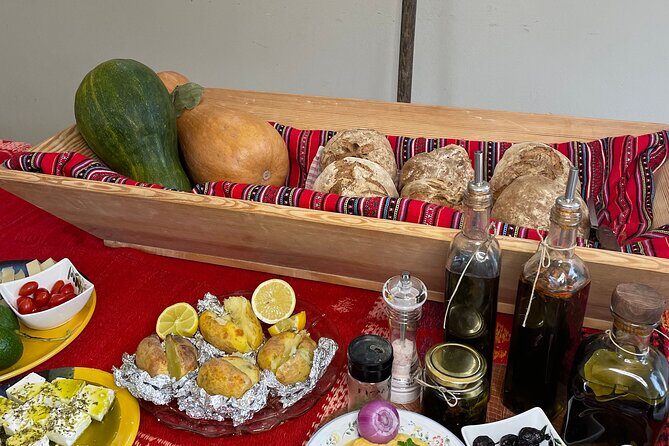
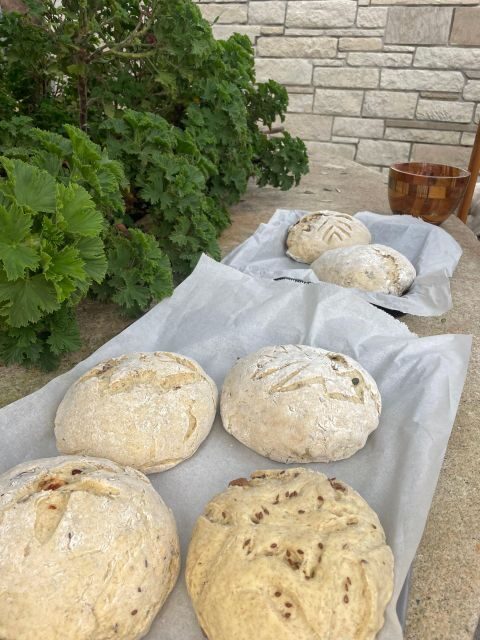
- Your own loaf in a wood-fire oven, with freedom to add mix-ins like olives, sun-dried tomato, or seeds
- Olive grove visit to learn the olive harvesting process and what goes into blending olive oil with herbs
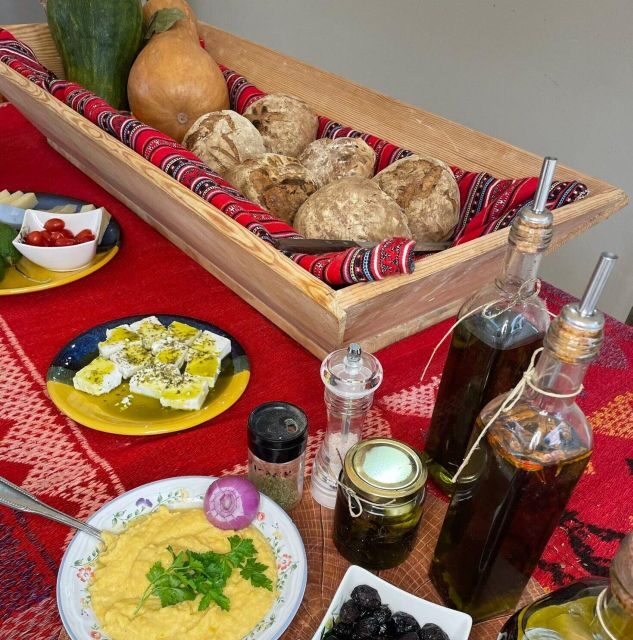
- Herb-flavoured extra-virgin olive oil tasting paired with the bread you just baked
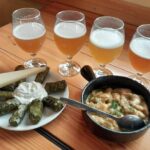
- Farm-to-table style lunch, including Cretan salad and sides such as Greek fava beans and seasonal appetizers
- Generous local wine plus a dessert at the end
First taste in Nerokourou: Greek coffee, cookies, and the plan
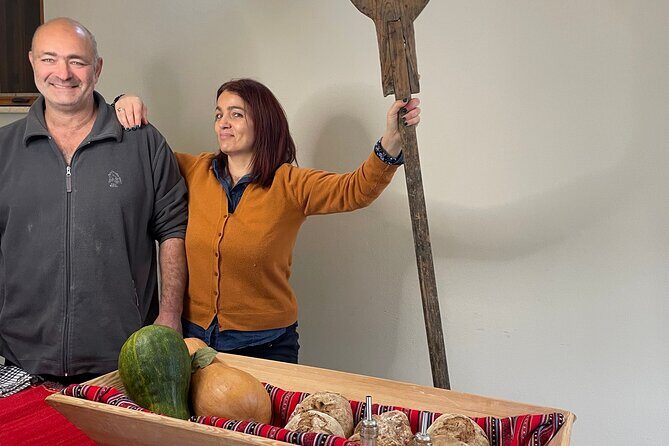
This experience starts with a warm welcome at the location near the neighborhood of Nerokourou, about 10–15 minutes from the center of Chania. You’ll begin with a homemade refreshment or Greek coffee, usually with some cookies to settle in. It’s a nice pace-setter, because the rest of the class is busy but not rushed.
Right away, Nikos (and Alex as co-host) set expectations for what you’ll do next. You get a clear picture of the sourdough steps before you touch the dough, which helps if sourdough feels intimidating. The vibe is relaxed, but the instruction is practical.
You can also read our reviews of more food & drink experiences in Chania
Mixing sourdough: what you’re actually learning
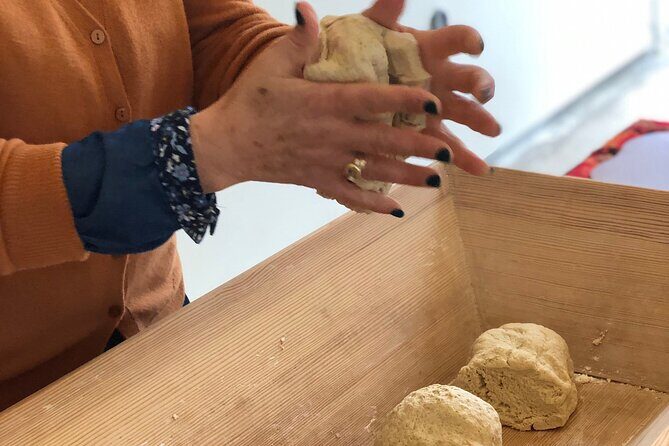
After the welcome, you’ll be guided through the sourdough bread making procedure. The first active step is mixing the ingredients to prepare the dough. This is the part where the class earns its name: you’re learning the basics of handling and forming sourdough dough, not just following a vague demo.
Once your dough is ready, each person shapes and prepares their own bread loaf. You can add extras based on your preferences, such as olives, sun-dried tomato, or seeds. That freedom matters because it turns the bread from a “class project” into something you genuinely want to eat.
Shaping and waiting: the rest period that turns dough into bread
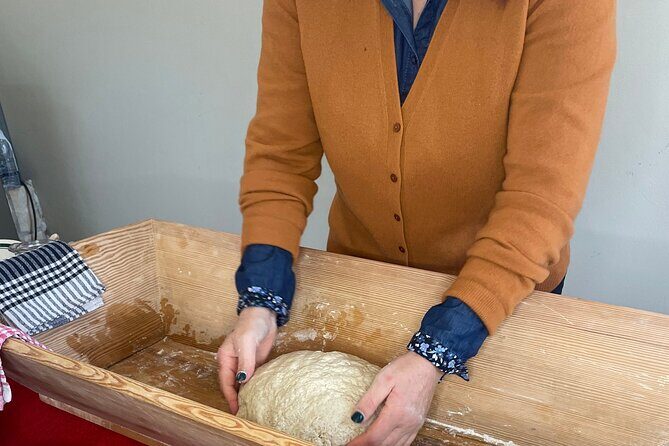
Sourdough needs time, and the class doesn’t try to cheat that. After mixing and shaping, you let the dough rest for a while before baking. This is where the itinerary smartly keeps you from sitting around with nothing to do.
Instead of killing time indoors, you head out to learn about the olive oil side of Cretan life. That means you’re not just waiting for oven time; you’re earning the meal you’re about to eat. It’s also a good reminder that bread making is a rhythm, not a single moment.
Oven time in a wood-fired world: your loaf goes in hot
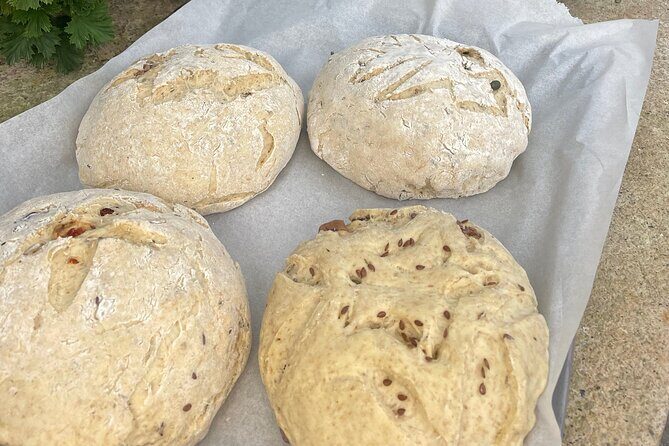
Then comes the best part: baking. Your loaves are ready, and they go into a wood-fire oven. The smell is the kind that makes it hard to concentrate on anything else, and you can count on the kitchen filling with the aroma of fresh dough and olive oil.
Because each person baked their own loaf, the payoff is personal. You don’t get handed a finished product that looks nice in photos. You get to pull your bread from the oven and see what your shaping and mix-ins created.
If you’re the sort of person who likes food with texture, you’ll probably enjoy this stage most. The oven’s heat and the time you spent forming the dough show up in the final loaf.
Olive grove visit: harvesting and the herbs that change everything
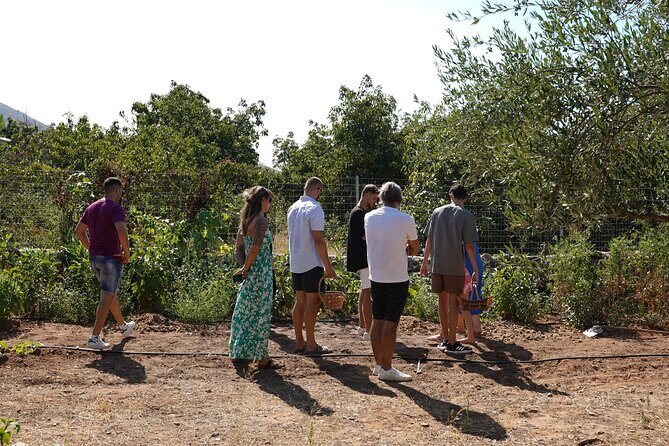
While the dough bakes, you visit an olive grove and learn about the olive oil harvesting process. You also get “the secrets” of mixing olive oil with herbs. That phrasing might sound dramatic, but the point is simple: you’re learning how Cretans turn basic ingredients into something aromatic and layered.
This olive grove stop adds real context to the rest of the meal. Instead of olive oil feeling like a bottled garnish, you get the story behind it: how harvesting works and how herbs get paired with olive oil for flavor.
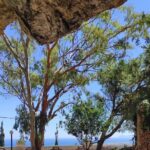
In at least one class, there’s also time to sit under older olive trees and enjoy the slower pace of the grove. That kind of setting makes the lesson feel like more than a checklist.
You can also read our reviews of more tours and experiences in Chania
Olive oil tasting with your bread: where it clicks
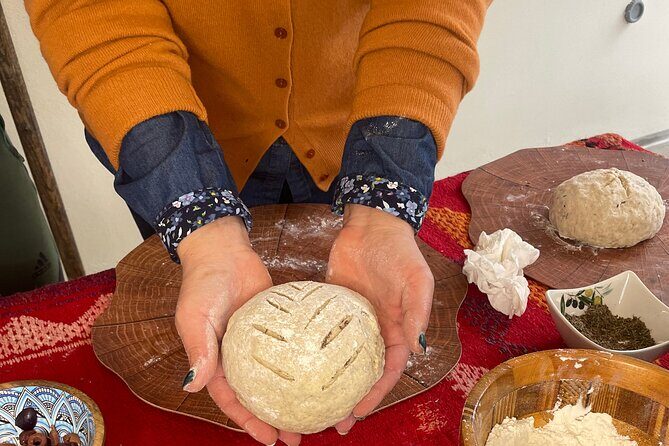
After the olive oil grove lesson, the bread-and-oil pairing finally happens. You enjoy your own unique bread loaf alongside herb-flavoured extra-virgin olive oil. This isn’t just tasting for the sake of tasting. It’s the moment when you understand why the olive oil part was scheduled before eating.
Here’s how I’d taste it if you want to get more out of the pairing: start with the olive oil on its own first, then taste a small bite of bread with a little oil. You’ll notice how the bread changes what you pick up in the oil, and how the oil makes the bread taste more alive.
This is also where you’ll appreciate the instruction tone from Nikos and Alex. They tend to explain things in a way that makes food feel like something you can repeat later, not magic you’re locked out of.
Farm visit and lunch: Cretan salad, fava, and more seasonal sides
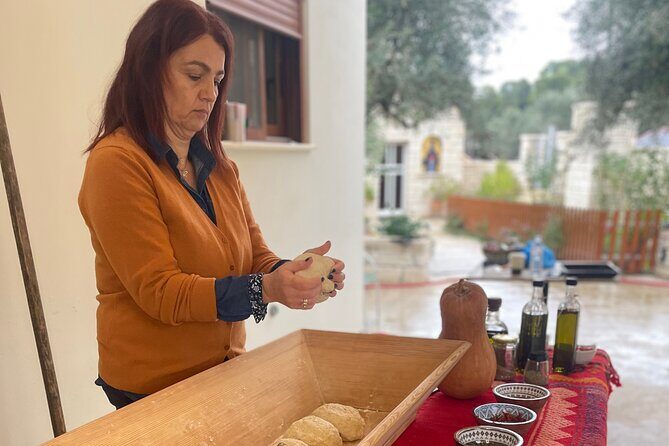
Once baking is done and you’ve made it through the olive oil portion, the class shifts into lunch. You’ll visit a farm to harvest veggies and then prepare Cretan salad and additional side dishes. That hands-on step is one of the reasons the meal feels generous without being chaotic.
Expect Cretan salad as a core dish. There are also extras like Greek fava beans and other seasonal appetizers. Some days may include sides like herbed potatoes, depending on the menu and what’s ready.
Then there’s the wine. You get copious amounts of local wine, which fits the overall structure: bake bread, learn oil, harvest and cook, then settle in for a full table. If you’re trying to stay sharp for the last dessert course, take your time with the wine. It’s easy to get chatty.
Dessert is also included. You don’t have to guess whether you’ll get something sweet at the end; something is always offered.
Who runs the show: Nikos, Alex, and a lively family feel
This is a hosted class, not a factory. Nikos and Alex guide the process, and you’ll feel the warmth in how they teach. In smaller seasons, people report having enough time for conversation and history-style storytelling, which makes the experience feel personal.
Veerna may also join near the end, adding energy as the meal wraps up and the finishing touches land on everyone’s food. That “family-style” feeling shows up most at the table, where the focus shifts from technique to sharing what you made.
If you enjoy food experiences that feel like a welcome, this format is a strong match.
Price and value: is $106 fair for 4.5 hours?
At $106 per person for about 4.5 hours, you’re paying for more than a cooking lesson. You’re paying for ingredients, equipment use (including the wood-fire oven), lunch, and generous local wine. You’re also paying for the olive grove and farm components that connect bread to olive oil to the rest of a Cretan meal.
Transportation is where you need to be realistic. The class itself is 10–15 minutes from central Chania. The experience does not include transportation to the location by default, though there is a transfer service option with an extra fee depending on where you’re staying. If you live close and can taxi easily, costs stay manageable. If you’re far out, the transfer can add to your overall budget.
Still, compared with standalone olive oil tastings or separate cooking classes, this is a bundled deal. You leave with both knowledge and a full meal experience, plus your own baked loaf.
Practicalities that actually matter (and a few smart tips)
Location matters. The cooking class is in Nerokourou, outside the center. Parking is along the fence, so it’s not one of those “good luck finding a spot” situations. If you drive, show up early enough to park without stress.
Wear comfortable shoes. You’ll spend time moving between baking and the olive grove/farm activities. You don’t need hiking gear, but you do want footwear you can walk in without thinking about it.
Bring your appetite. This is not a snack class. You’ll mix dough, bake, taste olive oil, harvest veggies, eat Cretan salad and sides, drink local wine, and finish with dessert.
And if you’re thinking of going home with sourdough: you should plan to enjoy the loaf soon after baking. The experience gives you a fresh, fragrant product at the end, so treat it like what it is.
Who should book this Chania sourdough and olive oil class?
This class is a great fit if you want a hands-on food day that feels grounded in real Cretan ingredients. It also works well if you like structured learning but hate feeling stuck in a classroom. You’ll get instruction, but you’re always doing something.
It’s especially good for:
- People who want one loaf worth of results, not just one long lesson
- Food lovers who care about where olive oil comes from, not only how it tastes
- Couples, small groups, or anyone who enjoys conversation while they cook
If you’re only after a quick bite or you dislike wine, you might find the length a stretch. The day includes a full meal and generous pours, so it’s built for lingering.
Should you book this Chania sourdough class?
If your idea of a great day in Crete includes a wood-fire oven, olive grove stories, herb-flavoured olive oil tasting, and a proper lunch with wine, I’d book it. The value comes from the full arc: dough to oven to olive oil to table.
The only real reason to hesitate is logistics. The location is not in the middle of downtown Chania, so figure out transport early. If you handle that, you’ll spend 4.5 hours learning something you can actually recreate, then eating your way through the rest of the process.
FAQ
How long is the Chania sourdough and olive oil class?
The duration is 4.5 hours.
What’s included in the price?
The experience includes everything you need for the class, the ingredients, lunch, and generous amounts of local wine.
Is transportation to the class included?
Transportation is not included. The class is located 10–15 minutes from the center of Chania in Nerokourou. A transfer service may be available for an extra fee depending on your location.
What languages are used during the class?
The instructor provides English and Greek instruction.
Is the class wheelchair accessible?
Yes, the experience is wheelchair accessible.
Can I get a refund if my plans change?
Free cancellation is available up to 24 hours in advance for a full refund.