REVIEW · CHANIA
Chania Old City Walking Tour
Book on GetYourGuide →Operated by Vamos Palace Ap/nts · Bookable on GetYourGuide
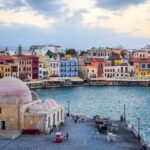
Chania’s Old City tells stories on every corner. This private 4-hour walk connects Venetian and Ottoman streets to the island’s long record of change, and you come away with a map in your head, not just photos. I like that the tour is built around monuments and the people who shaped them, from ancient foundations to later churches and mosques.
I love the way it mixes architecture with daily life. You’ll move through hidden corners of old neighborhoods and get the bigger picture for Christian, Muslim, and Jewish presence in the city, along with customs and religion that explain why Chania looks the way it does today.
One consideration: it’s still a walk. In summer, expect heat to be real, and the tour may run a bit longer if you need a break.
In This Review
- Key Highlights You’ll Notice Right Away
- Chania Old City, Built in Layers: 5,000 Years in a Few Blocks
- Neighborhoods With More Than One Faith: Walking Through Christian, Muslim, and Jewish Chania
- Venetian Mansions, Churches, Ottoman Mosques, and Hamams: What to Look For
- The Coffee Stop That Keeps the Tour Human
- A Guide Makes the Difference: George’s Style of History and Flexibility
- Price and Value for a Private Group Up to 8
- Meeting at the Agora Municipal Market: Simple, but Double-Check the Spot
- When to Go and What to Pack for Summer Heat
- Should You Book the Chania Old City Walking Tour?
- FAQ
- How long is the Chania Old City Walking Tour?
- What does the price include for a private group?
- Where do we meet for the tour?
- What is included besides the guide and coffee?
- What is not included in the tour price?
- What languages is the live guide available in?
- Is the tour suitable for people with mobility needs?
- Is this tour a good idea in summer?
Key Highlights You’ll Notice Right Away
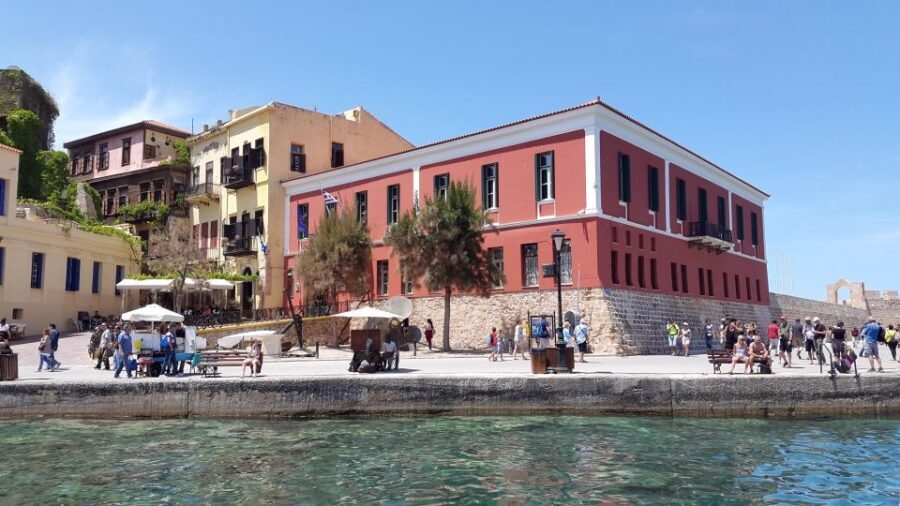
- Venetian and Ottoman monuments with clear context for how power changed the city
- A long timeline you can actually follow, from ancient through early modern
- Hidden corners and old neighborhoods you might not find on your own
- Religion and everyday customs explained in practical, human terms
- Coffee/soft drink included, so you’re not hunting immediately
Chania Old City, Built in Layers: 5,000 Years in a Few Blocks
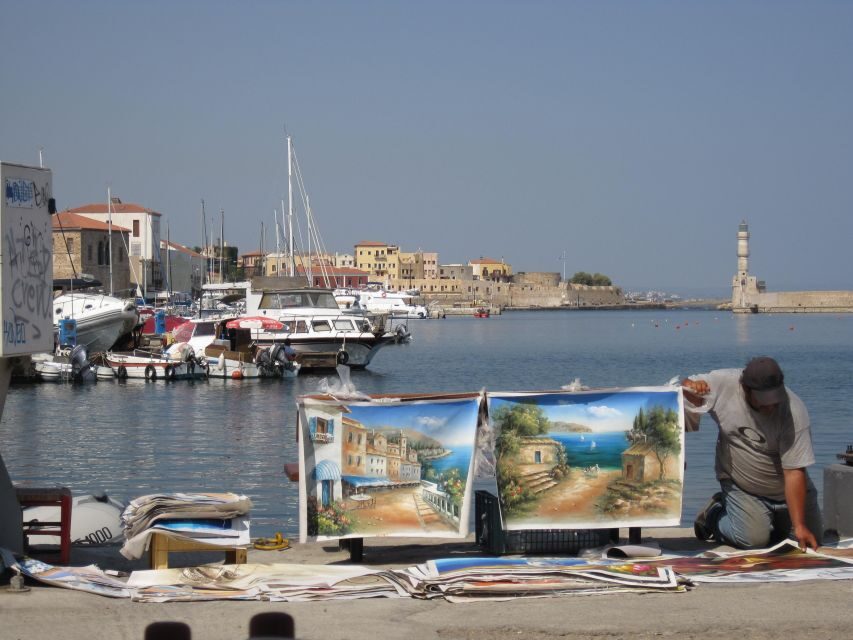
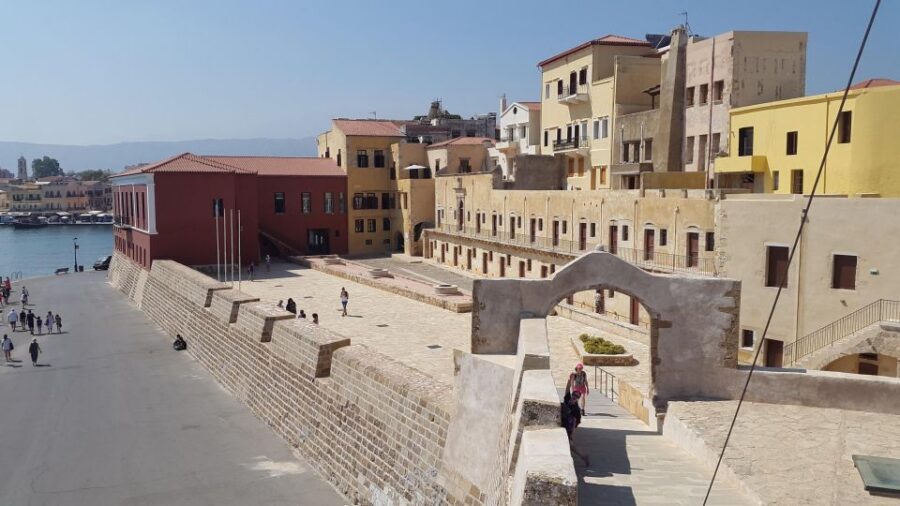
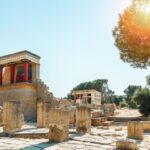
Chania can feel like one of those places where the past is still standing next to the present. That’s exactly what this tour aims to show you. Over roughly 4 hours, you’ll connect major periods you may have read about—Minoan houses and palaces, then Byzantine and Arab walls, followed by Venetian mansions and churches, and later Ottoman mosques and hamams—plus the neoclassical style you see from the early modern era.
What I appreciate for your planning is that this isn’t presented as random trivia. It’s structured as a chain of cause and effect. When you see a Venetian-style facade and then learn what the city was doing politically around that time, the details stop being decorative and start becoming evidence. Same with Ottoman religious and bathhouse architecture: you’re not just noticing forms, you’re getting the reason those buildings were important.
This “layers” approach is also a fast way to understand identity in Crete. The tour’s focus isn’t only on who ruled when—it’s on how those changes affected everyday life: social habits, religion, and customs that shaped how people built communities and used shared spaces.
You can also read our reviews of more walking tours in Chania


Neighborhoods With More Than One Faith: Walking Through Christian, Muslim, and Jewish Chania
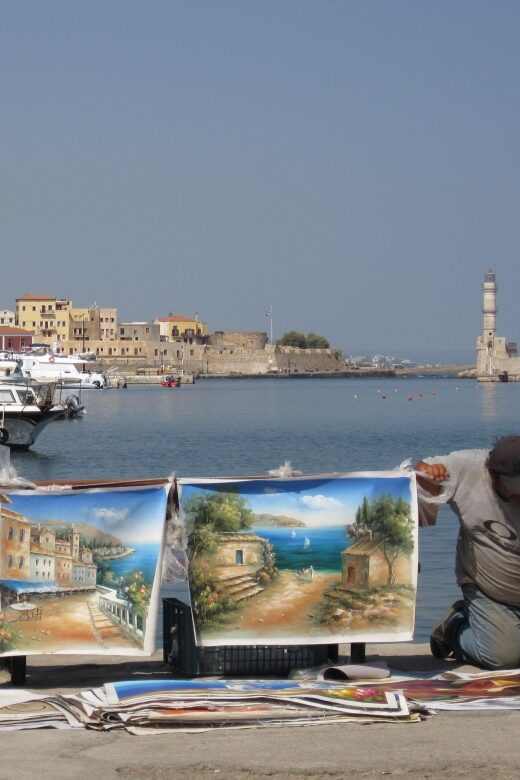
If you want Chania to feel like a living city, not a museum, pay attention to the neighborhood angle. The tour takes you through the Old City’s different quarters and helps you connect the dots between what you see and who lived there.
You’ll explore areas tied to Christian, Muslim, and Jewish heritage. That matters because religious buildings aren’t just landmarks—they act like anchors for community life. On this tour, the guide doesn’t treat faith as a sidebar. You get context for customs and everyday routines, and that makes the architecture easier to read. Even if you’re not religious yourself, you’ll understand how people organized their days around worship, festivals, and shared public spaces.
There’s also something practical here. When you learn why a neighborhood is positioned where it is, you’ll walk differently. Instead of wondering why streets twist or why one part of town looks “different,” you’ll start seeing patterns: what the city valued, what it protected, and how trade and power left physical traces.
Venetian Mansions, Churches, Ottoman Mosques, and Hamams: What to Look For
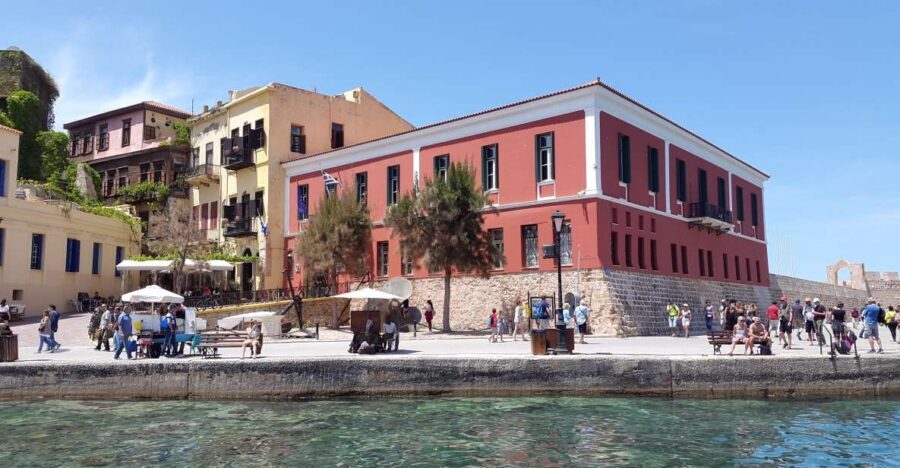
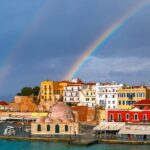
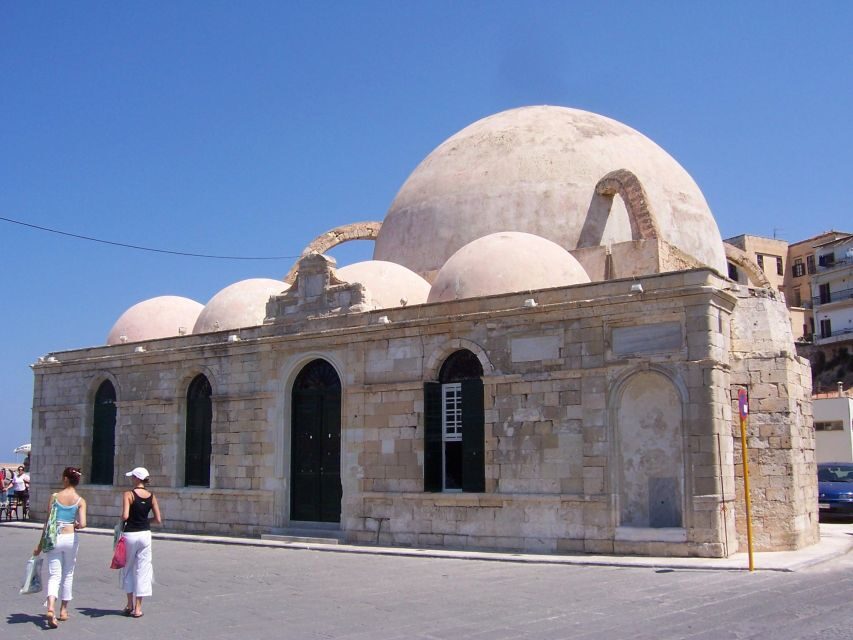
This is the part most people imagine before booking, and it’s a good reason to go. The Old City holds Venetian and Ottoman monuments, and the tour explicitly covers both.
As you walk, you can expect to see:
- Venetian-era buildings, including mansions and churches
- Ottoman-era religious architecture, including mosques
- Ottoman bathhouse culture, tied to hamams
Here’s the value: when a guide connects building style to function, you start noticing details you’d otherwise overlook. For example, churches and mosques aren’t just “old buildings.” They reflect different ways of gathering, different visual symbols, and different ideas about how a city should face its streets.
The hamam detail is especially useful because it’s social history, not just military or royal history. You’ll get more than a quick label. You’ll learn what these places meant for daily life—how cities stayed hygienic and how community happened in ordinary routines. That’s the kind of context that turns a photo stop into an understanding stop.
Even if you’ve never studied Cretan history, you’ll walk away with a toolkit: what to notice first, what questions to ask, and how to connect one landmark to the next.
The Coffee Stop That Keeps the Tour Human
Not every walking tour includes a break that feels local. Here, coffee / soft drink is included, and the tour is also described as tasting Greek coffee and/or local delicacies the way locals do.
Two things I’d plan around:
- Food isn’t included. So if you’re hungry, think of coffee as your reset, not your full meal.
- The tour gives you permission to enjoy snacks in context. Instead of rushing from one “must-see” to the next, you’re getting a taste of everyday rhythms that fit the city.
If you want to get value out of that coffee moment, treat it like more than caffeine. Ask a simple question in the moment—what this drink means locally, or when people usually stop for coffee. That kind of exchange is where tours become memorable, because it connects heritage to current life.
A Guide Makes the Difference: George’s Style of History and Flexibility
The guide you may meet is George, and the standout theme from the provided feedback is how the explanation lands. The tone is described as scholarly and informative—meaning the facts are there—but the real win is how the guide keeps it grounded in culture and religion, not just dates.
Another practical strength: flexibility. During a July visit, the tour ran longer than advertised because of the heat and the need for a break. That’s important for you because summer walking in Chania can be exhausting. A guide who can adjust the pace keeps the experience enjoyable instead of turning it into a march.
The guide’s language range is also a big deal for comfort and accuracy: Greek, English, and Turkish are listed. If you book based on language, you’re also making it more likely the explanations will match the nuance you want.
You can also read our reviews of more city tours in Chania

Price and Value for a Private Group Up to 8
The price is $495 per group, for up to 8 people, for a tour lasting 4 hours. That’s how this price should be understood: it’s not a per-person ticket where you pay the same price solo. It’s group pricing, which can make it very reasonable if you’re traveling with family or friends.
Here’s the quick math:
- If you max out at 8 people, it comes out to about $62 per person
- If you’re only 2 people, it’s about $248 per person
So the value depends on your group size and what you want from the tour. For a family or small group who wants a private pace and a guide who can tailor questions, this can be a strong deal. If you’re traveling solo and expecting the same value as a large group, it’ll feel pricier—though you still benefit from a focused guide and a clear Old City framework.
One more value note: pickup and drop-off are available upon request. That’s not listed as automatic, but when it’s offered and arranged, it can save you time and stress, especially if your lodging is a bit outside the immediate center.
Meeting at the Agora Municipal Market: Simple, but Double-Check the Spot
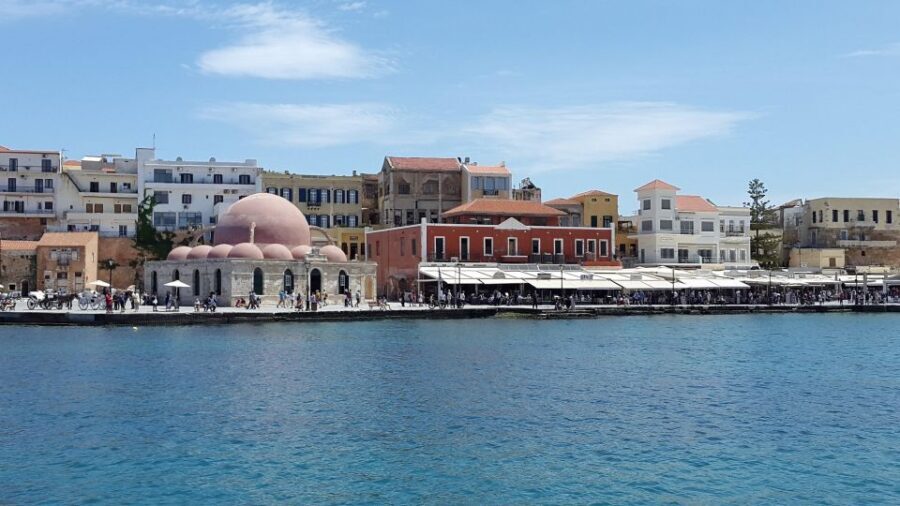
The suggested meeting point is right in front of the Agora (Municipal Market) in the center of the city, with the note that it’s currently under renovation.
That renovation detail matters because it can change signage and how the area looks week to week. When you arrive, don’t just aim for the general area. Look specifically for the front of the Agora building and align yourself with the entrance area. If you’re arriving on foot from a nearby harbor or bus stop, give yourself a few minutes buffer so you can find the exact spot without rushing.
In practice, this kind of meeting point is easiest if you’re already planning to spend time in the Old City center anyway. If your day is mostly outside the core, you may want to organize your schedule so you’re not crossing town twice.
When to Go and What to Pack for Summer Heat
The tour notes suggest bringing a hat and sunscreen if it’s in summer. That’s solid advice. The Old City is walk-heavy, and July heat can turn a short sightseeing plan into a slog.
Also keep this in mind: the guide may build in a break. That happened during a July experience where the tour extended because of the heat. In other words, if you’re booking for peak summer, plan on the day being a little more flexible, not less.
If you’re sensitive to heat, aim for an earlier start time when possible, and treat the included coffee/soft drink as part of staying comfortable, not just a perk.
Should You Book the Chania Old City Walking Tour?
If you want to understand Chania rather than just scan it, I think this tour is a smart pick. The combination of Venetian and Ottoman monuments, a clear timeline through multiple eras, and focus on everyday life and religion makes it more than a standard highlights walk.
Book it if:
- You’re traveling with up to 8 people and want private guidance
- You like architecture but want the context behind it
- You want a framework for Chania’s Christian, Muslim, and Jewish layers
- You’d rather learn from a guide than rely on self-guided wandering
Skip it or ask extra questions if:
- You’re planning to rely on low-impact walking. The notes say wheelchair accessible, but they also say it’s not suitable for people with mobility impairments, so your specific needs should be confirmed before booking.
- You’re only looking for quick photo stops. This tour is about interpretation, not speed.
FAQ
How long is the Chania Old City Walking Tour?
It lasts 4 hours.
What does the price include for a private group?
The tour is $495 per group up to 8 people, and it includes a local guide plus a coffee or soft drink. Pick up and drop-off is available upon request.
Where do we meet for the tour?
Meet right in front of the Agora (the Municipal Market) in the center of the city.
What is included besides the guide and coffee?
You get a live tour guide, and you can request pick up and drop-off.
What is not included in the tour price?
Food, and souvenirs & gifts are not included.
What languages is the live guide available in?
The tour guide is listed as available in Greek, English, and Turkish.
Is the tour suitable for people with mobility needs?
The information lists wheelchair accessible, but it also says it is not suitable for people with mobility impairments. You should confirm your situation directly before booking.
Is this tour a good idea in summer?
The notes suggest bringing a hat and sunscreen in summer, since it’s a walking tour.