REVIEW · CHANIA
Authentic and Traditional Cooking Class in Chania Crete
Book on Viator →Operated by The Hellenic Odyssey · Bookable on Viator
Dinner starts with your chopping board. This authentic Chania cooking class turns Greek home food into a hands-on lesson on the Mediterranean diet, its roots, and why it’s so studied. You’re not just tasting a few bites. You’re learning the way a Greek kitchen really works, with dishes you’re less likely to see on restaurant menus.
I especially like the setup: a small group (max 6) inside a warm, cosy, welcoming apartment that’s described as spotless. Your other big win is that it’s actively hands-on—you help prep, then sit down to a full meal. One thing to consider: this is focused on cooking and food (no alcohol is included), so it’s not for you if you want a long, slow, drinks-first evening.
In This Review
- Key highlights at a glance
- A Greek home kitchen in Chania, not a cookie-cutter restaurant class
- The Mediterranean diet lesson that goes beyond buzzwords
- Finding Deligiannaki 28 and settling into the rhythm of the evening
- Cooking time: how you actually participate (and why it matters)
- The feast after the prep: dinner plus coffee or tea and snacks
- Crete food culture stories, led by hosts like Stella
- What you’re really paying for at $64
- Who should book this Chania cooking class
- Should you book it? My quick decision guide
- FAQ
- What time does the cooking class start in Chania?
- How long is the experience?
- What’s included in the class?
- Are alcoholic beverages included?
- What is the group size limit?
- Where do I meet for the cooking class?
Key highlights at a glance
- Hands-on cooking in a Greek home: you help prepare dishes, not just watch
- Mediterranean diet explained in plain terms: modeled on Cretans from the 1950s
- Fresh local ingredients: food uses local products and you get to taste what that means
- Small-group pace: maximum of 6 keeps the experience personal
- A real home-style feast: dinner plus coffee/tea and snacks, served after cooking
A Greek home kitchen in Chania, not a cookie-cutter restaurant class
If you’ve ever done a cooking tour where you do a quick stir and then rush off for the next stop, this one feels different. The whole point is that you cook in a genuine home setting in Chania, not a show kitchen. The apartment is described as warm, cosy, inviting, and immaculately clean, which matters more than most people think. A calm, clean space makes it easier to focus and actually learn.
You’ll be close to the town centre too—about 5 to 10 minutes away—so this doesn’t feel like a big commute day. And because the group is small (advertised max 6), the host can keep an eye on what you’re doing and help you get it right. In one recent experience, the class had 7 people and everyone still stayed involved, which tells you the format is flexible as long as the group stays small.
For value, the meal is built into the experience: you cook, then you eat what you helped make. That’s where a home-style class earns its keep.
You can also read our reviews of more cooking classes in Chania
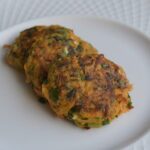
The Mediterranean diet lesson that goes beyond buzzwords
The “Mediterranean diet” can sound like a trendy label. Here, you’re taught what it actually means—based on the eating habits of Cretans in the 1950s. That’s a useful detail because it’s not random. It’s a pattern tied to a specific place and time.
You also get the story of why it’s so well researched today, with evidence linked to both physical and mental health benefits. The real win for you is that this isn’t just lecture-style. You’re cooking traditional Greek dishes as you learn. When you later repeat the meal at home, you’re not guessing what the diet is supposed to look like—you’ve already handled the ingredients and followed the steps.
In short: you’re getting the “why” (origins and benefits) and the “how” (the actual dishes) in the same evening. That combination sticks.
Finding Deligiannaki 28 and settling into the rhythm of the evening
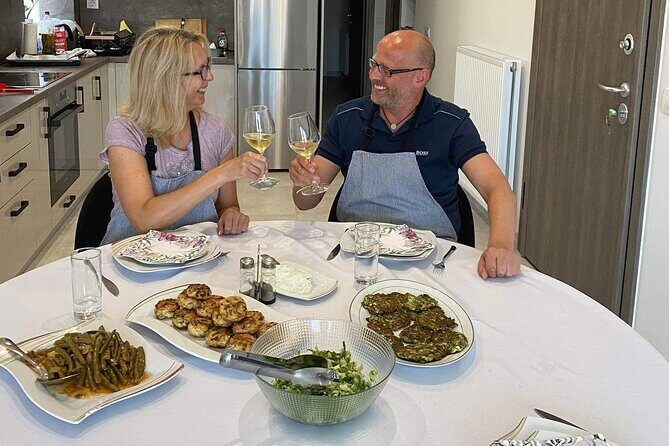
The experience starts at 5:00 pm and runs about 3 hours. It’s timed well for Chania. You can still do daytime sightseeing, then shift into a local evening routine.
Meeting point is Deligiannaki 28, Chania 731 34, Greece, and the activity ends back at the same spot. The class uses a mobile ticket, so you’re not juggling paper tickets on your phone. It’s also described as near public transportation, which is helpful if you’re arriving without a car.
When you reach the apartment, expect a welcoming, easy atmosphere. The reviews underline that the home is spotless and comfortable—this is not a chaotic experience where you’re squeezed into a corner. You’ll get guided by a Greek host who demonstrates recipes, and you’ll move from welcome chats to cooking with minimal fuss.
Practical tip: arrive hungry. You’ll be doing real prep work, and the evening ends with a full meal.
Cooking time: how you actually participate (and why it matters)
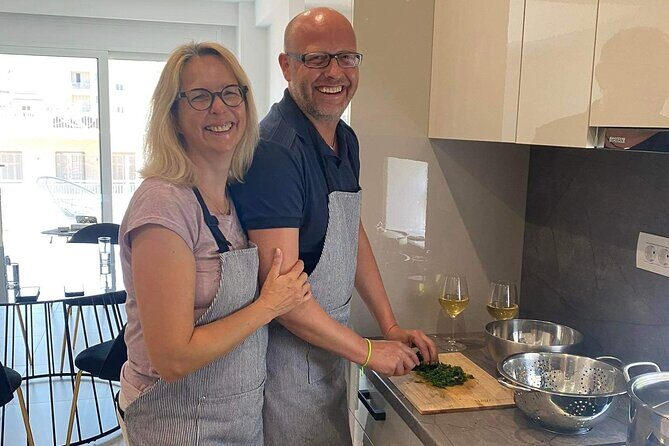
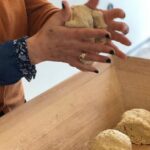
This is a hands-on class where you help prepare the dishes. The host demonstrates the recipes first, then you jump in. That’s the key difference between a class that’s mostly “entertainment” and one that actually changes what you can cook later.
In the recent feedback I see a strong theme: people felt included the entire way through. One review notes that a group of 7 were all involved, which lines up with the idea of a small class. If you like learning by doing, you’ll probably find this format satisfying because you’re not stuck waiting for your turn.
Also, you’re taught using authentic family recipes—the kind of recipes you’d expect to eat in a Greek home, not the simplified versions that pop up on tourist menus. Local ingredients are part of that. One review specifically mentions local foods being used and fresh, which is exactly what you want if your goal is to cook Greek the way it’s meant to taste.
Possible consideration: this is kitchen work. If you want to sit quietly the whole time, you might find it more active than you expected. But if you enjoy rolling up sleeves, it’s a great fit.
The feast after the prep: dinner plus coffee or tea and snacks
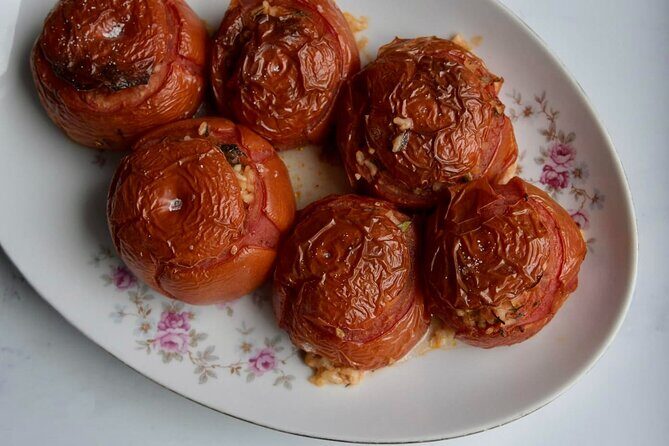
After the cooking portion, you sit down and enjoy what you made. The format is basically: help create a generous spread, then be served a feast-style meal. That matters because it turns cooking into something communal. You’re not just learning techniques—you’re living the habit of gathering and sharing food.
The class includes dinner, plus coffee and/or tea and snacks. Alcoholic beverages are not included, so if you want wine or something else, you’ll need to plan on buying it separately. That’s a small but real point for budgeting and expectations.
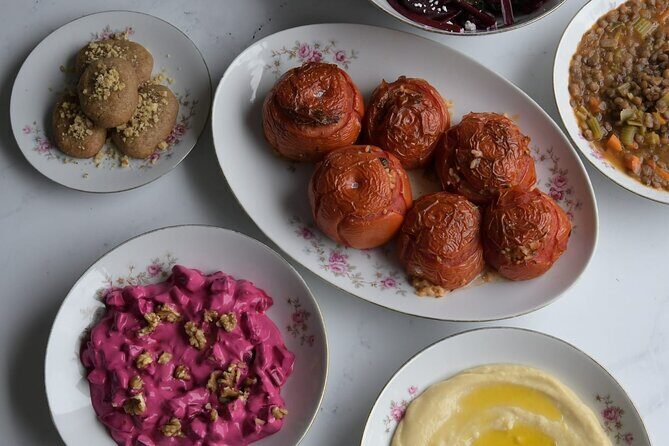
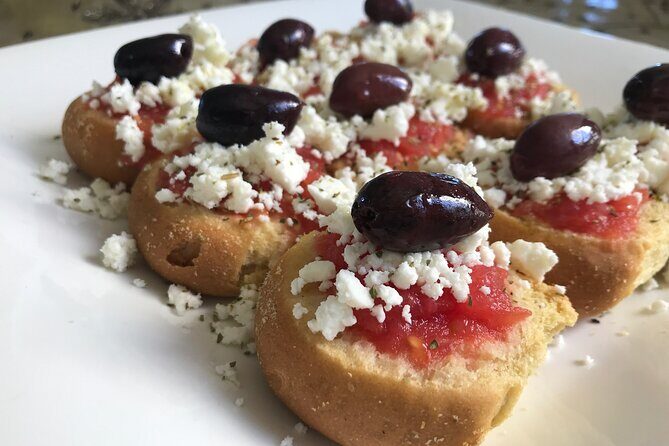
What you eat is traditional and authentic, including dishes you might not commonly find in a Greek restaurant. Based on the way the class is described, think of it as everyday home cooking—comfort food with character—built around Mediterranean patterns.
Review notes also highlight story time tied to the food. One account praises that the host gave history for the local foods used and explained Crete’s food culture alongside the cooking. That kind of context can make a meal feel more memorable, because you understand what you’re tasting and how it fits into the region.
You can also read our reviews of more tours and experiences in Chania
Crete food culture stories, led by hosts like Stella
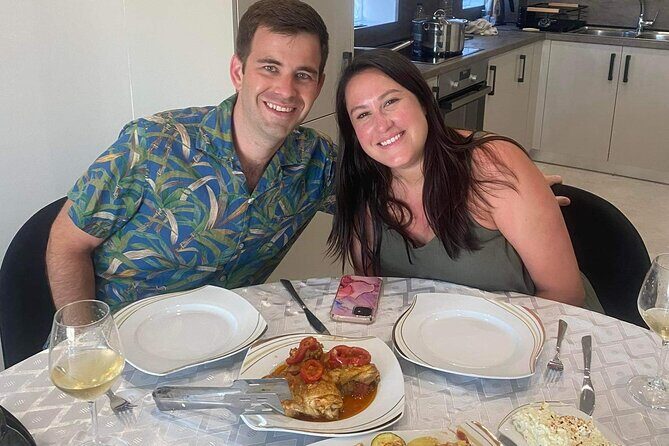
Food is never only ingredients in Greece. It’s also people, seasons, and traditions. A standout detail from the reviews is the way the host connects cooking to cultural background—especially through a named host, Stella, in at least one recent experience.
That name matters because it gives you a clue about the teaching style. Stella is described as having strong clarity on the details and moving the class at a pace where time feels fast. One review even says it flew by, and that local foods were fresh with history given for each.
Why that storytelling part is practical: it helps you remember the meal. When you know what role an ingredient or dish plays, you can recreate it with confidence. Instead of “I think this is how it goes,” you get “This is why it works.”
It also makes the room more than just a kitchen. The hospitality angle is built in: the class emphasizes that a home is an open, welcoming place, and the apartment environment supports that. If you like conversation that doesn’t feel forced, this is the kind of night where it can happen naturally while you cook.
What you’re really paying for at $64
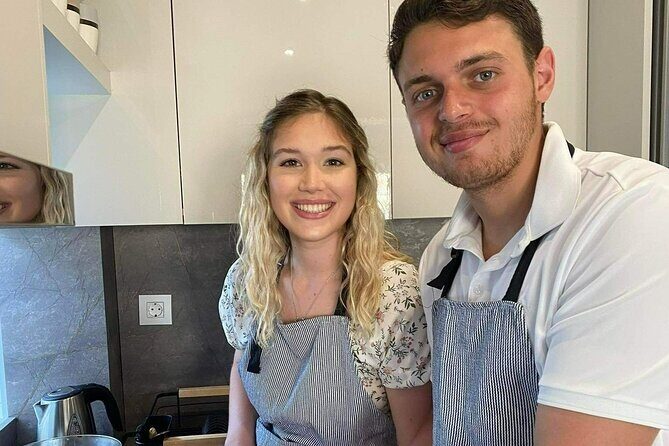
At $64 for about 3 hours, you’re paying for more than a meal. You’re paying for instruction, ingredients, and the full dinner experience in a private apartment setting. You also get coffee and/or tea and snacks—so your total spend for the evening is more predictable.
Compared with piecing together a dinner plus a separate activity, the value here comes from one bundled thing: cooking and eating the same dishes. It’s also a small-group format, which usually means you get more attention than you would in a larger classroom.
The only budget gotcha is alcohol. Since alcoholic beverages aren’t included, you’ll likely spend extra if you want wine or beer. If your plan is simple—water, coffee, and whatever snacks are offered—then $64 feels straightforward.
For me, the strongest value argument is this: you’re learning traditional Greek home cooking using recipes and methods presented in a family-style way, then eating it right away. That’s hard to replicate with typical sightseeing stops.
Who should book this Chania cooking class
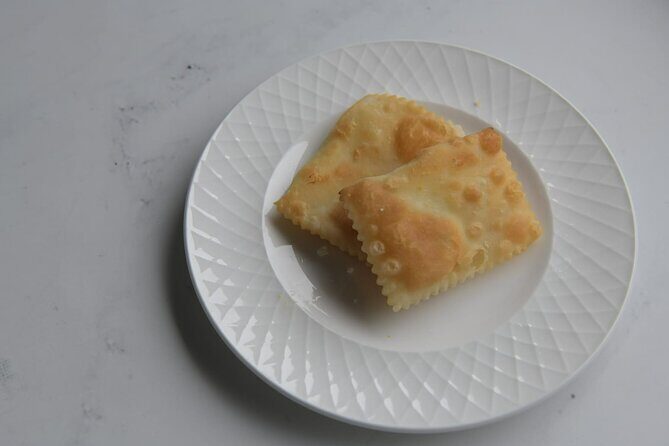
This fits you best if you want hands-on learning in a real Greek home setting. If you’re the type who likes food with a story—how a place eats, why certain habits matter—this class will feel rewarding.
It also works well if you’re:
- Curious about the Mediterranean diet beyond the usual advice
- Interested in traditional Greek dishes you might not find in standard restaurants
- Traveling in a small group and prefer a calmer, intimate atmosphere
- Comfortable doing some prep work in the kitchen
One more fit note: the class starts at 5:00 pm, so it’s great if you want an early evening plan that still leaves time for a post-class stroll.
If you’re not into cooking at all and want only to sample dishes with minimal participation, this may feel like too much effort. But if you’d rather learn than just eat, you’ll probably appreciate the structure.
Should you book it? My quick decision guide
If you want authentic Greek home cooking in Chania, this is a strong pick. The biggest selling points are the small group, the hands-on prep, and the way hosts connect food to Mediterranean diet origins and Crete food culture. The reviews also consistently underline a clean, welcoming apartment and a teaching style that keeps things moving at a good pace.
Book it if you can match the evening schedule and you’re okay with a no-alcohol-included setup. If you prefer a class that’s mostly watching and sipping, you might be happier choosing a different style of tour.
Also keep in mind that this experience is non-refundable and can’t be changed. If your plans are shaky, double-check your calendar before you hit confirm.
FAQ
What time does the cooking class start in Chania?
It starts at 5:00 pm.
How long is the experience?
It lasts about 3 hours (approx.).
What’s included in the class?
Dinner, coffee and/or tea, and snacks are included.
Are alcoholic beverages included?
No, alcoholic beverages are not included.
What is the group size limit?
The experience has a maximum of 6 travelers.
Where do I meet for the cooking class?
You meet at Deligiannaki 28, Chania 731 34, Greece, and the class ends back at the same location.