REVIEW · CRETE
“YAMAS” – Winery tour &wine tasting
Book on Viator →Operated by Οινοποιείο Δουλουφάκη · Bookable on Viator
Six pours, real Cretan wine stories. This tour is a tight, one-and-done way to understand how Douloufakis Winery makes wine in Crete, then taste the results right in the cellar. You’ll learn about indigenous grapes and the shift between amphora and barrel fermentation.
Two things I like a lot: the focus on Cretan varieties such as Vidiano and Liatiko, and the guided tasting format that walks you through what you’re drinking. I also appreciate that the hosts, often including Georgios or Catarina, are praised for explaining wine and answering questions clearly.
One drawback to plan for: transportation isn’t included, so you’ll want a taxi, rental car, or a pre-planned ride to the meeting point in Dafnes.
In This Review
- Key things to know before you go
- YAMAS at Douloufakis: a smart Crete wine stop in 80 minutes
- Where the tour starts in Dafnes
- Inside the winery: what you actually see on the production tour
- The cellar tasting: six wines, 60ml pours, and real variety
- Vidiano and Liatiko: the grapes that make Crete taste like Crete
- The role of amphora vs barrel in the wines you taste
- Guides Georgios and Catarina: why the host matters
- The pace and group size: 40 people max for a reason
- Price and value: why $36.20 can make sense here
- What about food with the tasting?
- What to do before and after your visit
- Who this tour fits best
- Should you book YAMAS at Douloufakis Winery?
- FAQ
- FAQ
- How long is the YAMAS winery tour and wine tasting?
- How many wines will I taste?
- Is transportation to the winery included?
- What’s included in the tour price?
- Is the tour offered in English?
- Where is the meeting point?
- Are service animals allowed?
- What’s the cancellation policy?
Key things to know before you go
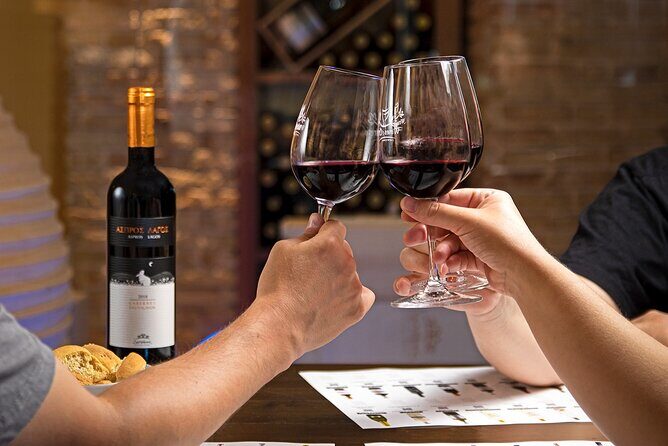
- Six estate wines poured as 60ml tastings in the cellar, with both whites and reds.
- Indigenous Cretan grapes like Vidiano and Liatiko, plus international-style labels in the mix.
- Production tour at the winery, from fermentation choices to how grapes turn into bottles.
- Short and structured timing (about 1 hour 20 minutes), so you keep your afternoon.
- Small-group cap with a maximum of 40 people, which helps the guide keep things moving.
- Good value ingredients included: water and Cretan rusks with the tasting.
YAMAS at Douloufakis: a smart Crete wine stop in 80 minutes
If you only have a small window for wine in Crete, this is the kind of stop that makes sense. It’s designed as a focused visit: a guided look at the winery work, then a structured tasting that stays close to the point.
You’re not wandering around hoping to find something interesting. The experience is set up around a guided tour and a tasting of six estate-made wines. You’ll also get the explanation behind the glass, including how the winery blends tradition and modern winemaking practices.
It also has strong track-record stats: a 4.9 rating from 66 reviews and 97% of people recommending it. That’s not a magic guarantee, but it’s a useful signal that the experience is landing well for most folks.
You can also read our reviews of more food & drink experiences in Crete
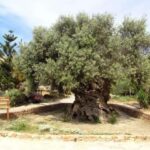

Where the tour starts in Dafnes
The meeting point is in Dafnes, Crete, at Dafnes 700 11, Greece. The activity ends back at the meeting point, so you’re not signing up for a half-day scramble of transfers and drop-offs.
Plan on arranging your own ride. Transportation to the winery is not included, so your timing depends on your driver. If you’re staying in Heraklion (or nearby), a short taxi is usually the simplest option, rather than trying to stitch together bus connections for a 1 hour 20 minute slot.
One more practical note: you’ll use a mobile ticket. Have it ready on your phone so check-in is quick and you can get to the cellar.
Inside the winery: what you actually see on the production tour
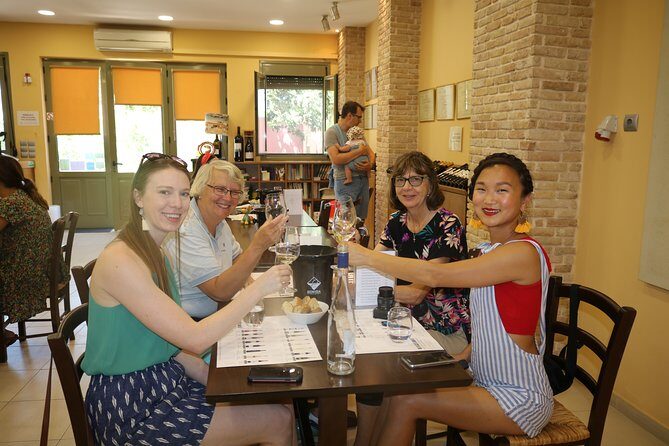
A big part of the value here is that the tasting is paired with a production-area tour. The guided visit isn’t just a stroll; you’re shown the way the winery works and how grapes become wine.
You’ll hear about their approach from amphora fermentation to barrel fermentation. Even if you don’t speak “winemaking,” the logic is easy to follow: amphora and barrels are different tools, and winemakers use them to shape texture, aroma, and how the wine feels on the palate.
Expect the guide to connect process to taste. That matters because tasting without context can turn into random sipping. With this format, you’re more likely to notice patterns, like how a crisp white tastes different from a more textured red, or how indigenous grapes express Crete’s conditions.
This also helps if you’re new to wine. The guide isn’t just naming grapes; they’re tying the story to what you’re drinking.
The cellar tasting: six wines, 60ml pours, and real variety

The centerpiece is a guided tasting of six wines in the cellar. The pour size is 60ml for each wine, which is a helpful amount: enough to pick up aroma and flavor, not enough to knock you sideways.
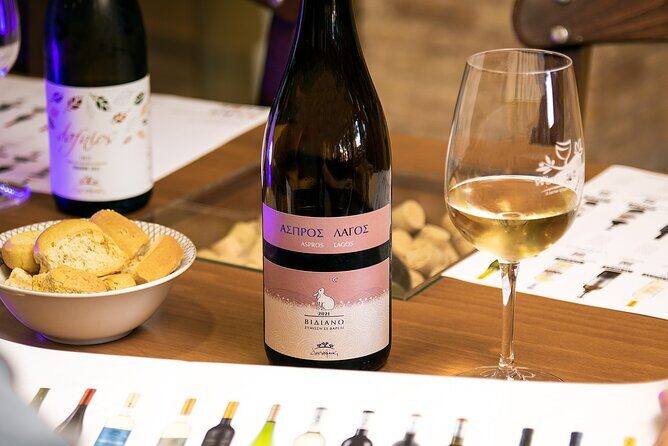
The lineup includes both indigenous Cretan varieties and international selections. The tour specifically calls out elegant Vidiano and expressive Liatiko, so you should be ready to taste grapes that feel distinctly Cretan rather than generic “Greek red” territory.
In plain terms, you’re tasting variety, not just one style. That’s useful because it gives you a quick sense of what the winery is doing, from lighter whites to red wines with more structure.
One thing to keep in mind: some experiences like this can result in extra pours depending on timing and the group. The official plan is six wines, so use that as your baseline, and if you get more, consider it a bonus rather than the promise.
Vidiano and Liatiko: the grapes that make Crete taste like Crete
If you care about authenticity, the indigenous grapes are where this tour earns its keep. Vidiano is often described as elegant, and Liatiko as expressive. Those words matter because they hint at how you’ll experience them in the glass.
Here’s what you can do to get more out of these tastings, especially if you’re not a wine expert:
- When you pour a white, pause for a smell first. Try to separate fruit notes from any floral or herbal tones.
- For reds, pay attention to how the wine feels on the tongue. Is it light and quick, or does it linger with more tannin?
You’ll get guidance on tasting, including how to taste properly. One review highlights that the guide explained how to taste wine and clearly answered questions, which tells you the session is interactive, not lecture-only.
So if you’re the type who worries you’ll look clueless in a tasting room, don’t. Ask your guide to explain what to look for. That’s part of the design.
You can also read our reviews of more wine tours in Crete

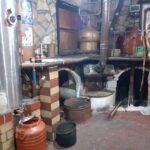

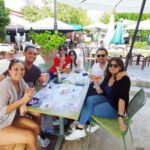

The role of amphora vs barrel in the wines you taste
The tour mentions the winemaking path from amphora fermentation to barrel fermentation. That’s not trivia. It’s a practical reason the wines may taste different across the tasting.
Amphora fermentation is often associated with a more direct, vibrant expression of the fruit and a different kind of texture. Barrel fermentation, on the other hand, can add structure and rounded flavors from the wood influence.
You might not need to memorize any of that chemistry to benefit. What you want is the cause-and-effect connection: how process leads to flavor. When the guide links fermentation choices to the wines in front of you, you’ll start tasting with purpose instead of just sampling.
Guides Georgios and Catarina: why the host matters
The quality of a wine tour often comes down to one thing: the guide. In this case, names come up for a reason.
Georgios is singled out for passion about wine and its history in Crete, and for explaining the winemaking process in a way that’s easy to follow. Catarina also gets praised for being knowledgeable, friendly, and charismatic, with clear teaching about Cretan wines.
You don’t need to track every detail. But it’s worth understanding what that kind of guiding usually means for you:
- You’ll get time to ask questions without feeling rushed.
- The tasting will include practical cues on aromas and tasting steps.
- You’ll leave understanding what you liked and why, not just that it tasted good.
If you’re the kind of traveler who wants a guided experience instead of self-guided wandering, this is a solid fit.
The pace and group size: 40 people max for a reason

The tour runs about 1 hour 20 minutes. That’s long enough to see the production area and taste six wines, without turning into a full afternoon drain.
There’s a maximum of 40 travelers, which is a meaningful detail. Smaller groups generally make it easier for the guide to keep everyone on track, especially during tasting.
You’ll also get water during the experience, which helps your comfort. And since each pour is 60ml, you can taste across styles without needing a nap afterward.
Price and value: why $36.20 can make sense here
At $36.20 per person, the price is reasonable for a guided winery tour plus a structured tasting. What makes it feel like value is what’s actually included.
You’re getting:
- Guided tour at the production area
- Six tasting portions at 60ml each
- Water
- Cretan rusks
Transportation is the only clear extra cost you’ll likely need to cover on your own. Also, the tour timing is tight, which is good if your schedule is already packed.
To judge value in a real way, compare this to the cost of doing a tasting without the guide. If you were paying for “entry to a tasting room” only, you’d likely miss the production explanations that connect process to flavor. Here, the guide work is part of the deal.
If your goal is learning plus taste, this price lands in the sensible zone.
What about food with the tasting?
The included food is Cretan rusks, plus water. That’s simple, local, and helpful during a tasting.
Some people report getting more of a local spread alongside their tasting experience, including charcuterie-style options and other local items. The official included list is rusks, so treat any extra food as a potential bonus rather than something you must count on.
Either way, rusks are a solid pairing with wine because they add crunch and a mild, bread-like neutral base.
What to do before and after your visit
This tour is short, so you can plan your day around it. If you’re hopping between sights in Crete, look for a spot where you can do the winery visit without feeling rushed.
Before you go:
- Eat something earlier so the tasting feels comfortable.
- If you’re driving, remember that wine tasting may still affect you even if pours are small.
After the tour:
- If you liked specific bottles during the tasting, ask if they’re available to purchase. Several people mention buying wines after their tasting experience, which is a common pattern for estates like this.
And if you’re comparing wineries in Crete, take notes during the tasting. Write down which wines you liked and what you thought of their texture and aroma. You’ll be glad you did when you’re shopping later or planning what to order in a restaurant.
Who this tour fits best
This works especially well if:
- You want a guided learning experience, not just a self-serve tasting.
- You’re curious about indigenous Cretan grapes like Vidiano and Liatiko.
- You appreciate winemaking explanations, including amphora and barrel fermentation.
- You have limited time and want a good “taste of Crete” in about 80 minutes.
It might be less ideal if you’re looking for a long vineyard hike, or a deep multi-hour meal pairing. This is about tasting and production info, with time kept tight.
Also, it’s offered in English, so if language is a factor for you, that’s an advantage. Service animals are allowed too.
Should you book YAMAS at Douloufakis Winery?
Book it if you want a smart, structured wine visit in Crete: tour the production area, taste six estate wines in the cellar, and get guided context for what you’re drinking. The price includes tasting portions, water, and local rusks, and the experience has a strong recommendation rate.
Skip or reconsider if you don’t want to arrange transportation on your own, because this tour starts in Dafnes and transportation isn’t included. Also, if you want a long leisurely wine day with a bigger food experience built in, this may feel a bit compact.
If you’re on the fence, here’s the practical tip: reserve early. The average booking window is about 21 days in advance, so grabbing a spot ahead of time is a low-stress move.
FAQ
FAQ
How long is the YAMAS winery tour and wine tasting?
It lasts about 1 hour 20 minutes (approx.).
How many wines will I taste?
You’ll taste six wines, with a 60ml tasting portion of each one.
Is transportation to the winery included?
No. Transportation to the winery is not included.
What’s included in the tour price?
The tour includes a guided production-area tour, six 60ml wine tastings, water, and Cretan rusks.
Is the tour offered in English?
Yes, the tour is offered in English.
Where is the meeting point?
The tour meets at Dafnes 700 11, Greece, and it ends back at the meeting point.
Are service animals allowed?
Yes, service animals are allowed.
What’s the cancellation policy?
You can cancel for a full refund up to 24 hours in advance of the experience start time. If you cancel less than 24 hours before, the amount paid won’t be refunded. The experience may also be canceled if a minimum number of travelers isn’t met, with an alternative date or a full refund.