REVIEW · HERAKLION
Uncharted East Crete & Local Secrets Private Tour from Heraklion
Book on Viator →Operated by Crete Private & Luxury Tours by Snami Travel · Bookable on Viator
Crete has a way of changing pace. This private East Crete day turns Heraklion into a full-on road trip with small stops that actually feel local, not just scenic stops. I like that you get real direction from a guide who knows where to pause and what to notice, from fortified Byzantine stone to honey-scented village lanes.
What I like most is the mix of places that cover different sides of the east: a hanging monastery, countryside walking in a gorge, and a finish at the Libyan Sea at Ierapetra. You’ll also get a comfortable chauffeured vehicle with practical day-trip perks like bottled water, Cretan fruit and snacks, Wi-Fi, and USB power.
One drawback to plan for: there’s no breakfast included, and you may pay your own coffee and meal time on the ground (at least that’s how one day played out with guide Alexander).
In This Review
- Key highlights worth knowing before you go
- How this East Crete route really feels (not just what you see)
- Pickup, vehicle comfort, and what your guide brings to the day
- Heraklion Prefecture at the start: a good setup for what follows
- Kremasta Monastery: a hanging Byzantine stop with serious architecture
- Kritsa and Kroustas village time: honey, dough, and real pacing
- Kroustas Forest Historical Park: mountain air, wildflowers, and two-sea views
- Agia Fotia springs and Cretan flavors: a refreshing break with a pay-your-own mindset
- Sarakinas Gorge: a gentle canyon walk with the right timing
- Ierapetra finale at the Libyan Sea: where the day ends warm and salty
- Included extras that make a difference on a private day
- Food and coffee: what to expect about meals and costs
- Price and value: when a private East Crete tour is worth it
- Who this tour is best for (and who might skip it)
- Should you book Uncharted East Crete & Local Secrets from Heraklion?
- FAQ
- How long is the Uncharted East Crete & Local Secrets private tour?
- Do you offer pickup and drop-off from my location in Crete?
- Is this tour private?
- What language is the tour offered in?
- What’s included during the day?
- Is breakfast included, and are meals included?
Key highlights worth knowing before you go

- Private door-to-door pickup from your hotel, villa, cruise, or another spot on Crete, with flexible timing after booking
- Kremasta Monastery: a Byzantine, fortified-style monastery dedicated to Archangels Michael and Gabriel
- Kritsa and Kroustas village time: slow-walking through lanes where honey and fresh dough smell close by
- Kroustas Forest Historical Park: a mix of mountain air, wildflowers, bees, and viewpoints over two seas
- Sarakinas Gorge: a guided, gentler canyon walk that fits an 8-hour day schedule
- Ierapetra finish at the sea: warm turquoise water time at the south-eastern shoreline
How this East Crete route really feels (not just what you see)
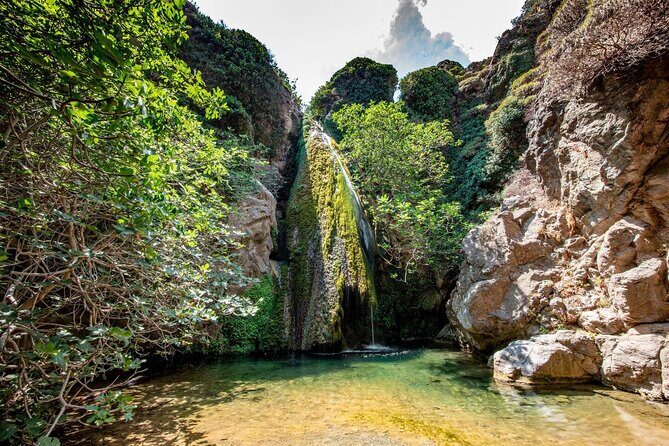
East Crete can be a lot more than the same two or three famous photos. This tour is built like a sequence of small discoveries: each stop adds a different flavor—stone and faith, village life, countryside air, then water.
You’ll be in a premium, chauffeured vehicle for the connections, so you spend less energy on logistics and more on the actual day. And because it’s private, your guide can slow down when something catches your eye—like a view from a cliff path, a short pause for coffee, or extra time to look around a village square.
If you’re hoping for a day that feels like you’re traveling with someone local (not following a script), this format helps a lot. The schedule is tight enough to cover the highlights, but it still leaves room for the little moments that make a place feel real.
You can also read our reviews of more private tours in Heraklion
Pickup, vehicle comfort, and what your guide brings to the day
Your day starts with personal pickup and drop-off. That matters in Crete, where the best views and smaller sites aren’t always near buses or easy parking. Your pickup time is flexible and confirmed after booking, and the tour ends back at the starting meeting point.
Inside the vehicle, you’ll have the small comforts that keep a long day from feeling long: mineral water, Cretan fruits and snacks, Wi-Fi, USB sockets, and hygiene amenities. If you’re the type who gets cranky when there’s no phone battery and no water, you’ll appreciate this.
The guide is the heart of the experience. The operator highlights the use of local guides, and one review specifically notes guide Alexander delivered lots of island context over a near full day (about 9 hours on that occasion). Even when the itinerary is fixed, a good guide helps you understand what you’re looking at—why a monastery was built in that form, what makes a village road feel different, and why a gorge walk is worth your shoes being on dirt paths.
Heraklion Prefecture at the start: a good setup for what follows
The first stop is labeled Heraklion Prefecture with about an hour allotted. That time isn’t just sitting around—it’s your ramp into the day, the moment where your guide can set the tone and point you toward what to watch for as you move east.
It’s also when your day becomes practical. You’ll be orienting yourself for the rest of the route: the kinds of roads you’ll be on, how stops connect, and what to expect from walking time. If you like to know the plan before you’re in it, this starting chunk helps.
The main consideration here is timing. If your pickup runs early, that first hour can feel like it jumps in quickly. Wear comfy clothes, keep water handy, and don’t plan a big breakfast beforehand unless you know your own schedule.
Kremasta Monastery: a hanging Byzantine stop with serious architecture
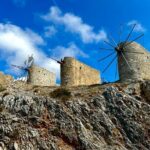
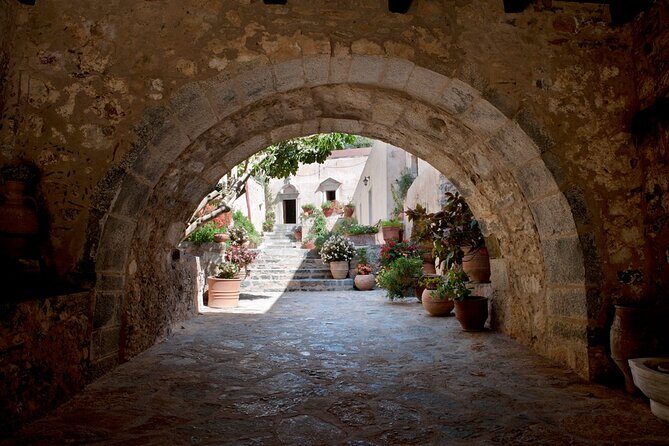
Kremasta Monastery is short on time—about 35 minutes—but it’s the kind of place you remember. You’re visiting a hanging Byzantine monastery built with fortified architecture, dedicated to Archangels Michael and Gabriel.
Fortified architecture is a key detail. It means this isn’t just a pretty church on a hill. You’ll likely notice construction meant for protection and survival, which gives the site a different mood than modern monasteries. Your guide can help translate what you’re seeing into why it was built this way.
Drawback to keep in mind: 35 minutes goes fast. You’ll want to use that time smartly—walk slowly, look up at the structure, and ask your guide one or two focused questions so you get more than photos.
Kritsa and Kroustas village time: honey, dough, and real pacing
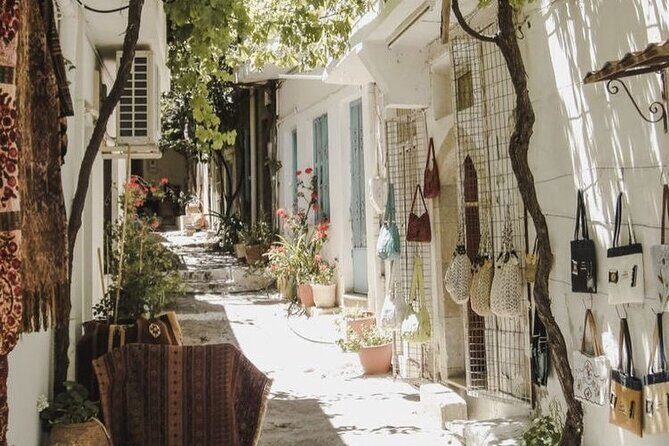
Next up is Kritsa and Kroustas, where time feels slower and history stays in the background of daily life. You get about 45 minutes for village hopping, plus guided moments to connect with locals and their warmth.
What I’d watch for here is the sensory side. The route is described as full of scents drifting from local kafenion shops—honey and dough are mentioned specifically. That’s not a random detail. It tells you the villages are meant for lingering, not just scanning for souvenirs.
Because the schedule is private and you’re only your group, your guide can adjust the stroll to how you like to move. If you prefer a quick look and a coffee break, that works. If you want to slow down and watch everyday life, you can ask for it.
The only thing to watch: village stops can tempt you into impulse spending. Plan your browsing pace and don’t rely on one shop for everything. If you want something specific, ask your guide where locals go.

Kroustas Forest Historical Park: mountain air, wildflowers, and two-sea views
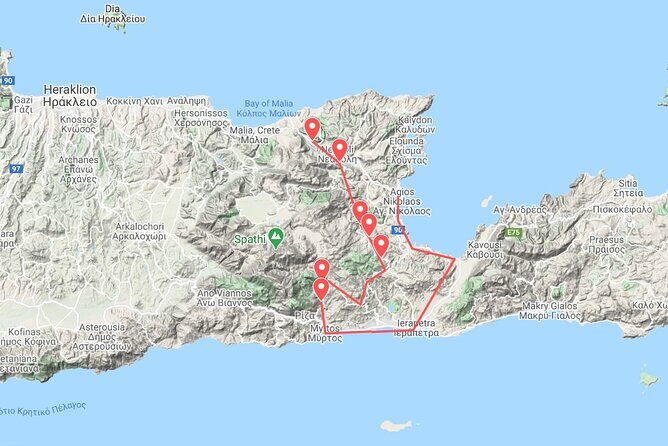
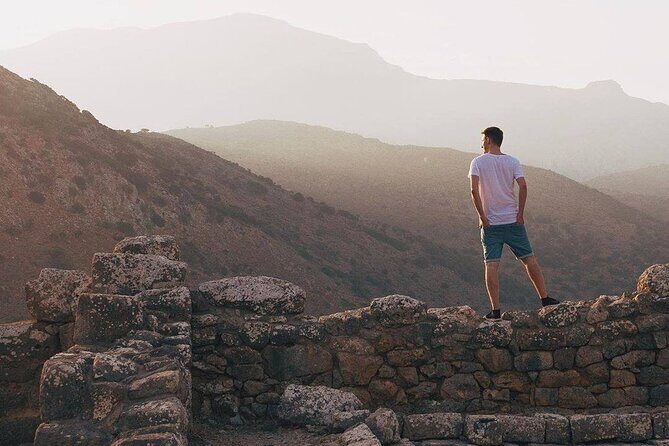
Kroustas Forest Historical Landscape Park (it’s listed with that name) is where your day gets more outdoorsy. You’ll have about 35 minutes, which is enough for a guided viewpoint moment and a short stretch of nature time.
The descriptions focus on aromas of wildflowers and the serene hum of bees—so don’t rush. Even though the stop is relatively short, this is the part of the day where you can slow your thoughts and just listen. If you care about small details, this is one of the best segments to enjoy without multitasking.
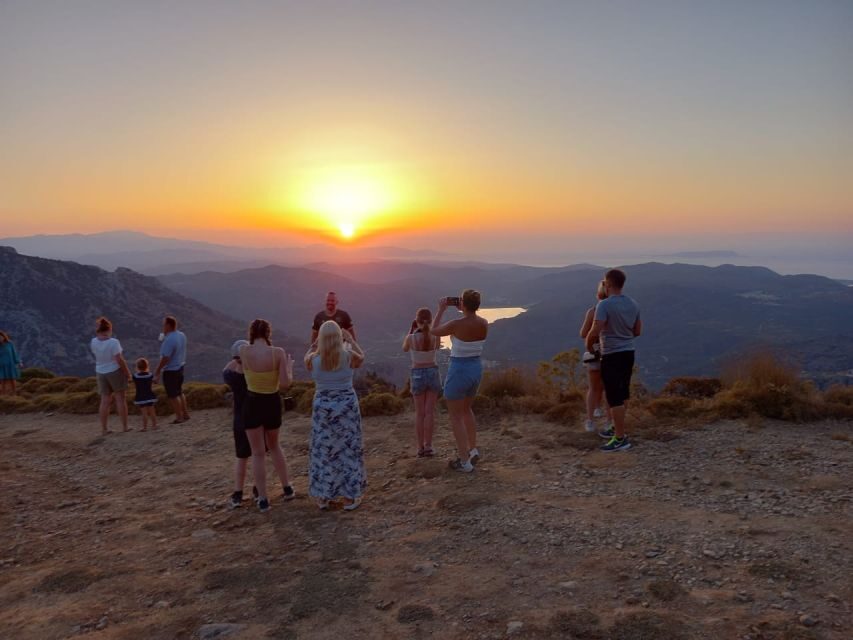
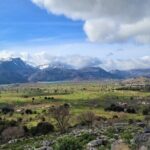
The highlight is the highest spot of seaside cliffs, giving panoramas of both the Libyan and Cretan Seas. That’s a big deal in East Crete. Instead of one generic coastline view, you get a sense of where currents and landforms meet.
One consideration: cliff-view points can mean uneven ground. Good walking shoes help, even for short legs of a route. Also, weather matters more here than in a village square, so bring a light layer even on warm days if you tend to get cold.
Agia Fotia springs and Cretan flavors: a refreshing break with a pay-your-own mindset

Agia Fotia is the next pause: about an hour. The tour describes pure water springs and Cretan flavors, with time to enjoy the setting and the food side of the day.
I like this stop because it’s not another viewpoint. It’s a reset. Springs are a natural choice for a long day when you’ve already climbed into monastery and cliffs territory. If you’re the type who appreciates water sounds and a chance to cool down, this is your moment.
On the food side, keep expectations realistic. One review notes that there was no breakfast included and that coffee and a tavern meal were paid for by the group. That means Agia Fotia is likely a time you’ll be choosing what you want, rather than being handed a pre-arranged lunch plan.
Practical tip: if you’re sensitive to water shoes rules or carrying wet things, plan a small bag for personal items. The tour can’t account for how you’ll want to manage water time.
Sarakinas Gorge: a gentle canyon walk with the right timing
Sarakinas Gorge is scheduled for about an hour. The wording emphasizes a gentle canyon walk and a focus on Cretan natural wonders, so this shouldn’t be the kind of hike that turns your day into a full exercise program.
This is the stop where you should pay attention to footwear. Even a gentle gorge walk means you’ll be on paths that can be uneven, and you don’t want your day to be spent worrying about slipping. If you pack for “walking but not hiking,” you’re in the right zone.
A guide makes a difference here. They can show you where to pause for the best views, where the walk feels safer, and how to read the terrain as you move through the canyon. Since you’re on a private tour, you’re not stuck with a slow or fast group pace that can ruin the rhythm.
If you dislike walking, you can still enjoy the gorge as a scene and viewpoint stop—but you may feel the time pressure because it’s scheduled for a full hour of movement.
Ierapetra finale at the Libyan Sea: where the day ends warm and salty
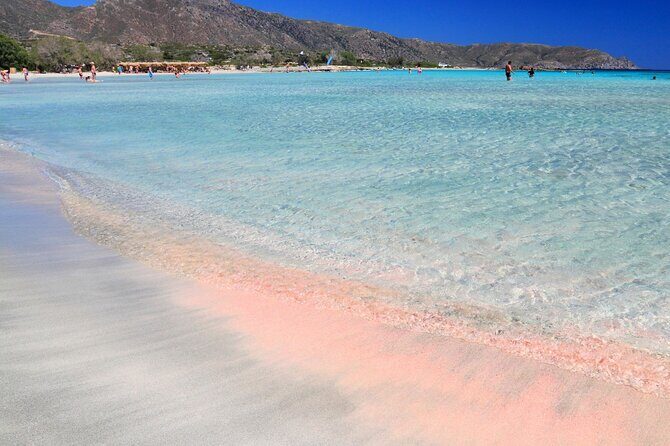
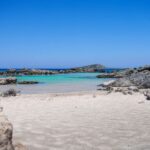
The final leg is Ierapetra, about 45 minutes. The tour is described as ending with joyously warm turquoise Libyan waters at the south-eastern shoreline of Ierapetra.
This is the payoff. After monasteries, villages, and the gorge, the sea finish turns the day into something you can feel on your skin. One review specifically mentions swimming in the sea, which lines up with the idea that you’ll have a chance to cool off here.
Even if you don’t swim, you’ll likely want to walk a bit, watch the light, and give yourself a moment to decompress before returning. A private tour ending with sea time tends to feel more complete than rushing back immediately after a last viewpoint.
Practical note: sea time makes sun protection important. Bring what you need—hat, sunscreen, and a small towel if you use one. The vehicle provides water and snacks, but you’ll handle personal sun and swim gear.
Included extras that make a difference on a private day
This tour includes more than vehicle and guide time. It adds real convenience.
You get:
- Personal pickup and drop-off with flexible time after confirmation
- A chauffeured premium vehicle with bottled water, Cretan fruit, snacks
- Wi-Fi and USB sockets, which is handy when you’re using your phone for maps and photos
- Hygiene amenities for comfort during a day on the road
- VIP skip-the-line access and assistance with admission tickets
- Help with restaurant recommendations and reservations
- Concierge support before and during your day
That last part matters if you’re trying to travel smoothly. The day runs on local timing and real-world stops, and concierge support can reduce the stress of guessing what’s open, where to eat, and how to time it.
One more point from the experience style: it’s described as including exclusive insider-access opportunities and tailored details based on your interests. In a private tour, that can mean your guide spends a bit more time on what you care about—views, walking, food stops, or architecture.
Food and coffee: what to expect about meals and costs
This is one area to be clear-eyed about.
The tour does not include drinks and meals. And a review of the experience adds a concrete example: there was no breakfast included, and coffee plus a tavern meal were paid by the group.
So how do you handle it as a smart planner?
- Plan to buy coffee and lunch/snack time separately
- Bring cash or a card for small purchases
- If you want a specific kind of meal, ask your guide during the day rather than trying to guess from a menu when you’re hungry
The tour provider does offer restaurant recommendations and reservations assistance, which can help you avoid a long search once you’re tired.
Also, if you’re the kind of person who needs food on a set schedule, consider eating before pickup and then using the provided snacks during the ride.
Price and value: when a private East Crete tour is worth it
Private tours can feel expensive until you tally the real costs you’d handle yourself: fuel, parking stress, ticket lines, and trying to coordinate a route through smaller places that aren’t on the usual transit map.
Here, the value comes from three places:
- Time saved with door-to-door pickup and drop-off
- Less friction at stops thanks to skip-the-line access and ticket assistance
- Guide-led meaning, especially at sites like Kremasta Monastery and the nature walking segments
You also get practical comfort that keeps a day enjoyable, not just efficient: water, fruit, snacks, Wi-Fi, and USB charging.
Would you get similar photos on your own? Sure. But would you get the same sense of why those places matter and how to pace yourself across villages, monastery views, a gorge walk, springs, and the sea? That’s the difference a private guide can make—especially if you ask questions and slow down at the right moments.
Who this tour is best for (and who might skip it)
This fits you if:
- You want an 8-hour day that covers East Crete in a logical order
- You prefer walking time that’s planned and guided, not random
- You like a mix of architecture, village atmosphere, nature stops, and a sea finish
- You’d rather pay for convenience than spend hours figuring out routes
You might choose something else if:
- You hate driving and would rather stay in one area
- You want a fully included meal plan with set lunch and no extra spending
- You’re not comfortable with an hour of walking in a gorge setting
If you’re traveling with your own group and want flexibility, this private setup is a strong match.
Should you book Uncharted East Crete & Local Secrets from Heraklion?
Book it if you want a structured day that still feels personal—Kremasta’s fortified monastery, village hopping through Kritsa and Kroustas, cliff viewpoints over two seas, a gentle Sarakinas Gorge walk, spring time at Agia Fotia, and a sea finish in Ierapetra. The combination is practical and enjoyable, and the guide-driven pacing is the part that can turn a good itinerary into a great day.
Just go in knowing the one big planning point: there’s no breakfast included, and you should budget for coffee and meals. If you’re okay with that, you’re set up for a smooth, memorable East Crete day where you don’t waste your energy on logistics.
FAQ
How long is the Uncharted East Crete & Local Secrets private tour?
It’s listed at about 8 hours.
Do you offer pickup and drop-off from my location in Crete?
Yes. You can get personal pick-up and drop-off from your hotel, villa, cruise, or another point on Crete island. Pickup time is flexible and confirmed after final confirmation.
Is this tour private?
Yes. It’s a private tour/activity, and only your group participates.
What language is the tour offered in?
The tour is offered in English.
What’s included during the day?
The tour includes private guide services, a chauffeured premium vehicle, mineral water, Cretan fruits and snacks, Wi-Fi, USB sockets, hygiene amenities, restaurant recommendations/reservations support, and help with admission tickets plus skip-the-line access.
Is breakfast included, and are meals included?
Drinks and meals are not included. One review of the experience notes there was no breakfast, and coffee and a tavern meal were paid for separately.