REVIEW · CRETE
Tastings of Heraklion city – sightseeing walking tour
Book on GetYourGuide →Operated by Travel Crete - WeGuide travelers · Bookable on GetYourGuide
Food first, monuments right after. This Heraklion tasting walking tour blends major landmarks with stops at local shops, so you learn how Cretans eat in real life—not just how dishes sound on a menu. I love the way the route ties the modern “Cretan diet” idea to the city’s everyday habits, all while you’re walking past places like Lion Square and the cathedral area.
My second favorite part is the sheer variety packed into just two hours: coffee and kalitsounia at a family bakery, herbs and mountain tea, then olive oil and a lineup of cheeses. The only real downside is simple: come hungry, because if you eat a full breakfast first, you’ll probably feel food fatigue before the tour ends.
In This Review
- Key things I’d circle on your map
- Where this tour starts in Heraklion (and why it matters)
- The 2-hour walk: fast, focused, and built around eating
- Stop 1: The bakery-style flavor jump (coffee, kalitsounia, and sweets)
- A tip that saves your appetite
- Stop 2: Herbs, spices, and mountain tea (where aromas do the teaching)
- Why this stop is more than a side note
- Olive oil tasting: the table-olive story you’ll actually remember
- Cheese stop: goat-sheep, Gruyère, parmesan, and more
- Where bougatsa and dakos fit (and why they’re worth tasting)
- Sightseeing while you’re eating: Venetian Walls, Lion Square, and cathedrals
- Drinks and local sips: raki, wine, and a non-alcoholic option
- What the guide adds (and why the best tours feel personal)
- Price and value: is $119 per person a fair deal?
- Practical tips so your afternoon goes smoothly
- Who should book this tour (and who might skip it)
- Should you book the Heraklion tastings walking tour?
- FAQ
- How long is the Heraklion city tasting walking tour?
- Where does the tour start and end?
- How much does it cost?
- Is the tour private?
- What language is the guide?
- How many tastings are included?
- What kinds of food and drinks are included?
- Does the tour include alcohol?
- What should I bring?
- Is the tour wheelchair accessible?
Key things I’d circle on your map
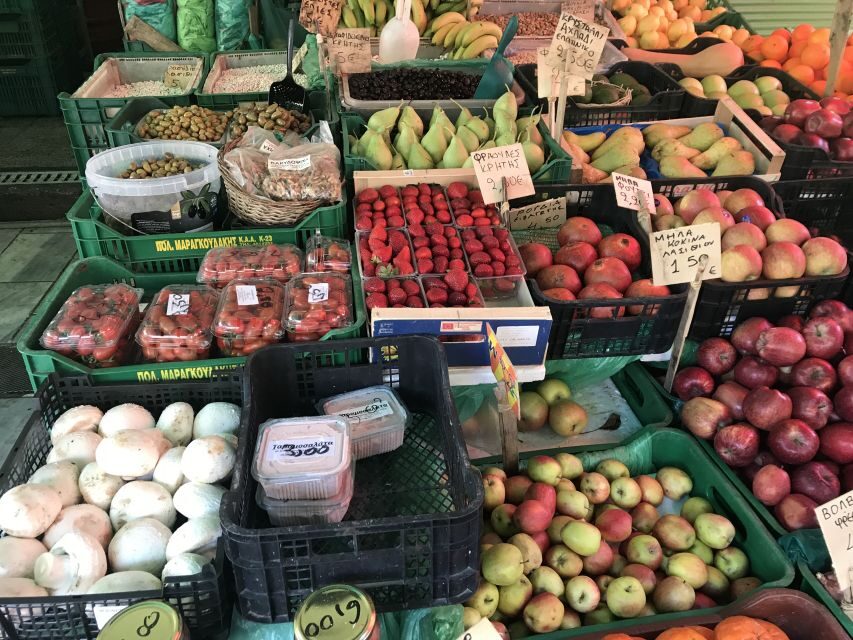
- 12 local food and drink tastings folded into a short city-center walk
- A family bakery stop with Greek coffee, kalitsounia, raisin pies, and cinnamon cookies
- A traditional shop stop for herbs/spices and Cretan mountain tea
- An olive-focused tasting with organic extra virgin olive oil tied to local table olives
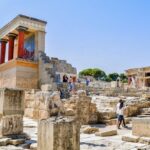
- Sightseeing through Venetian Walls, Lion Square, and cathedral landmarks
Where this tour starts in Heraklion (and why it matters)
You meet at the Capsis Astoria Heraklion, right by Eleftherias Square, close to the Archaeological Museum. That location is handy because it puts you in the thick of Heraklion’s walking zones without forcing a long commute first.
For a tour like this, that matters. The whole point is that you’re moving between food shops and monuments on foot. When you’re already central, you spend your time tasting and looking, not transferring buses or hunting for the starting point with sore feet.
You can also read our reviews of more walking tours in Crete
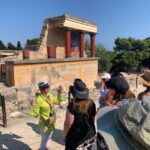
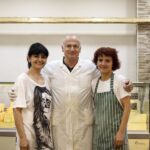

The 2-hour walk: fast, focused, and built around eating
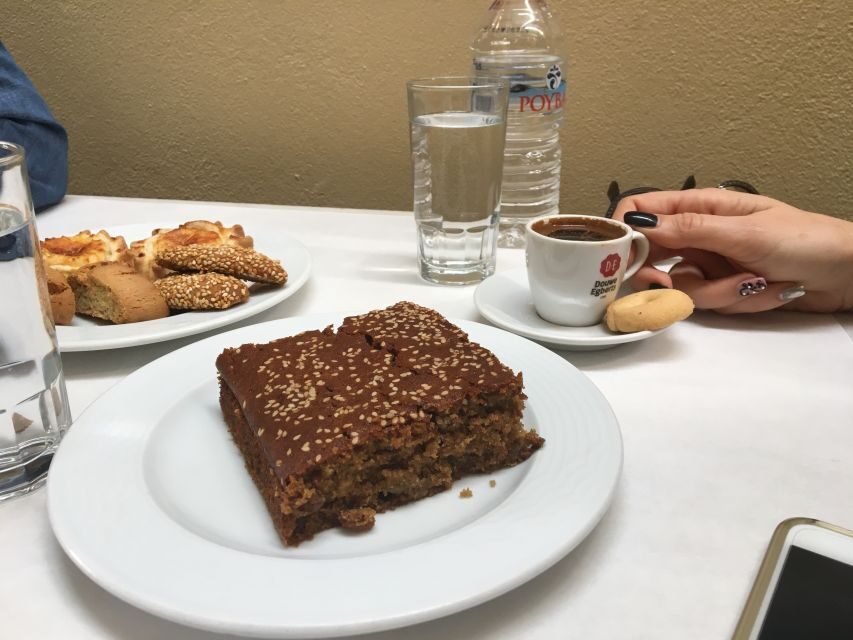
This isn’t a long “tour bus” day. It’s a 2-hour experience with a live English-speaking guide in a private group format. You’ll be in the Heraklion city center, and the pace is geared toward steady stops rather than big sightseeing gaps.
Because the duration is short, you’ll want to treat this like a plan, not a casual stroll. Comfortable shoes are a must, and you’ll get the most out of it by arriving ready to walk and ready to sample.
Also note the practical rule: late arrivals can’t join later, so build a little buffer into your schedule.
Stop 1: The bakery-style flavor jump (coffee, kalitsounia, and sweets)
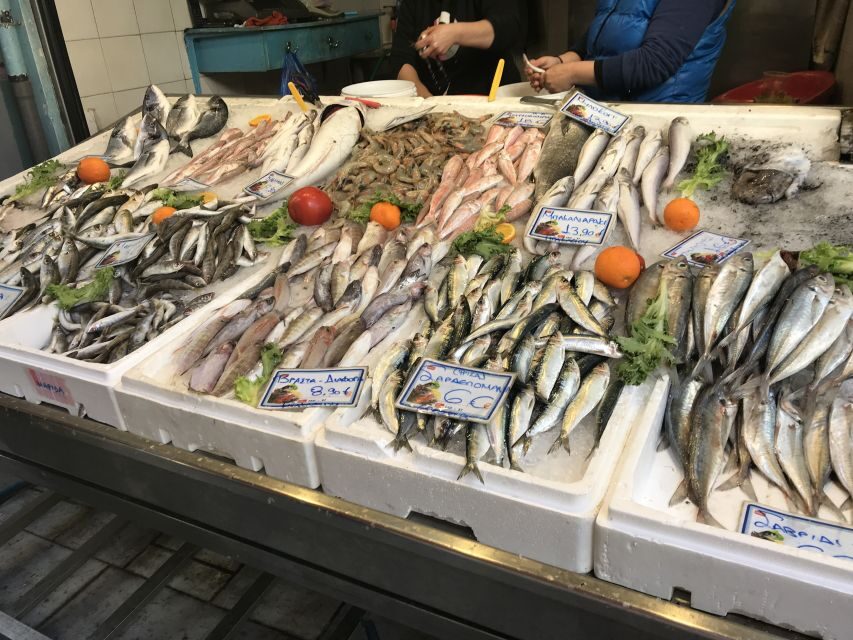
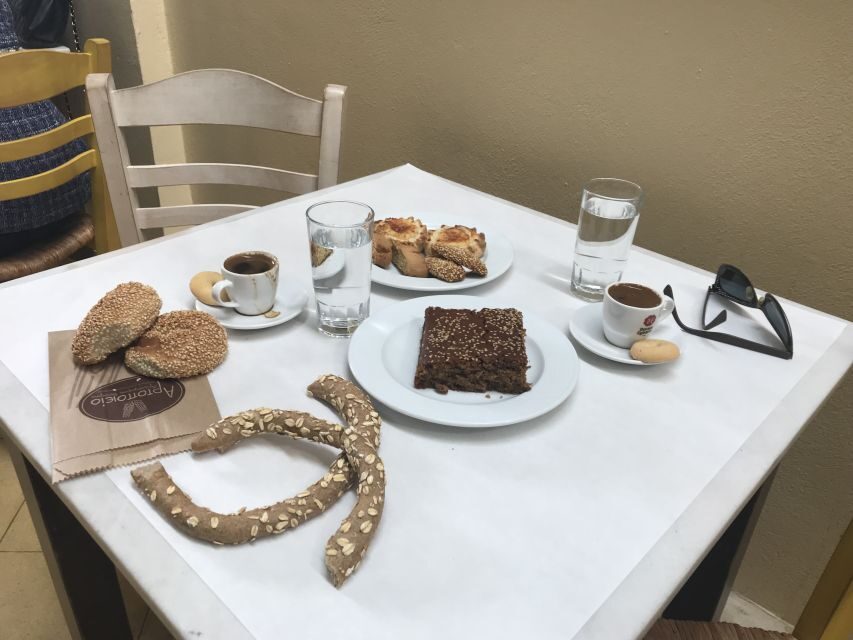
One of the most local-feeling moments comes at the Cretan family bakery, described as a daily meeting point for locals. That’s a big deal in practice: you’re tasting at the kind of place people return to every day, not only during tourism hours.
Here’s what you should expect in the bakery stop:
- Greek coffee
- Kalitsounia, sweet pies with a soft cheese filling
- Raisin pies
- Cinnamon cookies
What I like about starting here is how it sets the tone for the rest of the walk. Sweet pies and coffee are a familiar way to understand “comfort food,” then the guide can connect that daily food culture to what you’ll taste later—like herbs, olive oil, and cheeses.
A tip that saves your appetite
Do not plan a heavy breakfast beforehand. This tour packs a lot of tastings, and the bakery stop is the kind that can quietly steal the room in your stomach. If you follow that simple rule, you’ll enjoy everything more.
Stop 2: Herbs, spices, and mountain tea (where aromas do the teaching)
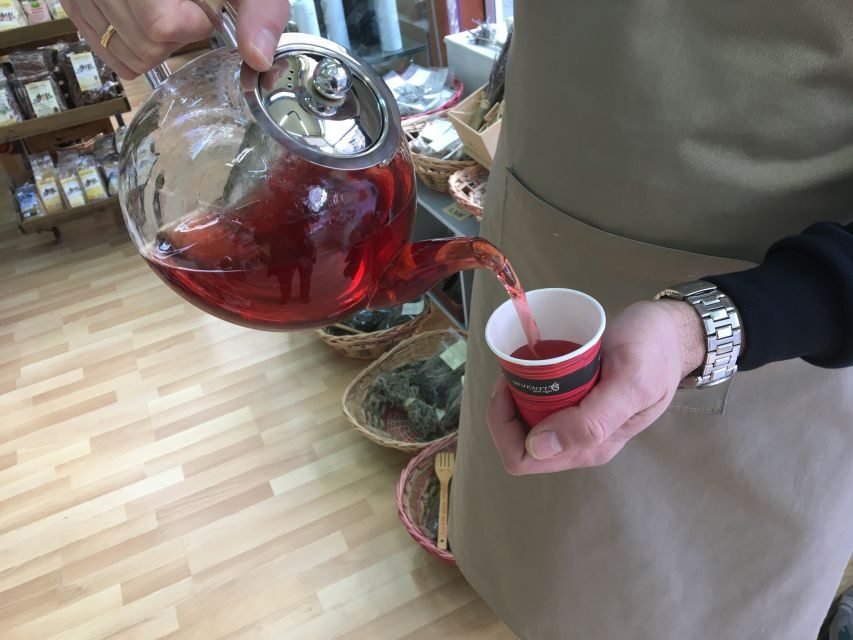
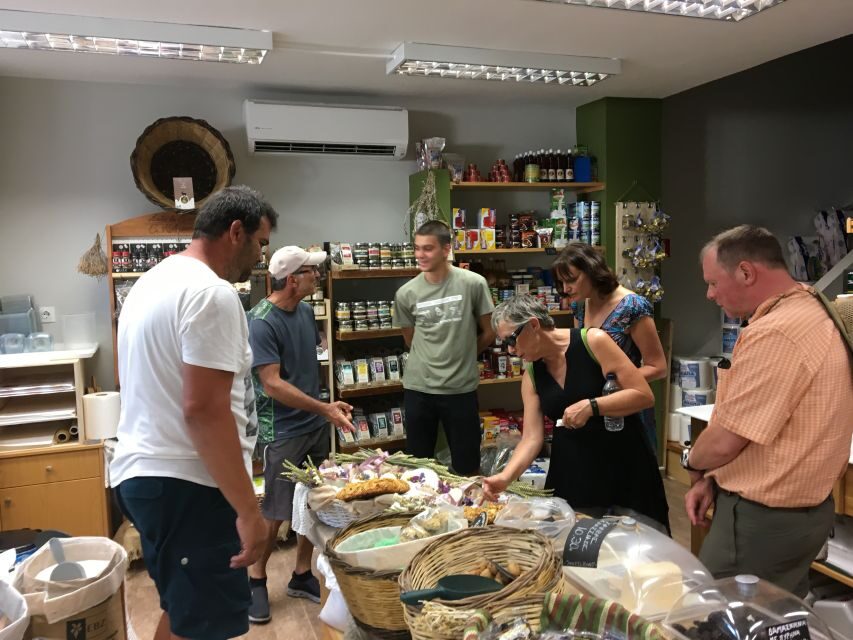
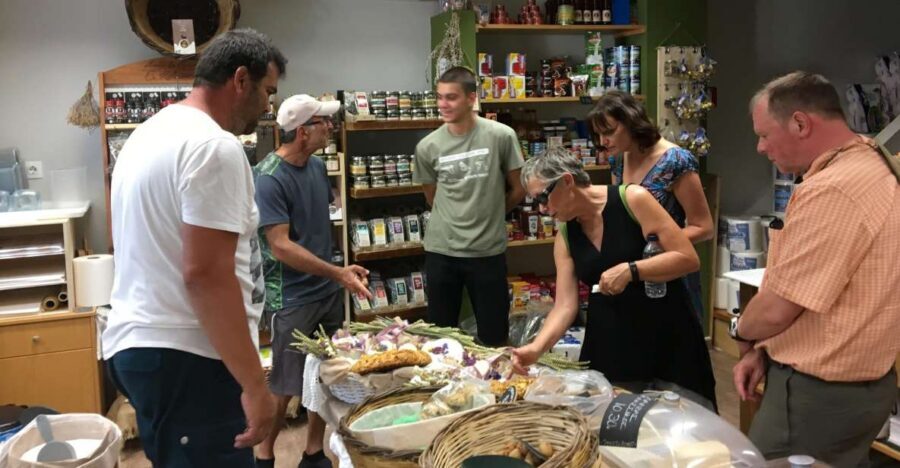
After the sweets and coffee, the tour shifts to a more aromatic angle at a traditional Cretan shop. This is the stop where you’ll learn about the building blocks behind everyday flavor—especially herbs and spices—and then you’ll put that knowledge into your cup.
You’ll also get the chance to savor Cretan mountain tea here. Even if you’re not a tea specialist, this kind of tasting is useful because it helps you notice how Cretan flavors often start with what’s local and grown in the region.
You can also read our reviews of more city tours in Crete


Why this stop is more than a side note
Food tours can sometimes become a list of items. This one tries to connect items to context: how tastes fit the land and how traditions travel from ingredient to meal. The herb-and-tea stop is where that “why” starts to click.
Olive oil tasting: the table-olive story you’ll actually remember
Next comes an olive-focused tasting that’s easy to remember because it’s ingredient-driven. You’ll try organic extra virgin olive oil, described as made from varieties of table olives.
That’s a smart choice for a short tour, because olive oil is both:
- a daily staple, and
- a core part of the Mediterranean diet idea.
You’ll also learn how the guide explains the Cretan diet’s connection to history and longevity—so the olive oil isn’t just a sample, it’s a symbol of how people eat day after day.
Cheese stop: goat-sheep, Gruyère, parmesan, and more
Cheese lovers will have a great time here because the tasting isn’t one thing—it’s a lineup. You’ll try:
- goat–sheep cheese
- Gruyère
- parmesan
- soft cheese
- natural yogurt with honey
The best part for you, as a visitor, is that you can taste differences without needing a formal cheese-education class. The guide’s role is to keep it understandable and to help you make sense of what you’re tasting in a way that sticks after the tour.
If you’re the type who thinks about food after the meal—like what ingredient made something taste the way it did—this stop will give you that satisfaction.
Where bougatsa and dakos fit (and why they’re worth tasting)
Even though the itinerary is described by stops, the food list tells you that you’re sampling more than just sweets and cheese. Bougatsa and dakos are included.
Here’s how to think about that as you plan your day:
- Bougatsa gives you a classic, pastry-style comfort note.
- Dakos adds a savory, bread-and-topping angle that helps balance the heavier sweet items.
That balance is important in a tour like this. If it were only pastries and cheese, you’d feel overloaded. By mixing in these savory, local staples, you’ll get a more realistic picture of what people actually eat across a day.
Sightseeing while you’re eating: Venetian Walls, Lion Square, and cathedrals
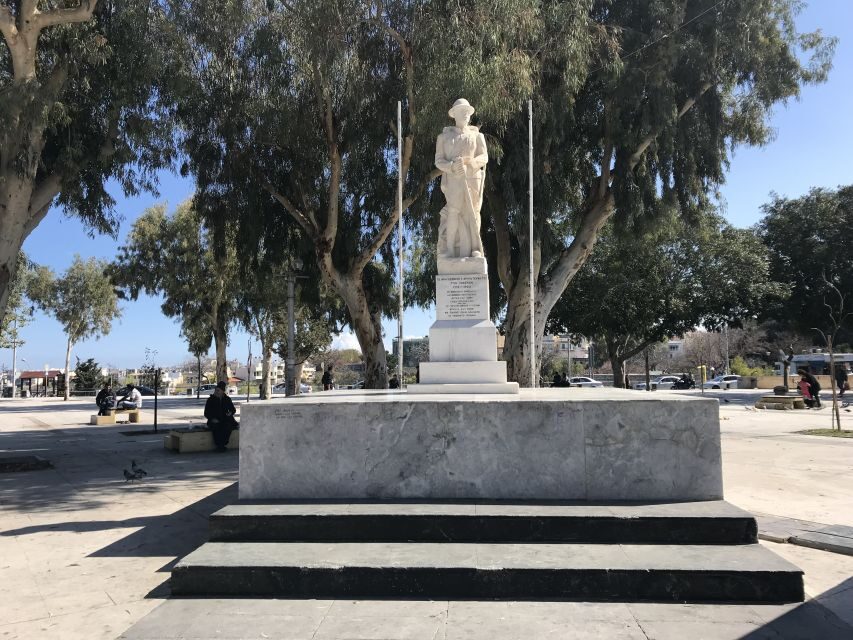
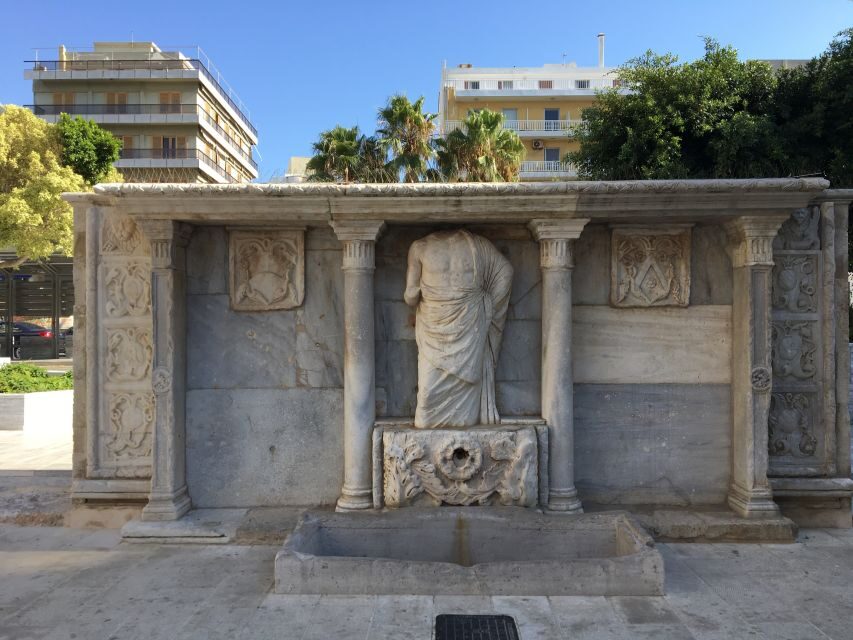
This tour isn’t only about food. You also cover major sights in the historic city center area, including:
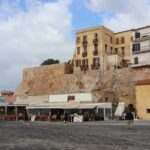
- Venetian Walls
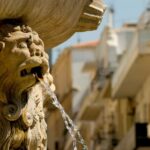
- Lions Square
- Saint Titos Cathedral
- Agios Minas Cathedral
What I appreciate about this approach is that you get two learning channels at once. While you taste, you’re also seeing the physical setting—so the guide can connect the food culture to the city’s evolution.
It also keeps the walk interesting. If you’re worried food tours can feel repetitive, mixing in monument stops makes the time feel varied and faster.
Drinks and local sips: raki, wine, and a non-alcoholic option
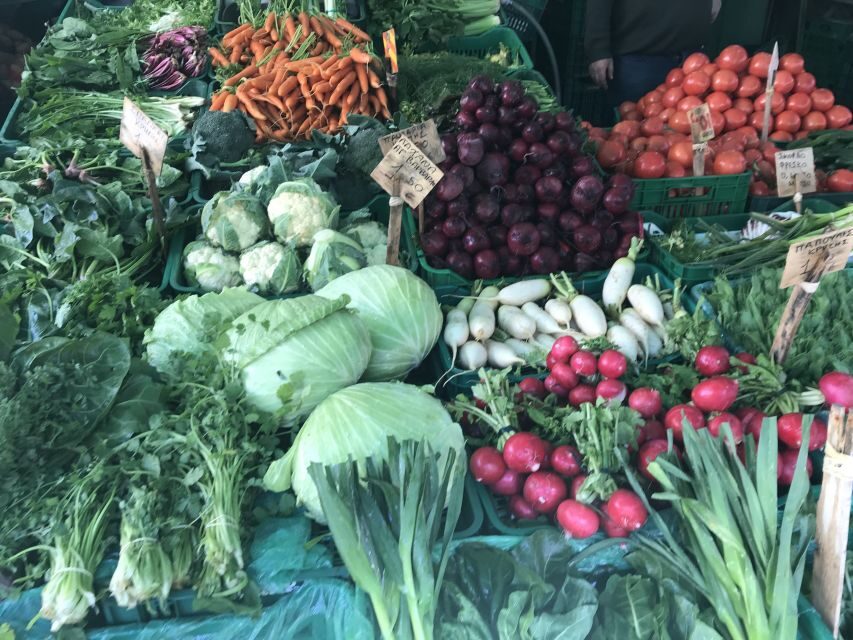
Cretan food culture often includes drinks, and this tour follows that pattern. You’ll have:
- raki
- wine
- a traditional herbal drink (non-alcoholic)
So even if you prefer to skip alcohol, you’re not stuck with only water. And if you do drink, the key is to pace yourself. In a walk-and-taste setting, a little moderation goes a long way toward enjoying everything.
What the guide adds (and why the best tours feel personal)
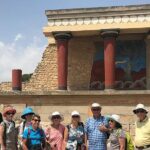
This tour is led by a live English guide, and the experience is designed as a private group. That matters because it turns “tasting” into conversation.
One name that comes up is Heraklia, and the feedback around her style is consistent: engaging, friendly, and able to explain things like a smart friend walking beside you. That kind of guide makes it easier to taste intentionally—so you’re not just eating, you’re learning.
Price and value: is $119 per person a fair deal?
At $119 per person for about 2 hours, the price is less about a ticket and more about what you’re buying:
- 12 tastings (food and drinks)
- multiple categories (coffee, sweets, herbs/tea, olive oil, cheese, plus items like bougatsa and dakos)
- guided explanation of how the diet connects to Cretan life and history
- sightseeing stops across central Heraklion landmarks
If you compare this to the cost of sampling similar items on your own (especially with guided guidance and a planned route), it starts to feel reasonable. You’re not just paying for food; you’re paying for the sequencing and context that help you taste better and walk efficiently.
The biggest value signal here is the concentration: you get variety quickly, without needing to coordinate multiple shops yourself.
Practical tips so your afternoon goes smoothly
A few details will make your experience far more comfortable:
- Wear comfortable shoes. You’ll be walking and standing at stops.
- Bring sunglasses and a sun hat. Central Heraklion can get bright and warm.
- Don’t bring luggage or large bags. You’ll want to travel light.
- Come hungry, and avoid eating a big breakfast ahead of time.
- Arrive early enough to be on time, because late arrivals can’t join late.
If you follow those, you’ll enjoy the tastings instead of rushing through them.
Who should book this tour (and who might skip it)
This tasting walk is a great match if you:
- like food that comes with context
- want a short activity with a lot of sampling
- enjoy walking through city centers and noticing details as you go
- want the Cretan diet story explained in a hands-on way
It may be less of a match if you:
- have mobility constraints, because it’s not suitable for wheelchair users or people with mobility impairments
- dislike walking between several stops, even though it’s only two hours
Should you book the Heraklion tastings walking tour?
I think it’s a smart booking for most visitors who want more than a checklist. The combination of 12 tastings and major city-center landmarks makes the time feel efficient, and the guide-led explanations turn “what did I eat?” into “why does Cretan food work?”
Book it if you’re hungry for a real taste of Cretan daily life—bakery culture, herbs and mountain tea, olive oil, and the cheese-and-honey rhythm. Skip it if you’re not a fan of eating on the move or if you need an accessible route. Otherwise, this is the kind of afternoon that leaves you full, walking smarter, and remembering flavors long after you leave Heraklion.
FAQ
How long is the Heraklion city tasting walking tour?
The tour lasts 2 hours.
Where does the tour start and end?
It starts at the Capsis Astoria Hotel front door near Eleftherias Square, and it ends back at the same meeting point.
How much does it cost?
The price is $119 per person.
Is the tour private?
Yes, it’s a private group experience.
What language is the guide?
The tour guide speaks English.
How many tastings are included?
You’ll get 12 local food and drink tastings.
What kinds of food and drinks are included?
Included items include bougatsa, coffee, kalitsounia, fresh fruits, dakos, souvlaki, raki, wine, traditional herbal drink (non-alcoholic), and several types of cheese and olive-related tastings.
Does the tour include alcohol?
Yes. Raki and wine are included, and there is also a traditional herbal drink that is non-alcoholic.
What should I bring?
Bring comfortable shoes, sunglasses, and a sun hat.
Is the tour wheelchair accessible?
No. It isn’t suitable for wheelchair users or people with mobility impairments.