REVIEW · CRETE
Research diving with a Marine Biologist in Crete
Book on Viator →Operated by Dive2gether Crete · Bookable on Viator
One morning, the sea turns into a classroom. This 1-day marine biology program pairs you with an in-house marine biologist so you can explore a chosen underwater habitat, collect real data as a citizen scientist, and then zoom in on samples in an open-air microscope lab. I like the max 4-person group, which keeps the attention personal, and I love the marine biologist-led briefings that make what you’re seeing feel meaningful. You may even work with biologists such as Vanessa, Martina, Marie-Clarie, Kirsten, and Katy, depending on the day.
Here’s the key consideration: this is for certified scuba divers only, and you need to be healthy and fit for scuba with a moderate physical level. If you want a casual snorkel day or you’re still deciding whether scuba is for you, this won’t match your pace or requirements.
In This Review
- Key Highlights You’ll Care About
- What You’re Really Buying: A Marine Biology Day, Not Just Scuba Time
- The 8:30 AM Start and the Two-Spot Route: Souda Beach to Plakias
- Tailored to Your Level: How the Biologist Keeps It Right-Sized
- Choosing the Biome and Learning What to Look For
- Souda Beach: Why the First Location Matters
- Plakias Second Stop: Bringing the Story Together
- Back at the Field Station: Microscopes Make It Real
- Gear, Photos, and the Real Value of $308.58
- Who This Fits Best (and Who Should Skip It)
- Quick Planning Notes That Make the Day Easier
- Should You Book This Marine Biologist Day in Crete?
- FAQ
- How many people are in the group?
- Do I need to be a certified scuba diver?
- What time does the day start, and where do we meet?
- Where does the tour go during the day?
- Is lunch included in the price?
- Are scuba equipment and marine biology equipment included?
- Are underwater photos included?
- What language is the tour offered in?
- Final Thought
Key Highlights You’ll Care About
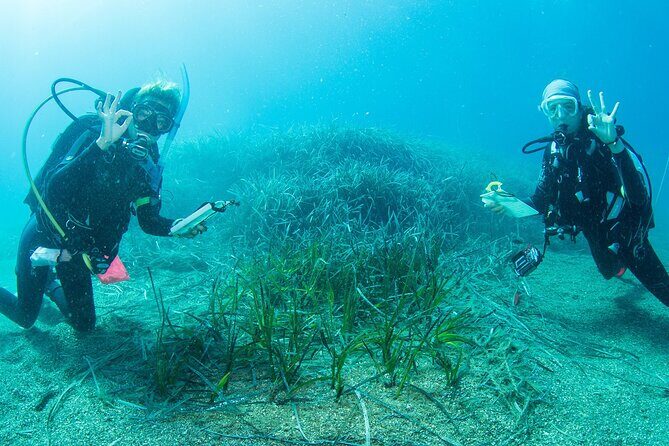
- Small group size (up to 4 divers) for a calmer, more hands-on day
- Two underwater sessions tailored to your level and interests
- Citizen science data collection so your observations matter
- Open-air microscope lab to study what you sampled
- Souda Beach + Plakias locations for variety in the day’s habitat focus
- Underwater photo add-on if you want images taken by the guide
What You’re Really Buying: A Marine Biology Day, Not Just Scuba Time
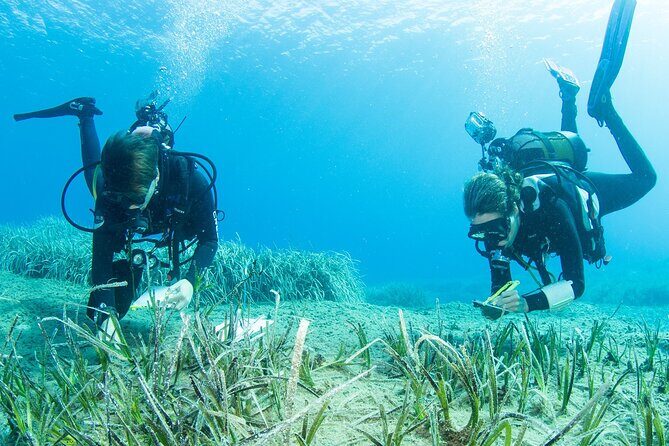
This experience is built around marine biology research habits, not just seeing fish. You spend time with a marine biologist guide, learning what to look for in a specific underwater biome your group chooses, then applying that knowledge during two separate underwater sessions. That structure changes the whole vibe: you stop doing random peeks and start doing guided observation.
The best part is how the day ties the fieldwork to a lab moment. After you’re back at the marine field station with microscopes, you and your group can examine samples and connect the living underwater world to what’s happening at a smaller scale. For me, that’s where the learning sticks. You don’t just come away with memories. You come away with a clearer mental map of the Mediterranean ecosystem.
There’s also a practical, human touch. The program is designed for English-speaking groups and run by an in-house trained team. From the names I’ve seen associated with the program—Vanessa, Martina, Marie-Clarie, Kirsten, and Katy—you can expect instruction that’s both friendly and organized, with a real research mindset behind it.
You can also read our reviews of more tours and experiences in Crete.
The 8:30 AM Start and the Two-Spot Route: Souda Beach to Plakias
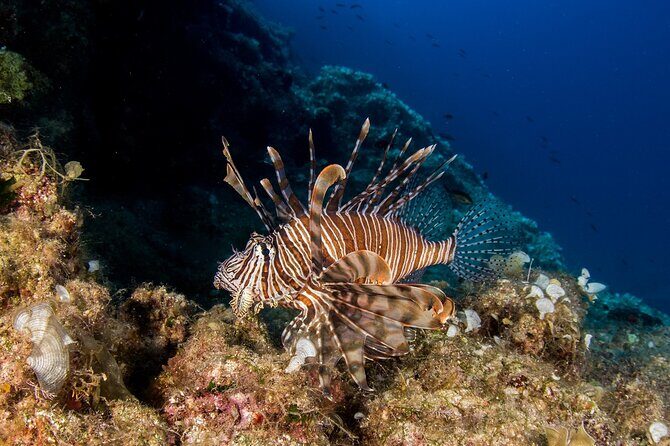
The day kicks off at 8:30 am at the Dive2gether Crete site in Myrthianos Plakias (Eleftheriou Venizelou, 740 60, Greece). You’ll return to the same meeting point at the end, so you’re not piecing together your own logistics after a long morning.
The itinerary uses two locations: Souda Beach and Plakias. That split matters because marine life changes from site to site. Even if the surface looks similar, the underwater community and the “story” can shift—so two sessions give you a better chance to notice patterns rather than just one highlight.
Practical consideration: since it starts early, plan on being ready for briefing time. You’ll want your gear in order and your head in the game, especially because the program includes both underwater observation and post-session lab work.
Tailored to Your Level: How the Biologist Keeps It Right-Sized
This is not a one-size-fits-all scuba day. The program is described as tailor-made to your diving level, experience, and interests. In practice, that means you’re not just following a route. You’re learning how research observations are made, then applying that same approach underwater.
The small group size (up to 4 divers) helps here. You can ask questions and get feedback without feeling like you’re competing for attention. It also supports the idea of becoming a citizen scientist: you’re collecting information that’s meant to educate others and support environmental protection.
One more detail that influences the experience: you get specialised marine biology equipment. That suggests the day includes more than visual identification. You should expect to participate in hands-on tasks that feel like field research.
Choosing the Biome and Learning What to Look For
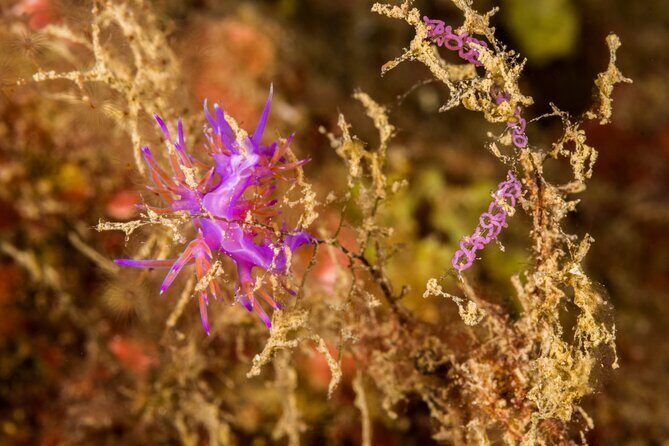
A big part of the appeal is that you don’t just get a generic tour. You’ll discover an underwater biome of your group’s choice with a marine biologist guide. That choice can be the difference between a day that feels random and a day that feels personal.
Your briefings are where you build the lens you’ll use underwater. The program is set up to include facts about local flora and fauna, plus the methods used in marine biology research. Then the underwater sessions are essentially where you practice those methods.
Here’s what that can look like on a research-focused day, based on what the program is known for: you may take samples (the microscopes afterwards confirm that sampling is part of the model), record underwater notes, and participate in guided activities that help you recognize species and understand what the organisms are doing in their environment.
Even if you consider yourself an intermediate scuba participant, you’ll probably still learn something new—because the focus isn’t only on the animals you see, but also on the research questions behind them.
Souda Beach: Why the First Location Matters
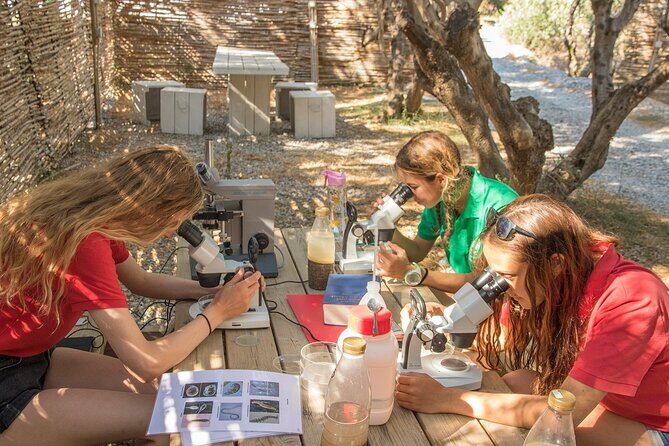
Souda Beach is the first stop on the schedule. In a structured research day, the first site often sets the tone: it’s where you get used to the method, the equipment, and the rhythm of working with a biologist guide.
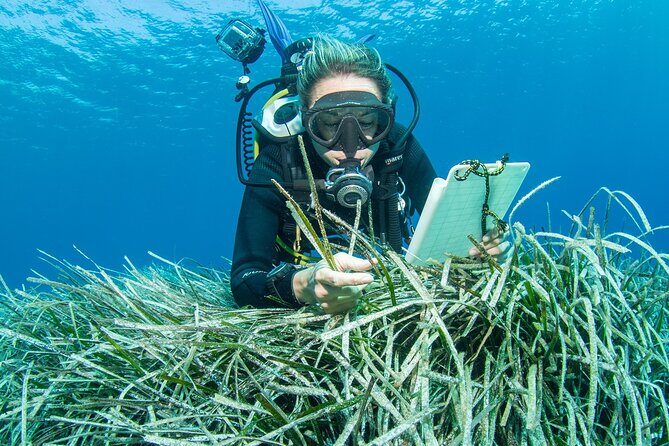
From a value perspective, this first stop is a good place to expect an easier ramp-in. You’re learning how the data collection works, and you’re likely building confidence before the second session. If your chosen habitat includes underwater plants like seagrass, this kind of setup can be especially interesting because seagrass environments act like both nursery habitat and living structure for smaller life.
A realistic drawback to keep in mind: your chosen biome might influence how long you spend on specific tasks. That’s part of the point, but if you’re the type who wants constant “just show me cool stuff” cruising, you may find yourself pausing to focus on observation and procedures.
Plakias Second Stop: Bringing the Story Together
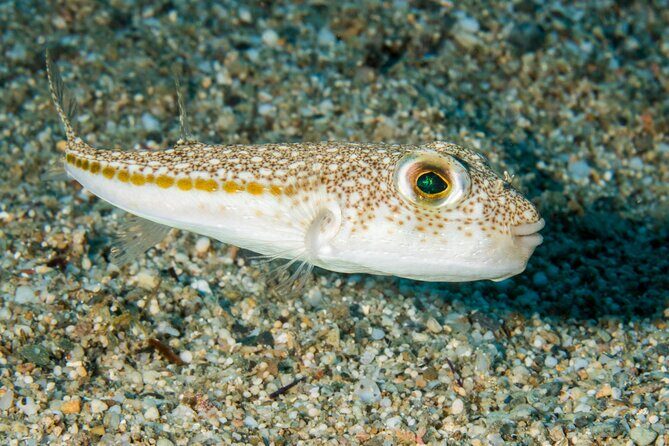
The second location is Plakias. By then, you’ve usually already received the key briefing and you’ve started collecting information. The second stop helps you compare what you see and refine your identification skills.
This is also where the “citizen scientist” concept can feel more real. The first site can teach you the method. The second can help you produce observations that connect to the bigger picture—how different parts of the Mediterranean habitat support different life.
And since you’re capped at small group size, the guide can keep track of what each person is noticing. That’s often what makes a marine biology day feel different from a basic tour: you don’t leave thinking you saw a few interesting fish. You leave with a clearer sense of what the ecosystem is doing.
Back at the Field Station: Microscopes Make It Real
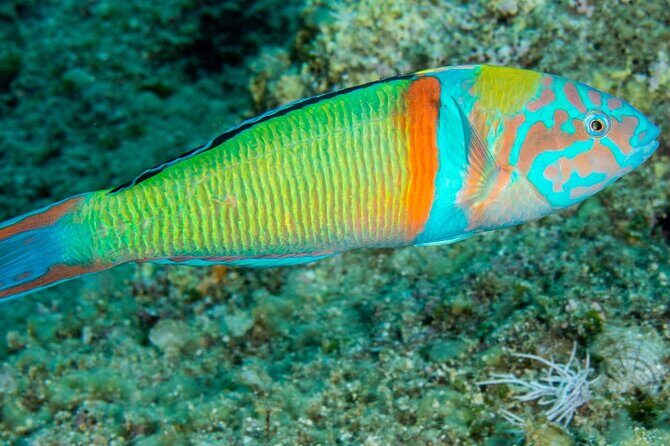
After the underwater work, you debrief your sessions and talk about what you experienced and learned. Then comes the lab-style payoff: you get to look at your samples under microscopes in an open-air marine biology lab.
This is the most “research day” moment of all. Underwater identification can be hard—especially with smaller organisms or life forms that look similar. A microscope turns that uncertainty into something you can actually learn from. Even a quick look can change how you understand the ecosystem you just visited.
This lab component also adds value to the price. You’re not paying only for transport and gear use. You’re paying for instruction, equipment, and a guided educational process that continues after the water time ends.
If you’re the kind of person who likes pictures but also likes answers, this is where you get both.
Gear, Photos, and the Real Value of $308.58
The price is $308.58 per person for the 1-day format. That number can look high at first glance, but here’s where the value comes from.
Included:
- Scuba equipment use
- Specialised marine biology equipment
- Bottled water
- Microscope time in the open-air lab
- A private setup for your group, led in English
Not included:
- Lunch (you eat together at a beach taverna, but you pay separately)
- Underwater photos, which can be purchased for 19 euros
So you’re paying for guided science work, not just access to water. The microscope lab alone elevates the experience above a typical charter-style outing. And because your day is structured with briefings, underwater application, then a debrief and lab analysis, it feels like a full educational package.
If you’re budgeting, add lunch and photos as optional extras. If you’re camera-happy, ask ahead about the photo purchase process so you’re not surprised by the timing.
Who This Fits Best (and Who Should Skip It)
This program fits best if you are:
- Already certified in scuba
- Comfortable with the physical demands of scuba and have moderate fitness
- Interested in learning about Mediterranean marine life beyond surface-level viewing
- Motivated by hands-on, data-collection style activities
It may feel like too much structure if you’re looking for a casual, purely recreational outing. The day includes method, briefings, observation tasks, and lab work. That’s a strength for science-minded people, but it’s not the ideal match if you only want long, relaxed sightseeing with minimal instruction.
Also, since it’s in English, it’s a good choice if that’s comfortable for you. If you’re traveling with friends who prefer another language, confirm the day’s instruction plan when booking.
Quick Planning Notes That Make the Day Easier
A few practical tips help this kind of program go smoothly:
- Eat something beforehand. You can have lunch after, but lunch is not included, so plan for it.
- Be ready to stay engaged. This day is part classroom and part fieldwork.
- If you’re sensitive to early wake-ups, set an alarm early. The start is 8:30 am.
- Bring a water-friendly mindset. You’ll be using equipment and likely handling sampling tools as part of the method.
If you do those simple things, you’ll get more out of each segment—briefings, underwater observation, and the lab session.
Should You Book This Marine Biologist Day in Crete?
Book it if you’re a certified scuba diver who wants more than a standard outing. The small group, the biologist-led approach, and the microscope lab are the big reasons. You’ll leave with a sharper understanding of Mediterranean habitats and the chance to contribute to citizen-science-style marine biology projects.
Skip it if you’re not certified, not feeling fit for scuba, or you want a low-structure, snorkel-style day. Also factor in lunch and optional photo costs so the total day budget feels clear. If you can go on short notice, you also have flexibility with cancellations (free up to 24 hours in advance for a full refund).
If your goal is learning that sticks, this is a smart pick for Crete. You’re not just seeing marine life—you’re studying it.
FAQ
How many people are in the group?
The program is limited to a maximum of 4 divers, and it’s set up as a private activity for your group.
Do I need to be a certified scuba diver?
Yes. The activity is for certified divers only, and you must be healthy and fit for scuba.
What time does the day start, and where do we meet?
It starts at 8:30 am at Dive2gether Crete – 5 star PADI diving school and center, Eleftheriou Venizelou, Myrthianos Plakias 740 60, Greece.
Where does the tour go during the day?
You’ll visit Souda Beach first, then Plakias as the second stop.
Is lunch included in the price?
No. Lunch is not included, but you can enjoy eating together at a taverna on the beach by paying separately.
Are scuba equipment and marine biology equipment included?
Yes. Bottled water is included, scuba equipment is provided, and you’ll also use specialized marine biology equipment.
Are underwater photos included?
No. Underwater photos are taken by the guide and can be purchased separately for 19 euros.
What language is the tour offered in?
The program is offered in English.
Final Thought
If you want Crete’s sea to teach you something real—habitats, species, and how marine biology fieldwork works—this is the kind of day that rewards curiosity, not just good visibility.