REVIEW · CRETE
The Cretan Way of Life at the mountains of Rethymno (Mylopotamos)
Book on Viator →Operated by ECO EVENTS · Bookable on Viator
Honey on your hands, goats on the hillside. This small-group day in the mountains of Rethymno is built around real farm and village life, from meeting the last nun at the Monastery of the Holy Cross Vosakos to learning beekeeping for thyme honey. I especially like that you get hands-on access to people’s routines (shepherding, hive work, and a home lunch), not just “look and move on.” The one thing to plan for: orange tasting and picking depends on what’s in season, and the route is in hilly terrain with a moderate fitness level.
Pickup is the practical win here. You start at 9:00 am, and you’re picked up privately at hotels in the Rethymno district, so you avoid the self-drive stress while still seeing places you’d never find on your own.
By the time you reach Apladiana, the day feels like visiting family rather than following a rigid sightseeing script: raki shows up, wine with lunch follows, and the meal can finish with sweet cheese pies (pitakia) drizzled with honey. Small details—like a loukoumi treat at the monastery or orange trees you can smell before you reach the village square—add up fast.
In This Review
- Key Things I’d Mark on Your Map
- Why This Rethymno Mountains Day Feels Like Visiting a House
- Pickup From Rethymno: The Point Is Less Driving, More Day
- Monastery of the Holy Cross Vosakos: Flowers, Herbs, and the Last Nun
- Milopotamos Shepherd Stop: Raki, Appetizers, and the Goat Herd Moment
- Beekeeping With Eleni: Thyme Honey, Bare Hands, and the Real Work
- Apladiana Lunch at Andreas and Eleni’s Home: Wine, Organic Food, Pitakia
- Orange Trees and Village Customs in Apladiana Square
- Price and Value: What You’re Really Paying For
- Who This Tour Suits (and Who Should Think Twice)
- Should You Book This Cretan Way of Life Tour?
- FAQ
- How long is the Cretan Way of Life tour?
- What time does the tour start, and where do I meet?
- Is hotel pickup offered?
- What is the group size limit?
- Is the tour offered in English?
- What food is included during the tour?
- Is a vegetarian option available?
- Can I taste honey or oranges during the tour?
- Are admission tickets included?
- What happens if bad weather occurs or the minimum number of travelers isn’t met?
- Can I cancel for a full refund?
- Is this tour suitable for everyone physically?
- Are service animals allowed?
Key Things I’d Mark on Your Map
- Groups capped at 6 for more conversation and less queue time
- Thyme honey production with beekeeper instruction and bare-hands extraction
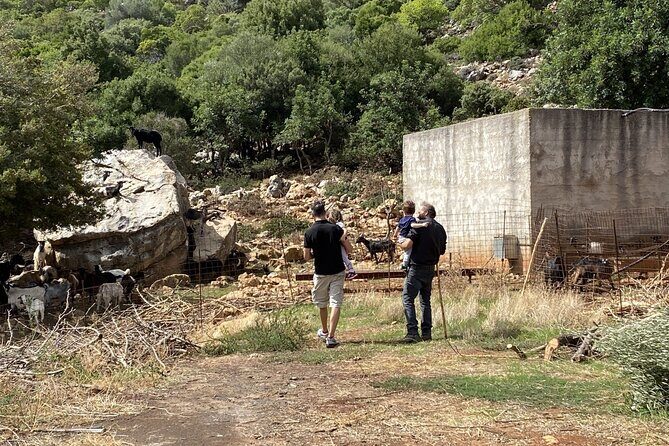
- Milopotamos shepherd moment watching around 100 goats move freely toward the hills
- Home-cooked mountain lunch in Apladiana with local organic products, wine, and a sweet finish
- Monastery visit at Vosakos with the monastery’s one remaining nun welcoming you
- Orange tasting/picking when in season during the village stop
Why This Rethymno Mountains Day Feels Like Visiting a House
This isn’t a “big bus, big checklist” outing. The day is paced around a few relationships: the shepherd, his wife the beekeeper, and the household that opens its home in Apladiana. That’s why it can feel memorable in a way that a standard tour doesn’t.
I also like the mix of places. You’re not only in one setting; you move from a monastery to a working farm, then to beehives, then to a village lunch. It helps you understand how Crete’s traditions sit inside everyday work—not just inside museums.
You can also read our reviews of more tours and experiences in Crete.


Pickup From Rethymno: The Point Is Less Driving, More Day
You’ll begin at Eleftheríou Venizélou 39, Rethymno at 9:00 am, and the tour offers private pickup at your hotel within the Rethymno district (pickup time varies by where you’re staying). That matters because the best parts of this tour are the stops that happen away from the main roads. No one wants to lose half a day to parking and winding mountain roads.
Expect a max group size of 6 travelers. That small number changes the feel right away: you’re more likely to ask questions, hear the explanations clearly, and actually talk to the people running the day’s activities.
Language is English, and you’ll get a mobile ticket. So you’re not juggling printed vouchers at each stop.
Monastery of the Holy Cross Vosakos: Flowers, Herbs, and the Last Nun
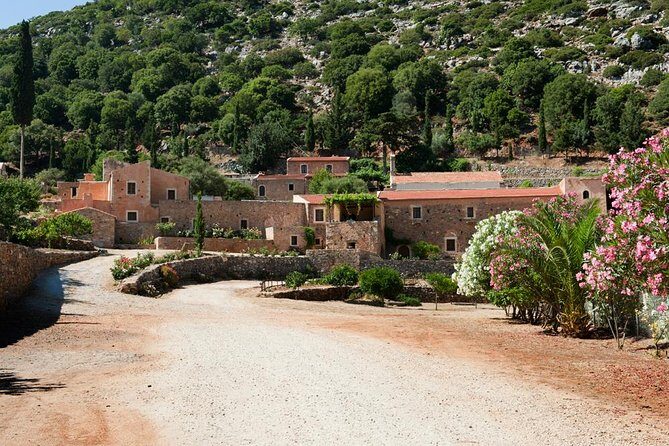
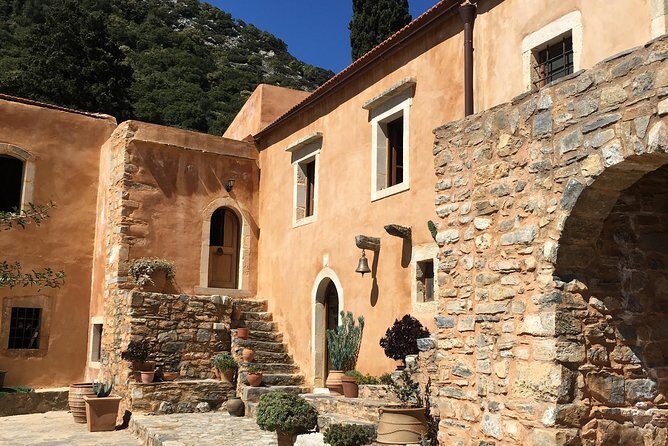
The day opens with a drive of about an hour from the center of Rethymno to the Monastery of the Holy Cross Vosakos. The monastery sits in a lush, plant-rich setting with flowers, trees, and aromatic herbs—so you’re not arriving to a cold stone wall. It feels like a calm pause before you head into hands-on farm life.
Inside, the visit includes time with the monastery’s one remaining nun, who welcomes you with a kind smile and a loukoumi treat. You can stay a while to enjoy the traditional stone architecture and quiet atmosphere, and you’ll learn about the monastery’s turbulent history.
Practical note: this stop is described at about 45 minutes. It’s enough time to look around and listen without turning it into a long lecture. Bring a light layer if the air feels cooler there.
Milopotamos Shepherd Stop: Raki, Appetizers, and the Goat Herd Moment
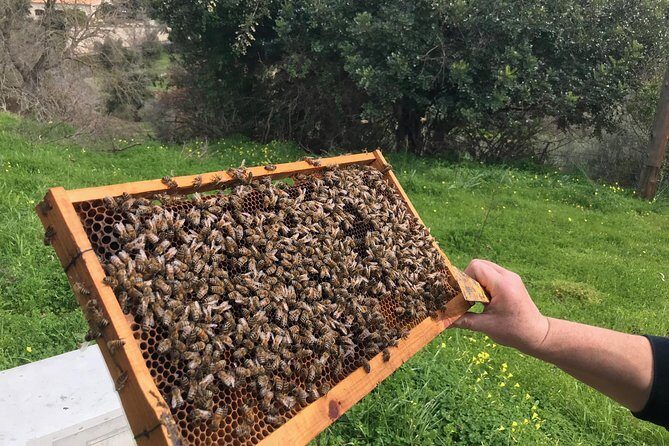
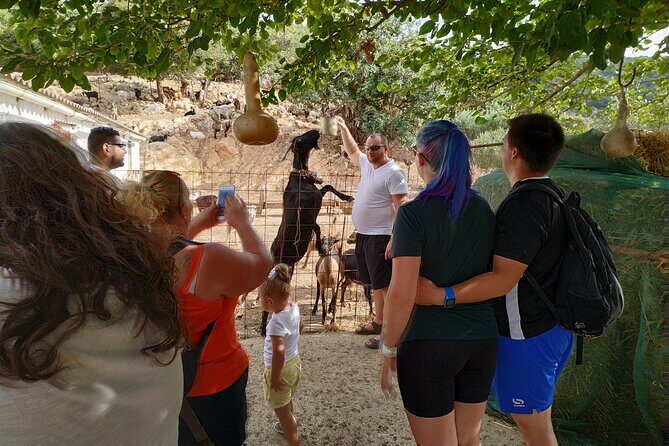
Next you move to Milopotamos, framed by three huge trees that create an impressive entrance. The shepherd, Mr. Andreas, greets the group and walks you through what a day in his life looks like—his routines, how milk production fits into the schedule, and how he cares for the goats.
This part of the tour is where I think most people feel the “real life” factor. You’re not just watching animals behind a fence; you’re seeing the system and hearing the rhythm behind it.
You’ll also taste typical Cretan appetizers such as cheese and olives, along with a glass of raki. Then comes the big wow moment: you can watch a herd of about 100 goats flow freely out of their stockyard and run toward the high hills.
Possible drawback: the herd moment is the highlight, but it’s also weather-dependent in how it feels outdoors. If it’s hot, you’ll want water and maybe a cap; if it’s windy, keep your phone secure before the moment when everyone’s pointing at the goats.
Beekeeping With Eleni: Thyme Honey, Bare Hands, and the Real Work
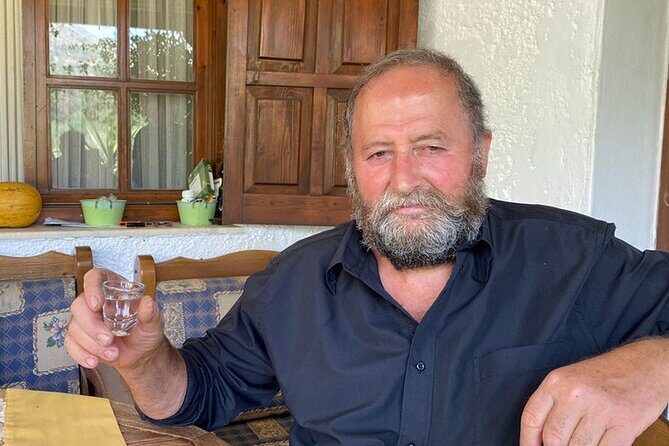
After Milopotamos, the day splits slightly depending on timing and season. You’ll either head to a different landscape where the flowers are blooming and fragrant, or you’ll stay on the spot—either way, the core of this stop is what happens next: meeting Ms. Eleni, the shepherd’s wife and a beekeeper whose knowledge passes through generations.
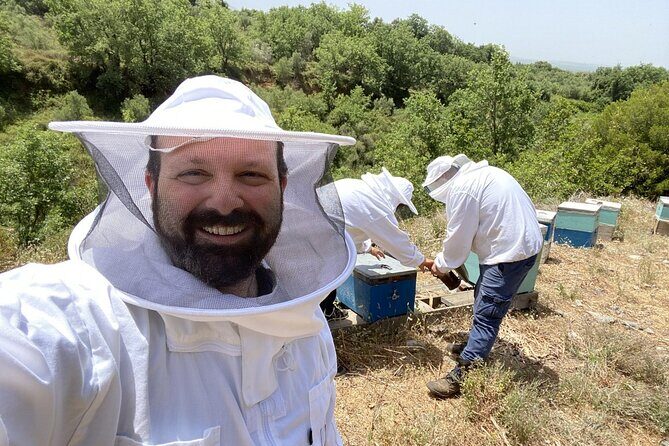
You’ll learn how she approaches beekeeping and the honey process. You’ll wear beekeeping uniforms, then watch her demonstrate honey extraction with her bare hands. The tour framing here matters: her bees are treated like close companions, not just livestock, and that mindset shows up in how she explains the steps.
The payoff is thyme honey. If you’re the type who thinks honey is just honey, this stop can change your brain. You’ll hear how the honey is made and what makes thyme honey a specific product, tied to where and how the hives are kept.
Timing-wise, this stop is about one hour. That’s a good length: long enough for you to see the process clearly, short enough that your day doesn’t stall while you wait.



Apladiana Lunch at Andreas and Eleni’s Home: Wine, Organic Food, Pitakia
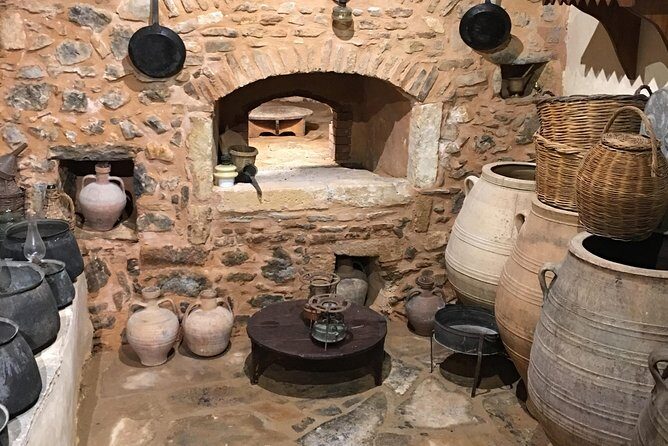
Now you reach Apladiana, a village high in the mountains. After lunch preparation begins, the hosts open their house to you. The setting is described as being between flowers, trees, and herb bushes, which helps explain why the aromas hit as soon as you enter.
You’ll sit down while Mr. Andreas pours a bottle of wine and offers a glass. Then Mrs. Eleni completes the meal she’s made especially for you. Lunch focuses on local organic products, and it’s built as a full pause in the day—not a quick bite.
Dessert can include sweet cheese pies (pitakia) with honey on top. This is the kind of final pairing that makes sense after the earlier honey stop. By the time you eat it, you’ve already heard how thyme honey is produced and you’ll likely taste the difference more clearly.
Worth noting: this is a home setting with a hosted meal, so expect a slower, more social pace than a restaurant lunch. If you like food that’s simple but well made, you’ll probably feel very satisfied.
Orange Trees and Village Customs in Apladiana Square
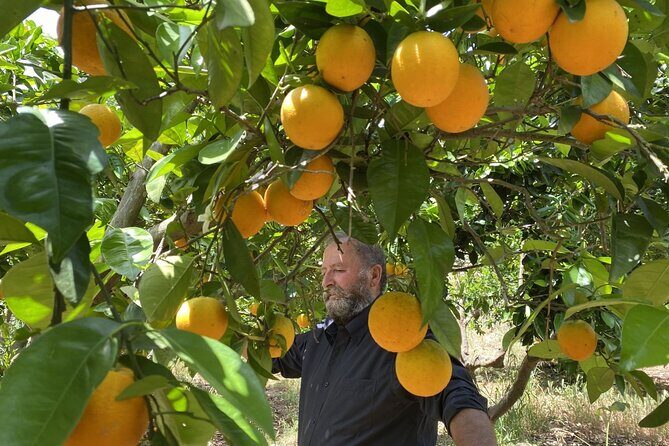
After lunch, you’ll go into the village center of Apladiana, described as one of the most ancient and traditional villages that still follows Cretan customs. On the way, you’ll pass a field full of orange trees, where the smell can be almost as memorable as the fruit.
Depending on the period, your guide may cut a few oranges by hand and offer them to you. This is exactly where the season note matters. If oranges aren’t ripe yet, you can still enjoy the sense of place and the village atmosphere, but you might not get that hands-on picking moment.
Once you arrive at the square, the tour wraps with discussion of Cretan customs, including where and how famous Cretan weddings take place in traditional villages. This is the “context” part that helps the day connect: you’re seeing farm work, then understanding how community life and ceremonies grow out of that rhythm.
The village stop ends after about 45 minutes, so it stays light.
Price and Value: What You’re Really Paying For
At $204.26 per person for about 6 to 8 hours, you’re paying for three things that aren’t easy to recreate on your own:
First, you’re paying for access. This day includes meeting real people in their daily roles—shepherding, beekeeping, and hosting. It’s not just tasting food; it’s hearing how work gets done and why it matters.
Second, you’re paying for logistics that remove stress. With private pickup in the Rethymno district and a return back to the meeting point, you avoid the self-drive chaos that can happen on mountain routes.
Third, you’re paying for a full day of structured experiences. You’ll include entry timing at the monastery (with admission ticket included), the shepherd/farm experience (with admission ticket included), plus the beekeeping and village/home stops where admissions are listed as free.
Could you do parts of this independently? Maybe, but the chances of finding a last nun welcome, thyme honey extraction with a working beekeeper, and a hosted lunch in Apladiana are low. This tour is priced like a day of human access, not like a bus ride.
Who This Tour Suits (and Who Should Think Twice)
This is a great fit if you like small groups, food that comes with context, and learning from people who actually do the work you’re seeing.
It also suits you if you want a day that doesn’t revolve around big-ticket attractions. The focus here is the mountain hinterland lifestyle—monastery calm, farm routines, hive knowledge, and village customs.
Think twice if you:
- Prefer a fully flexible schedule with no set stops (this tour runs on a defined route)
- Are worried about moderate physical fitness needs in hilly areas
- Travel at a time when oranges may not be in season for tasting/picking
Also, note that the tour requires good weather. If weather turns, you may be offered another date or a refund.
Should You Book This Cretan Way of Life Tour?
I’d book it if your idea of a perfect Crete day includes real conversations, hands-on food moments, and scenery with a purpose. This tour is one of the better options for people who feel tired of “see everything” tourism and want something more grounded.
If you’re choosing between many Rethymno excursions, what tips the balance here is the combination of small group size, guided translation of daily life (not just explanations), and a home meal that ties the day together. You’re leaving with more than photos—you’re leaving with a clearer sense of how mountain traditions function.
FAQ
How long is the Cretan Way of Life tour?
It runs about 6 to 8 hours.
What time does the tour start, and where do I meet?
The start time is 9:00 am. The meeting point is Eleftheríou Venizélou 39, Rethymno 741 31, Greece.
Is hotel pickup offered?
Yes. Private pickup is offered at each client’s hotel, but only within the district of Rethymno. Pickup time depends on your hotel.
What is the group size limit?
The tour has a maximum of 6 travelers.
Is the tour offered in English?
Yes, it is offered in English.
What food is included during the tour?
You’ll have a home-cooked lunch in Apladiana, plus Cretan appetizers (like cheese and olives) and raki at the Milopotamos shepherd stop.
Is a vegetarian option available?
Yes. A vegetarian option is available if you request it at booking.
Can I taste honey or oranges during the tour?
You’ll taste and learn about real thyme honey during the beekeeping stop. Orange tasting and plucking can happen if the season allows it.
Are admission tickets included?
Yes. Admission tickets are included for the Monastery of the Holy Cross Vosakos and the Milopotamos shepherd stop. The beekeeping and village/home stops list admission as free.
What happens if bad weather occurs or the minimum number of travelers isn’t met?
The experience requires good weather. If canceled due to poor weather, you’ll be offered a different date or a full refund. If the minimum number of travelers isn’t met, you’ll be offered a different date/experience or a full refund.
Can I cancel for a full refund?
Yes. You can cancel up to 24 hours in advance for a full refund.
Is this tour suitable for everyone physically?
It’s recommended for travelers with a moderate physical fitness level.
Are service animals allowed?
Yes, service animals are allowed.