REVIEW · HERAKLION
Plateau of Lassithi, Monastery of Kera and Ceramics
Book on Viator →Operated by TOURLINE · Bookable on Viator
Windmills, cave legends, and monastery stories in one day. This tour is interesting because it stitches together Lassithi Plateau history, Zeus mythology at Dictean Cave, and a hands-on stop to see ceramics made. I also like the practical comfort: pickup from north Crete plus an air-conditioned van with Wi‑Fi keeps the day from turning into a sweaty endurance test, and the guide team (notably Viola) adds real local context so you understand what you’re seeing.
The main drawback is the pace. It’s an 8-hour day, and Dictean Cave includes a climb, so you’ll want sturdy shoes and a bit of fitness. Also, you’ll pay small extras along the way: the monastery has a €2 admission, and lunch is optional (about €14).
In This Review
- Key highlights to know before you go
- A day in the mountains: why this route clicks
- Entering the Panagia Kera Kardiotissa Monastery (and its Cretan Revolt story)
- Up to Dictean Cave: Zeus mythology and the climb reality
- Termiado and the Lassithi Plateau: windmills, altitude, and perspective
- The ceramics stop at the pottery workshop: watching beats buying
- How the 8-hour rhythm actually feels
- Price and value: what $36.46 really covers
- The best kind of traveler for this tour
- A note on guides: why Viola keeps coming up
- Should you book Plateau of Lassithi, Monastery of Kera, and Ceramics?
- FAQ
- How long is the tour?
- Is pickup offered?
- Do they provide transportation comfort and Wi‑Fi?
- What’s included in the tour price?
- Is the monastery admission included?
- Is the pottery workshop included?
- Is lunch included?
- How big is the group?
- What if weather is bad or I need to cancel?
Key highlights to know before you go
- Air-conditioned, Wi‑Fi van: easier comfort on a long day out of Heraklion
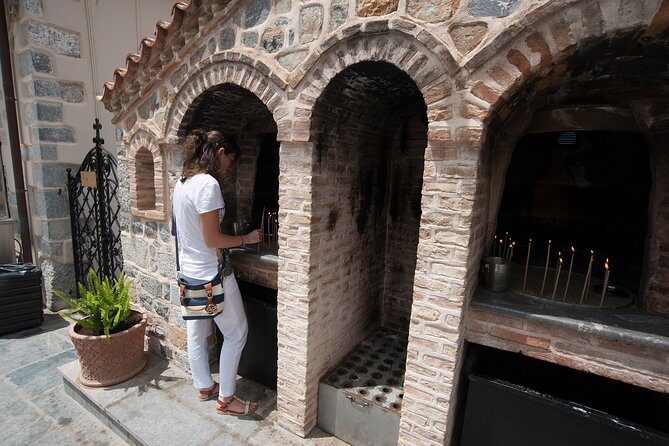
- Kera Kardiotissa Monastery: see Panagia Kera and learn its Cretan Revolt role (monastery admission €2)
- Dictean Cave: Zeus birthplace legend plus the payoff of big views when you come back outside
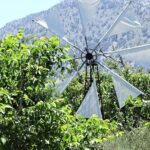
- Lassithi Plateau windmills: once around 10,000 windmills; now only a few remain
- Pottery workshop stop: you watch craftsmen make ceramic pots (workshop admission included)
- Group size capped at 46: big enough to run smoothly, small enough for a guided experience
A day in the mountains: why this route clicks
If you’re staying around Heraklion, this is a smart way to break up your Cretan sightseeing routine. You trade a single-site visit for a full circuit: monastery, myth at the cave, then the high plateau with its famous windmill past. The result feels like you’re seeing different Crete zones in one go, without you having to plan every turn of the road.
I like that the pacing is guided and structured. You don’t have to figure out timing between stops, and a live guide helps you connect the dots—what this monastery meant locally, why the cave matters in Greek mythology, and what life on the plateau looks like today.
You also get the practical side handled. Pickup is offered from many areas of north Crete, and the tour uses an air-conditioned vehicle with Wi‑Fi. That matters because this is a full-day experience, not a quick morning outing.
You can also read our reviews of more tours and experiences in Heraklion.


Entering the Panagia Kera Kardiotissa Monastery (and its Cretan Revolt story)
Your first stop is Kera Kardiotissa Monastery, also linked with Panagia Kera. It’s a short visit—about 45 minutes—and the monastery fee is not included (it’s €2), so plan for that small cash/card moment.
What makes this stop worth your time is the story tied to the place. You get context on how Panagia Kera played a major role and suffered significant damage during the Cretan Revolt. Even if you’re not a history person, that kind of background changes how you look at the building and grounds. It turns the visit from photo-op mode into understanding why people cared so much.
Practical tip: keep your expectations realistic for the time window. It’s not a slow wander-all-day kind of stop. If you want more time for photos or a longer look at details, do your walking quickly, then pause when the guide points out key areas.
Up to Dictean Cave: Zeus mythology and the climb reality
Next comes Dictean Cave, described as the birthplace of Zeus. This is one of those “myth meets geography” stops. You’re not just hearing a legend—you’re going into the real setting that made the story stick in local culture.
The tour time at this section isn’t spelled out minute-by-minute in your details, but the overall day is about 8 hours, and the cave visit is significant enough that comfort and shoes matter. One of the best pieces of advice I can give you is to treat the cave like a small hiking element. If you’re relatively fit, you’ll manage the ascent and the time inside with less stress.
Here’s the payoff: the view when you come back outside can feel nonstop in a good way. The cave itself is impressive, but the surrounding sightlines add a second layer of reward. It’s the kind of moment where you stop taking photos and just look—because the geography does some of the story-telling for you.
Practical tip: wear footwear with grip. Even if the cave floor isn’t described for you in detail, caves usually mean uneven surfaces and slick spots. Bring a light layer too. Caves can feel cooler than the sun outside.
Termiado and the Lassithi Plateau: windmills, altitude, and perspective

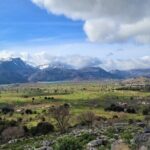
After the cave, you head toward Termiado, described as the capital of the Lassithi Plateau. This is where the day starts to feel more open and airy—less enclosed, more “you’re in the mountains now” energy.
Your tour also includes time that connects directly to the plateau’s windmill fame. You’ll hear how the whole plateau was once covered with 10,000 windmills, considered the biggest windmill park in the world. Today, only a few remain. That change—past scale vs. present reality—gives you a grounded view of how technology and livelihoods shift over time.
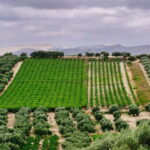
This part is less about one single monument and more about atmosphere. The plateau setting helps you understand why the area mattered: open ground, breezes, and a landscape people used in a very practical way.
The ceramics stop at the pottery workshop: watching beats buying
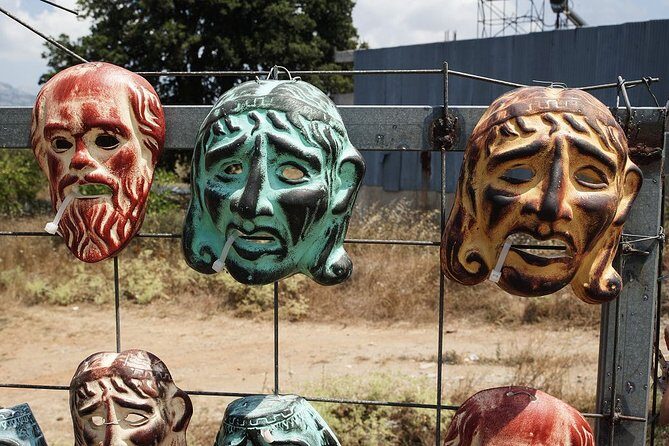
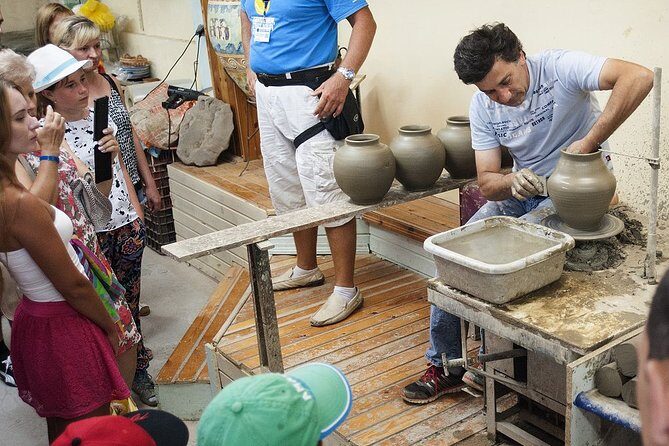
One of the cleanest values in this tour is the ceramics stop. You visit a pottery workshop on the plateau area, with a 30-minute slot. The workshop admission is included, and you can watch skilled craftsmen make ceramic pots.
This is a great “do something with your eyes” break. Instead of sitting in another gift shop, you see the process. Even if you don’t buy anything, you come away with a better sense of how the work takes shape—hands, tools, timing, and technique.
If you do want to buy, go in with this mindset: treat it as a souvenir purchase with added meaning, not just a fast impulse buy. You’re paying for the ability to watch the craft up close, and that makes the final choice feel personal.

How the 8-hour rhythm actually feels
This day trip is built around movement. You’ll ride from north Crete, make multiple stops, and then return—so you’re in a guided schedule for most of the day.
The comfort help is real:
- Pickup from many north Crete areas means less hassle finding the starting point
- Air-conditioned vehicle helps on hot days
- Wi‑Fi keeps the time passable, especially if you’re traveling with people who want to check messages or plan the rest of the day
- A live guide keeps each stop from feeling disconnected
Group size tops out at 46 travelers, which is fairly large for a day trip but still manageable with a guide working the circuit. What that means for you: pay attention at the cue points. When you’re moving across cave-to-plateau transitions, you don’t want to lose track of time.
Also note: there’s a weather dependency. The tour requires good weather, and if it’s canceled due to poor weather you’ll be offered a different date or a full refund.
Price and value: what $36.46 really covers
At $36.46 per person, this tour sits in the “good value” zone for a full-day guided outing with transport. What you get for that money isn’t just a driver. You get:
- Air-conditioned vehicle
- Insurance
- Live tour guide
- And a guided route that includes the monastery, the cave area, the plateau stop, plus the pottery workshop
Then you have the extra items that can tweak your final total:
- Monastery admission: €2 (not included)
- Lunch: not included; optional lunch is listed at about €14
- Coffee break extras: not included
For me, the value math works because the workshop admission is included and the guide-led context makes the stops more coherent. If you were trying to piece together public transport and the right sequence yourself, you’d likely spend more time and energy than the tour price saves you.
If you’re the type who hates paying small extras, budget for lunch if you want convenience. If you’d rather stay flexible, bring snacks and plan for a less structured meal break.
The best kind of traveler for this tour
This is a strong match if you:
- Want a one-day plan that covers multiple “wow” moments without self-driving stress
- Like having someone explain what you’re seeing (the guide makes a difference)
- Prefer guided time over solo wandering, especially for places like cave access and tight schedules
- Enjoy craft-related stops like the pottery workshop, where you watch rather than just browse
It’s also a decent choice if you’re traveling with friends who don’t all want the same style of sightseeing. The mix—monastery, cave, plateau, ceramics—gives different interests something to grab onto.
One caution: if you’re worried about climbing inside/around a cave setting, take the fitness signal seriously. The tour’s designed so most travelers can participate, but sturdy shoes and a realistic pace will help.
A note on guides: why Viola keeps coming up
One of the standout themes in how this experience is described is the guide quality. Viola is specifically mentioned for exceptional customer service and for sincere, helpful support when booking hiccups happen. Even if you never run into booking issues yourself, that kind of guide attitude usually carries over into the day: clear instructions, smooth transitions, and a more human feel when something needs adapting.
What you should aim for as a traveler is simple: listen early, ask questions at the right times, and let the guide set the pace for the cave and plateau moments. When you do, you get more out of the time than you would by rushing for photos.
Should you book Plateau of Lassithi, Monastery of Kera, and Ceramics?
Yes—if you want a full-day Crete experience that feels varied but still organized, this tour is a good bet.
Book it if you care about:
- Comfort on a long day (A/C van, Wi‑Fi, pickup)
- Learning context at Kera Kardiotissa Monastery and at Dictean Cave
- Seeing what’s left of the plateau’s 10,000 windmills story
- Watching ceramic work up close at the pottery workshop
Skip or reconsider if:
- You’re trying to pack too many tours into one day (this is already an 8-hour route)
- You dislike climbing elements in cave settings
- You don’t want any extra spending on top of the base price (monastery fee and optional lunch are common add-ons)
If your goal is a well-rounded day outside Heraklion that doesn’t require planning every detail, this one delivers.
FAQ
How long is the tour?
It runs about 8 hours.
Is pickup offered?
Yes. Pickup is offered from many areas of north Crete.
Do they provide transportation comfort and Wi‑Fi?
Yes. You travel by air-conditioned vehicle with Wi‑Fi.
What’s included in the tour price?
It includes the air-conditioned vehicle, insurance, and a live tour guide.
Is the monastery admission included?
No. The Kera Kardiotissa Monastery admission is not included, and it’s listed as 2 €.
Is the pottery workshop included?
Yes. The pottery workshop stop includes admission, and it lasts about 30 minutes.
Is lunch included?
No. Lunch and extras at coffee breaks are not included. Lunch is offered as an optional 14 € meal.
How big is the group?
The maximum group size is 46 travelers.
What if weather is bad or I need to cancel?
The tour requires good weather. If it’s canceled due to poor weather, you’ll be offered a different date or a full refund. You can cancel for a full refund up to 24 hours in advance.