REVIEW · CHANIA
Paragliding Tours in Crete
Book on Viator →Operated by Paragliding Crete Power Fly · Bookable on Viator
A short flight can feel life-sized. This tandem paratrike ride turns Chania into a bird’s-eye map, fast. What I like most is the relaxed, trike-style body position, and the way a pro instructor stays in control while you enjoy the view—coastline to mountains in one sweep.
Two more things I love: the included helmet setup with intercom, and the gentle, guided landing. One possible drawback is simple: you’re limited to about 15 minutes, so if you want a long hang in the air, this may feel brief.
In This Review
- Paragliding & Paratrike in Chania: the quick read
- Tandem paratrike over Chania: why this feels different from basic paragliding
- The Chania aerial route: what each stop can look like from above
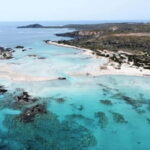
- Falassarna Beach: the coast moment
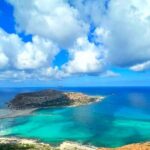
- Balos Lagoon: water and shape
- Chania Prefecture: mixing coast and inland
- Matala Beach: another shoreline rhythm
- Rethymnon: the city-edge perspective
- Avdou: finishing the loop
- What the flight actually feels like: communication, comfort, and the calm part
- Price and value: what $168.20 buys you in 15 minutes
- Getting ready in Kolimvari: meeting point, timing, and what to bring
- Safety, trust, and the instructor’s role you can actually feel
- Photos, video, and what to expect when you leave the ground
- Who this is for (and who might want a different adventure)
- Should you book Paragliding Crete Power Fly in Chania?
- FAQ
- How long is the paragliding and paratrike flight?
- What’s the price per person?
- Where does the experience start and end?
- Is the experience offered in English?
- Is there a private group for this activity?
- What gear is included?
- Are professional photos and videos included?
- Do I need good weather for this activity?
- How does confirmation work after booking?
- Are service animals allowed?
Paragliding & Paratrike in Chania: the quick read
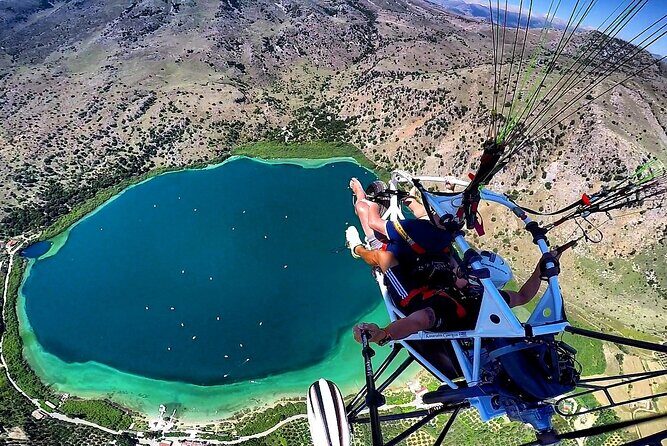
- Tandem paratrike format for a calmer, more seated feel than classic paragliding
- Helmet with intercom and protective belt so you can communicate clearly in the air
- A route built for sightseeing with stops named Falassarna Beach, Balos Lagoon, Matala Beach, and Rethymnon
- Professional instructor guidance throughout, including safety checks before you fly
- First-timer-friendly pacing with a likely short walk to the takeoff area once you arrive
- Great value for the time: $168.20 for an experience that’s scheduled around good flying conditions
Tandem paratrike over Chania: why this feels different from basic paragliding
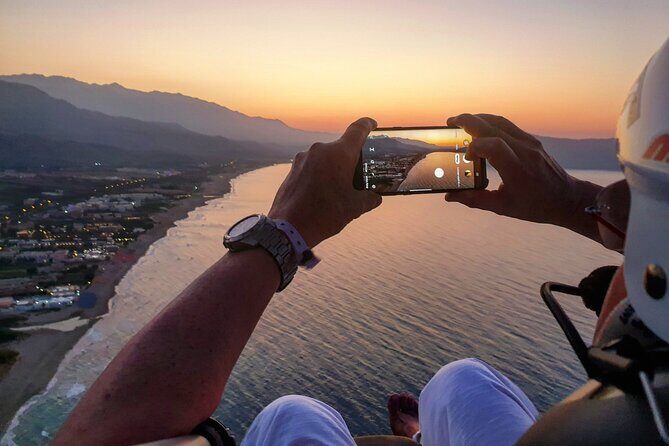
This isn’t just a quick thrill. The paratrike setup matters because it’s more “sit-and-enjoy” than “lean and react.” You’re in a trike-style body with a relaxed position, and your instructor is the one doing the flying work. For you, that usually means less mental load and more focus on what’s around you.
It also helps that the crew provides communication tools. You’ll get a helmet with intercom as part of the experience. That sounds like a small detail until you’re up in the air and you realize how much easier it is when you’re hearing clear instructions instead of guessing.
Now the practical side: the whole flight window is about 15 minutes. That’s not a full-day adventure, but it is a solid chunk of sky time that fits cleanly into a vacation schedule. It also means you get the payoff without needing a half-day plan built around weather and timing.
Finally, the safety vibe is a theme in the feedback. People describe landing as gentle and the guides as reassuring, including careful check-ins for comfort. One review even points out that the instructor had 23 years of flying experience, which is exactly the kind of detail you want to hear when you’re choosing something that involves air.
You can also read our reviews of more tours and experiences in Chania.
The Chania aerial route: what each stop can look like from above
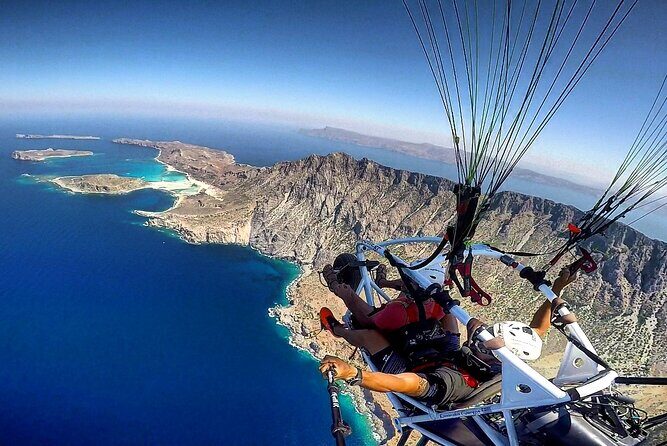
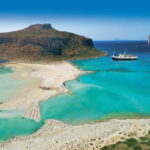
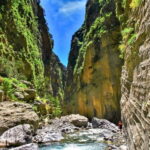
The itinerary is built around big-name areas in the Chania region, and the goal is clear: you’re flying over a coast-to-mountains view in a short amount of time. You’ll pass the following stops during the flight: Falassarna Beach, Balos Lagoon, Chania Prefecture, Matala Beach, Rethymnon, and Avdou.
Here’s how I’d think about it as you watch below the wing or trike skis. You don’t need to memorize every geographic detail. Instead, use the stop list like a mental checklist for what kind of scenery you’ll likely see at different moments:
Falassarna Beach: the coast moment
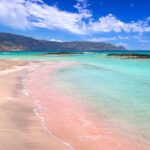
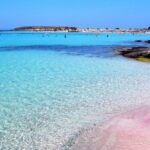
Falassarna Beach is your first named stop, so expect your early “wow” to come from the shoreline and open coastline perspective. In a short flight, the first section tends to set the tone. The view is often the easiest to take in when the scenery is wide and the horizons are clear.
Balos Lagoon: water and shape
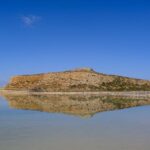
Next comes Balos Lagoon. A lagoon area usually reads from the sky as patterns: water, shore edges, and shifts in brightness. Even if you’re not into geography, the aerial angle helps you understand how the coastline curves and where land and water meet.
Chania Prefecture: mixing coast and inland
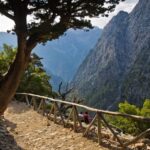
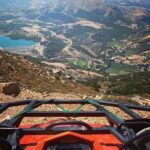
Then you’re back into a broader view of the region—Chania Prefecture. This is where the “coastline to mountains” promise starts to feel real. You’ll likely see the terrain transition: open areas giving way to ridges and higher ground.
Matala Beach: another shoreline rhythm
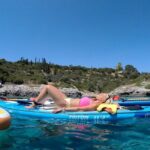
Matala Beach is included later, which usually means you’ll get a second coastline look. That’s a nice way to avoid repeating the exact same view for the entire flight. It also helps your brain stay engaged in the 15-minute timeframe.
Rethymnon: the city-edge perspective
Rethymnon is another named stop. Even without zooming in on every detail, flying past a larger area tends to add variety—routes, land use, and built edges compared to empty coastline.
Avdou: finishing the loop
Avdou closes the set. Finishing on a named area helps the experience feel like a planned flight path, not a random drift. It also often lines up with a smooth path back toward landing.
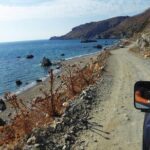
A helpful note from real-world accounts: one flight description mentions an off-road drive and a short hike to a takeoff plateau before gearing up. That matters because you’ll want comfortable shoes and a steady stride, even if the hike is brief.
What the flight actually feels like: communication, comfort, and the calm part
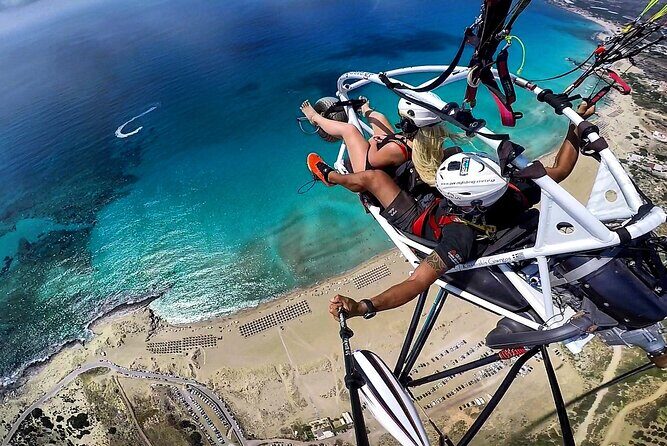
If you’re picturing paragliding as chaotic, swap that for a more controlled mindset. The way this is set up, you’re not piloting. You’re riding with a professional instructor while you enjoy the ride.
A big part of that calm feeling is comfort gear and communication:
- Helmet with intercom means you can hear instructions clearly.
- Protective belt helps you feel held in and secure.
- The trike style body keeps you seated in a relaxed position.
You’ll likely do a gearing-up moment before takeoff, and once in the air, you’ll feel the pacing shift from “getting ready” to “steady glide.” In one description, the cruising time is described as beautiful, with the guide pointing out birds circling above—vultures are mentioned in feedback. That’s the kind of extra attention that makes the experience feel personal.
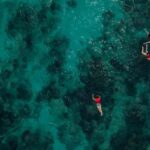
You might also get wildlife surprises. One review specifically says they saw turtles and stingrays on the flight. Even if you don’t see animals, don’t worry about it. The aerial view itself is the main event, and wildlife is a bonus.
Landing is another area where you’ll feel the benefit of an experienced pilot. Reports describe a gentle landing, and that aligns with what you should look for: predictable, controlled finishing rather than a rough touchdown.
Price and value: what $168.20 buys you in 15 minutes
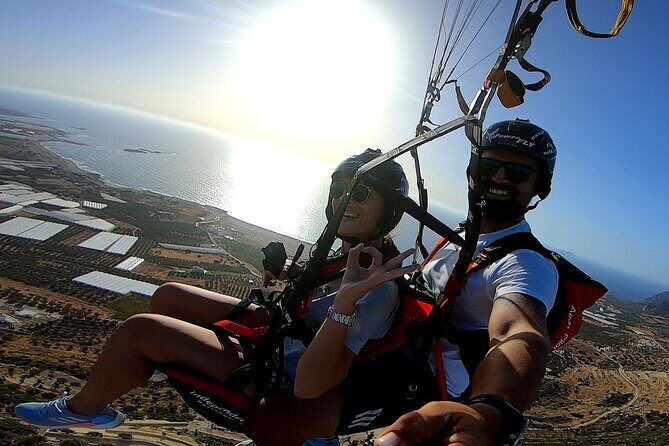
$168.20 per person isn’t the cheapest line item in Crete. But it also isn’t priced like a long, full-day excursion either. For the money, you’re paying for three things you can’t replicate with just sightseeing:
- Flight time that you can’t self-arrange safely
- A trained instructor and safety system (helmet intercom, protective belt, and a pro pilot’s control)
- A route designed for views across multiple named spots
The included gear also affects value. Some experiences skimp on communication. Here, the helmet intercom is included, which can make the whole experience easier—especially if it’s your first time. That matters because your comfort is part of what you’re paying for.
One cost consideration: professional photos and videos with a GoPro camera are not included. If you want high-quality footage, plan to either pay separately for that add-on later or accept that you’ll rely on your own memories for the moment. The upside is that not everyone needs a full photo package. If you’re after the flight more than the content, this structure can still feel like a good trade.
Also, timing has value. The experience requires good weather, and when conditions are right, you get a smooth flight. On a trip where you may only have a day or two with perfect light, being able to lock in a time matters.
One more practical value point: the average booking window is about 26 days in advance. That’s a hint to reserve early so you’re more likely to get the slot that works for your schedule.
Getting ready in Kolimvari: meeting point, timing, and what to bring
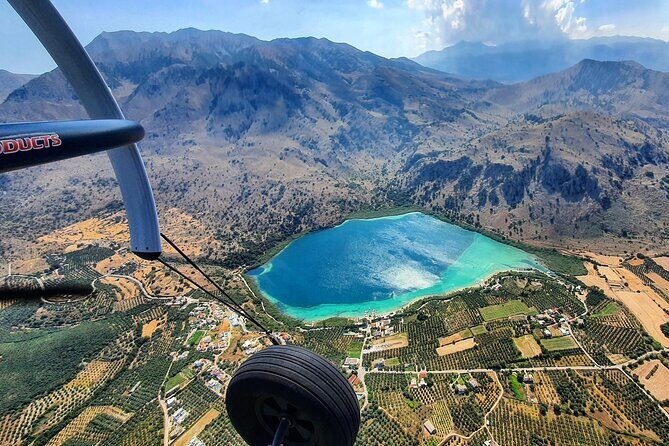
The activity starts and ends at the same meeting point in the Kolimvari area of Greece (the address is listed as 8G75GRM2+VWXGRM2+VWX). It’s near public transportation, which is useful if you don’t want to fight parking.
Opening hours are listed for Monday from 10:00 AM to 6:00 PM across the date ranges provided. That tells you the business operates on a Monday schedule in the published information, but it doesn’t automatically mean flights happen only on Mondays. What it does mean: if you’re trying to coordinate quickly, Monday hours may be the easiest window to get in touch.
Because this is private, it’s only your group doing the activity. That’s a plus if you want less waiting around and more attention from the instructor.
What I’d bring (based on how the day can work in real life, not on wishful thinking):
- Comfortable shoes for a possible short walk to the takeoff area
- Light layers, since coastal breeze and altitude can feel different
- A phone you can secure, since you won’t be the one handling equipment mid-flight
Also, do the mental prep for weather-dependency. The experience requires good weather, and if it’s canceled due to poor conditions, you’ll be offered another date or a full refund. That’s the right trade for safety-first flying.
Safety, trust, and the instructor’s role you can actually feel
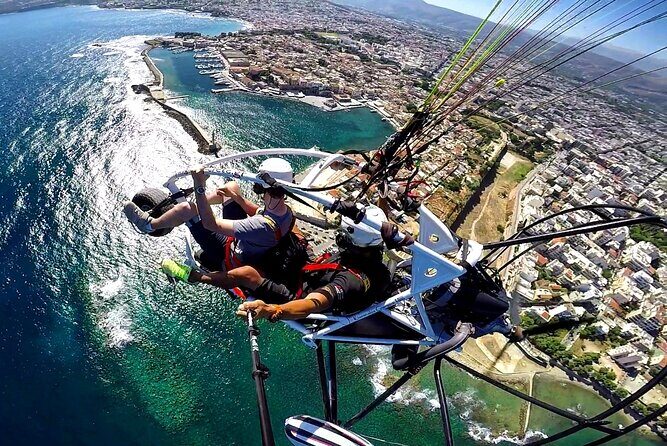
Safety isn’t a poster line here. It’s built into the equipment and the process. You’ll have a helmet with intercom and a protective belt, and you’ll fly with a professional instructor who guides you through everything and keeps checking that you’re comfortable.
One review highlights the instructor contacting people via WhatsApp after booking through Viator, and there’s a smart practical tip embedded in that: keep the day you book if you can, because the instructor reaches out with the times available. If you’re the type who schedules the entire vacation by the hour, this is your reminder to leave some breathing room.
Another review says the instructor was enthusiastic and made people feel safe and secure at all times. That matters because paragliding fear is often less about danger and more about uncertainty. When the guide is calm and communicative, your body relaxes—and that makes the flight better.
If you get George as your host, that shows up in feedback as a friendly, careful guide who handled details well. You shouldn’t count on a specific name for your booking, but it’s still reassuring to know the operation has people who communicate and look after the whole flow.
Photos, video, and what to expect when you leave the ground
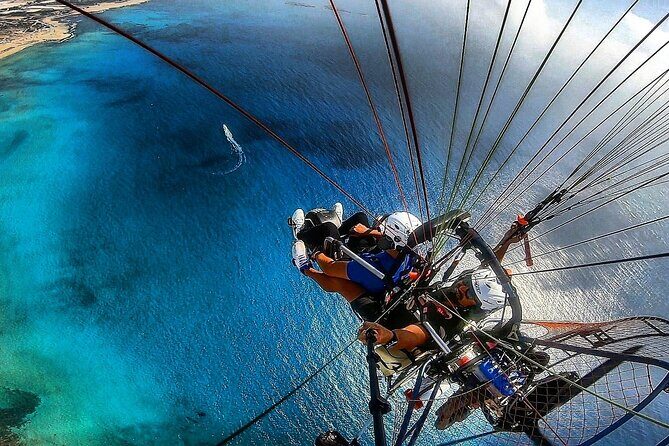
You’ll likely get visuals from the flight only if you add them separately. The tour data says professional photos and videos with a GoPro camera are not included.
That means you should decide what kind of memory you want before you go:
- If you care about a polished video clip, budget for the add-on.
- If you care about the actual experience first, focus on being present during the flight and let the visuals be secondary.
Either way, do expect the experience to feel quick—15 minutes is over before you know it. The trick is to watch for moments: take in the coast early, then let your eyes follow how the terrain changes. If you’re listening via intercom, that helps too. You’ll get prompts and guidance while you’re in the air.
Who this is for (and who might want a different adventure)
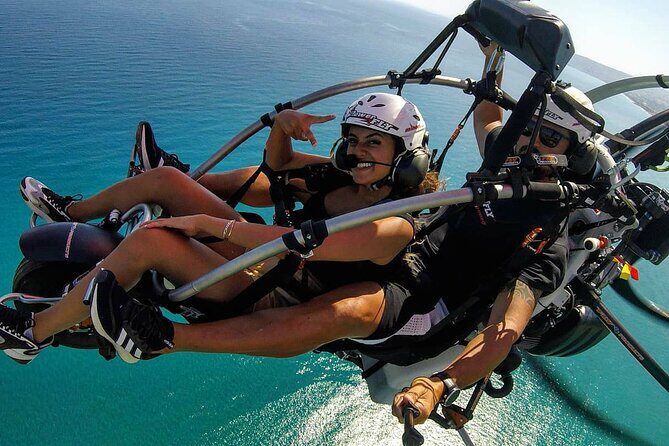
This flight suits you best if you want:
- A first-time-friendly aerial experience with an instructor doing the hard part
- A scenic “greatest hits” view of Chania’s areas without a long commitment
- Something you can fit into your schedule, since it’s about 15 minutes
It can also work if you’ve done other thrill sports and want a different kind of adrenaline—more calm, less frantic.
One group that may have mixed feelings: people who want a long, intensive flight time. Because the duration is short, the experience is best for “one big memory” rather than “spend a morning in the sky.”
Should you book Paragliding Crete Power Fly in Chania?
I’d book it if you want a safe, guided, view-heavy flight with real communication in the air. The included helmet intercom and protective belt, plus the seated trike comfort, make it feel designed for easing you into the experience. And the route—Falassarna Beach, Balos Lagoon, Matala Beach, Rethymnon, and Avdou—gives you a strong sense of place in a short window.
I’d think twice only if you’re chasing long flight time or you strongly prefer experiences that are guaranteed to run on a set schedule regardless of weather. Here, the flight depends on good conditions, and that’s the trade you make for flying safely.
If you can be flexible with your day and you’re ready to prioritize the view over the length, this is one of those Crete experiences that delivers exactly what it promises: you’re up, you’re calm, and you’re looking at the island from a totally different angle.
FAQ
How long is the paragliding and paratrike flight?
The duration is about 15 minutes.
What’s the price per person?
The price is $168.20 per person.
Where does the experience start and end?
It starts and ends back at the same meeting point in Kolimvari, Greece (listed with the provided plus-code address).
Is the experience offered in English?
Yes, it’s offered in English.
Is there a private group for this activity?
Yes. This is listed as a private tour/activity, so only your group will participate.
What gear is included?
The included items are a helmet with intercom, chairs, kiosk, and a protective belt.
Are professional photos and videos included?
No. Professional photos and videos with a GoPro camera are not included.
Do I need good weather for this activity?
Yes. The experience requires good weather, and if it’s canceled due to poor weather, you’ll be offered another date or a full refund.
How does confirmation work after booking?
Confirmation will be received at the time of booking.
Are service animals allowed?
Yes, service animals are allowed.