REVIEW · CRETE
Koumoulia Ceramics / Ceramics courses
Book on Viator →Operated by Koumoulia / Pottery Classes · Bookable on Viator
Clay becomes art fast, with a plan. In Koumoulia Ceramics you get a hands-on pottery seminar plus a short guided look at how clay turns into a real object. Add in the Crete stops on the schedule and you’re not just sitting in a studio for two hours.
What I like most is the workshop tour at the start, where you’re shown the stages clay goes through before it becomes something usable. I also appreciate the teaching style: you’ll learn multiple ways to make your own items by hand and on the wheel, then get help while you test techniques. The one drawback to keep in mind is the take-home reality: your pieces need drying time, and if you choose glazing, the second baking is not included (and shipping overseas costs extra).
In This Review
- Key things to know before you go
- A small-group ceramics seminar that actually teaches the process
- Rouvas Gorge and Knossos: the afternoon includes more than clay
- Inside the workshop tour: clay stages you can picture
- Hand-building and wheel time, with techniques you can reuse
- Drying time is part of the deal: 3–4 days after your session
- Glazing and the second baking: decide before you assume it’s included
- Taking your ceramics home: pickup vs. shipping (and why overseas costs matter)
- Price and value: what $96.11 buys (and what to watch)
- Practical tips: start time, meeting point, and finding the workshop
- Who this pottery course is best for
- Should you book Koumoulia Ceramics?
- FAQ
- What is the duration of the Koumoulia Ceramics pottery course?
- What time does the experience start?
- Where do I meet for the activity?
- Is the course offered in English?
- How big is the group?
- How long do the pieces need to dry?
- If I want to glaze my pieces, what should I know?
- Can I get my finished ceramics shipped?
- What is the cancellation policy?
Key things to know before you go
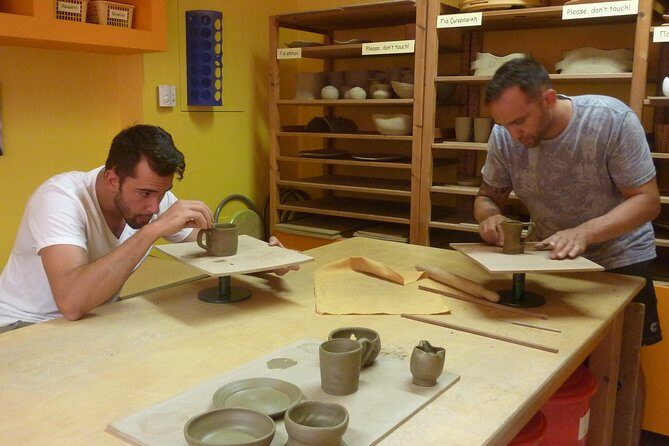
- Small group size (max 5) means you’re more likely to get personal help while you work
- Workshop tour first so you understand the clay stages before touching the material
- Hand-building and wheel techniques let you try more than one style in the same session
- Drying takes 3–4 days, with weather affecting timing
- Glazing adds another 2 days for the second baking, which is not included
- Pickup or shipping is on you after firing; overseas shipping can be expensive
A small-group ceramics seminar that actually teaches the process
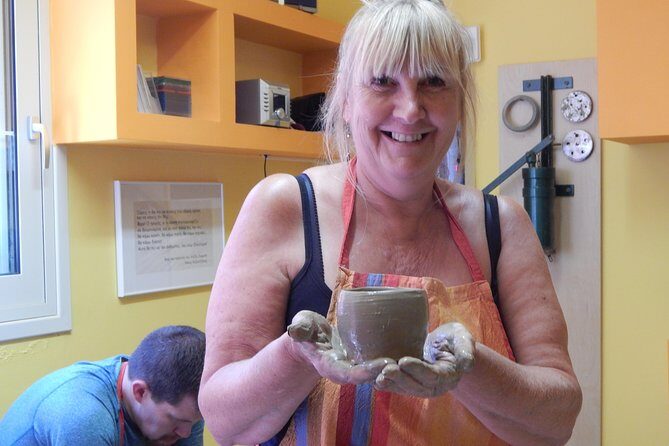
This is a 2-hour pottery experience offered in English, starting at 3:00 pm near Iraklio (Heraklion). The group stays tiny, with a maximum of 5 people, which changes the vibe fast. Instead of “sit and watch,” you get more time with the tools and with guidance.
The format also matters for your results. You’re not only making something pretty; you’re learning how ceramic work behaves over time. That’s what makes the course feel useful even after you leave the workshop.
One nice practical detail: you’ll receive a mobile ticket, and confirmation comes at booking. So you’re not chasing paperwork the day of.
You can also read our reviews of more tours and experiences in Crete.



Rouvas Gorge and Knossos: the afternoon includes more than clay
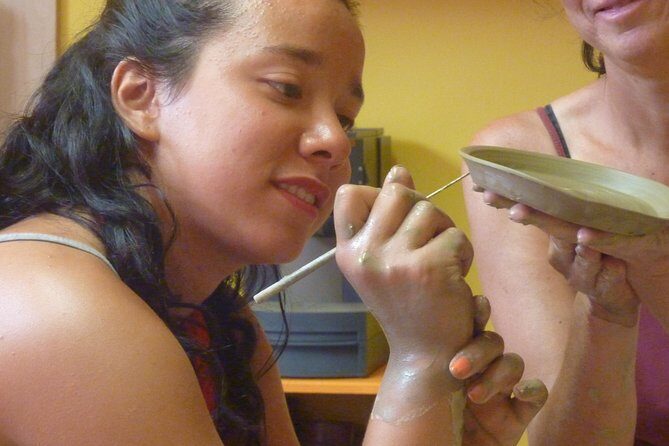
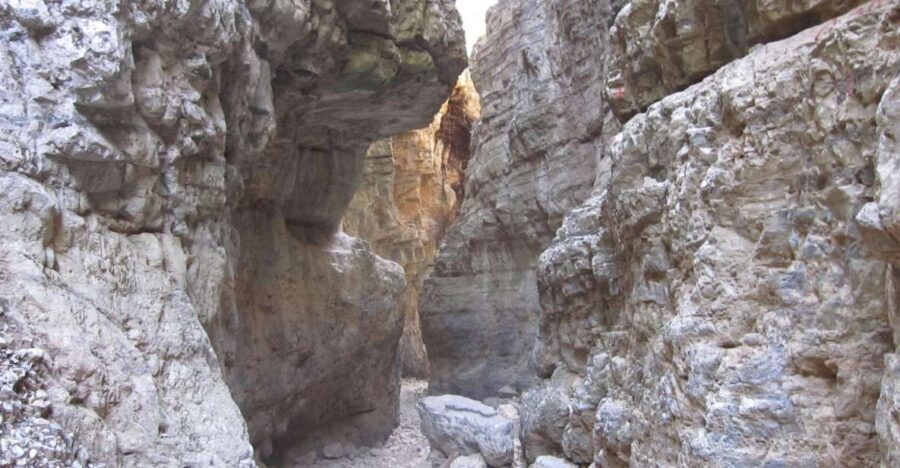
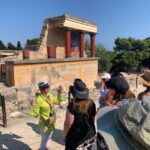
Your experience schedule includes two named stops: Rouvas Gorge (Agiou Nikolaou) and The Palace of Knossos. That’s a great combo if you want an active afternoon rather than a full day built around one activity.
Why this is valuable: it breaks up attention. Pottery can be very focused and physical, and having a change of scenery helps you reset. It also gives context to your trip day, since Crete’s big outdoor and cultural sights feel like part of the same story as your hands-on craft.
The main thing to know is that the itinerary stops are part of what you booked, but the exact timing inside each stop isn’t spelled out in the course details you provided. Plan to stay flexible and give yourself an easy mindset for switching between sightseeing and studio time.
Inside the workshop tour: clay stages you can picture
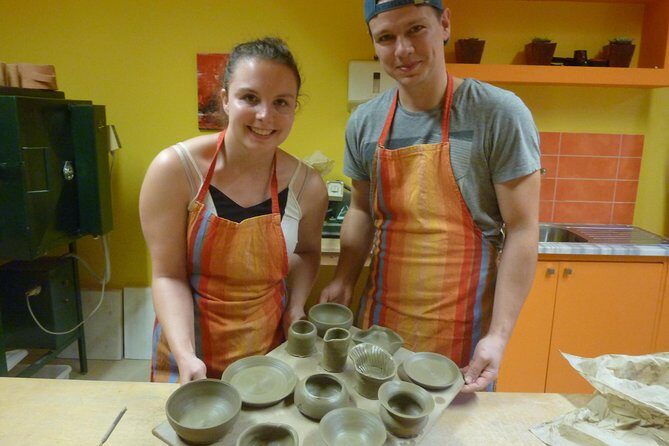
At the start of the seminar, you’ll get a quick guided tour of the workshop. You’ll also learn the stages clay passes through, from an amorphous mass to a useful object. This is one of the most praised parts of the experience because it sets expectations before you start shaping anything.
Here’s why that matters for you: pottery has rules, and when you understand them early, you waste less time guessing. Even if you’re new to ceramics, you’ll be able to follow the logic of drying, firing, and finishing.
You’ll also be able to connect what you do in your session to what happens later. Your finished item isn’t just “made” in those two hours. It’s made in layers of process that continue after you stop working.
Hand-building and wheel time, with techniques you can reuse
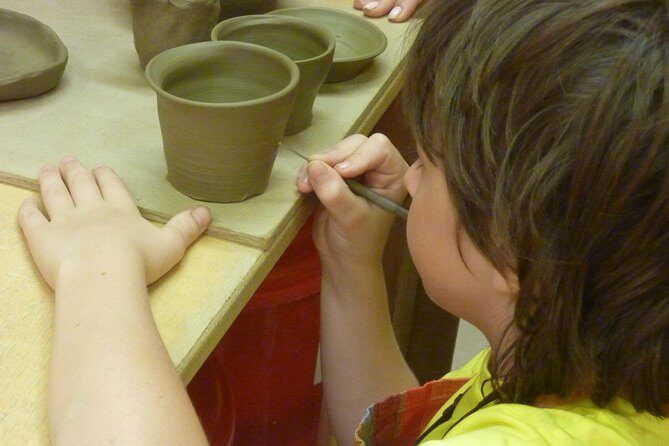
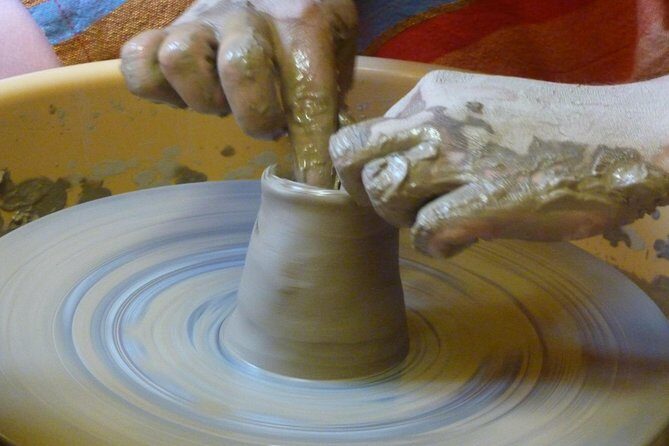
After the tour, you’ll learn various techniques for creating your own unique items. The key point is that you’ll work both ways: by hand and on the wheel. That’s a real advantage because hand-building teaches form and control, while the wheel teaches symmetry and consistency.
In a tiny group, this kind of lesson usually works better. You can ask practical questions while you’re working, and you’re not stuck waiting for the next person to finish. That’s one reason the course has a strong rating and such a high recommendation rate.
If you’re the type who likes to understand the “why,” this course fits. You’re not only copying a sample. You’re learning methods you can take with you when you try ceramics again later.
Drying time is part of the deal: 3–4 days after your session
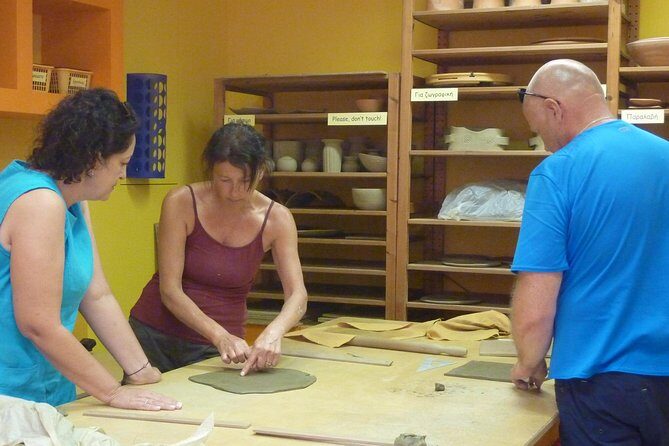
Once you complete your creations in the atelier, your pieces need time to dry. Expect 3–4 days, depending on what you made and the weather. This is where a lot of first-time pottery experiences surprise people, and it’s worth planning around.
If your goal is simply to make something and see it turn into pottery later, that drying window works fine. But if you’re thinking “I’ll make it now and carry it out later the same day,” you’ll be disappointed.
The course also gives you options after drying. After your pieces dry, you can either pick them up or move into glazing—if you want color and a more finished look.





Glazing and the second baking: decide before you assume it’s included
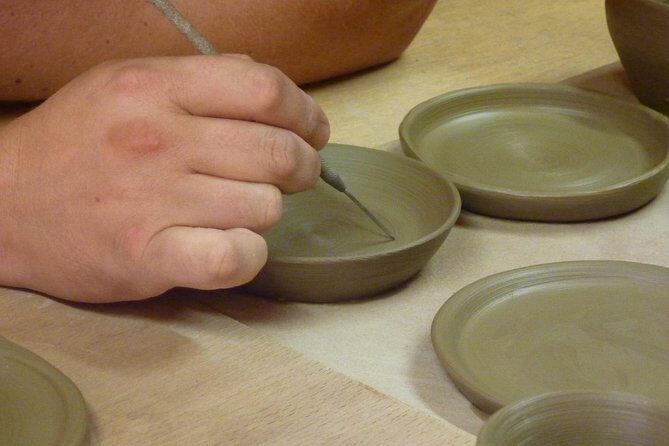
Glazing can be tempting because it’s where the visual payoff happens. But here’s the practical detail: if you choose to glaze, you’ll need to wait an additional 2 days for the second baking. And the most important line for value: the second baking is not included in the price.
So your decision affects both time and cost. If you want a fully glazed, ready-to-use piece, you’ll need to factor that extra time. If you only want to shape pieces and keep costs contained, you might opt out of glazing and adjust expectations for what you take away.
This is also the difference between a great souvenir experience and a frustrating one. The course description and the provider’s response to feedback both point to one theme: firing and shipping can add costs, especially outside the EU.
Taking your ceramics home: pickup vs. shipping (and why overseas costs matter)
After your pieces are cooked, the finished handiwork can be obtained from the workshop. If you prefer, the workshop can send it to your chosen address, but shipping is at your own expense.
Overseas shipping can be fairly expensive, and that matters more than people expect until they’re calculating luggage weight and package costs. If you’re booking this with the idea that everything will be automatically shipped at no extra cost, you’ll want to clarify options early.
One more detail from the way the course is described: whether your pieces get fired and whether they can be sent depends on the plan and expenses you’re willing to cover. So if you’re traveling far and timing matters, message or confirm your take-home approach before you start making.
Price and value: what $96.11 buys (and what to watch)
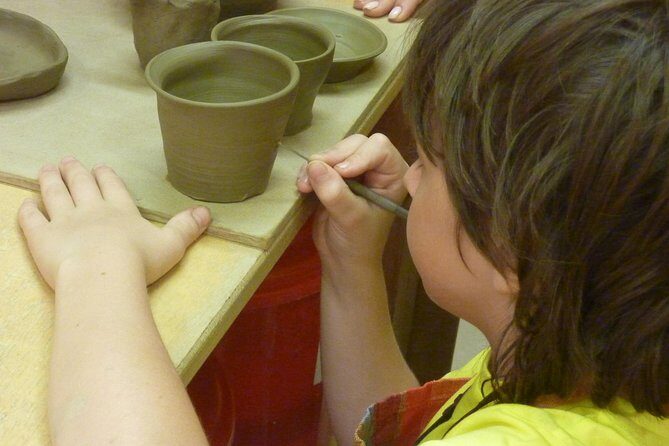
At $96.11 per person, the price buys you a structured pottery session with real instruction. You get the studio orientation, the guided understanding of clay stages, and hands-on technique practice by hand and on the wheel. It’s also priced for a small group, which helps explain why the class feels more interactive than mass-market craft stops.
But value is not just the two-hour class. It’s the full path your piece follows after you leave:
- Drying: 3–4 days
- Glazing (optional): adds another 2 days for the second baking
- Second baking: not included
- Shipping: available, but you pay; overseas can be expensive
That’s why the one negative experience you should treat as a cautionary tale isn’t about teaching quality. It’s about logistics and expectations. If you want something you can actually use at home, make sure you’re aligned on firing, glazing, pickup timing, and shipping costs.
Also note that the experience is booked on average 19 days in advance, so if you want a specific slot, don’t wait until the last week.
Practical tips: start time, meeting point, and finding the workshop
The class begins at 3:00 pm, and the meeting point is an unnamed road in Iraklio 700 13, Greece. The activity ends back at the meeting point. That round-trip structure is good for reducing stress.
One real-world tip from the pattern of feedback: location-finding can be a pain if you don’t have strong directions. So when you book, treat the confirmation details like homework. If there’s any map pin, photo, or instruction in your confirmation, save it for offline use.
Also bring a mindset shift. Pottery is tactile and messy, even when the staff does their best to keep things manageable. Wear clothes you don’t mind getting dusty, and show up ready to focus for two hours.
Who this pottery course is best for
This works especially well if you:
- Want small-group instruction rather than a crowded workshop
- Enjoy learning steps, not just making one object
- Like the idea of doing something creative in the middle of a Crete afternoon
- Are willing to plan for drying time and follow-up processing
It may feel less ideal if you:
- Need a finished glazed piece to take home immediately
- Are sensitive to the idea of extra costs for glazing, firing options, or shipping
- Are likely to change plans last minute without checking how take-home processing works
If you fall in the first group, you’ll likely leave feeling like you gained a skill. That’s the heart of what people praise: fun plus learning plus support.
Should you book Koumoulia Ceramics?
I’d book this if you want a real ceramics lesson with clear studio instruction, a tiny group, and the chance to learn both hand-building and wheel techniques. The overall rating of 4.7 and a 94% recommendation strongly suggest the class delivers on fun and education.
But book it with eyes open on the after-session timeline. Your creation needs 3–4 days to dry, glazing adds 2 more days and the second baking isn’t included, and shipping is extra, especially overseas. If you’re careful about those points and you confirm your take-home plan, this can be a memorable Crete afternoon with an actual craft result.
FAQ
What is the duration of the Koumoulia Ceramics pottery course?
The pottery seminar is approximately 2 hours.
What time does the experience start?
The start time is 3:00 pm.
Where do I meet for the activity?
The meeting point is Unnamed Road, Iraklio 700 13, Greece, and the activity ends back at the same meeting point.
Is the course offered in English?
Yes, the experience is offered in English.
How big is the group?
The course has a maximum of 5 travelers.
How long do the pieces need to dry?
Your creations typically take 3–4 days to dry, depending on your realization and the weather.
If I want to glaze my pieces, what should I know?
Glazing requires waiting another 2 days for a second baking. The second baking is not included in the price.
Can I get my finished ceramics shipped?
Yes. Once cooked, the items can be obtained from the workshop or sent to your address at your own expense. Shipping overseas can be fairly expensive.
What is the cancellation policy?
This experience is non-refundable and cannot be changed for any reason. If you cancel or request an amendment, the amount paid is not refunded.