REVIEW · CHANIA
In Crete Discover the miracle of Olive Oil and Organic Fruits
Book on Viator →Operated by Proper Cretan Guide · Bookable on Viator
A living olive tree in the morning. That’s the hook, and the rest is how olive oil actually gets made in Crete—across ancient, medieval, and contemporary steps—while you also collect organic fruit and soak up Chania’s mainland scenery. You’ll be with a licensed historian tour guide plus a working olive oil producer team, so the day has both hands-on craft and story you can repeat later.
What I like most is the blend of experiences: you taste fresh organic extra virgin olive oil and you also see real equipment doing real work, from a modern processing line to a traditional old mill. My main caution is the day runs about 6 to 7 hours, so plan for a long stretch without lunch included at the stops.
In This Review
- Key highlights at a glance
- Why this olive oil tour feels more practical than just tasting
- The Vamos modern olive oil factory: where tasting makes sense
- Vryses traditional old olive mill: see the tedious work
- Kalyves private farm: picking organic fruit right from the tree
- Tsivaras: the possible world-old olive tree you can touch
- Apokoronas monastery and the olive oil factory connection
- The riverside break in Vryses and photo stop at Malaxa
- Price and value: what $179.43 buys you for a full day
- Logistics that will help you enjoy the day
- Who should book this olive oil and organic fruits tour
- Should you book it? My honest take
- FAQ
- What’s the start time for the tour?
- How long is the experience?
- Where does pickup happen?
- What do you taste during the tour?
- Is lunch included?
- Do you visit an olive tree said to be very old?
- Is this tour private?
- Can this be booked as a shore excursion?
Key highlights at a glance
- Modern olive oil factory tour in Vamos, with tasting of fresh organic extra virgin olive oil
- Traditional Vryses old mill, where you see older extraction methods up close
- Private fruit and olive farm in Kalyves, including picking fresh fruit right off the trees
- A 2500-year-old living olive tree visit in an undisclosed location in Tsivaras
- Monastery stop in Apokoronas, with an olive oil factory tied to local tradition
- Scenic photo stops and a riverside break, plus valley-and-village views around Malaxa
Why this olive oil tour feels more practical than just tasting
This isn’t a quick one-stop olive oil demo. It’s a full day built around how people in Chania made olive oil before electricity, after industrial improvements, and in today’s production world. That matters because olive oil isn’t just a product. It’s an entire system: trees, harvesting, processing, storage, and how communities learned to survive on what their land grows.
I also like that the tour is producer-led and historian-guided. You get the “how” and the “why.” You learn production qualities, you hear what byproducts exist, and you’re not stuck with generic facts. Even the sightseeing part has a purpose: you’re shown the valleys and routes of the Chania mainland, so the countryside doesn’t feel like a backdrop. It feels like the reason the olives grow so well here.
One thing to keep in mind: it’s a private tour for your group, so you can ask questions without waiting for a crowd. At the same time, it’s still a full morning-to-afternoon drive-and-walk day. Wear shoes you’re comfortable in and plan to move at a steady pace.
You can also read our reviews of more tours and experiences in Chania.
The Vamos modern olive oil factory: where tasting makes sense
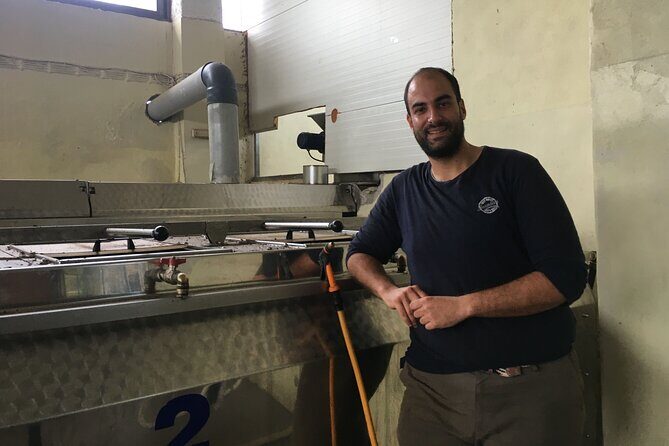
Your day starts in Vamos, where you visit a modern olive oil factory focused on processing olives into extra virgin olive oil. You’ll tour the full setup and learn the processing phases, from where olives go next to how the quality of the oil is discussed and evaluated. This is the point in the day where tasting becomes more than taste. You start to understand what you’re tasting.
Here’s what makes this stop valuable for your own buying choices later. You’ll hear about olive oil qualities and the various byproducts the factory handles. That helps you spot why oils can taste different even when the label sounds similar.
You’ll also taste some fresh organic extra virgin olive oil right after learning how it’s handled. The order matters. If you taste first and learn second, it’s harder to connect flavors to process.
The only downside of a factory stop is that it’s usually a bit more structured. Expect a guided rhythm. Also, if you’re sensitive to strong smells in processing environments, you might want to go in with relaxed expectations—this is the real workplace smell, not a showroom.
Vryses traditional old olive mill: see the tedious work
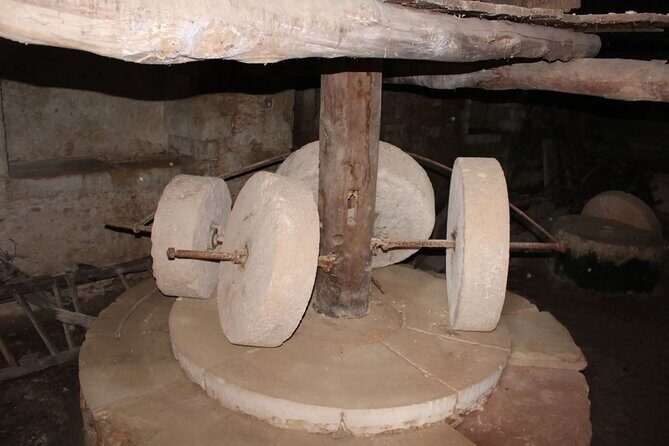
In Vryses, the tour shifts to a traditional old olive oil mill. This is where you see how olive oil was extracted and produced in earlier centuries, with a guide explaining the tedious procedure as you observe the machinery firsthand.
This stop is short, around 30 minutes, but it does a lot. The value is in contrast. One place shows modern production steps. The next shows older machinery and older labor. You come away with a more honest understanding of why olive oil mattered beyond flavor—it was work, it was planning, and it was survival-scale food production.
What to watch for: ask questions about what changes between the old mill and modern factory methods. Even if you don’t remember every term, you’ll remember the practical difference you can see with your eyes.
Kalyves private farm: picking organic fruit right from the tree
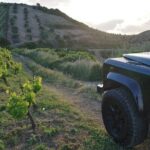
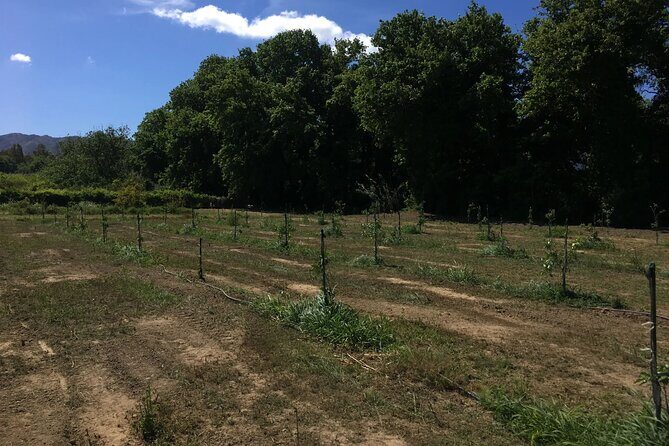
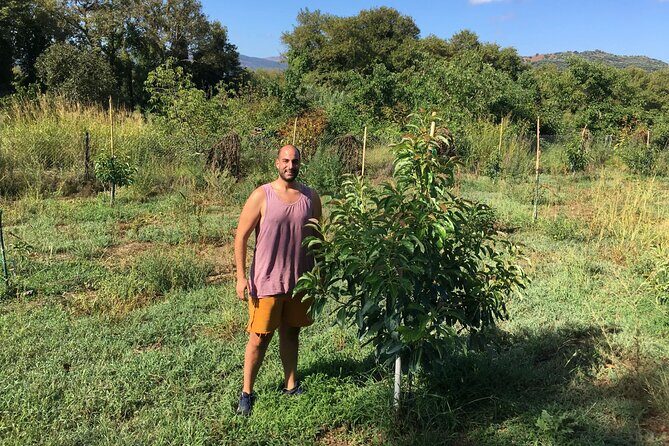
In Kalyves, you’ll visit a private fruit and olive tree farm. This is the stop with the most “slow down and look around” energy. You’ll learn about the various varieties of olive oil and also collect fresh fruits right off the tree. A professional farmer explains daily routine and farm life, so you’re not just watching a production line. You’re seeing how a living landscape is managed.
This is a great pause from the more technical factory content. The day’s narrative becomes clearer: the olives need time and care long before they ever reach a press, and the farmer’s routine shapes what ends up in that bottle.
Bring a bit of practical mindset here. Collecting fruit can be messy and hands-on. Wear clothes that can handle a farm touch, and keep your phone secure. The tour includes tastings and education, but you’ll still want to dress for real-world contact with trees.
Tsivaras: the possible world-old olive tree you can touch
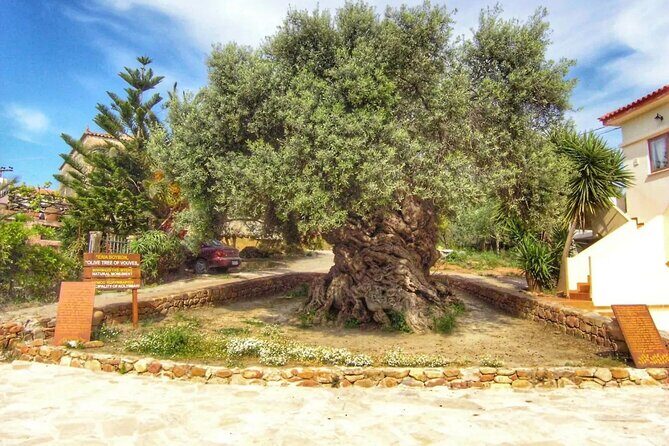
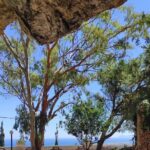
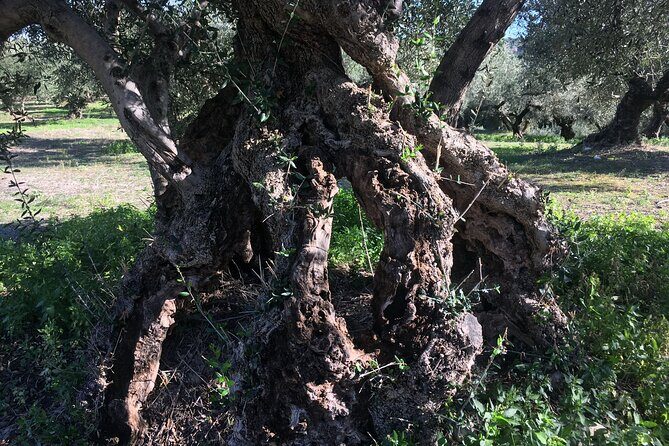
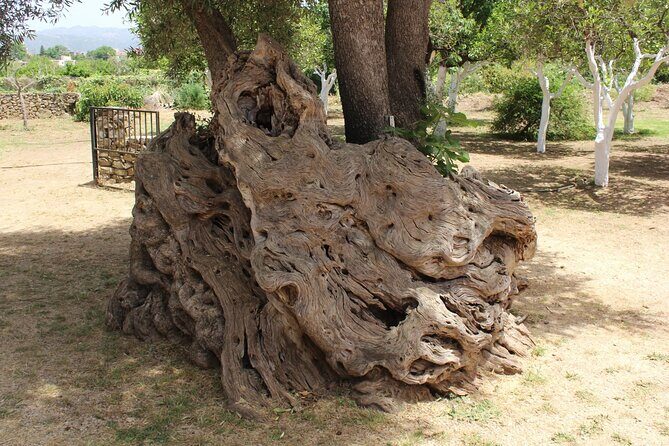
Then comes Tsivaras, and this is the stop many people remember later. You visit an olive tree that may be among the oldest in the world, located in an undisclosed location in Chania. You’ll stand in awe of its size and dimensions and get to touch a living olive tree said to be more than 2500 years old.
Two important points for you. First, because the location is undisclosed, the approach could feel a little more off-the-beaten-path than a typical sightseeing stop. That’s part of the value, but it also means you should dress for walking and be ready for a bit of waiting or adjustment as your guide manages the day.
Second, treat this as a living monument, not a quick photo. Give it time. Look for how the tree grows around its own history—because that’s what you’re really paying for: a moment with something that outlasted civilizations.
Apokoronas monastery and the olive oil factory connection
In Apokoronas, you visit a monastery with a strong connection to olive oil production. You’ll see the monastery’s olive oil factory and learn why olive oil has had significance for locals through the years.
This stop adds a human layer. Olive oil isn’t only a household ingredient or a market product. It can be part of religious and community life too. When you connect the monastery to the production side, the story of olive oil becomes more complete—less like a food lesson and more like a local culture lesson.
You’ll likely get questions in your head during this stop: How did monastic life rely on what the land produced? What tools did they use? How did production and conservation work over time? The guide’s historian background is useful here because it keeps the connection logical instead of vague.
The riverside break in Vryses and photo stop at Malaxa
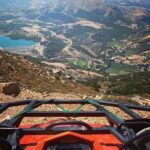
After the more hands-on segments, you’ll enjoy two more relaxed moments. There’s a small break in a romantic village by the riverside in Vryses (about 50 minutes). Then you go to Malaxa for a sightseeing stop with breathtaking photos of the valleys and regions of the Chania prefecture (about 45 minutes).
These parts matter because they prevent the day from feeling like a checklist of production sites. You get a chance to reset your energy, take pictures without rushing, and just look at what the guides mean when they talk about routes and landscapes.
If you’re planning to photograph, bring a charged phone or camera battery. Views here sound simple on paper, but they can eat time. Also keep expectations realistic: you’re outdoors, and weather can shift in coastal areas.
Price and value: what $179.43 buys you for a full day
At $179.43 per person, this tour is priced like a serious, guided day—not a low-cost sampler. The value shows up in a few places:
- Multiple production environments: modern factory plus traditional old mill plus a monastery factory
- Real tastings: fresh organic extra virgin olive oil, not just a generic label discussion
- Hands-on farm time: picking fresh fruits right from the tree
- A major “wow” visit: a possible 2500-year-old olive tree experience
- Full guided interpretation: a professional historian tour guide licensed by the Greek Ministry of Tourism and Culture
Also, the tour includes free hotel pickup and drop-off from all Chania central areas, which saves time and stress. And because it’s private (your group only), you often get a more conversational pace, where you can ask what you actually want to know.
The main value trade-off is lunch. Lunch and drinks are not included at the stops. So you’ll want to eat either before the 8:30 start or plan what you’ll do later, so the day stays pleasant instead of hungry.
Logistics that will help you enjoy the day
Start time is 8:30 am, and the tour runs roughly 6 to 7 hours. That’s a workable length for a food-and-countryside experience, but it’s long enough that you’ll feel the need for a snack plan.
Because the tour includes both factories and outdoor areas, dress in layers. Factories can feel cooler, and villages can feel warmer. Comfortable shoes matter more than fashion here. You also should bring sun protection, especially if you want to spend extra time at scenic viewpoints.
You’ll receive confirmation at booking, get a mobile ticket, and the experience is near public transportation. Practically, that means you’re not forced into one way of getting there, even though pickup is included if you’re in central Chania.
Who should book this olive oil and organic fruits tour
Book it if you want more than olive oil tasting. This is ideal for you if you like learning how things are made, you enjoy farm life and picking fruit, and you don’t mind spending a full day moving between places.
It also fits well if you’re the type who likes history, but you prefer history you can see in the machinery and the daily routines—not just read in a museum. The mix of producer work plus historian interpretation is a smart match for people who want both facts and feelings.
If your idea of a perfect tour is a slow stroll with minimal stops, you might find this one packed. With several distinct sites across the Chania mainland, it’s a structured day.
Should you book it? My honest take
I think this is a strong choice if you want an all-in Cretan olive oil education with actual tastings, actual working places, and a standout tree moment. The blend of modern processing, traditional extraction, farm life, and monastery connection makes the day feel like a complete story, not a single attraction.
I’d hesitate only if you hate long mornings or you’re very sensitive to farm and factory environments. And if you’re picky about lunch timing, plan ahead since lunch and drinks aren’t included.
If you can handle a full 6 to 7 hours and you genuinely enjoy olive oil as more than a souvenir, this tour is the kind of experience you’ll remember when you see a bottle back home.
FAQ
What’s the start time for the tour?
The tour starts at 8:30 am.
How long is the experience?
It runs about 6 to 7 hours.
Where does pickup happen?
You get free hotel pickup and drop-off from all Chania central areas.
What do you taste during the tour?
You taste fresh organic extra virgin olive oil.
Is lunch included?
No. Lunch and drinks are not included at the tour stops.
Do you visit an olive tree said to be very old?
Yes. You visit an olive tree that may be among the oldest in the world, located in an undisclosed location in Chania, and you can touch it.
Is this tour private?
Yes. It’s a private tour/activity, and only your group participates.
Can this be booked as a shore excursion?
Yes. It’s available also as a shore excursion covering Chania and Souda cruise port.