REVIEW · HERAKLION
Heraklion : Spinalonga Island & Kritsa Village Half-Day Tour
Book on GetYourGuide →Operated by Orange Travel · Bookable on GetYourGuide
Spinalonga makes history look real fast. You get a boat transfer from Elounda, time inside the Venetian fortress ruins, then a scenic inland detour to Kritsa for village craft and lacework.
I especially like that you’re not trapped in a museum rhythm: you get real self-guided walking time on Spinalonga, and you also get structured moments with a guide at Kritsa and at an olive oil park.
The one thing to watch is that the tour price doesn’t include Spinalonga’s entry fee, which adds about €20 per person once you’re there.
In This Review
- Key Things to Know Before You Go
- Spinalonga From Elounda: The Boat Ride to a Fortified Island
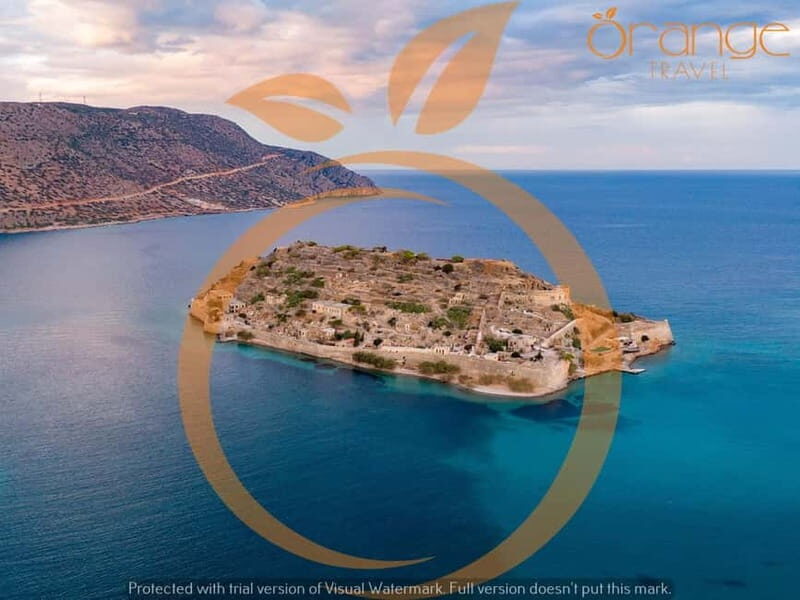
- Spinalonga Island: Venetian Walls and a Lost Community
- Leaving Spinalonga: Two Short Boat Segments and a Timing Rhythm
- Kritsa Village: Lacework, Steep Lanes, and Local Pride
- The Dorian City Ruin Near Lato: A Bonus You Might See From the Area
- Olive Oil Park by Physis of Crete: A Short, Practical Taste of How It’s Made
- Lunch Box: Simple Fuel for a Full Day
- Price and Value: What You’re Getting for About $50.80
- Comfort, Rules, and What to Bring (So the Day Stays Pleasant)
- Who This Tour Fits Best
- Should You Book the Heraklion Spinalonga and Kritsa Tour?
- FAQ
- Is Spinalonga entry included in the tour price?
- Where does the tour pickup?
- How long does the tour take?
- What’s included for lunch?
- What time do you spend on Spinalonga?
- Is this tour suitable for wheelchair users or reduced mobility?
Key Things to Know Before You Go
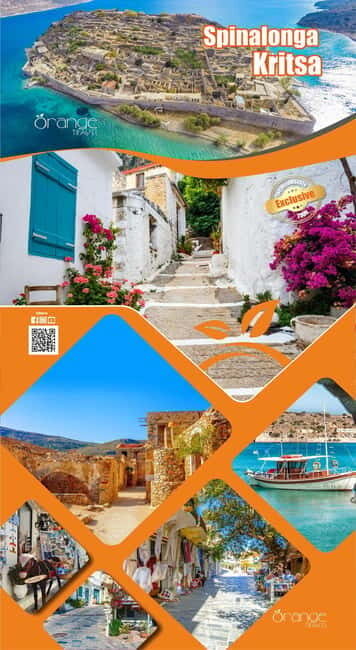
- Self-guided Spinalonga time (75 minutes): enough to roam the market street ruins and alley areas at your own pace.
- Two short boat rides: one outward from Elounda and one back, each timed around 15 minutes.
- Kritsa craft focus: lacework and handmade textiles are the big draw, plus shopping and local snack time.
- Lasithi Plateau area feel: Kritsa sits in mountain foothills with steep, narrow lanes that reward good walking shoes.
- Olive oil stop by Physis of Crete: a short guided olive oil experience with a chance to see bottling and products.
- Lots of pickup options, but no Heraklion pickup: if you’re staying in Heraklion, you’ll need another plan.
Spinalonga From Elounda: The Boat Ride to a Fortified Island
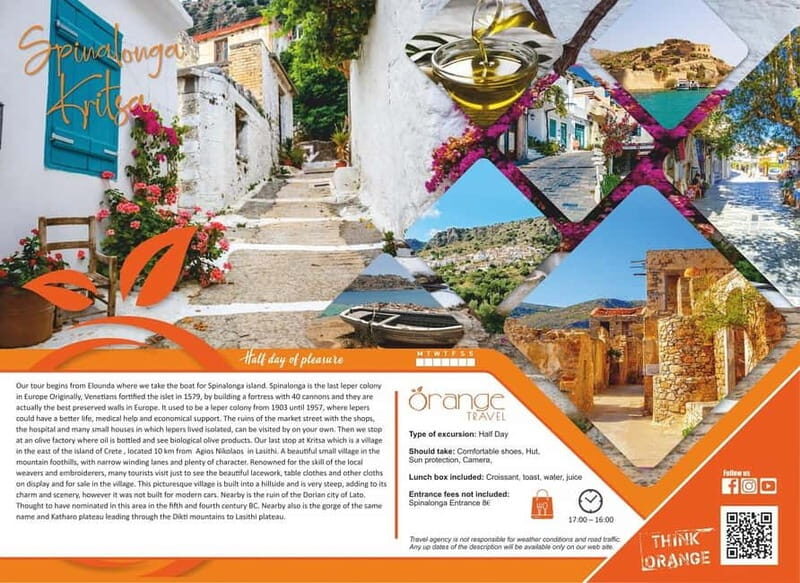
This day starts with a bus pickup from a long list of main roads and resort areas around the north coast (places like Sissi, Malia, Stalis, Hersonissos, Gouves, Kokkini Chani, and Karteros are mentioned). The tour does not provide pickup from the Heraklion region, so if that’s where you’re based, don’t assume you’ll be picked up.
After the coach gets you moving (there’s about 70 minutes of bus/coach time early on), you reach Elounda for a quick photo stop and a brief visit window. Then comes the signature part: water transport for about 15 minutes to Spinalonga.
Why this matters: the boat ride shortens the “get there” hassle and drops you onto the island’s edge instead of forcing you to coordinate ferries on your own. It also helps you mentally switch gears—once you’re on the water, Spinalonga stops feeling like a destination on a map and starts feeling like a place with its own rules.
Practical note: this is a historic island with uneven ground. Your best odds for a comfortable walk are closed-toe shoes and a calm attitude toward slopes and steps.
You can also read our reviews of more tours and experiences in Heraklion
Spinalonga Island: Venetian Walls and a Lost Community
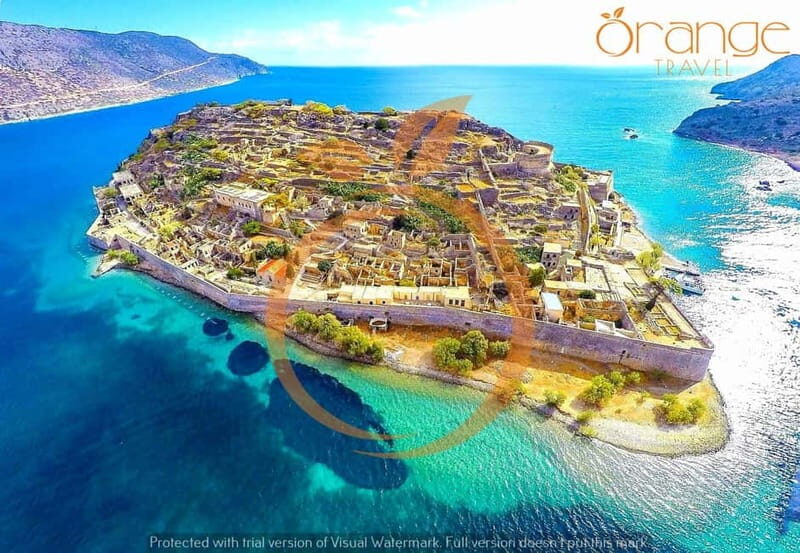
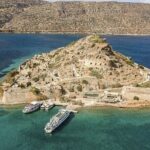
Spinalonga is known for two big layers of story. First, the Venetians fortified the island at 1579, building a fortress with 40 cannons. Second, the island became the last leper colony in Europe, operating as a leper colony from 1903 to 1957.
That combination is intense, and it’s exactly why the tour’s timing works. You get about 75 minutes on Spinalonga, and the walking time is explicitly self-guided. That’s important. A guide can provide context, but ruins like these are best explored at human speed: pause, look, walk a few steps, then read what you can before moving on.
What you can do in that window:
- Visit the old market and alley areas that point to the island’s former daily life.
- See the ruins of the market street, where you can imagine shops, a hospital, and small houses where people lived separated from the outside world.
- Walk the fortress walls area, which are described as among the best preserved walls in Europe.
One practical consideration: there’s a separate line item for the Spinalonga entry fee (€20.00 per person). If you’re budgeting, treat that as part of the real cost of the day.
Also, the tour doesn’t include a special “closed caption” style experience for the ground-level details—it’s built for you to explore independently once you arrive. If you like reading your way through ruins, this format fits well. If you want nonstop explanation the whole time, you might find the self-guided portion longer than you like.
Leaving Spinalonga: Two Short Boat Segments and a Timing Rhythm
You’ll take another 15-minute short boat ride back to Elounda. The schedule is built around that rhythm: boat transfer, short bus movement, then the inland shift to Kritsa.
On the way back, there’s a short pass-by scenic window (about 5 minutes) while the coach is moving. It’s not a long viewing stop, so don’t plan on it being your big photo moment. Use your main photo time strategically—Elounda and Kritsa are where you’ll get those clearer opportunities.
This is also one reason the tour can feel “tight” in the middle. If you get slowed down on Spinalonga—extra time in one alley, lingering at a viewpoint—you’ll still be on the clock for Kritsa’s craft areas and the olive oil visit.
Kritsa Village: Lacework, Steep Lanes, and Local Pride
Next comes the inland change of pace. The bus ride to Kritsa is about 35 minutes after returning to the main route. Kritsa is described as being in the Lasithi region, about 10 km from Agios Nikolaos, built into mountain foothills.
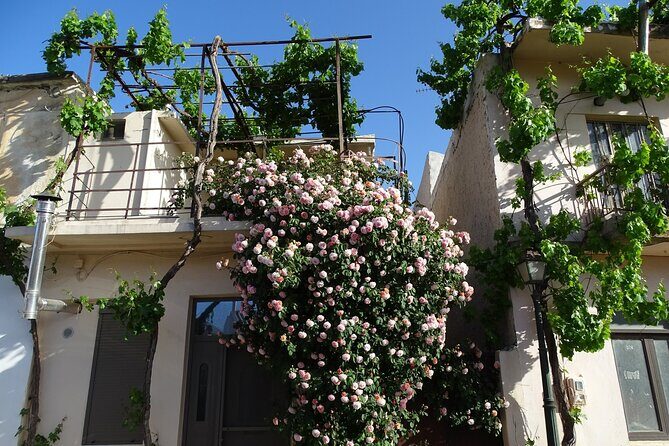
Here’s what you’re really signing up for: lacework and textile craft. Kritsa is known for local weavers and embroiderers, and you’ll have time to see handmade cloths and table linens displayed for sale.
The key thing is how the village is physically built. Kritsa’s lanes are narrow and steep, and it’s described as not built for modern cars. That adds charm, but it also changes how you should plan your walking.
You’ll get a mix of moments here:
- Photo stop
- Coffee option (not detailed, but the itinerary includes a coffee pause)
- A guided tour
- Free time plus shopping and local snacks
- A workshop block of about 1 hour (the itinerary calls it a workshop alongside the craft market time)
Why I think this stop is one of the best uses of your day: Spinalonga is heavy and historical. Kritsa is human and hands-on in the opposite way. You’re looking at something made with patience. Even if you don’t buy anything, you’ll probably enjoy watching the process and seeing how craft becomes part of everyday life.
Bring: comfortable walking gear. Avoid high heels. If your shoes grip well, Kritsa is a pleasure. If they don’t, you’ll end up walking slower than you want and missing some shops.
The Dorian City Ruin Near Lato: A Bonus You Might See From the Area
The tour information also notes nearby ruins of the Dorian city of Lato, thought to have been nominated in the 5th and 4th century BC. It also mentions a gorge route—Kritsa or Katharo Gorge—leading through the Dikti Mountains toward the Lasithi Plateau.
The catch: the itinerary provided doesn’t specify a separate dedicated viewing time for Lato ruins or the gorge. So treat these as context for what you’re driving through and what the region is famous for, not as guaranteed “stand and explore” stops.
If you like understanding place names and regional geography, it can add meaning to your photos around Kritsa. If you came specifically for Lato ruins in particular, you may want to pair this tour with a separate plan.

Olive Oil Park by Physis of Crete: A Short, Practical Taste of How It’s Made
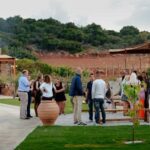
The last stop before you head back to hotels is a visit to OLIVE OIL PARK by Physis of Crete. It’s listed as a free olive tour, with about 30 minutes for the experience, including:
- Break time
- Photo stop
- Guided tour
- Free time
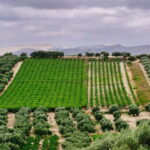
The information highlights what you’ll see: how olive oil is produced and bottled, plus product options including biological olive oil.
Even if you’ve heard basic olive oil facts before, this kind of stop is useful for two reasons:
- You get the visual order—what happens first and what happens next—rather than just hearing a description.
- The “bottling and products” component helps you make sense of labels when you’re shopping later.
A small timing note: after Kritsa, you’ll have about 15 minutes of bus/coach time to reach the park, then about 55 minutes of bus/coach time back toward drop-off points. This is not a long lunch-and-slow-shopping finale. It’s a short, efficient stop.
Lunch Box: Simple Fuel for a Full Day
Your lunch is included as a lunch box: a bottle of water, orange juice, a praline croissant, and a toast with cheese and turkey.
Vegetarian option is mentioned, with one workable swap: since it’s prepackaged, the only change is to replace the toast with two croissants upon request.
This matters because the tour is moving, with multiple transitions (bus to boat, boat to walking, walking to shopping). You don’t want to run out of energy or hunt for food between stops. The lunch box does that job.
If you have dietary restrictions beyond vegetarian, nothing else is listed. Bring snacks you can eat if you’re cautious.
Price and Value: What You’re Getting for About $50.80
The listed price is $50.80 per person, and the tour includes the boat tickets both ways to Spinalonga, transport by air-conditioned bus, guided tour time in English/French/German (and other languages in general availability), and the lunch box.
But don’t miss the big extra: Spinalonga entry fee (€20.00 per person) is not included.
So what’s the real value?
- You’re paying for coordination and transport: pickup, bus time, and both boat rides.
- You’re paying for structured guided time at Kritsa and the olive oil park, plus the self-guided Spinalonga exploration.
- You’re getting a “two worlds” day: fortress ruins plus a working craft village.
Where it may feel less like a deal is if you already plan to visit Spinalonga and want to do it on your own timetable. DIY can sometimes cut cost, but it also adds the hassle of transportation planning and ticketing.
If you like guided context but still want freedom to walk, this format usually lands well.
Comfort, Rules, and What to Bring (So the Day Stays Pleasant)
This tour is marked as not suitable for people with mobility impairments and not suitable for wheelchair users. That’s consistent with Kritsa’s steep lanes and Spinalonga’s walking areas.
Bring:
- Comfortable shoes (closed-toe)
- Sun hat and sunscreen
- Camera
- Cash
Also, you’ll want to be thoughtful about sunscreen: the list asks for biodegradable sunscreen.
Not allowed:
- High-heeled shoes
- Pets
- Smoking in the vehicle
- Climbing
- Bare feet
- Non-folding strollers/wheelchairs
- Unaccompanied minors (as noted)
Weather and traffic aren’t controlled by the provider, so if you’re visiting in a windy or stormy period, build in flexibility.
Who This Tour Fits Best
This tour is a strong match if you:
- Like historical places where you can walk the real spaces, not just look at photos
- Want a structured day from your resort area without juggling transport yourself
- Enjoy village craft and want to browse lacework and handmade textile displays
- Appreciate a short educational stop at the end rather than a long shopping detour
It may be less ideal if you:
- Need step-free routes (the tour isn’t suitable for wheelchair users)
- Prefer a fully guided experience with constant commentary (Spinalonga is self-guided)
- Are very sensitive to steep walking and uneven terrain
Should You Book the Heraklion Spinalonga and Kritsa Tour?
If your priority is Spinalonga plus Kritsa in one day, this is a convenient way to do it. The mix of Venetian fortress ruins, the island’s hospital/market area stories, and the craft focus in Kritsa gives you a full contrast in a short time.
My decision rule: book it if you want the day handled for you—bus, boats, guided context—and you’re comfortable with walking on historic terrain and steep village lanes. Skip it (or add a different plan) if you’re staying in Heraklion and would struggle with the pickup limitation, or if mobility needs make the terrain tough.
If you do book, budget for the Spinalonga entry fee, pack good shoes, and plan to spend most of your “slow time” on Spinalonga during that 75-minute self-guided window.
FAQ
Is Spinalonga entry included in the tour price?
No. Spinalonga Island entry is listed as €20.00 per person and is not included in the tour price.
Where does the tour pickup?
Pickup is available from main roads and many predesignated points in areas such as Sissi, Malia, Stalis, Hersonissos, Analipsi, Anissaras, Gouves, Kokkini Chani, and Karteros, with the provider contacting you after booking with details. Heraklion region pickup is not provided.
How long does the tour take?
The duration is listed as 7 hours (you’ll need to check availability for starting times).
What’s included for lunch?
You get a lunch box with a bottle of water, orange juice, a praline croissant, and a toast with cheese and turkey. For vegetarian requests, the toast is replaced with two croissants.
What time do you spend on Spinalonga?
You’ll have about 75 minutes on Spinalonga, with time described as self-guided after the boat transfer.
Is this tour suitable for wheelchair users or reduced mobility?
No. It is marked not suitable for people with mobility impairments and not suitable for wheelchair users.