REVIEW · CRETE
Lychnostatis Open Air Museum: Entry Ticket with Add-Ons
Book on GetYourGuide →Operated by Cretan Open-air Museum LYCHNOSTATIS · Bookable on GetYourGuide
Lychnostatis turns Cretan history into something you can actually move around in. I especially like the traditional village houses and the chance to step inside a tsikoudia (raki) distillery. One small consideration: you’ll rely on paper info while walking outside, so keep it dry in your bag.
For €-ish value (around $10 per person), this isn’t just a “look and leave” museum. You can add an audiovisual film or choose a private guided group tour, and the live guide is in Greek. That’s great if you speak the language, but if you don’t, plan to lean on the signage and whatever visual aids are available.
In This Review
- Key things that make Lychnostatis worth your time
- Entering Lychnostatis: what “open-air” really means
- Ticket value: $10 for a full day of buildings, workshops, and gardens
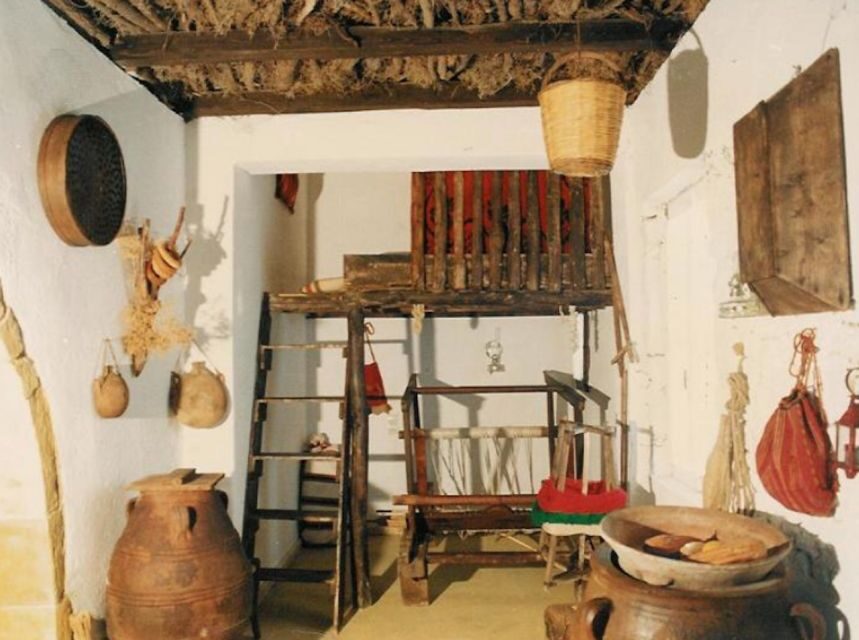
- Start with the village houses: where everyday life comes into focus
- The distillery stop: stepping into tsikoudia (raki) production
- From fields to workshops: the olive oil press and threshing floor
- Craft workshops that explain culture better than text alone
- Chapel and community life: belief as part of the village
- Gardens, herbarium, and nature exhibitions: Cretan land in living form
- Art and regional identity: folk artists’ gallery
- Auditorium (100 seats) and open-air theater (250 seats): shows and seminars
- Temporary exhibitions hall: a chance to vary the theme
- Library time and the museum café: where the visit softens
- What I’d choose as an add-on: film or private guided group tour
- Practical tips for a smooth 1-day visit
- Should you book Lychnostatis Open-Air Museum?
- FAQ
- How long does the Lychnostatis museum visit last?
- What’s included with the entry ticket?
- Can I add an audiovisual film or a private tour?
- What language is the live tour guide?
- Is transportation included in the price?
- Are food and drinks included?
- Do I need to wait in a long ticket line?
- Is free cancellation available?
Key things that make Lychnostatis worth your time
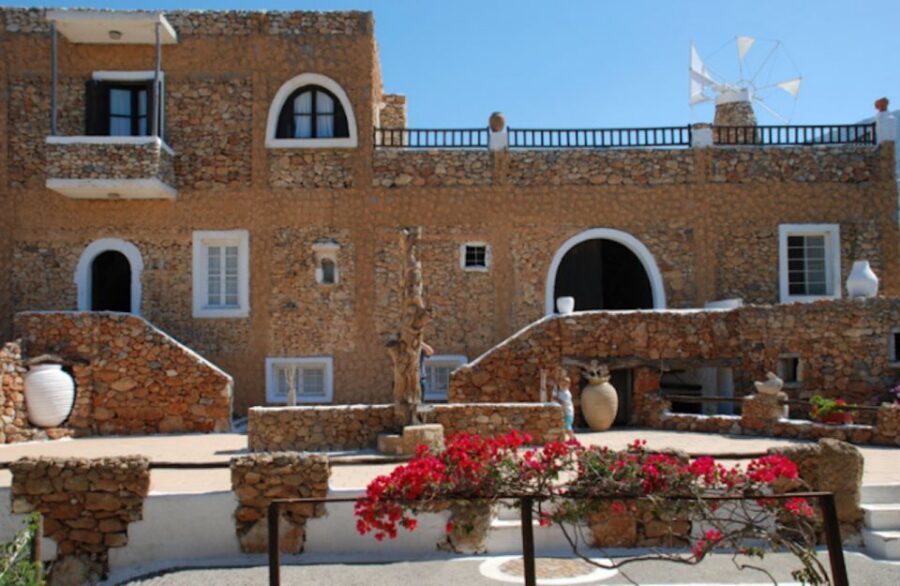
- Open-air layout: village houses, workshops, and farm life feel spread out in a realistic way, not crammed into rooms
- Tsikoudia (raki) distillery interior: one of the most memorable stops for understanding Cretan everyday production
- Hands-on cultural themes: folk tradition, ethnology, nature and environment all show up across different structures
- Small-culture comforts: library for reading time, plus a café where you can grab typical drinks or sweets
- Performance spaces: an auditorium (100 seats) and an open-air theater (250 seats) for shows and events
- Add-ons that change the experience: audiovisual film or a private guided group tour can add context fast
Entering Lychnostatis: what “open-air” really means
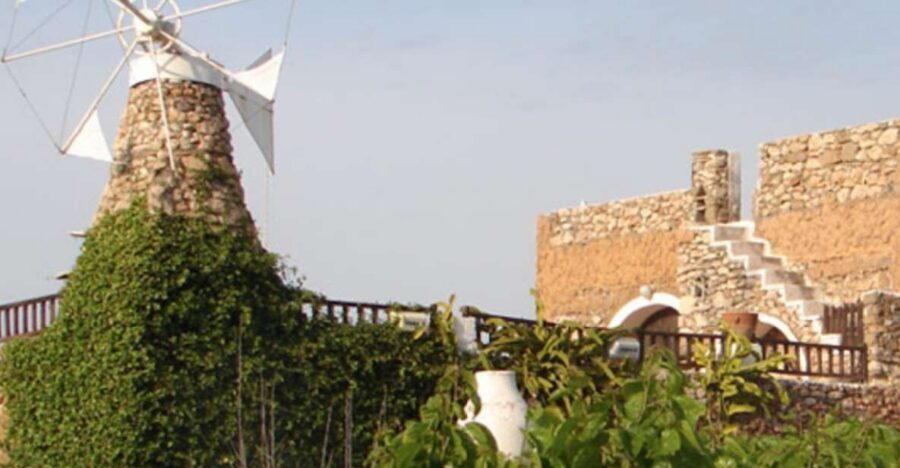
Lychnostatis Open Air Museum on Crete is built to show how Cretans lived—work, food, crafts, plants, and belief—using buildings and collections placed outdoors like a living village. You’re not just seeing artifacts behind glass. You’re moving through a reconstructed environment that helps you connect objects to real routines.
The museum’s focus is explicitly Cretan heritage and culture, with themes that include folk tradition and ethnology, Cretan nature and environment, and everyday folk culture. That’s why it works well as a full 1-day plan: there’s enough variety to keep you from getting museum-fatigue.
Before you go, think about your style. If you enjoy crafts, rural life, or how people made and stored food, this place will click. If you only want famous landmarks or big-ticket “wow” architecture, you might need more patience. For everyone else, it’s a strong choice.
You can also read our reviews of more tours and experiences in Crete
Ticket value: $10 for a full day of buildings, workshops, and gardens
At about $10 per person for entry, you’re paying for time inside a large outdoor setting plus access to everything on site. What boosts the value is the combination of:
- a free window to explore on your own
- optional add-ons (audiovisual film or a private guided group tour) if you want guided context
You’re also not stuck in a “single route.” The museum includes traditional dwellings, farm-related spaces, craft workshops, gardens, and indoor areas like the library and temporary exhibitions hall. In other words, you can spend an hour lightly wandering or slow down for several workshop stops.
One practical note: transportation isn’t included. If you’re staying off-site, plan to arrive by car or taxi, since that’s how you can reach the museum.
Start with the village houses: where everyday life comes into focus
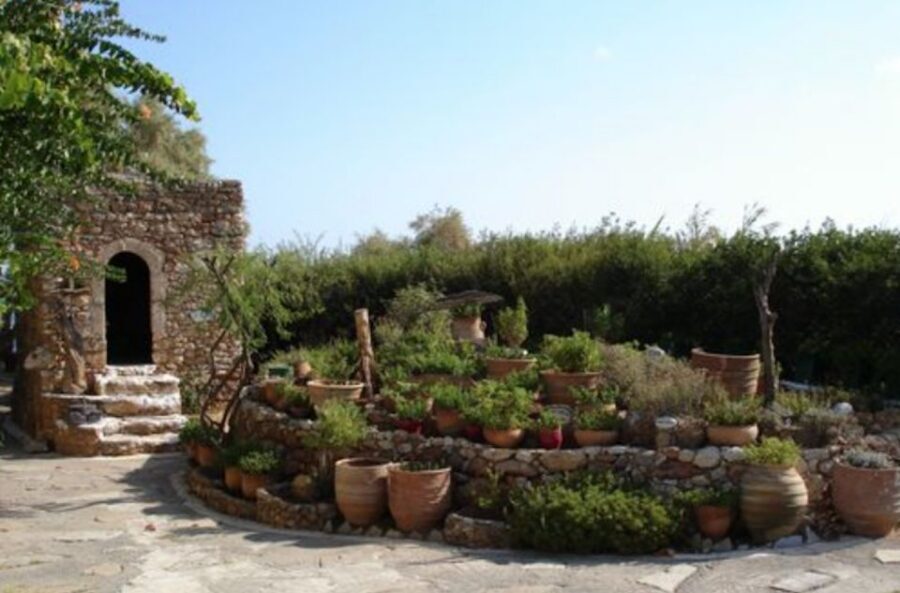
Your visit begins at the museum itself, and from there the experience naturally builds. The traditional dwellings are the backbone of the visit because they show domestic life—where people cooked, slept, worked, and lived as a community.
These houses are especially useful if you’re trying to understand Cretan identity through ordinary objects and routines, not just big historical events. You get a sense of how the architecture, work spaces, and household activities link together.
Look at the smaller details even if you don’t read every label. The value here is pattern recognition: once you see one house and one work area, you start noticing how the museum organizes a full day of labor around the village.
The distillery stop: stepping into tsikoudia (raki) production
If I had to pick one “don’t rush this” section, it’s the tsikoudia (raki) distillery. The museum includes an inside visit to a distillery, which matters because it turns a drink you might hear about into something you can picture as a process.
Why it’s a highlight for most visitors: distilling connects agriculture and hospitality. You’re not only seeing equipment—you’re seeing how local production could support social life. Even if you’re not a history nerd, the distillery helps you understand why certain Cretan products show up again and again in culture.
Tip for your visit: when you reach the distillery, pause longer than you think you need. That’s the spot where the visual details and the idea behind them work together.
From fields to workshops: the olive oil press and threshing floor
Cretan life wasn’t separated from the land. The museum reflects that with farm and food production spaces, including an olive oil press and a threshing floor.
The olive oil press stop helps you understand why olive growing and pressing mattered for storage, cooking, and daily use. The threshing floor adds another layer: it shows grain processing, which is connected to seasonal work and how communities fed themselves.
These areas are also useful if you like practical history. You can look at the tools and the layout and start forming a mental map of the workflow: grow, harvest, process, store. Even without a long guided explanation, the spaces are designed to teach through structure.
You can also read our reviews of more museum experiences in Crete
Craft workshops that explain culture better than text alone
Lychnostatis spreads craft skills across multiple workshops. This is where the museum turns from “historical scenes” into a clearer story about work.
You’ll see stops like:
- weaving and plant-dying workshop (textiles and natural dyes)
- bees and wax workshop (wax as a practical material)
- shoe-making workshop (footwear as a survival skill)
- carpentry (woodwork that supports daily building and repairs)
- ceramic shop (containers and domestic objects)
Each workshop helps you understand that culture isn’t only festivals and music. It’s also repeatable skills—things people did again and again, using local materials and knowledge passed down through the years.
If you take photos, don’t just shoot the buildings. Aim for the tool-focused angles too. They help later when you’re back home trying to remember what impressed you.
Chapel and community life: belief as part of the village
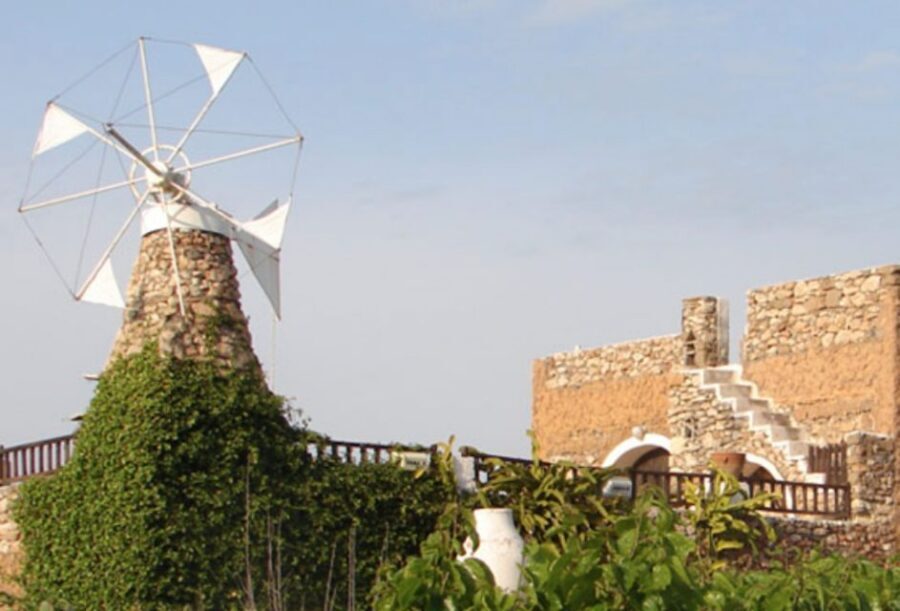
The museum includes a chapel, which may sound like a small stop compared to workshops and production areas. But it gives a necessary human context. Religion, ritual, and community gatherings shaped life in rural places, and a chapel within the village helps you see that the museum’s “Cretan life” isn’t only about labor.
Try to visit the chapel with a slower pace. Even if you don’t know much about Cretan religious traditions, the setting makes it easier to picture how people organized community time around shared beliefs.
Gardens, herbarium, and nature exhibitions: Cretan land in living form
Lychnostatis isn’t only about made things. You also get plant and nature-based areas that support the idea that Cretan culture grew out of its environment.
Look for:
- a herbarium
- a Cretan fruit garden
- a herb garden
You can read these as practical knowledge displays. Plants weren’t just scenery. They were used for remedies, scent, cooking, and dyes—so the garden section connects naturally back to the workshops.
The museum also features a mineral and stone exhibition, which adds a different kind of learning. It’s a reminder that environment includes geology and materials, not just weather and vegetation.
Art and regional identity: folk artists’ gallery
Another part of the museum that’s worth your attention is the Cretan folk artists’ gallery. This area helps shift your perspective from tools and production to expression.
Why that matters: if you only focus on work and agriculture, you can miss how people turned lived experience into art. When the gallery follows the workshops, it feels like the same skills and traditions translated into creative form.
Auditorium (100 seats) and open-air theater (250 seats): shows and seminars
The museum isn’t frozen in time. It includes an auditorium with 100 seats for audiovisual shows and seminars, plus an open-air theater with 250 seats for cultural and artistic events.
Even if you’re not planning around a specific performance, these spaces are useful because they tell you the museum has a program side. Think of it as education beyond buildings: talks, screenings, and events that help turn objects into stories.
If you choose the audiovisual film add-on, that often slots nicely right around this kind of learning space. Visual storytelling can make the outdoor artifacts easier to interpret.
Temporary exhibitions hall: a chance to vary the theme
The museum also has a temporary exhibitions hall. This is where you can get variation beyond the core open-air village experience.
When you visit a place like this, it helps to keep one goal simple: walk away with a stronger sense of Cretan folk culture. Temporary exhibits can support that by adding a new angle without forcing you to re-learn everything.
Library time and the museum café: where the visit softens
Two quieter stops can make your day feel complete: the library and the museum café.
The library is stocked with Cretan books and periodicals, which is a good option if you want to pause and slow down. It also makes the museum feel less like a “tourist circuit” and more like a place that supports ongoing learning.
Then there’s the café, where you can grab a typical beverage or sweet. Just remember: food and drinks aren’t included in the ticket price, so treat the café as an add-on treat, not part of the base value.
If you’re planning your time carefully, treat this as your mid-visit reset. You’ll feel better once you get back outside.
What I’d choose as an add-on: film or private guided group tour
The entry ticket includes free time to explore, but the add-ons are there for a reason. They add context—especially helpful in an open-air museum where you’re seeing many types of spaces.
- Choose the audiovisual film if you want the museum to explain the big picture quickly. It’s a good way to get your bearings without needing to rely entirely on Greek text.
- Choose the private guided group tour if you prefer direct interpretation. A live guide (Greek) can connect objects across the site into one clearer narrative.
My advice: if you don’t speak Greek well, prioritize the film. If you do speak Greek, the guided tour can make the whole day feel more personal and less like walking through separate exhibits.
Practical tips for a smooth 1-day visit
Lychnostatis is an active walk—outdoors, with a lot of different buildings and workshop stops. So plan like you’re touring a small neighborhood, not strolling a tiny museum.
A few practical moves:
- Wear comfortable shoes.
- Keep a small water supply and a dry pocket for paper info. One thing that can happen with outdoor touring is that printed material gets damp from handling in warm weather.
- Pace yourself: hit the village houses and distillery first, then work your way into workshops and gardens, and save café/library time for when you want a break.
Also, language matters. The live tour guide is Greek, and the rest of your experience will depend on signage and the audiovisual option you select. If you’re language-limited, the film can help you keep moving without losing the story.
Should you book Lychnostatis Open-Air Museum?
Book this if you want a 1-day plan that feels like Cretan life—through houses, production, crafts, and gardens—not just through isolated artifacts. The value at about $10 per person is strong because the site covers many themes: folk culture, environment, ethnology, and daily work, all in one place.
Don’t book if you only want a fast stop or you dislike outdoor walking. Also, choose your add-on thoughtfully. If you don’t speak Greek well, the audiovisual film is likely your best way to get full meaning without relying on language.
If you like museums that teach through place and atmosphere, Lychnostatis is a smart pick on Crete.
FAQ
How long does the Lychnostatis museum visit last?
The ticket is valid for 1 day, and you can use your time to explore the museum freely during that day.
What’s included with the entry ticket?
Your entry ticket includes admission, free time to explore, and options such as an audiovisual film or a private guided group tour if you select those add-ons.
Can I add an audiovisual film or a private tour?
Yes. There’s an option to include the audiovisual film, and there’s also an option for a private guided group tour.
What language is the live tour guide?
The live tour guide is Greek.
Is transportation included in the price?
No. Transportation isn’t included. You can reach the museum by car or taxi.
Are food and drinks included?
No. Food and drinks aren’t included, but there is a museum café where you can buy typical beverages or sweets.
Do I need to wait in a long ticket line?
The experience includes skip the ticket line.
Is free cancellation available?
Yes. There is free cancellation up to 24 hours in advance for a full refund.