REVIEW · CHANIA
From Chania: Crete World War II History Tour
Book on GetYourGuide →Operated by GS tours · Bookable on GetYourGuide
Crete tells WWII in footsteps, not speeches. This World War II history tour from Chania follows the story from the 1940 Greek-Italian War to Hitler’s airborne plan, then lands you at key battlefield remnants and cemeteries. You’ll see the Maleme area from above and connect what happened on the ground to the wider shock felt across Greece and southeast Europe.
I especially like how the day is built around clear places you can picture. Maleme’s paratrooper landings are the anchor, and the tour keeps tightening the timeline as you move between sites.
One thing to consider: it’s a packed 6-hour circuit, and you may only get one scheduled comfort stop. If you need more frequent breaks (or time to grab a proper sandwich), plan to bring what you can and don’t be shy about asking your guide.
In This Review
- Key moments that make this tour worth your time
- Why the Battle of Crete still matters
- The Chania-to-battlefields rhythm: how the day really moves
- Maleme and the first landings: seeing the battlefield from above
- Tavronitis Bridge and the Galatas battle: when the fighting becomes local
- The partisans angle: war isn’t only uniforms
- Secret shelters, monuments, and small museums that feel personal
- War cemeteries: where respect is the whole point
- Guide style: maps, chronology, and practical clarity
- What’s included, and what you should plan for
- Price and value: is $111 a smart use of your day?
- Who this tour is best for
- Should you book this Chania WWII history tour?
- FAQ
- Where does this tour depart from?
- How long is the tour?
- What languages are offered?
- What is included in the price?
- What should I bring?
- Are pets allowed?
- Is there free cancellation?
Key moments that make this tour worth your time
- Maleme airfield viewpoints that help you understand where the first troops hit
- Tavronitis Bridge and nearby wartime ground that makes the fighting feel real
- The Battle of Galatas explained with the local fight in context
- Secret shelters and small wartime museums that show the occupation from inside life
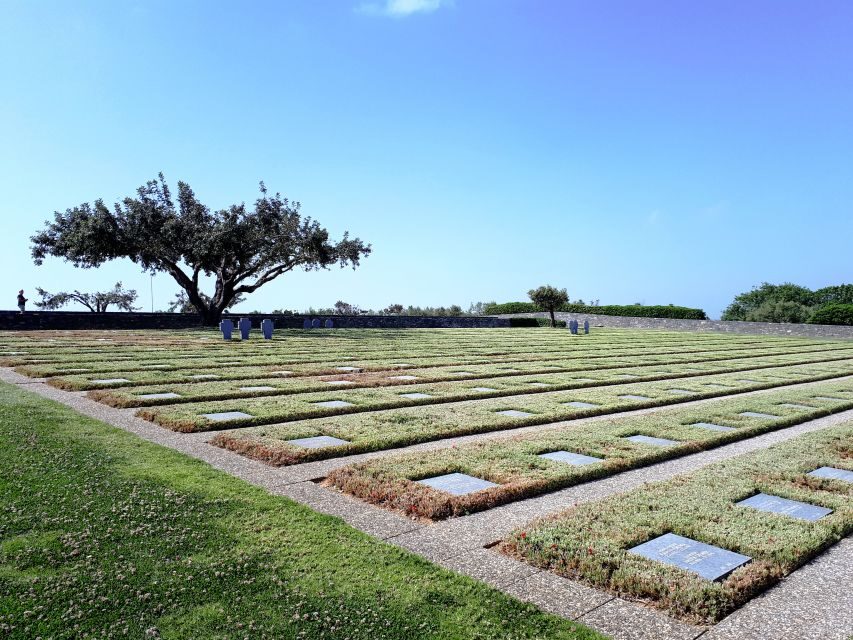
- German and Allied war cemeteries where you slow down and pay respect
- A guide-led story with maps and old photos, plus knowledgeable hosts such as Yanis and Babis
Why the Battle of Crete still matters
The Battle of Crete wasn’t just a Greek tragedy. It became a turning point in the way the Allies and Axis thought about warfare in Europe, because it forced hard choices and showed how resistance can change momentum.
On this tour, you start with the wider lead-up, including the Greek-Italian War of 1940. Then you move toward the situation that pushed Hitler toward Operation Mercury, the airborne invasion that makes Crete such a famous (and brutal) story in WWII.
What you gain is context you can carry beyond Crete. Once you understand how the invasion unfolded and how Cretians and partisans resisted, the battle reads less like a distant textbook and more like a chain reaction across the region.
You can also read our reviews of more historical tours in Chania
The Chania-to-battlefields rhythm: how the day really moves
This is a small-group day trip, run by GS tours, with pickup and drop-off from locations in the Chania region. You’re transported in an air-conditioned minivan, which matters because this is a “watch, walk a bit, stop often” kind of tour, not a sit-in-one-place museum day.
The day is paced for maximum sightlines and story connection. That means you’ll spend time at multiple sites tied to different phases of the fighting and occupation, not just one or two big stops.
Because it’s time-limited, you should expect a schedule that stays focused. In practical terms, bring comfortable shoes, plan for a short walk here and there, and treat the day like a history circuit that prioritizes locations over long lunches.
Maleme and the first landings: seeing the battlefield from above
Maleme is where the story turns from strategy into impact. You’ll visit the pretty area around Maleme and get a look at the Maleme airfield from an elevated viewpoint, which helps you understand why paratroopers chose this kind of terrain.
From above, it’s easier to grasp movement: where troops could land, how quickly the situation could shift, and how small advantages could snowball. Then, as you move into the rest of the program, the guide ties those first landing points back to the later fighting.
This is one of the reasons I think this tour works so well for newcomers. If you only hear dates and names, WWII can blur. But when you can see the geography, the chronology sticks.
Tavronitis Bridge and the Galatas battle: when the fighting becomes local
After Maleme, the tour shifts toward the ground-level reality of conflict. You’ll visit Tavronitis Bridge, and later you’ll learn about the Battle of Galatas, two stops that help you understand how the invasion played out across different parts of the island.
Bridges and battle sites sound like dry details until you connect them to the operational problem everyone had: movement. Why certain areas mattered, why control of routes mattered, and why the fighting was not one straight line.
This is where a good guide makes the difference. Hosts such as Yanis and Babis are praised for laying out the story logically and chronologically, using materials like maps and old photos to help you visualize what changed from day to day.
The partisans angle: war isn’t only uniforms
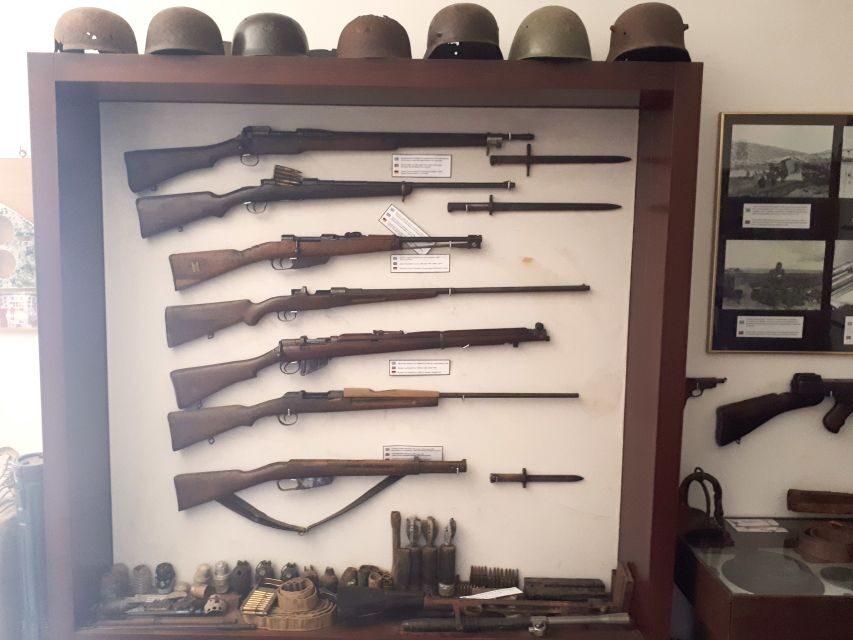
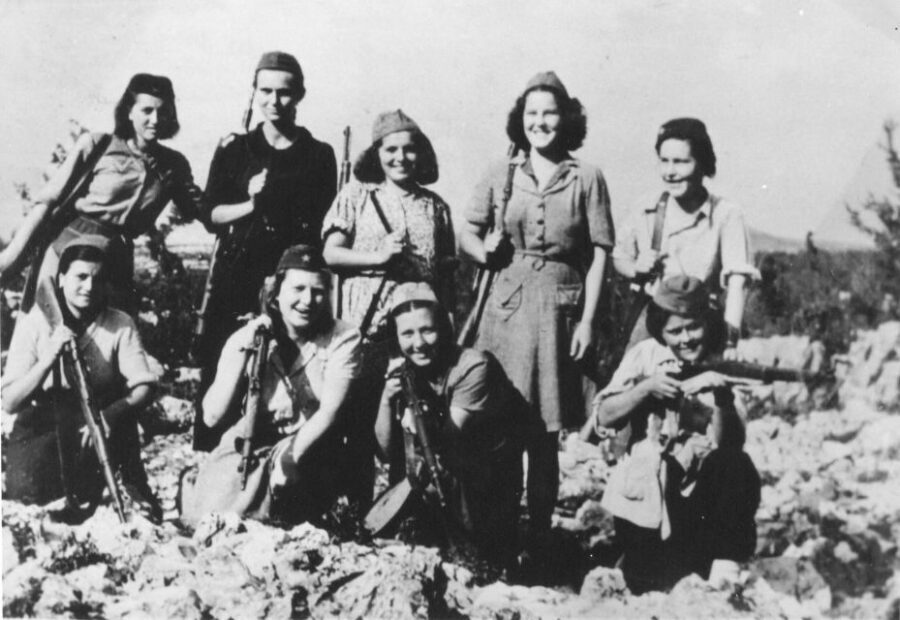
A big strength of this tour is that it doesn’t stop at the invasion day. You’re also shown the occupation-era side of WWII in Crete, including the role of resistance and partisans who helped the British, Australian, and New Zealand forces change the course of history.
Partisans can sound abstract until you see how people survived and operated under threat. That’s why the program includes small museums and wartime remnants, plus secret shelter type stories that put you closer to what everyday survival looked like.
Even if you know the big headlines already, this part is often what gives the day emotional weight. You start to see how the fighting wasn’t only happening in open fields—it was happening in hidden places too.
Secret shelters, monuments, and small museums that feel personal
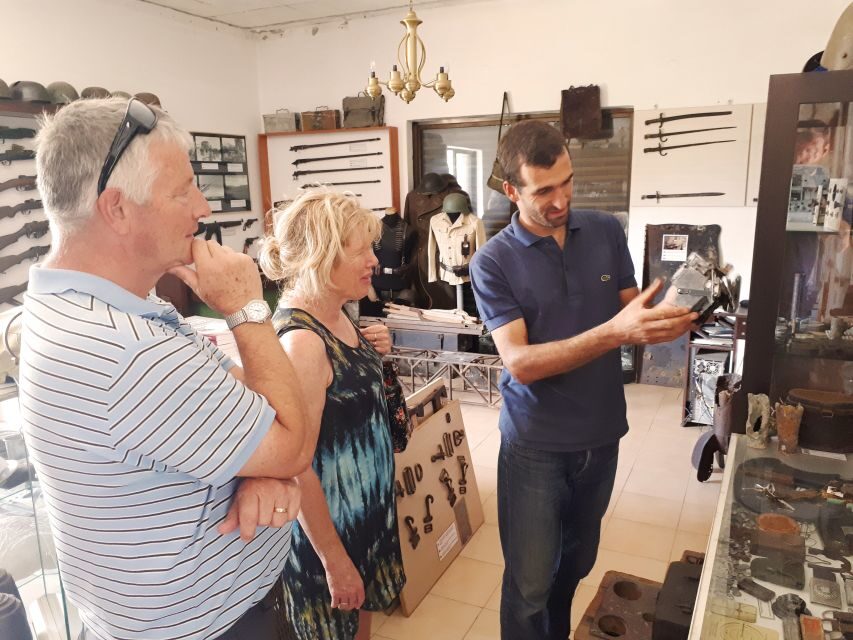
This isn’t built as a parade of major monuments. Instead, it mixes remnants, monuments, and smaller sites that often leave a stronger impression because they don’t try to be dramatic.
You’ll discover war remains tied to different memorial points and battle locations, and you’ll hear untold stories that explain what you’re seeing and why it mattered. That storytelling also helps you connect the local sites to the broader WWII picture across Greece and southeast Europe.
A detail I find especially useful: the guide support is typically map-and-document style, not just verbal storytelling. That means you get a better grip on cause and effect, instead of walking away with a few memorable facts and no real structure.
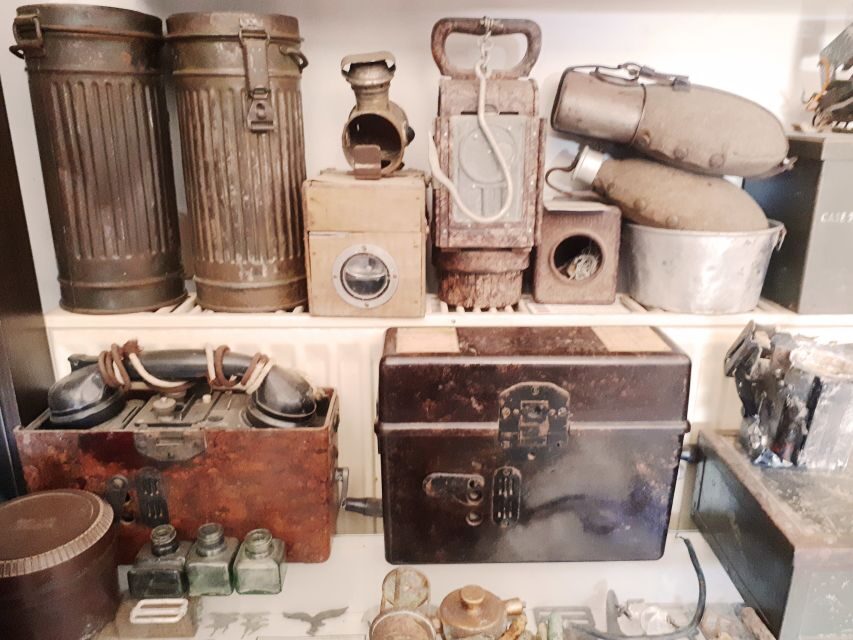
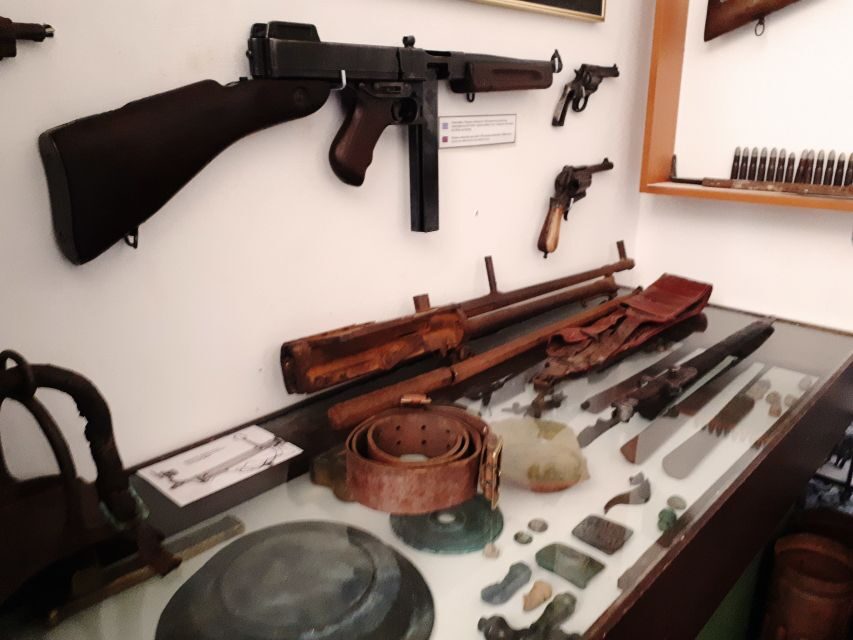
And yes, some days may include time at a private collector’s WWII artifact collection, where you can see items up close and hear the meaning behind them. If that stop is offered on your departure, it’s worth leaning in and asking questions.
War cemeteries: where respect is the whole point
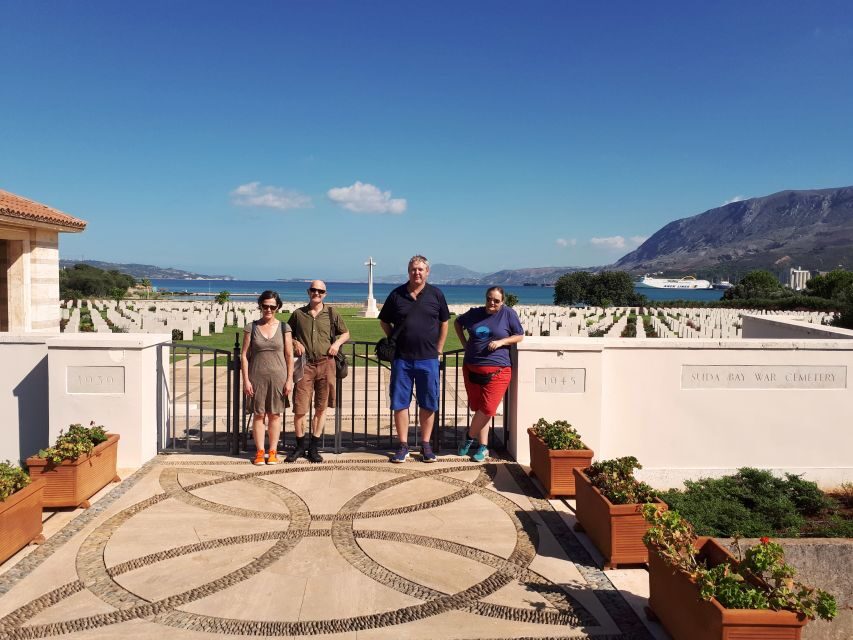
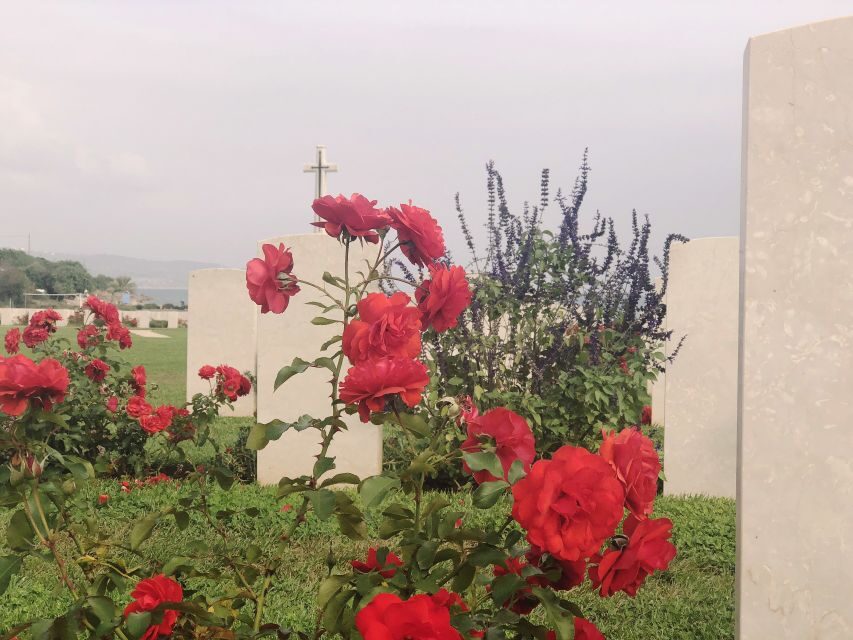
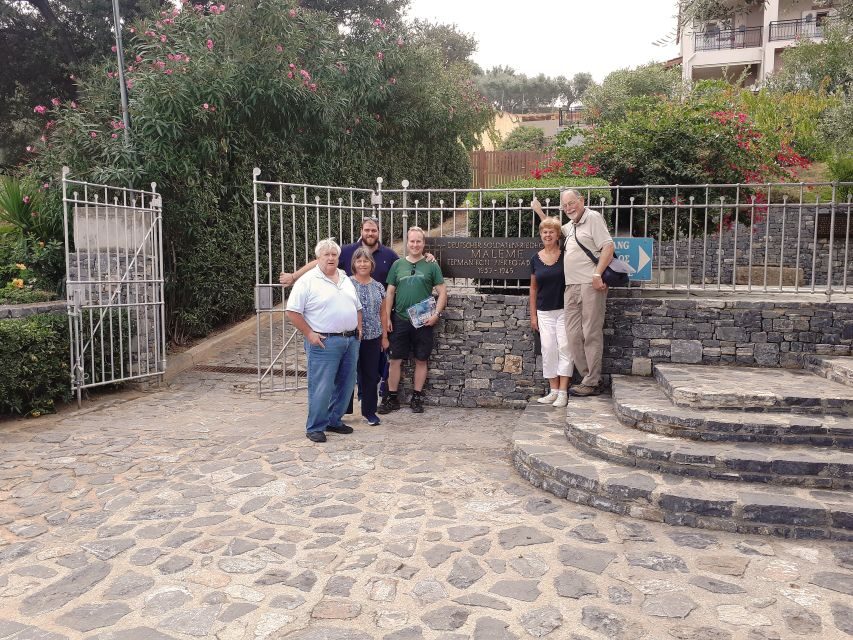
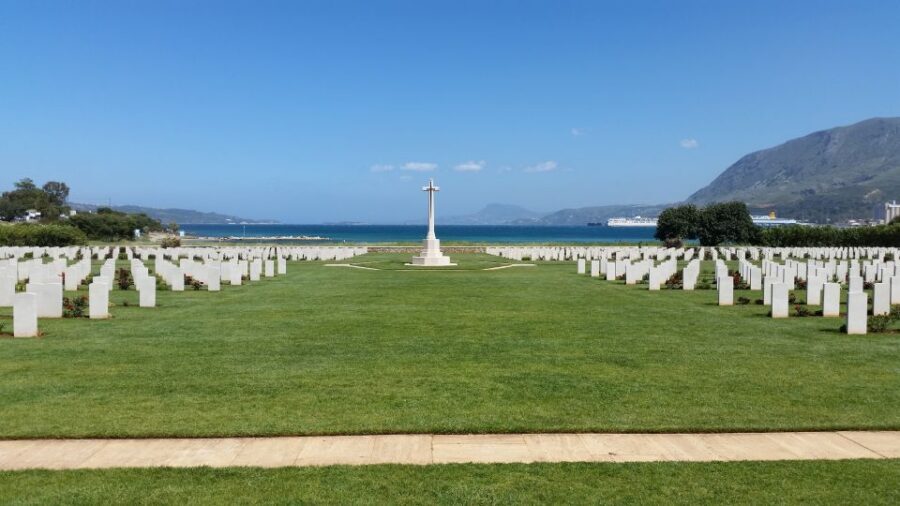
The day’s final emotional center is the German and Allied war cemeteries. You’ll visit both, which matters because it keeps the story balanced. You’re not only learning about the invaders; you’re also seeing the cost paid by soldiers from the Allied side.
Guests consistently highlight how well cared-for the cemeteries are, including the Commonwealth graves. Another subtle point: the way the German graves are described is treated with sensitivity, which is important because this is not a sightseeing moment. It’s a remembrance moment.
Give yourself permission to slow down here. The cemeteries aren’t rushed for many people, but your energy will be lower after hours of history stops. Comfortable shoes and a calm pace will help you absorb what these places are trying to say.
If you’re visiting as a descendant or you feel a personal connection to WWII, this part can hit hard. Even if you’re not, it’s still the most human portion of the tour.
Guide style: maps, chronology, and practical clarity
You’re going to get the kind of guide-led day where the host uses explanations that build step-by-step. Multiple guides are praised for clear structure: lead-up, invasion, resistance, then the after-effects across Allied morale and operations.
Yanis and Babis are both names that show up in guest reports, and you’ll also see other guide names linked to past departures. The common thread is strong preparation and a story that stays chronological, which is a big deal on a day packed with locations.
Another “quiet” plus: the tour uses supporting materials like maps and old photos. That helps you understand the battlefield movements without getting lost in military jargon.
What’s included, and what you should plan for
This tour includes pickup and drop-off from specified locations in the Chania region, plus transportation by air-conditioned minivan. You also get an English-speaking driver/guide and a local guide, with entrance fees and local taxes covered.
Food-wise, you get a snack and a bottle of water per person. That’s helpful, but it’s not the same as a full meal. Some people would have liked either more time for a sandwich or an extra comfort stop, so I’d treat the snack as a small bridge, not lunch.
Packing advice that matches the real world:
- Wear comfortable shoes (you’ll be on uneven ground at multiple sites).
- Bring sunscreen and a hat if you’re going in warmer months.
- If you have dietary needs, the tour can cater to requirements based on guest comments, but it’s smart to mention needs in advance.
Price and value: is $111 a smart use of your day?
At $111 per person for about 6 hours, this sits in the mid-range for guided day tours. What makes it feel like good value is the combination: transportation, a small-group format, entrance fees, and structured storytelling that links multiple sites instead of bouncing you around randomly.
This is also one of those tours where you’re paying for interpretation. Battlefield sites can be hard to “read” without a guide. With a host using maps, photos, and local knowledge, the places become legible, and you leave with a fuller grasp of the Battle of Crete instead of scattered facts.
If you’re trying to fill one day in Chania with something more meaningful than beaches alone, it’s a strong option. If you’re the type who wants zero walking and zero schedule pressure, you might find it a bit intense.
Who this tour is best for
This is a great fit if you:
- want a clear WWII overview focused on Crete, not a generic Greece history day
- enjoy battlefields and memorials and want context tied to the geography
- care about both Allied and German histories through the cemeteries
- like small-group guiding with maps and story structure
It’s less ideal if you:
- need frequent restroom stops and a long lunch sit-down
- want a relaxed, slow-paced tour with lots of free time
If you have mobility concerns, it may help to talk to the operator ahead of time so the guide can plan comfort around your needs. One guest noted the guide took mobility issues seriously and kept the day manageable.
Should you book this Chania WWII history tour?
If your goal is to understand the Battle of Crete in a way that actually sticks, I’d book it. The blend of viewpoints, battle sites like Tavronitis and Galatas, resistance stories, and both German and Allied cemeteries gives you a full arc from invasion to aftermath.
Just go in with the right expectations: this is a focused, schedule-heavy day. Wear good shoes, use the included snack as a bridge, and don’t worry about taking a moment to slow down at the graves.
One more practical tip: if you’re hungry or need breaks, ask early. The tour runs on timing, and a simple request can make your day feel smoother.
FAQ
Where does this tour depart from?
This tour only departs from the Chania region, with pickup and drop-off from specific locations in the Chania area.
How long is the tour?
The tour lasts about 6 hours.
What languages are offered?
The live tour guide is available in English and Greek.
What is included in the price?
The tour includes pickup and drop-off (from selected Chania region locations), air-conditioned minivan transportation, an English-speaking driver/guide and local guide, entrance fees, local taxes, and a snack plus a bottle of water per person.
What should I bring?
You should wear or bring comfortable shoes.
Are pets allowed?
No, pets are not allowed.
Is there free cancellation?
Yes. You can cancel up to 24 hours in advance for a full refund.