REVIEW · CRETE
Food Odyssey, A Historical Culinary Tour of Chania
Book on Viator →Operated by Greek Culinary History Cooking Adventures · Bookable on Viator
Your stomach gets an education. This small-group tour pairs Cretan food history with real tastings across Chania’s old neighborhoods. You’ll meet your guide in front of Chania Town Hall and work your way through centuries of flavors, from Byzantine baking methods to Ottoman-era food habits. It’s built for curious eaters who want more than a checklist.
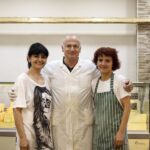
I especially like the way the tour turns ingredients into stories. With guide Mariana, you don’t just sample olives, cheese, bread, and pies—you learn what local herbs and wild greens mean in Cretan cooking, and how those foods fit into different eras. I also love the pacing: multiple short stops keep you moving, but you still get enough time at each place to actually taste, ask questions, and connect the dots.
One thing to consider: you’ll be eating a lot on this half-day. If you’re the type who prefers light snacking, you may find the volume overwhelming, even though the tastings are spread out through the tour.
In This Review
- Key things I’d circle on your Chania map
- Chania’s food history, stop by stop (and why it works)
- Chania Town Hall to a coffee shop: olives, cheese, Byzantine bread, kalitsounia
- The bougatsa factory in Chania: cheesy pastry plus Ottoman-era context
- Municipal Market of Chania: cheese, cured meat, fish, honey, and Greek coffee
- Phyllo factory and Venetian harbor walk: how trade shaped food
- Splantzia Square under the plane tree: Byzantine-origin almond beverage
- Final taverna in Splanzia: an ancient cooking lesson plus lunch
- What $125.77 buys you in real value
- Practical advice so you enjoy every bite
- Who this tour fits best
- Should you book Food Odyssey in Chania?
- FAQ
- What time does the tour start, and how long is it?
- Where do I meet the guide?
- Where does the tour end?
- Is this tour in English?
- What’s included in the price?
- Can I get a vegetarian option?
- How big is the group?
Key things I’d circle on your Chania map
- Small group size (max 8): more questions, fewer waiting turns.
- Mariana’s food-history approach: food facts tied to what’s on your plate.
- Factory stops (bougatsa and phyllo): you see how the dough gets made, not just what it tastes like.
- Municipal Market + Greek coffee: a full spectrum of cheese, cured meats, honey, and coffee culture.
- Two meals included: lunch is part of the plan, not an afterthought.
Chania’s food history, stop by stop (and why it works)
Food history tours can be hit-or-miss. The better ones do one simple thing well: they use a few strong locations to explain how people actually ate. This one does that by pairing Chania landmarks with places where food is made, traded, or served—then layering in tastings that match the story.
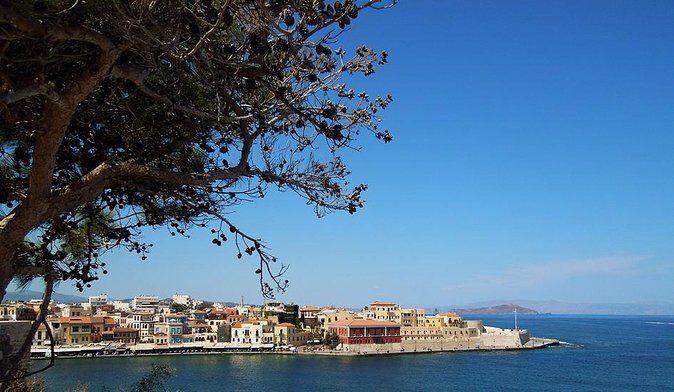
You’ll walk through Chania’s town core, Ottoman-era streets, and the Venetian harbor area, guided by a food historian. That matters because Chania wasn’t shaped by one single culture. It was shaped by trade routes, occupations, and local know-how. So when you taste cheese, bread, pastry, coffee, herbs, and an almond beverage, you’re also learning why those items show up again and again in Cretan life.
The group stays small (up to 8), and the tour runs about 4 hours starting at 10:00 am. That timing is smart. You’re close to the morning market energy, but you’re not stuck in peak midday crowds. Also, you’ll likely want to go in with an empty stomach.
You can also read our reviews of more food & drink experiences in Crete

Chania Town Hall to a coffee shop: olives, cheese, Byzantine bread, kalitsounia
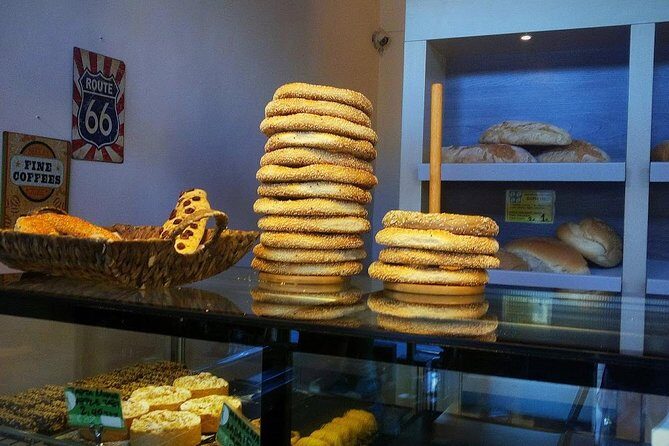
The tour starts at Kidonias 29 with the meetup in front of Chania Town Hall. From there you walk to a local coffee shop, and the tone shifts right away from sightseeing to eating-with-context.
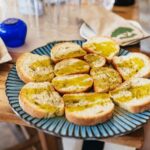
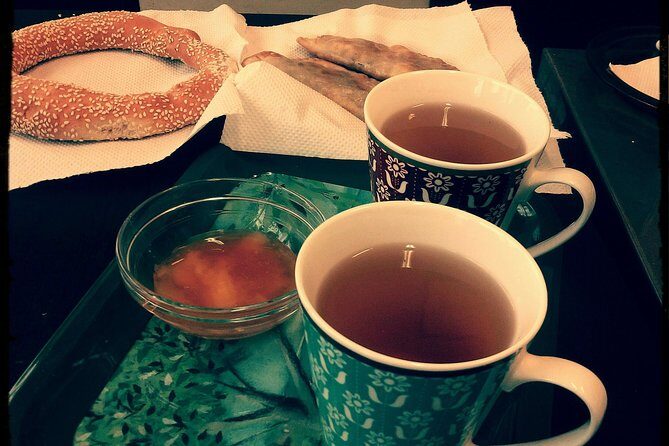
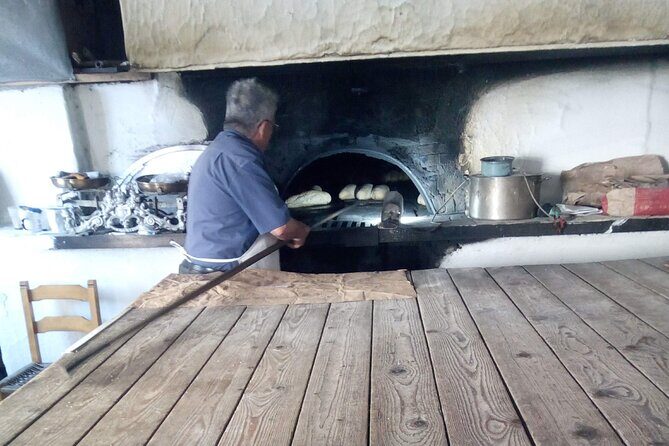
At Stop 1, you begin with classic Cretan flavors: olives, handcrafted cheese, homemade bread made according to Byzantine baking methods, and a sip of herbal tea the way Cretans enjoy it. You’ll also learn what herbs and wild greens are used in local cuisine, which is a big help if you want to recognize these flavors later at restaurants or in the market.
Then comes the pastry portion: kalitsounia, those small Cretan pies filled with cheese, wild greens, or a mix of both. This is one of those tastings where the history matters. It’s not just a snack. It’s a food form that evolved with local ingredients and cooking traditions, and it shows up around Crete in different variations.
What I’d watch for here: this is where you’ll set your expectations for the rest of the tour. If you’re sensitive to dairy or greens, mention it early when you book. The tour notes that you can advise restrictions and the guide will do their best to accommodate you.
Potential drawback: this first stretch includes multiple tastings in a short window, so don’t arrive half-eaten. You’ll miss the differences.
The bougatsa factory in Chania: cheesy pastry plus Ottoman-era context
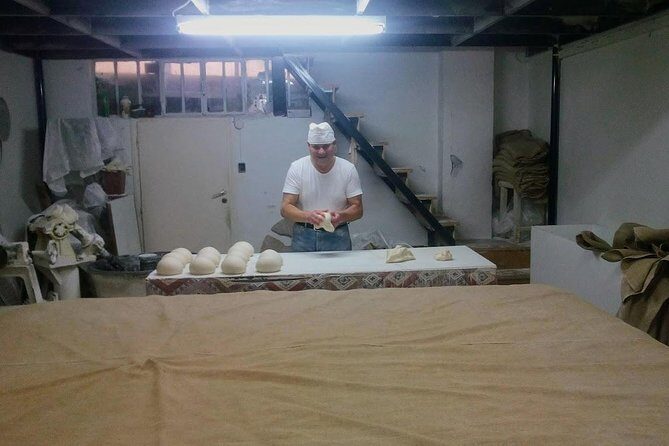
Next you visit a bougatsa factory, then you sit down to savor bougatsa made in the city. Bougatsa is a milky, cheesy-style pastry pie, but the interesting part is how the tour connects it to how people ate during the Ottoman occupation of Crete.
You’re not just watching pastry get assembled. You’re learning about the skills of the cooks and how this kind of food fit into consumption patterns of the time. That connection can make bougatsa feel less like a random local specialty and more like a food tradition shaped by historical pressure and daily needs.
This stop is relatively short (about 30 minutes), which is ideal. You get the factory look, then a proper tasting, and you don’t lose time waiting around.
If you’re a pastry fan: this is a great moment to ask questions. How the dough is handled, how the filling is balanced, and why the texture matters—it all helps you spot quality later when you’re hunting bougatsa on your own.
Municipal Market of Chania: cheese, cured meat, fish, honey, and Greek coffee
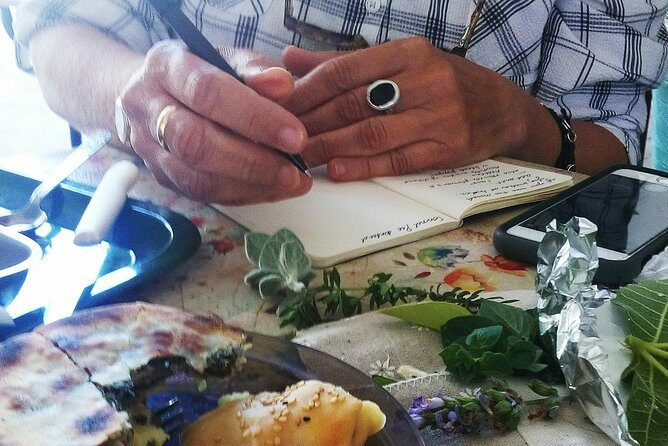
Then you move into one of the best places in Chania to understand local food culture: the Municipal Market of Chania. Here the tour becomes a tasting-and-learning circuit through a whole spread of Cretan products—cheese, cured meat, fish, vegetables, bread, rusks, pies, olive oil, and honey.
This is valuable because markets show you what locals actually buy. You’re not only learning what exists. You’re seeing how much is made locally and how many categories of food show up in everyday life.
After sampling products, you stop at a coffee shop inside the market. You’ll learn about Greek coffee culture and taste Greek coffee, along with savory accompaniments that were popular in the 19th and early 20th centuries. That’s a nice touch. Coffee in Greece isn’t only about caffeine—it’s part of the social rhythm, and the accompaniments tell you a lot about local snack culture.
Practical tip: Greek coffee can be intense and thick. If you don’t usually like strong coffee, still taste a small sip. The guide’s explanation will help you decide if it’s for you.
Possible drawback: market tastings can shift depending on what’s available. The tour notes that tastings are subject to change without notice. You’ll still get plenty, but the exact items might vary.
Phyllo factory and Venetian harbor walk: how trade shaped food
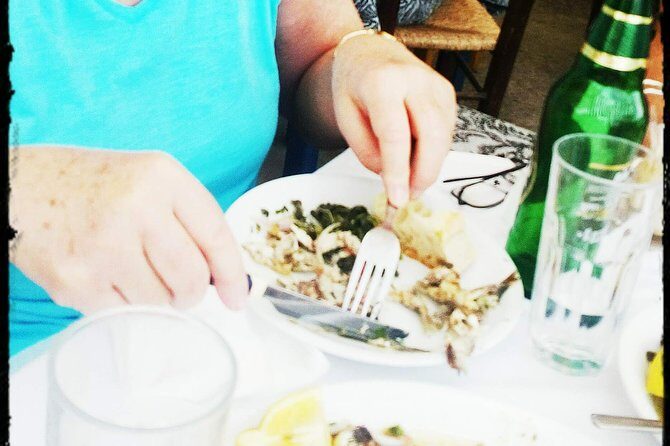
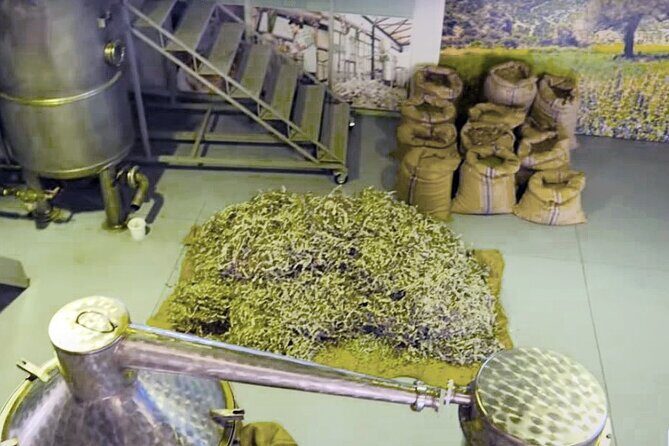
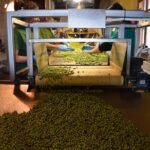
A quick stop follows: a phyllo factory in Chania Town. Even if you’ve eaten phyllo pastries before, seeing how phyllo is handled is one of those moments that makes everything after make sense. It also connects back to earlier stops—bread methods, pastry traditions, and ingredient choices.
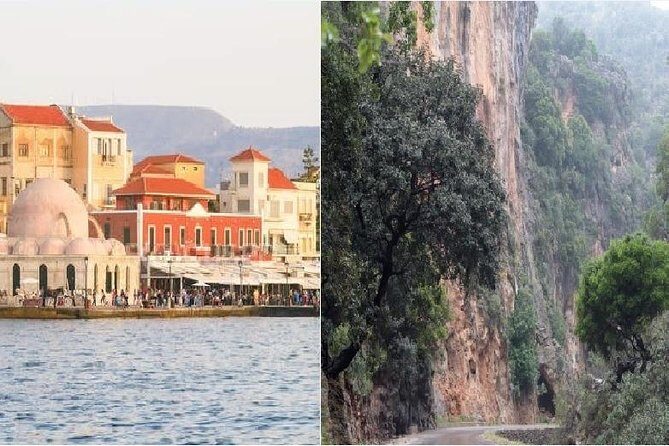
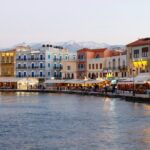
Then you head into the Old Venetian Harbor area and walk through the Venetian part of the city. This is where the tour talks about Venetian trade and food politics, and how they influenced Cretan gastronomy and food security. In plain terms, you’re learning that ingredients and cooking techniques often arrive through trade, policy, and who controlled shipping—not just through local “tradition.”
During this part, there’s also a short multi-sensory experience plus a visit to a Cretan knife maker. That might sound like a random add-on until you think about it. Tools matter. Precision in cutting and preparing ingredients affects texture, portioning, and even how meals get served.
What you’ll get out of this section: a better sense of why Cretan food can be both local and layered with outside influences.
You can also read our reviews of more tours and experiences in Crete

Splantzia Square under the plane tree: Byzantine-origin almond beverage
At Splantzia Square, you shift from Venetian to Ottoman-era streets. The tour includes a taste of an almond beverage of Byzantine origin, taken under the shade of a plane tree. You also learn about beverages made with flowers and nuts.
This stop is about contrast. After pastries, cheese, coffee, and market foods, you get something lighter and aromatic. Almond drinks and nut-based beverages are also a reminder that Greek food history isn’t only about bread and meat. Drinks, herbs, and seasonal ingredients play a role too.
This part lasts around 30 minutes, so it works as a reset before your final meal.
Small practical note: take a breath before you taste. You’ll likely still be full from earlier food, so slow down and focus on the flavor rather than chasing volume.
Final taverna in Splanzia: an ancient cooking lesson plus lunch
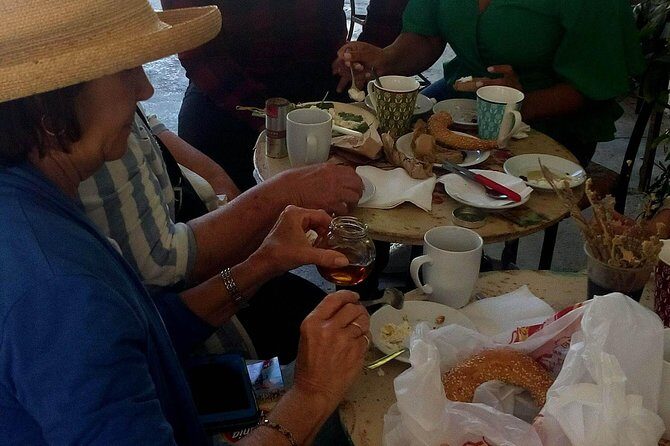
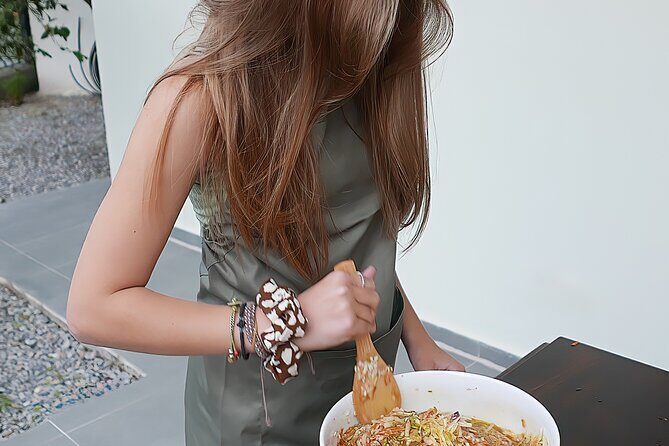
Your last stop is in a local taverna in Splanzia, and this is where you finish with a short lesson on ancient cooking. Then you’re treated to fine delicacies of traditional and historic Cretan cuisine.
This is the point in the tour where the pacing pays off. You’ve already learned about ingredients, pastry techniques, market goods, and historical influences. Now the food comes as a full experience—more than a sample tray.
You’re in the hands of a field expert, and the tour includes lunch (along with breakfast). Also, alcohol isn’t included, but you can buy it if you want.
What I recommend: don’t over-plan your day right after. You’ll likely want a slow walk after lunch, because this is a food-forward itinerary.
What $125.77 buys you in real value
At $125.77 per person for about 4 hours, the price may look steep if you’re thinking of a “tasting only” tour. But this one isn’t just a snack crawl.
You get:
- a historic food expert guide
- multiple tastings across several different food locations
- a phyllo factory stop and a bougatsa factory stop
- a Greek coffee tasting segment
- lunch included, plus breakfast listed as included
- a final meal/taverna experience in Splanzia
Once you put it that way, you’re paying for time, expertise, and access to multiple stops that would be hard to assemble yourself—especially the factory visits and the historical tying-it-together part.
The small group size (max 8) also improves value. You’re less likely to get rushed through tastings, and you can ask more specific questions about ingredients and methods.
Practical advice so you enjoy every bite
If you do this tour, plan like it’s your main food event of the day. Arrive hungry. You’ll cover a lot of ground and you’ll be tasting repeatedly.
A few other real-world tips:
- Wear comfortable shoes. You’ll walk between old neighborhoods and stops.
- Casual dress is fine.
- If you have food restrictions or allergies, tell the organizer when you book. The guide will do their best to accommodate you.
- If you’re vegetarian, there’s a vegetarian option—just say so at booking.
Also, bring your curiosity. The best parts happen when you ask why something tastes the way it does. For example, learning about Byzantine baking methods makes the bread tasting feel more like a clue than just a bite.
Who this tour fits best
This experience fits you if you like food in a “how and why” way. It’s especially good for:
- first-timers in Chania who want a fast but meaningful overview
- people who love tasting different categories: cheese, pastry, coffee, market goods
- visitors who enjoy history but want it tied to daily life (not museum-style facts)
- couples and small groups who want a more personal pace
It might be less ideal if you strongly prefer quiet walking, minimal food, or fully flexible schedules with long free time. This tour is structured. It’s part of what makes it work.
Should you book Food Odyssey in Chania?
I think you should book if your ideal day in Chania includes more than one type of tasting and you want the background that explains why these foods matter. The mix of market browsing, pastry and factory stops, and a final taverna meal makes it feel like a real food day rather than a quick sampling session.
I’d skip it only if you’re not comfortable eating a lot in one morning-to-lunch window or if you want a free-form, pick-your-own-adventure style day. Otherwise, guide Mariana’s approach—generous with time, tied to cooking skill, and focused on the aromas and ingredients of Crete—makes this a standout way to understand the island through your taste buds.
FAQ
What time does the tour start, and how long is it?
It starts at 10:00 am and runs for about 4 hours.
Where do I meet the guide?
The meeting point is in front of Chania Town Hall, at or near Kidonias 29, Chania 731 35, Greece.
Where does the tour end?
It ends at The PLATANOS OF SPLANTZIAS, Pl. 1821, Chania 731 32, Greece (Splanzia Square).
Is this tour in English?
Yes, it’s offered in English.
What’s included in the price?
The tour includes field expert guidance, a wide variety of local delicacies, historic foods, multi-sensory food experience, breakfast, lunch, and the tastings noted at stops. Alcoholic drinks are not included.
Can I get a vegetarian option?
Yes, a vegetarian option is available. You need to advise at the time of booking.
How big is the group?
The tour has a maximum of 8 people per booking.