REVIEW · CHANIA
Crete: White Mountains Preserve Day Tour
Book on GetYourGuide →Operated by Uncharted Escapes · Bookable on GetYourGuide
You trade asphalt for mountain life. This Crete day tour pairs 4×4 off-road roads with the best Chania viewpoints and a visit to the Mitato shepherd hut. Guides like Olga and Louise also add story and local context that make the drive feel like more than sightseeing.
I love the way this day mixes the practical stuff with the good stuff: a real Cretan tavern lunch and time to stop for photos and coffee, not just a rushed drive-by. And because it’s set up as a semi-private ride (small groups per vehicle), the day feels easier than jumping between big tourist buses.
One consideration: the route climbs to about 1350 meters and includes uneven off-road tracks. If you have motion sickness, back problems, or strong concerns about heights, this one may feel like too much.
In This Review
- Key Highlights You’ll Actually Care About
- From Chania Pickup to White Mountains Roads
- The Nteres Coffee Break: Where the Morning Really Starts
- Village Pass-By Stops: What They’re For (and What They’re Not)
- Meskla and a Mountain Viewpoint: When the Off-Road Fun Shows Up
- Therisso Village: A Walkable Break With Real Streets
- The Mitato Shepherd Hut at 1350m: Graviera Culture in Plain Sight
- Lunch at a Family Tavern: The Best Part to Eat, Not Just Watch
- Therisos Gorge on the Way Back: Final Views and Seat Advice
- Price and Value: What Your $100 Actually Buys
- Who This Tour Fits Best (and Who Should Skip It)
- Should You Book the Crete White Mountains Preserve Day Tour?
- FAQ
- How long is the Crete White Mountains Preserve Day Tour?
- What areas are pickup and drop-off available for?
- Is this tour small-group or private?
- What’s included in the price?
- Are drinks like beer included?
- What should I bring or wear?
- Who should avoid this tour?
Key Highlights You’ll Actually Care About
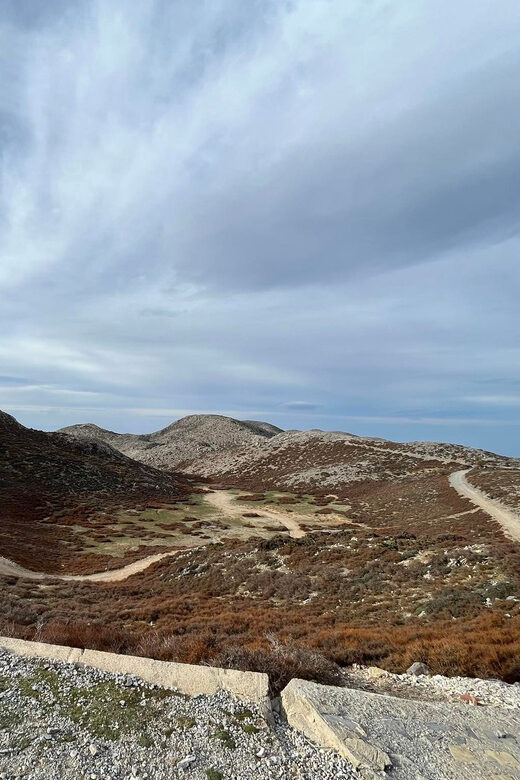
- Mitato at 1350m: a shepherd’s hut visit tied to the Graviera cheese tradition
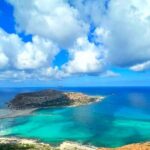
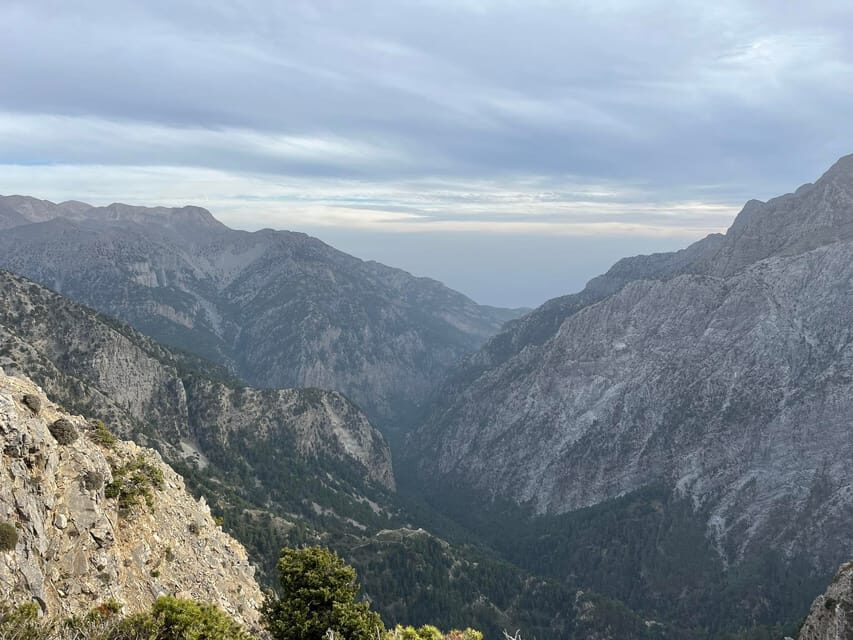
- Best Chania panorama: you’ll get the view from the White Mountains altitude
- Semi-private 4×4: smaller groups per vehicle (often 6–8 people) with multilingual escort-drivers
- Coffee stop + village walking time: you’re not stuck only inside the jeep all day
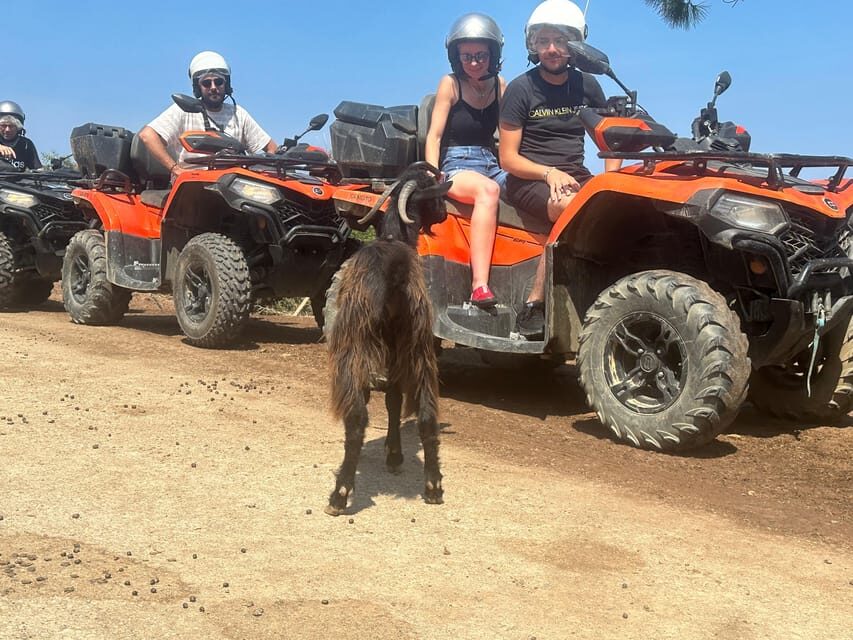
- Wildlife spotting chances: goats and soaring eagles show up on this route
- Hearty Cretan lunch: served at a family tavern with traditional platters
From Chania Pickup to White Mountains Roads
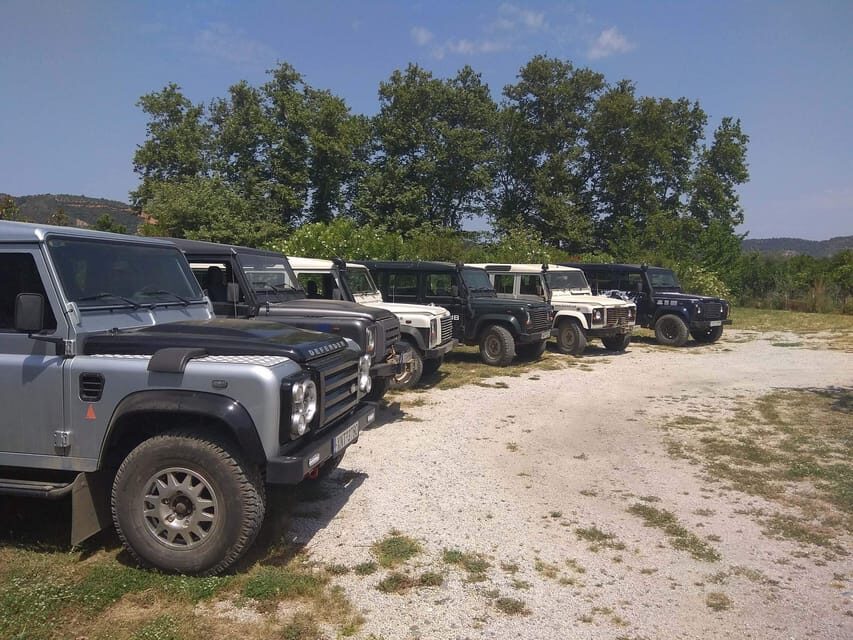
This tour is built for a specific goal: get you out of beach time and into the White Mountains fast. Pickup starts in the morning from many spots around Chania—places like Chania Town, Nea Chora, Souda, and several west-coast areas—typically between about 7:55 and 9:00. After you meet your jeep/SUV and match up with your small group, the day becomes one long ride with planned stops.
What I like about the pacing is that you’re not sent straight into the longest stretch right away. There’s an early jeep phase, then you hit a break that’s more than a bathroom stop. That matters on a 6.5-hour day, because the best views and the best culture stops come later, when you’re not already exhausted.
Also, you’ll want to pack smart. Closed-toe shoes are required, and flip-flops aren’t allowed in the vehicle. Bring water and sunscreen, but also a jacket—one of the most common real-world tips from past guests is that it gets cooler up in the mountains than you expect.
You can also read our reviews of more tours and experiences in Chania.
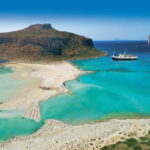
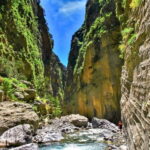
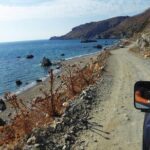
The Nteres Coffee Break: Where the Morning Really Starts
Early in the day, you make a stop in the Nteres area for a break that’s part scenic pause, part local routine. You get time for photos and free time, then coffee/tea/juice in a traditional coffee shop. In other words, you’re not just “passing through” the hills—you’re tasting the rhythm of a mountain day.
This is also a good moment to reset your brain before the more off-road sections. The road can get bumpy enough that it’s smart to take this stop seriously—stretch your legs, hydrate, and put your camera somewhere easy to reach.
If you’re sensitive to cold, this is where you’ll feel it first. Some groups have specifically called out that warm clothing would have helped, even in months when Chania itself feels mild.
Village Pass-By Stops: What They’re For (and What They’re Not)
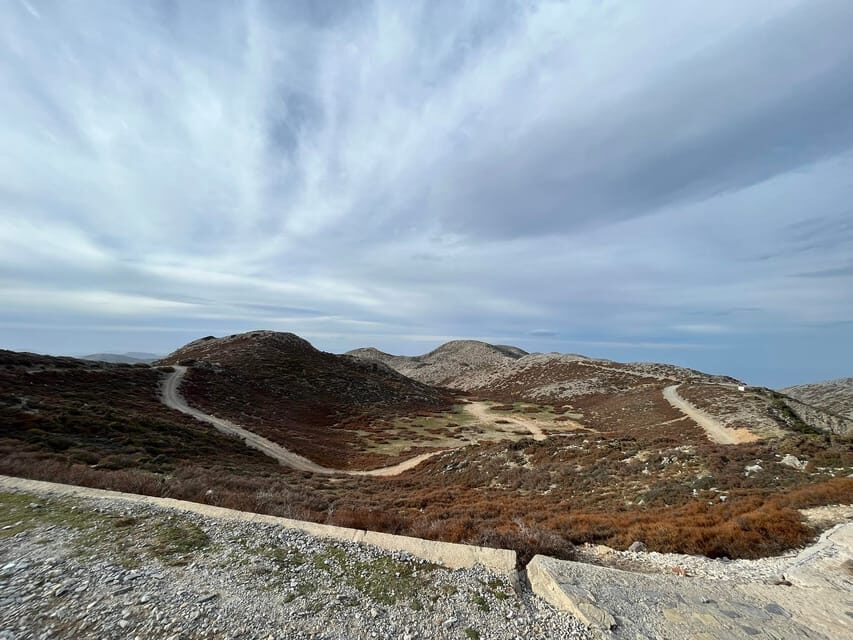
After the coffee break, the tour threads through several Cretan villages along the way. You’ll go past places including Skonizo, Vatolakkos, Alikianos, and Fournes, with scenic drive time and photo-friendly pull-offs depending on conditions.
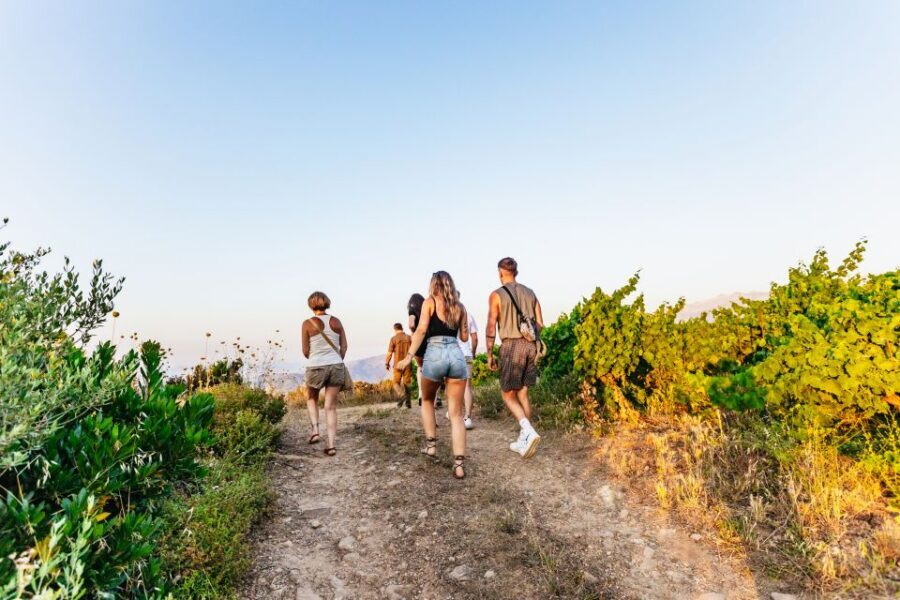
Here’s the honest expectation: these are mostly pass-by and view corridors. You’re not arriving for long walks in every village. If you want deep time in one town, this tour is not built that way. Instead, it strings together a bunch of different mountain village backdrops, so you can understand how people farm, live, and build on steep terrain.
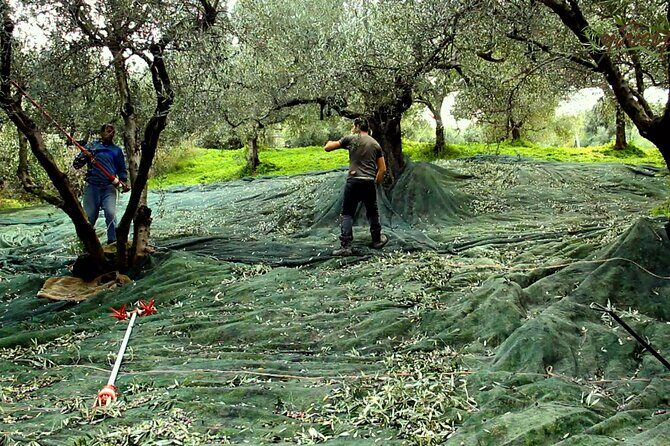
One of the nice parts is seeing the agricultural side of the White Mountains region. The route is described as fertile valleys with orange and avocado trees. You get that sense that this area isn’t only about stone and views—it’s also about work and food production.
Meskla and a Mountain Viewpoint: When the Off-Road Fun Shows Up
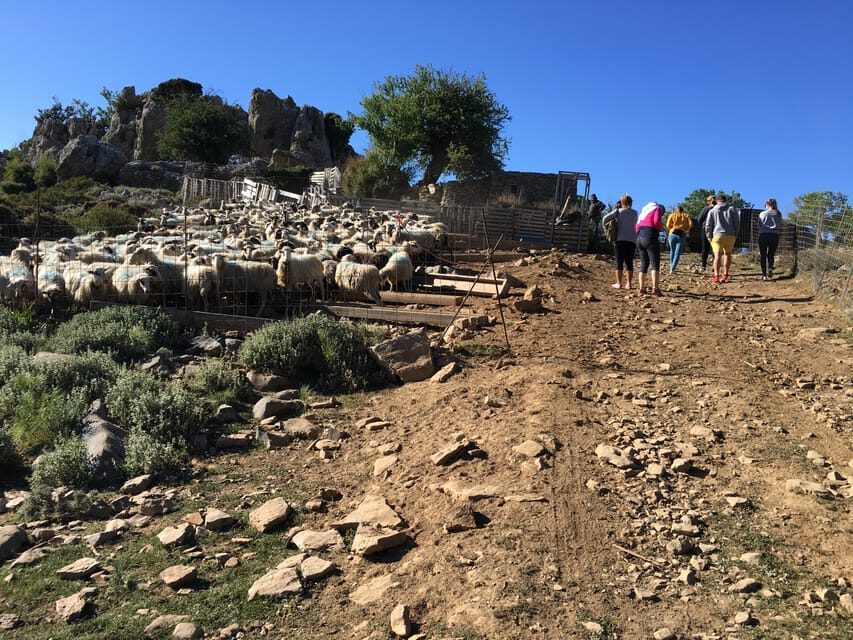
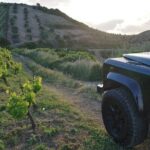
At mid-morning, you hit sections designed for the 4×4 experience. Meskla includes a photo stop, sightseeing time, and an off-road adventure segment (around 20 minutes). You’ll also have another viewpoint stop later with photo time and a short off-road drive.
This is the part where the tour earns its keep. On a normal bus, you’d see a road and move on. Here, you get short, controlled moments that feel more like reaching places than touring them from a distance.
Practical tip: if you’re in the back rows of a jeep, gorge and viewpoint driving can be a bit harder to see clearly. Some people have noted that front seats have the best angles for scenery shots during tougher stretches.
Also remember: off-road doesn’t automatically mean thrilling all the time. It can also mean jolts and dust. If you don’t love that feeling, still go—but plan for it. Comfortable clothes and a proper jacket help more than you think.
Therisso Village: A Walkable Break With Real Streets
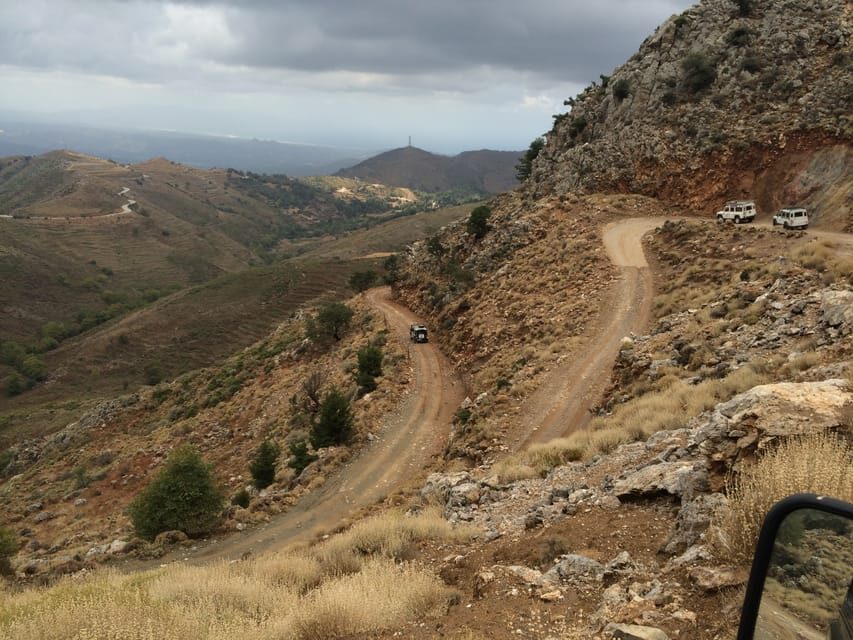
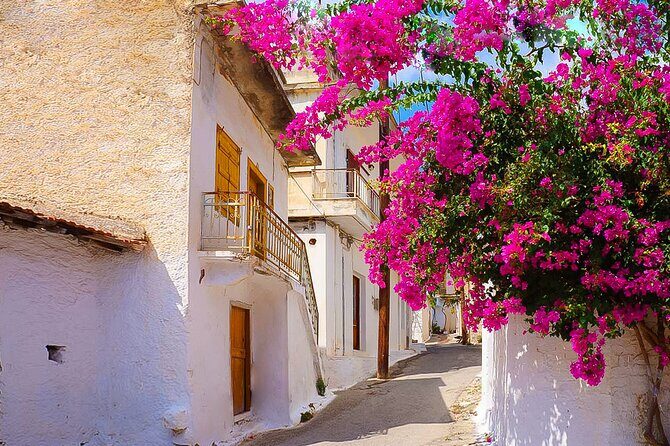
Then comes Therisso. You stop for photos first, then you get time to visit, sightsee, and take a walk through the historic streets. This is one of the better chances in the day to slow down and actually look around on foot.
Therisso is also where the tour starts giving you that “Crete beyond the highlights” feeling. You get village texture: streets, small moments, and the sense that this area lives year-round. It’s not only a backdrop for a quick photo.
If you like your days balanced—some driving, some walking—this is the turning point. After this, the trip becomes food-focused and story-focused, with the big shepherd hut moment and then lunch.
The Mitato Shepherd Hut at 1350m: Graviera Culture in Plain Sight
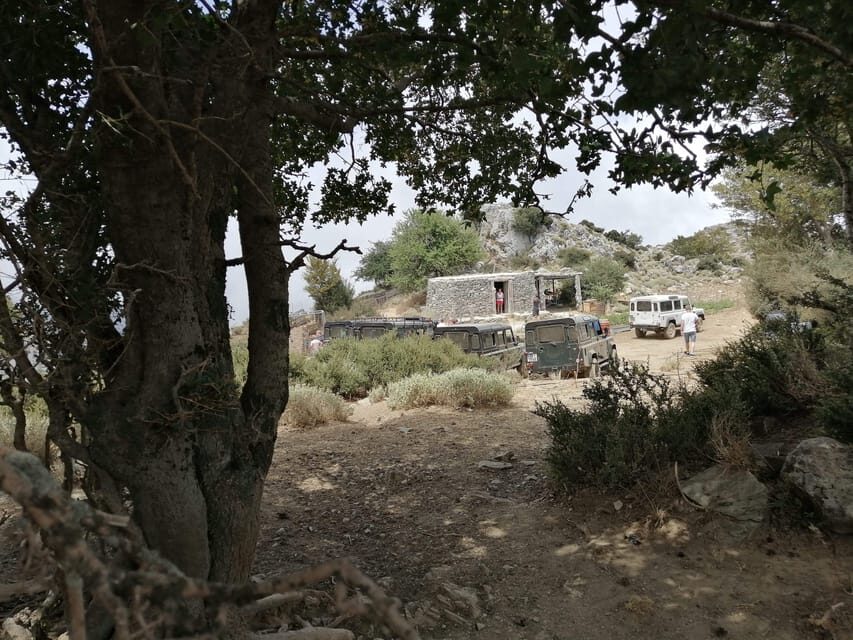
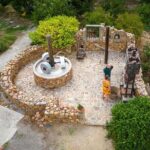
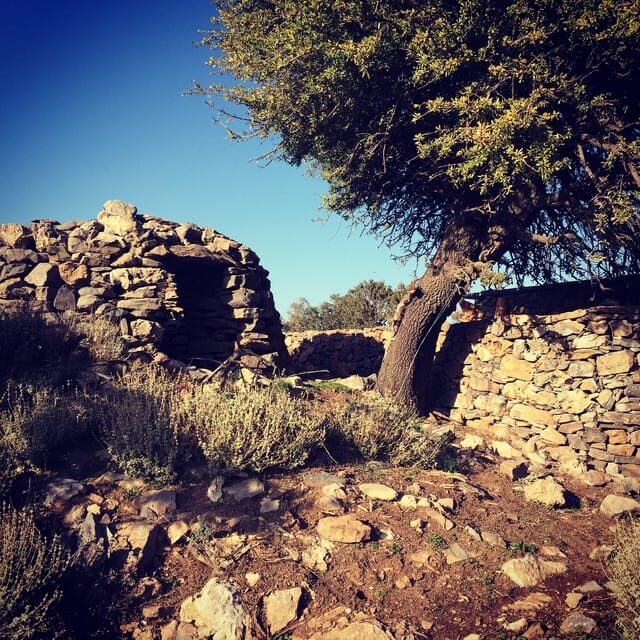
The centerpiece is the visit to the original shepherd’s hut, the Mitato, at about 1350 meters. This is where the tour shifts from scenery to culture.
You’re there for the lifestyle and the tradition tied to dairy work in the mountains. The hut’s historical importance connects to the production of Cretan Graviera cheese. Guides also tend to explain how these mountain huts fit into shepherding routines, and some groups have even been shown basics related to other local cheeses like Mizithra during this stop.
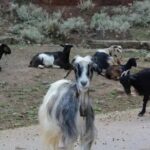
You’re not just looking at a building. You’re getting a structured explanation inside the context of shepherd work, and the setting gives the story credibility. Past guests have also highlighted the chance to spot goats nearby, and the feeling that you’re seeing the actual working world of the mountains, not a staged museum scene.
Photo tip: you’ll likely be dealing with changing light, plus windy mountain air. Bring a camera strap and keep your lens covered when you’re stepping off uneven ground.
Lunch at a Family Tavern: The Best Part to Eat, Not Just Watch
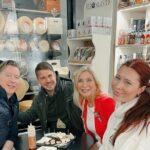
After Therisso, lunch is served at a charming Cretan family tavern. You get a proper meal with traditional Cretan platters, and it’s served as part of the scheduled time (about 75 minutes, with visit and free time built in around it).
This is one place where past experiences really match the promise. Several guests have said the lunch was delicious and plentiful, and that it beat the usual mediocre-tour-meal problem. You should still manage expectations: the meal is traditional, not fancy. But that’s the point. You’re eating what people in the region serve.
What’s not included matters too. The tour includes lunch, and it includes coffee/tea (and juice at the earlier stop), but beers or additional refreshments aren’t part of the package. Also, wine details are practical: children under 18 aren’t allowed to consume wine.
If you have dietary restrictions or allergies, the tour indicates you can have accommodations with prior notice. If you’re traveling with a strong allergy, mention it early so they can plan the platters.
Therisos Gorge on the Way Back: Final Views and Seat Advice
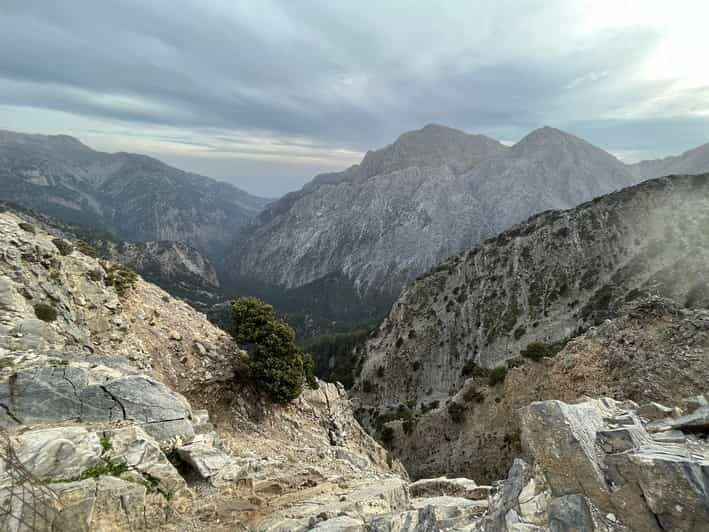
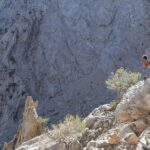
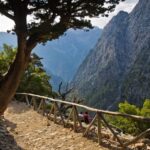
To close the loop, you’ll drive back through the Therisos gorge area. There’s a photo stop, plus a longer scenic drive segment where you’ll see how the terrain narrows and drops away.
This is often a “finishing strong” moment—especially if your earlier viewpoint didn’t quite satisfy you. It can also be visually tricky depending on where you sit. Some guests have said the gorge scenery is tough to see from the last rows, while the front seats offer much clearer angles.
If you care about photos here, you can’t control your seat assignment, but you can control your strategy:
- Have your camera ready before the gorge segment begins
- Aim for shots during straight stretches, not during every turn
Price and Value: What Your $100 Actually Buys
At about $100 per person for a 6.5-hour small-group 4×4 day, you’re paying for several things that add up fast if you try to piece them together:
- Hotel-area pickup and drop-off around Chania
- A 4×4 vehicle with an escort-driver and multilingual guiding (English and German are offered)
- The Mitato shepherd hut visit tied to the Graviera cheese tradition
- Coffee/tea/juice at the mountain coffee stop
- A traditional Cretan lunch with platters
What you’re not getting is extra spending time for beers or extra drinks. That’s normal, and it’s often better for value anyway—your “included meal” is the budget anchor.
If your goal is a day that mixes off-road roads with mountain culture (and not just another drive-by photo tour), this pricing can feel fair. If you only want a scenic viewpoint and don’t care about shepherding and local food, you might be tempted to look for a simpler trip. But if you want both, this is a good match.
Who This Tour Fits Best (and Who Should Skip It)
This tour is great for people who like hands-on travel—driving on rougher roads, stopping for photos, and learning how mountain life works. It’s also a good family choice in at least one example: there’s at least one account of children loving the mountain terrain and shepherding education.
That said, the “not for everyone” list is real. It’s not suitable for:
- children under 7
- pregnant women
- people with back problems or mobility impairments
- wheelchair users
- people with heart problems
- people who are afraid of heights
- people with altitude sickness
- people with high blood pressure
- those with recent surgeries
- people with motion sickness
- people over 6 ft 6 in (200 cm) or over 287 lbs (130 kg)
If any of those apply, it’s smarter to choose a gentler option.
Should You Book the Crete White Mountains Preserve Day Tour?
Book it if you want a day that feels like it has a spine: coffee stop, mountain villages, real off-road time, a shepherd hut visit at Mitato (around 1350m), and lunch that’s actually worth eating. I’d also book it if you want a smaller-group feel with guides who make the drive meaningful—people have shared experiences with guides such as Olga, Efdikis, Louise, Giannis, and John, and the common theme is storytelling plus good driving.
Skip it if you hate uneven roads, have motion sickness, or you mainly want beaches and easy strolling all day. Also skip it if you’re only interested in one thing—this is a whole-day mix, and the best parts depend on going with the flow.
If you do book, pack for cooler mountain weather, wear proper shoes, and keep your camera handy. The payoff is that Chania view, plus the culture stop that explains what people did up there and why those huts matter.
FAQ
How long is the Crete White Mountains Preserve Day Tour?
The duration is 6.5 hours.
What areas are pickup and drop-off available for?
Pickup and drop-off are offered in multiple Chania-area locations. Pickup times vary by area, starting roughly from Kalives around 7:55 and from other zones like Souda, Chania Town, and several west-coast stops later in the morning. Drop-off also returns to a list of locations including Agia Marina, Kalyves, Stalos, Platanias, Kolymvari, Chania, Daratsos, Maleme, Gerani, Souda, Almyrida, and Tavronitis.
Is this tour small-group or private?
It’s described as a semi-private tour, with up to 6 or 8 persons per vehicle.
What’s included in the price?
Included are hotel pick-up and drop-off, a 4×4 off-road vehicle with a multilingual escort-driver, a visit to the shepherd’s hut Mitato, coffee or tea, lunch with traditional Cretan food, plus liability insurance and local taxes.
Are drinks like beer included?
Beers or other refreshments in the tavern are not included.
What should I bring or wear?
Bring comfortable shoes, sunglasses, a sun hat, sunscreen, a camera, water, and a jacket. Comfortable clothes are recommended, and cash may be helpful. Sandals or flip-flops are not allowed.
Who should avoid this tour?
It’s not suitable for children under 7, wheelchair users, people with mobility impairments, people with back problems, heart problems, altitude sickness, high blood pressure, recent surgeries, motion sickness, or anyone afraid of heights. It also lists restrictions for people over 6 ft 6 in (200 cm) and over 287 lbs (130 kg).