REVIEW · HERAKLION
Crete: Olive Oil, Soap, Wine, Raki – Flavorful Culinary Journey
Book on Viator →Operated by LocalTrips4U "Experience True Crete" · Bookable on Viator
Crete has a quieter side than the beach strip. This day trip takes you inland to see how olive oil, wine, and raki actually get made. You’ll also get your hands involved at a soap workshop, not just sit and watch.
I love the way this tour teaches by doing and tasting. The olive mill visit is hands-on in the best way, and you’ll sample olive oil straight from the process instead of buying a bottle and hoping for the best. I also really like the lineup of Cretan drinks: wine tastings plus a barrel-aged raki pour, with guides who explain what you’re tasting and why.
One thing to plan for: it’s a long, warm day. If you’re sensitive to heat, bring a fan and water bottle, and know lunch may feel late if you arrive hungry.
In This Review
- Key highlights at a glance
- Why Crete’s olive oil, wine, and raki belong on the same day
- Start in Heraklion: pickup, timing, and what the day really feels like
- The olive mill stop: press, tasting, and what you should look for
- Wine and raki at micro-winery and distillery: learn the production, not just the pour
- Peza Village lunch: the part that turns instruction into hospitality
- Handmade soap workshop: the surprising olive oil to beauty connection
- Small-group reality: vans, pacing, heat, and comfort tips that actually help
- Value and price: what you’re paying for at $111.26
- Who should book this Crete olive oil and raki tour
- Should you book this Olive Oil, Soap, Wine, Raki tour in Crete?
- FAQ
- How long is the tour?
- Is pickup available from the Heraklion area?
- What’s the group size?
- What tastings are included?
- Is lunch included?
- Do I participate in the soap workshop?
- What’s the cancellation policy?
Key highlights at a glance
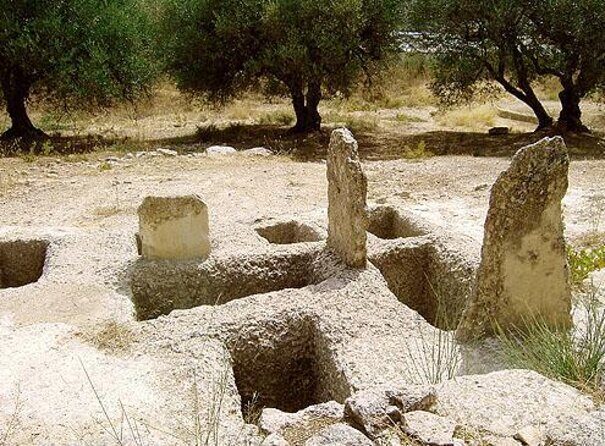
- Real olive oil production at a family-run mill, followed by tasting oil from the process
- Wine and raki lessons in small spaces, including a micro-winery and a distillery stop
- Hands-on soap making demonstration using olive oil, where you’ll see the transformation up close
- A Peza Village lunch at a traditional tavern that anchors the day after the tastings
- Maximum group size of 15 with short walks and frequent breaks by car
Why Crete’s olive oil, wine, and raki belong on the same day
Crete is famous for its food, but most visitors only meet the finished products. This tour is built for the step right before the bottle: the milling, pressing, fermenting, distilling, and blending that turns humble ingredients into Cretan staples.
You’re not doing a rushed checklist. The stops are spaced so you can focus. Short walks at each location keep it from turning into a marathon, but you still get enough time to ask questions and learn what matters.
And yes, you’ll taste. But the bigger win is understanding what you’re tasting. After a day like this, olive oil stops being a souvenir category and starts being a skill you can talk about.
You can also read our reviews of more wine tours in Heraklion



Start in Heraklion: pickup, timing, and what the day really feels like
The tour is about 6 hours, and it runs as a small group with up to 15 travelers. You’ll ride in an air-conditioned vehicle, and you’ll have pickup available. The exact pickup time is confirmed by the operator directly via text or email, so check your booking details carefully and watch for that message.
The rhythm tends to look like this: drive from stop to stop (often around 10–15 minutes), short walks on-site, then tastings. One day-happy reality: it can feel like a full day because the schedule stacks multiple producers plus lunch.
Plan for heat and timing. A few people find that they want water more often than the day provides, and lunch may land around the later side. If you’re the type who needs breakfast to function (fair), eat something before you go.
The olive mill stop: press, tasting, and what you should look for
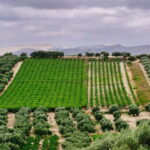
This is where the tour earns its keep. Many Crete days start with wineries and end with shopping. Here, you begin at a family-run olive mill and actually see how olive oil is produced.
What makes this stop valuable is the sequence. You don’t just stand near a machine. You’re guided through the production basics and then taste the oil in context, which helps your brain connect flavor to process.
When you taste, pay attention to how it differs by aroma and finish. One oil can feel more grassy, another more mellow. You’re learning the idea that olive oil quality isn’t only about brand. It’s also about what’s happening during the harvest and processing.
Practical tip: Wear comfortable shoes. The walking segments are described as short, but surfaces can be uneven or sloped at rural production sites.
Wine and raki at micro-winery and distillery: learn the production, not just the pour
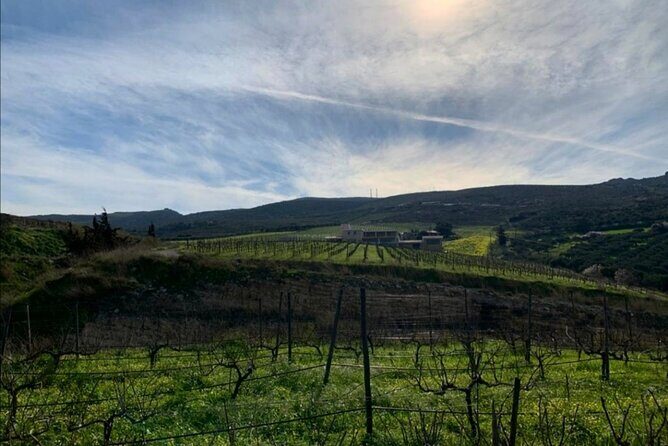
Crete makes wine and spirits that are local by nature, and the tour treats them like more than drinks. You’ll have a wine tasting of 3 indigenous varieties, plus a visit to a micro-winery & raki distillery.
The raki part matters. You’ll taste 1 raki aged in a barrel, which gives you a different flavor profile than younger spirits. The point isn’t just that it tastes strong or sweet. It’s that aging changes aroma and texture, the way time changes cheese or whiskey.
At the winery, you should expect a learning-focused visit: grapes, production approach, and structured tasting. In one conversation on a similar format day, the most memorable moment wasn’t the glass count. It was getting clear explanations about what makes Cretan wine different from what you might be used to.
One drawback worth noting: wine served on a hot day doesn’t always get chilled. If you’re picky about temperature, you may want to pace your sipping with water and ask if chilling is possible where you’re tasting.
Peza Village lunch: the part that turns instruction into hospitality
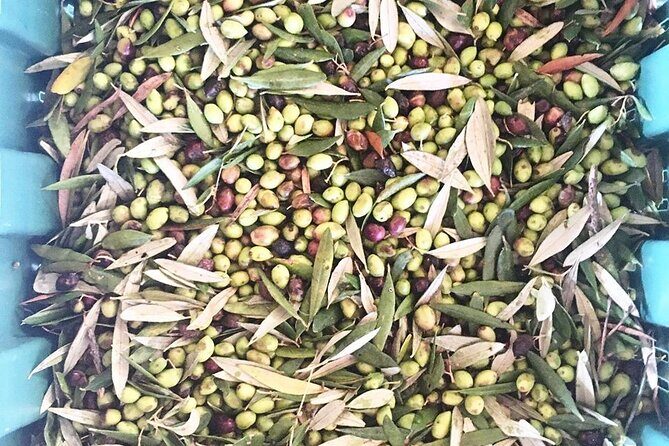
By lunch, you’ve usually tasted your way through a few stops. That’s why this tavern meal is so important: it gives your palate a reset and your brain a break from production talk.
The tour includes a traditional light lunch at a local tavern in Peza Village. It’s not just fuel. It’s how Cretan hospitality works: food comes out family-style or in a shared rhythm, and the meal tends to feel like you’re being welcomed into someone’s day, not processed through a buffet line.
From the way the day is timed, lunch is often a highlight. Expect typical Greek tavern favorites and local specialties. Some meals start with shared plates (think dips, salads, pies), then move to a main dish option, and finish with something sweet, often involving yogurt.
Practical tip: If lunch is later on your schedule, eat a real breakfast. One of the most useful takeaways from people who’ve done this kind of producer-heavy day is simple: don’t assume you’ll get a snack. You may want to bring a light bite with you.






Handmade soap workshop: the surprising olive oil to beauty connection
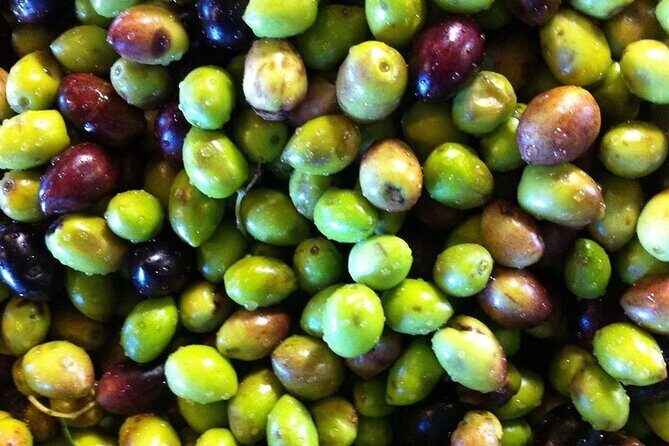
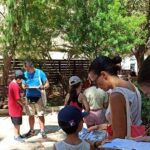
The soap workshop is the stop people don’t expect, and that’s exactly why it lands. You’ll visit a handmade soap making workshop where you participate in a soap making demonstration.
This is one of the most clever parts of the itinerary because it connects olive oil to everyday life. People come to Crete for food and alcohol, then leave knowing something useful and visual: olive oil can be transformed into natural care products.
Watch for the details. Soap isn’t just a random souvenir stall stop. It’s chemistry meeting craft, using the same agricultural resource that powers the island’s culinary identity.
If you like taking home something that isn’t mass-produced, this is also where you can buy gifts that feel connected to the place you learned about.
Small-group reality: vans, pacing, heat, and comfort tips that actually help
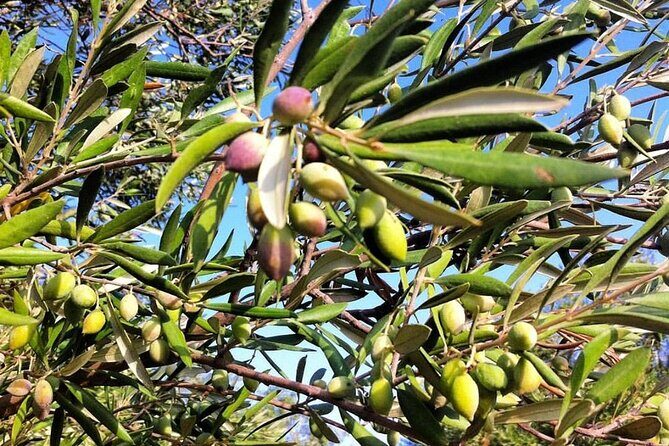
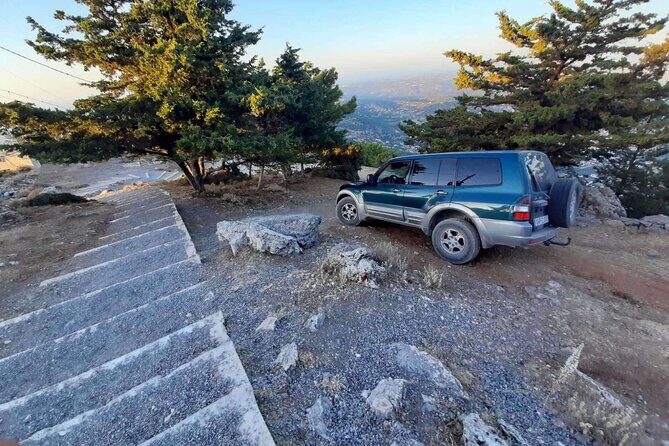
This tour is designed for comfort, but it’s still a working-day visit to real producers. You’ll likely be in a small group and split across two vans depending on how many people book. That small-group setup often means less waiting and more easy conversation with your guide and the hosts.
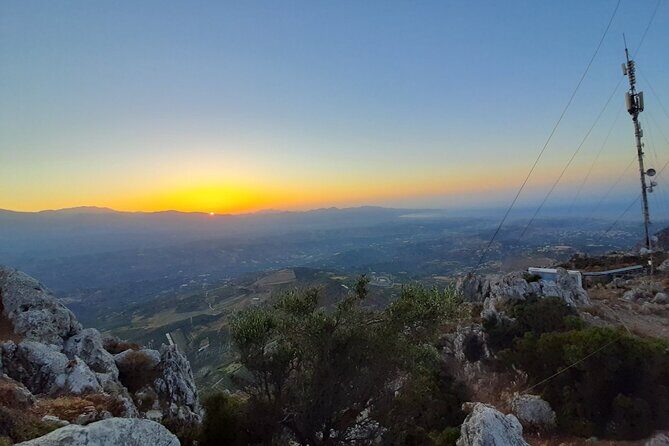
The walking is usually short at each stop, but you should treat it as outdoor farm country. One mobility note from experience: uneven, sloped ground can be part of the olive farm portion, and the winery visit may include stair movement and a longer walk segment than you’d expect from the word tour.
Here’s what I’d bring, based on the practical gaps people flag:
- A fan for hot weather
- Your own water bottle
- Comfortable shoes for uneven ground
- Something to snack on before lunch
And if you’re going to request the human factor: guides like Tony, Yanni, Eleni, Angelica, Alex, and Maria have stood out for warm hosting and clear explanations. If the operator allows preferences, Tony gets a lot of praise for turning the drive into part of the experience too.
Value and price: what you’re paying for at $111.26
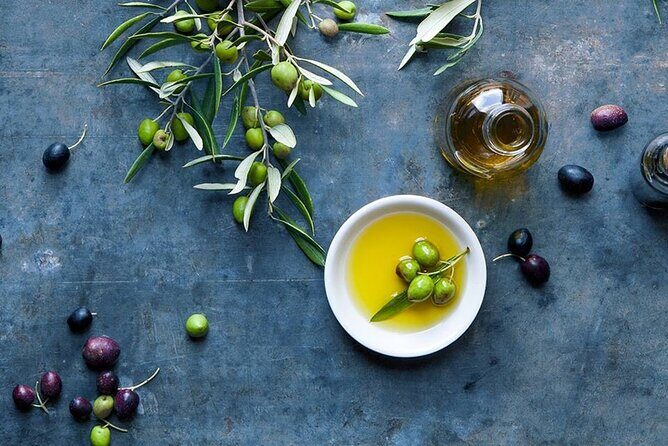
At about $111.26 per person, the big value isn’t just “tastings.” It’s the structure: multiple producer visits in one day with transportation, guided learning, and meals.
You’re also getting variety:
- Olive mill production plus olive oil tastings
- Winery tastings with 3 indigenous varieties
- Raki tastings including barrel-aged raki
- A soap workshop demonstration you can participate in
- Lunch in Peza Village
Compared to piecemeal tickets, buying everything separately would eat time and planning. Here, you’re paying for logistics handled for you, plus the extra context that turns drinking and eating into understanding.
One more value point: the max group size is 15, which keeps the day from becoming an assembly line. In a producer setting, a smaller group is what makes Q and A possible.
Who should book this Crete olive oil and raki tour
This tour is a great fit if you want a Crete day that’s:
- food and drink focused, but not shallow
- hands-on in at least one place (soap workshop)
- designed for learning from actual craft people
- comfortable enough for most visitors, as long as you can handle short walks
It’s especially good for couples and friends who like a structured day but still want conversation. It also works for solo travelers because the small-group size makes it easier to meet people and share the day’s stories.
Should you book this Olive Oil, Soap, Wine, Raki tour in Crete?
Book it if you want the real, inland side of Crete: olive oil production you can see, wine and raki you can place in context, and a soap workshop that connects food to daily life. The combination is what makes this itinerary feel worth your time.
Skip it or plan differently if:
- you hate long producer days in heat and prefer beach-only schedules
- you’re extremely temperature-sensitive about wine
- you need guaranteed frequent water stops or have mobility constraints that require fully step-free routes
If you go in with the right expectations and bring the simple gear (water, fan, snacks), this is a day that can change how you talk about Crete’s flavors long after you’re back home.
FAQ
How long is the tour?
It runs for about 6 hours.
Is pickup available from the Heraklion area?
Pickup is offered. You’ll receive the exact pickup time directly (by text message or email), so double-check your booking details.
What’s the group size?
The maximum group size is 15 travelers.
What tastings are included?
You’ll have an olive oil tasting during the olive mill visit, a wine tasting of 3 indigenous varieties, and a tasting of 1 raki aged in a barrel.
Is lunch included?
Yes. Lunch is a traditional light lunch at a local tavern in Peza Village.
Do I participate in the soap workshop?
Yes. You’ll join a soap making demonstration as part of the workshop.
What’s the cancellation policy?
You can cancel for a full refund up to 24 hours in advance of the experience start time.