REVIEW · HERAKLION
Crete: Lasithi Plateau & Knossos Palace Tour
Book on GetYourGuide →Operated by ETHERION · Bookable on GetYourGuide
Knossos plus the Lasithi Plateau in one day. I love how this tour pairs Panagia Kera Kardiotissa Monastery with its nuns and old religious icons, then turns around and shows you the wide open Lasithi Plateau with highland towns and working windmills. It’s a travel mix that feels oddly balanced: calm spirituality, then big-sky scenery, then ancient myth and stones.
One consideration: the Cave of Zeus part can be time-pressured because you tackle a 300-meter uphill walk, and cave access isn’t always guaranteed on the day.
In This Review
- Key highlights you’ll remember
- Getting from your pickup to the mountains without feeling rushed
- Panagia Kera Kardiotissa Monastery: quiet, devotional, and surprisingly moving
- Lasithi Plateau: 850 meters up, with windmills and drainage canals
- Psychro village and the Cave of Zeus: do the uphill math
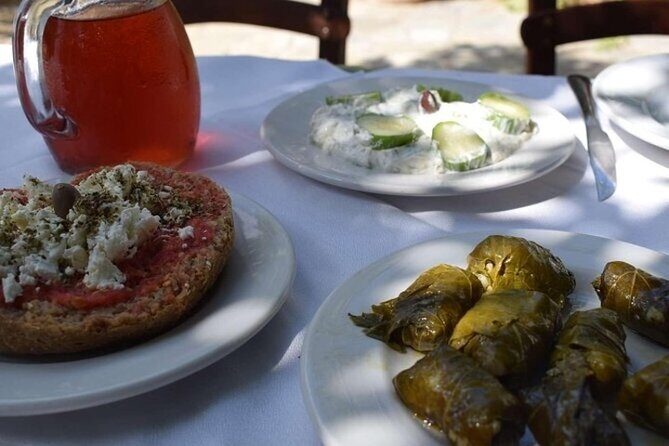
- Tzermiado lunch stop: a hilltop reset with local food time
- Knossos Palace: follow the myth while you learn the layout
- Price and value: what $53 covers, and what you add at the door
- Tour rhythm and languages: great explanations, but repetition may happen
- Who should book this tour (and who should skip it)
- Should you book the Crete: Lasithi Plateau & Knossos Tour?
- FAQ
- How long is the tour?
- What areas have free pickup and drop-off?
- Which languages are the guided tours in?
- Are the entrance fees included in the tour price?
- Does the tour include the Cave of Zeus?
- Is there walking during the tour?
- What should I bring?
- Is alcohol allowed during the tour?
- Can I cancel for a refund?
Key highlights you’ll remember
- Kera Kardiotissa Monastery: a working convent stop with a guided look at paintings and icons from the 1400s
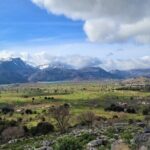
- Lasithi Plateau views at altitude: around 850 meters up, with the Dikti Mountains and their towns, plus windmills and Venetian drainage ditches
- Psychro village and cave connection: Dicteon Cave area tied to Zeus birth mythology and dramatic rock formations
- Tzermiado lunch break: a hilltop town feel with time for lunch and local snacks
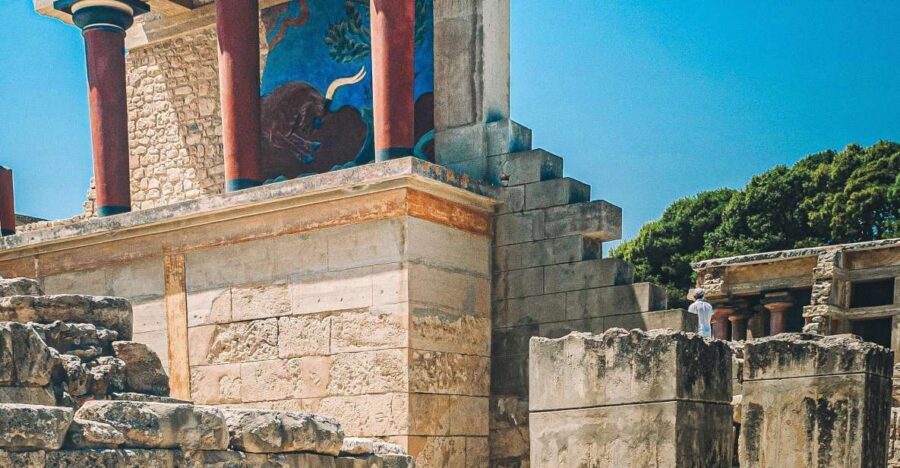
- Knossos Palace with a guided walk: learn the Minos/Minotaur/Labyrinth stories while you follow the palace layout
Getting from your pickup to the mountains without feeling rushed
This is a 10-hour day, and the clock starts with pickup from a big slice of central Crete. You’ll find options ranging from Agia Pelagia and Malia all the way through parts of Heraklion and nearby resort towns, depending on where you’re staying. Since pickup and drop-off are included, you avoid the hassle of finding buses on your own, which is a big deal on a long day like this.
Once you’re on the road, expect real travel time by air-conditioned coach. The route builds in multiple segments between stops, so you’re not just “hopping” between attractions. That structure matters: it gives you enough time to actually see each place rather than doing a 10-minute photo spree everywhere.
If you’re prone to motion sickness, it still helps to sit where you feel most comfortable, because the day has several transfers. And do bring water and cash, since some entrances and on-the-spot purchases aren’t included.
You can also read our reviews of more tours and experiences in Heraklion.
Panagia Kera Kardiotissa Monastery: quiet, devotional, and surprisingly moving
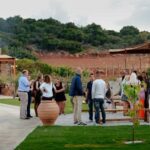
Your day begins at the convent of Panagia Kera Kardiotissa. It’s run by nuns, and your stop isn’t just a quick peek from the gate. You get a guided visit, plus a bit of time to photograph and absorb the setting at your own pace.
What I like about this monastery stop is that it feels specific, not generic. You’re shown the miraculous image of the Virgin Mary, and there’s also a collection of paintings and icons dating to the 1400s. Even if you’re not a “church museum” person, that combination of faith, art, and the calm rhythm of a working convent can hit harder than you’d expect.
The tour timing gives you a short break here (enough to reset before the mountain portion). It’s also a good place to slow down and re-focus, because the rest of the day is all travel momentum and ancient story threads.
Lasithi Plateau: 850 meters up, with windmills and drainage canals
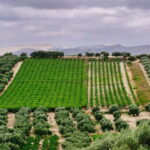
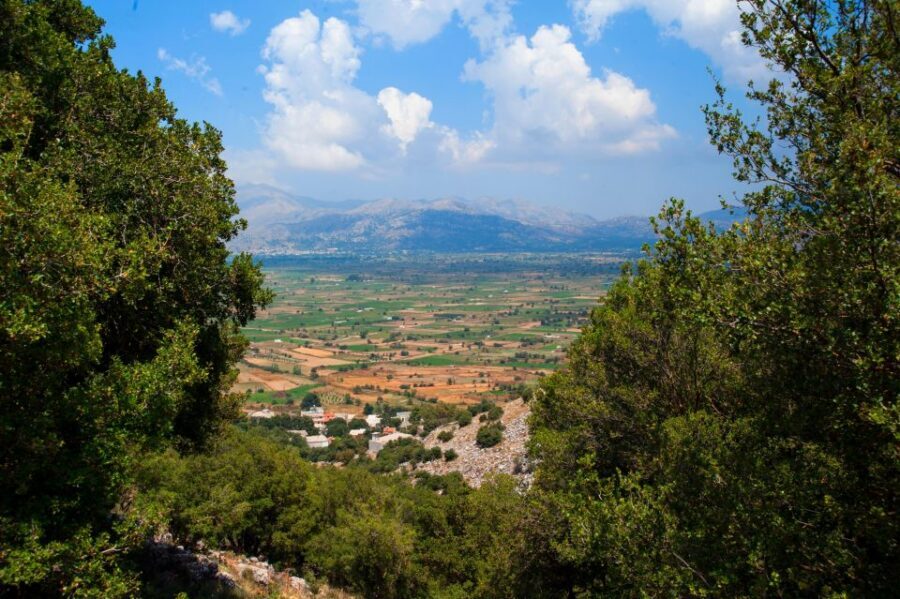
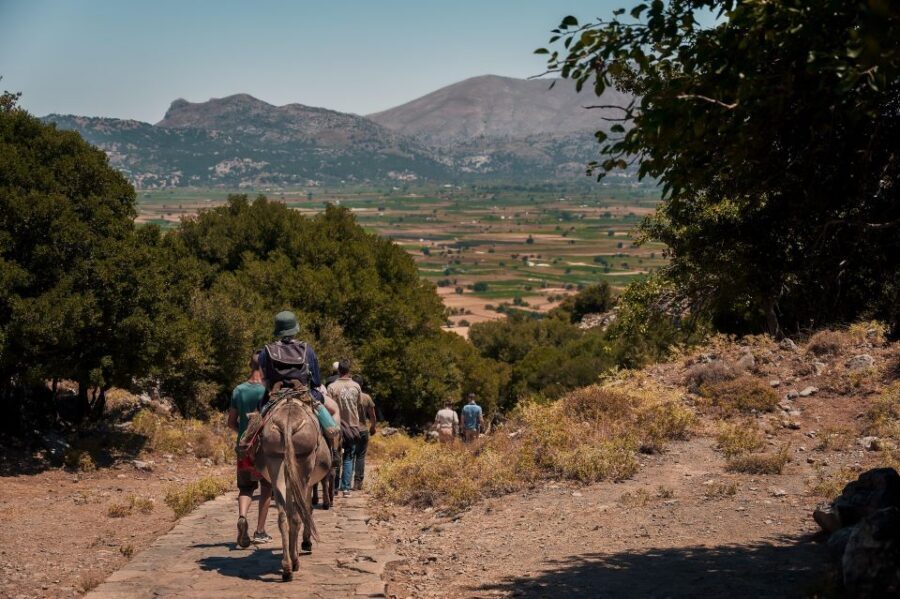
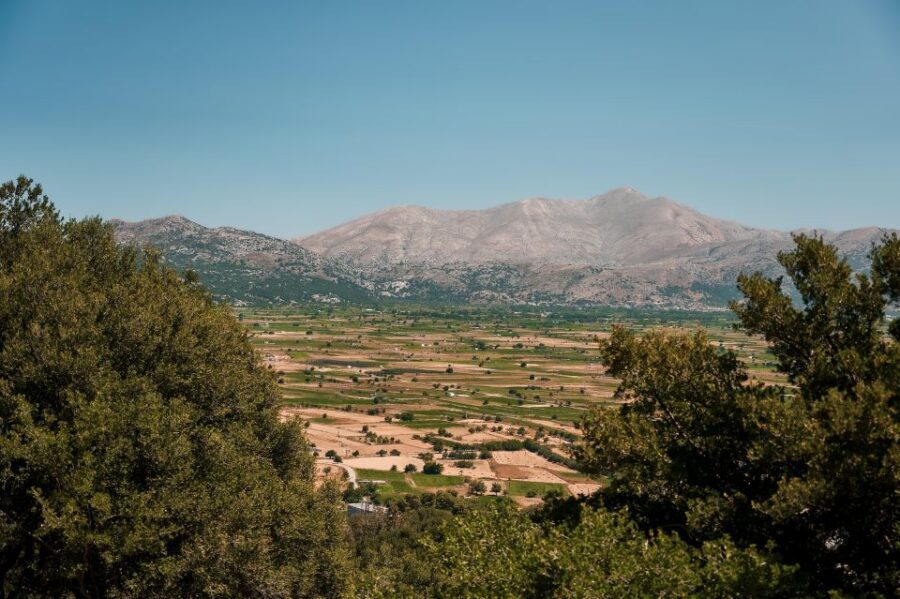
After Kera, you head into the Lasithi Plateau region—around 850 meters above sea level—surrounded by the Dikti Mountains. The story you’ll hear is that this isn’t just a scenic stop; it’s a highland plain shaped over time by people who had to tame water and make farming possible.
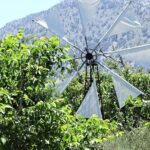
You’ll pass (and look out toward) the famous windmills that are still standing. You’ll also learn about the Venetian ditch system, a set of channels designed to drain the plateau. That detail is worth paying attention to because it turns the scenery from “pretty postcard” into “human engineering in plain sight.”
A lot of people come to Crete for the beaches, and the island delivers. But if you want the other Crete—high and cooler in feel, with small towns spread across hills—you’ll like what this portion gives you. It’s also a helpful mental break between the monastery and the more intense cave/palace stops.
Psychro village and the Cave of Zeus: do the uphill math
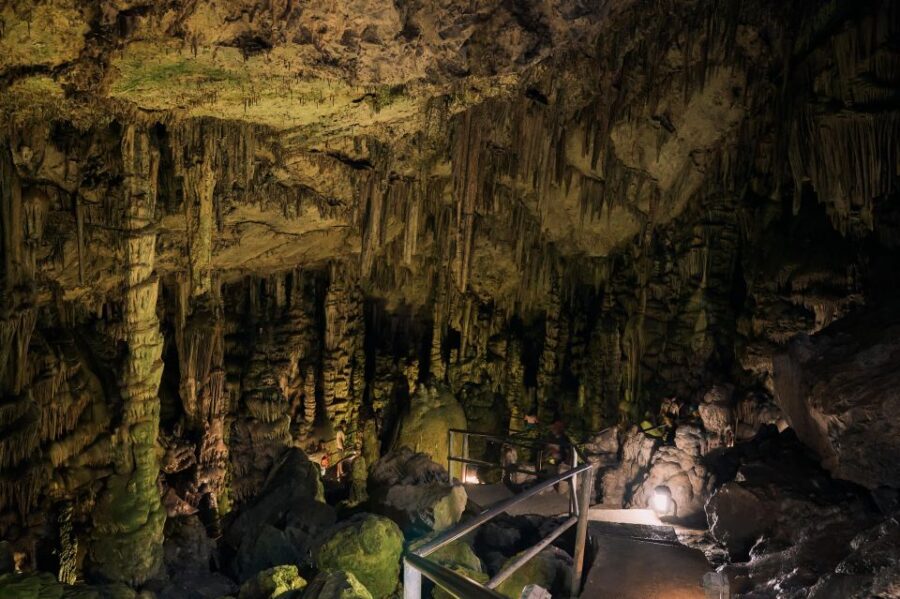
The tour then moves to the Psychro area. This is where the Dicteon Cave connection to Zeus is part of the plan—he’s said to be the birthplace in Greek myth, and the cave is known for impressive stalactites and stalagmites (and for good reasons, at least when access is open).
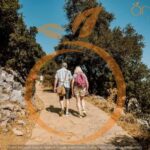
Here’s the practical part you shouldn’t ignore: the tour notes that there’s a walk uphill of 300 meters to the cave. That doesn’t mean you need hiking shoes made of steel, but it does mean you should plan for some effort, sun, and stamina. If you know your limits, decide early whether you’ll keep moving at a steady pace or slow down and take breaks.
Timing also matters. One experience shared that going down into the cave requires you to move quickly because time can run out for slower walkers. So if cave interiors are the main goal for you, I’d treat this as a “don’t linger too long” stop.
If you’re the type who hates uncertainty, also be aware that cave access can be affected. There’s at least one documented case where the cave was closed, and the visitor couldn’t do the cave part. In that scenario, you’ll still get the stop and photo moments, but it’s not the same as seeing the cave chambers themselves.
On the upside, the Psychro stop includes time to browse and shop—there’s a workshop element focused on hand-made ceramics. If you like practical souvenirs (things that feel local and made by people, not mass-produced), that pottery stop can be one of your favorite “small wins” from the day.
Tzermiado lunch stop: a hilltop reset with local food time
Next is Tzermiado, a hilltop town that’s described as a capital for the surrounding hill villages. This part of the itinerary gives you a real break from buses and walking. You’ll have time for sightseeing, photos, and a lunch stop at a local pub.
I like this stop because it’s not just transit filler. You get a chance to see old architecture and enjoy the town’s natural settings from above. And you can use this time strategically: recharge your phone, refill water if you need it, and decide how you want to handle the final stretch.
If you’re traveling with family or friends who need a calmer segment, this is the moment that usually works best. The day gets more intense again at Knossos, so lunch-time pacing is smart here.

Knossos Palace: follow the myth while you learn the layout
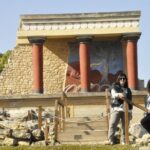
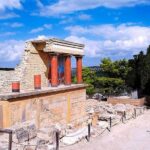
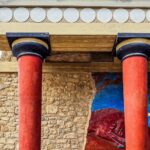
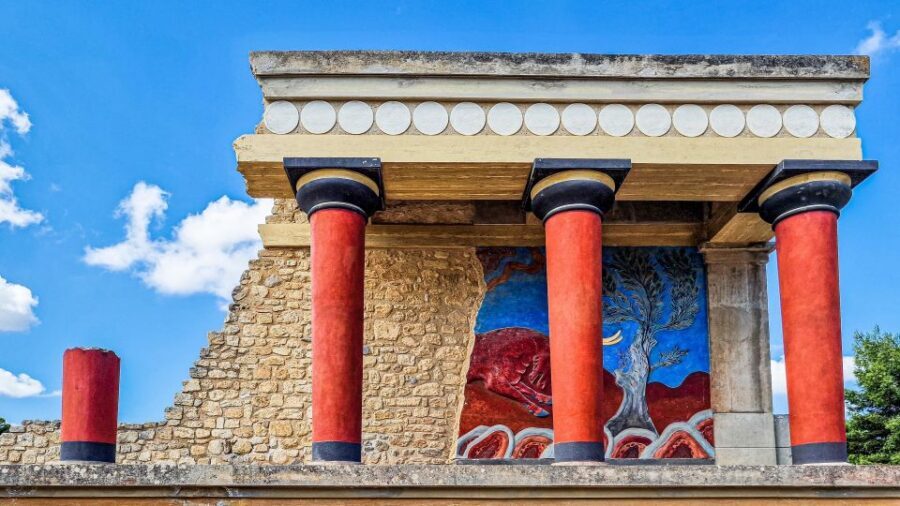
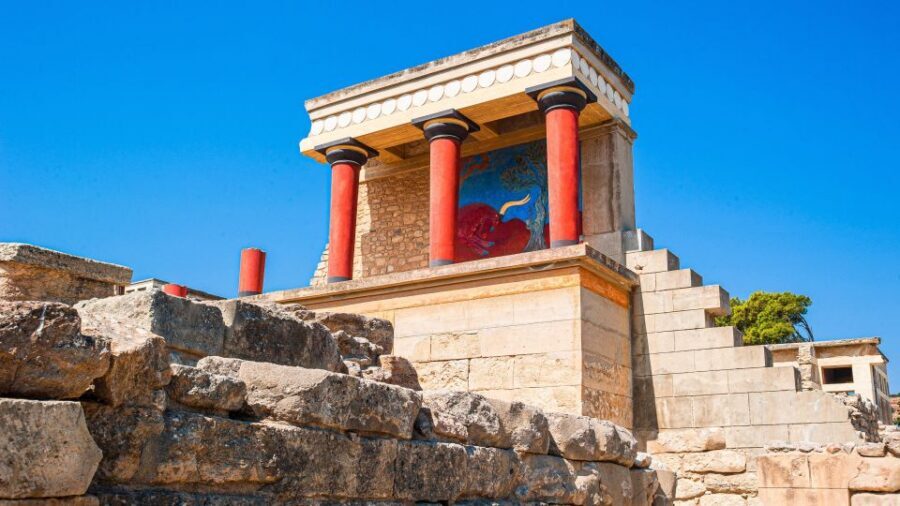
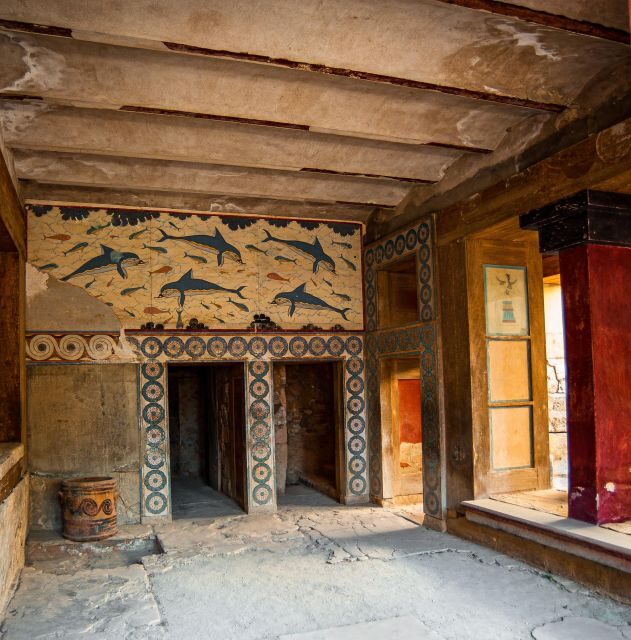
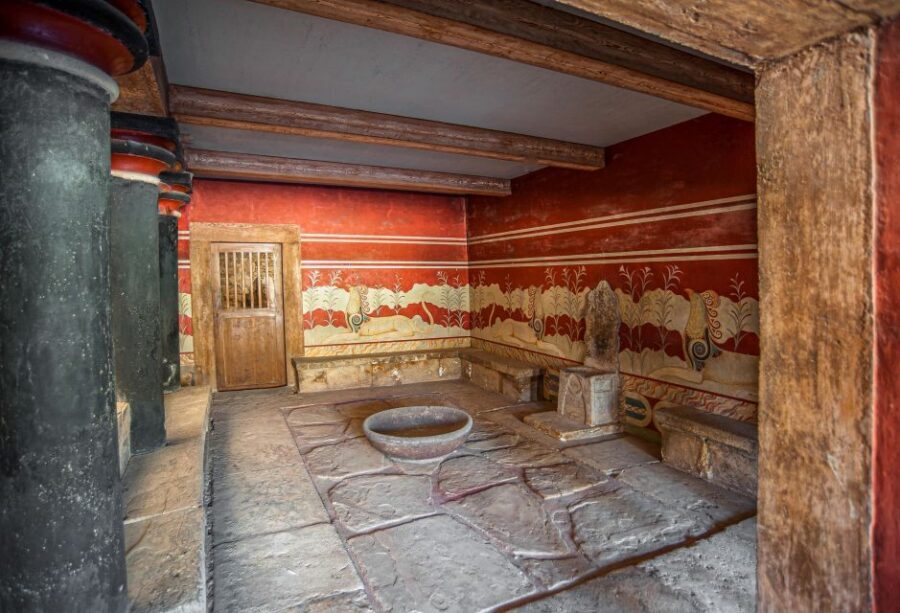
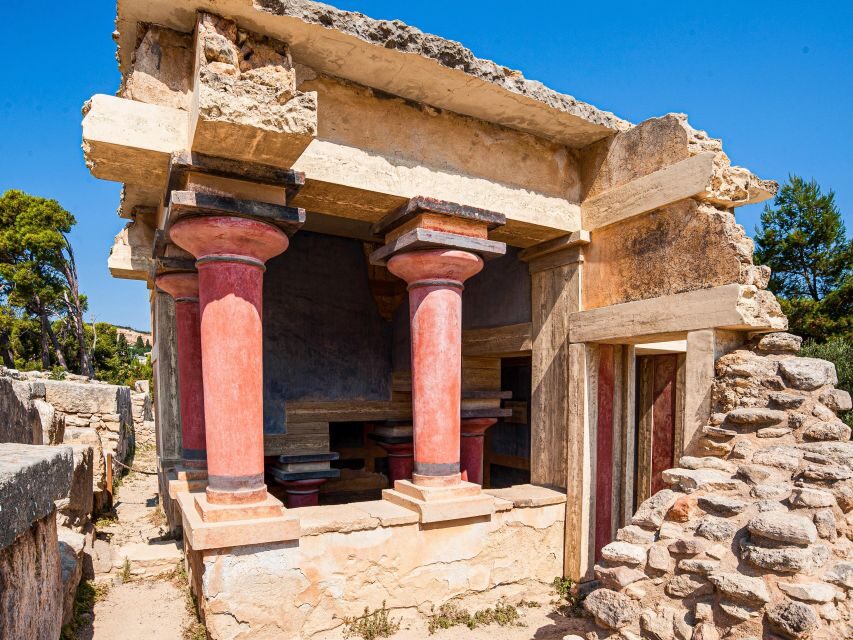
Knossos is the headline, and it’s treated like it should be: a guided visit inside the palace ruins, plus time to look around. The palace is described as the capital of the Minoan state and thought to be the oldest society in Europe, and the guide weaves together the big storylines you came for.
Expect the walkthrough to connect the names—King Minos, the Minotaur, and the Labyrinth—while you physically move through the space. That matters because the palace complex can feel confusing if you’re walking alone. A good guide helps you place rooms into a mental map, so the myth isn’t just a story you hear. It becomes something you can attach to actual corridors and open courtyards.
You’ll also have a photo stop, plus additional free time after the guided walk. That’s useful if you want to linger on specific features or revisit viewpoints for better light.
One more practical note: Knossos entrance is not included in the tour price, so you should be ready to pay on arrival (with reductions possible). If you’re trying to keep the budget tight, plan for that.
Price and value: what $53 covers, and what you add at the door
At about $53 per person for a 10-hour guided day, this tour can be good value—mainly because transfers are included. You get a professional multilingual speaking guide, a professional driver, and air-conditioned coach transport between the stops. Pickup and drop-off are also included from the listed areas, which saves you money and hassle compared to piecing together public transport.
But the true cost picture depends on entrances. The Cave of Zeus entrance is listed at €6, Knossos at €15 per person (reductions possible), and Kera Monastery at €2. That means you should budget roughly €23 in additional entrance fees for the big-ticket sites. Add in any ceramics or snacks you buy, and you’ll know your all-in spending.
So is it worth it? If you want both the modern scenery experience (Lasithi Plateau, Psychro, Tzermiado) and the ancient anchor (Knossos palace plus myth storytelling), you’re getting multiple “eras” in one day without driving yourself. If you’d rather do only Knossos or only the cave area, then the value drops, because the price is built for bundling a lot of stops.
Tour rhythm and languages: great explanations, but repetition may happen
The guide is offered in English, French, and German. That’s a strength because you’re never stuck waiting for translations you don’t understand. It also means you may hear the same core explanation multiple times across languages, depending on how the group is timed.
One helpful tip from a real-world experience: a multi-language format can reduce how detailed the guide can get in a moment, because they’re covering the topic in several languages. If you’re the kind of traveler who wants very specific answers on the fly, go in knowing you might get better results by asking the question during the free-time segments when possible.
On the positive side, there are clear examples of guides being praised for their clarity. One mention included Katie for French, highlighting her friendliness and explanation style. If you end up with a guide who teaches with structure, Knossos can feel far more understandable than a self-guided visit.
Who should book this tour (and who should skip it)
This tour fits best if you want variety and you don’t want to organize logistics. You’ll enjoy it if you like guided storytelling, you’re okay with a full-day pace, and you’re interested in mixing myth locations with real places (monastery, plateau towns, cave area, and Knossos ruins).
You might want to choose something else if:
- the idea of a 300-meter uphill walk to the cave feels like too much for you
- you prefer slow travel with long stays rather than short guided bursts plus bus transfers
- you’re sensitive to repetition from a three-language tour format
It’s also a solid option if you’re staying in resort zones around Heraklion, because the included pickup/drop-off list covers a lot of common bases.
Should you book the Crete: Lasithi Plateau & Knossos Tour?
I’d book this tour if you want a single day that checks several major Crete boxes: mountain plateau scenery, a working monastery stop, a myth-linked cave area, a hilltop town break, and a guided Knossos palace visit. The combination is why it works—each stop feeds the next, and you get both scenery and story.
I’d think twice if cave access is a make-or-break goal for you, because the cave part involves effort and can be affected by whether entry is possible on the day. If you’re comfortable with that risk and you pack smart (good shoes, water, sun protection, cash), this can be a satisfying way to experience more than just beaches in Crete.
FAQ
How long is the tour?
The tour duration is 10 hours.
What areas have free pickup and drop-off?
Free pickup and drop-off are listed for Malia, Stalida, Hersonissos, Limenas Chersonisou, Koutouloufari, Anissaras, Analipsi, Gouves, Kato Gouves, Kokkini Hani, Amnissos, Karteros, Heraklion, Ammoudara, and also pickup options across nearby areas including Gournes Gouvon, Lygaria beach, Piskopiano, Agia Pelagia, Hersonissos, and others shown in the pickup list.
Which languages are the guided tours in?
The live tour guide speaks English, French, and German.
Are the entrance fees included in the tour price?
No. Entrance to the Cave of Zeus is €6, Knossos is €15 per person (reductions available), and Kera Monastery entrance is €2. These are not included.
Does the tour include the Cave of Zeus?
The tour includes a stop at the Psychro Cave area and notes the Cave of Zeus entrance fee. It also notes there is an uphill walk of 300 meters to the cave.
Is there walking during the tour?
Yes. The tour specifically notes an uphill walk of 300 meters to the cave.
What should I bring?
Bring comfortable shoes, sunglasses, a sun hat, water, comfortable clothes, and cash.
Is alcohol allowed during the tour?
No. Alcohol and drugs are not allowed.
Can I cancel for a refund?
Yes. You can cancel up to 24 hours in advance for a full refund.