REVIEW · CRETE
Crete: Knossos Palace, Winery & Olive Oil Tour with Lunch
Book on GetYourGuide →Operated by Cretan Vioma · Bookable on GetYourGuide
Knossos feels personal on this small tour. I love how this day blends Knossos myth and ruins with serious, hands-on taste stops, and I also like the pace that leaves room to actually look, not just pose. The small group size helps, and the day ends with a proper Cretan lunch that tastes like Crete, not like a tourist menu.
One thing to plan for: the Knossos entry ticket is not included, and the palace is popular enough that crowds can be part of the experience.
In This Review
- Key things to know before you go
- Knossos Palace: Minotaur Myths Meet Real Stone
- The main drawback to consider
- Getting There Comfortably: Small-Group Van and a Real Human Guide
- Why the English host matters
- Wine Tasting at a Cretan Winery: Vilana, Kotsifali, and That Country-View Feeling
- How to make the most of the tasting
- Olive Oil Tasting: Quality You Can Taste (and a Process You’ll Appreciate More)
- What to listen for during the tasting
- Lunch in a Traditional Village: Dolmades, Local Seasonings, and Cretan Hospitality
- A real-world value check
- Pace and Logistics: How the 6-Hour Day Stays Comfortable
- What you should bring
- Price and Value: What You’re Really Paying For
- Who This Tour Fits Best (and Who Might Want to Skip)
- Should You Book This Knossos + Wine + Olive Oil Tour?
- FAQ
- Is the Knossos entry ticket included?
- How long is the tour?
- What tastings are included?
- What’s included for lunch?
- Does the tour include an official guide inside Knossos?
- Is the tour wheelchair accessible?
Key things to know before you go
- Knossos time without a rush: about 1.5 hours on site to walk, read, and take photos.
- Myth with context: Minotaur and Labyrinth stories tied to what you’re seeing at the palace.
- Wine tasting with island grapes: you’ll sample Cretan varieties like Vilana and Kotsifali.
- Olive oil tasting as more than a sip: you’ll learn how olive oil quality gets made and tasted.
- Lunch that’s actually local: dolmades and regional flavors, typically paired with wine.
Knossos Palace: Minotaur Myths Meet Real Stone
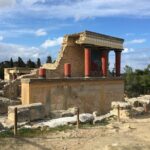
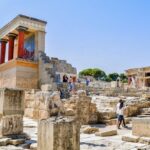
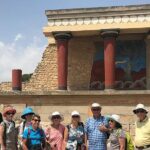
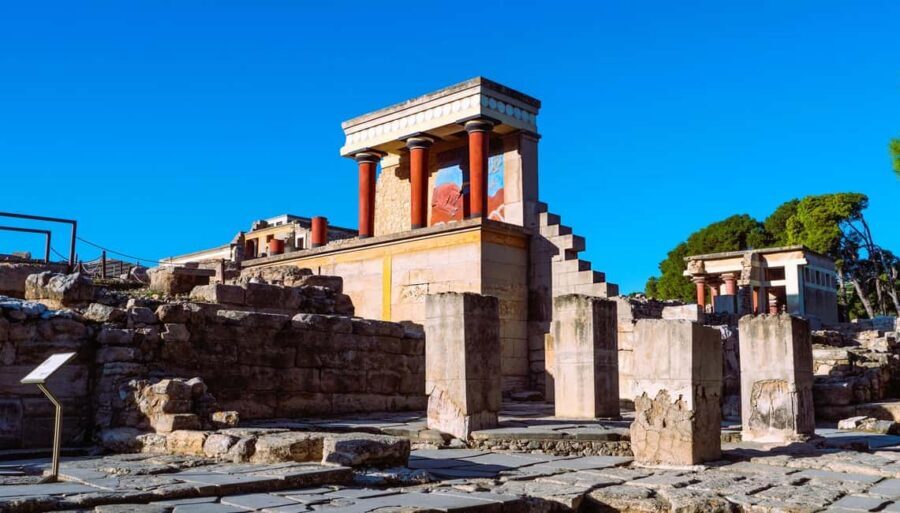
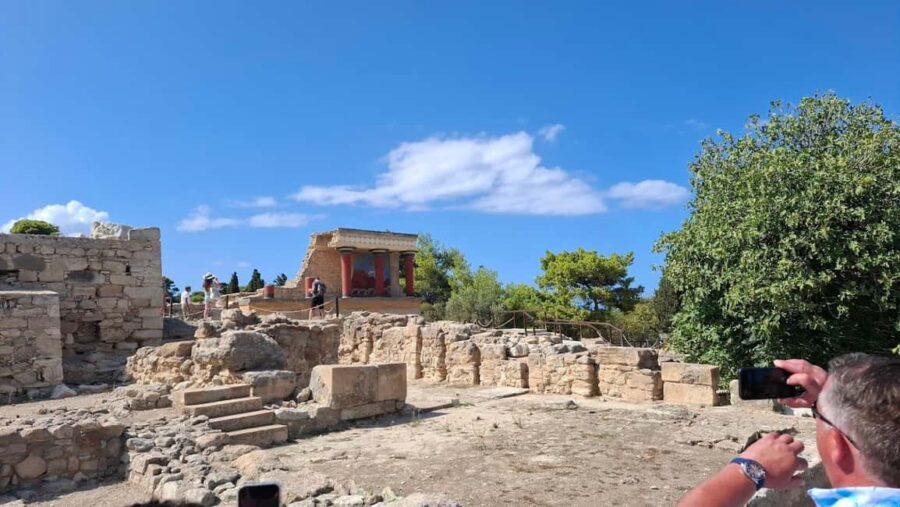
Knossos is one of those places where the legend is famous, but what surprises you is how physical it all feels. You’ll walk through the sprawling palace ruins and connect the big stories—especially the Minotaur and the Labyrinth—to the spaces where those myths echo. This is the “cradle of Minoan civilization” kind of site, and even if you’ve heard the names before, the scale makes them stick.
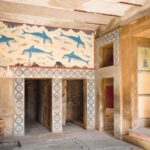
The highlights inside the palace grounds tend to be the same for a reason: the Throne Room, vivid fresco-style areas, and the Central Court. You won’t just stare at a wall and move on. You get time to look at key zones and to understand how the palace functioned in its heyday.
Crowds are real at Knossos, and you should expect it. The smart angle of this tour is that you’re set up to experience it at a time when things move better than peak crush, so your 1.5 hours feel usable. It also helps that you’re not trapped inside a “camera line.” You can pause, read signage, and actually absorb details.
You can also read our reviews of more wine tours in Crete

The main drawback to consider
You’re not getting an official palace guide included. That means the value comes from your host’s context and your own time on site, not from a full, ticketed guiding service inside the museum-like parts. If you want every artifact explained minute-by-minute by an official specialist, you may want to add your own audio support (and budget for it if needed).
Getting There Comfortably: Small-Group Van and a Real Human Guide
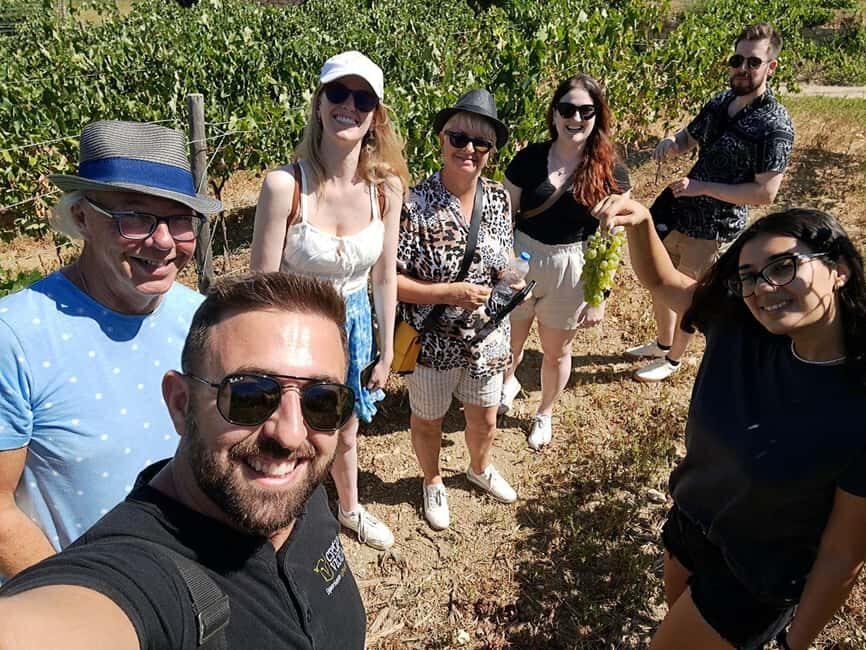
This is a small group day, limited to 8 participants. That matters more than it sounds. With a bigger bus, you get lost in the shuffle. With a smaller group, you get a smoother rhythm—questions get answered, and you’re not stuck listening to the same explanation for the fiftieth time.
Transport is by an air-conditioned vehicle, which is a big deal in Crete. It also means your day stays efficient. You start with pickup, then get a comfortable ride to the first stop. Along the way, the host/driver role becomes part of the experience. Names you may hear include George, Antonios, and Antonis. In the way people talk about them, the common thread is personality plus practical knowledge—enough to make the history feel connected to the island, not like a lecture from a slide deck.
Why the English host matters
The host is English-speaking, which makes a difference when you want the myth and the modern food story to connect. You’re also not left guessing at what you’re seeing or what’s coming next. And with a day that includes tastings, it’s nice when the explanation is clear and quick.
Wine Tasting at a Cretan Winery: Vilana, Kotsifali, and That Country-View Feeling
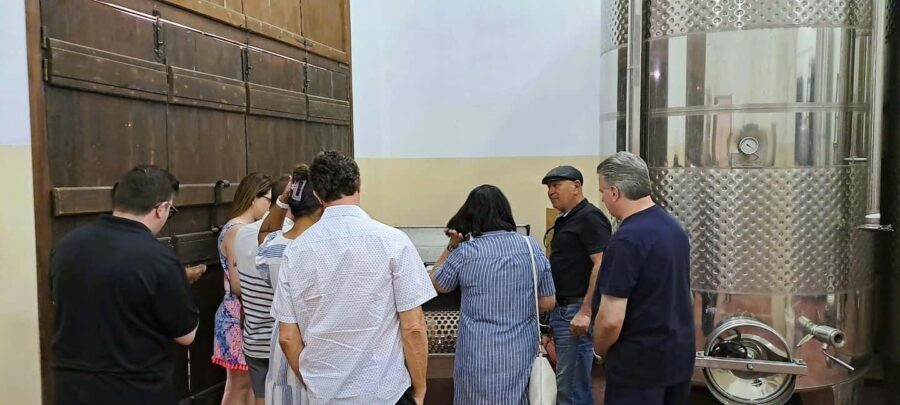
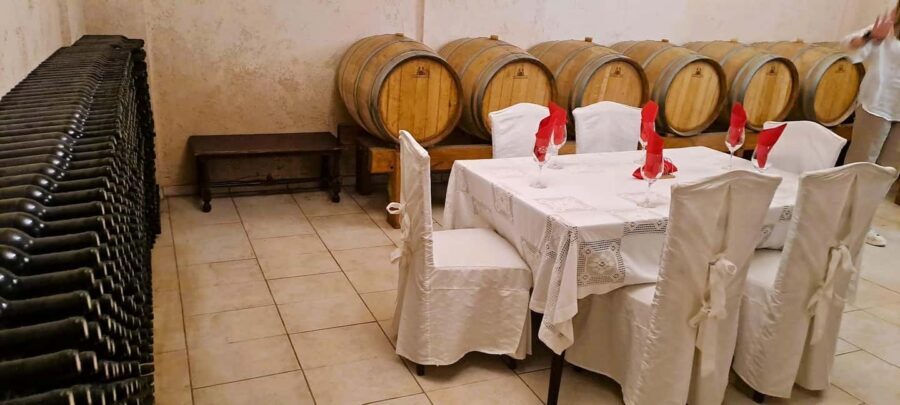
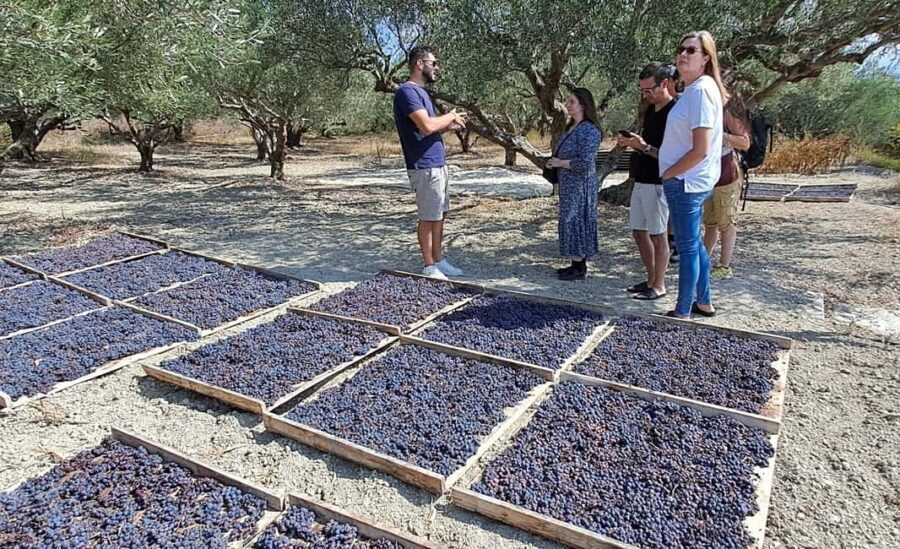
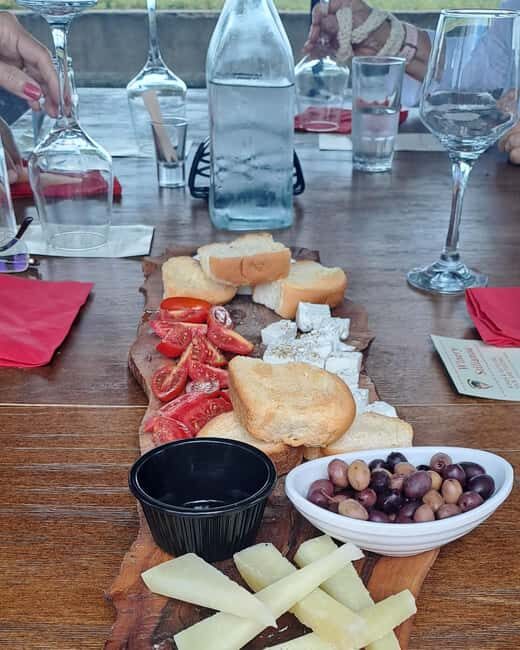
The winery stop is built around enjoyment with structure. You’ll taste wines and usually get local snacks during the tasting window (you’ll also have a platter included). The time is generous—about 2 hours—so you’re not doing a rushed “sip and go.”
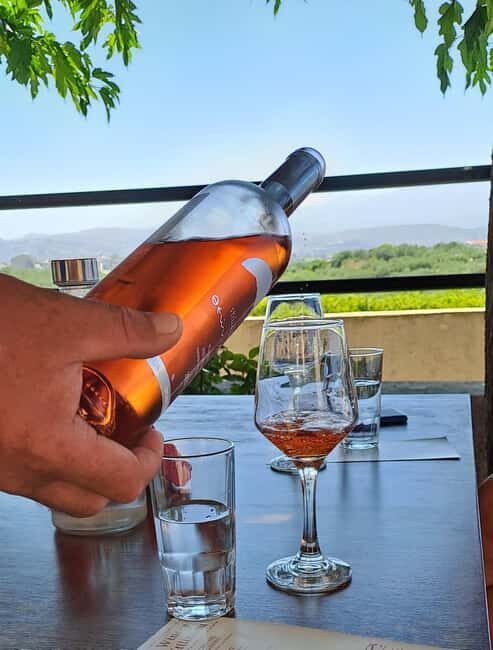
What I like most here is the focus on indigenous grapes. You’re specifically set up to taste Cretan varieties like Vilana and Kotsifali. That’s the difference between drinking wine that could be anywhere and drinking wine that tastes like Crete. It also makes it easier to remember later, because you’re tying flavors to an island identity.
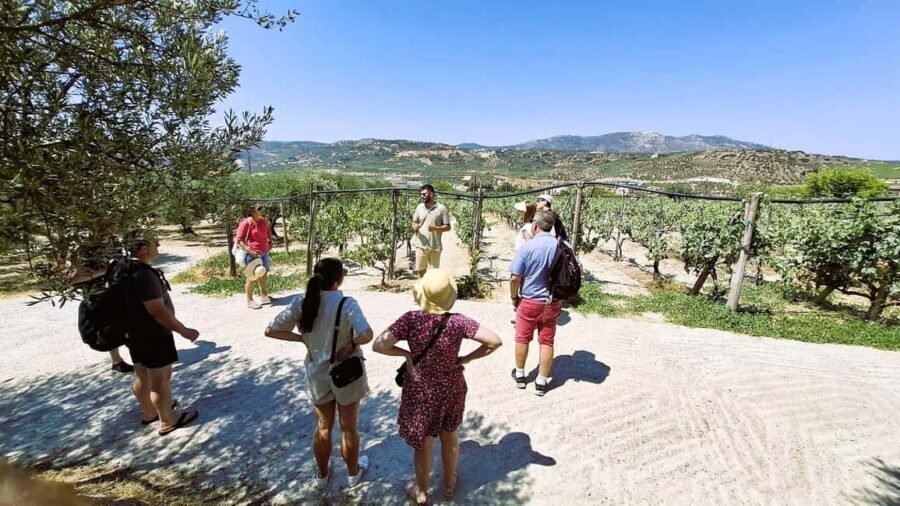
The winery setting also adds to the value. People describe it as charming and surrounded by countryside views, which turns a tasting into a mini break from the “ruins + lines” part of the day. You get a chance to slow down, look out at the land, and then come back in to taste and learn.
You can also read our reviews of more tours and experiences in Crete



How to make the most of the tasting
You don’t need to be a wine expert. But do pay attention to what’s offered first—white vs. red, dry vs. aromatic—because that’s how your brain starts sorting flavors. If you have questions, ask them while the staff is in the groove. In tastings like this, the best info comes while you’re holding the glass.
Olive Oil Tasting: Quality You Can Taste (and a Process You’ll Appreciate More)
Olive oil in Crete isn’t a garnish. It’s part of daily life and the foundation of a lot of what you eat. This tour includes olive oil tasting alongside the winery experience. You’ll also learn about olive oil production as part of the day’s flow.
One useful thing to know upfront: the olive oil segment can feel more wine-forward at some wineries than at a dedicated olive-focused operation. In other words, you’ll learn and taste, but you might not get a long, “watch every step” olive factory documentary experience. You should still leave with a clearer sense of what makes extra virgin olive oil quality stand out in real tasting—more than just noticing it’s “good.”
What to listen for during the tasting
In simple terms, olive oil quality is about balance: fruitiness, bitterness, and the peppery finish (that throat-warming sensation). If your host explains those traits and you taste them in sequence, you’ll come away with practical memory—so later, when you see olive oil back home, you’ll know what to look for.
If you’re an olive oil nerd and want maximum process detail, keep your expectations grounded. This is a combined day. Still, it’s a worthwhile pairing because the tasting fits naturally into what you’ll eat at lunch.
Lunch in a Traditional Village: Dolmades, Local Seasonings, and Cretan Hospitality
After the tastings, the tour settles into the best kind of food stop: a traditional tavern meal in a village setting. Lunch lasts about 1 hour, and it’s generous enough to feel like you actually ate, not just sampled.
The menu focus is clearly Cretan:
- Dolmades (stuffed grape leaves)
- local seasonings and regional dishes
- a hearty, satisfying plate style that matches the island’s flavor traditions
Your lunch is paired with wine, and you may also encounter raki as part of the experience depending on how the restaurant and host pace the meal. The key point is that you’re not eating in a food court. You’re eating in a place where the food is the main event.
A real-world value check
This is where the tour justifies its price. You’re paying for more than transport and a couple sips. You get multiple tasting experiences plus a full lunch that’s meant to taste like the island, not like a reheated itinerary. For many people, the lunch is the emotional high point of the day, right after the best wine moments.
Pace and Logistics: How the 6-Hour Day Stays Comfortable
This is a 6-hour day. The flow is straightforward:
- pickup and drive to Knossos
- time at Knossos
- short transfers between stops
- winery and tasting time
- lunch in a traditional village
- return pickup/drop-off
There are van rides totaling about an hour spread across the day (including short transfer breaks). That sounds like downtime, but it usually turns into a chance to relax in air-conditioning and ask questions.
The tour length also helps prevent “tour fatigue.” You’re not doing five stops in one day. You’re doing three meaningful experiences: Knossos, wine/olive oil, and lunch. That makes it easier to enjoy, especially if it’s one of your only days to cover a lot of ground.
What you should bring
Ruins days can surprise you with sun and uneven walking. Bring:
- comfortable shoes
- sunglasses, hat, sunscreen
- water (bottled water is included, but carry your own if you run warm)
- your ID or passport
- camera
Pets aren’t allowed, and smoking isn’t permitted. Also, it’s not suitable for wheelchair users, so plan your mobility accordingly.
Price and Value: What You’re Really Paying For
At $123 per person for about 6 hours, this tour sits in the “good value” category because several costs are bundled together. What’s included is meaningful:
- hotel pickup and drop-off
- air-conditioned transportation
- wine tasting plus snacks/platter
- olive oil tasting
- traditional Cretan lunch with wine
- bottled water
The big item not included is the Knossos entry ticket (listed as €20, with reduced/free tiers for certain ages and EU status). Also not included: an official Knossos palace guide and digital audio guides.
So here’s the honest tradeoff:
- You’re paying for a guided day structure plus tastings and lunch.
- You’re budgeting separately for palace admission and any official guiding you might want inside Knossos.
Given how crowded Knossos can be and how much you’re packing in without it turning into a sprint, I’d call the overall value strong—especially if you care about food and tasting as much as ruins.
Who This Tour Fits Best (and Who Might Want to Skip)
This experience is a great match if you:
- want a history stop at Knossos without committing to a full-day museum schedule
- like food tourism as much as sightseeing
- enjoy wine tastings tied to local grape varieties like Vilana and Kotsifali
- want olive oil explained through tasting, not just through a quick demo
- appreciate a small group day with a personable English-speaking host
You might want to consider another option if you:
- need a wheelchair-accessible route
- want an official, inside-Knossos guide for every exhibit detail
- prefer olive oil to be the dominant focus for a long, process-heavy tour (this day is combined with wine)
Should You Book This Knossos + Wine + Olive Oil Tour?
If you want one Crete day that mixes myth and ruins with real local tastes, I’d book it. The small-group feel, the quality of the wine-and-olive-oil tasting stops, and the traditional village lunch are the core reasons it works.
Do budget for the Knossos entry ticket, wear good shoes, and go in ready to enjoy the day rather than treat it like a strict archaeology seminar. If that sounds like your style, this is an excellent use of your time in Crete.
FAQ
Is the Knossos entry ticket included?
No. The Knossos palace entry ticket is not included. It’s listed as €20 (with free entry for EU citizens under 25 and non-EU under 18, and €10 for EU seniors over 65).
How long is the tour?
The tour duration is about 6 hours.
What tastings are included?
You’ll get a wine tasting, an olive oil tasting, and a platter with tastings.
What’s included for lunch?
Lunch is a traditional Cretan meal with wine included. Bottled water is also included.
Does the tour include an official guide inside Knossos?
An official tour guide at Knossos is not included, and digital/audio tour guides are also listed as not included.
Is the tour wheelchair accessible?
No. The tour is not suitable for wheelchair users.