REVIEW · CRETE
Chania: 7 Villages of Apokoronas Tour with Lunch
Book on GetYourGuide →Operated by GS tours · Bookable on GetYourGuide
Chania-area days don’t get much more local than this. You’ll tour the Apokoronas countryside by air-conditioned van, stop in village spots for Greek coffee and food tastings, then finish with a full cafeneio lunch. My favorite part is the way guides like Alex, Niko, and Yiannis turn ordinary stops into stories you’ll actually remember. One thing to keep in mind: even though it’s called seven villages, not every stop is a full village walk—some are more focused shop or tasting moments.
Food is the other big win here. You’ll sample things like bread, olive-oil treats, Cretan biscuits, plus cheese products at village stops, with lunch served in that relaxed, family-run cafeneio rhythm. If you’re the type who likes learning how local food works (not just eating it), this is a great match.
In This Review
- Key Things That Make This Apokoronas Tour Worth Your Day
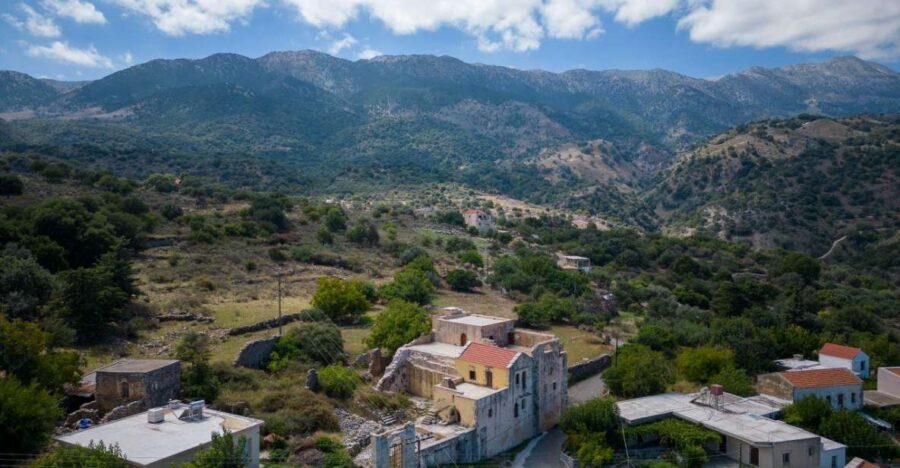
- Apokoronas by Van: Why This Trip Feels Less Touristy
- The 8-Hour Pace: Enough Time to Enjoy, Not Enough to Lag
- Starting in the Cafeneio: Greek Coffee Like a Village Skill
- The Gentle Walk: Plants, Water, and Why the Valley Matters
- Vrises, Theatre Stops, and That Moment When Things Feel Real
- The Church of St. Antony: Small Details That Hit Hard
- Bakery and Product Tastings: How to Eat Crete Without Getting Sold to
- Lunch at a Cafeneio: The Meal That Turns the Day into a Memory
- The Price Question: Is $135 Good Value?
- Who This Tour Suits Best (And Who Might Want a Different Style)
- Should You Book This Apokoronas Tour?
- FAQ
- How long is the Chania 7 Villages of Apokoronas tour?
- Do I get pickup and drop-off?
- Is the guide available in English?
- What food is included in the tour?
- Are entrance fees included?
- What should I bring?
- Is free cancellation available?
- Are pets or unaccompanied minors allowed?
Key Things That Make This Apokoronas Tour Worth Your Day
- Greek coffee, explained in plain steps—and served in a proper village cafeneio setting
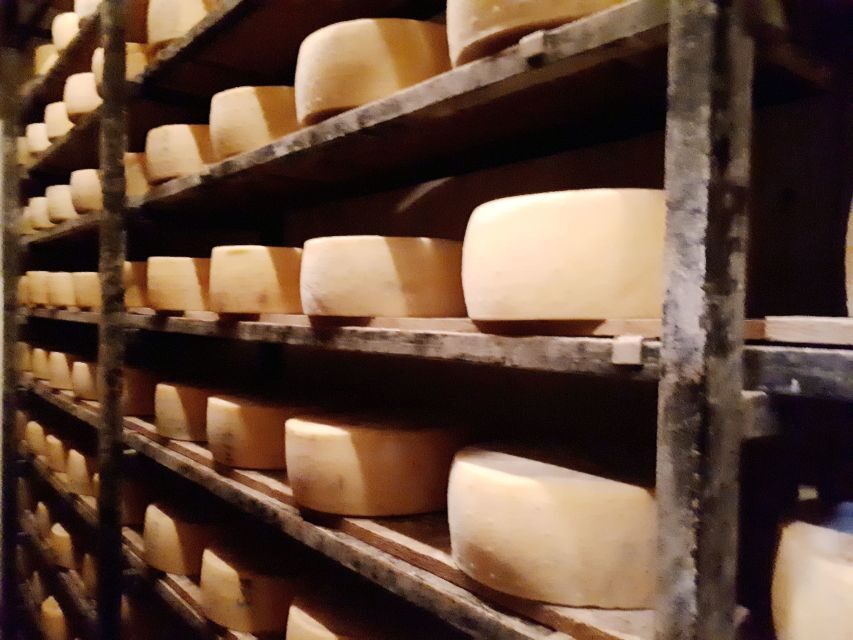
- Small, family-run tasting stops—bread, cheese, biscuits, and local products (not tourist-only shelves)
- Vrises sights you don’t reach by accident—including Mikis Theodorakis Theatre
- A church tucked into the rock—the Church of St. Antony stop is surprisingly memorable
- A gentle nature walk—a break from driving that also connects you to local plants and water stories
- Lunch that feels like the point—a real Cretan meal at a cozy cafeneio, not a rushed “picnic-style” feed
Apokoronas by Van: Why This Trip Feels Less Touristy
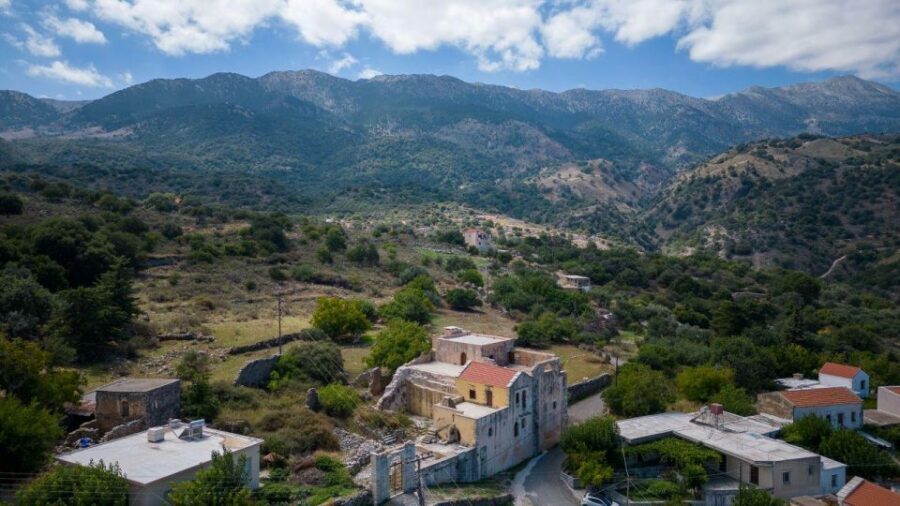
This is one of those Crete days where you’re not stuck doing the same loop of big sights. Apokoronas is a valley of small towns, farm roads, and everyday life—perfect for a driving tour that still includes walking and short photo stops.
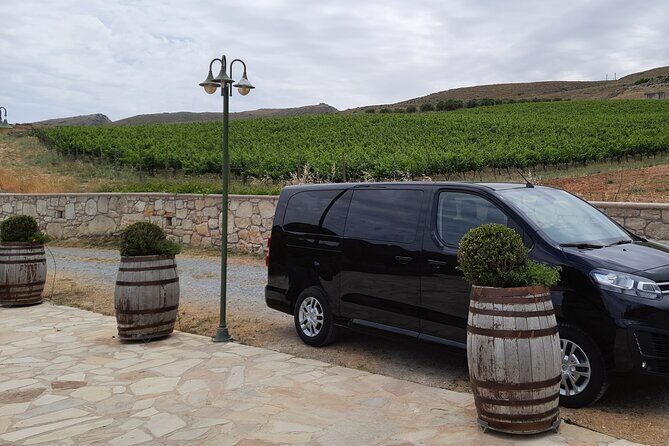
From the start, the format works for real travelers. You get pickup and drop-off in the Chania region, you’re in a comfortable vehicle with air-conditioning, and you don’t have to negotiate narrow roads or slow village turns. That matters because the best moments in places like this come from being able to look out the window and still arrive on time for the stops.
You can also read our reviews of more tours and experiences in Crete


The 8-Hour Pace: Enough Time to Enjoy, Not Enough to Lag
The trip is scheduled for about 8 hours, so you get a full day without it eating your entire vacation. You should expect a rhythm of driving, short stops, tastings, and one main meal.
What makes the timing feel good is that the day includes breaks that aren’t just “stand there while someone takes a ticket.” You’ll have a gentle nature walk, plus multiple stops where you can pause, ask questions, and actually taste what’s being discussed. If you hate tours that feel like a bus ride with snack breaks, this one is built to keep moving but still let you feel the place.
Starting in the Cafeneio: Greek Coffee Like a Village Skill
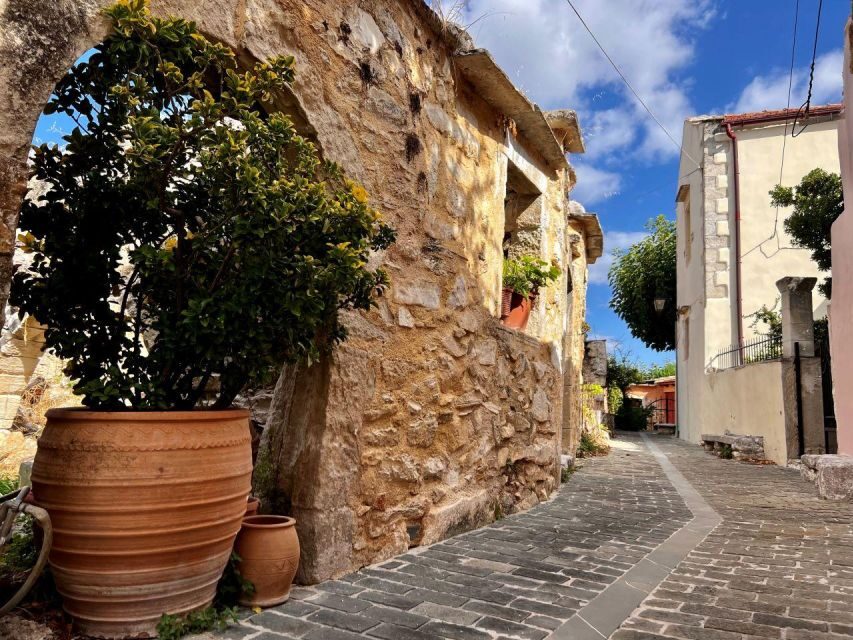
One of the most praised parts of the day is the Greek coffee experience. You’ll stop at a traditional kafeneio, have a cup, and learn how Greek coffee is made.
This isn’t a lecture where you just nod and move on. The value is practical. You’ll pick up the basics of the process and hear how coffee fits into village life—small talk, slow time, and the kind of hospitality that doesn’t require big gestures. It’s also a welcome pause from the heat and driving.
If you order coffee in Crete later, you’ll notice the difference. You’ll know what you’re looking at when the drink is served, and you’ll understand why it’s often treated like a moment, not just a caffeine delivery system.
The Gentle Walk: Plants, Water, and Why the Valley Matters
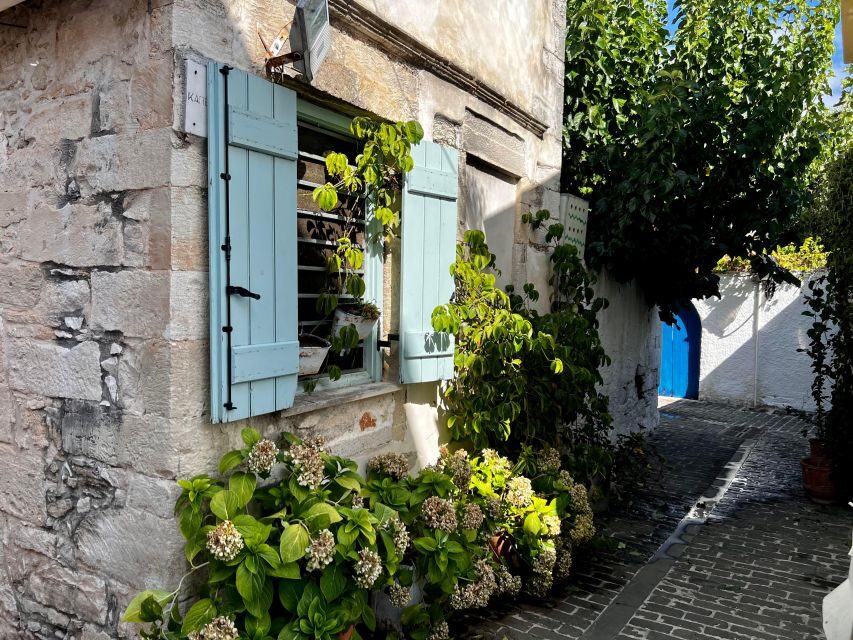
After the first village experience, the tour includes a gentle nature walk. This is where the day shifts from “people and food” to “how this place works.”
In conversations with guides from the day’s format, you can expect explanations tied to local vegetation and the region’s everyday environment—what grows here, why certain plants matter, and how water and farming shape life in the valley. A small stroll like this gives you a footing in the region that straight driving never does.
Bring comfortable shoes and plan to take it easy. This walk is meant to be friendly, but it still adds a useful layer to the day: you start to see the landscape as something lived in, not just photographed.
Vrises, Theatre Stops, and That Moment When Things Feel Real
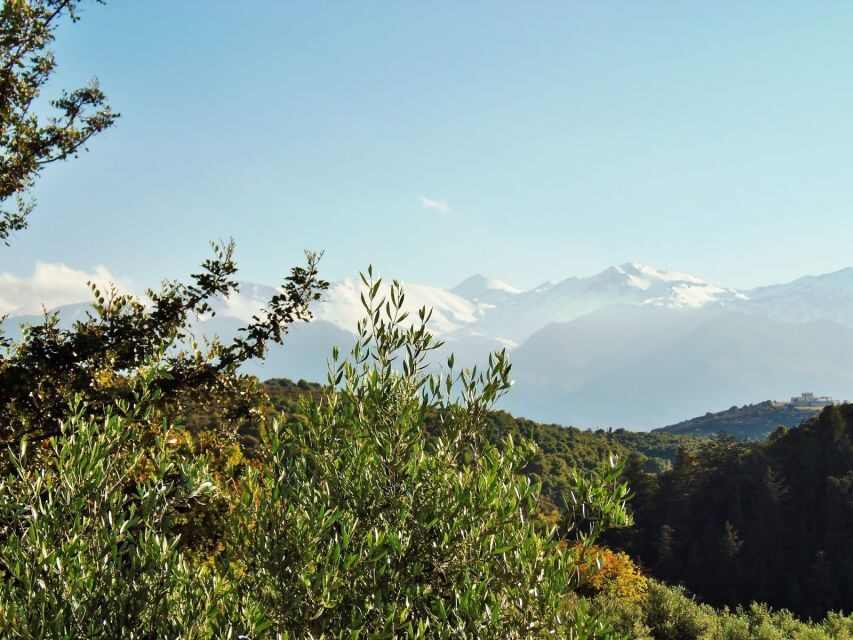
Then you’ll head to Vrises, a village known for its scenic, timeless character. This stop matters because it’s not only about views—it’s a chance to connect the countryside to culture.
From there, you’ll visit the Mikis Theodorakis Theatre. Even if you don’t know its background, the stop breaks up the day in a satisfying way. You move from village rhythm to a site that reminds you Crete isn’t only about agriculture and quiet streets—it’s also about art, memory, and community gatherings.
And in typical Apokoronas fashion, you’re not just “at a landmark.” You’re in the middle of it, with the surrounding village texture making everything feel more grounded than a standalone attraction.


The Church of St. Antony: Small Details That Hit Hard
One of the most distinctive moments on the route is the Church of St. Antony, described as hidden within the rock. This is the kind of stop that surprises you—in a good way—because it doesn’t feel like a big show. It feels personal, like you stumbled onto something that locals care about.
What I like about stops like this (and why they tend to get remembered) is their scale. They’re not trying to impress you with size. They impress you through setting and context—why this place exists here, what it means to the community, and how faith and geography overlap in Crete.
If you enjoy “quiet curiosity” moments—short stops where you look up, step in, and pay attention—this is one you’ll probably photograph and then think about later.
Bakery and Product Tastings: How to Eat Crete Without Getting Sold to
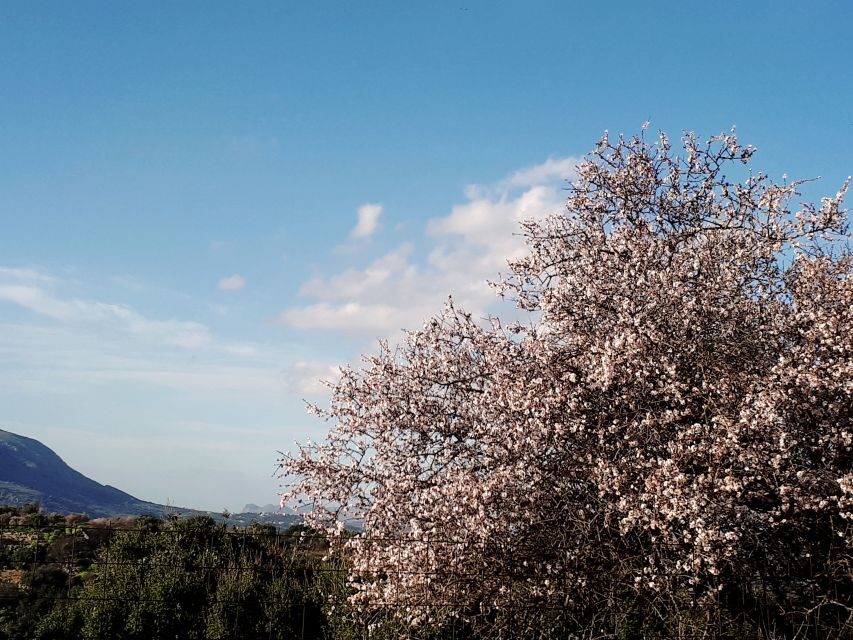
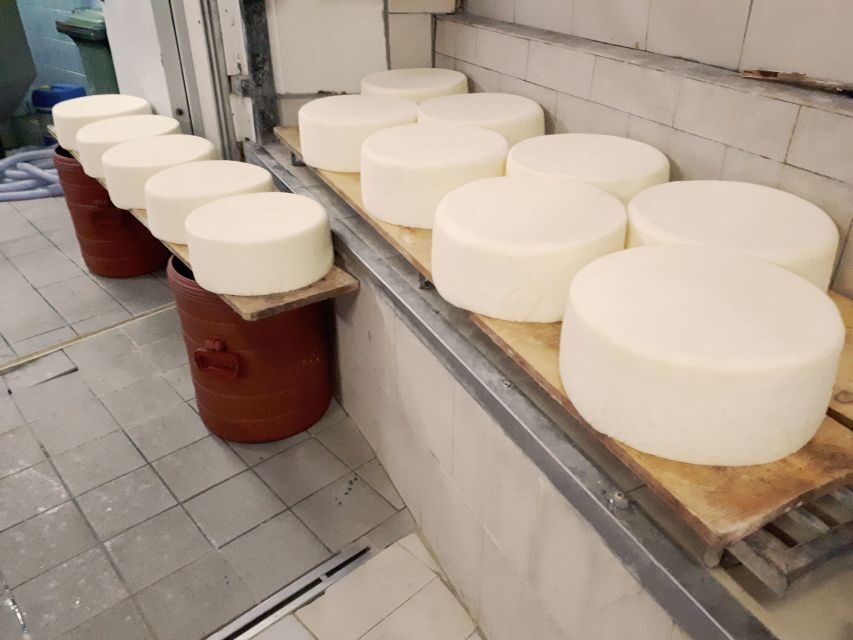
Midday includes a stop at a local bakery, where you’ll smell the freshly baked bread energy before you even arrive. You’ll also get to taste items like bread, olive-oil related treats, and Cretan biscuits.
There’s a big difference between tastings done in a shop that feels like a factory tour versus tastings at a place that sells daily life. This route leans toward the second option: small stops where people seem genuinely proud of what they make.
A practical tip: go in hungry, but don’t over-commit. Tastings stack up through the day—bread, cheese products, sweets—and the lunch is still coming. If you pace yourself, you’ll enjoy every stop instead of spending the second half wishing your stomach had a larger capacity.
Also, expect plenty of conversation. Some guides bring the day to life by showing how local products fit into the agricultural calendar and everyday meals. It’s not just eating; it’s learning how the local pantry is built.
Lunch at a Cafeneio: The Meal That Turns the Day into a Memory
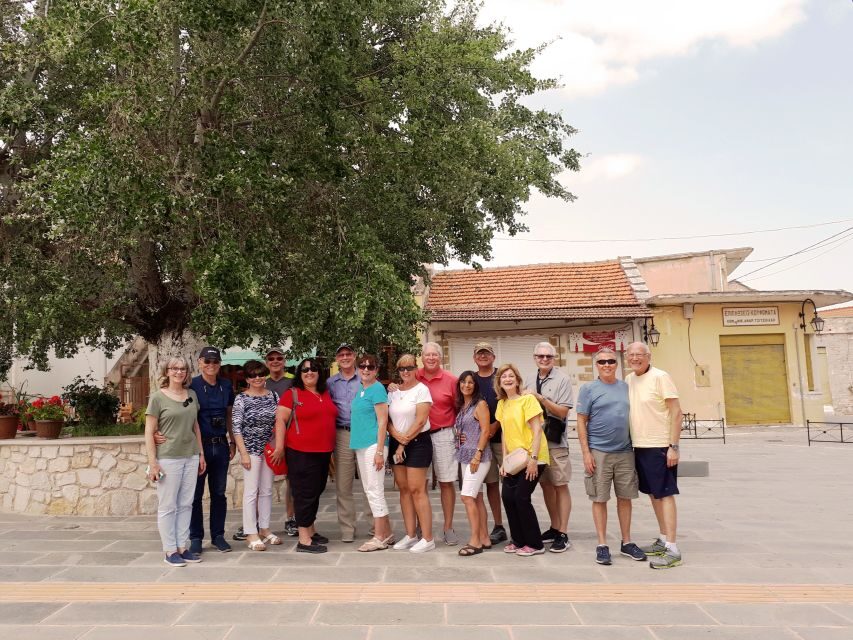
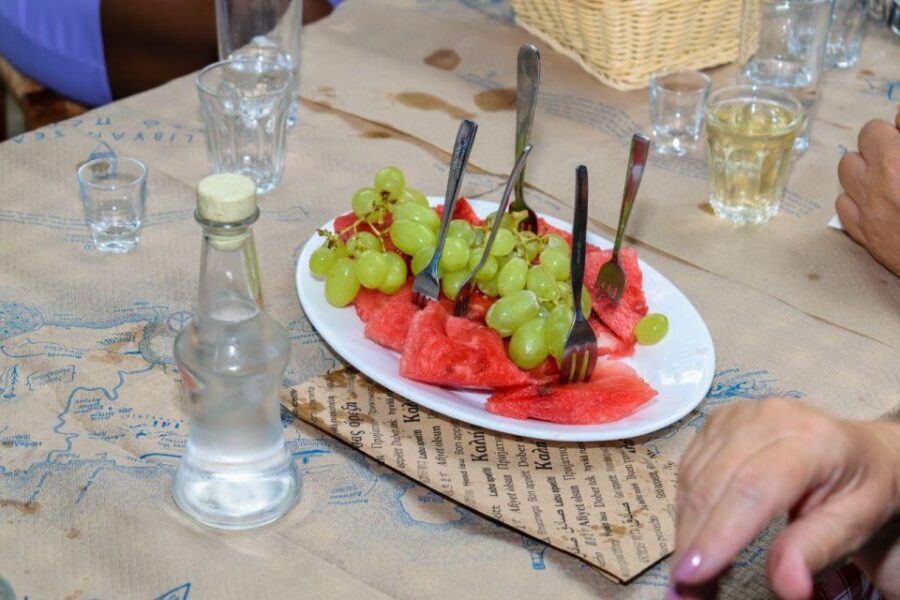
The tour ends with lunch at a cafeneio in a picturesque village. This is the part you’ll be talking about—because the meal is traditional Cretan, served in a setting that feels relaxed and real.
You might see classics like Greek salad and baked meats, and some people specifically mention dishes such as stuffed eggplant and other slow-cooked village favorites. The exact plate can vary, but the tone is consistent: hearty food, shared table energy, and that no-rush cafeneio feel.
This is also where the guide’s storytelling usually lands. With everyone seated, the explanations and jokes from earlier stops click into place. If you want a day that ends not just with food but with understanding, lunch is the finish line.
The Price Question: Is $135 Good Value?
At $135 per person for an 8-hour day, the price looks steep at first glance—until you break down what you’re actually getting.
You’re paying for:
- Pickup and drop-off in the Chania region
- An English live guide plus air-conditioned transfers
- Entrance fees
- Lunch
- All tastings (coffee, bread/product stops, and more)
When you add up a guide + transport + entrance fees + a full meal, it stops being “just another day tour.” It becomes more like a package built around value: you don’t have to buy a separate lunch, and you don’t have to pay extra for each tasting stop.
If you’re already planning to eat your way through Crete, this can be a cost-smart choice—especially when you factor in transportation and the time savings of not driving yourself between villages.
Who This Tour Suits Best (And Who Might Want a Different Style)
This is a great fit if you:
- Like food stops that feel local, not “tour bus shopping”
- Want a guided day that covers more than one type of experience (coffee, walk, sights, church, lunch)
- Prefer driving through villages with someone else handling the route and parking
You may want to think twice if you:
- Want a heavy hiking day or long, independent time in each village
- Expect seven separate “full village tours” in a strict, walking-heavy way (some stops are more tasting-focused)
Should You Book This Apokoronas Tour?
If your ideal day is a mix of village life + Cretan food + a few memorable sights, I’d book it. The strongest selling points are the combination of guided storytelling and the way meals and tastings are built into the route—not tacked on at the end.
My final decision rule: if you’re excited about Greek coffee, bread and cheese tasting stops, and a proper cafeneio lunch, this is exactly the kind of day tour that feels worth the money.
FAQ
How long is the Chania 7 Villages of Apokoronas tour?
It lasts about 8 hours.
Do I get pickup and drop-off?
Yes. Pickup and drop-off are included from specific locations in the Chania region.
Is the guide available in English?
Yes. The live tour guide speaks English.
What food is included in the tour?
Lunch is included, and you’ll also have all tastings along the way (including coffee and product tastings at stops).
Are entrance fees included?
Yes. Entrance fees are included.
What should I bring?
Wear comfortable shoes and bring a sun hat.
Is free cancellation available?
Yes. You can cancel up to 24 hours in advance for a full refund.
Are pets or unaccompanied minors allowed?
Pets are not allowed, and unaccompanied minors are not allowed.