REVIEW · CRETE
Chania Old Town Artisans and Sightseeing Private Walking Tour
Book on Viator →Operated by Wonderers · Bookable on Viator
Chania’s layers show up on every corner. This private walking tour turns Chania Old Town into a readable map, mixing artisan food time with guided stops that explain how religions and empires shaped the same streets. I especially like the boukatsa breakfast start and the way the route keeps pointing out details you’d normally miss.
One small catch: there’s no hotel pickup, so you’ll need to get yourself to the meeting spot near the bougatsa shop, and you’ll be on foot through older-street lanes. If you hate walking, you’ll feel it.
In This Review
- Key highlights worth packing for
- Why Chania Old Town works best on a guided walk
- Price and what $108.02 really buys you
- Starting at bougatsa: the smart way to begin
- Market pass-by and the detail about what changes
- Old Town streets and the layers of one religious neighborhood
- The Greek Orthodox Cathedral stop: what to focus on
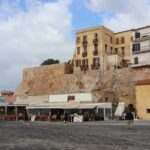
- Venetian Dockyards: reading the harbor’s past
- The only Ottoman mosque built from scratch: a key contrast point
- Venetian fortifications: defenses you can understand while walking
- Byzantine walls: the collage-of-civilizations moment
- Artisan angle and pastry craft: the part foodies will remember
- How long is long enough, and how to pace yourself
- Who this tour fits best (and who should skip it)
- Should you book? My quick decision guide
- FAQ
- How long is the Chania Old Town artisans and sightseeing private walking tour?
- What is included in the tour price?
- Where do I meet the tour, and where does it end?
- Is this tour private, and what language is it in?
- Is there free cancellation?
- Is hotel pickup included?
Key highlights worth packing for
- Breakfast with purpose: A Chania bougatsa opener plus coffee/tea so your tour starts with local flavor, not just history.
- A guide who adjusts to you: The experience is set up for a small group pace, with flexibility if your interests shift mid-walk.
- Religious architecture in one view: You’ll see how different eras left marks in the same neighborhood, including the church-culture blend and the Ottoman-era mosque.
- Venetian harbor stories: The Venetian Dockyards segment explains how use changed over time as power shifted.
- Fortifications and walls you can actually walk past: Venetian defenses and the Byzantine walls give you “how it worked” context, not just pretty facades.
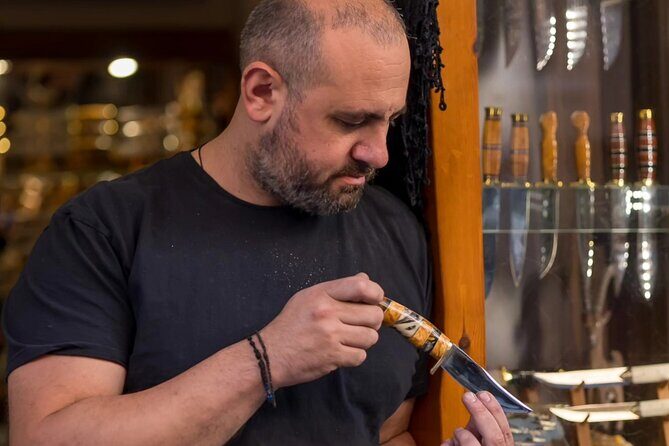
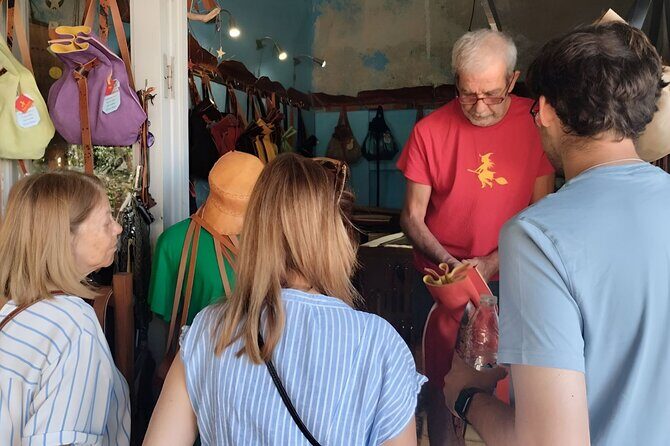
- Food and artisans beyond the checklist: Expect artisan-focused moments that can include classic pastry craft like filo-making.
Why Chania Old Town works best on a guided walk
Old Town sounds like a place you can just wander, and you can. But this tour is built for people who want their wandering to make sense. You get a plan for where to look, what to notice, and why those stones, arches, and building functions matter.
I like that the guide doesn’t treat the area like one long museum hallway. You’re moving from market streets (including a pass-by of an active renovation area) to churches, harbor buildings, and defensive structures, so the story changes as the scenery changes.
You can also read our reviews of more walking tours in Crete

Price and what $108.02 really buys you
At $108.02 per person for a 3–4 hour private format, you’re paying for guide time plus food. And the inclusions are not tiny add-ons: you get boukatsa breakfast, coffee and/or tea, and a local guide.
If you’re traveling as a couple, with older kids, or as a small group, the private setup can feel like good value because you’re not paying for a big bus tour where half the group can’t hear. There’s also mention of group discounts, which can help if your party meets the group/party structure that’s offered.
Is it the cheapest option? No. But it’s positioned as a “start smart” tour—especially if it’s your first day in Chania and you want direction fast.
Starting at bougatsa: the smart way to begin
The tour begins at Bougatsa Chania (Apokoronou 37, Chania 741 50). Starting here matters more than it sounds. You’re grounding your first impressions in a local breakfast you can actually taste, then you walk into the city with better context for what you’ll see.
You’ll also have coffee and/or tea alongside the bougatsa. That’s a small comfort, but on a walking tour it helps you keep energy steady through multiple stops—especially if you get a warmer day or the morning stretches a bit longer.
Market pass-by and the detail about what changes
One early stop is not a scenic monument. You’ll pass by the market area currently under renovation. This is useful in real travel terms because you’ll understand why some corners look like they’re mid-rebuild and how that affects what you can photograph or access.
Don’t expect this to be a tour “down a construction corridor.” It’s a brief pass-by, so you’re not losing your entire momentum. It’s more of a reality check: Chania is alive, not frozen.
Old Town streets and the layers of one religious neighborhood
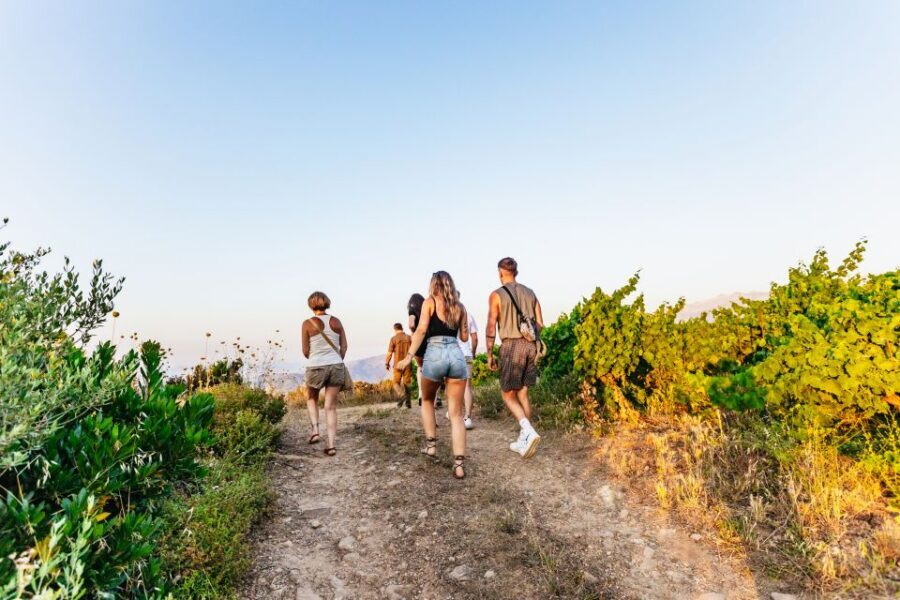
Old Town is the spine of this outing, with time to explore the picturesque streets (with free admission time built into the plan). This is where you’ll feel why Chania looks the way it does: the street scale, the building density, and the way different eras sit side by side.
You also visit an older preserved church that reflects a blend of different religions in the same architectural story. It’s the kind of stop that pays off if your brain likes cause-and-effect. When the guide points out what to watch for—changes in function, structure, and symbols—it stops being random ornament and becomes a timeline you can see.
A practical plus: the guide’s pace tends to keep you moving without turning the walk into a sprint. One named guide praised as Sophia is described as passionate about Crete and willing to stay flexible—useful if you’re traveling with people who like taking photos or if your group wants a slightly slower look at details.
You can also read our reviews of more private tours in Crete




The Greek Orthodox Cathedral stop: what to focus on
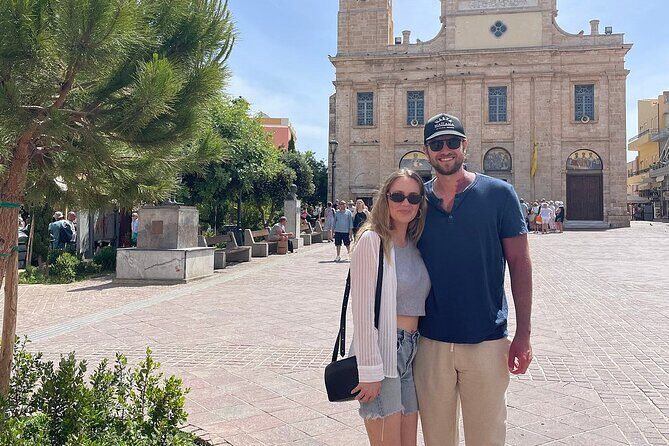
You’ll also pass by the city’s Greek Orthodox Cathedral. Even if you don’t spend ages inside (the tour plan emphasizes walking and external observation), this stop helps you anchor the neighborhood’s religious identity.
I suggest you treat this like a “visual anchor.” Look at how its presence shapes the surrounding street. Then look back at nearby older structures and see how the whole area feels more like a collage than a single-style district.
Venetian Dockyards: reading the harbor’s past
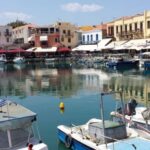
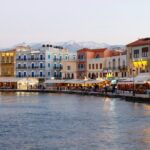
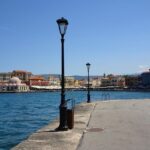
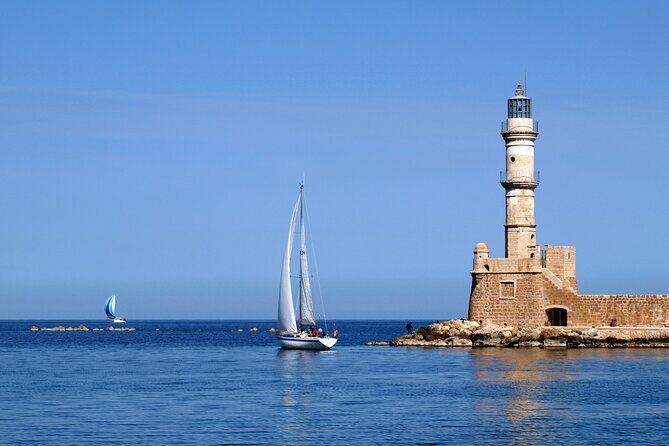
As you pass by the Venetian Dockyards, the guide narrates how the harbor’s use shifted over the years. This is valuable because “Venetian” can sound like just a label until someone connects it to practical maritime life—who needed docks, what kinds of activities took place, and how that changed later.
You’ll get the harbor perspective, which tends to make the rest of the tour click. Defensive walls and forts won’t feel random once you understand the city’s economic and shipping role across time.
If you like photos, keep your phone handy at this section. The harbor is often where the light and angles make buildings look extra dramatic—especially on a clear day.
The only Ottoman mosque built from scratch: a key contrast point
One of the most specific historical stops is the mosque built from scratch during Ottoman occupation. This is a great moment to compare eras. The guide’s framing helps you see that Ottoman presence wasn’t just a takeover of existing spaces—it could create new structures with their own identity and logic.
What I like here is the contrast. You’re not only looking at “old vs new.” You’re seeing how each power left different kinds of footprints: religious buildings, civic structures, and later fortifications.
Venetian fortifications: defenses you can understand while walking
You’ll admire the Venetian fortifications during this walk. This kind of stop is best when it’s explained as function, not just looks. Watch the line of the defenses and think about visibility, access, and protection—then connect it back to the harbor area you saw earlier.
A guided explanation here helps you avoid the common problem of “I saw it, but I didn’t learn it.” With the story attached, you start asking better questions—like where someone would stand to spot an incoming ship or how the city planned for risk.
Byzantine walls: the collage-of-civilizations moment
Near the end, you’ll reach the Byzantine walls, described as a “collage” of different civilizations. Even from street level, walls like these help you picture Chania as a city rebuilt, reused, and layered rather than replaced in one clean break.
This is also where the tour’s flow makes sense. You start with religious and artisan identity, then move outward to maritime influence, and finally land on the idea of long-term survival through defenses and fortification walls.
The tour ends at Byzantine Walls of Chania (Sifaka 41, Chania 731 32).
Artisan angle and pastry craft: the part foodies will remember
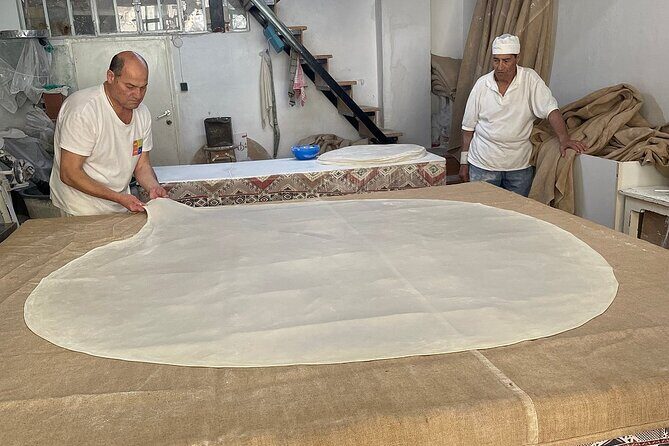
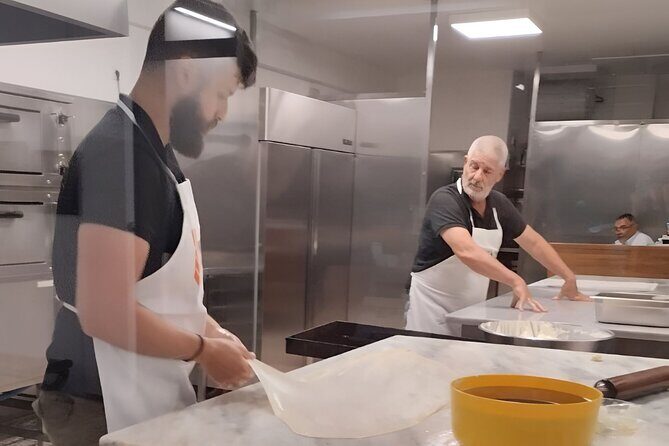
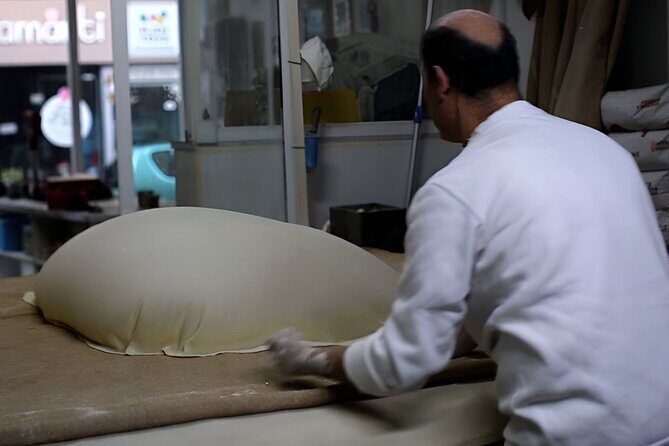
This tour isn’t just a “sightseeing with a snack” deal. A standout highlight in the experience is the artisan food focus, including pastry craft such as a filo-making demonstration that’s described as a must for foodies.
What makes that valuable is the context. You’re not only eating. You’re seeing how local pastry traditions work and why they matter in everyday Crete culture. Even if you already know bougatsa, artisan demonstrations add texture—teaching you what to look for the next time you order something similar on your own.
Another practical point from the experience descriptions: the food stops tend to feel unforced. You can eat what’s offered, but you’re not dragged into hard selling. That keeps the day feeling like a real walk with good pauses rather than a scripted sales run.
How long is long enough, and how to pace yourself
The tour runs about 3 to 4 hours. That’s enough time to move through several eras of Chania without turning into an all-day hike.
You’ll want to keep expectations realistic. You’re walking between Old Town, harbor-area stops, and defense/wall areas. Streets can be uneven and narrow, so wear shoes you trust. And since there’s no hotel pickup, plan to arrive at the start point ready to go.
If you’re coming early in your trip, this timing is perfect. It helps you orient yourself so the next time you wander, you’ll know which building you’re seeing and what era it likely represents.
Who this tour fits best (and who should skip it)
This is a strong choice if you like:
- Food plus street-level history rather than pure museum time
- Learning how empires change cities through architecture and function
- A private format where your group can set the tempo
It’s also a good fit for families with young adults or groups who want a structured route but still want flexibility. One of the praised guides, Sophia, is specifically noted for communicating well and steering the tour toward the group’s interests—exactly what you want if everyone in your party likes different things.
If you hate walking or want zero schedule, you might prefer to self-wander. This is a walking tour first, even though it includes breaks and food.
Should you book? My quick decision guide
Book this tour if it’s your first time in Chania and you want the fast path to understanding Old Town—plus a real breakfast and artisan food moments. The price makes more sense when you compare it to what you’d otherwise spend on guide help and multiple tastings across a half-day.
Skip it if you want a super relaxed stroll with no structure, or if getting to Apokoronou 37 and finishing at the Byzantine walls area is a hassle for your schedule.
FAQ
How long is the Chania Old Town artisans and sightseeing private walking tour?
It runs about 3 to 4 hours.
What is included in the tour price?
You get a Chania bougatsa breakfast, coffee and/or tea, and a local guide.
Where do I meet the tour, and where does it end?
You start at Bougatsa Chania, Apokoronou 37, Chania 741 50. You end at the Byzantine Walls of Chania, Sifaka 41, Chania 731 32.
Is this tour private, and what language is it in?
Yes, it’s a private tour/activity for only your group. It’s offered in English.
Is there free cancellation?
Yes. You can cancel for a full refund up to 24 hours in advance. If it’s canceled due to poor weather, you’ll be offered a different date or a full refund.
Is hotel pickup included?
No. Hotel pickup and drop-off are not included.