REVIEW · CRETE
Chania Area: Cooking Class at a Farm in Stylos Village (organic)
Book on Viator →Operated by Veggera · Bookable on Viator
Goats, cheese, and Cretan stories. This organic farm cooking class around Stylos Village (near Chania) mixes animals, village life, and food you actually helped make, all in a small group capped at 8. You start with farm experiences like free-range sheep time, goat milking, and cheese making, then work olives and vineyard facts into the day before settling into a full Cretan lunch with wine and raki.
What I love most is the way the meal is built from the place itself, not generic ingredients. I also like that the cooking happens with real people and real roles, including Sofia on the food and Nikos guiding the farm and village rhythm. The only downside to flag: expect hands-on farm-style activities and time outdoors, so if you want a polished, seat-and-watch class, this may feel a bit more rustic than you’re expecting.
In This Review
- Key Highlights You Should Care About
- A Real Cretan Farm Day Near Chania: What This Experience Is
- From the Start Point to Diktamos Gorge: How the Day Flows
- Meeting the Farm: Sheep, Goats, Cheese, and the Work Behind the Food
- Olives, Herbs, and Vineyard Talk: Learning That Actually Lands on Your Plate
- Cooking Dinner with Chef Sofia and Village Host Nikos
- Lemonade Break, Photos, and That Cretan View Moment
- Lunch: Extra Virgin Olive Oil, Wine, Raki, Stories, and Traditional Music
- Practical Stuff That Helps You Have a Smooth Day
- Price and Value: Why This Feels Worth $145.99
- Who This Is Best For (and Who Should Think Twice)
- Should You Book This Organic Farm Cooking Class in Stylos?
- FAQ
- How long is the cooking class and farm experience?
- Where does the tour start and end?
- How much does it cost per person?
- Is the tour offered in English?
- What activities are included on the farm?
- Is Diktamos Gorge part of the itinerary?
- How big are the groups?
- Do I need a physical ticket?
- What is the cancellation policy?
- Are service animals allowed?
Key Highlights You Should Care About
- Small group (max 8) keeps the day relaxed and easy to chat through
- Hands-on cooking with Sofia plus farm visits that explain what you’re eating
- Goat milking and cheese making on an organic farm, not just a photo stop
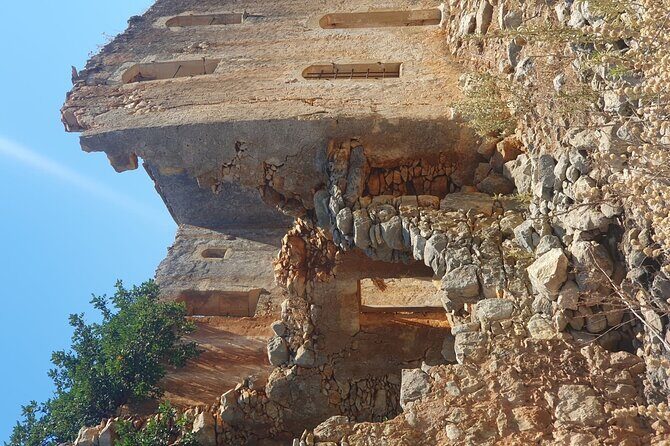
- Olives, vineyard, and threshing floor learning that connects farming to your lunch
- Homemade lemonade, wine, and raki served with stories and traditional music
A Real Cretan Farm Day Near Chania: What This Experience Is
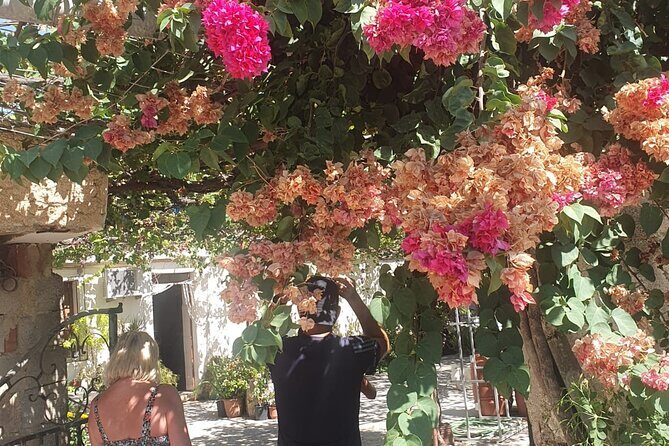
If you’re in western Crete and you’re tired of eating the same “traditional” dishes that come from a menu, this is a better angle. This day is built around Stylos Village and an organic farm setting, where you’ll spend your time doing things: walking parts of the farm, learning how products are made, and cooking meals with the family.
At $145.99 per person for about 5 hours, the price can look steep until you picture what’s included. You’re not just getting a cooking demo. You’re getting farm access, food preparation, multiple Cretan ingredients (olive oil, vegetables, local meat, cheese), and wine plus raki, with conversation and traditional music in the mix.
This also isn’t a big-bus, big-group vibe. With a maximum of 8 travelers, the host family can actually explain what matters, and you get time to ask questions without feeling rushed.
You can also read our reviews of more cooking classes in Crete
From the Start Point to Diktamos Gorge: How the Day Flows
You’ll meet at Veggera (VeggeraC4PC+4G), Stilos 730 03, Greece, and you return there at the end. The schedule is structured, but it doesn’t feel like a strict museum run. It’s more like a day that moves between village, farm, and a scenic stop.
One confirmed stop is Diktamos Gorge. Plan for this segment to set the outdoor tone early. Even if you’re not aiming for a strenuous hike, you’ll want comfortable shoes and the mindset of “walk, look around, and take it in.”
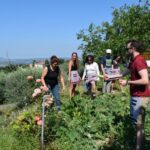
After that, the program settles into farm life. This is where the experience starts to feel unique, because you’re not only observing farming—you’re learning how the food steps connect: plants to harvest, harvest to oil and cheese, and those to the meals you’ll eat.
Meeting the Farm: Sheep, Goats, Cheese, and the Work Behind the Food
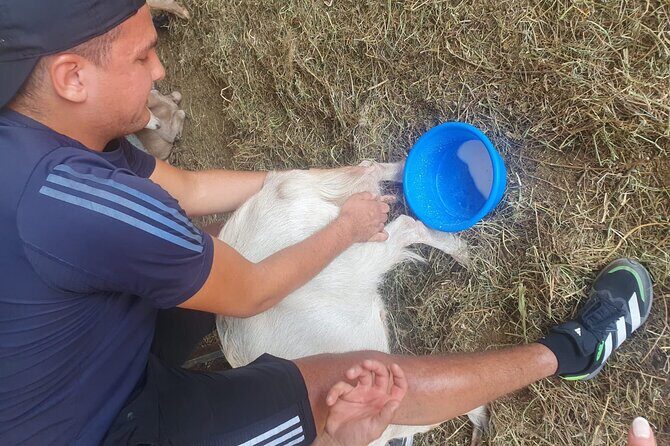
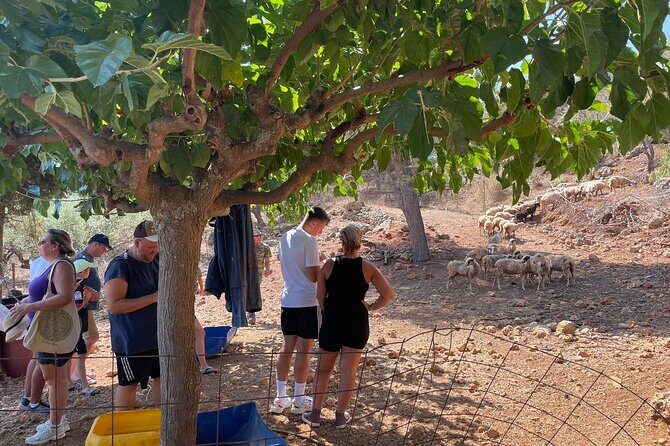
This is the part you’ll remember when you think back on your trip: the farm isn’t an attraction. It’s a working place, and you’re treated like you’re there to learn how it runs.
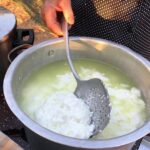
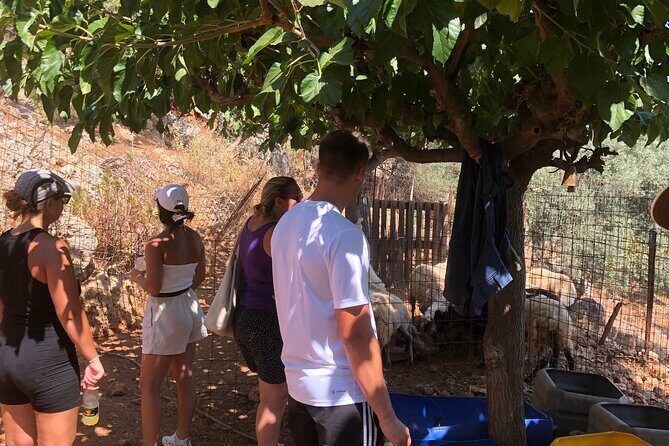
You’ll walk through free-range sheep areas, and then you’ll get the hands-on farm moments that make this feel authentically Cretan. The program includes goat milking and cheese making. These aren’t the kind of activities that work as a quick gimmick. The value comes from doing them and hearing how the family approaches their animals and their food production.
You’ll also move through traditional farming landmarks: a threshing floor, plus learning about olives and the vineyard. This is more practical than it sounds. Olives and vines aren’t just “topics.” They show up later in the meal through extra virgin olive oil, vegetables, and the wider idea of how the family’s pantry is connected to the land.
One useful mindset tip: go into this ready to be a little hands-on. Even if you aren’t driving every step, you’ll be part of the process, and the day works best when you treat it like participation, not entertainment.
Olives, Herbs, and Vineyard Talk: Learning That Actually Lands on Your Plate
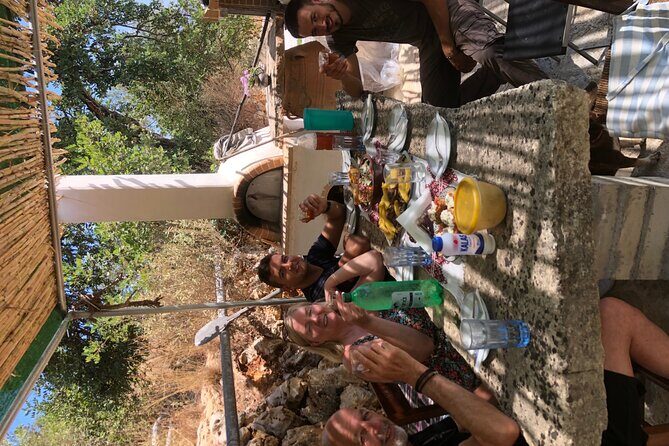
Some cooking classes give you a list of ingredients. This one connects ingredients to farming. That’s why the olive and vineyard lessons matter. They explain why certain products are central in Crete, and how the family keeps using what their land provides.
In the same spirit, you’ll spend time with things like the farm’s vegetable garden and other cultivated sources used in the meals. If you’ve ever had “olive oil” that tasted like watered-down pepper, you’ll likely understand why farm-to-table is real after you see how it’s used and then tasted in context.
This kind of teaching also helps you order better in Crete later. You’ll know what to look for when you see Cretan cheese on a platter, and you’ll understand why olive oil isn’t a garnish here. It’s the base flavor that makes simple items taste complete.
Cooking Dinner with Chef Sofia and Village Host Nikos
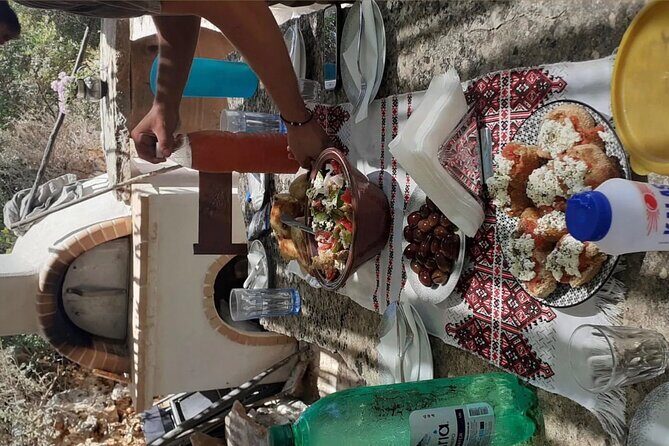
The cooking part is led by the family, including Sofia (the chef in the program) and Nikos (the host who shows you around). This is one of those rare cases where names make it feel personal, not transactional.
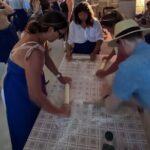
You’ll cook with Cretan ingredients like fresh vegetables, local meat, and homemade cheese. The process is set up so you don’t just watch. You’ll do your share of the hands-on work and learn how the dishes come together.
One dish style you may run into during the day is a Cretan toast approach often built with tomato and homemade cheese. The important takeaway isn’t the name of the dish. It’s that you’re seeing how a basic Cretan idea becomes something special when the ingredients are fresh, local, and handled by the people who grow and make them.
There’s also a pacing element here. This isn’t a frantic “15-minute recipe” sprint. It’s comfortable and slow enough that you can chat, ask questions, and take in the farm setting while your food moves from prep to cooking.
And yes, the family side matters. You’re not eating with strangers in a separate room. You’re part of the household and community rhythm, which can include visits and introductions around the property and village life.
You can also read our reviews of more tours and experiences in Crete
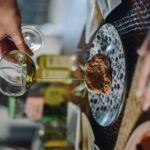
Lemonade Break, Photos, and That Cretan View Moment
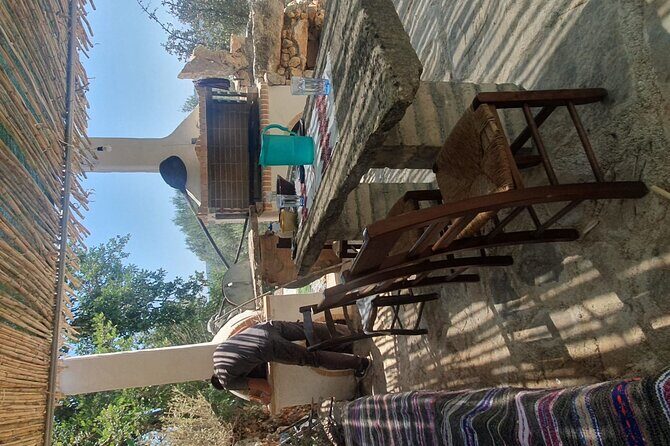
Between farm tasks and meal prep, you’ll get a break with homemade lemonade. This matters more than it sounds. Farm days can get warm, and lemonade is a very real reset. You’ll also get a chance to take photos from the incredible view mentioned in the program.
If you’ve got a phone camera, this is the moment to use it. The view isn’t just scenery; it’s the shift from “hands-on work” to “slow down and look around.” That change makes the day feel balanced instead of nonstop.
Bring a water bottle if you run hot, but you’ll also have refreshing drinks as part of the flow.
Lunch: Extra Virgin Olive Oil, Wine, Raki, Stories, and Traditional Music
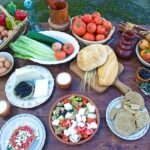
Lunch is where the day turns into a full Cretan celebration. You’ll prepare and then enjoy a hearty meal featuring extra virgin olive oil, fresh vegetables, local meat, and homemade cheese.
Then comes the drink part. Expect wine and raki with lunch. Some farm hosts pour with extra generosity because they want you to enjoy the day, and raki is the classic Cretan finish that signals you’ve settled in.
The storytelling is part of the meal, not a separate show. You’ll hear more about Cretan culture through stories, and you’ll listen to traditional music. If you like traveling through food but also want cultural context, this is a strong match.
Also, remember that this isn’t just “eat and leave.” The family welcome can run long. From the descriptions of the day, the energy can include shared laughter and even dancing and singing, depending on the group flow and timing. The point is that you’re not boxed into a formal performance. You’re in a living community moment.
Practical Stuff That Helps You Have a Smooth Day
Duration: about 5 hours (approx.)
Group size: maximum 8 travelers
Language: English
Ticket: mobile ticket
Animals and hands-on work: yes, including goat milking and cheese making
Where it starts/ends: Stilos village meeting point, then back there
Who can participate: most travelers
Service animals: allowed
Here’s what I’d plan for:
- Wear shoes you can walk in. Farm surfaces can be uneven.
- Expect getting involved. Even if you aren’t doing every task, you’ll be around activities that are messy by nature.
- Bring sunscreen and a hat if you’re visiting in hotter months. The day has outdoor segments.
- If you’re sensitive to alcohol, do tell your host. Wine and raki are part of the experience, and you should feel comfortable pacing yourself.
Accessibility note: since most travelers can participate, it likely isn’t an extreme endurance day. Still, farm and gorge time means you should judge your own comfort with outdoor walking and handling activities.
Price and Value: Why This Feels Worth $145.99
On paper, $145.99 for about 5 hours is not a bargain like a street-food crawl. But in practice, it’s pricing a whole package:
- A farm visit on an organic working property
- Hands-on cooking with a chef and hosts
- Food built from local ingredients: olive oil, vegetables, meat, and homemade cheese
- Drinks: wine and raki, plus homemade lemonade
- A small group (max 8) so you get attention and conversation
Many “cooking classes” elsewhere give you a recipe card and a quick taste. Here, the day is built around production and culture, not just plating. The farm-to-table angle is the value engine. When you eat cheese and olive oil that came from the land and the hands behind it, the meal has a story you can taste.
One more value signal: this is booked fairly far ahead on average. If you’re visiting during peak season, I’d treat it like a real plan item, not a last-minute maybe.
Who This Is Best For (and Who Should Think Twice)
This experience fits best if you want:
- Real food culture, not a scripted performance
- A family-run feel and more conversation than lecture
- Hands-on time with goats, cheese making, and cooking
- Cretan food with wine and raki as part of the day’s rhythm
- A smaller group where you can actually connect with hosts
It may be less ideal if you:
- Want only a sitting-down cooking demo
- Dislike farm animals or don’t want to be involved in practical activities
- Prefer very quiet, low-energy tours
If that sounds like you, I still recommend you consider it only if you’re open to a day that mixes work, learning, and celebration.
Should You Book This Organic Farm Cooking Class in Stylos?
My take: if your Crete trip has room for one “food plus people” day, this is a strong bet. The blend is rare—organic farm access, hands-on goat and cheese work, a stop at Diktamos Gorge, and then lunch with Cretan ingredients plus wine and raki, all in English and in a small group.
If you’re the kind of traveler who remembers what something tasted like and who taught you how it’s made, you’ll likely leave happy and better at noticing quality in Cretan food.
If you want a quick, polished class with zero farm involvement, skip it. But if you’re traveling for authentic, grounded experiences, this one is built for you.
FAQ
How long is the cooking class and farm experience?
It lasts about 5 hours (approx.).
Where does the tour start and end?
It starts at VeggeraC4PC+4G, Stilos 730 03, Greece, and ends back at the same meeting point.
How much does it cost per person?
The price is $145.99 per person.
Is the tour offered in English?
Yes, it’s offered in English.
What activities are included on the farm?
The program includes walking through free range sheep, goat milking, cheese making, and activities related to olives and the vineyard. You’ll also walk on the threshing floor.
Is Diktamos Gorge part of the itinerary?
Yes, Diktamos Gorge is listed as Stop 1.
How big are the groups?
The maximum group size is 8 travelers.
Do I need a physical ticket?
You’ll use a mobile ticket.
What is the cancellation policy?
Cancellation is free. You can cancel up to 24 hours in advance for a full refund.
Are service animals allowed?
Yes, service animals are allowed.