REVIEW · CRETE
Chania: Authentic Cooking Class in the White Mountains
Book on GetYourGuide →Operated by GS tours · Bookable on GetYourGuide
If you want Crete that feels lived-in, this cooking class delivers. I like that it mixes real farm time (garden herbs, sheep feeding, mountain stories) with practical cooking, so you leave with both flavors and context. Expect a small group day up at the White Mountains, guided in English, capped by dinner and dessert with local wine and cheese.
I also love the way the meal is built around Cretan staples and technique, not just a performance. You’ll learn to put together dishes like ntakos and tzatziki, using extra virgin olive oil, garden herbs, locally sourced ingredients, and the kind of step-by-step guidance that makes it feel doable.
One drawback to factor in: the schedule is long and active, with walking and limited water stops early on. Wear comfortable shoes and plan for the day to run later than you might expect.
In This Review
- Key things to know before you go
- A White Mountains farm day, not just a cooking class
- The drive from Chania: quick context before you cook
- Garden herbs and the shepherd’s enclave: where the food story starts
- Cooking with extra virgin olive oil: ntakos, tzatziki, and the rhythm of Cretan technique
- Cheese, wine, and dinner paired like Cretan families do
- Desert finish and gifts: how to take Crete home
- Price and value: is $129 for 6 hours fair?
- Logistics that matter: shoes, jacket, and when to bring water
- Who should book this class (and who might not)
- Should you book GS tours in Chania for this cooking class?
- FAQ
- How long is the cooking class?
- Is pickup and drop-off included?
- What language is the instructor?
- What’s included in the meal and tastings?
- What dishes might we make?
- Is the group size small?
- What should I bring?
- Do you get recipes or photos after the class?
Key things to know before you go
- White Mountains farm setting at the base of the mountains, not a kitchen in town
- Small-group feel with a family-style welcome and shared meal at the end
- Hands-on Cretan cooking featuring dishes like ntakos and tzatziki
- Cheese and wine tasting as part of the flow, not tacked on at the end
- Shepherd/olive stories tied to what you’re actually eating and cooking
- Recipes and photos emailed so you can cook again at home
A White Mountains farm day, not just a cooking class
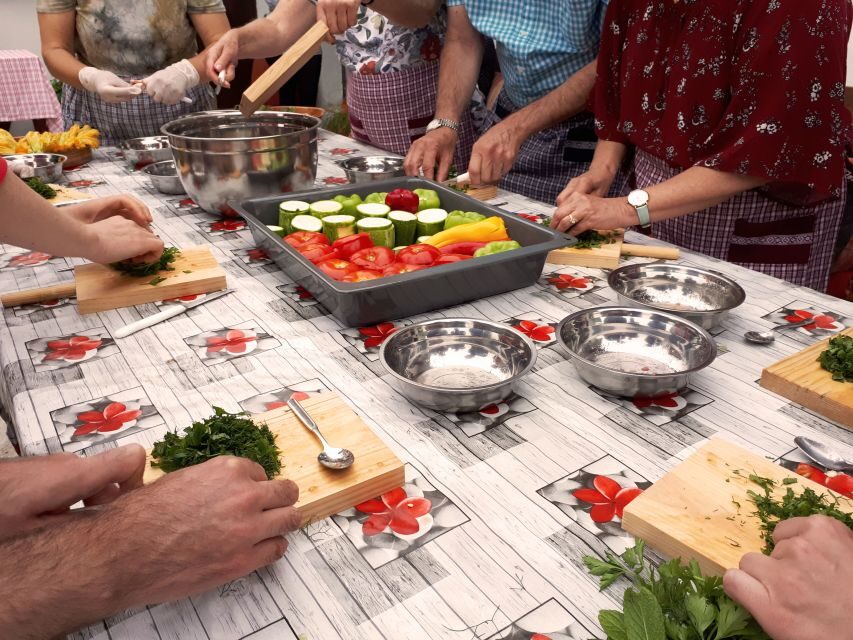
This isn’t a “watch someone cook” event. The whole point is that you’re part of the process, from walking through the property to making the food you’ll later eat under the same roof. The White Mountains backdrop matters because it frames why these dishes exist in the first place: olive oil, herbs, simple local produce, and the habits of people who work the land.
You’ll also get a cultural layer without it feeling like a lecture. Guides like Alex, Costa, and Giannis (names I saw repeatedly) keep the day moving with history and food stories, often with humor that makes the information stick. I like that the day stays practical: what you learn connects directly to what you cook.
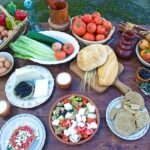
And yes, you’ll eat well. Expect cheese and wine tastings, a proper dinner that you helped prepare, and traditional jar desserts to finish things off. It’s the kind of day that feels like you were invited, not processed.
You can also read our reviews of more cooking classes in Crete

The drive from Chania: quick context before you cook
Most people start this experience with pickup in the Chania region, then head out by air-conditioned minivan. The value here is real: you avoid the hassle of getting out to a rural farm on your own, and you arrive with less stress and more time to enjoy the day.
On the ride, the guide sets up what you’ll see and why it matters. You’ll hear stories about Cretan food and daily life, plus background that helps you understand why ingredients show up again and again on tables across the island. If you enjoy learning while you move, this part helps the afternoon feel like one connected experience rather than separate activities.
Timing note: the activity is listed at 6 hours, but the day can feel longer depending on season and where you’re picked up. One strong theme from the experience is that the time moves fast, and then suddenly you look up and it’s late. Plan for that, especially if dinner plans the same evening matter to you.
Garden herbs and the shepherd’s enclave: where the food story starts
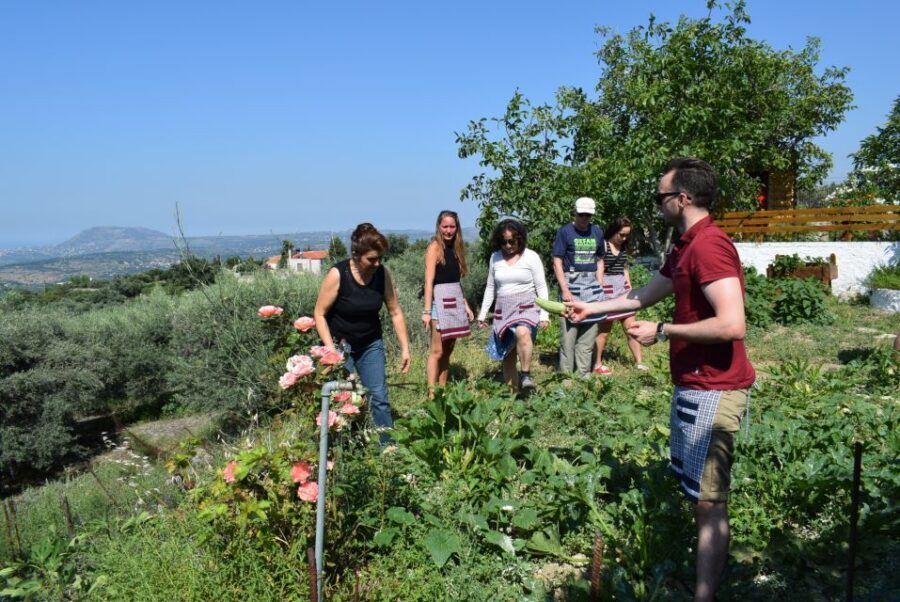
The day begins with a stroll through a vegetable garden, where you can see herbs and fresh produce up close. This is more than a photo stop. It’s the first hint at the Mediterranean diet logic behind Cretan cuisine: flavor built from olive oil, herbs, vegetables, and modest amounts of meat.
You’ll also get practical pointers on herbs and how they’re used, and you’ll understand what “fresh” means when it’s literally growing nearby. I like this because it makes later cooking steps easier to follow. When you already touched the plants and heard what they’re for, chopping and seasoning feels intuitive.
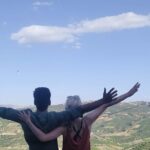
Then you walk to a shepherd’s enclave where the story shifts toward olive harvesting and land-based tradition. Expect mountain views and a sense of how rural Crete shaped its food culture. Some parts are more scenic than strenuous, but you should still take the walk seriously—comfortable shoes matter.
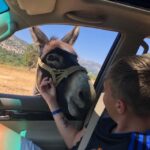
A fun extra that shows up repeatedly in the experience: animal time. You might feed sheep and learn how the family works with their animals as part of everyday life. It gives the day warmth, and it keeps things grounded in something real rather than staged.
Cooking with extra virgin olive oil: ntakos, tzatziki, and the rhythm of Cretan technique
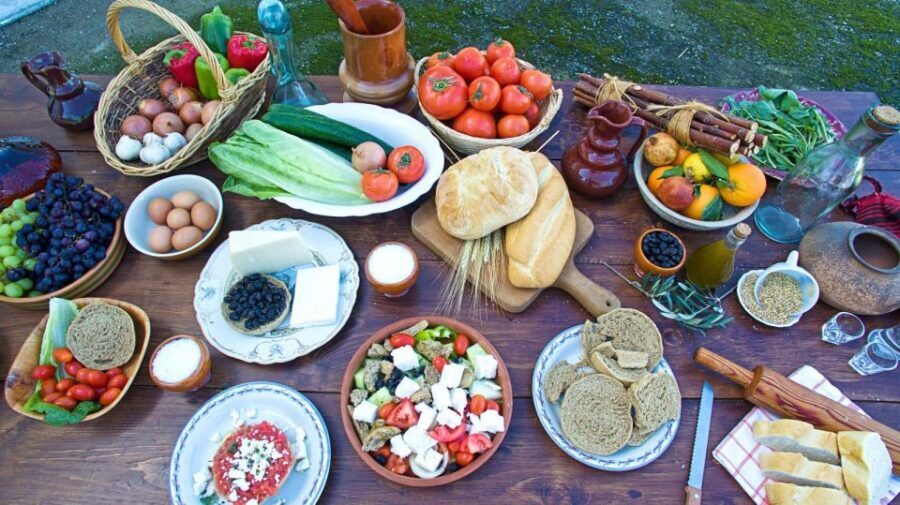
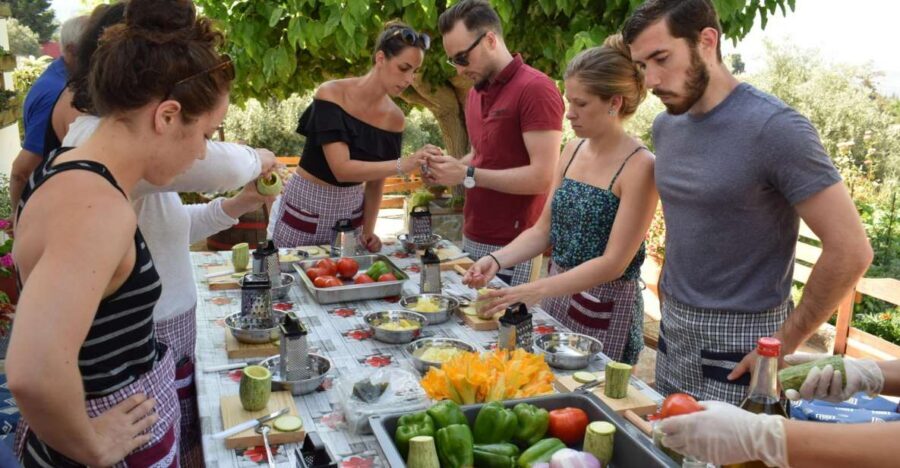
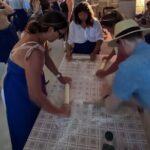
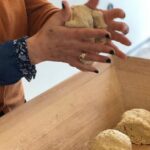
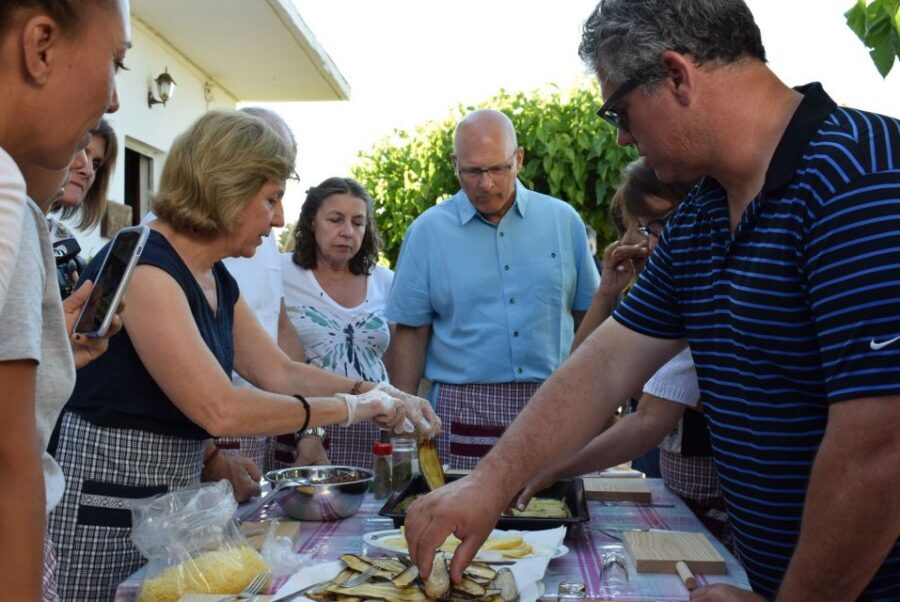
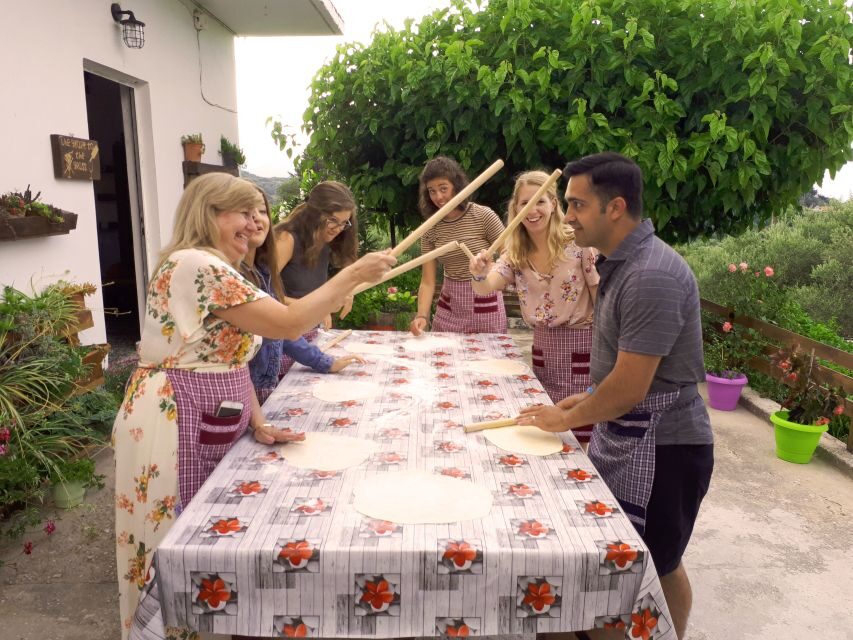
Once you’re back at the cooking space, the class turns hands-on. The day is structured around a traditional meal, and you’ll get support using aprons and cooking utensils provided for you. The instructor and hosts guide you through what to do, step by step, so you’re not left guessing mid-dish.
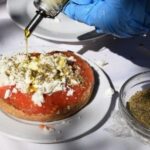
A highlight for many people is how central olive oil is to everything. You’ll taste how it changes the way ingredients behave—whether it’s dressing, finishing, or helping bind flavors together. It’s one of those things that’s easy to say in a sentence and hard to understand fully until you’re using it and tasting it while you cook.
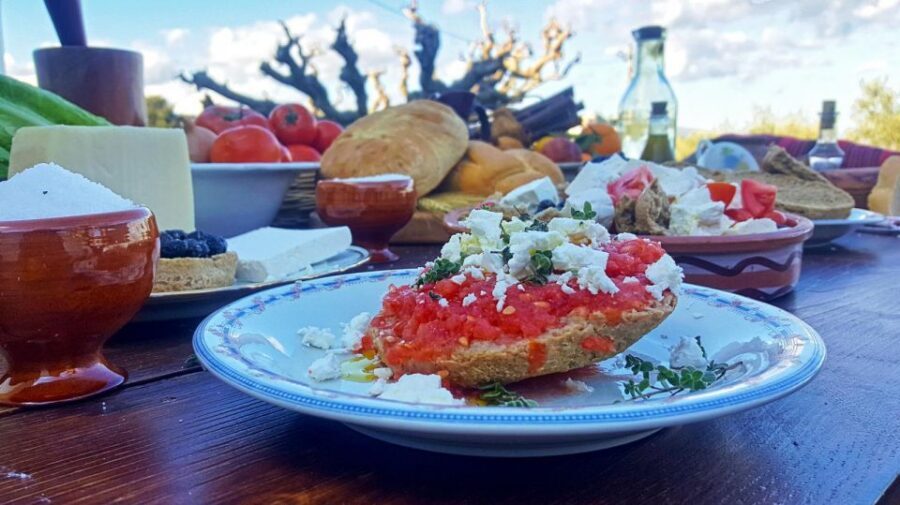
You can also look forward to appetizers that are recognizable and very Cretan. Expect to work on dishes like ntakos and tzatziki, which reflect the island’s love of simple building blocks: bread, vegetables, tangy yogurt, herbs, garlic, and olive oil. The teaching style is practical—someone shows you how, you follow along, then you eat your own results.
If you’re the type who likes to learn by doing, you’ll love this format. If you only want sightseeing and don’t care about cooking, you may find you’re more involved than you expected. But most people come away feeling proud because they actually finished dishes they can name.
Cheese, wine, and dinner paired like Cretan families do
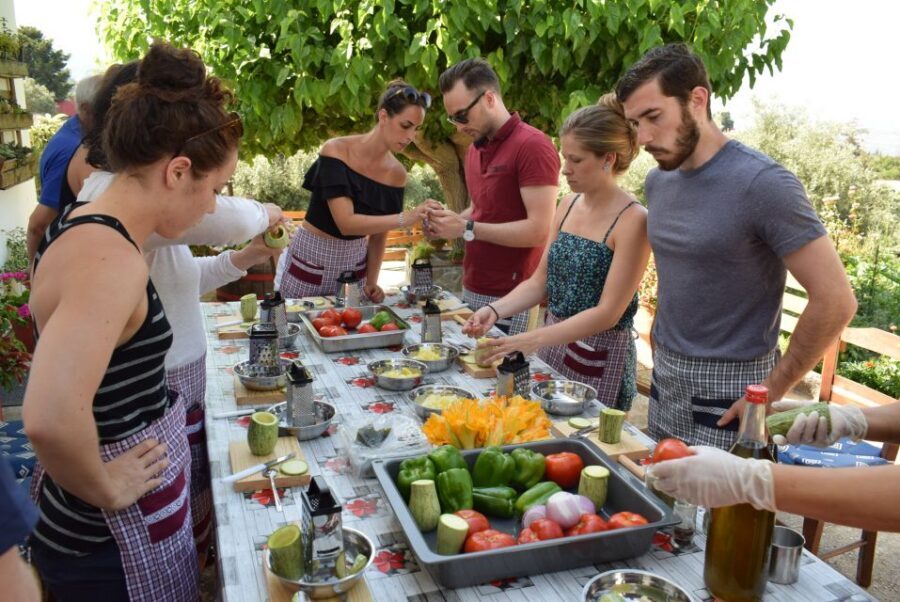
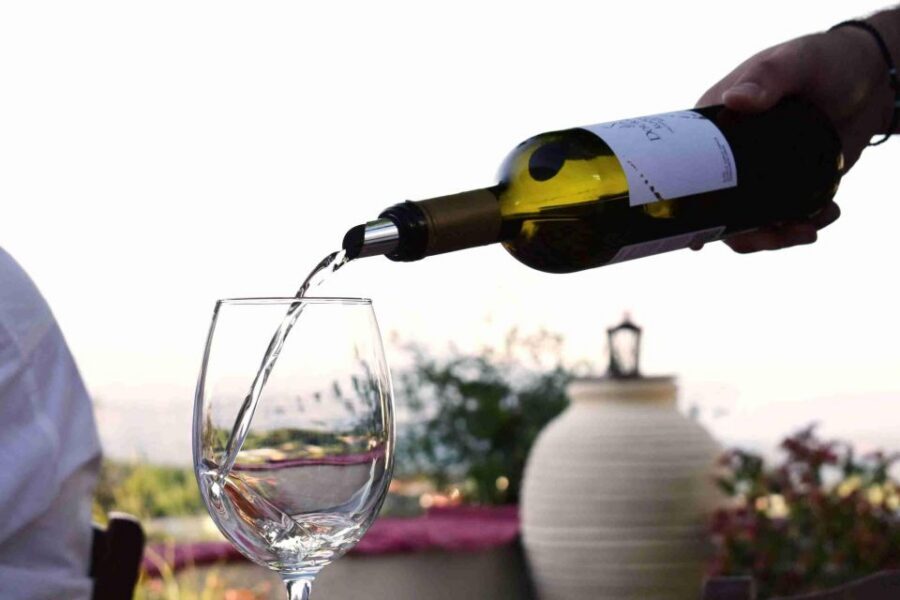
Before the full dinner, you’ll sample local wines and Cretan cheese. This matters because it tunes your palate for the meal you’re about to make. Wine isn’t treated like a random add-on; it’s integrated into the flow of the day.
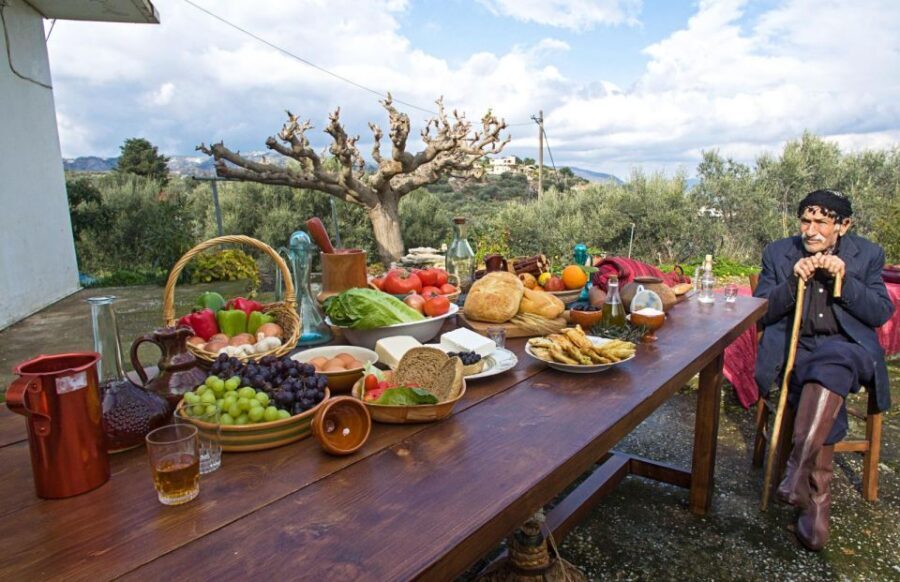
When dinner time lands, you sit down together and enjoy what you cooked, usually in a family-style setup. The warmth of the hosts is a major reason people rate this experience so high. You’ll hear stories about the land and the family’s heritage, including how they see their role as caretakers of the property and ingredients.
I also like that leftover food isn’t treated like a throwaway problem. There are signs of care around reducing waste, and that fits the overall “live off the land” logic of the day.
You should expect the meal to include a regional pairing. The experience includes wine with the meal, which turns the evening into something closer to a celebration than a lesson. It’s a good way to understand that Cretan cooking is meant for eating together, not just for Instagram.
You can also read our reviews of more tours and experiences in Crete
Desert finish and gifts: how to take Crete home
After the main meal, the day ends with traditional jar desserts—sweet, comforting, and very much part of local end-of-meal culture. It’s the kind of finish that makes the whole day feel complete, because your palate has a clear ending point rather than a random snack.
You’ll also receive commemorative gifts, plus recipes and photos emailed after the experience. This is a small detail, but it changes what you get out of the class. Instead of remembering only flavors, you get a way to reproduce a few dishes at home.
For me, that’s the real value: you get the island experience in your head and then you can translate it into something you can cook again.
Price and value: is $129 for 6 hours fair?
At $129 per person for a 6-hour experience, it’s not a cheap activity. But it can be good value when you look at what’s included rather than just the sticker price.
You’re paying for:
- Pickup and drop-off plus air-conditioned transport
- A small-group cooking class with ingredients provided
- Wine and food tasting (cheese and wine are included)
- Dinner that includes what you cooked
- Apron and utensils
- Recipes and photos sent by email, plus commemorative gifts
In other words, you’re not only paying for the cooking lesson. You’re paying for transport into rural Crete, access to a family property, multiple tastings, and a full meal. If you’ve ever paid city prices for a cooking class plus wine and dinner separately, this starts to look more reasonable.
One more value point: the small-group feel. Several people highlight that the experience feels intimate and personal, not like a big tour bus routine. When you’re actually working at the same table and eating with the group, the “per person” cost can feel easier to justify.
Logistics that matter: shoes, jacket, and when to bring water
This is a countryside day, so pack like you’re going outside, not like you’re going to dinner. The essentials provided by the experience notes are comfortable shoes, sunglasses, and a jacket.
Also, take note of a practical heads-up that comes up clearly: there might not be much chance to get water until later in the day. If you tend to sip often, bring a water bottle so you don’t start feeling thirsty during the early walking and garden time.
Group pacing is usually smooth, with a guide keeping things organized. Still, it’s a “do things” day: walking, cooking, tasting, eating, then dessert. If you’re sensitive to walking time or have tight timing for evening plans, plan buffer.
Who should book this class (and who might not)
You’ll likely love this experience if you:
- Want Cretan cooking that includes actual technique, not just a meal
- Enjoy learning with stories and ingredient context
- Prefer small-group experiences over large crowds
- Like eating with others and relaxing after cooking
It’s also a strong choice for solo travelers because you’re included in the cooking and then seated together at dinner. The social feel matters here, and the family-style setting helps break the ice.
You might skip it if you:
- Don’t want to walk at all (there’s a scenic mountain walk)
- Want a purely indoor, hands-off food experience
- Are extremely pressed for time on your last evening in Chania
If you’re somewhere in the middle, it’s still worth considering because the day is designed to keep moving, with breaks built into tastings, cooking steps, and the meal itself.
Should you book GS tours in Chania for this cooking class?
If you want a Chania activity that goes beyond the harbor and actually connects food to place, I’d book it. The big win is the combination: farm time, guided stories, and hands-on cooking that ends with a full dinner and sweet finish. For many people, it becomes the standout moment of their trip because it feels both local and personal.
Go for it especially if you’re a food-first traveler and want to bring something home besides photos. With recipes emailed and a menu anchored in Cretan staples like tzatziki and ntakos, you’ll have a real takeaway.
Just pack for the outdoors, bring your own water bottle, and give yourself the mental space for a longer day than you might expect.
FAQ
How long is the cooking class?
The experience runs for 6 hours.
Is pickup and drop-off included?
Yes. Pickup and drop-off are included, with pickup from specific locations within the Chania region.
What language is the instructor?
Instruction is in English.
What’s included in the meal and tastings?
You’ll take part in a small-group cooking class and meal. The experience includes wine and food tasting, plus all ingredients for your dinner.
What dishes might we make?
The experience includes appetizers such as ntakos and tzatziki as part of the cooking and dinner flow.
Is the group size small?
Yes. It’s described as a small group cooking class.
What should I bring?
Bring comfortable shoes, sunglasses, and a jacket. It’s also a good idea to bring a water bottle since there may be limited water opportunities early in the day.
Do you get recipes or photos after the class?
Yes. Recipes and photos are sent by email after the experience.