REVIEW · CHANIA
La Canée : dégustation de vins en français
Book on GetYourGuide →Operated by Les Dégustations de Platonie · Bookable on GetYourGuide
Sunset wine in Chania has a way of slowing you down. Here, La Canée turns that moment into a focused, friendly French-language tasting on a panoramic rooftop view. I like that you taste local wines from multiple Cretan winemakers without burning half your day on transport, and I also like the format: no test, no jargon exam. One thing to consider: outside the summer season, the rooftop setting may not be available, so the vibe shifts with the weather and the setup.
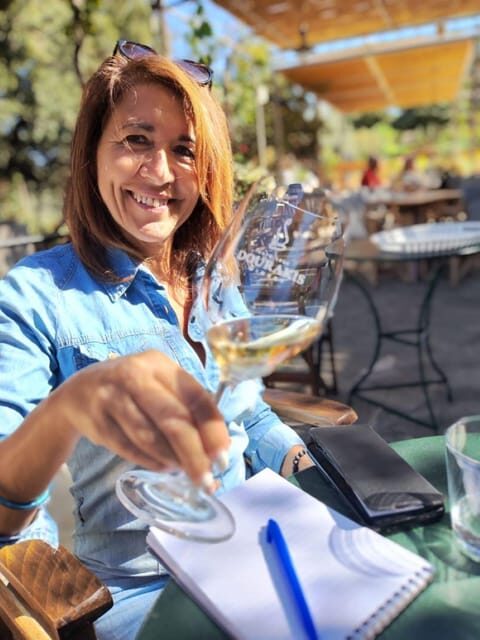
Over two hours, you’ll taste four Cretan wines offered as part of a guided experience, paired with homemade mezze. You’ll also do a fun blind tasting, then get context through stories about wine in Crete and its popular culture, plus a few practical Greek words for ordering and chatting later.
There’s real appeal here if you want value and conversation, not a stiff lecture. For wheels, it’s not suitable, and the experience is primarily positioned for adults (even though children can be with their parents with a non-alcoholic drink).
In This Review
- Key highlights worth your attention
- Chania au coucher du soleil: le vrai “plus” de La Canée
- Quatre vins crétois et dégustation à l’aveugle: apprendre sans se prendre la tête
- Mezzés maison: ce que vous mangez compte vraiment
- Myths, culture, and a few Greek words you’ll use later
- Small group, French-only: the vibe is conversation, not performance
- Price and logistics: is $104 good value for Chania?
- Your two-hour flow: what happens once you arrive in La Canée
- Who should book, and who should skip
- Should you book La Canée: dégustation de vins en français?
- FAQ
- Where does the tour start?
- How long is the tasting?
- Is the tour in French?
- How many wines will I taste?
- Do I get food during the experience?
- Is there water available?
- Is this experience suitable for wheelchair users and children?
Key highlights worth your attention
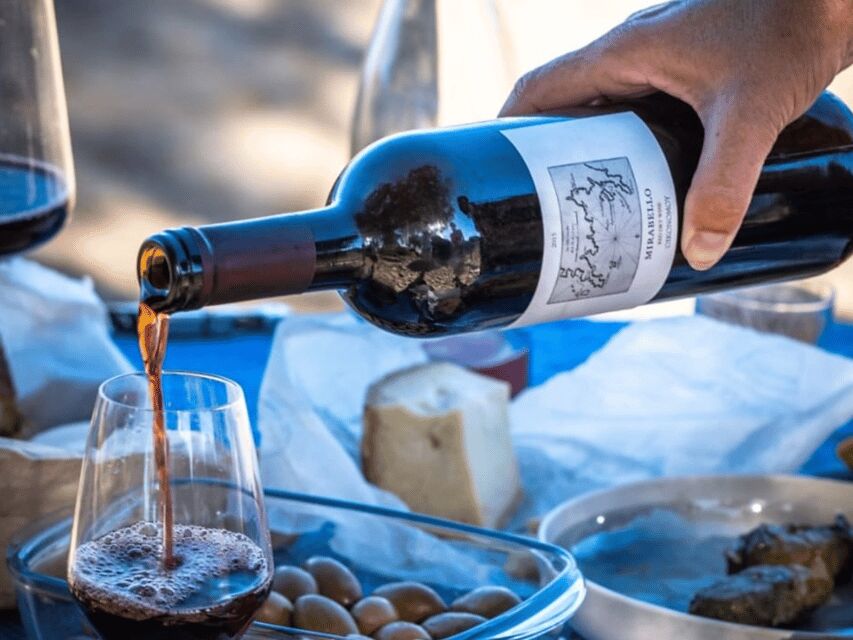
- Quatre vins de vignerons crétois: plusieurs producteurs en une seule session
- Dégustation à l’aveugle: plus ludique, et souvent plus révélatrice pour votre palais
- Mezzés maison: de quoi manger sans que ça vire en simple collation
- Un guide francophone: discussions confortables si vous ne voulez pas improviser en anglais
- Mots en crétois: utile le soir, au restaurant, pas juste pour la photo
- Petits groupes (8 max): plus d’échanges, moins d’attente
Chania au coucher du soleil: le vrai “plus” de La Canée
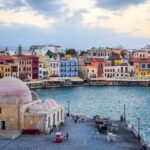
In Chania, the best light hits the old rooftops at the end of the day. This tasting uses that timing on purpose. You gather at the point in front of the hôtel KRITI, and the guide helps you spot the group quickly with Greek and French flags in hand. Once you’re seated, the experience leans into what makes Chania special: you’re not stuck inside a room, and you’re not standing in a loud street queue.
I especially like that this isn’t just about wine. The setting and pacing make it feel like an evening plan locals might actually do. The rooftop view is described as panoramic, and you’ll feel the atmosphere change as the warm sunset colors start reflecting off the buildings.
One practical note: during the off-season, the rooftop may be replaced with another setup. That doesn’t ruin the tasting, but it does change the main visual draw. If you’re booking for the view above all else, aim for the summer period when the rooftop is available.
You can also read our reviews of more tours and experiences in Chania.
Quatre vins crétois et dégustation à l’aveugle: apprendre sans se prendre la tête
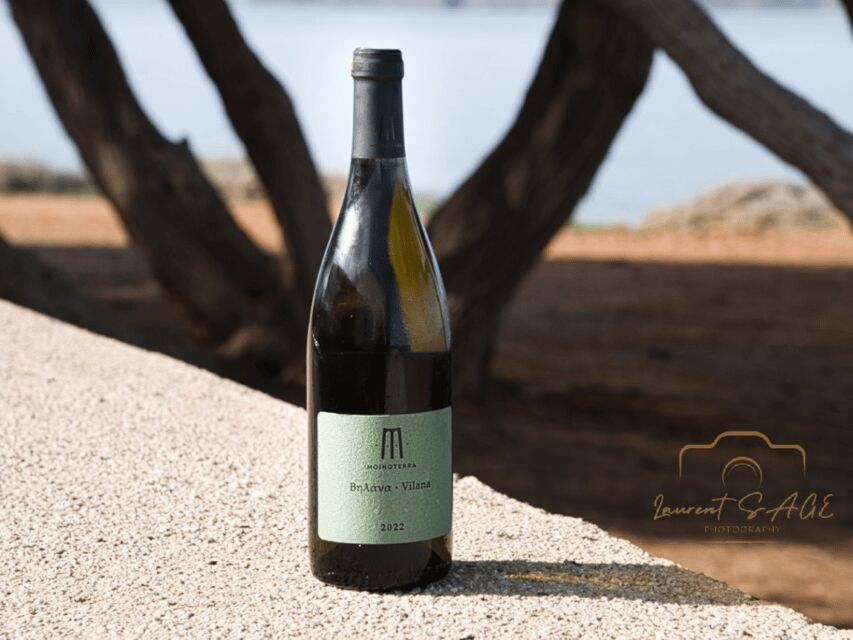
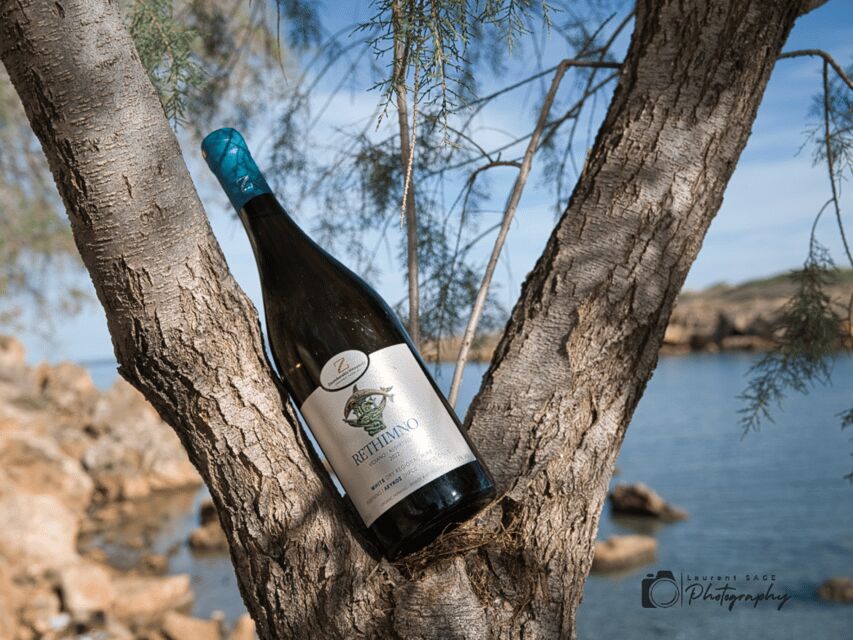
This is not a “sommelier certificate” kind of evening. The guide’s approach is simple: you’ll taste, you’ll smell, you’ll listen to your own reactions. The session includes tasting four Cretan wines chosen by the host, and you’ll sample local, indigenous grape varieties—meaning you’re not just repeating what you can find everywhere.
The best part is the blind tasting. You’re not told what’s in each glass at first, so you stop aiming to guess the answer you think you should be right about. You start asking better questions: Is it dry or softer? Does it feel fruity, spicy, or more herbal? Does the finish feel long or quick? That sort of noticing is what helps you remember what you like later at a wine shop or on a menu.
Also, because you’re tasting multiple wines from different Cretan winemakers, you get a broader snapshot than you would from one single winery visit. You’re learning how local styles can vary across producers, even within one island wine culture.
If you’re worried about being “out of your depth,” relax. The format is built for regular people. You don’t need credentials; you need curiosity and the willingness to taste again when the guide prompts you.
Mezzés maison: ce que vous mangez compte vraiment
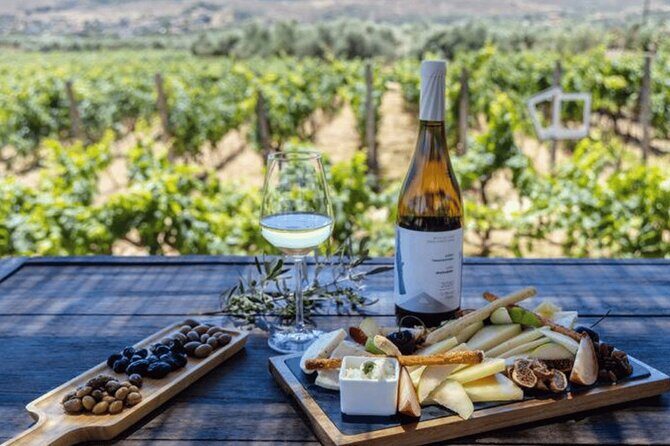
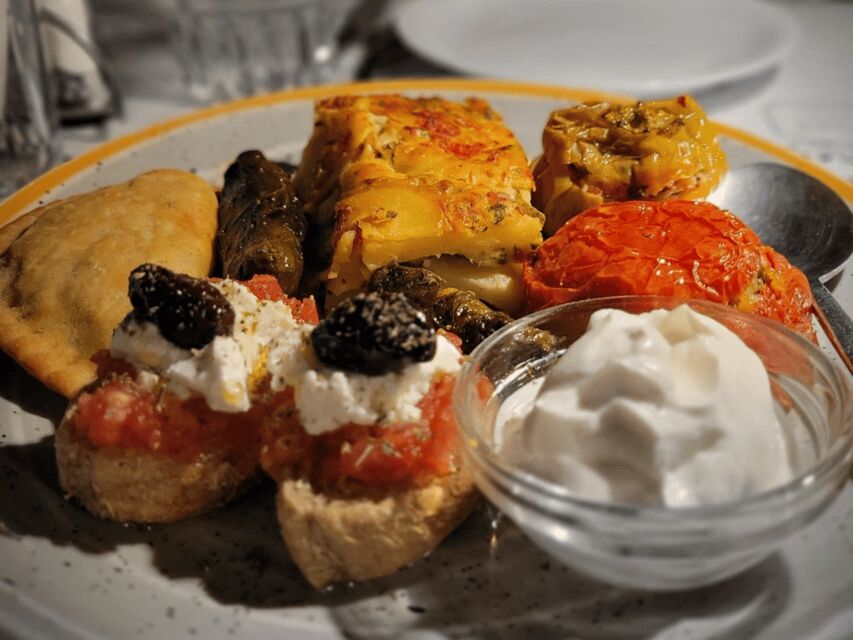
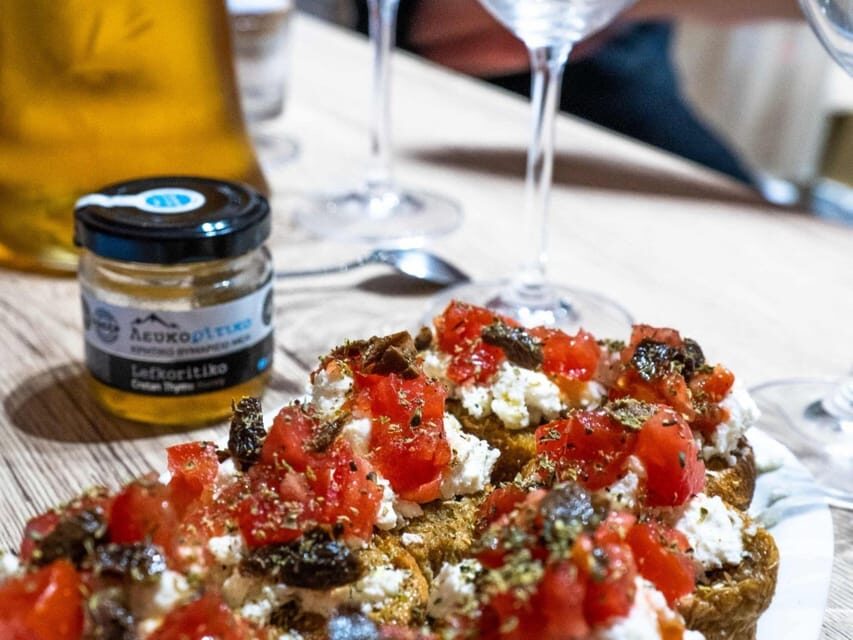
Wine tastings often forget the food part, or they treat it as an afterthought. Here, the mezze is part of the rhythm. Between pours, you’ll share traditional mezze maison. That matters because it keeps the evening comfortable and helps you keep tasting without palate fatigue.
Think of the mezze as your bridge between sips and stories. It also gives you a chance to understand the local flavors that show up alongside wine culture in Crete. The experience is set up so you eat as you go, rather than doing a full meal and then forcing wine comparisons with a tired stomach.
One practical detail: water is included, and you have water available at will. That’s not just a kindness; it helps you stay clear-headed during the blind tasting, so you can actually follow your own impressions.
Myths, culture, and a few Greek words you’ll use later
Yes, you’ll hear stories. But they’re framed as part of the wine conversation, not as a history lecture. You get a “mythological parenthesis” and explanations about wine in Crete and its cultural presence, including popular culture connections.
I like this style because it gives meaning to what you’re tasting. Instead of trying to memorize facts, you connect grapes and producers to the place they come from. It also makes the time feel longer in a good way, because you’re not just focusing on aromas and acidity—you’re getting stories to hold onto.
Then comes the part that often feels silly in the brochure but turns useful in real life: a few words in Greek (specifically Cretan-oriented). You learn them during the session, and you’ll have a better shot using them later when you order dinner. If you’ve ever felt awkward pointing at a menu and hoping for the best, this kind of language boost is genuinely practical.
Small group, French-only: the vibe is conversation, not performance
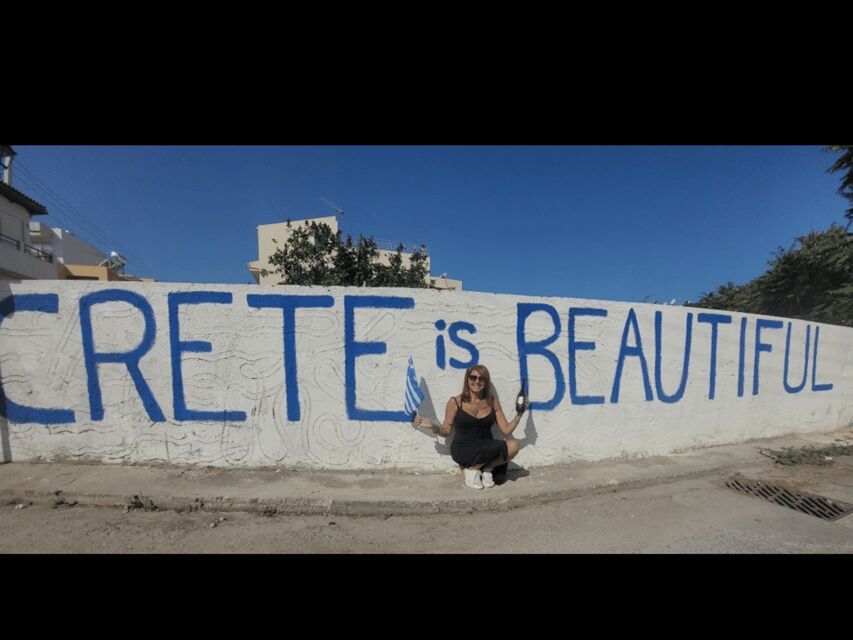
This experience is designed for a small group limited to 8 participants, and it shows. With fewer people, the guide can pace the evening and ask questions without rushing you. The whole point is that you’re not sitting silently while everyone else gets guided attention.
Everything is in French, which is a major plus if you’re in Crete and you don’t want to manage a second language during tastings. The host also runs it as an intimate experience, and the vibe comes through in the feedback you’ll read from others: people consistently highlight the guide’s passion and the friendly exchanges.
Name to remember: the provider is Les Dégustations de Platonie, and in the past sessions the host is referred to as Myriame. That personal touch matters here. You’re not “processed” into a standard tasting routine; you’re guided through a shared experience.
You should also expect that the guide will keep things approachable—no overly technical vocabulary. The fun is in tasting and talking, not in collecting trivia.
Price and logistics: is $104 good value for Chania?
At $104 per person for about two hours, you’re paying for three things at once:
- a guided French-led tasting of four wines
- homemade mezze
- a setting and host experience that leans into sunset and conversation
On paper, it’s easy to compare to a cheaper glass of wine in a bar. But the value here isn’t just the wine. You’re getting context, structured tasting, and a food component that helps you actually enjoy the flight. Plus, the blind tasting adds real educational value because you train your senses, not your memory of labels.
You’re also not paying extra for transportation between multiple stops. The concept is specifically to discover multiple Cretan winemakers in one session without moving far around the island.
For who it’s worth the most: if you’re in Chania for a short time and you want a “high signal” experience that adds something to your trip—this is one of those sessions where the time feels well used. If your plan is to spend the evening on a beach and you don’t care about learning anything, the cost may feel steep. But if you like wine culture, this is priced like a guided experience, not like a casual sip-and-go.
Your two-hour flow: what happens once you arrive in La Canée
You’ll meet in front of the hôtel KRITI. The guide will be easy to spot: they hold both a Greek and a French flag. Once everyone is gathered, the experience moves into the tasting itself.
Expect a steady rhythm rather than a rush:
- You start tasting the flight of four Cretan wines
- The guide leads you through a blind tasting approach, encouraging you to notice what you smell, taste, and feel
- Between wines, you’ll eat homemade mezze
- You’ll also get stories about Crete and wine culture, plus a short language moment with Greek words
Because this is two hours, it’s long enough to actually compare flavors and have conversation, but short enough that it doesn’t ruin the rest of your evening plans. If you’re the type who likes to keep nights open for dinner after a tour, this format is a good match.
Also, the session is described as not overly technical. So even if you’re not sure where your preferences come from, you can still play along and learn.
Who should book, and who should skip
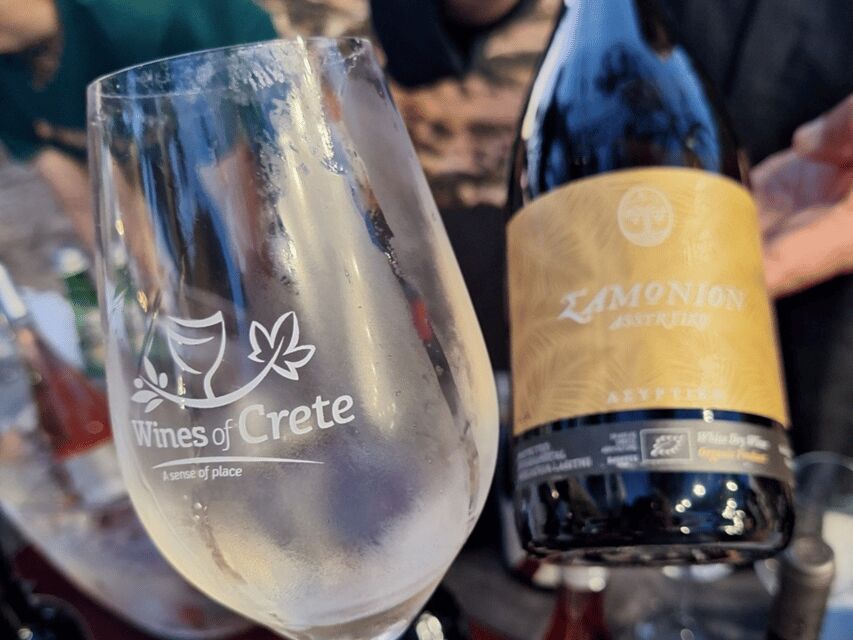
This is a strong fit if you:
- want a French-language wine experience in Chania
- like tasting local varieties and learning how producers differ
- enjoy social, guided conversations more than quiet self-guided museum time
- want food included in the plan, not as an afterthought
It may be less ideal if you:
- use a wheelchair (it’s stated as not suitable for wheelchair users)
- need a very flexible seating setup (the key draw is a rooftop/panoramic setting when available)
- are traveling with children: the info includes both that children under 18 can accompany with a non-alcoholic drink, and that the activity is not suitable for children under 18. If this applies to your family, I’d treat it as an adults-first experience and confirm before booking.
Should you book La Canée: dégustation de vins en français?
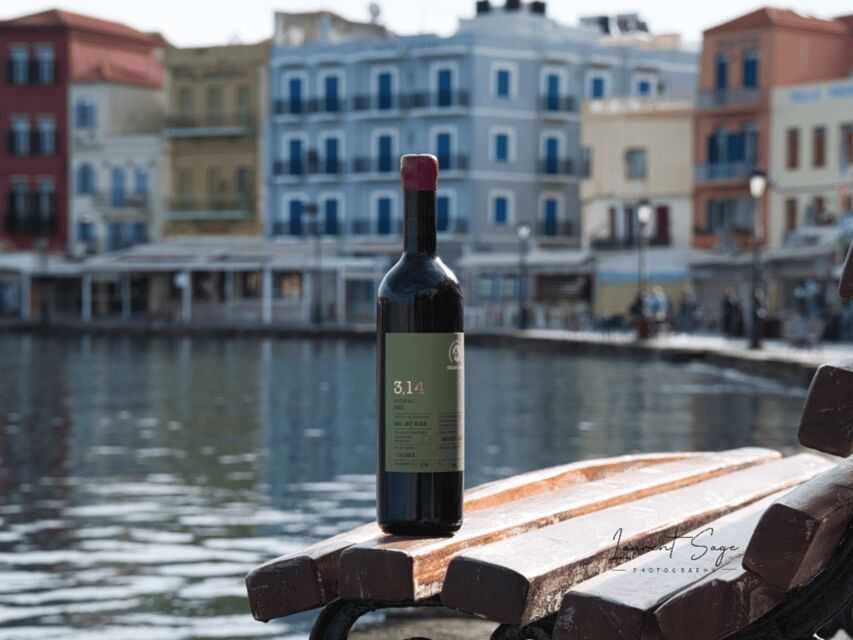
I’d book it if you want a well-paced, French-led evening that uses Chania’s sunset as the backdrop and still gives you real learning: blind tasting, multiple Cretan winemakers, and mezze maison. The small group size and the host’s evident passion are exactly the sort of ingredients that make you feel like the time mattered.
Skip it only if wine tastings and cultural conversation aren’t your thing, or if you need wheelchair-friendly access. Otherwise, for a short stay in Crete, this is a smart way to get deeper than a single glass and walk away with tastes you can recognize later.
FAQ
Where does the tour start?
You meet in front of the hôtel KRITI in Chania. The guide will have Greek and French flags to help you find the group.
How long is the tasting?
It lasts about 2 hours.
Is the tour in French?
Yes, the animation and guidance are in French.
How many wines will I taste?
You’ll taste four Cretan wines offered as part of the tasting.
Do I get food during the experience?
Yes. The experience includes homemade mezze.
Is there water available?
Yes. Water is offered at will during the tasting.
Is this experience suitable for wheelchair users and children?
Wheelchair users: it’s listed as not suitable. Children under 18: the information includes that they can accompany their parents and receive a non-alcoholic drink, but it’s also described as not suitable for children under 18, so you should confirm the best fit for your situation before booking.