REVIEW · HERAKLION
Heraklion: Knossos, Zeus, Villages & Olive Oil Factory Tour
Book on GetYourGuide →Operated by Explore Real Crete · Bookable on GetYourGuide
A day that mixes myth, food, and real village life. I like that this tour trades big crowds for a small-group rhythm and stops you can actually talk to people at. I also love the olive oil factory tasting, where you get both the modern process and the old way of making oil. One catch: the Knossos visit has an extra entry fee, and the Zeus-related stop can depend on what is open that day.
The day feels designed for variety: high mountain air on the Lasithi Plateau, then narrow village streets like Mochos and Krasi, then back to culture at Knossos. The guide is usually what makes it fun and human, with names like Stavros, Ed, Michael, Mike, and Nikos turning up across departures. My only caution is pacing: it is full and you will do walking plus some uneven terrain at a few points, so wear good shoes and bring patience for a long day.
In This Review
- Key things that make this tour worth your time
- Your day starts with pickup and a small-group pace
- The olive oil factory stop is the tastiest lesson on Crete
- Mochos and Krasi: narrow streets, a drink stop, and a 2,400-year-old tree
- Mochos village walk
- Krasi and the plane tree moment
- Lasithi Plateau around 900 meters: windmills, irrigation, and big views
- Footwear tip for plateau and village edges
- Zeus connection and what to do if a cave is closed
- Lunch at a family restaurant: order what fits, enjoy the wine
- Knossos Palace: myth, context, and the entry fee reality
- Guides are the secret ingredient here
- Price and value: is $128 a fair deal?
- Who should book this tour, and who might want a different plan
- Should you book this Heraklion to Knossos villages-and-oil day trip?
- FAQ
- How long is the tour?
- Is pickup included?
- What language is the guide?
- What’s included in the price?
- Do I have to pay extra for Knossos Palace?
- Is lunch included?
- What tastings can I expect?
- Which villages are part of the day?
- What is special about the Lasithi Plateau stop?
- Is the Zeus-related stop guaranteed?
Key things that make this tour worth your time
- Small-group touring from Heraklion (and nearby areas), with hotel pickup and drop-off
- Olive oil factory tastings that cover modern machines plus how it used to be done
- Village stops in Mochos and Krasi, including time to wander narrow streets
- Lasithi Plateau around 900 meters with old windmills used for irrigation and flour
- Cretan food break at a family restaurant, with local house wine or beer
- Knossos Palace time with the myth-and-history context (entry fee extra)
Your day starts with pickup and a small-group pace
This is a full day out of Heraklion, built around the idea that Crete is more than the famous postcard stops. You get hotel pickup and drop-off in the Heraklion region and also select nearby areas like Agios Nikolaos, Rethymno, Malia, Hersonisos, Elounda, Sissi, and several others.
The tour runs about 7.5 to 8 hours, and starting times vary, so check what is offered for your date. The format is private or small groups, and that matters. A small group means less waiting, more conversation with your guide, and more flexibility when the group wants to linger over a view or a snack stop.
Expect a “drive, short walk, drive, short walk” pattern. That is the good kind of tiring. You get breaks instead of one long bus ride after another.
You can also read our reviews of more tours and experiences in Heraklion.


The olive oil factory stop is the tastiest lesson on Crete
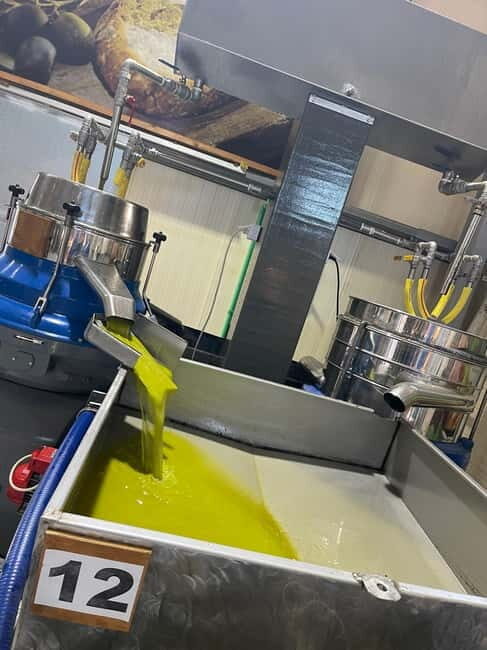
If you only remember one part, make it the olive oil factory visit. This is not just a quick photo stop. You learn how olive oil is made with modern machines, then you also see how production worked in the past. That contrast is what turns it from a sales pitch into something you can actually understand.
And yes, there are tastings. The tour includes olive oil and Raki tasting, plus you may taste different kinds of olive oil along with items like local honey. One of the best little details is bread offered alongside the oil in some departures, which helps you taste the oils for what they are instead of trying to judge everything on its own.
Practical tip: this stop is usually where you’ll want to be present. Try the milder oils first, then the stronger ones. You will often notice how the flavor changes with each variety. Also, if you fall in love with a bottle, you can usually buy products there.
Mochos and Krasi: narrow streets, a drink stop, and a 2,400-year-old tree
After the factory, the day pivots into village Crete—slower, smaller, and more lived-in.
Mochos village walk
You’ll visit Mochos, where you walk through old, narrow streets. This is the kind of stop that helps you picture how life used to be. You do not need to be a history nerd to enjoy it. It is just good, calm strolling with moments that feel local rather than staged.
There’s also time to sit and enjoy a drink at the main square. That break is smart. It keeps the day from feeling like a checklist and gives you time to absorb the rhythm of village life.
Krasi and the plane tree moment
Next is Krasi, another older village where you stroll around and take in the character of the place. The standout here is the oldest plane tree in Crete, estimated around 2,400 years old. Even if trees are not your thing, the age alone makes it a good pause point—something you can stand next to and try to imagine through centuries.
If you like photos, this is one of your best windows. You’ll usually have a chance to stop without being rushed.


Lasithi Plateau around 900 meters: windmills, irrigation, and big views
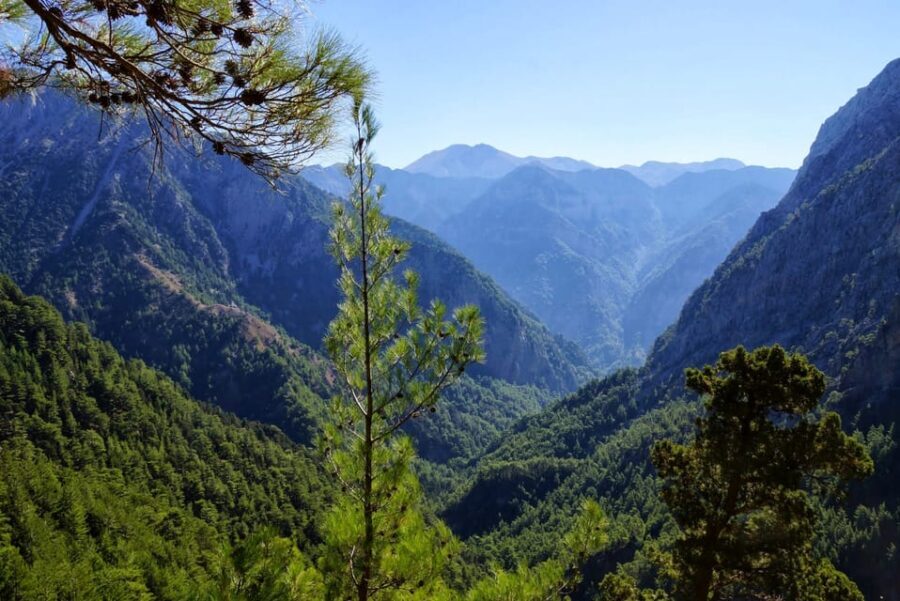
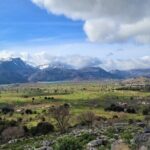
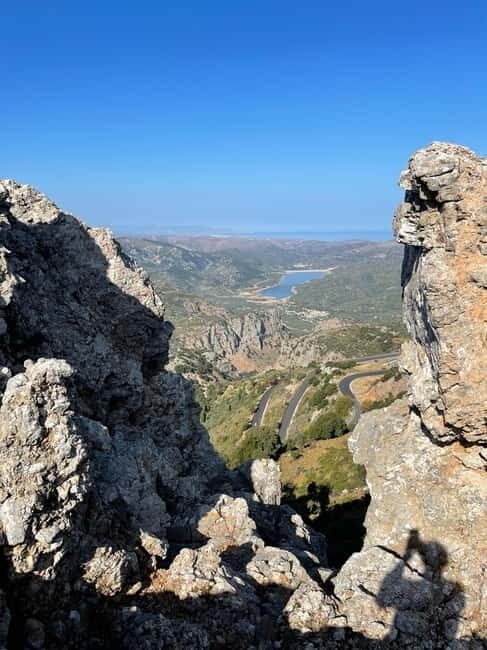
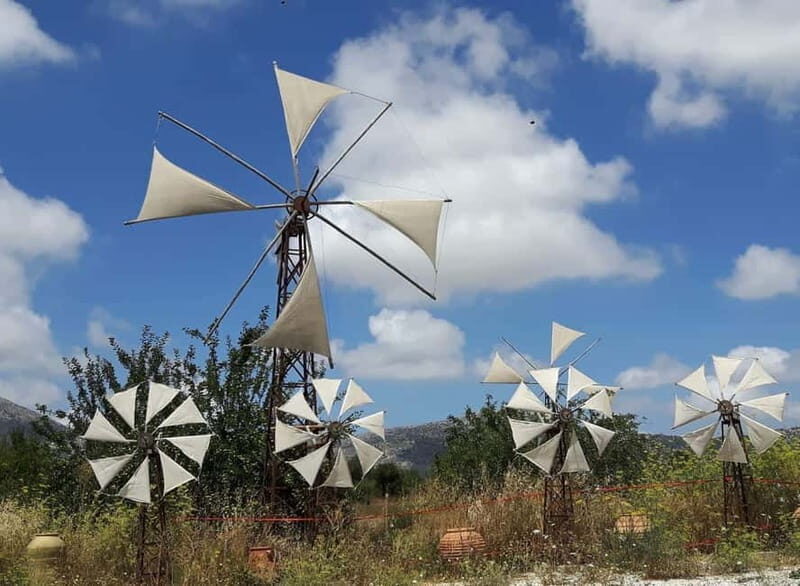
Then you rise—literally. The tour drives around the Lasithi Plateau, at about 900 meters above sea level, and that altitude changes the feel of the day. The air can feel fresher, and the views tend to open up in a way you do not get down in the towns.
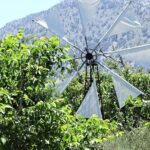
The tour focuses on the old windmills, and they have a purpose. These windmills were used for:
- Pumping water for irrigation
- Grinding flour in the past
So you’re not just seeing a pretty set-up. You’re connecting a visible machine to a real job that sustained local farming. That link is exactly why a guide matters here. The story makes the windmills more than an old landmark.
You also drive around the plateau through old villages where time seems slower. You’ll see rural Crete in a way that feels less tour-bus and more “how people lived here.”
Footwear tip for plateau and village edges
This is not a hike like the kind with serious elevation gain, but you may step on uneven ground and uneven paths near scenic stops. Bring shoes with traction. You’ll thank yourself later.
Zeus connection and what to do if a cave is closed
The tour is built around the Land of Zeus idea, so you may encounter a Zeus-related stop, depending on what is open.
In some cases, the Zeus cave has been reported as closed on the day due to conditions outside the tour operator’s control. When that happens, your guide typically shifts the emphasis to keep the mythology and scenery working as a full experience.
What does that mean for you? It means you should be mentally flexible. Do not plan your entire day around one single, fragile spot. If you’re okay with the day staying rich even if one element changes, you’ll enjoy it more.
If the Zeus-related hike is included, listen to your guide and take the pace seriously. At least one group noted that it can involve a climb plus a steep stair down into the cave area. If you know you get tired on uneven stairs, plan to go slow.
Lunch at a family restaurant: order what fits, enjoy the wine
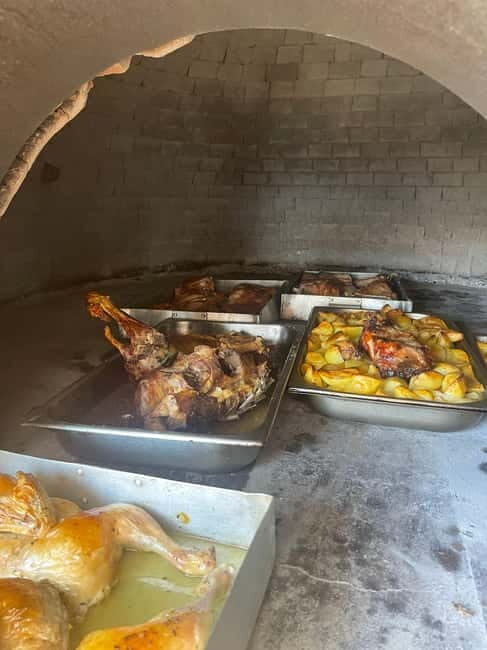
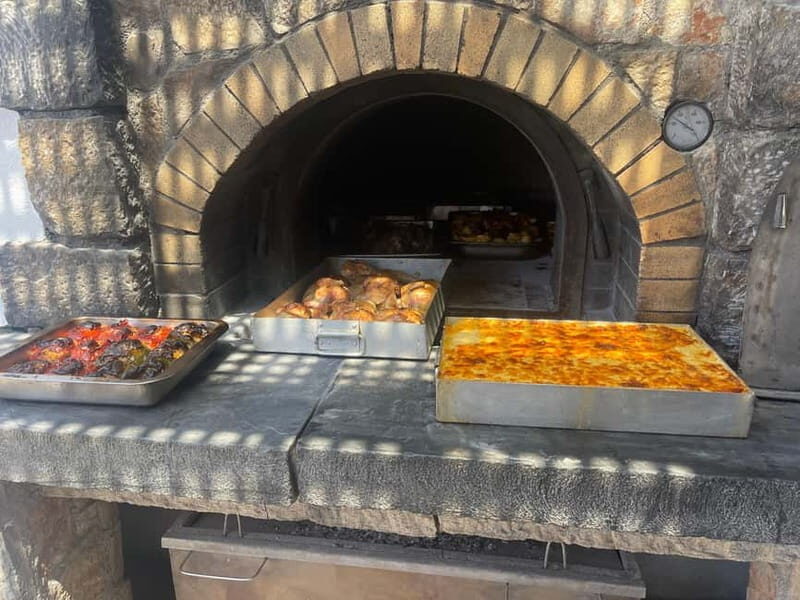
The schedule includes a meal stop at a family restaurant in the mountains area. This is where the tour leans into “Cretan as you’d eat it,” not just “Cretan as you’d photograph it.”
Food is described as traditional Cretan, and the day typically includes local house wine with lunch (or local beer, depending on what you choose). The only fine print is that lunch itself is listed as optional in the tour details, so it’s smart to assume you’ll pay for your meal on the spot.
This is a good place to try what is local and simple. I like meal breaks like this because they feel like part of the geography. After the windmills and villages, food hits better than it would in the middle of a city morning.
Knossos Palace: myth, context, and the entry fee reality
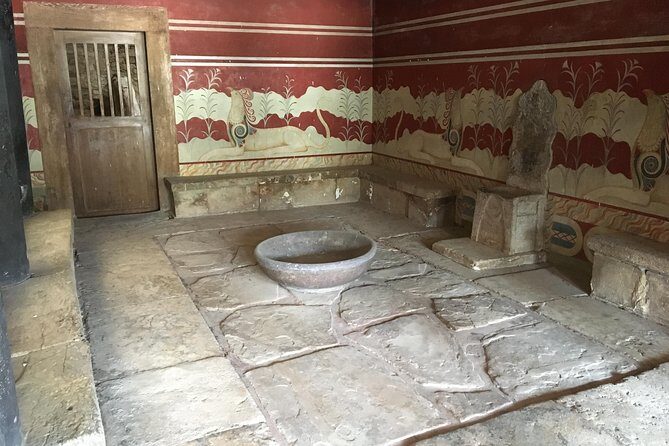
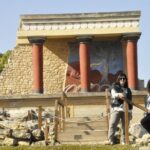
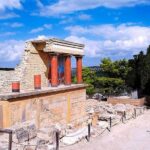
Yes, the tour includes Knossos Palace. You’ll have time to visit and explore, with your guide framing the big ideas behind the site and the mythology connected to Crete’s oldest civilization themes.
One important detail: Knossos Palace entry fee is not included. It is listed as €20 (optional), so you’ll want to bring cash or card that works on-site. The “optional” word matters because some people choose to skip the entry and just take in the surrounding area, depending on time and interest.
Also, one thing to know about how this typically works: some groups are dropped off and then picked up, meaning you control how long you spend inside once you’ve arrived. If you’re the kind of person who likes to wander slowly, plan that time.
Guides are the secret ingredient here
The most praised aspect of this experience is the guide dynamic. Many names show up again and again across departures, including Stavros, Ed, Michael, Mike, and Nikos.
What you want from your guide on a day like this is:
- Clear explanations of the places, especially the myth and the working history
- A sense of humor that keeps the long day from feeling long
- Flexibility so the tour matches the group mood
A number of departures are described as feeling like a friendly day out with a host who knows where to stand for the best view and what local detail is worth noticing.
If you care about learning the human side of Crete—how people farm, how they eat, why they preserve traditions—this is where it shows.
Price and value: is $128 a fair deal?
At $128 per person, this is not a cheap add-on, but it can be good value if you count what’s included and what you would otherwise pay for.
Here’s what you get in the base price:
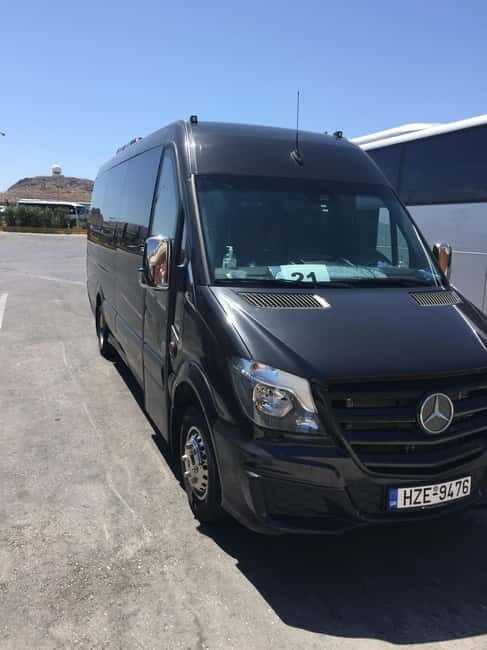
- Hotel pickup and drop-off
- Driver/guide (English)
- Bottle of water and coffee
- Olive oil and Raki tasting
- Olive oil and related tastings as part of the factory stop
And here’s what is extra:
- Knossos Palace entry fee (listed as €20, optional)
- Lunch (listed as optional)
So the value question is simple: would you pay for a guided, structured day that includes tastings and multiple village stops, plus transport out to the plateau? If yes, $128 makes sense, especially in a small-group format where you avoid the large-bus feeling.
If you only want Knossos and are trying to keep costs ultra-tight, you may decide it’s better to travel independently and just pay a separate entrance. But if you want the “real Crete” day—food, villages, windmills, and myth with context—this price looks more reasonable.
Who should book this tour, and who might want a different plan
This experience is a strong match for:
- You want a Cretan day outside Heraklion, not just one or two sites
- You enjoy food culture—olive oil, raki, and traditional meals
- You like guides who connect history, myth, and everyday life
- You prefer small-group touring over big bus crowds
It may be less ideal if:
- You hate long days or you want a slower, half-day pace
- You only care about Knossos and would skip everything else
- You are very sensitive to uneven ground or stairs at a cave-like stop (if included)
Should you book this Heraklion to Knossos villages-and-oil day trip?
If your goal is to see the island beyond the obvious stops, I think this is a smart choice. The combination of Mochos and Krasi, the Lasithi windmills lesson, and the hands-on olive oil factory tastings give you a day with real variety. Add a good guide and you’ll get more than facts—you’ll get the why behind them.
My decision tip: book it if you’re excited about food culture and village Crete, and if you’re okay treating Knossos entry as a separate choice. Skip it only if you’re focused on one single site and the rest of the day sounds like too much moving around.
FAQ
How long is the tour?
The duration is listed as 7.5 to 8 hours. Starting times vary by availability, so check what’s offered for your date.
Is pickup included?
Yes. Hotel pickup and drop-off are included from the Heraklion region and port, and also from the Agios Nikolaos region and port, plus several nearby areas such as Rethimno Elounda, Malia, Hersonisos, and others listed in the tour details.
What language is the guide?
The live tour guide is listed as English.
What’s included in the price?
Included items are hotel pickup and drop-off, the driver/guide, bottle of water, coffee, liability insurance, and olive oil and Raki tasting.
Do I have to pay extra for Knossos Palace?
Knossos Palace entry fee is listed as not included. The fee is €20 and is optional.
Is lunch included?
Lunch is listed as not included. The day includes a stop for traditional Cretan food, but you should expect to pay for your lunch separately.
What tastings can I expect?
You can expect olive oil and Raki tasting. The factory stop also includes tasting different kinds of olive oil and mentions honey as part of what’s tried.
Which villages are part of the day?
The tour includes Mochos village for a walk through narrow streets and time at the main square, plus Krasi village for a walk and the plane tree stop.
What is special about the Lasithi Plateau stop?
You’ll drive around the Lasithi Plateau at about 900 meters above sea level and learn about old windmills that were used to pump water for irrigation and to grind flour.
Is the Zeus-related stop guaranteed?
The tour is about the Land of Zeus, but there have been reported cases of Zeus-related access being closed on the day. Plan for the possibility of changes.