REVIEW · CHANIA
Chania Private Olive Oil Tour: Oil Tasting & Villages Tour
Book on GetYourGuide →Operated by Proper Cretan Guide · Bookable on GetYourGuide
Olive oil has its own story here. This private day in Crete links Chania’s olive valleys with real tastings, so you see how olives become extra virgin—from old mills to a modern factory.
I especially like how the tour is structured around both what grows and how it’s processed. You get a private olive grove visit with varietal talk, then move to a medieval-style mill and later a modern operation where you can taste inside.
One thing to consider: it’s a full 7.5 hours with driving between sites, so it helps to be okay with time on the road and standing during factory walkthroughs.
In This Review
- Key points I’d focus on before you book
- A 7.5-hour private route through Chania’s olive belt
- Village viewpoints and how the day sets up your olive oil tasting
- Bio and medieval oil mills: what you learn by comparing eras
- The private olive grove stop: varieties, grades, and why farming decisions matter
- The free organic extra virgin olive oil and how to use it at home
- The ancient olive tree moment: photos, scale, and the 3,000-year claim
- Food, coffee, and a break that doesn’t slow the day too much
- Price and value: what $176 buys in a private tasting day
- Who this tour is best for in Chania
- A note on guides: Apostolis and what people praise
- Should you book this Chania olive oil tour?
- FAQ
- How long is the Chania private olive oil tour?
- Where does pickup happen?
- What does the tour cost?
- Is this a private tour or a group tour?
- What languages are the guides available in?
- What’s included in the tour price?
- Is lunch included?
- Does the tour include olive oil tasting?
- Can this be booked as a shore excursion?
- FAQ
- Is free cancellation available?
- What’s the main focus of the tour?
- Does the tour include a visit to an ancient olive tree?
- Do I need to pay entrance fees?
- Is there flexibility to adjust stops during the tour?
- Are drinks included with the box lunch?
Key points I’d focus on before you book
- Private olive grove session: you’ll learn how varieties and farming choices show up in the oil.
- Old mill meets modern factory: you can compare extraction steps across centuries.
- Free tasting and takeaway oil: organic extra virgin olive oil is included at the end of the tour.
- Village-view driving: you’ll get elevated viewpoints over Chania’s mainland villages.
- That ancient olive tree moment: expect photos and awe at an olive that’s said to be 3,000+ years old.
A 7.5-hour private route through Chania’s olive belt
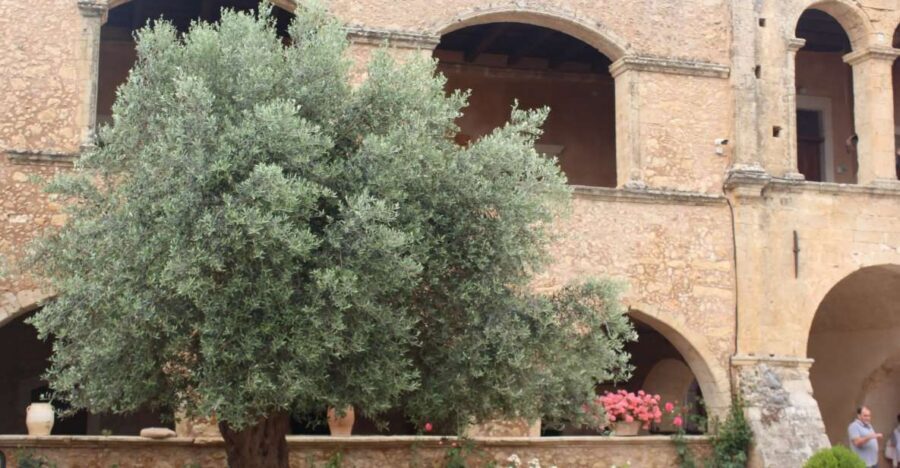
This is a true private tour, built for people who want more than a quick photo stop and a souvenir tasting. You start with pickup in Chania (from central areas), then roll out into olive-growing valleys where the scale of production becomes obvious fast. The tone of the day is practical: what the olive needs, how growers care for it, and how processors turn fruit into edible oil.
One reason it works well is the pacing. You’re not stuck in one building all day. Instead, you move from open air to production spaces, which makes the explanations easier to picture. You’ll also have some flexibility built into the route, so the guide can adjust stops based on what you want to emphasize.
You can also read our reviews of more food & drink experiences in Chania

Village viewpoints and how the day sets up your olive oil tasting
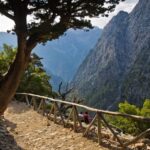
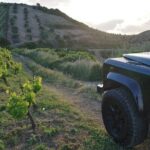
The tour starts with a stroll around lush olive and farming valleys. Early on, you’ll reach an elevated spot to understand how much vegetation surrounds Chania and how that translates into agriculture and production. This matters because olive oil is never just a product. It’s the outcome of long-term farming choices made in real terrain.
Then comes the payoff for your camera: a scenic pause where you can grab unforgettable photo souvenirs. After that, you shift from viewpoint mode to learning mode with a private olive grove visit.
If you’re the type who likes context, this is a highlight. Even before you taste, you’re learning how the area shapes the fruit—tree care, irrigation, and grafting practices that impact quality.
Bio and medieval oil mills: what you learn by comparing eras
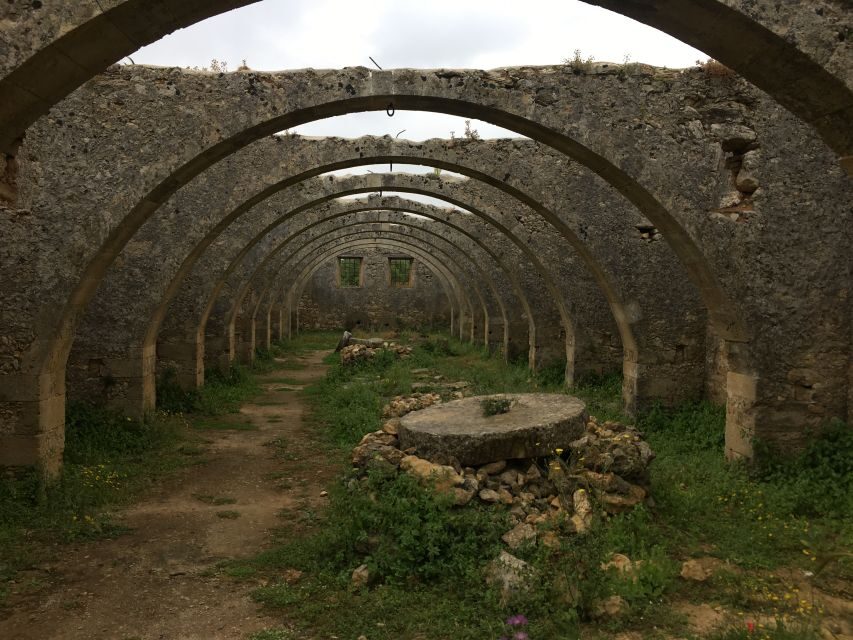
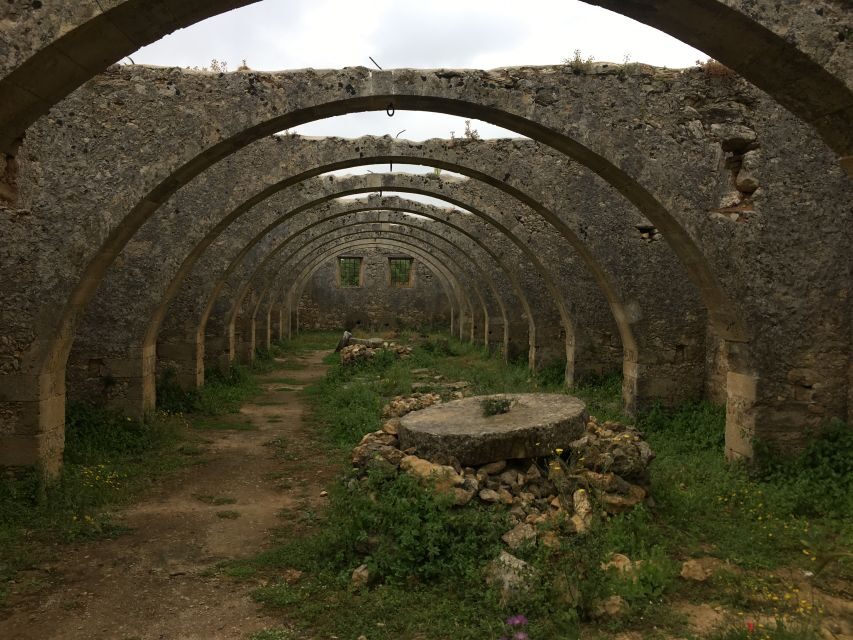
One of the smartest parts of this tour is that it doesn’t treat olive oil production as a single story. You’ll visit a bio olive oil factory and an older-style olive oil mill that shows how olives were processed by Cretan ancestors. The idea is to walk through the phases of extraction “through the ages,” so the modern process makes more sense.
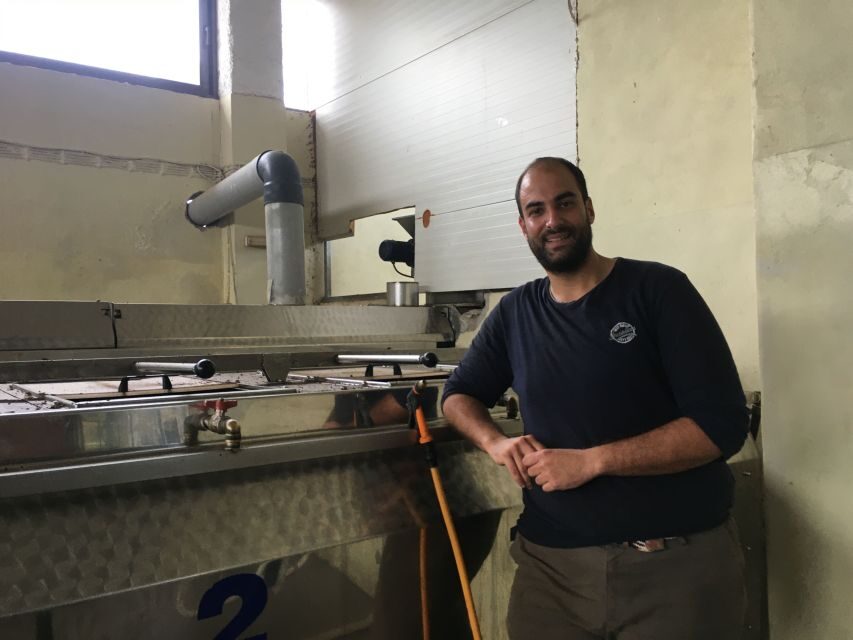
At the older site, you’re basically seeing why traditions developed the way they did: older equipment meant different workflows and different limitations. In the modern factory, you’ll see the refinement and processing steps with up-close access to equipment and machinery, and you’ll get an extra virgin olive oil tasting inside.
That contrast is where the value is. You taste at the end, but the tasting isn’t random. It’s connected to what you watched and what the guide explained as you moved from one process to the next.
The private olive grove stop: varieties, grades, and why farming decisions matter
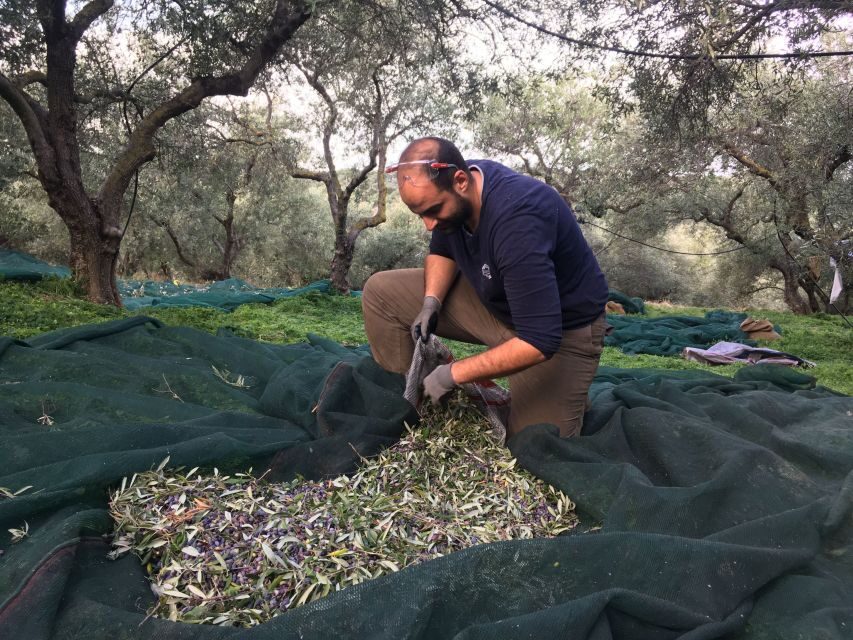
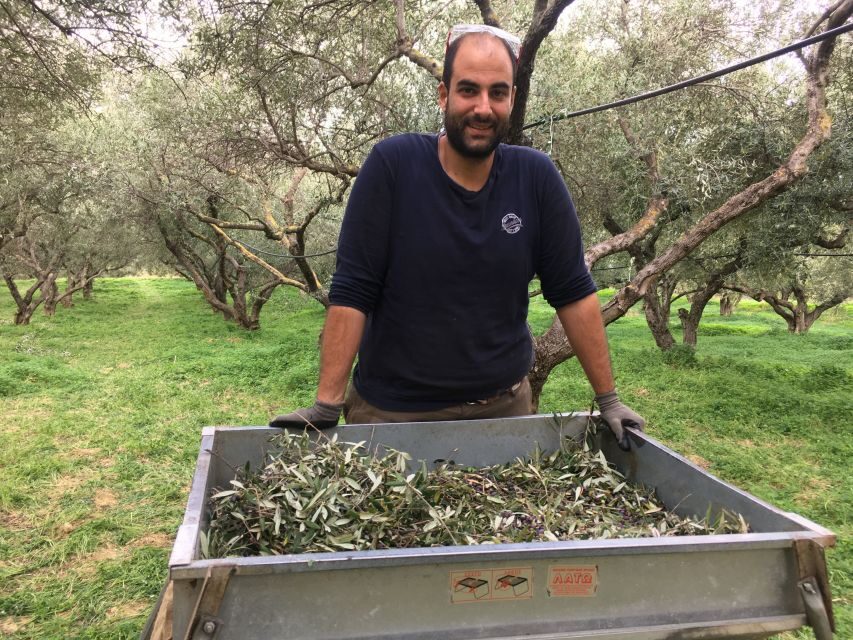
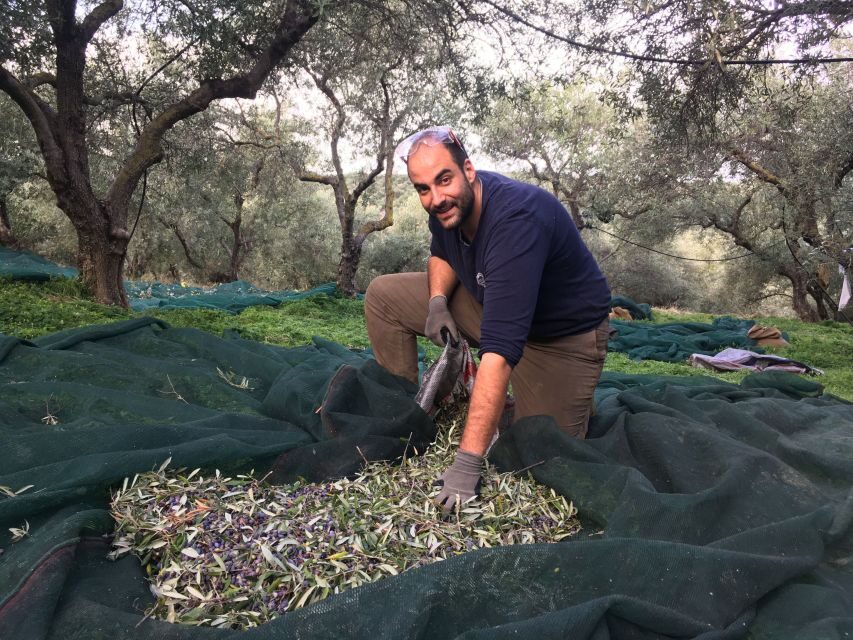
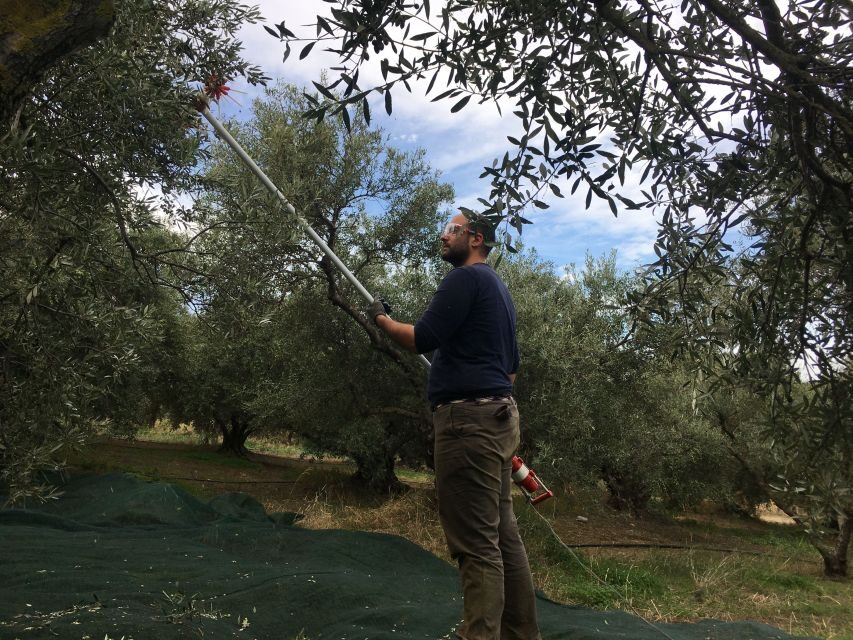
The heart of this day is the private olive grove session. Here, the talk shifts from factories to fruit: olive varieties in Crete, how olives are collected, and how the grades of olive oil produced around Chania relate to what’s done in the orchard.
You’ll meet a local experienced farmer or olive oil producer. That’s important because it keeps the explanations grounded in how growers think, not just how processors operate. You’ll hear practical “tree secrets,” including methods of farming, irrigation, and grafting used to support higher-quality crops.
In plain terms, this stop teaches you what to look for in a bottle later. Oil isn’t just labeled; it’s shaped. The grove visit helps you understand the chain: soil and irrigation choices, harvest handling, and then extraction methods.
The free organic extra virgin olive oil and how to use it at home
You’ll receive fresh organic extra virgin olive oil from the specific grove you visited. This is one of those inclusions that makes the day feel complete, because you’re taking home something tied to the experience—not just a generic product.
When you taste during the modern factory stop, you get a chance to compare aromas and flavors while the equipment is still fresh in your mind. Then, later at home, you’ll be able to connect your memory of the grove with what’s in your kitchen.
Quick tip: keep your tasting notes simple. Notice bitterness, peppery bite, fruitiness, and how it feels on the back of your tongue. You don’t need to become an expert. The goal is to connect flavors to the farming story you heard.
You can also read our reviews of more private tours in Chania
The ancient olive tree moment: photos, scale, and the 3,000-year claim
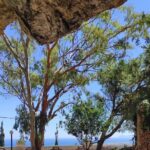
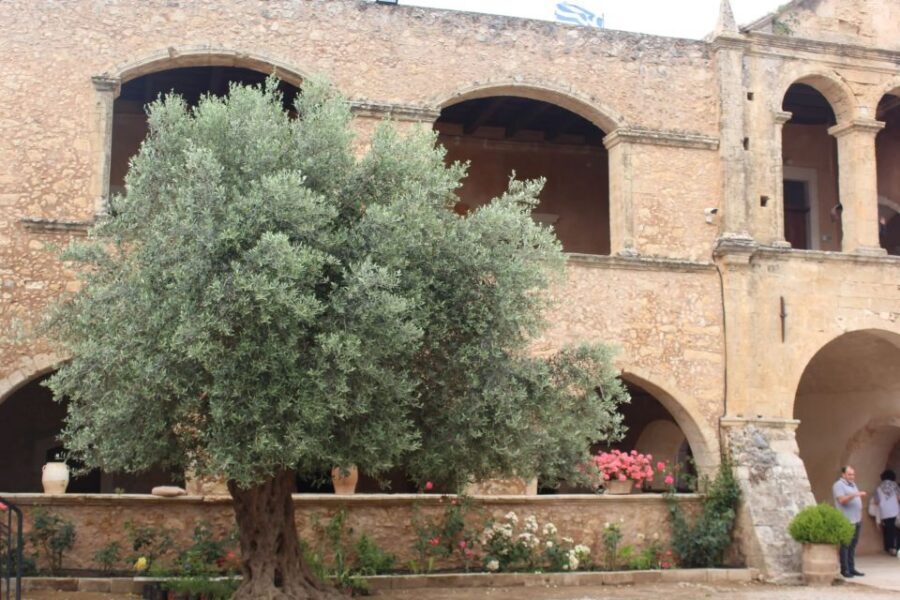
This tour also includes a visit to an ancient olive tree said to be more than 3,000 years old. The tree is far away from the visitor’s eyes, so the moment feels like a small reveal rather than a roadside stop.
You’ll stand amazed by the circumference of the trunk and take some fantastic photographs. This is one of those experiences that doesn’t need a scientific lecture to land. Seeing a living tree with such age puts everything you learned earlier into perspective: olives aren’t a short-term crop in Crete—they’re part of multi-century cycles.
Note that the tour frames it as possibly the oldest fruit-bearing fruit in the world. Since “oldest” depends on where and how you define it, it’s best to enjoy the moment for what it delivers: awe, scale, and a strong connection to Cretan agricultural continuity.
Food, coffee, and a break that doesn’t slow the day too much
You’ll have a light lunch or coffee stop along the way in a spot with lush vegetation and rivers passing by. The day also includes a box lunch with water, plus banana, apple, and chocolate. That’s helpful if you’re trying to keep the day moving without a long sit-down meal.
This kind of break also gives you room for human conversation. The guide can talk about the Apokoronas region and the villages where the tour takes place, including what farmer life looks like in Crete and the local flora and fauna.
In one route variation, the day can also include a small monastery stop where raki is sampled. It’s not listed as a guaranteed item in the core outline, but it’s the kind of addition that fits the tour’s style: nature, tradition, and a quick taste of regional life.
Price and value: what $176 buys in a private tasting day
At $176 per person, this tour isn’t a budget group bus experience. But the value stacks up if you care about the details.
Here’s what you’re paying for:
- Private transport and a private group format
- A licensed historian tour guide / driver certified by the Greek Ministry of Tourism
- A professional farmer / olive oil producer for the grove portion
- Multiple production sites: a bio facility, an older mill, and a modern olive oil factory
- Free organic extra virgin olive oil included at the end
- A box lunch with water, fruit, and chocolate
Also, the tour has “skip-the-line” access via a separate entrance, which can save you time when you’re switching between stops.
If you’d rather spend money on experiences that teach you how things work—rather than only what places look like—this price starts to make sense. You’re essentially buying a day of guided production lessons plus tastings, with an actual takeaway bottle.
Who this tour is best for in Chania
This is a strong fit for:
- People who love food education and want olive oil explained from tree to bottle
- Visitors who enjoy private guiding and a slower pace than standard group tours
- Anyone who wants to pair Chania sightseeing with a practical regional specialty
- Travelers who like photo moments tied to viewpoint stops and a distinctive ancient tree
It’s less ideal if you want a mostly relaxed day with minimal standing or minimal driving. Factories require time on your feet, and the day’s value depends on moving between sites.
Also, if you’re a bit unsure about olive oil tasting, don’t worry. The tour is built to teach you as you go, with the grove and factory stages doing the heavy lifting.
A note on guides: Apostolis and what people praise
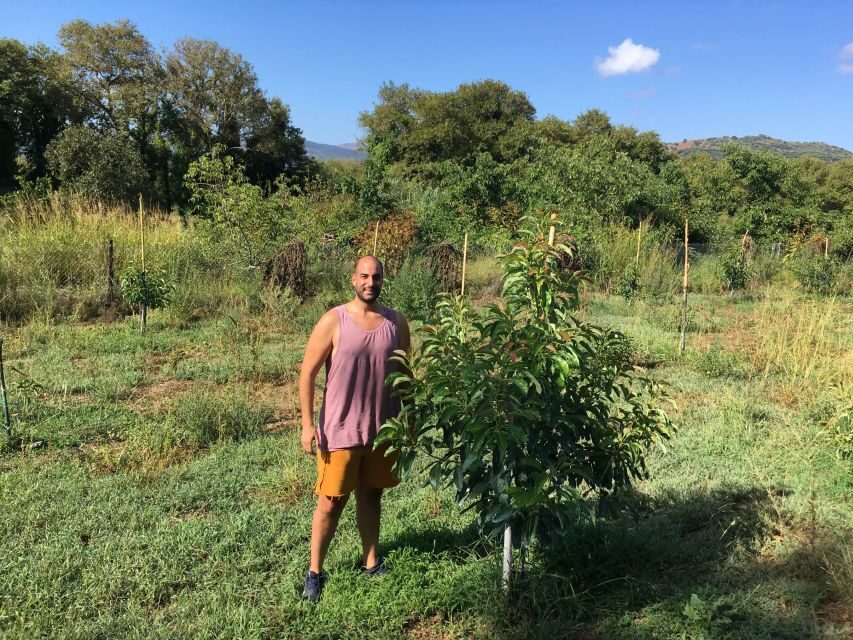
The tour’s quality often comes down to who’s driving the story. One highly praised guide is Apostolis, working with Proper Cretan Guide. Guests highlighted his historical explanations and his responsiveness to what interested them during the day.
That matters, because olive oil is full of terms—varieties, grades, collection methods, extraction phases. A guide who can match the explanation to your curiosity makes the difference between a tasting you remember and a tasting you forget.
Should you book this Chania olive oil tour?
Yes, if you want a private, hands-on olive oil day that goes beyond the basics. The combination of grove learning, old mill comparison, modern tasting, and a free takeaway bottle makes it feel like real value rather than a standard sightseeing add-on.
Skip it if you’re mostly after beach time or you prefer half-day plans with less driving. But if you’re craving something uniquely Cretan and you enjoy the process behind what you taste, this is one of the better ways to spend 7.5 hours in the Chania area.
FAQ
How long is the Chania private olive oil tour?
The duration is 7.5 hours.
Where does pickup happen?
Pickup is from Chania central areas, with free hotel pickup and drop-off included. You should wait in the hotel lobby about 10 minutes before your scheduled pickup time.
What does the tour cost?
The price is $176 per person.
Is this a private tour or a group tour?
It’s a private group.
What languages are the guides available in?
The live tour guide is available in English and Greek.
What’s included in the tour price?
Included items are a licensed historian tour guide/driver, a professional farmer/olive oil producer, private transport, box lunch with water plus banana, apple, and chocolate, free organic extra virgin olive oil at the end, and flexible stops. Skip-the-line access via a separate entrance is also listed.
Is lunch included?
A light lunch or coffee stop is part of the day, and a box lunch is included. Lunch or drinks at the private tour stops are not included, so you may still have extra costs depending on what’s offered there.
Does the tour include olive oil tasting?
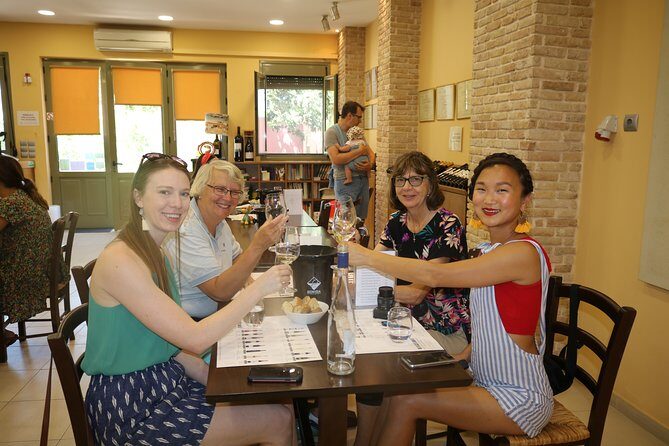
Yes. You’ll get free extra virgin olive oil tasting inside the modern olive oil factory, and you’ll also receive organic extra virgin olive oil at the end.
Can this be booked as a shore excursion?
Yes, it’s available as a shore excursion covering the Chania & Souda Cruise Port area.
FAQ
Is free cancellation available?
Free cancellation is available up to 24 hours in advance for a full refund.
What’s the main focus of the tour?
The tour is centered on olive oil and fruit tasting, including learning about olive varieties, collection methods, and how olive oil is processed in both older and modern facilities.
Does the tour include a visit to an ancient olive tree?
Yes. The day includes a visit to an ancient olive tree said to be more than 3,000 years old.
Do I need to pay entrance fees?
Entrance fees are not included if applicable.
Is there flexibility to adjust stops during the tour?
Yes, flexible stops are listed, with possible diversions or alterations according to your needs.
Are drinks included with the box lunch?
Water is included with the box lunch. Drinks at tour stops are not listed as included beyond that.