REVIEW · CHANIA
Chania Monasteries Private Tour: A Greek Orthodoxy Tribute
Book on GetYourGuide →Operated by Proper Cretan Guide · Bookable on GetYourGuide
Monastery ruins hide bigger stories than you expect. This Chania private tour is a focused, Orthodox Christian day with a historian-led route and a rare underground church devoted to St. Spyridon. I like how the stops feel off the usual track, with hidden churches, chapels, monasteries, and even monastery-linked sites tied to Mount Athos. The one catch: it’s not a quick sightseeing loop—there’s walking, time in churches, and a strong religious tone, so go in with the right mindset.
What makes it work is the guide. Apostolis (from this experience’s guide roster) comes across as patient, kind, and genuinely happy to explain what you’re seeing, not just where to stand for a photo. I also like that you get flexible pacing, so if a monastery setting by water or higher ground grabs your interest, the day can shift with it. If you’re short on stamina or don’t like chilly stone interiors and modest dress requirements, you’ll want to plan carefully.
Bring the right clothing and shoes, because monasteries are strict about attire. You’ll want proper clothes and comfortable footwear, especially with uneven paths and “desolate but beautiful” locations that don’t look made for tourists. The tour runs about 7.5 hours, uses private A/C transport for the transfers, and finishes with a white-washed chapel on dramatic heights.
In This Review
- Key highlights
- What You Actually Get for $176: A Private Day That Feels Like a Class Trip
- Entering Orthodox Chania: The Unknown Byzantine Church Complex Ruins
- St. Spyridon Underground: A Cretan Orthodox Church You Can’t Guess
- Proto Byzantine Church Complex: When Time Layers Start Showing
- From the 12 Gods to Farming Prosperity: Why Olympus Gets Mentioned
- A 1600s Monastery Stop: Altar Meaning, Ritual Life, and Byzantine Details
- Olive Mill + Monastery Wealth: The Practical Story Behind Sacred Survival
- Coffee in a Traditional Village: A Reset Between Sacred Stops
- Akrotiri’s Monastery Passes: Secluded Places Where Monks Still Work
- Final Chapel for the Virgin Mary: White Walls, Aegean Views, and Respect
- Apostolis as the Difference-Maker: How a Historian Changes the Day
- Logistics That Actually Matter: Pickup, Timing, and Comfort
- Who This Tour Suits Best (and Who Might Want a Different Day)
- Should You Book This Chania Monasteries Private Tour?
- FAQ
- How long is the Chania Monasteries Private Tour?
- What is the starting point and where do we get picked up?
- What sites are included during the tour?
- Is lunch included?
- Are entrance fees included?
- What languages are the guides available in?
- What should I wear for monastery visits?
Key highlights
- Rare underground church of St. Spyridon: a special Cretan Orthodox stop that most visitors miss
- A Proto Byzantine-era church complex: ruins and older sacred structures give context fast
- Monasteries linked to Mount Athos: you’ll hear how monastic traditions connect across Greece
- Akrotiri monastic passes and active monks: see daily spiritual work up close
- Final Virgin Mary chapel with Aegean views: whitewashed walls, big horizon, souvenir photos
What You Actually Get for $176: A Private Day That Feels Like a Class Trip
At $176 per person, this tour isn’t cheap, but it’s also not a “drive-by” experience. You’re paying for private transport in an A/C vehicle, a professional guide with a history background tied to Byzantine archaeology, and multiple specialized sites—including places that aren’t easy to find on your own. You also get a built-in structure for understanding Orthodox tradition, so the religious art and architecture don’t feel like random stone.
It’s private, so you’re not squeezed into a loud bus rhythm. The itinerary is built around churches, chapels, and monasteries, but there’s also room for flexible stops if your interests land on, say, seaside monasteries or particular rituals. You’ll get a box lunch-style pack (water, banana, apple, chocolate), plus surprise gifts at the end—small things, but they help when you’re spending hours on the road and in sacred spaces.
One practical point: entrance fees are not included. That’s normal for Greek sites, but it does mean your day can cost a bit more once you add in entry tickets.
You can also read our reviews of more private tours in Chania

Entering Orthodox Chania: The Unknown Byzantine Church Complex Ruins
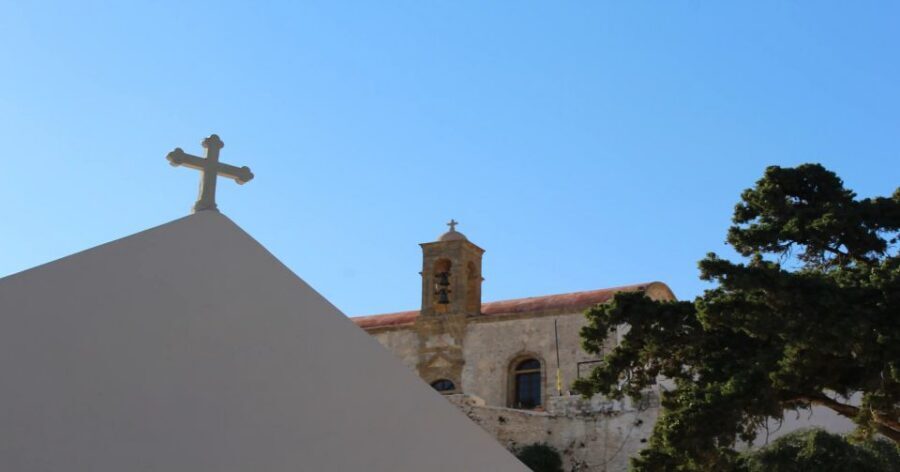
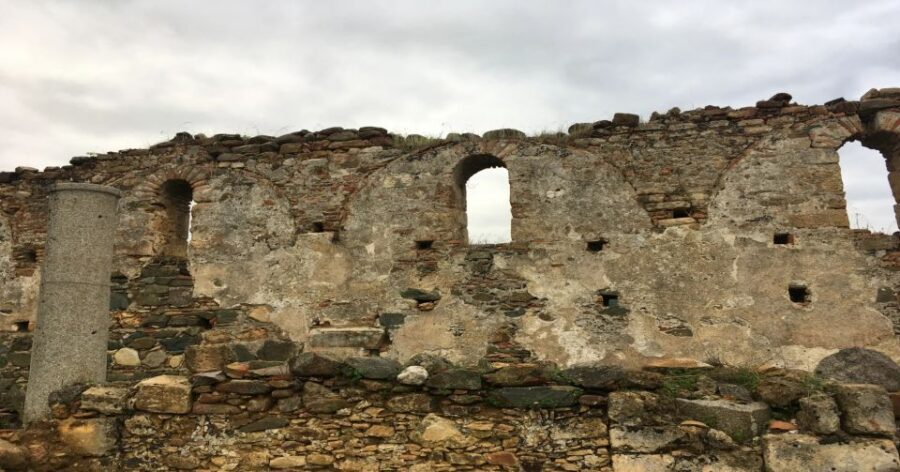
The day starts with a serious mood-setter: the ruins of an unknown Byzantine church complex. Even before you reach the more famous-feeling stops, you’ll be learning what Orthodox doctrine and worship looked like in earlier periods—how the divine liturgy was carried out and what the sacred space was meant to do for believers.
This kind of opening is smart. When you start at a ruined complex, you learn to “read” the place. You start noticing how churches were organized, where meaning sits in layout and altar focus, and why people built sacred sites the way they did. If you like history that shows up in real stone—not just on a sign—this first phase is a strong anchor.
The downside? Ruins mean less “inside comfort.” Plan for cooler interiors and limited shelter when you’re exploring remains. But the upside is perspective: the rest of the day starts to click, because you’ve already been taught how to interpret what you’re seeing.
St. Spyridon Underground: A Cretan Orthodox Church You Can’t Guess
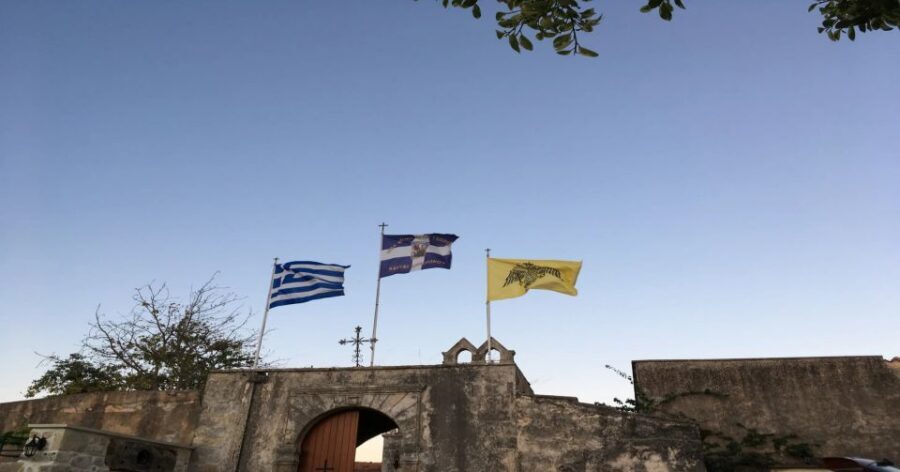
One of the tour’s standout highlights is the visit to a Greek Orthodox underground church devoted to St. Spyridon. Underground worship spaces have a particular atmosphere—thicker walls, quieter acoustics, and a sense of visiting something protective rather than showy.
This is also the kind of stop that works well with a historian. You’re not just looking at a cave-like room and moving on. You’re guided through the significance of the space and what it represents in Orthodox practice on Crete. And because it’s described as rare, it’s the sort of place you’d likely never track down without a local specialist.
Practical tip: bring your attention span for this one. Underground churches are best when you slow down and let the guide’s explanations frame the visuals.
Proto Byzantine Church Complex: When Time Layers Start Showing
Another key stop is a church complex that dates back to the Proto Byzantine era. “Proto Byzantine” isn’t just a fancy label—it signals an early phase where architecture, worship design, and Christian tradition were still taking shape on the island. By visiting a site with that age depth, you’re getting a timeline lesson without it turning into a lecture that loses you.
What I like about this part of the tour is how it supports the bigger theme: Christian tradition on Crete didn’t arrive and instantly become uniform. It evolved, and you can see that evolution in sacred buildings, altar focus, and the way people used their churches as spiritual and community centers.
From the 12 Gods to Farming Prosperity: Why Olympus Gets Mentioned
This is the section of the day that may surprise you: you’ll hear about ancient deities, including the 12 Gods of Mount Olympus, and how those beliefs connected to everyday prosperity—especially in the farming sector.
Why does this fit into an Orthodox monastery tour? On Crete, the cultural record is layered. Many locals understand how older belief systems shaped how people talked about luck, harvest, and survival, even as Christian practice became dominant over time. So even if the tour is clearly Christian in focus, it doesn’t ignore the earlier mental world people lived in.
If you’re expecting a day of straight church-only facts, this may feel like a detour. But it’s also a useful detour: it helps you understand why sacred sites mattered so much in daily life—because food, land, and community were always tied to faith.
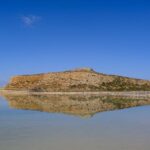
A 1600s Monastery Stop: Altar Meaning, Ritual Life, and Byzantine Details
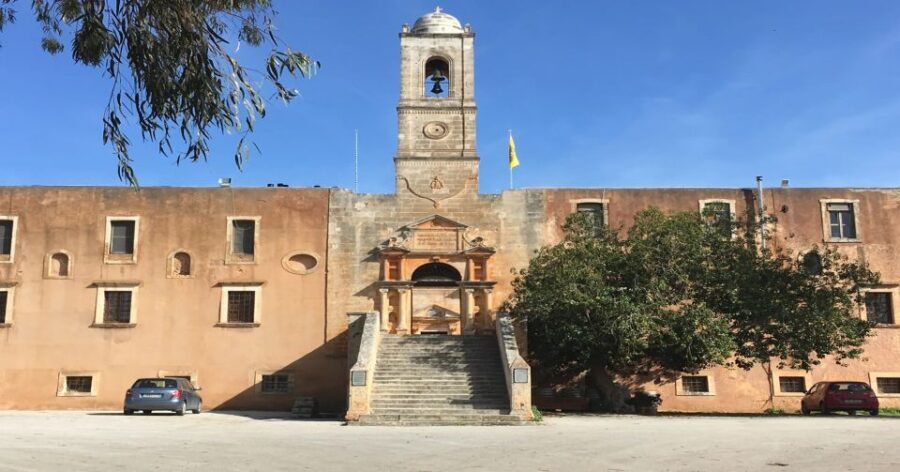
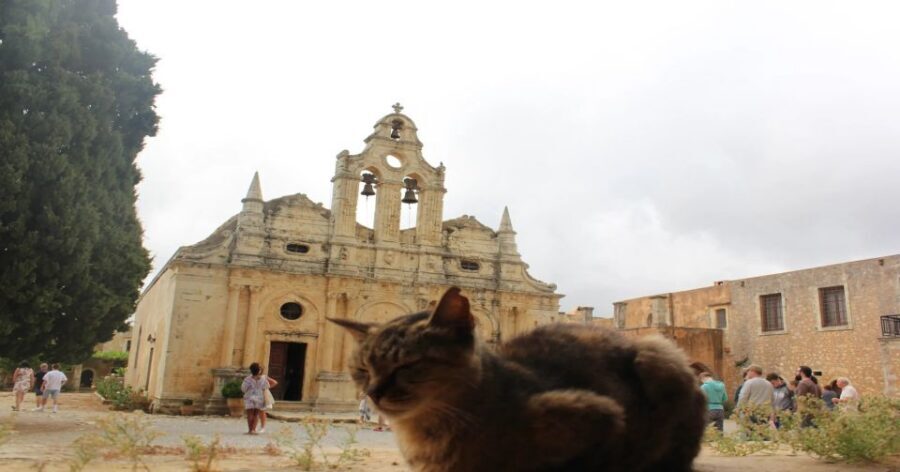
Next comes a monastery that dates back to around 1600, where you can admire Byzantine archaeology and get a clear explanation of how Orthodox churches function beyond the visual. You’ll learn about the significance of the altar and the rituals and celebrations that take place inside these Cretan monasteries.
This is where a historian’s approach pays off. Instead of treating the altar as decoration, you understand it as a focal point for worship and theology. And when the guide connects the physical details to religious practice, the monastery stops feel less like a postcard and more like a working spiritual system.
You’ll also hear about Crete’s relationship with the Byzantine Empire through these sites. That matters because Crete’s religious art and monastic culture didn’t develop in isolation; it reflects broader Byzantine influence, adapted locally.
One note: monasteries require proper clothing. Bring modest layers and expect to cover up when you step inside.
Olive Mill + Monastery Wealth: The Practical Story Behind Sacred Survival
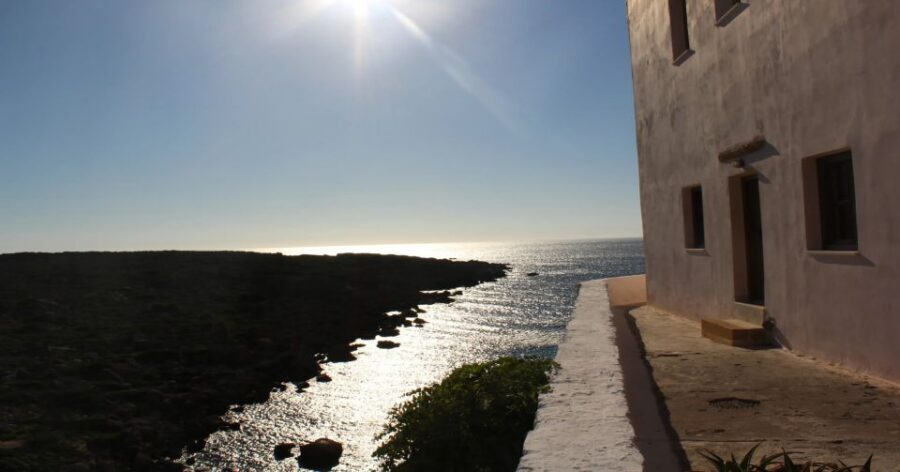
After church architecture and ritual, the tour gets wonderfully practical at an abandoned olive mill connected with church history. You’ll learn the tedious process of olive oil production—and more importantly, what that meant for survival.
Here’s the link the tour makes: over centuries, monasteries and churches benefited from donations tied to pilgrims and local devotion. With those resources, religious institutions could support the countryside and people who lived with tough economics. The olive oil story becomes more than a food fact; it becomes a window into how a monastery could endure—because harvests and oil were the backbone of daily life.
This stop is ideal if you like “human scale” history: slow labor, seasonal work, and the way a spiritual center and an agricultural community supported each other.
Coffee in a Traditional Village: A Reset Between Sacred Stops
Between heavier stops, you get a coffee break in a traditional Cretan village. It’s not just comfort; it’s smart pacing. After hours around stone, shadowy chapels, and explanations, a break helps you absorb what you’ve heard and not lose the thread.
It also gives you time to ask follow-up questions. A good guide will catch your curiosity and point you to details you might’ve otherwise missed—like altar symbolism, monastic routine, or how specific architecture supported worship.
Akrotiri’s Monastery Passes: Secluded Places Where Monks Still Work
Then you head toward Akrotiri, a mountainous area in Northeast Chania known for monasteries, hermit history, and hard-to-reach spiritual sites. This is the part of the day that feels the most “journey” and the least “tourist route.”
You’ll pass through tiny mountain passages and see enormous cultivated lands that belong to the monasteries. Two monasteries are described as desolate, active, and impeccably beautiful—so you’re not just visiting quiet history. You’re watching the living side of monastic tradition through monks doing daily duties.
I like this because it changes the emotional register. You’re not treating monasteries as museums. You’re seeing that they’re still places where routines, work, and spiritual discipline matter.
If you’re the type who enjoys quiet, hard travel days with big views, Akrotiri is where this tour wins.
Final Chapel for the Virgin Mary: White Walls, Aegean Views, and Respect
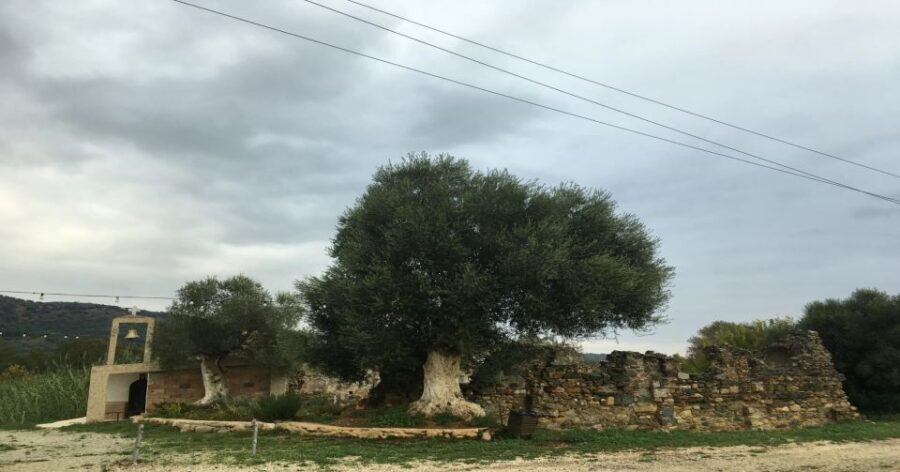
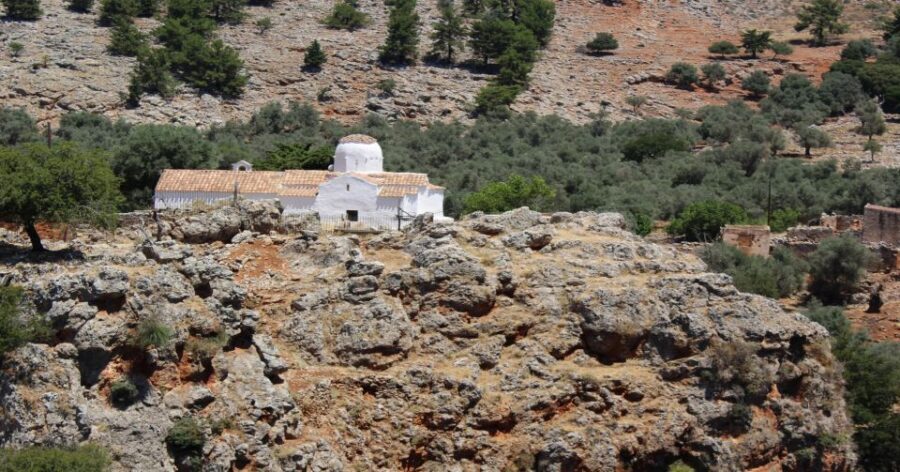
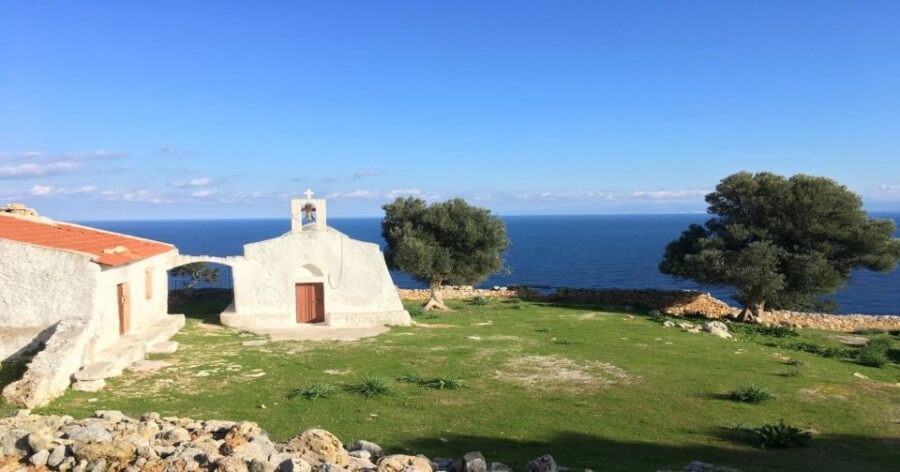
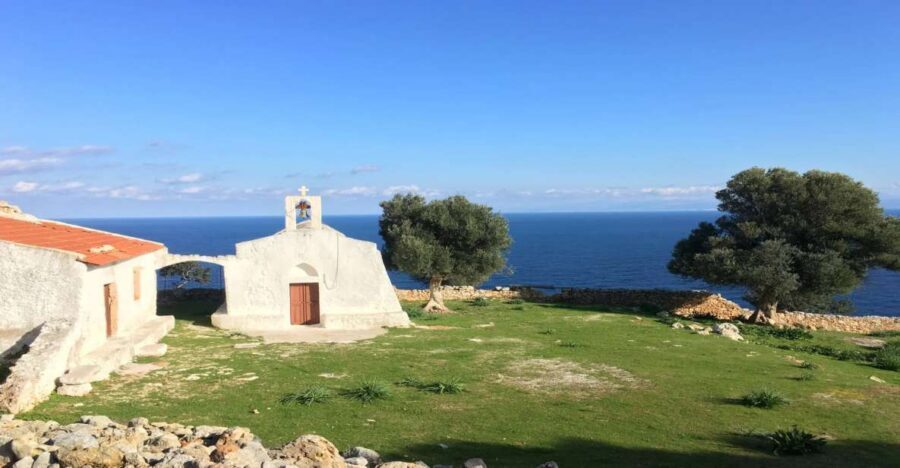
The tour ends with a visit to an abandoned monastery complex and a white-washed chapel devoted to the Virgin Mary, with some of the most dramatic views of the day. This is where the “Christian tradition” theme becomes visual. White chapel walls against open horizons, stone remnants of former religious life, and that sense that place and worship are fused.
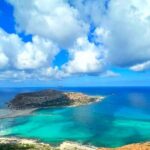
You’ll have time to pay your respects and take photos—so you can leave with memories that feel earned, not snapped in a parking lot. The Aegean Sea view makes the final stretch feel special, especially after the earlier inland monastery atmosphere.
Apostolis as the Difference-Maker: How a Historian Changes the Day
The strongest praise tied to this experience isn’t just the sites. It’s the guide delivery. Apostolis is described as patient, kind, and extremely good at explaining details without rushing you out the door. That matters because monastery visits can be fast if you’re with the wrong guide.
I also like that he adapts. If your interests lean toward monastery settings by the water, he’ll work that into the detours. If you have questions about doctrine, altar symbolism, Byzantine context, or why an underground church matters, he’s set up to answer in a way that’s practical, not abstract.
One more useful thing: the guide has a background in history and Byzantine archaeology and the tour is offered in English, Greek (and described as trilingual in the materials). That means you’re not stuck guessing what you’re looking at.
Logistics That Actually Matter: Pickup, Timing, and Comfort
You get free hotel pickup and drop-off from central Chania areas, and you should be ready in the lobby about 10 minutes before pickup. Private transport is included, and it’s in an A/C vehicle, which helps when the day starts warm or turns hot later.
The tour duration is about 7.5 hours, which is a realistic length for multiple church sites plus transfers. It’s long enough to feel like a proper circuit, but not so long that you’re completely wrecked by the time you’re back.
Still, monasteries mean modest clothing and comfortable shoes. Even with a vehicle doing the heavy travel, the walking and standing add up.
Who This Tour Suits Best (and Who Might Want a Different Day)
This is a great fit if you want Chania beyond beaches and old harbor photos. You’ll enjoy it most if you like Christian art, Byzantine-era context, monasteries, and the kind of history that lives in working religious spaces and ruins.
It also suits people who appreciate guides who can connect religion to daily life—things like olive oil production, pilgrim donations, and how monasteries survived for centuries.
You might want to pass if you’re looking for a low-effort day, or if you prefer modern museums and city walking over quieter rural sites and church interiors. This is a “slow down and look” kind of tour.
Should You Book This Chania Monasteries Private Tour?
Yes, if you’re curious about Orthodox tradition and want a historian-led day that goes to places most visitors miss. The mix is strong: underground worship at St. Spyridon, Byzantine-era ruins, a monastery that dates back to around 1600, Akrotiri monasteries with active monks, and a final Virgin Mary chapel with big Aegean views.
Book it if you value explanations, patience, and flexibility—especially with a guide like Apostolis who adjusts the day to your interests. Skip it if your main goal is just scenic driving or you don’t want to deal with modest attire and church rules.
FAQ
How long is the Chania Monasteries Private Tour?
The tour lasts about 7.5 hours.
What is the starting point and where do we get picked up?
Pickup is included from all central areas of Chania. You’ll wait in your hotel lobby about 10 minutes before your scheduled pickup time.
What sites are included during the tour?
You’ll visit hidden churches, chapels, and monasteries around Chania, including an abandoned unknown Byzantine church complex, an underground church devoted to St. Spyridon, a church complex from the Proto Byzantine era, monasteries linked to Mount Athos, and a white-washed chapel devoted to the Virgin Mary.
Is lunch included?
You get a box lunch with water, banana, apple, and chocolate, plus a coffee break during the day.
Are entrance fees included?
No. Entrance fees are not included.
What languages are the guides available in?
The tour description notes a specialized trilingual guide (EN, DE, GR). The live tour guide is listed as English and Greek.
What should I wear for monastery visits?
Bring weather-appropriate clothing and wear proper attire for entering monasteries. Athletic clothing and comfortable shoes are advised.