REVIEW · HERAKLION
Archaeological and Natural Beauties of South Central Crete
Book on GetYourGuide →Operated by Mykonos Excursions · Bookable on GetYourGuide
Minoans, monasteries, and a swim day. This South Central Crete route strings together Gortyna’s Roman highlights and the big Minoan moment at Phaistos, then gives you real downtime at Matala for a swim. I like how the day mixes serious archaeology with living Crete, from a hippie-famed port to a quieter village with Byzantine monasteries.
Two things stand out for me: the chance to admire the Gortyn Law Code, and the break to swim in Matala’s clear water without racing through everything. One thing to consider is that it’s a packed 8.5-hour itinerary, and lunch is not included in the price (it’s listed as 20€), so you’ll want to plan your spending and energy accordingly.
In This Review
- Key highlights worth timing your day for
- Why this South Central Crete day trip feels efficient
- Gortyna: Roman administration in the 21st century view
- Phaistos Palace: seeing why Minoans mattered in southern Crete
- The Mesara drive: how the guide turns “in-between time” into value
- Matala: ancient port energy, plus real swim time
- Zaros and Lake Votomos: a calmer end to a full day
- Price and what you really get for $129
- Who this tour suits best
- Quick checklist before you go
- Should you book this tour?
- FAQ
- What time does the tour start and end?
- How long is the tour?
- What is included in the price?
- Is lunch included?
- Where is the meeting point in Heraklion?
- Can I swim during the tour?
- Is the tour suitable for people with mobility impairments?
Key highlights worth timing your day for
- Gortyn Law Code at Gortyna: one of those moments where Roman administration turns into a real story you can read on-site.
- Phaistos Palace and Minoan importance: you’re not just looking at ruins, you’re visiting a key center of power in southern Crete.
- Matala free time for swimming: the ancient port vibe comes with an actual swim window and optional lunch.
- Zaros spring-water culture: Zaros is known for its spring water, which is bottled and sold across Greece.
- Byzantine monasteries plus nature walking: you get a village feel, not just a quick photo stop.
- Lake Votomos and trout tavernas: the area’s food culture includes farm-raised trout served around town and by the lake.
Why this South Central Crete day trip feels efficient
This trip is built around a simple idea: don’t waste time “doing archaeology” without also seeing the landscapes and villages that grew around those sites. You’ll start in Heraklion and spend the morning on major historical stops, then shift gears into water time and village wandering.
The pacing is a big part of the value. The route includes travel between four different places, but the visit windows are set so you can actually absorb what you’re seeing. In previous runs, guides such as Sophia, Angeliki, Irini, and Rita have been praised for being attentive, giving clear explanations without rushing, and even using the drive time to talk about what you can see outside the window.
The tradeoff is obvious: it’s not a slow, leisurely day. If you like to linger for an hour at each viewpoint, you may feel the schedule’s pressure. If you like a well-run “high impact” day where you leave with both photos and understanding, this fits.
You can also read our reviews of more tours and experiences in Heraklion.


Gortyna: Roman administration in the 21st century view
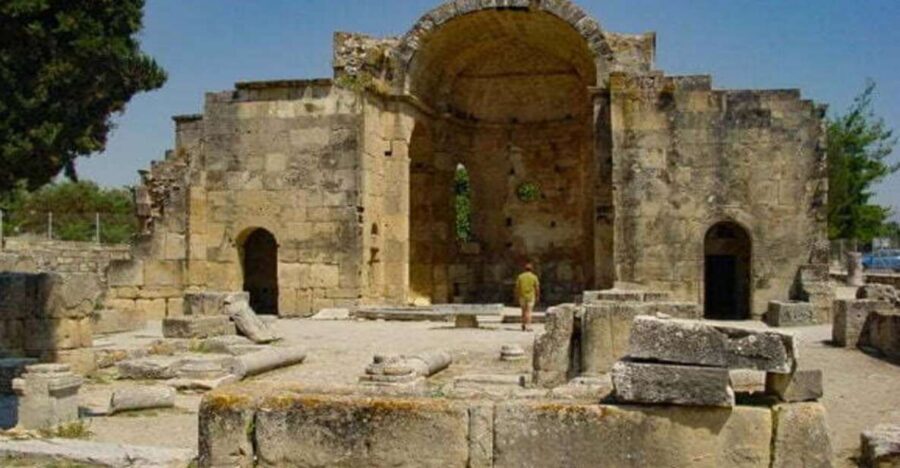
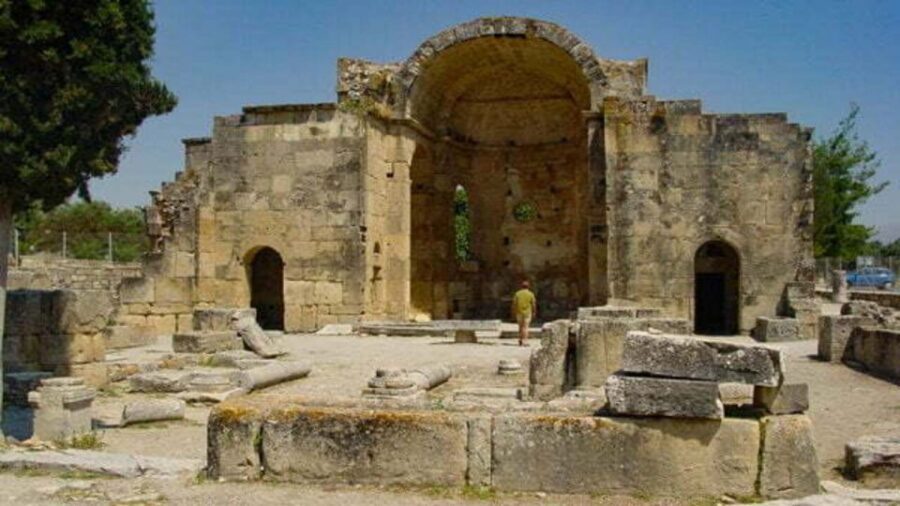
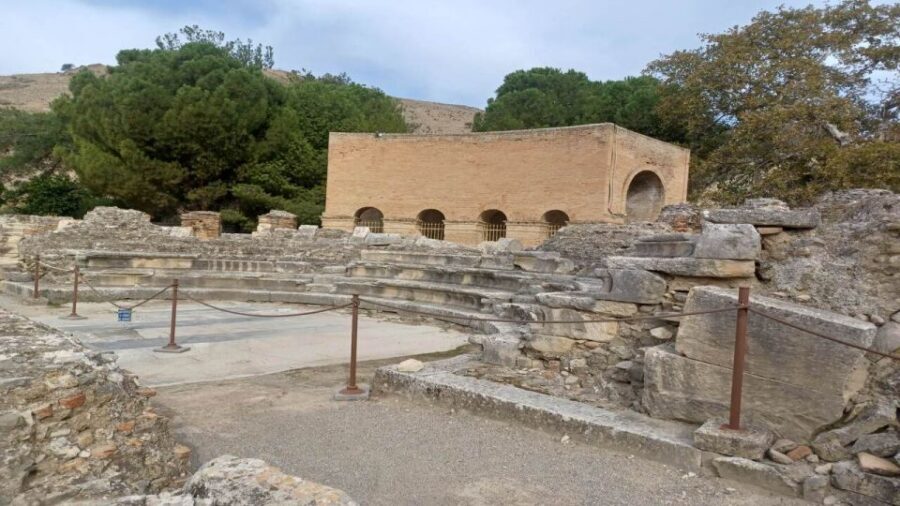
Your morning kicks off with Gortyna, described in the program as the Roman capital of Crete and Cyrenaica, with habitation dating back to around 3200 BC. That long timeline matters. You’re not standing in a theme-park of one era. You’re seeing a layered place where later Romans built on much older foundations.
The headline stop here is the Gortyn Law Code. It’s the kind of site detail that turns history from a word into a document. Even if you don’t read the inscriptions fluently, the experience is about understanding that Rome wasn’t only building roads and temples; it was also trying to organize daily life with laws.
What I like about this stop is how it sets context before you move into the Minoan story at Phaistos. After Gortyna, Phaistos doesn’t feel like a random “older site.” It feels like a different chapter in the same big Crete narrative.
Practical tip: wear comfortable shoes. Gortyna is a walking and climbing kind of archaeological visit, and you’ll be happier if your feet are ready.
Phaistos Palace: seeing why Minoans mattered in southern Crete
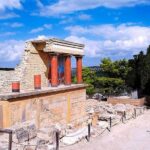
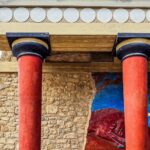
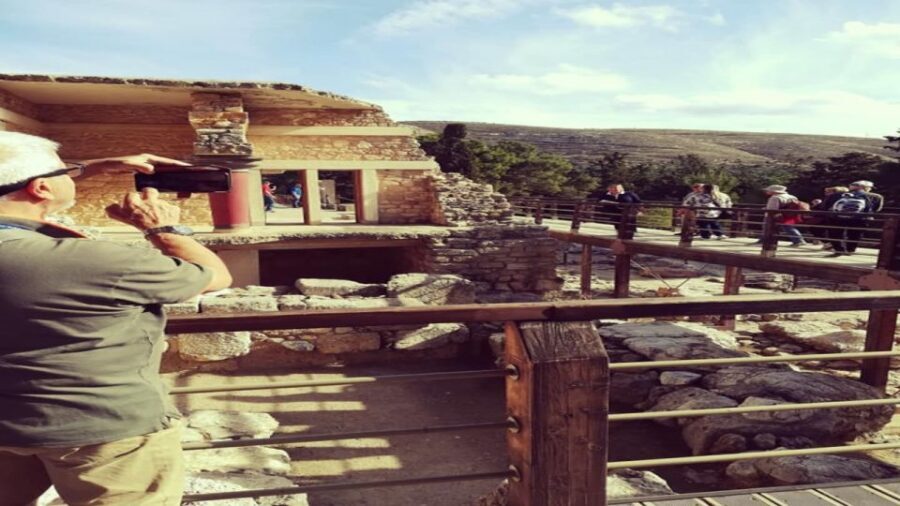
After Gortyna, you drive through the Mesara valley, then arrive at Phaistos. The program calls Phaistos the most important center of Minoan civilization, and it also describes it as the most wealthy and powerful city in southern Crete.
This is where you get the “wow” that people book for. Phaistos isn’t just ruins in the distance. It’s a palace complex that helps you understand how the Minoans organized power, production, and place. If you’ve only heard Minoans in broad terms, this is one of those visits that makes the idea feel concrete.
Here’s a way to get more from the visit: focus on how palace sites function as hubs. Look for the sense of order—spaces laid out for movement, storage, work, and public activity. Even without getting lost in details, the overall design helps you picture how society ran.
And timing matters. The tour includes enough time for a guided explanation and a real look around, which is exactly what past guests praised: guides didn’t rush people at each site, and the explanation pace matched the walking pace.
The Mesara drive: how the guide turns “in-between time” into value
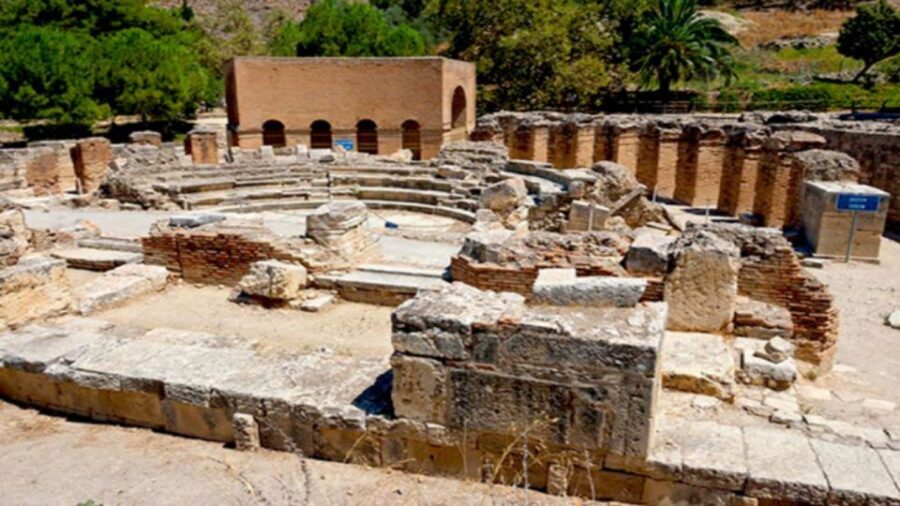
One of the smartest parts of this tour isn’t a separate stop. It’s the time in transit while the guide explains geography and history you can connect to what you’re about to see.
In past experiences, guides used the driving segments to talk about Crete’s geography and what was visible from the car. That’s not filler. It helps you understand why those sites are where they are, and why a valley like Mesara would matter for movement, agriculture, and settlement.
If you want to make this segment count, do two simple things:
- Sit where you can look comfortably out the window (not squeezed by awkward angles).
- Keep your phone away for a moment and watch the land shapes change.
That way, the drive becomes part of the story instead of just the cost of getting from A to B.
Matala: ancient port energy, plus real swim time
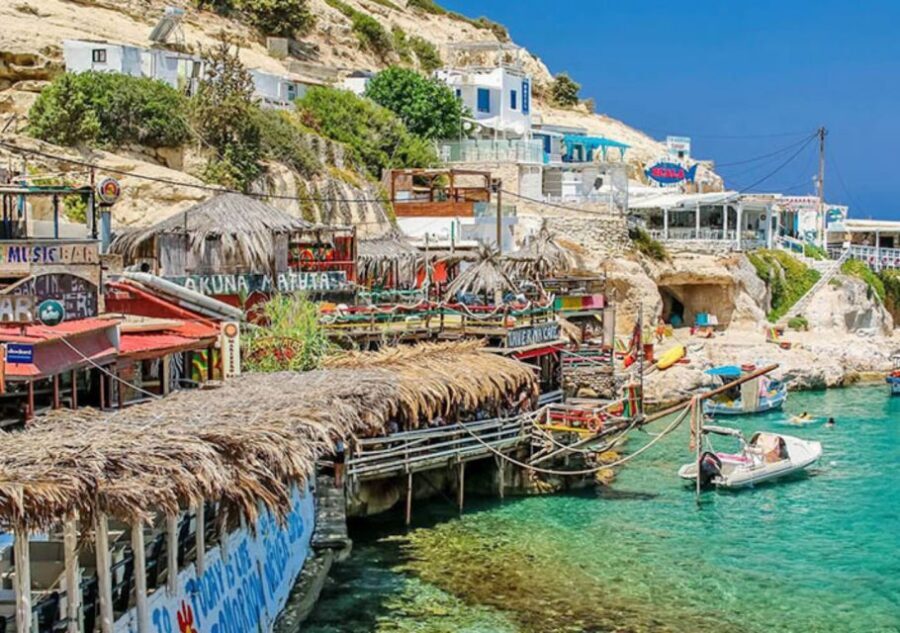
Next up is Matala, described as the ancient port of Phaistos and Gortys, and also known for its hippie village character. This is your tonal shift day. You go from palace and law code to a coastal community vibe.
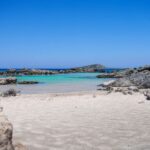
The schedule gives you free time to swim in Matala’s crystal clear water. Swimming isn’t just a perk—it’s a genuine break that makes the day feel worth it. After hours on foot, water time resets your body and your brain.
Lunch is optional here. The program notes lunch in a restaurant throughout the tour isn’t included (20€), and drinks aren’t included either. Past guests also highlighted that the restaurant at Matala has a wonderful view over the sea, which can turn lunch into more than just refueling.
How I’d plan your Matala window:
- Use it to swim first, while you still have the motivation.
- Then switch to a slow wander if you feel like it.
- If you’re not a swimmer, the free time still gives you a chance to enjoy the coast at a relaxed pace.
One consideration: the day is structured so Matala is a free-time block, not a guided deep dive. If you want the full story of the hippie-era references, you may need to ask your guide for quick context during the transition moments.
Zaros and Lake Votomos: a calmer end to a full day
Your last stop is Zaros, presented as an attractive, refreshingly unspoiled village famous for its spring water—water now bottled and sold around Greece. That little detail changes how you experience the place. It’s not just picturesque. It’s known for something practical and local.
Zaros also has fine Byzantine monasteries, which gives you that third historical layer of the day: Roman law, Minoan power, and then Byzantine spirituality. If you’re the type who likes seeing how cultures re-use the same landscape across centuries, this stop will click.
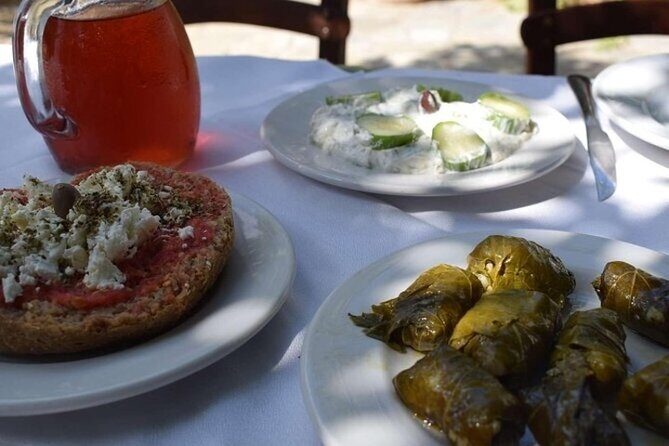
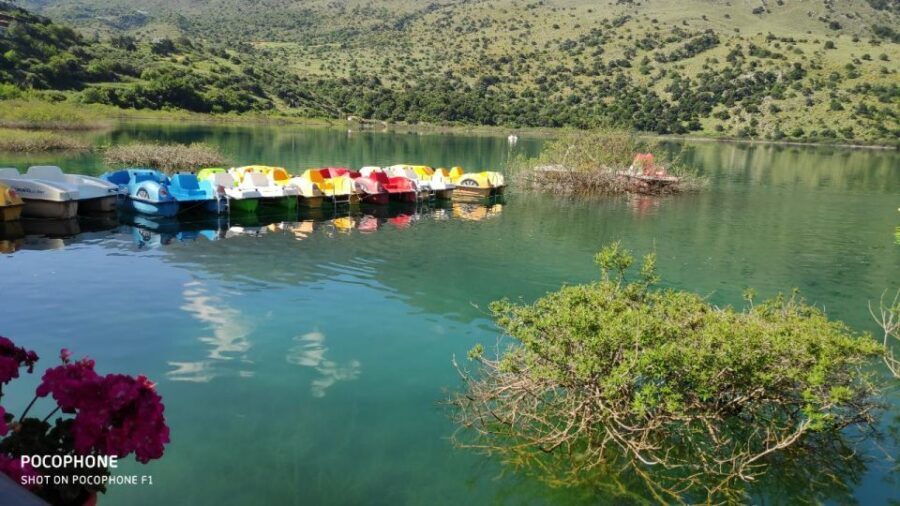
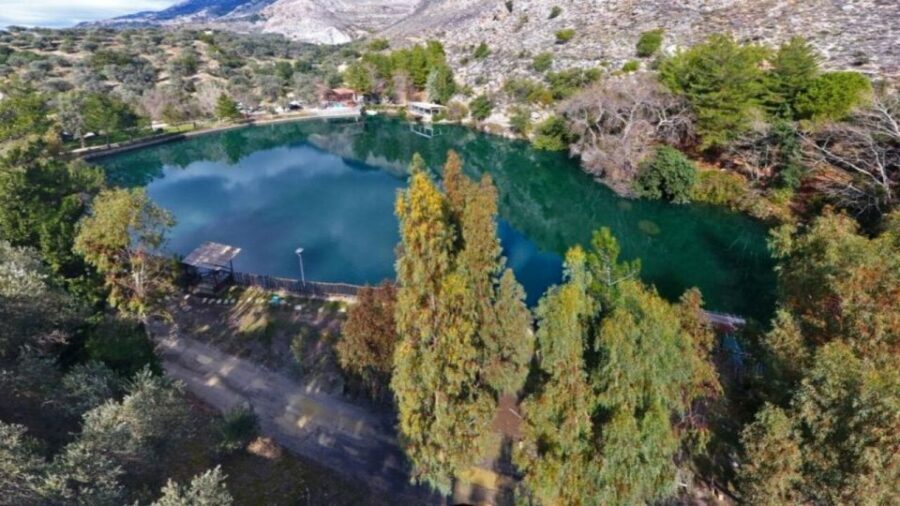
Then there’s the food and nature connection. Zaros is linked in the program to delicious farm-raised trout served up in tavernas around town and on emerald-green Lake Votomos, which the tour will visit. Even if you don’t eat during the visit, you get a strong sense of why the area is a local destination: water and farming meet.
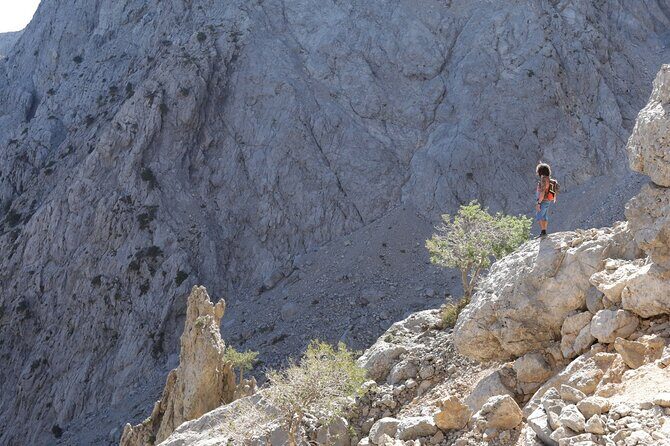
As for “what to do” while there: the program describes Zaros as an ideal base for walkers to explore the beautiful nature. That’s your cue to pack a simple mindset: slow down. Take in monastery views. Stroll. If you want to photograph, wait for that softer late-day light before you rush to leave.
Past guests praised the overall tour planning and the way guides gave information without rushing, so you should feel like you have enough room to enjoy Zaros rather than just passing through it.
Price and what you really get for $129
The price listed is 129 USD per person for an 8.5-hour day. What’s included is not just transportation—it’s also guidance, plus taxes.
Included:
- Air-conditioned motorcoach
- Professional guide
- VAT and all legal taxes included
Not included:
- Pick-up/drop-off transfer
- Lunch (20€ listed)
- Drinks with the meal
- Anything not specifically stated as included
So is it good value? For me, it comes down to two questions:
1) Do you want one day that covers major sites across multiple eras plus a real break at the coast?
2) Do you value guidance enough to avoid self-planning four stops with travel timing?
If yes, the price makes sense. You’re paying for the logistics of moving around Crete’s interior and coastline, and for a guide who helps you connect what you see. In earlier experiences with this route, guides like Angeliki, Irini, Rita, and Sophia were noted for giving complete explanations and the right amount of time at each stop.
If you’re the kind of traveler who prefers to DIY everything and you already know exactly how long you’ll need at each location, you might find cheaper options. But you’d be taking on the hard part: timing and interpretation.
Who this tour suits best
This tour is a great fit if you want:
- A structured day that hits the big archaeological names (Gortyna and Phaistos) and still includes downtime (Matala and Zaros).
- A guide-led experience where you learn while you walk, not after you’re home.
- A mix of themes: Roman law, Minoan culture, and Byzantine monasteries, topped off with nature and water.
It may not fit you if:
- You need maximum mobility support. The tour is listed as not suitable for people with mobility impairments.
- You dislike schedule pressure. The day runs about 8.5 hours with travel between stops.
- You’re counting every euro. Lunch costs 20€ and drinks are not included.
Quick checklist before you go
- Comfortable shoes (this is the big one)
- Swimwear if you want to take the Matala swimming time
- A light layer for the drive, especially in changeable weather
- Sun protection for outdoor ruins
If you’re choosing between lunch and a snack plan, remember that lunch is optional and not included in the base price.
Should you book this tour?
I’d book it if you want a single, well-run day that makes sense of Crete’s history without sacrificing a real lifestyle break. Gortyna + Phaistos give you the cultural backbone, Matala gives you the payoff of water time, and Zaros ends the day with a calmer village feel and monastery/nature energy.
Skip it if you want a slow museum-style pace or if you need easier mobility than this kind of archaeology-and-village walking typically allows. Also keep in mind that lunch is extra, so plan your budget.
If you like day trips that feel purposeful, not rushed, this one is built for you.
FAQ
What time does the tour start and end?
You meet at 08.30 at the meeting point across from the Heraklion Archaeological Museum entrance, in front of Hari’s Creperie. The tour returns to Heraklion at around 17:00.
How long is the tour?
The duration is 8.5 hours.
What is included in the price?
The tour includes an air-conditioned motorcoach, a professional guide, and VAT and all legal taxes.
Is lunch included?
No. Lunch in a restaurant throughout the tour is listed as 20.00 € and drinks are not included.
Where is the meeting point in Heraklion?
Across from the entrance of the Heraklion Archaeological Museum, in front of Hari’s Creperie.
Can I swim during the tour?
Yes. At Matala you have free time to swim in the crystal clear waters.
Is the tour suitable for people with mobility impairments?
No. It is listed as not suitable for people with mobility impairments.