REVIEW · CRETE
Hiking in Psiloritis Mountain (Ida Mt.) Crete
Book on Viator →Operated by Alternative Crete · Bookable on Viator
Psiloritis is the kind of hike that makes you forget you booked a tour. You climb to Crete’s highest mountain, Mt. Psiloritis (Mt. Ida), for wide-open panoramas and a guided story about the place’s myths and archaeology. I really like that this is a private outing, so your guide can set a pace that works for your group, not a fixed line of strangers.
You’ll also get smart trail help. The guide knows the routes well, and you’ll have walking sticks plus snacks and water to keep you going. One thing to consider: it needs good weather, and the descent can feel tougher than the climb, especially if your legs aren’t used to going downhill on uneven ground.
In This Review
- Key things you’ll like on this Mt. Psiloritis hike
- First steps in Livadia: a calm start for a big mountain day
- Climbing to Timios Stavros (2,456m): why the summit feels worth it
- The stone church and mitato-style details: a quieter kind of highlight
- Psiloritis as a UNESCO Geopark: what you’ll understand beyond the trail
- Myths and archaeology on the mountain: stories that make the climb stick
- Private tour pacing and staying found: no map stress, no herd mentality
- What’s included (and what you’ll need to handle on your own)
- Price and value: is $120.16 fair for a private Mt. Ida summit hike?
- Fitness level and weather reality: plan for a mountain day, not a stroll
- Who should book this Mt. Psiloritis hike?
- Should you book this Mt. Psiloritis tour?
- FAQ
- How long is the Mt. Psiloritis hiking experience?
- Where does the tour start, and what time does it begin?
- Is this a private tour?
- What’s included in the price?
- What should I arrange for transportation?
- What fitness level do I need?
- Is it dependent on the weather?
Key things you’ll like on this Mt. Psiloritis hike
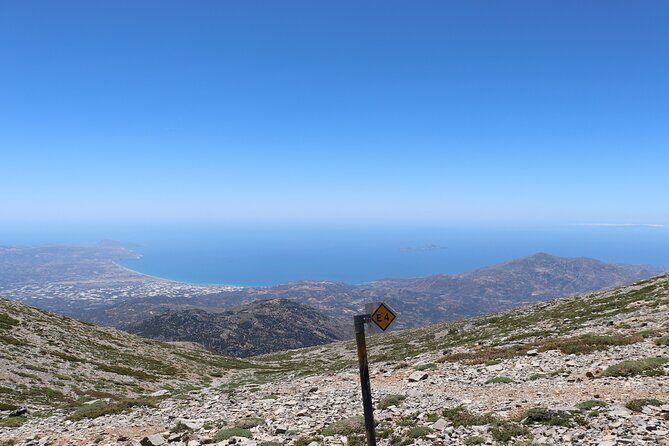
- Crete’s highest summit target: reach Timios Stavros at 2,456m for sweeping views.
- Stone church stop at Timios Stavros: a distinctive feature built in the Cretan mitato style.
- UNESCO Geopark context: learn why Psiloritis matters for geology and environmental value.
- Myth and archaeology on the trail: your guide connects the mountain to stories beyond the scenery.
- Private pacing: only your group, so you control breaks and speed.
- Trail support included: walking sticks, snacks, and bottled water make the day more comfortable.
First steps in Livadia: a calm start for a big mountain day
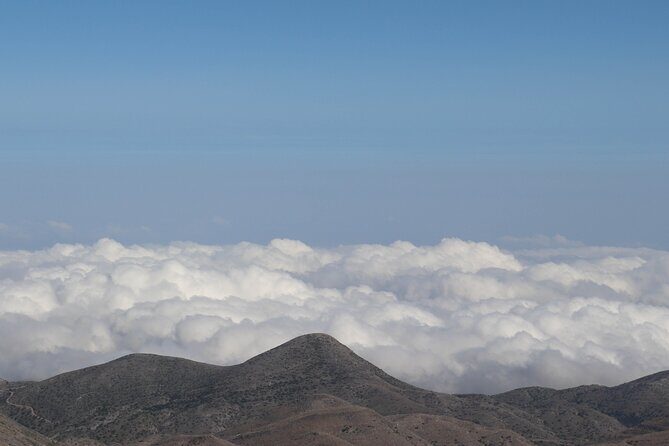
This hike is scheduled to start early—8:00 am—so you beat the worst of the heat and give yourself daylight for a steady, unhurried climb. The meeting point is in Livadia (740 51), and the tour ends back where you started, which helps a lot when you’re planning the rest of your day in Crete.
The experience is private, meaning it’s just your group. In practice, that matters more than you’d think. When you’re heading uphill for hours, small things—how often you stop for photos, how long you take at viewpoints, when you rest your lungs—can change the whole feel of the hike. With a private guide, you’re not stuck with a pace that suits someone else’s fitness.
It also runs about 6 hours total. That sounds simple on paper, but with mountain hikes you need to picture a full outing: walking time, pauses to look out over the island, and time to absorb what your guide is telling you. One group reported roughly 5.5 hours top-to-bottom, which suggests the schedule leaves room for breaks without dragging.
If you like clear expectations, this one is straightforward: you’ll have an English-speaking certified guide, and the activity includes practical hiking basics like snacks, bottled water, and walking sticks. There’s no “find the trailhead and hope for the best” vibe here.
You can also read our reviews of more hiking tours in Crete
Climbing to Timios Stavros (2,456m): why the summit feels worth it
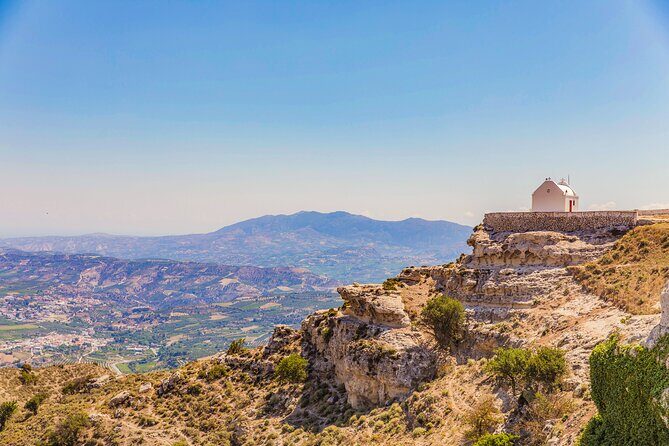
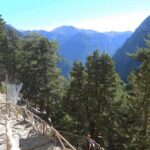
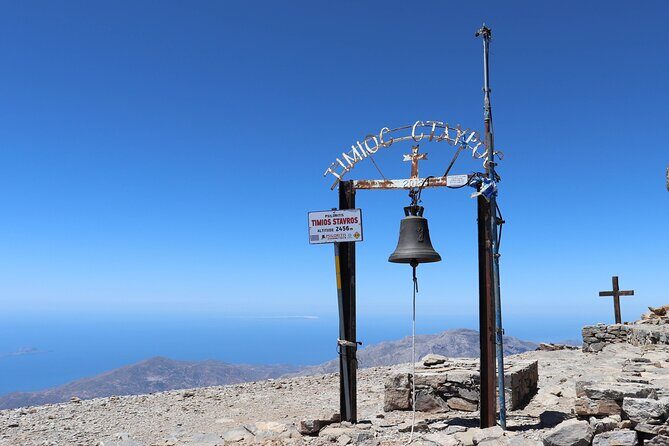
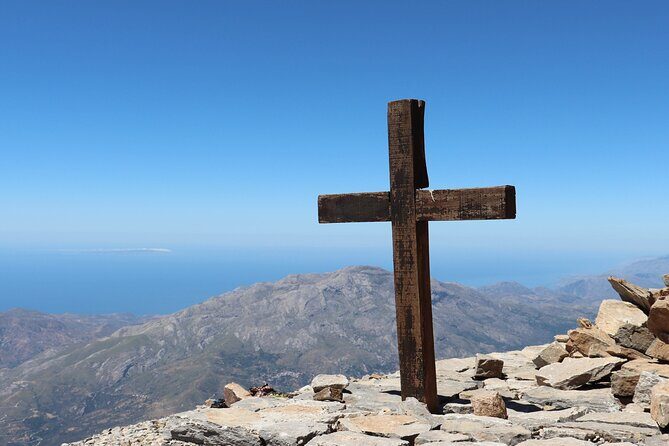
The core goal is reaching the summit area at Timios Stavros, the highest peak of the Psiloritis region at 2,456 meters. From that altitude, you’re at Crete’s highest point, and the payoff is a panoramic view across the island. It’s the sort of view where you start spotting patterns—mountain ridges, valleys, and the way the coastline and inland terrain relate to each other.
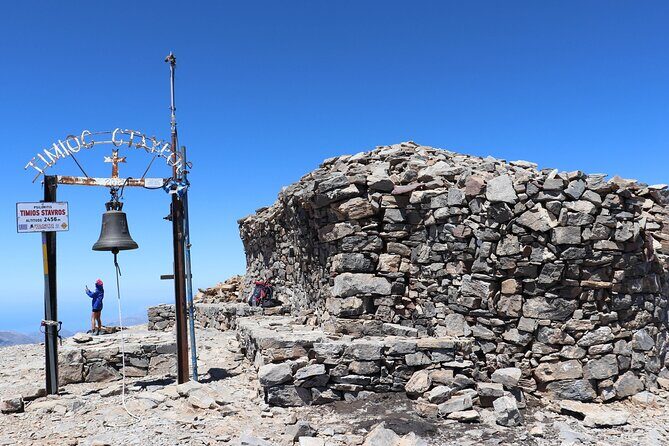
You’ll also have a very specific landmark waiting up there: a small church at Timios Stavros. It’s built of stone, and it’s in the Cretan mitato style, which is part of what makes this stop feel rooted in the island instead of generic sightseeing.
Here’s the thing I’d watch for: photos are great, but don’t treat the summit like a quick selfie stop. At this elevation, you want a few minutes to look slowly. The views only hit fully when you let your eyes move across the horizon rather than snapping and rushing back down. Your guide’s job is to keep you on track, but the best moments are usually the ones you take on purpose.
The stone church and mitato-style details: a quieter kind of highlight
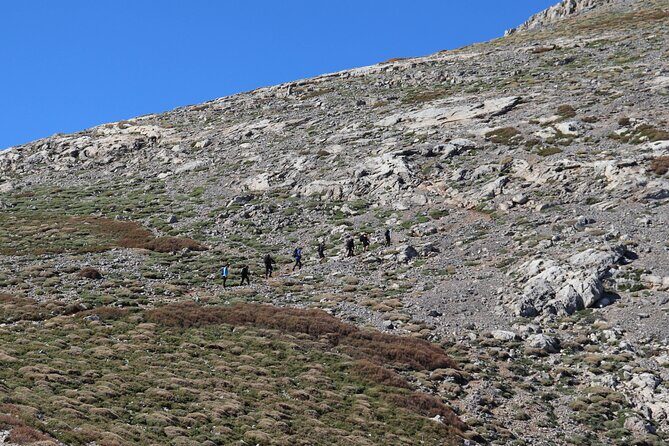
Most summit hikes focus only on the big view. This one layers in something more local: the small stone church in the Timios Stavros area. Even without getting overly technical, it’s a strong “you are really here” moment.
The church’s mitato-style construction ties it to a wider Cretan tradition of practical, regional building methods and forms. That means your guide has a chance to point out how the architecture matches the mountain setting—materials, form, and how Cretans have shaped spaces that belong outdoors and in harsh conditions.
If you’re the type who likes a stop that’s not just more hiking, you’ll probably appreciate this. It also gives you a reason to slow down near the top. When you’re already tired, a meaningful viewpoint can keep your motivation up for the last stretch.
Psiloritis as a UNESCO Geopark: what you’ll understand beyond the trail
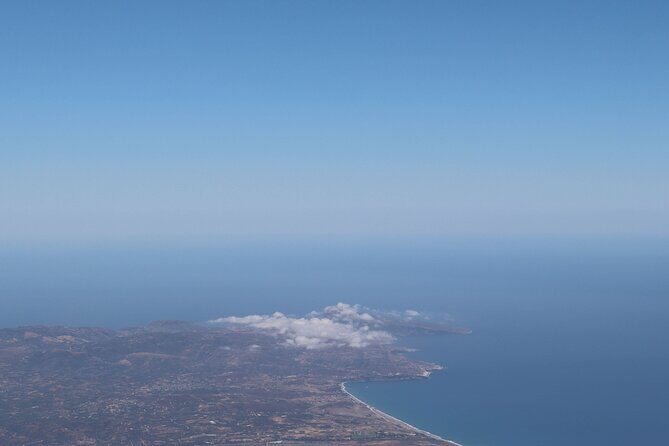
Psiloritis isn’t only famous for height. It’s also recognized as part of UNESCO Global Geoparks, with the mountain described as having high importance at a global level. In a practical sense, that translates into your guide framing what you’re walking through—not just as scenic ground, but as a mountain with geological significance and environmental value.
This is where a good guide earns their fee. When you hear why a mountain matters, you start noticing the mountain differently. You’ll likely connect the hike to how landscapes form over long time periods, and why that makes Psiloritis a place worth protecting. Even if you’re not a geology person, the way this information is explained can turn “wow, it’s high” into “now I get why this place is special.”
The value here is real: without context, hikes can feel like a route from point A to point B. With UNESCO-level framing, you get a richer reason for the effort, even if you’re mostly there for views.
Myths and archaeology on the mountain: stories that make the climb stick
Crete is layered—myth, religion, history, and geography all tangled together. On Psiloritis, that connection gets brought into the walk. Your guide will talk about the mountain’s role in myths and archaeology as you hike.
This matters because it changes what “being there” means. Instead of just looking at a panorama, you’re learning how people have interpreted the mountain for generations. That kind of storytelling sticks longer than a list of facts, because it gives meaning to what you’re seeing.
Two guides you may hear referenced in past groups include Giorgos and Kostas. Both are described as friendly and focused on sharing interesting information about the mountains and Crete’s island story. One group even noted that when they hadn’t used walking poles before, Kostas helped them with the technique and made the poles feel natural on the trail. That’s another reason this hike doesn’t feel like a generic guided walk.
If you want a hike that’s not only active, but also mentally satisfying, this is a good match.
Private tour pacing and staying found: no map stress, no herd mentality
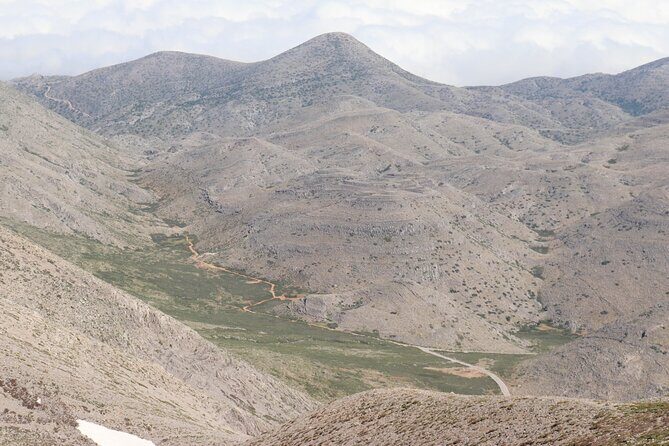
A big selling point here is that you don’t have to worry about getting lost. The guide knows the trails thoroughly, and because this is private, there’s no pressure to keep up with a crowd.
That’s especially helpful on mountain paths where the footing can be uneven. When you’re climbing, you’re focused on where your next step goes. When you’re descending, your body is still tired, and downhill can feel surprisingly hard—one group mentioned the walk down was more difficult than expected simply because they weren’t used to hilly paths.
With a private guide, you can manage that reality without rushing. You can take extra care on the descent, pause when you need it, and keep the experience comfortable rather than turning it into a “survive the downhill” situation.
The pace also affects your enjoyment of the viewpoint stops. If you’re going too fast, you don’t taste the view. If you go too slow, you run out of energy before the descent. The sweet spot comes from choosing your pace—and a private guide helps you find it.
What’s included (and what you’ll need to handle on your own)
This hike is designed to take pressure off the small things:
Included:
- Snacks
- Bottled water
- Walking sticks
- English-speaking certified guide
- All fees and taxes
Not included:
- Transportation
If you’re coming from elsewhere on the island, you’ll need to arrange getting to Livadia yourself. Once you’re there, the essentials for the hike are covered. That’s good value for a summit day, because you don’t need to buy snacks or improvise with gear on the spot.
Also, you’ll receive a mobile ticket, which is handy if you prefer digital planning. Service animals are allowed, which is an important detail for some travelers.
Price and value: is $120.16 fair for a private Mt. Ida summit hike?
At $120.16 per person for about 6 hours, this isn’t a budget “group shuffle” hike. It’s priced more like a guided private mountain experience. So the question isn’t only the cost—it’s what you’re getting that would otherwise be expensive or difficult to replicate.
You’re paying for:
- A certified English-speaking guide who sets the pace for your group
- On-the-ground walking support (walking sticks) plus water and snacks
- No navigation risk, because the route is handled
- The full summit experience tied to the stories of myths, archaeology, and UNESCO geopark significance
If you were to do this yourself, you’d have to manage trail confidence, timing, and gear. And even if you found a route, you might miss the meaning behind the key landmarks like the stone church at Timios Stavros.
For me, this price feels reasonable if you want a guided summit day that’s low-stress and story-rich. If you’re an ultra-independent hiker who already knows Psiloritis well and doesn’t need support, you might feel less “purchase value.” But if you want confidence and context, this is where the money goes.
Fitness level and weather reality: plan for a mountain day, not a stroll
The tour asks for moderate physical fitness. That’s accurate for a summit hike. Even if you’re not an athlete, you should be comfortable hiking for hours with uphill and downhill sections.
You should also plan around the weather. The experience requires good weather, and if it’s canceled due to poor weather, you’ll be offered a different date or a full refund. That’s not a minor detail. On a mountain, weather affects safety, footing, and visibility—so it’s smart the operator builds in a good-weather requirement.
If you tend to feel cautious on downhills, it’s worth knowing that the descent can be tougher than the climb. One group specifically said the downhill surprised them because they weren’t used to that kind of terrain.
A simple way to judge readiness: think about whether you can handle stairs plus uneven ground for a few hours. If the answer is yes, you’re likely in the right zone.
Who should book this Mt. Psiloritis hike?
This hike is a great fit if you want:
- Crete’s highest mountain with a guided, confidence-first approach
- A private group experience where you don’t get rushed
- Storytelling that connects geography to myths and archaeology
- Practical comforts like snacks, bottled water, and walking sticks
It’s also a good pick for travelers who hate the stress of “finding the right trail” and prefer to focus on the hike and the views.
I’d be a little more careful if you:
- Struggle with downhill walking
- Know you get uncomfortable with steep or uneven mountain footing
- Are looking for an easy nature walk with minimal effort
Should you book this Mt. Psiloritis tour?
Yes—if you want a guided summit day that mixes big views with Cretan stories, and you value not having to navigate or guess. The private format, included walking sticks, and the guide’s trail knowledge are the kind of details that make the whole experience feel smoother.
Book it if you’re ready for a moderate hike and you can wait for good weather. If you’re the type who enjoys panoramas but also likes understanding what you’re seeing—UNESCO geopark context plus myths and archaeology—this is the kind of day you’ll remember.
Don’t book it if you’re looking for a very easy walk, or if you’d feel anxious with a steep descent. In that case, you’ll probably spend too much energy just managing the terrain instead of enjoying the mountain.
FAQ
How long is the Mt. Psiloritis hiking experience?
It lasts about 6 hours (approximately).
Where does the tour start, and what time does it begin?
The meeting point is Livadia 740 51, Greece, and the start time is 8:00 am. The tour ends back at the meeting point.
Is this a private tour?
Yes. It’s a private tour/activity, and only your group participates.
What’s included in the price?
It includes snacks, walking sticks, bottled water, an English-speaking certified guide, and all fees and taxes.
What should I arrange for transportation?
Transportation is not included, so you’ll need to handle getting to and from the meeting point.
What fitness level do I need?
Travelers should have a moderate physical fitness level.
Is it dependent on the weather?
Yes. The experience requires good weather. If it’s canceled due to poor weather, you’ll be offered a different date or a full refund.