REVIEW · CRETE
Cretan Traditional Cooking Lessons
Book on Viator →Operated by Balos Travel · Bookable on Viator
A Cretan farm dinner starts with the right rhythm. This small-group cooking lesson near Chania turns you into a short-order cook for the evening, then rewards you with dinner you helped make. I especially like the farm connections—ingredients coming from the place, plus a tour of the property—and I also like the teaching style that slows things down enough to learn the why, not just the what. One thing to consider: it runs about 5 hours in the late afternoon, so you’ll want to plan your evening around being out for the full block.
You’ll cook traditional dishes that actually reflect how people eat in Crete: olive oil, herbs, vegetables, and slow-simmered comfort. Expect a hands-on approach, then an eat-together finale that feels more like a family meal than a cooking show. If you’re the type who only wants the final result and hates getting your hands involved, this may feel like more work than you bargained for.
In This Review
- Key Things to Know Before You Go
- A Late-Afternoon Cretan Kitchen Near Chania
- Meet Your Hosts at Metochi Farmhouse (Eleni and Mrs. Chrisoula)
- Hotel Pickup and Small-Group Comfort (Max 14)
- The Cooking Menu That Actually Matches Cretan Eating
- Boureki and Comfort Oven Cooking
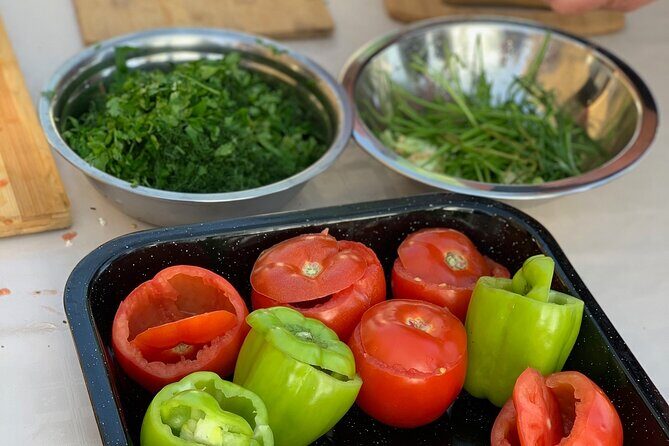
- Gemista: Stuffed Tomatoes and Peppers
- Stifado: Pork with Onions and Tomato Sauce
- Starters That Set the Table
- What You Learn Beyond Recipes: Olive Oil and the Cretan Diet
- The Farm Tour Part: Why It Matters (More Than a Photo Stop)
- The Dinner Moment: Eating Together After Cooking
- Price and Value: What $132.17 Gets You
- Who This Cretan Class Fits Best
- Quick Tips to Get the Most Out of the 5-Hour Evening
- Should You Book This Cooking Lesson?
- FAQ
- How long is the Cretan traditional cooking lesson?
- Where does the experience start, and when?
- Is hotel pickup available?
- What dishes are included?
- How large is the group?
- Is free cancellation available?
- Is an olive oil tasting included?
Key Things to Know Before You Go
- Max 14 travelers: a true small group, so questions don’t get lost in the crowd.
- Hotel pickup in an air-conditioned vehicle: easier logistics than trying to self-navigate late-afternoon traffic.
- Metochi farmhouse start: you begin at the Trachilos farmhouse area and return there at the end.
- Farm tour + olive oil tasting: you learn the ingredients story, not just the recipes.
- You cook the dinner: you’ll prepare multiple dishes, then eat them together as a group.
- Cretan classics on the menu: boureki, gemista, stifado, vine-leaf rolls, and more.
A Late-Afternoon Cretan Kitchen Near Chania
This is a 4:30 pm start, and that timing matters. Late afternoon on Crete is when the day softens. You’re not fighting midday heat, and you’re not rushing through the meal either—you’ve got time to cook, talk, and then eat at a normal human pace.
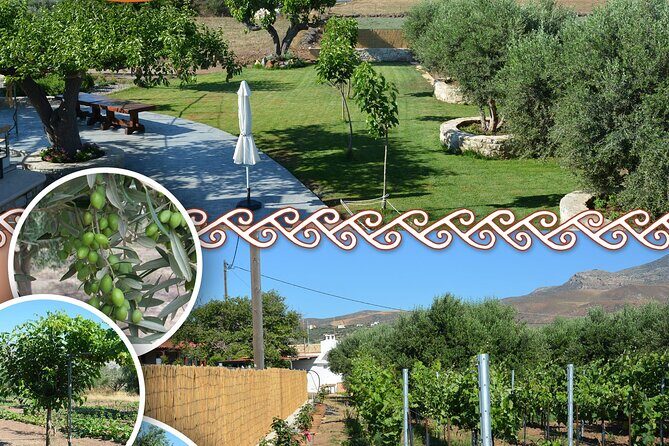
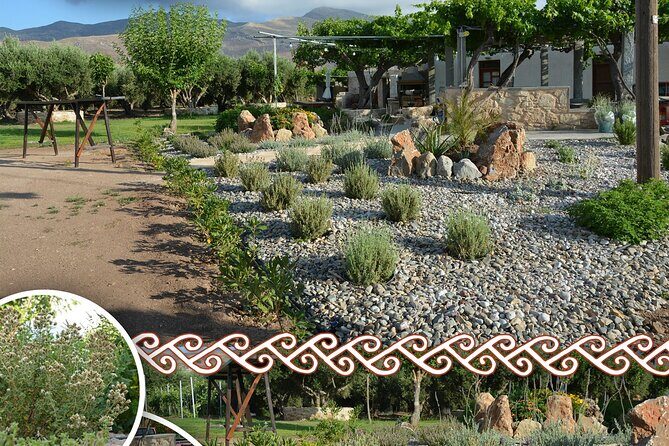
The setting is the Metochi farmhouse area near Chania, and the whole experience is built around that sense of place. You’ll get to know your hosts, walk out to the small farmhouse area they use for the lesson, and settle into a table-and-kitchen setup where you can actually follow what’s happening. It’s not a stadium kitchen. It’s a working home base.
The total time is about 5 hours. Plan it like a real activity, not a quick stop. You’ll be out long enough that you’ll probably skip dinner plans elsewhere.
You can also read our reviews of more cooking classes in Crete
Meet Your Hosts at Metochi Farmhouse (Eleni and Mrs. Chrisoula)
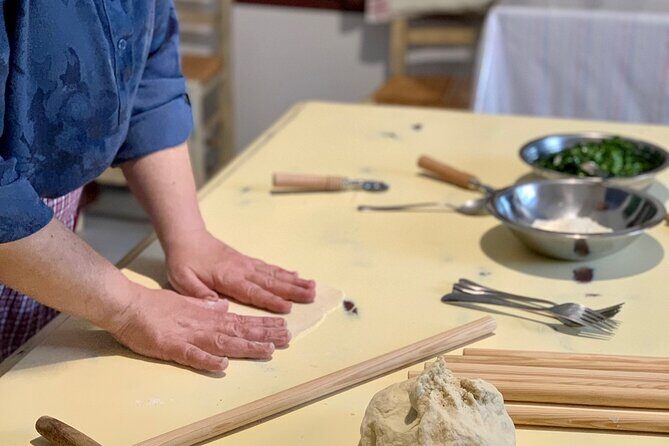
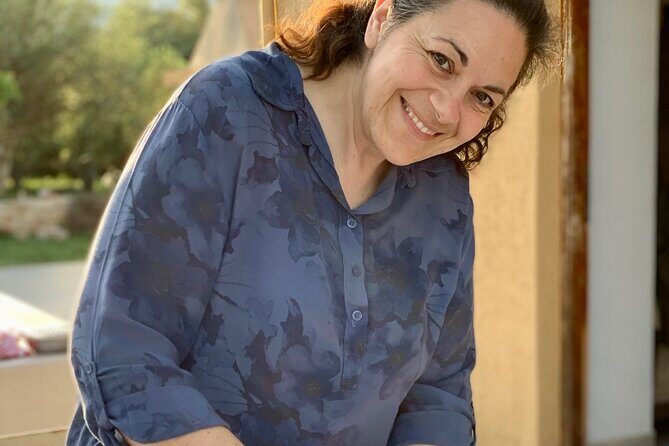
This tour shines because of the people behind it. Eleni is the guide you’ll interact with during the cooking, and her mother—called Mrs Chrisoula, also known as Mom—is part of the welcoming vibe. Based on the descriptions you’re given, the hospitality starts as soon as you arrive: they have things ready, you’re pulled into the flow, and you’re not left to figure out what’s going on.
In practical terms, this matters. When a cooking class is staffed by people who actually cook at home, you get clearer instruction and less rigid “do this, now this” pressure. You’re more likely to learn what to watch for—like texture, doneness, and how to balance ingredients—because the goal is you understanding the process.
The reviews also point to a strong farm connection: fresh items, sustainable practices, and a tour that explains how their olive oil work fits into daily life. That combo is hard to fake and it’s exactly what you want if you’re trying to understand Cretan food beyond the restaurant version.
Hotel Pickup and Small-Group Comfort (Max 14)
Let’s talk logistics, because they’re part of the value. You’re offered hotel pickup in an air-conditioned vehicle. You won’t be stuck hauling yourself to a farmhouse at the end of the day.
In your booking message, you’re told to send either your hotel name or the address of the place you’re staying so the pickup can be arranged. That means they’re not guessing at a pickup point far away from where you actually are—good for you, since the farmhouse start is specific.
Also: the group size is capped at 14 travelers. In practice, that usually translates to more personal attention and fewer long waits while you figure out where your hands belong. If you like asking questions (and if you’re cooking, you probably will), this size keeps the conversation moving.
The Cooking Menu That Actually Matches Cretan Eating
The sample menu is built like a proper Cretan spread, not a token taste of everything.
You’ll work on these dishes (and then you’ll eat them):
Boureki and Comfort Oven Cooking
Boureki is one of those dishes that feels both everyday and special. It’s hearty, baked, and designed for sharing. Alongside it, you’ll also make zucchini with potatoes and cheese in the oven. That pairing tells you something important about Cretan food: vegetables aren’t side dishes. They’re core ingredients.
If you cook this at home later, you’ll appreciate the structure—oven time does some of the work for you. The class also helps you understand how flavors build as the dish bakes, rather than just mixing and hoping.
You can also read our reviews of more tours and experiences in Crete



Gemista: Stuffed Tomatoes and Peppers
Gemista—stuffed tomatoes and peppers—is all about balance: filling, seasoning, and getting the right bake so the vegetables soften without collapsing. You’ll learn how to put the pieces together into something that looks elegant on a table but is made from straightforward components.
This is one of those recipes that teaches patience. You’re learning a technique, not memorizing a cheat sheet.
Stifado: Pork with Onions and Tomato Sauce
Stifado is famous for its slow, onion-heavy sauce style. Here, it’s pork meat with onions and tomato sauce. Even if you don’t fully control how long it simmers in the class timing, you’ll get the idea of how Cretan comfort food is built: aromatics first, then sauce, then time.
It’s also a useful recipe to know if you like meals that taste better the next day. That kind of practicality is very Cretan.
Starters That Set the Table
You’ll also make a starter sequence that covers crunchy, creamy, and tangy:
- Ntolmadakia: rolls with vine leaves and rice
This is a classic that teaches technique and restraint—rolling matters, and the rice filling should be balanced.
- Tzatziki
Creamy, cool, and a great palate-setter before richer mains.
- Kalitsounia: small cheese pastries served with honey
Dessert-energy on a starter table, in the best way.
- Another Kalitsounia version with greens
That second version is a nice reminder: Cretan pastries aren’t one-note. They adapt to what’s available.
- Dakos: rusk with local cheese and tomato
It’s simple, but it’s not boring. The texture contrast is the point: crisp base, then juicy topping.
Don’t underestimate the value of learning starters too. They’re the recipes you’ll actually reproduce often, and they’re the dishes that teach you how Cretan flavors get layered.
What You Learn Beyond Recipes: Olive Oil and the Cretan Diet
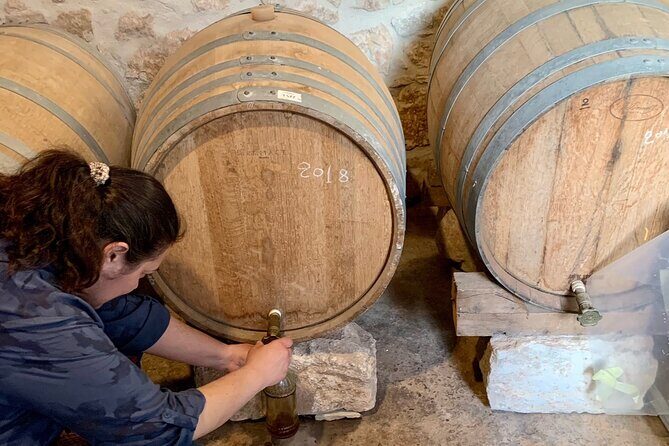
This class doesn’t treat food as only measurements. You’ll get useful info about olive oil and the Cretan diet, plus explanations of the processes behind it.
One of the standout elements described is olive oil tasting. That changes how you think about cooking oil, because you start to taste differences instead of treating oil like a generic ingredient. You’ll hear how olive oil fits into meals and what to pay attention to when you use it.
And there’s also mention of olive oil and wine-related processes being explained as part of the farm and tradition education. Even if you’re not aiming to become a home winemaker, it’s the kind of context that helps food feel grounded in everyday work.
The bigger takeaway: Crete’s diet is built on habits—seasonal produce, olive oil, and meals that keep flavor simple but consistent. If you leave understanding that logic, you’ll cook better afterward even with fewer recipes.
The Farm Tour Part: Why It Matters (More Than a Photo Stop)
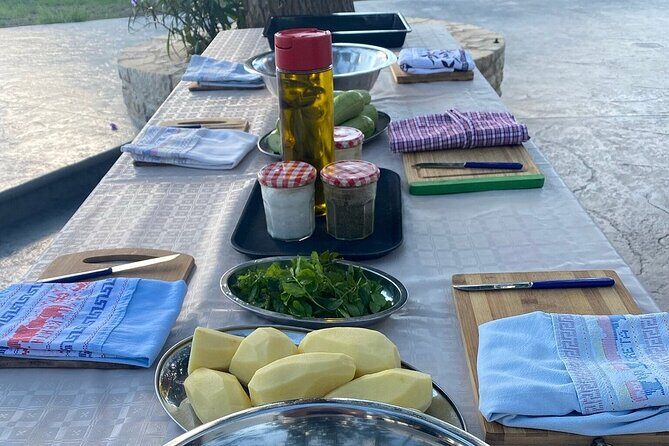
The farmhouse tour isn’t just scenic downtime. It’s connected to what you eat.
From the descriptions you’re given, ingredients are coming from their farm, and the hosts explain the farm’s sustainable practices. You also get to see the property before sitting down, which makes the meal feel earned rather than bought.
This matters because it changes how you judge your future shopping. Instead of thinking, I should find some “Greek spices,” you’ll think, I want the right vegetables, the right olive oil, and the right way to treat ingredients. That’s the kind of learning that lasts.
Also, a farm tour gives your brain a reset during a cooking evening. Cooking is repetitive and hands-on. Walking a bit and hearing the story keeps you from feeling trapped in the kitchen the whole time.
The Dinner Moment: Eating Together After Cooking
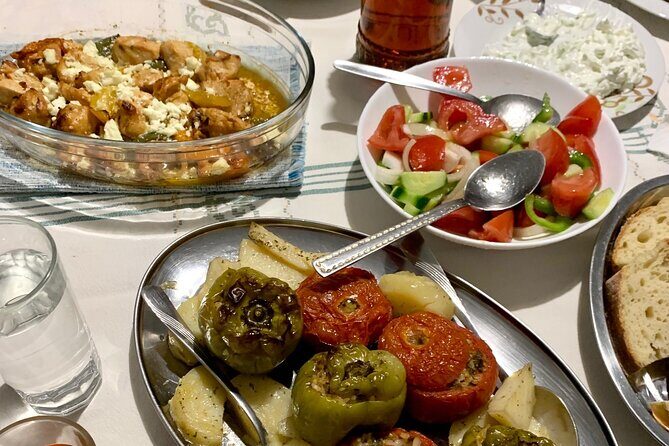
This is not a class where you make food off to the side and then watch someone else plate. The plan is clear: you cook, then you eat the dishes prepared earlier.
You’ll share the table as a group and enjoy everything you made. That shared meal style is one of the reasons these kinds of classes work. It’s not only nutrition. It’s social glue—especially when you’ve been working side-by-side.
And the menu is substantial. Between boureki, oven zucchini with cheese, gemista, stifado, starters like tzatziki and dakos, and the kalitsounia options, you’re looking at an actual dinner spread, not a sampling plate.
Price and Value: What $132.17 Gets You
At $132.17 per person for around 5 hours, you’re paying for a few things at once:
- Guided small-group teaching (max 14)
- Hand-on cooking of multiple dishes
- Pickup in an air-conditioned vehicle
- A farm tour plus olive oil tasting
- Dinner included—the food you help prepare
If you try to recreate a full Cretan menu at home after a vacation, you’ll quickly see the hidden costs: time, ingredients, learning curve, and the fact that some dishes are easier to learn when someone corrects you in real time. This class bundles that learning with a meal.
Could you eat at a restaurant for less? Sure. But you’d miss the hands-on technique, the olive oil education, and the farm context. For many people, that combination is exactly what makes the price feel fair.
Who This Cretan Class Fits Best
This is best for you if you:
- like hands-on learning (not just tasting)
- want real Cretan dishes like gemista and stifado, not generic “Greek-inspired” food
- enjoy farm-to-table context and want to understand how olive oil ties into the diet
- travel with a flexible schedule for a late-afternoon start
It’s also a great fit for couples or small groups who want to talk with hosts and other guests without feeling like you’re in a mass activity.
If you dislike being on your feet or don’t want to cook at all, look for a tasting-focused tour instead. This one is about cooking and then eating what you make.
Quick Tips to Get the Most Out of the 5-Hour Evening
- Wear comfortable shoes. You’ll be moving between areas.
- Come hungry—but not so hungry you can’t enjoy the starters. You’re eating a lot.
- Ask questions about olive oil and how to use it. That’s one of the few lessons that improves your cooking immediately.
- If you have dietary needs, you’ll want to check ahead. The menu is listed, but the data you have doesn’t specify substitutions.
Should You Book This Cooking Lesson?
Yes, if you want a Crete experience that’s practical and warm. The combination of small-group size, farm tour, olive oil tasting, and cooking a full dinner is a strong package for the money. Plus, the teaching feels grounded in real family hospitality, not just a scripted performance.
Don’t book if you only want a quick snack or you hate hands-on cooking. This is a full evening activity, and the work is part of the reward.
FAQ
How long is the Cretan traditional cooking lesson?
It runs for about 5 hours.
Where does the experience start, and when?
It starts at 4:30 pm at Metochi farmhouse, Trachilos Trachilos, Chania 734 00, Greece, and it ends back at the meeting point.
Is hotel pickup available?
Yes. Hotel pickup is offered in an air-conditioned vehicle. You’ll need to send your hotel name or the address of your house so they can arrange the best pickup.
What dishes are included?
The sample menu includes bou-reki, zucchini with potatoes and cheese, gemista (stuffed tomatoes and peppers), stifado (pork with onions and tomato sauce), ntolmadakia (vine-leaf rolls), tzatziki, kalitsounia (cheese pastries with honey and also with greens), and dakos (rusk with local cheese and tomato).
How large is the group?
The experience has a maximum of 14 travelers, so it stays small-group friendly.
Is free cancellation available?
Yes. You can cancel for a full refund up to 24 hours in advance of the experience start time.
Is an olive oil tasting included?
An olive oil tasting is included as part of the experience.