REVIEW · CRETE
Cooking class at the Shepherd’s Shelter in Rethymno
Book on Viator →Operated by Το Σπίτι του Βοσκού · Bookable on Viator
This is the kind of Crete day trip that starts with the goats, ends with a plate you cooked, and teaches you why it tastes the way it does. I love the hands-on sheep’s-milk cheese making and the farm tour that connects the food to the shepherd life. I also like that you eat what you helped make, using fresh produce from local farms. One thing to consider: it runs in a small group (up to 12), so if you’re hoping for a super private experience, you may feel the room is shared.
At the Shepherds Shelter in Milopotamos, you’ll spend about five hours learning Cretan flavors from scratch: vegetables, herbs, cheese from sheep’s milk, then a full meal paired with local wine and raki. If you want Crete beyond the beach strip, this is a strong pick.
In This Review
- Key highlights worth planning for
- Cooking on a Cretan mountain, not in a kitchen show
- Where it happens: Shepherds Shelter near Milopotamos (11:00 start)
- The farm-to-table part: learning the food system, not just a menu
- Sheep-milk cheese: the hands-on lesson that people remember
- Choosing vegetables and herbs: small steps, big payoff
- The meal itself: a Cretan table from scratch
- The food + wine + raki pairing: local taste, not just a drink
- How the shepherd life theme changes your perspective
- Group size and timing: a day that stays friendly
- Price and value: what $131.06 buys you here
- Who should book this cooking class
- Should you book The Shepherds Shelter cooking class?
- FAQ
- What time does the Shepherds Shelter cooking class start?
- How long is the cooking class?
- Where is the meeting point?
- Is the class offered in English?
- How many people are in the group?
- Is wine or raki included?
Key highlights worth planning for
- Sheep’s-milk cheese making: you get the how, not just the taste
- Farm tour in the Psiloreiths mount area: see where the ingredients come from
- Local produce, served fresh: organic vegetables sourced from nearby farms
- Wine and raki tasting: included with the meal
- Small group size (max 12): more interaction during the cooking
- English-led experience: easier to follow if you don’t speak Greek
Cooking on a Cretan mountain, not in a kitchen show
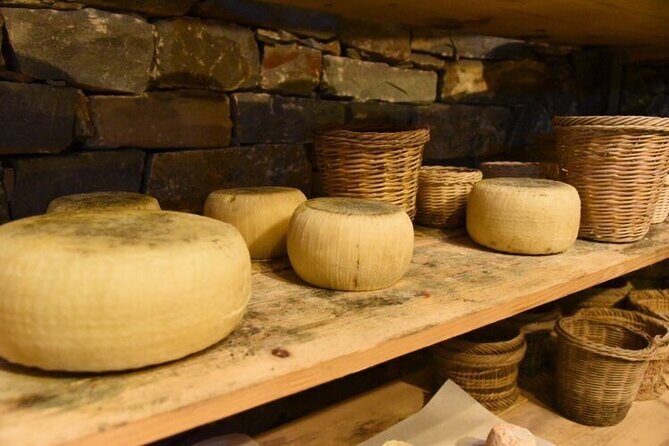
If you’ve done cooking classes before, you already know the script: you chop, you stir, someone tells you the secret. What I like here is that the secret isn’t hidden. It starts on the farm, with a shepherd-focused point of view and ingredients you can trace back to the land. You’re not just collecting recipes. You’re learning the logic behind Cretan food—what locals value, what’s seasonal, and what you can realistically make at home later.
The setting matters too. This is based at the Shepherds Shelter near Milopotamos, up in the Psiloreiths mount area. Even if your legs feel a bit stiff after the farm walk, the day still has an easy rhythm: guided farm time, then cooking, then eating. You’ll spend most of your five hours doing actual work, not watching from the sidelines.
And yes, the table is the finish line. You’ll sit down to the Cretan meal you helped prepare, with local wine and raki included. The best part is that the quantities are generous, so you won’t leave hungry or shopping for a second dinner later.
You can also read our reviews of more cooking classes in Crete
Where it happens: Shepherds Shelter near Milopotamos (11:00 start)
The experience meets at the Shepherds Shelter on Unnamed Road, Milopotamos 740 51, Greece. The start time is 11:00 am, and it ends back at the same meeting point.
Why I think the meeting point matters: when a class is tied to a real farm, you’re not just arriving at a restaurant classroom. You’re going somewhere that actually supports the daily rhythm of shepherd life and food production. That makes the whole day feel connected—ingredients, animals, and cooking all in one place.
Practical tip: plan to arrive a few minutes early. At this kind of small-group activity, being on time keeps the tour and the cooking flow from slipping.
The farm-to-table part: learning the food system, not just a menu
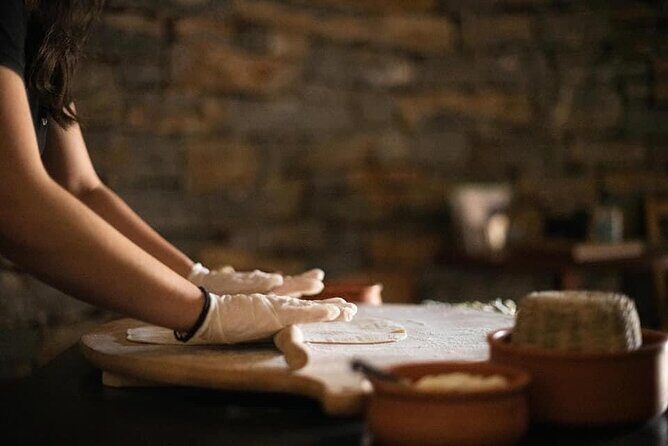
This class is built around a farm-to-table approach with a clear story. You’ll learn about Crete through food, starting with the farm itself. The day includes guided tours around the property, discussions about the nutritional value of Cretan products, and a focus on what the shepherds do and why their products matter.
You can think of it like this: first you build context, then you cook. When you finally taste what you made, it lands differently because you understand the ingredient journey.
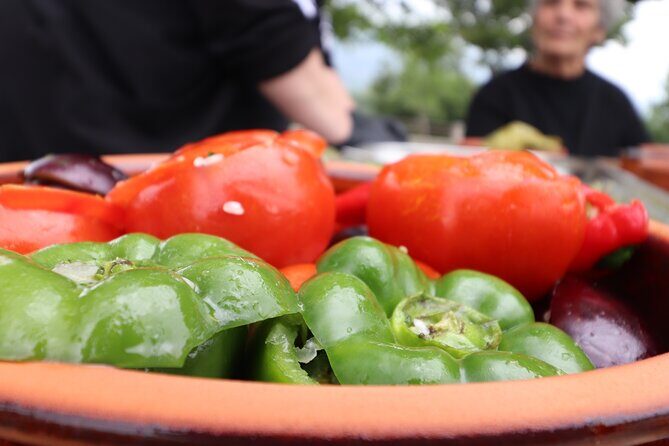
From what’s described, the menu is based on fresh, organic vegetables sourced from local farms. That means your cooking isn’t just theory. It’s built around what grows nearby and what fits the local table. For anyone who’s tired of classes that use generic supermarket ingredients and call it regional, this structure feels more honest.
Sheep-milk cheese: the hands-on lesson that people remember
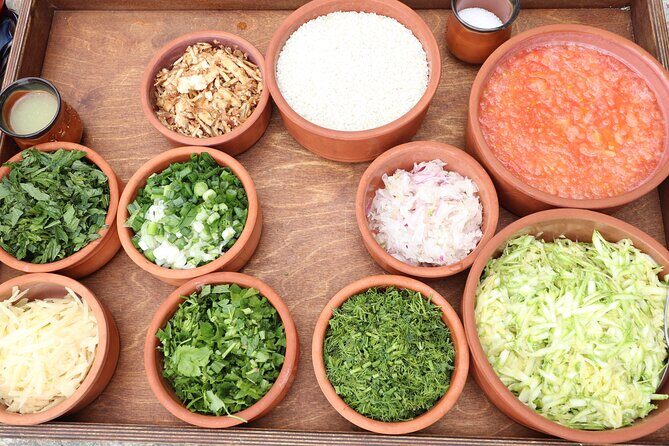
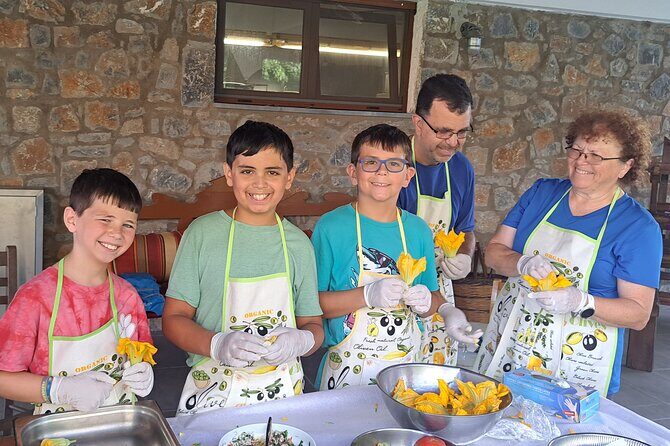
One of the top reasons this class gets such strong marks is the cheese portion. You’ll learn how to make cheese from sheep’s milk, and it’s not framed as a quick photo-op step. It’s part of the experience, along with the meal cooking afterward.
Even if you’re not a confident cook at home, cheese making teaches real technique. It’s usually the stage that forces you to pay attention: timing, texture, and the basics of what the milk is doing as it changes. And because you’re doing it during the day, you get immediate understanding of what the end result should look like.
What I like most for first-timers is that the day is interactive. Instead of being lectured, you’re part of the process. That tends to make you remember details later, and it also makes the class feel more like a shared family activity than a commercial performance.
Also, the name connected to the experience is Yiorgos Kokkinos, listed as the host in one of the notes. That sort of personal stewardship shows up in the way the day is described—people feel cared for and guided, especially during the hands-on sections.
Choosing vegetables and herbs: small steps, big payoff
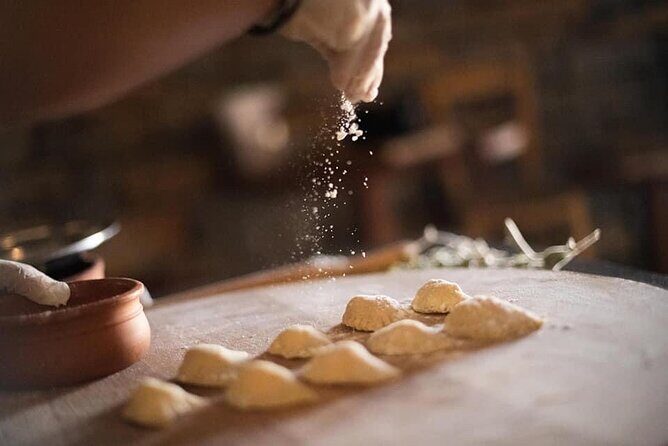
Before you’re deep into cooking, you’ll work with the ingredients. The day includes guidance on fresh produce, and you’ll pick up herbs and vegetables tied to the menu.
Why that’s valuable: when you choose an ingredient yourself, your brain “locks in” why that ingredient matters. You start noticing aroma and flavor differences instead of treating the dish like a finished product. It also helps you understand how Cretan cooking leans on simplicity plus quality, rather than complicated sauces or shortcuts.
A helpful mindset if you go: treat it like a workshop. Ask questions. Watch how the host handles basic prep. If you’re able to taste as you go, even better, because you’ll understand seasoning choices during the actual meal.
You can also read our reviews of more tours and experiences in Crete



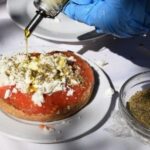
The meal itself: a Cretan table from scratch
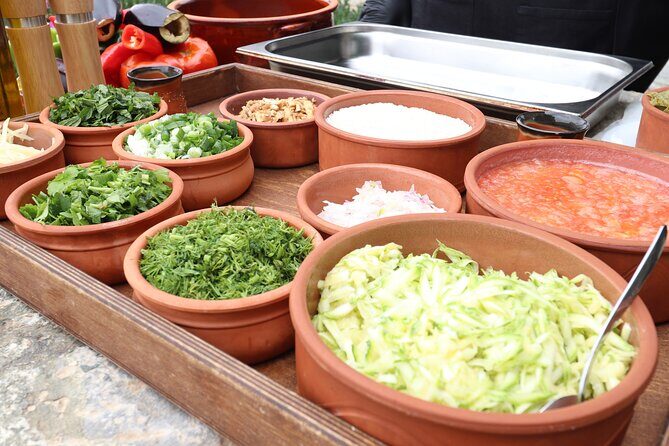
After the farm tour and cheese making, you’ll prepare a delicious Cretan meal from scratch. The class is described as a true cooking session, not a lecture with samples.
The menu is clearly built from the fresh vegetables and local products used in the farm-to-table concept. And since you’ll taste the final meal with local wine and raki, you’ll get a fuller picture of what a Cretan lunch or early dinner feels like.
What to expect in the cooking phase:
- you’ll follow guided steps for preparing the Cretan meal components
- you’ll work in a group of up to 12 people, so the pace stays active
- you’ll be able to eat what you helped cook—no waiting for an instructor to finish everything alone
This part is where the experience becomes practical for you. Even if you don’t copy the exact dish at home, you’ll take away techniques and a sense of proportion. That’s the difference between collecting a recipe and building cooking confidence.
The food + wine + raki pairing: local taste, not just a drink
The experience includes tasting local wine and raki. That matters because Cretan cuisine is often experienced as a whole table, not separate items.
If you like learning how people actually eat, pay attention here. The pairing is part of the cultural context: what people drink with food, how it changes the way you perceive salt, herbs, and richness. And since the day focuses on nutrition and local products, the tastings fit the educational tone of the class rather than feeling like a random add-on.
One more practical note: it’s a full five hours. Keep in mind that tasting means you may want to have plans for how you’ll get back safely after the class.
How the shepherd life theme changes your perspective
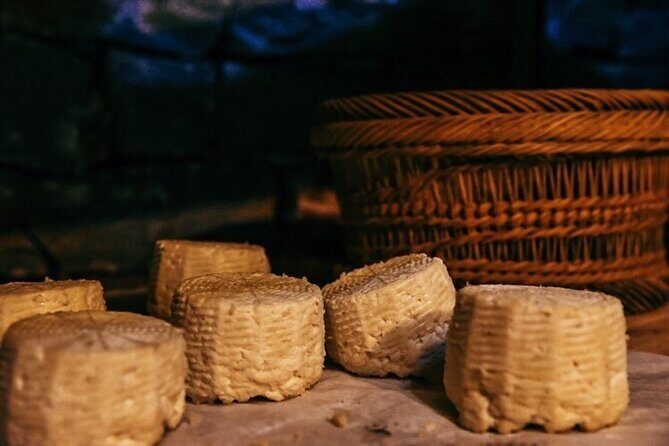
A standout feature is the emphasis on the life of a shepherd in Crete. The farm tour and the discussions aren’t separate from the cooking—they explain it.
Why I think this is worth caring about: when you understand where sheep-milk products come from, you stop thinking of cheese as a generic ingredient. You start seeing it as an outcome of daily work, seasonality, and local know-how. That turns the class into a cultural learning experience, but still anchored in something you can eat and recreate.
This “why” component is also why the cheese step feels meaningful rather than technical. You learn the craft and then you learn the context. Most cooking classes skip the context; this one doesn’t.
Group size and timing: a day that stays friendly
With a maximum of 12 travelers, the class feels designed for interaction. Smaller groups make it easier to ask questions and actually be involved during prep and cooking. It’s also a good sign for organization—less chaos means you spend time cooking, not waiting.
The day runs about five hours, starting at 11:00 am and returning you to the meeting point at the end. For planning, five hours on a weekend is enough time to feel like you did something special without burning the whole day. It also makes sense geographically if you’re basing yourself around Rethymno and want a more rural outing.
Price and value: what $131.06 buys you here
At $131.06 per person (and with price varying by the number of people), this isn’t a “cheap and cheerful” cooking stop. But it also isn’t just paying for someone to talk you through recipes.
You’re paying for:
- a real farm setting in the Psiloreiths mount area
- guided farm touring and shepherd-life context
- hands-on cheese making from sheep’s milk
- a full Cretan meal cooked from scratch
- included tastings of local wine and raki
- a small-group format (max 12)
Also, the fact that it’s booked on average 42 days in advance suggests demand for the weekend slot. When you’re paying this kind of price, you want an experience that feels like it was built for quality. The strong ratings and the focus on interaction point to that.
Bottom line: if you want ingredients-to-plate learning, plus a meal you genuinely help create, the value stacks up. If you mainly want a quick snack and a photo, this may feel like overkill.
Who should book this cooking class
This is a great match if you:
- want a hands-on Cretan food experience rather than a restaurant-style meal
- care about rural life and ingredients that come from local work
- like learning techniques you can use again (cheese making is a big one)
- prefer small groups with real engagement
- plan to spend time around Rethymno and want a weekend activity with meaning
It may be less ideal if you:
- are looking for a super lightweight activity with minimal walking or farm time
- hate the idea of cooking as part of the day (you’ll do real prep)
- want a fully private experience for two or four people
Should you book The Shepherds Shelter cooking class?
I’d book it if you’re the type who enjoys turning travel into skills and stories you can carry home. The combination of farm tour + sheep’s-milk cheese making + a full Cretan meal + wine and raki is exactly the recipe for a memorable day that doesn’t feel touristy or staged.
The one caution I’d give: commit with your schedule in mind. It runs on weekends, it’s 11:00 am start, and you’ll want enough time for the whole five-hour flow. If you line it up right, you’ll likely walk away with more than a full stomach—you’ll have a clearer idea of how Crete tastes, and why.
FAQ
What time does the Shepherds Shelter cooking class start?
It starts at 11:00 am and ends back at the meeting point.
How long is the cooking class?
The duration is about 5 hours (approximately).
Where is the meeting point?
The activity meets at the Shepherds Shelter, Unnamed Road, Milopotamos 740 51, Greece.
Is the class offered in English?
Yes, it is offered in English.
How many people are in the group?
The experience has a maximum of 12 travelers.
Is wine or raki included?
Yes. The class includes tasting local wine and raki.
If you tell me when you’re visiting and where you’re staying (Rethymno city, Milopotamos area, etc.), I can help you figure out the best way to fit the 11:00 am start into your day.