REVIEW · CRETE
Cook with Locals | Cretan cooking Class at Archanes Village
Book on Viator →Operated by LocalTrips4U "Experience True Crete" · Bookable on Viator
Sea air and sharp knives. Ano Archanes is the setting, and I like that the class runs in a small group with hosts such as Maria and Natasha guiding you step by step. The hands-on style plus a local grocery stop means you don’t just hear about Cretan food—you pick the ingredients and learn why they matter.
One thing to consider: even when the lunch menu looks longer, many classes focus on active prep for only a handful of dishes, with some downtime between courses.
In This Review
- Key highlights before you book
- Where Ano Archanes turns cooking into a day out
- The small-group format: why it helps you cook, not just taste
- Shopping for Cretan ingredients in real life
- What you’ll cook: dakos, gemista, tzatziki, and the likely menu pattern
- The pace: hands-on time, then breaks that actually feel pleasant
- Eating what you made: wine, raki, and a table that fills up fast
- Repeatable results: what you’ll remember at home
- Price and value: is $81.98 a fair deal for 3.5 hours?
- Getting there: pickup, mobile ticket, and what to double-check
- Who should book this Cretan cooking class?
- Should you book Cook with Locals in Ano Archanes?
- FAQ
- How long is the cooking class?
- Where does the class take place?
- Is pickup available?
- What dishes are included?
- Is the class suitable for vegetarians or vegans?
- How many people are in the group?
- Is there a local grocery stop?
- What’s the cooking setting like?
- Do I get recipes after the class?
- What happens if the weather is bad?
- FAQ
- Can I cancel for free?
- What if I cancel within 24 hours?
- Do I need a printed ticket?
- What if the class changes the number of dishes I prepare?
Key highlights before you book
- Small group attention (max 12 people), so questions don’t get lost in the crowd
- Local grocery shopping in Archanes/nearby streets to choose the day’s ingredients
- Cretan classics you can repeat at home, including tzatziki and dishes like dakos and gemista
- Sea-view cooking atmosphere, with waves and breeze showing up in the setting
- Diet-friendly teaching, including vegetarian and vegan-friendly options on the day
- Take-home value via recipes emailed after the class
Where Ano Archanes turns cooking into a day out
This isn’t a stuffy “watch me cook” situation. You start in Ano Archanes at Traditional Cooking Classes on Leof. Kapetanaki 46, and from there the day feels like a real slice of village life rather than a factory tour. The kitchen setup can be inside an open cooking studio, or outside in a covered patio style space—either way, it’s set up for people to work, not just stand.
A big part of the appeal is the tone your host sets. Names that show up again and again include Maria, Natasha, Aggeliki, and Angelina—and the common thread is pacing. You’re taught step-by-step, with a relaxed rhythm that makes it feel doable even if your cooking skills stop at boiling pasta.
Also, the surroundings matter here. Several classes are described as having an ocean-facing feel—sometimes you’re literally cooking with the sound of waves in the background. That sounds like a “nice bonus,” but it actually changes the whole experience. You’re more likely to pay attention, ask questions, and enjoy the breaks instead of feeling rushed.
You can also read our reviews of more cooking classes in Crete
The small-group format: why it helps you cook, not just taste
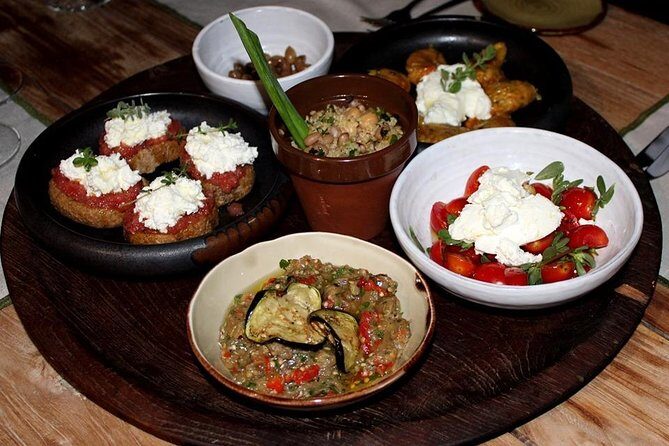
This class caps at 12 travelers, and that size is the difference between learning and hoping. In a larger group, you’d be waiting your turn to chop, stir, or ask how to fix something when it goes off-plan. Here, the setup uses multiple work areas, so people can prep simultaneously while the teacher checks in.
Look for the practical side of this: you get guidance on technique, not just a list of ingredients. The descriptions point to an open-kitchen layout with individual processing and cooking areas, which usually means you aren’t constantly moving around or hovering near one single burner.
If you like hands-on experiences with a human touch, this is the sweet spot. The day also tends to feel social in a good way. Couples, solo diners, and small groups mix comfortably, and you’ll often end up eating what you made at the table with the others.
Shopping for Cretan ingredients in real life
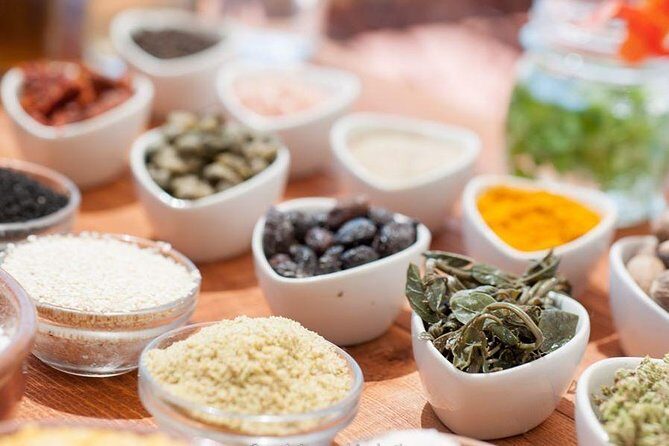
One of my favorite parts of this style of class is the ingredient hunt. You go with the cooking teacher to explore the streets and visit a local grocery store where you can select produce and other basics.
Why is that worth your time? Because it gives you context for the food. When you later try to recreate dishes at home, you’ll remember what you chose that day and why it worked—especially with Cretan staples like olive oil, herbs, and seasonal vegetables.
It also makes the course feel less like a generic cooking demo. You’re not buying ingredients from a “tourist market” vibe and treating them like props. You’re learning what the local day-to-day version of these ingredients looks like.
Quick tip: if you have strong preferences—no dairy, no egg, or allergy concerns—say so early. The class is described as welcoming to vegetarians, and at least one guest specifically called it a good fit for vegan eating.
What you’ll cook: dakos, gemista, tzatziki, and the likely menu pattern
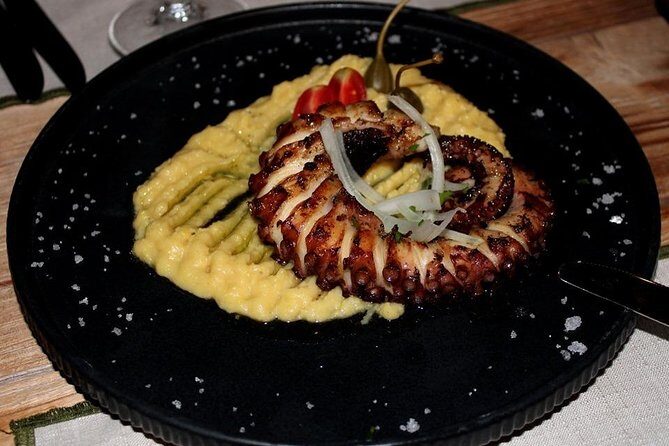
The core Cretan anchors mentioned for the experience include dakos, gemista, and tzatziki. Those are solid picks because they force you to practice different techniques: building a dish with a crunchy base (dakos), preparing stuffed components (gemista), and balancing a cold yogurt sauce with fresh flavors (tzatziki).
Now, here’s the part to plan around: the class can include more dishes on the lunch table than you personally “make” from scratch. Some hosts prepare parts of the meal, and others have guests actively cook a smaller set of dishes while additional items are served alongside.
From real class examples, you may see dishes like:
- stuffed peppers and stuffed tomatoes
- zucchini fritters
- tzatziki
- dessert such as orange cake
So what should you expect as the day unfolds? Usually a working rhythm:
1) You shop and prep ingredients.
2) You cook in stages with a step-by-step teacher.
3) The meal lands as a full lunch spread, sometimes with a few items handled by the cook so the table is ready on time.
If you’re the kind of person who wants every single element to be “your work,” it helps to know that the class often blends guest prep with chef prep. That doesn’t make it less valuable—it just changes what you should aim for. I’d go in expecting to learn core techniques and put your hands on the key dishes.
The pace: hands-on time, then breaks that actually feel pleasant
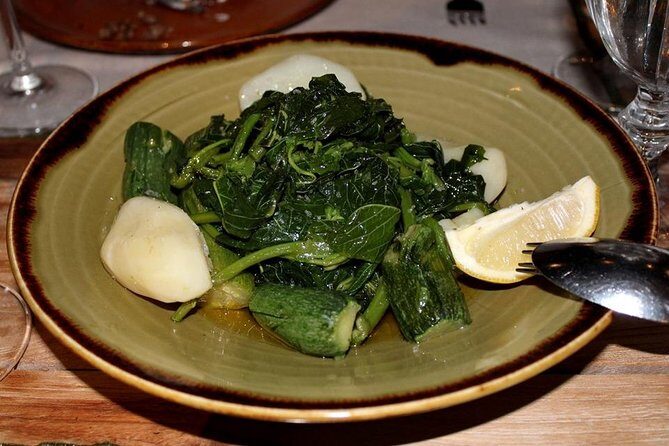
The experience runs about 3 hours 30 minutes. In that time, you’ll likely notice a pattern: you cook for stretches, then there’s downtime while things finish, cool, or come together.
Some guests love this because it gives you a chance to relax, chat, and enjoy the setting. Reviews also mention breaks with wine and raki, which fits the Cretan style of turning a cooking class into a social meal, not a timed exam.
One caution: if you’re expecting non-stop action minute after minute, the downtime can feel long. A couple of reviews mention slower spacing between dishes and one guest thought the experience was a bit expensive for the number of vegetable-focused dishes they were actively preparing. That feedback is a real signal to match your expectations.
My practical advice: plan to treat this as a half-day activity where cooking is the centerpiece, but not every moment is chopping. If you’re into food, you’ll probably enjoy the pauses. If you hate waiting, book it with something else planned nearby for after.
You can also read our reviews of more tours and experiences in Crete


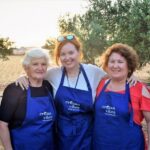



Eating what you made: wine, raki, and a table that fills up fast

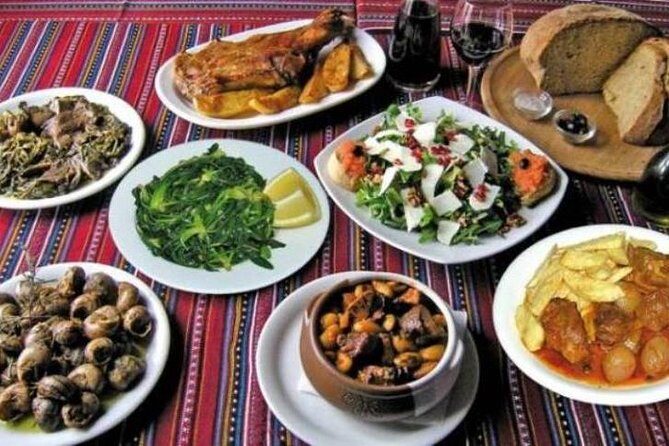
Once your dishes are ready, you eat together. This is where the class delivers its real payoff: you can taste the choices you made and adjust your instincts for salt, herbs, and texture.
Many guests describe the meal as plenty—sometimes so much food that they couldn’t finish it. That matters when you’re judging value. You’re not just learning; you’re getting a generous lunch that includes what you prepared plus other dishes in the spread.
Wine and raki show up in some class experiences, often during breaks or alongside the meal. Even if you skip alcohol, the point is the same: this is structured like a shared Cretan table moment, not a cafeteria lunch where you eat in silence.
Repeatable results: what you’ll remember at home
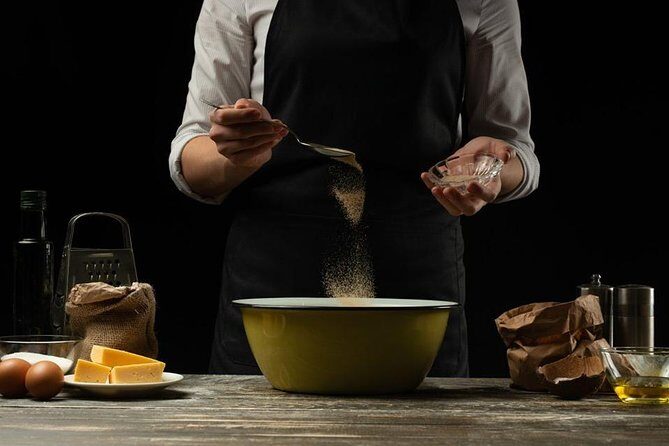
The best cooking classes teach you to recreate a dish, not just admire it once. Here, there’s a strong emphasis on repeatable recipes. One example included a guest recreating tzatziki at home soon after the trip.
You may also get recipes after the class. One review response says that recipes listed in the description are sent by email (and they’re trying not to print them). So you don’t have to rely only on memory.
What to do before you go home:
- Take a few notes during the class on textures you like (thicker vs. looser sauce, crispness levels, seasoning balance).
- Photograph your finished plate if you want a reference.
- If you’re vegan or vegetarian, note what substitutions were used for your exact menu.
That last point is key. In a Cretan cooking class, small ingredient choices can change the dish, so your notes make the difference between a good attempt and a confident one.
Price and value: is $81.98 a fair deal for 3.5 hours?
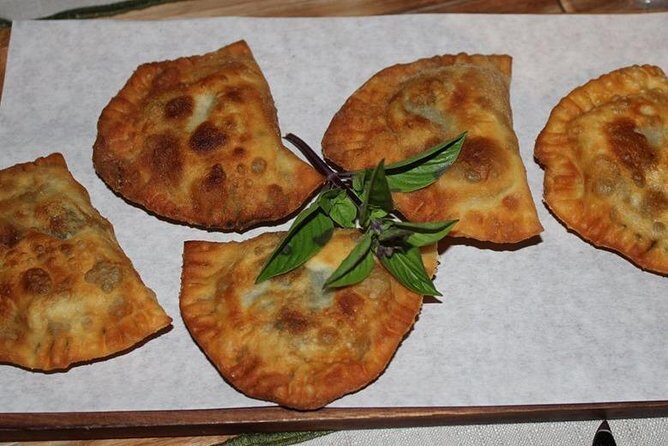
At $81.98 per person for about 3 hours 30 minutes, the price is in the “midrange activity” tier. Whether it feels like a good deal depends on what you compare it to.
Here’s what makes it potentially good value:
- You cook and eat a full lunch, not just sample bites.
- Small-group teaching (max 12) means more time with the host.
- Local ingredient shopping adds real context and effort.
- The teaching style is designed to be practical—step-by-step, with technique focus.
What could make it feel less worth it:
- If you expect to personally make every item listed on a long menu, you might feel the class is shorter on hands-on prep than you hoped.
- If the pacing has more waiting time than you like, it changes your “hours-to-learning” ratio.
My honest take: it’s usually worth it if you go in wanting to learn key Cretan basics and enjoy a relaxed, social meal. If your goal is maximum hands-on intensity per minute, you should set that expectation.
Getting there: pickup, mobile ticket, and what to double-check
Pickup is offered, and the activity uses a mobile ticket. The class starts at the Leof. Kapetanaki address in Ano Archanes and ends back at the meeting point.
Since pickup can depend on your specific booking details and group situation, I’d double-check two things before you go:
- whether pickup is confirmed for your hotel/location
- what time you’re expected at the meeting point
Also remember this: the experience requires good weather. So bring a light layer and something for sudden showers if you’re visiting in shoulder season.
Who should book this Cretan cooking class?
This is a great match for:
- food lovers who want to cook dakos, gemista, and tzatziki style classics
- travelers who like small-group settings with a patient teacher
- people who want a meal experience that feels like a village table
- vegetarians, and at least one guest specifically recommended it for vegan diets
It might be less perfect for:
- people who hate downtime between cooking stages
- anyone expecting to cook every single dish listed on a menu board with zero chef assistance
- those who want very fast-paced, nonstop instruction
If you’re on the fence, I’d still lean toward booking. The combination of shopping + cooking + eating together is what turns this from a “nice activity” into a day you’ll remember.
Should you book Cook with Locals in Ano Archanes?
If you want a hands-on Cretan food day with a real village ingredient hunt, book it. The small group size, step-by-step hosting (Maria, Natasha, Aggeliki, Angelina), and the chance to eat what you made are the biggest wins.
I’d especially book if you care about learning technique for dishes like tzatziki and structured Cretan staples such as dakos and gemista. The class also tends to be friendly for vegetarian needs, and it’s been described as vegan-friendly.
I’d think twice only if you’re very strict about nonstop cooking time or you’re expecting every listed item to be cooked entirely by you.
FAQ
How long is the cooking class?
The class runs about 3 hours 30 minutes.
Where does the class take place?
It’s in Ano Archanes, Crete, with the meeting point listed at Traditional Cooking Classes on Leof. Kapetanaki 46, Ano Archanes 701 00, Greece.
Is pickup available?
Pickup is offered. Check the details shown for your booking.
What dishes are included?
The experience description highlights Cretan dishes such as dakos, gemista, and tzatziki.
Is the class suitable for vegetarians or vegans?
The experience is described as welcoming to vegetarians, and one guest specifically called it a good option for vegan cooking. Confirm your dietary needs at booking.
How many people are in the group?
The class has a maximum of 12 travelers.
Is there a local grocery stop?
Yes. You’ll visit a local grocery store area in the Archanes streets to choose ingredients before cooking.
What’s the cooking setting like?
It’s run in an open kitchen space with individual cooking areas. Some classes are described in outdoor or covered-patio settings.
Do I get recipes after the class?
Recipes mentioned in the description are said to be sent by email.
What happens if the weather is bad?
The class requires good weather. If it’s canceled due to poor weather, you’ll be offered a different date or a full refund.
FAQ
Can I cancel for free?
The experience offers free cancellation up to 24 hours in advance for a full refund.
What if I cancel within 24 hours?
If you cancel less than 24 hours before the experience’s start time, the amount paid isn’t refunded.
Do I need a printed ticket?
You’ll have a mobile ticket. Confirmation is received at booking.
What if the class changes the number of dishes I prepare?
Some classes include more items on the lunch menu than the number of dishes each guest actively prepares. The day is designed so you’ll cook key parts, then eat the full meal.