REVIEW · CRETE
Traditional Villages of Kritsa and Kroustas
Book on Viator →Operated by Summer Tours and Taxis in Crete · Bookable on Viator
A slow day with big Cretan character. This small-group trip pairs Kritsa’s crafts-and-lanes feel with Kroustas’ food-and-wine village vibe, plus stops at a Byzantine-painted church and the Doric ruins of Lato. You’re on the move, but the pace stays friendly.
I especially like the mix of handmade tradition and real-world village life: lace and textiles in Kritsa, then a change of scene where you can linger over local specialties and wine in Kroustas. The fact that Panagias Keras Church and Kritsa are free to enter makes the day feel like good value.
One thing to keep in mind: the van ride is long enough that you should plan for time in transit, and Lato has an entry fee (so budget a few euros on top).
In This Review
- Key things to know before you go
- A 6-hour route through Kritsa’s crafts and Kroustas’ plates
- Price and what you should budget for (the real value math)
- Pickup, the meeting point, and how the day ends
- Panagias Keras Church: Byzantine wall paintings in a compact stop
- Archaia Poli Tis Lato: Doric city-state views over Mirambello Bay
- Kritsa Village: narrow lanes, lace-making, and small-shop browsing
- Kroustas: stone houses, village tavernas, and wine from local grapes
- Food and lunch planning: what to order without overthinking
- Van time, weather, and staying comfortable
- The driver factor: why a small van changes the day
- Who this tour fits best (and who might want to skip it)
- Should you book Traditional Villages of Kritsa and Kroustas?
- FAQ
- How long is the Traditional Villages of Kritsa and Kroustas experience?
- Is pickup included?
- Do I get a mobile ticket?
- How many people are in the group?
- What’s included in the price besides transportation?
- Is lunch included?
- Are entrance fees included?
- Which stops have free admission?
- What happens if the weather is bad?
- Where is the meeting point?
Key things to know before you go
- Small-group setup (max 8): easier conversation, less rushing, and more flexible pacing.
- Two paid sights, most of the day is free: Panagia Kera and Kritsa are free; Lato is not.
- East Crete views included: Lato sits high and gives you wide Mirambello Bay scenery.
- Food cues that help you order on sight: cheese pies, ftazymo bread, boiled goat, plus local pastries.
- Included drinks: bottled water and soda mean you don’t have to hunt early.
A 6-hour route through Kritsa’s crafts and Kroustas’ plates
This is a straightforward day trip with a clear idea: see two traditional villages that feel different from each other, then connect it all with a church and ancient ruins. With a group size capped at 8, you’re not packed into a cattle-car tour. It’s the kind of setup where your driver can slow down when someone wants one more photo or a quick extra look at a street.
The day runs about 6 hours total, and it’s built around visits that don’t require all-day hiking. Still, you’ll be walking on village streets and archaeological paths, so comfy shoes matter. Also, plan for a bit of van time. The transfer between stops is about 1–1.5 hours each way depending on traffic.
You can also read our reviews of more tours and experiences in Crete.
Price and what you should budget for (the real value math)
The price is $69.46 per person, and that includes bottled water and soda/pop. Two parts are also free to enter: Panagias Keras Church and Kritsa Village time. That already trims your out-of-pocket costs.
What isn’t included:
- Lunch in Kroustas
- Entrance fees: Panagia Kera (3 euro) and Lato (3 euro)
Here’s the practical way to think about it: you’re mostly paying for transportation plus guided context from your driver, with small extra charges for one main ruin site and one church. If you like structure—get in, see the key places, get dropped back—you’ll likely feel like the cost makes sense. If you’d rather roam totally on your own, you might compare it with DIY options, because part of the day is simply travel time.
Pickup, the meeting point, and how the day ends
The meeting point is Andrea Papandreou 36, Schisma Elountas 720 53, Greece. The tour starts there and ends back at the same spot. Pickup is offered, so you’re not stuck coordinating your own ride between eastern Crete stops.
You’ll also get a mobile ticket, and you should receive confirmation when you book. Since the group is small, I recommend arriving a few minutes early so you can get settled without that last-minute scramble.
Panagias Keras Church: Byzantine wall paintings in a compact stop
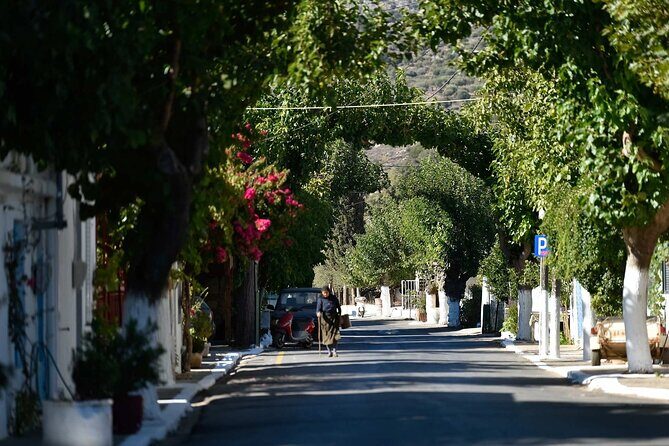
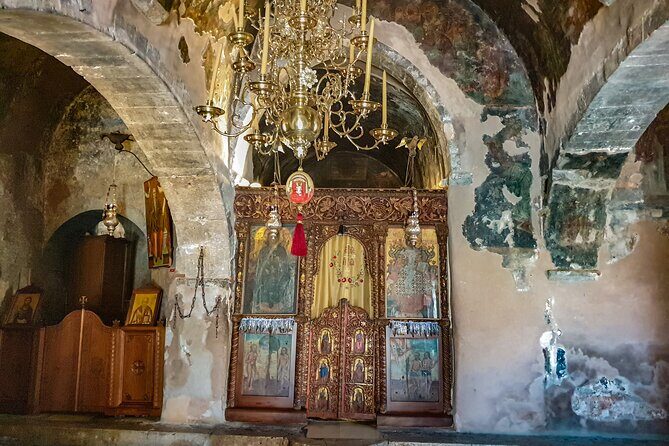
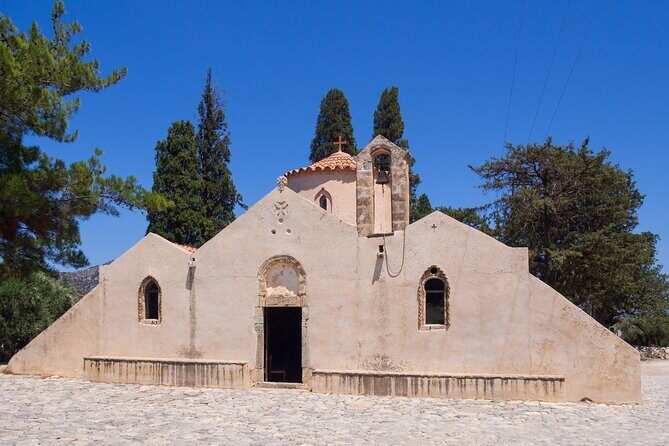
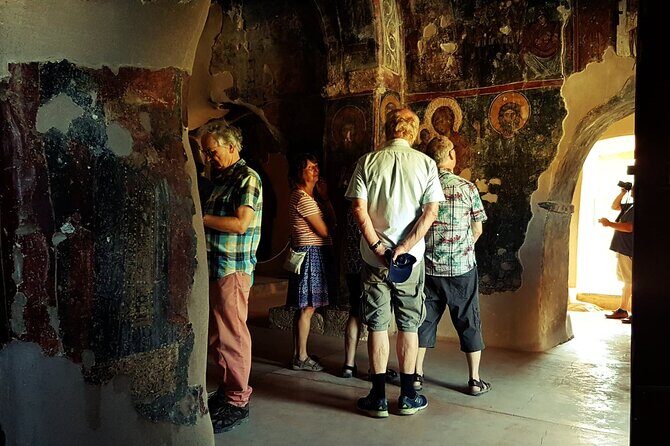
Stop 1 is Panagias Keras Church, about 500 meters south of Kritsa. This is the kind of place that rewards you for slowing down, because the standout feature is not size—it’s the painted interior.
What you’re seeing here:
- A three-aisled, barrel-vaulted church
- A dome on the nave
- Extensive, well-preserved wall painting decoration from different periods of Byzantine art
The visit is around 30 minutes, and that’s enough time to take in the structure, then focus on the paintings without feeling rushed. Admission is listed as free for this stop, which is a nice bonus early in the day.
Tip: If you like architecture and religious art, arrive ready to look up. The details are in the ceilings and wall surfaces, not just the entrance area.
Archaia Poli Tis Lato: Doric city-state views over Mirambello Bay
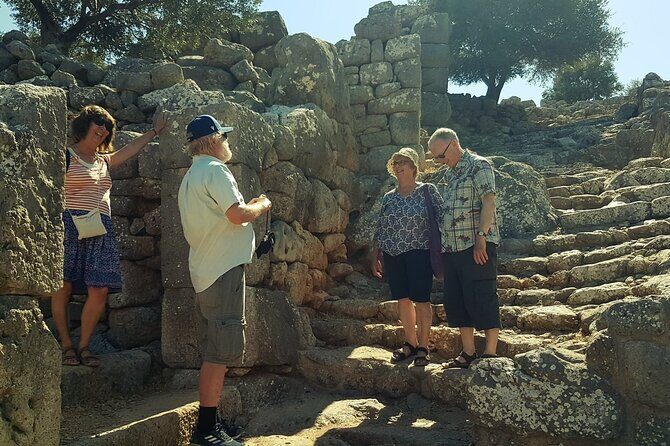
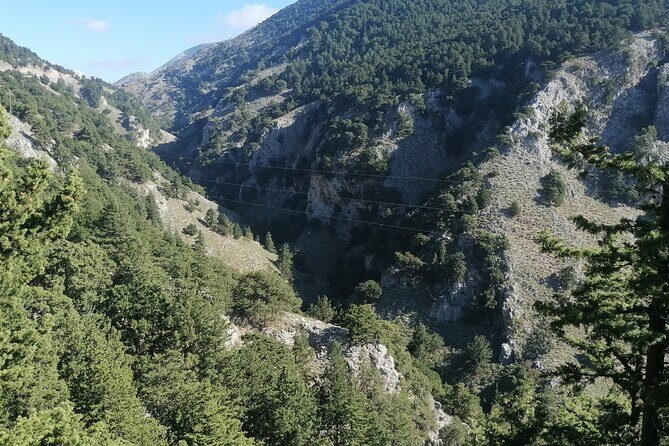
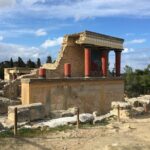
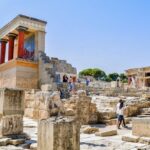
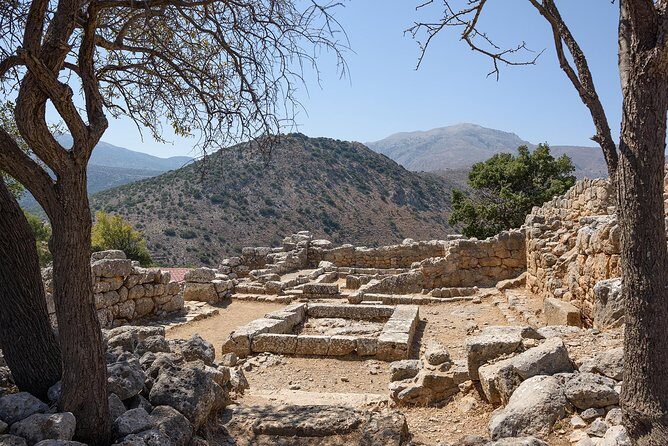
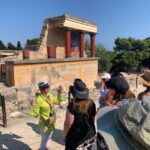
Stop 2 takes you to Archaia Poli Tis Lato, a major Doric city-state in Crete. Lato was built on a saddle between two hills—smart for defense, and also a big reason you get those sweeping views.
You’ll get the context for why it mattered:
- It was named after Leto (Lato is the Doric form), mother of Apollo and Artemis
- But the main goddess worshipped in the city was Eileithyia (shown on the coins)
- Lato was the birthplace of Nearchos, the admiral of Alexander the Great
There’s also an interesting trade and power shift: the harbor of the city was Lato pros Kamara, linked to modern Agios Nikolaos. By the mid-2nd century A.D., that harbor area was flourishing enough that the administrative center moved there, and Lato was later abandoned.
Time on site is about 50 minutes, and the entry fee isn’t included (3 euro). This stop is where the day turns from village streets to an open-air archaeology feel.
Practical note: ruins can mean uneven ground. Bring shoes with traction, and don’t try to sprint for photos when the path gets rocky.


Kritsa Village: narrow lanes, lace-making, and small-shop browsing
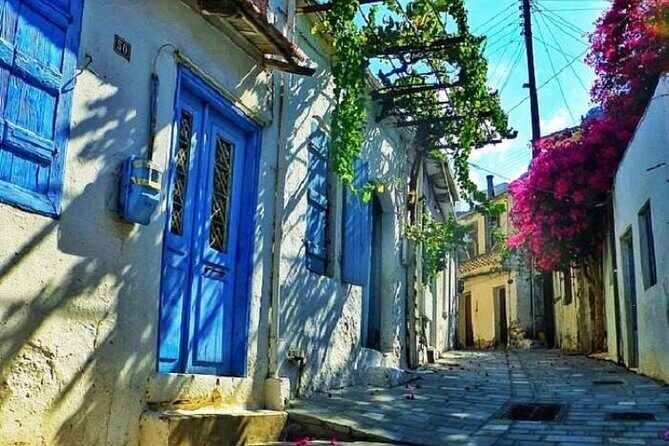
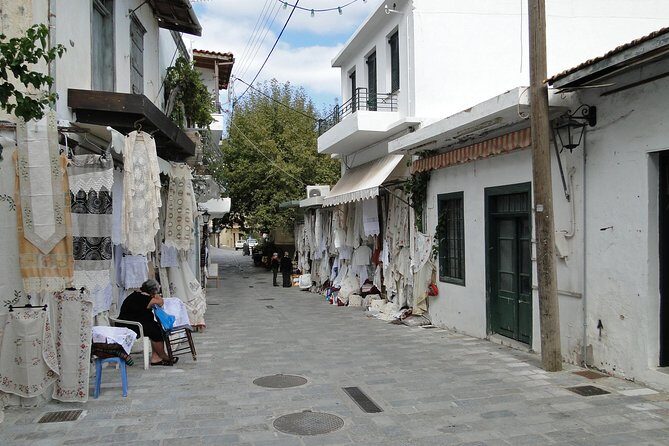
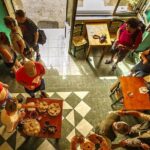
Stop 3 is Kritsa Village, and it’s the classic “walk around and get lost a little” part of the trip. Kritsa is known for traditional Cretan lifestyle: lace making and handicrafts, narrow streets, and old buildings that give the place a lived-in museum quality.
Here’s what you can actually spend time on:
- Textile shops and handcrafted items
- Traditional coffee shops where you can pause
- Folklore collections
- Byzantine temples within the village setting
You’re allotted about 1 hour 30 minutes, and that’s a good length for browsing without turning it into a race. Many people like this stop because it’s compact: you can see a lot just by walking a few streets at a comfortable pace.
One small but meaningful detail: there may be a lot of variety in the built environment—pretty restored buildings next to more abandoned-looking structures—so your enjoyment will depend on whether you like the contrast of everyday reality rather than only perfectly polished sights.
Kroustas: stone houses, village tavernas, and wine from local grapes
Stop 4 is Kroustas, a small village of around 500 residents. It’s quieter, more countryside-shaped, and it leans hard into food and drink.
What you’ll notice right away: narrow streets, stone houses, and that slower feel that makes it easier to take your time. Beekeeping is well developed in this area, and you might find that food culture ties naturally into honey and local ingredients, even if you’re mainly there for lunch later.
This is where the food knowledge pays off. You’ll want to look for local specialties such as:
- Myzithropites (special cheese pies)
- Ftazymo bread
- Aiga vrasti (boiled goat)
- Skioufihta (a pasta dish)
- Kalitsounia (sweet or savory pastry)
Wine is another centerpiece. Kroustas is known for local wine made from grape varieties like Liatiko and Mandilari. If you’re the type who likes to taste first and ask questions second, this is a very good village day to do it.
Time here is about 1 hour 40 minutes, and you’ll have a window to choose a taverna. Lunch is not included, so this is your time to decide what fits you.
One practical note from real-world experience: you may find free toilets and easy parking in the village, which makes the stop less stressful if you’re coming in from a busy day.
Food and lunch planning: what to order without overthinking
Since lunch isn’t included, I treat Kroustas like an “options window.” You’ll usually do best if you commit to a simple plan before you sit down: one savory dish or pie, plus something sweet if you’re hungry, and then a drink—coffee, juice, or wine depending on your day.
A few smart ordering ideas based on what’s highlighted for the area:
- If you want comfort food, go for myzithropites or kalitsounia.
- If you’re feeling brave and want a true local signature, ask about aiga vrasti.
- If you’re after something more filling and very Crete-coded, skioufihta is worth looking for.
If wine is a focus for you, ask what’s available from local varieties such as Liatiko and Mandilari. Even a small tasting can make the food experience feel more connected to the place.
Van time, weather, and staying comfortable
This tour requires good weather. If conditions aren’t right, you’ll be offered a different date or a full refund. Because you’re outside in villages and on ruins, you don’t want to be stuck in rain with limited shade.
Plan for sun and heat too. Even in months that feel manageable, village walking adds up. Bring water (it’s included), wear a hat, and keep your sunglasses handy.
You also want to think about walking rhythm. The itinerary is designed as stops, not a nonstop trek. Still, narrow streets and uneven archaeological ground will add a bit of effort.
The driver factor: why a small van changes the day
One of the best parts of this tour is the small-group feel and the role the driver plays in shaping your experience. In practice, it means you’re not just dropped at each location with a silent headset. You can ask questions and get real context from a friendly, on-the-ground guide.
A driver named Christos is specifically mentioned as explaining things along the way, and that kind of commentary matters for sites like Lato. When you know why Leto and Eileithyia show up in the story, the ruins feel less like random stones and more like a place with people and beliefs.
With only up to 8 travelers and time to stop and look around, it also becomes easier to tailor your pace. If you like photos, you can slow down. If you like conversation, you can ask for more detail.
Who this tour fits best (and who might want to skip it)
I’d recommend this day trip if you want:
- A structured but not rushed look at two traditional villages
- A combo of village browsing plus one standout ruin/Byzantine-art stop
- Small-group comfort, with drinks included and a driver who talks through the sites
It may not be ideal if you’re the type who hates driving time or you want a long, independent lunch that isn’t bound to a set stop schedule. The tour is designed for a full day flow, not a slow, open-ended wander.
Should you book Traditional Villages of Kritsa and Kroustas?
If you like villages where you can actually walk the lanes and take in everyday culture—plus one real historical highlight—you should book this. The pricing is reasonable for the route, especially because you get free entry at Panagia Kera and Kritsa time, and you start with bottled water and soda included.
Just go in with the right mindset: you’re paying for transportation and guided context, while your biggest extra cost is small (Lato’s and the church entry fees if applicable), and your lunch is your choice. Bring shoes for walking, keep cash or card ready for small admissions, and give yourself permission to linger in Kritsa and Kroustas rather than trying to check every corner at speed.
FAQ
How long is the Traditional Villages of Kritsa and Kroustas experience?
It runs about 6 hours (approx.).
Is pickup included?
Pickup is offered.
Do I get a mobile ticket?
Yes, the tour includes a mobile ticket.
How many people are in the group?
The tour has a maximum of 8 travelers.
What’s included in the price besides transportation?
Bottled water and soda/pop are included.
Is lunch included?
No. Lunch in Kroustas is not included.
Are entrance fees included?
No. Entrance fees are not included for Panagia Kera (3 euro) and Lato (3 euro).
Which stops have free admission?
Panagia Keras Church is listed as free, and Kritsa Village is listed as free.
What happens if the weather is bad?
If the experience is canceled due to poor weather, you’ll be offered a different date or a full refund.
Where is the meeting point?
The start (and end) meeting point is Andrea Papandreou 36, Schisma Elountas 720 53, Greece.