REVIEW · CRETE
PSILORITIS(mount Ida) Crete’s Highest Point 2456m
Book on Viator →Operated by Creta Trekking · Bookable on Viator
Highest point hikes can change your day.
Hiking Psiloritis (Mount Ida) to Crete’s highest summit at 2456 m is a rare mix of mythology and real mountain effort, with the area recognized as a UNESCO Global and UNESCO European Geopark. You’ll be walking through different kinds of terrain on the way up, and the top rewards you with wide-open views across the island.
I especially like the small-group setup, capped at 8 people, which keeps things calm and personal on an all-day hike. I also like the practical inclusions: trekking poles and snacks along the way, including a summit snack that helps fuel the climb.
One thing to consider: this is not a stroll. You’ll be climbing and descending roughly 900 meters total gain and loss, so if you’re only comfortable with flat walks, you may find it tougher than you expected.
In This Review
- Quick hits worth knowing
- Psiloritis (Mount Ida) at 2456 m: the real appeal
- Meeting in Bali and keeping the day moving with a max-8 group
- The climb: roughly three hours up and what 900 meters really means
- The summit payoff: views, the Zeus slopes, and a proper snack stop
- UNESCO geopark hiking: flora and geology without the museum fatigue
- Gear, snacks, and pacing for an 8-hour mountain day
- Who this is best for (and who should think twice)
- Should you book Psiloritis with Creta Trekking?
- FAQ
- How high is the Psiloritis summit on this tour?
- How long is the full tour?
- About how long does it take to hike up to the top?
- How many people are in the group?
- What’s included for food and hiking support?
- Is the hike suitable for beginners?
- Does the tour run in any weather?
- Can I cancel for a full refund?
Quick hits worth knowing
- Crete’s highest point (2456 m), with a proper summit goal
- Small group (max 8) for smoother pacing and more guide attention
- About three hours up before you reach the top, then time to enjoy and return
- UNESCO geopark area, tied to unique flora and geology, not just views
- Trekking poles + snacks included, including a summit snack
- Weather-dependent: good conditions matter for safety and comfort
Psiloritis (Mount Ida) at 2456 m: the real appeal
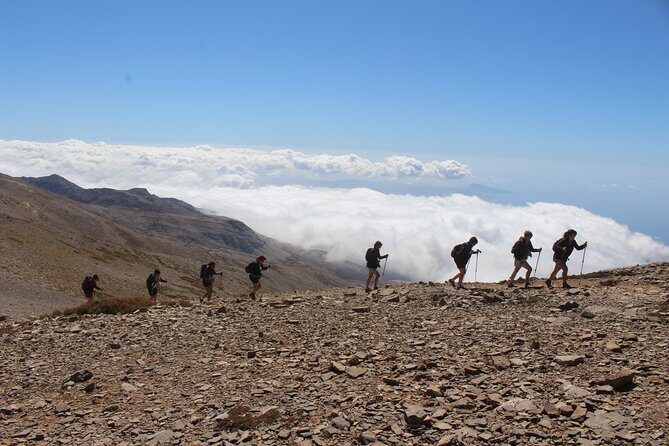
Psiloritis is the highest summit in Crete, hitting 2456 meters. That number matters because it shapes everything about the day: the pace, the effort level, and the kind of views you get from the top. If you want a hike with a clear finish line, this delivers.
There’s also a story layer to the mountain. According to Greek mythology, Zeus was raised on these slopes. Even if you’re not chasing myths, it adds a fun sense of place as you work upward—especially when you’re looking out over the island from near the top.
The other big reason to care is the UNESCO recognition. The mountain range is listed as both a UNESCO Global and a UNESCO European Geopark, tied to unique flora and geological features. Translation: this isn’t just a long climb for a photo. You’re hiking in a protected, scientifically interesting area, and your guide should help you notice what makes it distinctive.
You can also read our reviews of more tours and experiences in Crete.
Meeting in Bali and keeping the day moving with a max-8 group
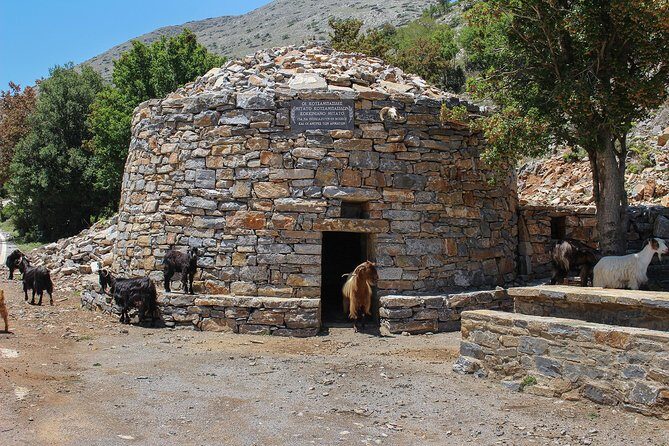
The tour starts at a meeting point in Bali, identified by plus codes CQ5J+QH Bali and CQ5J+QHR Bali. The hike ends back at the meeting point, so you’re not juggling extra transport plans while your legs are already negotiating their surrender.
You’re traveling with a small group—up to 8 travelers—which changes the whole feel of a full-day mountain outing. Smaller groups tend to mean fewer bottlenecks on narrower paths, easier adjustments if someone needs to slow down, and less time waiting around. That can matter a lot when you’re spending hours on a climb and then turning around for the descent.
The tour runs about 8 hours total. That time frame is long enough that you’ll want to treat the day like a hike day, not a casual activity. Still, with a guided format and a clear goal (the highest summit in Crete), the schedule should feel purposeful rather than dragged out.
The climb: roughly three hours up and what 900 meters really means
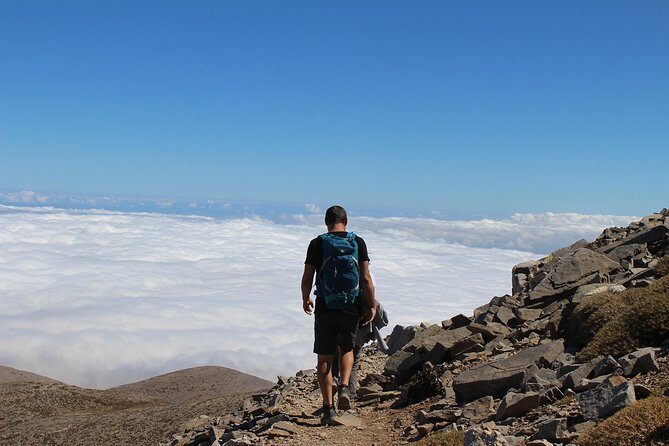
On the way to the top, you’ll hike for about three hours to reach the summit. That’s a useful detail because it helps you picture the day: you’re not spending your whole time creeping upward; instead, you have a defined push followed by summit time and the return.
A review note that the hike involves around 900 meters up and back down. Even if you’re a confident hiker, that’s a solid workout. The good news is that this kind of elevation gain is exactly what trekking poles are for. They can take pressure off your knees during the downward part, which is usually the part that catches people by surprise.
The tour asks for moderate physical fitness. I read that as: you don’t need to be an athlete, but you should be comfortable hiking for hours and managing uphill effort. If you can handle sustained climbing and you’ve got your breathing rhythm under control, you’ll probably feel in your element.
A practical consideration: this is a mountain day. Expect the hike to demand attention to your footing, especially if conditions are slick or visibility drops. The description also says the tour requires good weather, which reinforces that the route and safety planning depend on conditions.
The summit payoff: views, the Zeus slopes, and a proper snack stop
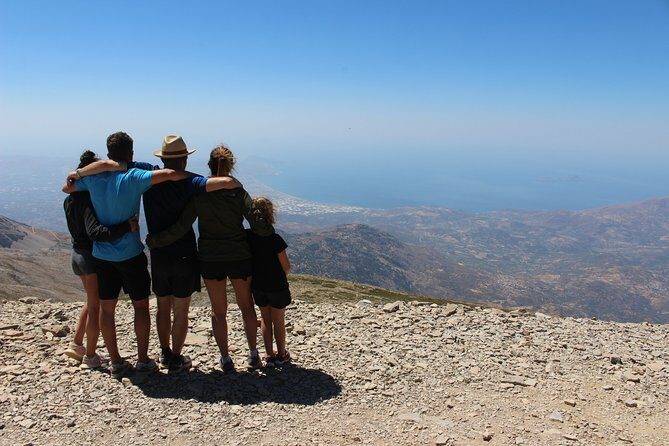
Reaching Psiloritis’s summit at 2456 m is the headline moment. But it’s not just about standing at a high point; it’s about what you can see once you get there. The tour description promises sweeping views over Crete, and that lines up with why people come for this climb.
This is also where the UNESCO geopark idea becomes more than a label. The mountain range’s special value is tied to unique flora and geological features. You’re unlikely to learn it all in one stop, but a good guide can point out features you’d miss on your own. In other words: you’ll get the views, and you’ll also get a little structure to notice what you’re walking through.
Then there’s the food. Snacks are provided, and the summit snack gets called out as a highlight. That’s a small inclusion that makes a big difference when you’re working that hard. After the push to the top, having something waiting helps you enjoy the moment without feeling like you’ve run on fumes.
Keep in mind: summit time can be influenced by weather. If it’s windy or visibility is limited, you might spend less time lingering than you hoped. That doesn’t change the value of the climb, but it affects how long you get to enjoy the panoramic payoff.
UNESCO geopark hiking: flora and geology without the museum fatigue
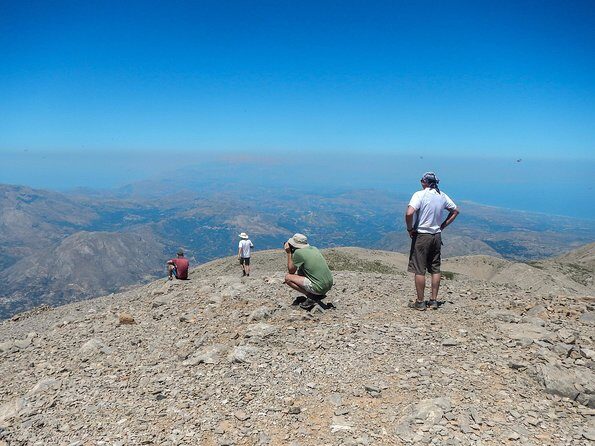
The Psiloritis range is protected for more than scenery. It’s recognized as a UNESCO Global and UNESCO European Geopark because of its flora and geological features. That matters because it gives the walk context.
What I like about this setup is that it can keep the experience grounded. Instead of turning the hike into a classroom, the guide can connect what you see to why the area matters. You’re moving through the mountain environment; the information stays tied to real surroundings.
You also get the benefit of variety during the day. The tour description notes a mix of terrain on the way up, and that variety is a big part of why the climb doesn’t feel monotonous. When you’re hiking for hours, variety helps your brain stay engaged, and it can make the climb feel shorter than it is.
One more practical point: variety of terrain often means you’ll use different muscles. Some sections will likely feel more demanding for your calves or thighs, while others may challenge balance and footing. Trekking poles help you stay stable and keep your stride controlled.

Gear, snacks, and pacing for an 8-hour mountain day
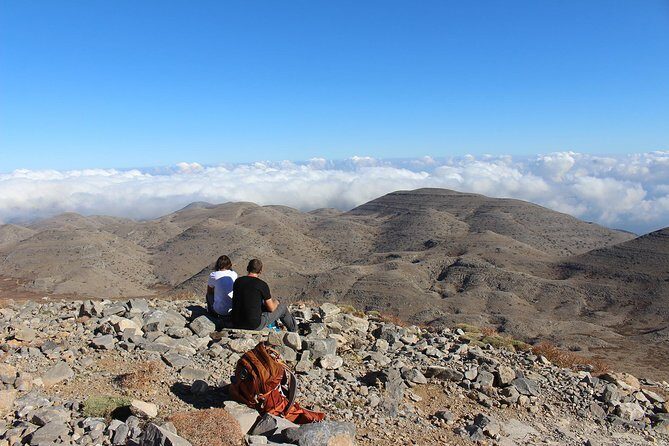
The tour includes snacks and trekking poles, which is a real value add. If you’ve ever hiked without poles and felt your knees protest on the way down, you’ll understand why this matters. Poles don’t just help on steep parts; they help you maintain a consistent rhythm and reduce fatigue.
Since the full day runs about 8 hours, you’ll want to plan for a longer effort window than a half-day outing. Even with a three-hour climb segment, you still have to factor in summit time, breaks, and the return down. Bringing a mindset for a long hike day will make the whole experience feel easier.
You should also be prepared for basic mountain reality: conditions matter. The tour specifically states good weather is required. If weather turns, the tour may be canceled, and you’ll be offered a different date or a full refund. That’s reassuring, because it means the operator is prioritizing the hike being safe and enjoyable rather than forcing it in questionable conditions.
Finally, there’s a comfort-and-policy note: service animals are allowed. If that’s relevant for you, it’s one of the few things travelers sometimes need to double-check in advance.
Who this is best for (and who should think twice)
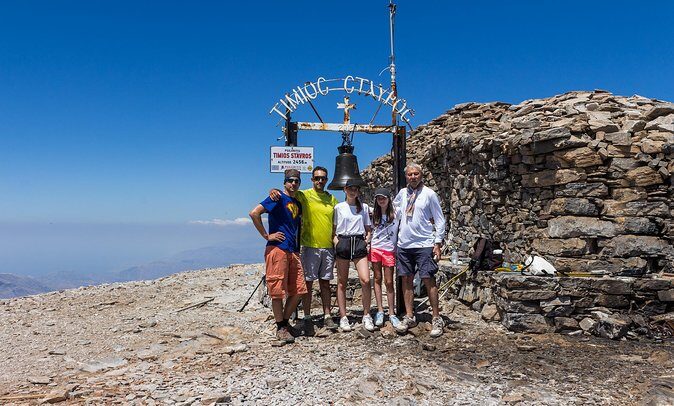
This is a great fit if you want one clear summit goal and a guided structure. The combination of Crete’s highest point, a UNESCO geopark setting, and the promise of a big viewpoint makes it especially appealing for hikers who like effort with payoff.
It’s also a good option if you appreciate small groups. With a cap of 8 travelers, the day is less chaotic, and you’re more likely to get helpful guidance when you need it—especially on a route where footing and pacing matter.
If you’re more of a casual walker, consider your baseline fitness carefully. The moderate physical fitness requirement, plus the roughly 900 meters up and down mentioned in feedback, suggests you’ll feel the climb. You don’t need to be training for a marathon, but you should be comfortable with sustained uphill effort.
Should you book Psiloritis with Creta Trekking?
Yes—if you want a real summit hike in Crete, with a manageable group size and practical inclusions. At $347.05 per person, you’re paying for guided leadership, the small-group experience (max 8), and the support that helps you finish stronger (trekking poles and provided snacks, including a summit snack). The price is easiest to justify when you value not just the view, but the guided pacing and included gear.
Book this if you’re reasonably fit, you like being outdoors for most of the day, and you’re okay with the fact that weather matters. Skip it if your idea of hiking is mostly flat walking or if you’re nervous about climbing and descending significant elevation.
If you’re ready for a day that mixes myth (Zeus), science (UNESCO geopark), and a high-altitude viewpoint, this is a strong choice.
FAQ
How high is the Psiloritis summit on this tour?
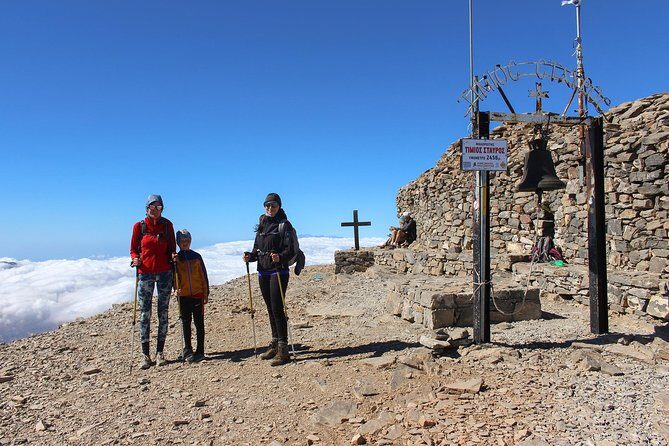
The hike targets the summit of Psiloritis (Mount Ida) at 2456 meters.
How long is the full tour?
The total duration is about 8 hours.
About how long does it take to hike up to the top?
The route to the top is described as taking about three hours.
How many people are in the group?
The tour has a maximum of 8 travelers.
What’s included for food and hiking support?
Snacks are provided, and trekking poles are also provided.
Is the hike suitable for beginners?
The tour notes a moderate physical fitness level, so it’s best for people comfortable with a sustained uphill and downhill day.
Does the tour run in any weather?
The experience requires good weather. If it’s canceled due to poor weather, you’ll be offered a different date or a full refund.
Can I cancel for a full refund?
Yes, you can cancel up to 24 hours in advance for a full refund. If you cancel less than 24 hours before the start time, the amount paid is not refunded.